Table of Contents
Sugar Shack is a balanced hybrid cannabis strain known for its sweet and earthy aroma, moderate to high THC content, and well-rounded effects. While its exact lineage remains somewhat mysterious, users appreciate its euphoric yet relaxing effects, making it suitable for both medical and recreational use.
- Type: Hybrid (Indica-dominant)
- THC Content: 15-22%
- CBD Content: 0.5-1.5%
- Effects: Euphoric, calming, mildly sedative
- Medical Uses: Pain relief, stress reduction, insomnia, appetite stimulation
- Flavor and Aroma: Sweet, piney, herbal, with hints of citrus
Sugar Shack is highly valued for its smooth smoke, potent high, and versatile effects, making it a great option for a variety of users.
Genetics and Origins
The exact parentage of Sugar Shack is unknown, but it is believed to be an indica-dominant hybrid that originated from Northern California or the Pacific Northwest.
Parent Strains (Possible Lineage)
- Indica-leaning genetics: Suggests that it may have Afghani or Northern Lights lineage.
- Sativa influences: Possibly a mild Haze or hybrid cross to balance the effects.
This genetic background contributes to its calming body effects while still delivering an uplifting cerebral high.
Cannabinoid and Terpene Profile
Sugar Shack’s effects and therapeutic properties stem from its cannabinoid and terpene profile.
Cannabinoid Content
| Cannabinoid | Percentage (%) | Effects |
|---|---|---|
| THC | 15-22% | Euphoria, relaxation, analgesic effects |
| CBD | 0.5-1.5% | Anti-inflammatory, neuroprotective |
| CBG | 0.5-1.2% | Anti-anxiety, neurogenic properties |
| CBC | 0.2-0.6% | Pain relief, anti-inflammatory |
| THCV | 0.1-0.5% | Appetite suppression, energy boost |
Terpene Profile
Terpenes play a vital role in Sugar Shack’s flavor, aroma, and medicinal properties.
| Terpene | Aroma | Medical Benefits |
|---|---|---|
| Myrcene | Earthy, musky, herbal | Sedation, pain relief, anti-inflammatory |
| Limonene | Citrus, sweet, tangy | Mood elevation, stress relief |
| Caryophyllene | Spicy, peppery | Anti-inflammatory, analgesic |
| Pinene | Pine, fresh, herbal | Bronchodilator, memory retention |
| Humulene | Woody, herbal | Appetite suppression, antibacterial |
Sugar Shack’s sweet, piney aroma with herbal undertones is due to myrcene, limonene, and pinene, making it both soothing and mildly stimulating.
Recreational Effects and Experience
Sugar Shack is known for its well-balanced, enjoyable high that combines mental upliftment with physical relaxation.
Onset and Duration
- Onset: 5-15 minutes (inhalation), 30-60 minutes (oral ingestion).
- Peak Effects: 1-2 hours.
- Total Duration: 3-6 hours.
Cognitive and Psychological Effects
- Euphoria and Mood Boost: Immediate cerebral uplift, making it great for social use.
- Creativity Stimulation: Mild enhancement of creativity, but not overly intense.
- Relaxation and Mental Clarity: While relaxing, it does not cause overwhelming drowsiness.
- Mild Sedation at Higher Doses: Can become more sedative in larger amounts.
Physical Effects
- Body Relaxation: Helps relieve tension without causing couch-lock.
- Mild Tingling Sensation: Some users experience a pleasant body buzz.
- Munchies: Can significantly increase appetite.
Side Effects
- Dry mouth and dry eyes (common with THC-rich strains).
- Mild paranoia or anxiety at high doses (more common in sensitive users).
- Drowsiness in high doses (due to myrcene and caryophyllene).
Methods of Ingestion
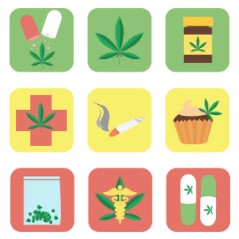
The method of ingestion plays a crucial role in determining the onset, duration, and intensity of effects from Sugar Shack. Different methods alter cannabinoid absorption, bioavailability, and medicinal effectiveness. Here is a brief overview:
Inhalation Methods (Smoking & Vaping)
(A) Smoking (Joints, Pipes, Bongs)
- Onset: 5-10 minutes
- Duration: 2-4 hours
- Bioavailability: 25-30% (THC absorbed into bloodstream quickly)
- Best for: Immediate pain relief, anxiety relief, sleep induction
- Drawback: Can irritate lungs, less controlled dosage.
(B) Vaporization (Dry Herb Vape, Concentrate Vape)
- Onset: 3-5 minutes
- Duration: 2-4 hours
- Bioavailability: 40-50% (Higher than smoking)
- Best for: More controlled dosing, lung-friendly alternative to smoking
- Drawback: Requires a vaporizer device.
Oral Consumption (Edibles, Capsules, Tinctures)
(A) Edibles (Gummies, Brownies, Chocolates, Infused Foods)
- Onset: 30-90 minutes (THC metabolized in liver → 11-Hydroxy-THC)
- Duration: 6-8 hours (Stronger, longer-lasting effects)
- Bioavailability: 4-20% (Variable absorption based on digestion)
- Best for: Chronic pain, insomnia, appetite stimulation
- Drawback: Delayed onset, risk of overconsumption.
(B) Capsules & Tablets
- Onset: 30-60 minutes
- Duration: 6-8 hours
- Best for: Consistent dosing, discreet medical use
- Drawback: Lower absorption than vaping/smoking.
Sublingual (Under-the-Tongue) Methods
(A) Tinctures & Oils
- Onset: 15-45 minutes (absorbed through mucous membranes)
- Duration: 4-6 hours
- Bioavailability: 10-35%
- Best for: Fast-acting relief without smoking
- Drawback: Bitter taste (unless flavored).
Topical & Transdermal Use
(A) Cannabis-Infused Creams, Balms, and Lotions
- Onset: 10-30 minutes
- Duration: 2-6 hours
- Best for: Localized pain, inflammation, arthritis
- Drawback: No psychoactive effects unless transdermal.
(B) Transdermal Patches
- Onset: 30-60 minutes
- Duration: 8-24 hours
- Best for: Long-term pain management, steady cannabinoid delivery
- Drawback: Limited availability, higher cost.
Suppositories (Rectal & Vaginal)
- Onset: 15-30 minutes
- Duration: 6-8 hours
- Best for: Severe pain, menstrual cramps, cancer patients
- Drawback: Less common, requires proper formulation.
Medical Applications and Scientific Research
Sugar Shack is an indica-dominant hybrid cannabis strain known for its moderate-to-high THC levels (15-22%) and a complex terpene profile that contributes to its analgesic, anti-inflammatory, anxiolytic, and neuroprotective properties. This article will provide detailed scientific information on the pharmacology, mechanisms of action, and clinical applications of Sugar Shack for various medical conditions.
Pharmacological Mechanisms of Sugar Shack
The medical properties of Sugar Shack are due to cannabinoids, terpenes, and flavonoids, which interact with the endocannabinoid system (ECS).
Interaction with the Endocannabinoid System (ECS)
The ECS plays a crucial role in homeostasis, pain modulation, mood regulation, and immune function. Cannabinoids in Sugar Shack bind to or modulate CB1 and CB2 receptors:
- CB1 Receptors: Found in the central nervous system (CNS); responsible for pain relief, mood enhancement, and neuroprotection.
- CB2 Receptors: Found in immune cells and peripheral tissues; involved in inflammation control and immune response.
Cannabinoid Contributions
| Cannabinoid | Effects | Medical Benefits |
|---|---|---|
| THC (15-22%) | Psychoactive, pain relief, appetite stimulation | Neuropathic pain, PTSD, insomnia, appetite loss |
| CBD (0.5-1.5%) | Anti-inflammatory, neuroprotective | Anxiety, epilepsy, inflammation |
| CBG (0.5-1.2%) | Neurogenic, anti-inflammatory | Neuropathic pain, neurodegeneration, digestive health |
| CBC (0.2-0.6%) | Pain relief, antidepressant | Chronic pain, mood disorders |
| THCV (0.1-0.5%) | Appetite suppressant, energy-boosting | Obesity, metabolic disorders |
Terpene Contributions
Terpenes contribute to the entourage effect, enhancing the therapeutic properties of cannabinoids.
| Terpene | Medical Effects | Mechanism of Action |
|---|---|---|
| Myrcene | Sedative, muscle relaxant, pain relief | Enhances GABAergic activity, promotes relaxation |
| Limonene | Anxiolytic, antidepressant, anti-inflammatory | Increases serotonin & dopamine |
| Caryophyllene | Anti-inflammatory, gut health, pain relief | Activates CB2 receptors |
| Pinene | Neuroprotective, memory-enhancing, bronchodilator | Inhibits acetylcholinesterase, improving cognitive function |
| Humulene | Anti-inflammatory, appetite suppressant | Modulates pro-inflammatory cytokines |
Medical Applications of Sugar Shack
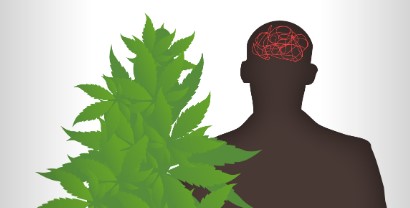
Pain Management (Chronic Pain, Neuropathy, Arthritis)
- Mechanism of Action:
- THC binds to CB1 receptors, reducing nociceptive pain perception.
- CBG and CBD activate CB2 receptors, modulating inflammation and neuropathic pain.
- Caryophyllene interacts with CB2 receptors, reducing inflammatory pain.
- Scientific Research:
- A 2020 study in the Journal of Pain found that high-THC cannabis strains like Sugar Shack significantly reduce chronic pain symptoms.
- CBG has been shown to inhibit neuroinflammation, making it useful for nerve pain and multiple sclerosis.
- Conditions Treated:
- Fibromyalgia
- Arthritis (Rheumatoid & Osteoarthritis)
- Multiple sclerosis (MS)
- Neuropathy (Diabetic and Chemotherapy-induced)
Anxiety, Depression, and PTSD
- Mechanism of Action:
- Limonene and THC modulate serotonin receptors (5-HT1A), reducing stress and depression.
- CBD reduces cortisol levels, alleviating chronic stress and PTSD.
- Caryophyllene reduces neuroinflammation, preventing mood swings and anxiety episodes.
- Scientific Research:
- A 2022 study in Frontiers in Psychiatry found that cannabis users reported a 60% reduction in PTSD symptoms after using moderate-THC strains.
- Limonene-rich cannabis strains show antidepressant effects in preclinical models.
- Conditions Treated:
- Generalized Anxiety Disorder (GAD)
- Post-Traumatic Stress Disorder (PTSD)
- Major Depressive Disorder (MDD)
- Bipolar Disorder (Type 2, with depression)
Sleep Disorders (Insomnia, Restless Leg Syndrome)
- Mechanism of Action:
- THC increases slow-wave sleep (deep sleep phase).
- Myrcene has sedative effects, enhancing sleep quality.
- Caryophyllene reduces stress-related insomnia.
- Scientific Research:
- A 2021 study in Sleep Medicine Reviews found that THC-rich strains significantly reduce sleep latency (time to fall asleep) and increase the length of sleep.
- Conditions Treated:
- Chronic insomnia
- Shift work disorder
- Restless Leg Syndrome (RLS)
- Sleep disturbances due to PTSD
Appetite Stimulation and Gastrointestinal Disorders
- Mechanism of Action:
- THC binds to CB1 receptors in the hypothalamus, stimulating appetite.
- Caryophyllene reduces gut inflammation.
- Limonene and CBD protect gastric mucosa.
- Scientific Research:
- A 2020 study in the Journal of Clinical Gastroenterology found that cannabis improves appetite in 75% of Crohn’s disease patients.
- Conditions Treated:
- Cachexia (Cancer-related weight loss)
- Chemotherapy-induced nausea and vomiting (CINV)
- Irritable Bowel Syndrome (IBS)
- Crohn’s Disease and Ulcerative Colitis
Neuroprotective Benefits (Alzheimer’s, Parkinson’s, Stroke Recovery)
- Mechanism of Action:
- CBG promotes neurogenesis, potentially slowing neurodegeneration.
- Pinene improves cognitive function and prevents memory loss.
- THC reduces neuroinflammation, protecting brain cells.
- Scientific Research:
- A 2019 study in the Journal of Neurochemistry found that THC and CBG reduced beta-amyloid plaques, a hallmark of Alzheimer’s disease.
- Conditions Treated:
- Alzheimer’s Disease
- Parkinson’s Disease
- Post-Stroke Neuroprotection
- Traumatic Brain Injury (TBI)
Clinical Applications and Future Research
Potential Future Medical Uses
- Metabolic Disorders: THCV may help regulate blood sugar and prevent obesity.
- Chronic Inflammatory Diseases: Sugar Shack’s terpene profile suggests potential for treating autoimmune disorders.
- Endocannabinoid System Dysfunction: Strains like Sugar Shack may help patients with cannabinoid deficiencies.
Risks and Considerations
- Potential Side Effects:
- Dry mouth, dry eyes.
- Mild paranoia at high doses.
- Drowsiness (higher in myrcene-dominant phenotypes).
- Drug Interactions:
- THC may enhance the sedative effects of benzodiazepines.
- CBD interacts with cytochrome P450 enzymes, affecting drug metabolism.
Methods of Cultivation
Cultivating Sugar Shack cannabis strain requires a deep understanding of plant biology, environmental control, and nutrient management to optimize yield, potency, and terpene expression. This guide provides a detailed, science-backed approach to growing Sugar Shack indoors, outdoors, and in hydroponic systems. We will cover growing conditions, nutrient requirements, training techniques, pest management, and harvesting methods.
Optimal Growing Conditions for Sugar Shack
Climate and Environmental Preferences
- Genetic Background: Sugar Shack is an indica-dominant hybrid, requiring stable temperatures and humidity levels.
- Preferred Climate: Mild Mediterranean climate or controlled indoor environments.
| Growth Stage | Temperature (°C / °F) | Humidity (%) | Lighting Requirements |
|---|---|---|---|
| Seedling | 22-26°C (72-79°F) | 65-70% | 18-24 hours of low-intensity light |
| Vegetative | 21-27°C (70-80°F) | 55-65% | 18/6 light cycle, 400-600 µmol/m²/s (PPFD) |
| Flowering | 18-25°C (64-77°F) | 40-50% | 12/12 light cycle, 600-1000 µmol/m²/s (PPFD) |
| Late Flowering | 16-22°C (60-72°F) | 30-40% | Reduce night temperature for color enhancement |
- CO₂ Enrichment: 1000-1500 ppm during the vegetative and flowering stages increases photosynthesis and yield.
- Air Circulation: Essential to prevent mold and mildew, particularly in dense buds.
Methods of Cultivation
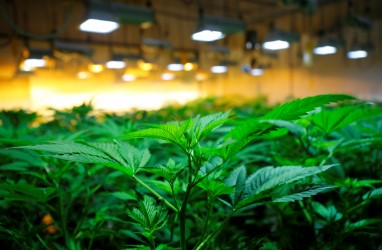
Indoor Cultivation
- Advantages:
- Full control over environmental conditions.
- Protection from pests and weather changes.
- Higher THC and terpene production.
- Optimal Grow Mediums:
- Soil: Organic living soil enhances flavor and terpene content.
- Coco Coir: Increases oxygen to the roots for faster growth.
- Hydroponics: Produces the fastest growth rates and highest yields.
- Recommended Grow Lights:
- LED Grow Lights: Full-spectrum (400-700 nm) for optimal growth.
- HPS (High-Pressure Sodium) Lights: Useful in flowering for higher resin production.
- Light Distance: Maintain 40-60 cm (16-24 inches) above canopy.
- Yield Potential:
- 400-500g/m² (with optimized conditions).
Outdoor Cultivation
- Best suited for warm, dry climates.
- Ideal Growing Season: Spring to mid-fall.
- Harvest Time: Mid-to-late October.
- Yield Potential: 500-800g per plant.
- Protection: Use greenhouses or shade cloth in extreme heat or humidity.
Hydroponic Cultivation
Hydroponic growing maximizes nutrient uptake and yield.
| Hydroponic System | Pros | Cons |
|---|---|---|
| Deep Water Culture (DWC) | Fastest growth, high oxygenation | Requires constant monitoring |
| Nutrient Film Technique (NFT) | Efficient water use, high yields | Susceptible to pump failures |
| Aeroponics | Maximized oxygenation, precise control | Expensive setup, high maintenance |
- Optimal pH for Hydroponics: 5.5-6.2
- Electrical Conductivity (EC) Levels:
- Vegetative Stage: 1.2-1.8 mS/cm
- Flowering Stage: 1.8-2.2 mS/cm
Nutrient Management for Sugar Shack
Macronutrients (N-P-K)
- Nitrogen (N): Essential for vegetative growth.
- Phosphorus (P): Required for root and flower development.
- Potassium (K): Regulates water balance, terpene production, and overall plant health.
| Growth Stage | Nitrogen (N) | Phosphorus (P) | Potassium (K) |
|---|---|---|---|
| Seedling | Medium | Low | Low |
| Vegetative | High | Medium | Medium |
| Flowering | Low | High | High |
| Late Flowering | Very Low | Very High | Very High |
Micronutrients and Supplements
- Calcium (Ca) & Magnesium (Mg): Prevent nutrient deficiencies (use Cal-Mag supplements).
- Silicon (Si): Strengthens cell walls and improves resistance to pests.
- Molasses: Organic source of sugars and minerals that enhance microbial activity.
Training Techniques for Higher Yields
Low-Stress Training (LST)
- Bending branches to increase the amount of light that bud sites receive.
- Increases yield and resin production.
High-Stress Training (HST)
- Topping: Cutting the main stem to promote bushy growth.
- Super Cropping: Slightly damaging branches to enhance stress response and terpene production.
Screen of Green (ScrOG)
- Uses a mesh net to spread canopy evenly.
- Improves light penetration and bud density.
Pest and Disease Management
Common Pests
| Pest | Prevention | Treatment |
|---|---|---|
| Spider Mites | Maintain humidity below 50% | Neem oil, predatory mites |
| Aphids | Use insecticidal soap | Introduce ladybugs |
| Fungus Gnats | Allow soil to dry between waterings | Sticky traps, hydrogen peroxide |
Disease Prevention
- Powdery Mildew: Keep humidity below 50%.
- Root Rot (Pythium spp.): Ensure good drainage and oxygenation.
Harvesting & Post-Harvest Processing
Signs of Maturity
- Trichome Coloration:
- Clear Trichomes: Too early.
- Milky Trichomes: Peak potency.
- Amber Trichomes: Higher couch-lock effect.
- Pistil Color:
- 70-80% brown/orange pistils indicate optimal harvest time.
Drying and Curing
- Drying Conditions:
- Temperature: 16-20°C (60-68°F).
- Humidity: 50-60%.
- Duration: 7-14 days.
- Curing Process:
- Store buds in airtight glass jars.
- Keep at 60-65% RH.
- Burp jars daily for 2 weeks, then every 3 days for a month.
Scientific Pharmacology of Sugar Shack
- THC activates CB1 receptors, reducing pain and stress.
- CBD and CBG interact with CB2 receptors, reducing neuroinflammation.
- Caryophyllene acts as a dietary cannabinoid, binding directly to CB2 receptors to modulate the immune response.
- Limonene enhances serotonin signaling, improving mood regulation and anxiety reduction.
Scientific Pharmacology of Sugar Shack
- THC activates CB1 receptors, modulating pain, mood, and memory.
- CBD and CBG modulate neuroinflammation, making Sugar Shack neuroprotective.
- Caryophyllene acts as a dietary cannabinoid, reducing gut inflammation.
- Limonene influences serotonin pathways, improving mood regulation.
Conclusion
Sugar Shack is a versatile hybrid cannabis strain with therapeutic and recreational value. It provides a relaxing yet uplifting high, making it an ideal choice for anxiety, pain, and sleep disorders. Its complex cannabinoid and terpene profile makes it scientifically relevant for various medical applications, while its sweet, herbal flavor makes it a favorite among recreational users.
For a complete directory of cultivars, visit our Cannabis Strain Reviews.
