
Outline:
- Introduction
- Overview of the medical cannabis landscape in Canada
- Legal status and regulation of medical cannabis
- Importance of strain selection for medical purposes
- Cannabinoids and Terpenes: Key Components of Medical Cannabis
- Explanation of cannabinoids (THC, CBD, CBG, CBN, etc.)
- Role of terpenes in enhancing medicinal effects
- The entourage effect: How cannabinoids and terpenes work together
- Criteria for Selecting Strong Medical Strains
- Potency of cannabinoids
- Therapeutic benefits (e.g., pain relief, anti-inflammatory, anxiety reduction)
- Patient-specific needs and medical conditions
- Top Strong Medical Cannabis Strains in Canada
- Overview of criteria used to define “strong”
- Detailed analysis of each strain
- Case Studies and Patient Testimonials
- Real-life examples of patients using these strains for medical treatment
- Documented outcomes and improvements in quality of life
- Growing Strong Medical Strains in Canada
- Overview of the climate and environmental considerations
- Best practices for cultivating potent medical cannabis
- Challenges and solutions in the Canadian context
- Future Trends in Medical Cannabis Strains
- Emerging research and development in medical cannabis
- Predictions for future strain development in Canada
- Conclusion
- Recap of key points
- The ongoing evolution of medical cannabis in Canada
Introduction
Overview of the Medical Cannabis Landscape in Canada
The cannabis sector has experienced notable expansion and innovation since it was made legal in Canada for medical purposes. A system that guarantees patients have access to high-quality medicinal cannabis has been established by the Access to Cannabis for medicinal Purposes Regulations (ACMPR), which were introduced in 2016 and later incorporated into the Cannabis Act in 2018. In Canada, medical professionals utilize cannabis to treat a broad range of ailments, including multiple sclerosis, epilepsy, and chronic pain and anxiety.
Legal Status and Regulation of Medical Cannabis

The legal framework in Canada allows patients to obtain medical cannabis through a prescription from a healthcare provider. This regulation ensures that patients can access cannabis strains that are specifically tailored to their medical needs, as opposed to the general consumer strains available for recreational use. Licensed producers must adhere to strict quality standards, ensuring that the cannabis provided is both safe and effective for medical use.
Importance of Strain Selection for Medical Purposes
Choosing the right cannabis strain is crucial for effective medical treatment. Unlike recreational use, where the goal may be to achieve a certain psychoactive effect, medical use focuses on alleviating specific symptoms. This requires an understanding of the strain’s cannabinoid profile, terpene content, and overall potency. Strong medical cannabis strains are often characterized by their high levels of THC or CBD, but the balance between these and other cannabinoids, as well as the presence of specific terpenes, is what truly defines their therapeutic value.
Cannabinoids and Terpenes: Key Components of Medical Cannabis
Explanation of Cannabinoids (THC, CBD, CBG, CBN, etc.)
The psychoactive ingredients in cannabis are called cannabinoids, and they work with the body’s endocannabinoid system to generate benefits. CBD (cannabidiol) and THC (tetrahydrocannabinol) are the two most well-known cannabinoids. Notwithstanding its well-known inebriating qualities, THC also possesses strong analgesic, anti-nausea, and appetite-stimulating qualities. However, while not causing a high, CBD is well known for its anti-inflammatory, anti-anxiety, and neuroprotective qualities.
In medicinal cannabis, other cannabinoids including CBG (cannabigerol) and CBN (cannabinol) are also significant players. Because it is the parent of all other cannabinoids, CBG is frequently referred to as the “mother cannabinoid.” It has demonstrated potential in the treatment of inflammatory bowel disease, glaucoma, and certain malignancies. The main impact of CBN, a somewhat psychotropic cannabis compound, is sedation, which makes it helpful in treating sleep disturbances.
Role of Terpenes in Enhancing Medicinal Effects
Cannabis contains fragrant chemicals called terpenes, which add to the plant’s flavor and aroma. Beyond their sensory qualities, terpenes also have therapeutic properties and can enhance the effects of cannabinoids. For example, myrcene, a terpene found in many cannabis strains, has sedative properties and enhances the absorption of cannabinoids, making the overall effect more potent. Limonene, another common terpene, is known for its mood-enhancing and anti-anxiety effects.
The Entourage Effect: How Cannabinoids and Terpenes Work Together
A phenomenon known as the entourage effect occurs when terpenes and cannabinoids have a combined effect that is stronger than the sum of their separate effects. This synergy is what makes certain cannabis strains particularly effective for specific medical conditions. For example, a strain with a balanced ratio of THC and CBD, combined with anti-inflammatory terpenes like caryophyllene, can provide powerful pain relief without the intense psychoactivity that might be associated with high-THC strains alone.
Criteria for Selecting Strong Medical Strains

Potency of Cannabinoids
When selecting a strong medical strain, potency is a key consideration. Strains with high levels of THC or CBD are often more effective for managing severe symptoms. For example, patients suffering from chronic pain or chemotherapy-induced nausea may benefit from high-THC strains, while those dealing with anxiety or epilepsy might prefer high-CBD strains.
Therapeutic Benefits (e.g., Pain Relief, Anti-inflammatory, Anxiety Reduction)
The therapeutic benefits of a strain are determined by its cannabinoid and terpene profile. Strains that offer strong analgesic effects, anti-inflammatory properties, or anxiety-reducing benefits are highly sought after in the medical community. For instance, strains like ACDC (high in CBD) are known for their anti-anxiety and anti-epileptic effects, while strains like OG Kush (high in THC) are valued for their potent pain-relieving properties.
Patient-Specific Needs and Medical Conditions
Different patients have different needs based on their medical conditions. For instance, a patient with multiple sclerosis might require a strain that helps with muscle spasms and neuropathic pain, while a cancer patient undergoing chemotherapy might need a strain that alleviates nausea and stimulates appetite. Understanding the specific medical condition and the symptoms that need to be addressed is crucial in selecting the right strain.
Top Strong Medical Cannabis Strains in Canada
Overview of Criteria Used to Define “Strong”
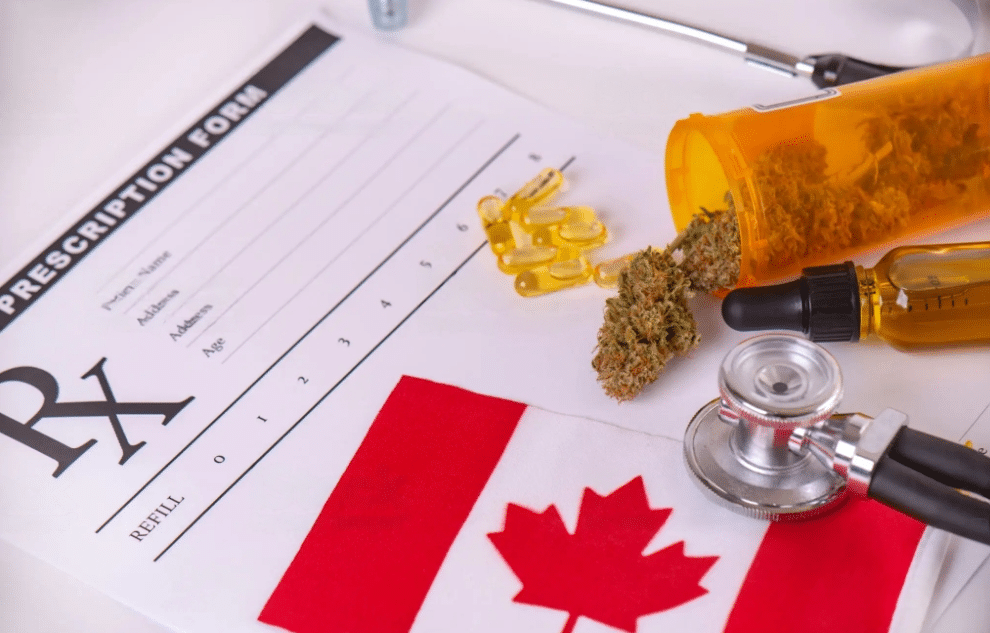
In the context of medical cannabis, “strong” typically refers to the potency of the strain in terms of its cannabinoid content, particularly THC and CBD levels. Additionally, the effectiveness of a strain in treating specific symptoms or conditions is also a factor in determining its strength. The strains listed below have been selected based on their high cannabinoid content, therapeutic benefits, and popularity among Canadian medical cannabis patients.
Detailed Analysis of Each Strain
- Death Bubba
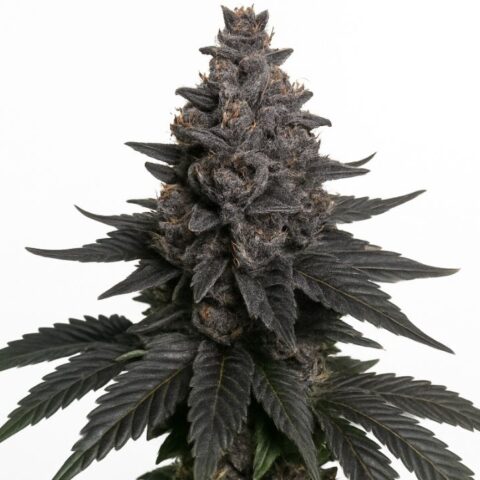
- Cannabinoid Profile: High THC (25-27%), Low CBD
- Medical Use: Pain relief, insomnia, stress relief
- Description: Death Bubba is an Indica-dominant strain known for its powerful sedative effects, making it ideal for patients suffering from chronic pain and insomnia. The high THC content ensures that it delivers potent analgesic effects, while its calming properties help reduce stress and anxiety.
-
 Death Bubba Cannabis SeedsFrom: $23
- Pink Kush
- Cannabinoid Profile: High THC (20-25%), Low CBD
- Medical Use: Pain relief, stress relief, appetite stimulation
- Description: Pink Kush is another Indica-dominant strain that offers potent pain-relieving properties. It is especially helpful for people receiving chemotherapy or other therapies that suppress appetite because of its capacity to boost appetite. The ability of Pink Kush to reduce anxiety and stress is another benefit of its sedative qualities.
-
 Pink Kush Cannabis SeedsFrom: $24.99

- ACDC
- Cannabinoid Profile: High CBD (15-20%), Low THC
- Medical Use: Anxiety, epilepsy, chronic pain, inflammation
- Description: ACDC is a CBD-dominant strain that is highly effective for treating conditions like anxiety, epilepsy, and chronic pain without the psychoactive effects associated with high-THC strains. Its strong anti-inflammatory properties also make it a good choice for patients with inflammatory conditions.
-
CBD ACDC Cannabis SeedsFrom: $24.99
- White Widow
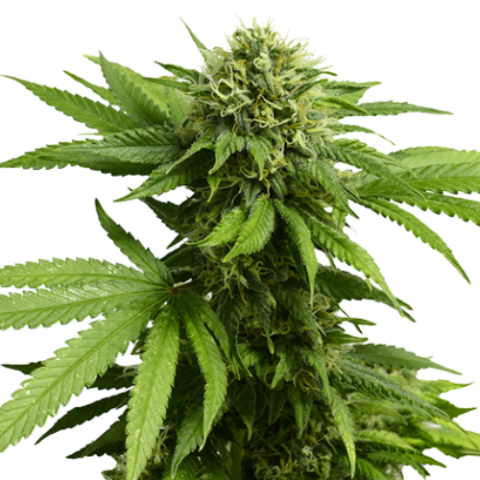
- Cannabinoid Profile: Balanced THC (18-20%) and CBD (1-2%)
- Medical Use: Pain relief, depression, PTSD
- Description: White Widow is a balanced hybrid that offers a combination of mental stimulation and physical relaxation. It is often used by patients to manage pain, depression, and PTSD. The moderate THC content ensures effective symptom relief without overwhelming psychoactive effects.
-
White Widow Cannabis SeedsFrom: $24.99
- Cannatonic
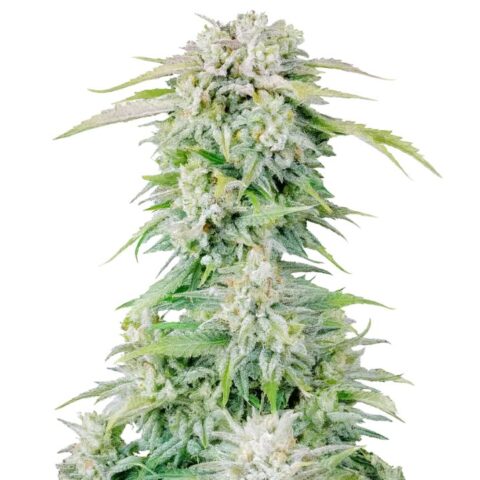
- Cannabinoid Profile: Balanced CBD (10-12%) and THC (6-8%)
- Medical Use: Pain relief, muscle spasms, anxiety
- Description: Cannatonic is a strain known for its balanced cannabinoid profile, which provides effective relief from pain and muscle spasms without significant psychoactive effects. Patients who are stressed out or anxious also utilize it.
-
Cannatonic CBD Cannabis SeedsFrom: $24.99
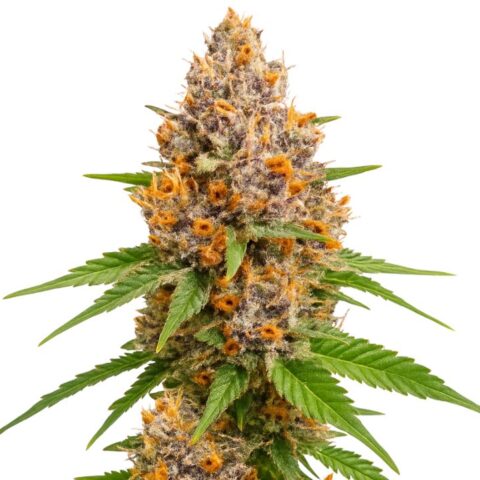
- God Bud
- Cannabinoid Profile: High THC (18-22%), Low CBD
- Medical Use: Pain relief, sleep disorders, stress relief
- Description: God Bud is an Indica strain known for its strong sedative effects, making it an excellent choice for patients suffering from chronic pain, insomnia, and stress. Its high THC content ensures potent analgesic and relaxing effects.
-
 God Bud Cannabis SeedsFrom: $24.99

- Blue Dream
- Cannabinoid Profile: High THC (17-24%), Moderate CBD
- Medical Use: Pain relief, depression, nausea
- Description: Blue Dream is a Sativa-dominant hybrid that offers a combination of mental clarity and physical relaxation. It is often used to manage pain, depression, and nausea, making it a versatile option for a range of medical conditions.
-
Blue Dream Cannabis SeedsFrom: $24.99
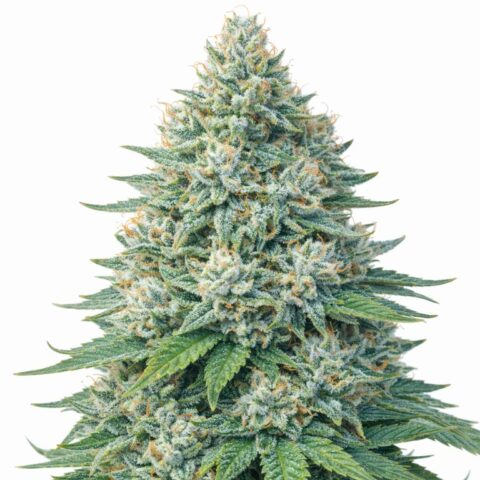
- Master Kush
- Cannabinoid Profile: High THC (20-24%), Low CBD
- Medical Use: Pain relief, anxiety, sleep disorders
- Description: Master Kush is an Indica strain known for its strong pain-relieving and sedative effects. It is commonly used by patients suffering from chronic pain, anxiety, and sleep disorders.
-
Master Kush Cannabis SeedsFrom: $24.99
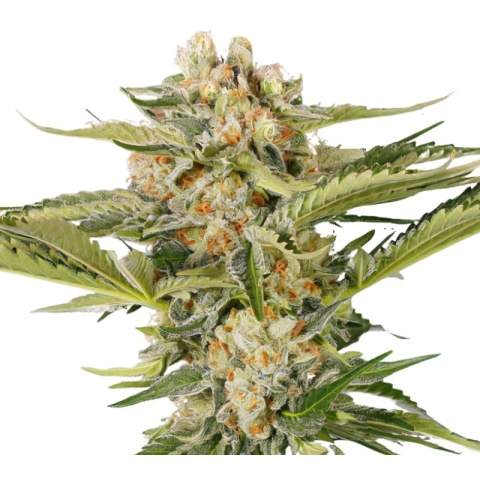
- CBD MediHaze
- Cannabinoid Profile: High CBD (10-15%), Moderate THC (8-10%)
- Medical Use: Pain relief, inflammation, anxiety, epilepsy
- Description: CBD MediHaze is a strain that offers a balanced cannabinoid profile, making it effective for treating a wide range of conditions including pain, inflammation, anxiety, and epilepsy. The moderate THC content ensures that it provides relief without significant psychoactive effects.
-
CBD MediHaze Cannabis SeedsFrom: $24.99
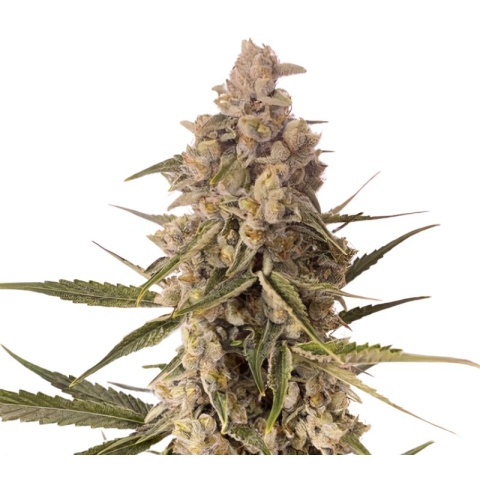
- Northern Lights
- Cannabinoid Profile: High THC (16-21%), Low CBD
- Medical Use: Pain relief, insomnia, stress relief
- Description: Northern Lights is a classic Indica strain known for its potent sedative effects, making it ideal for patients suffering from chronic pain, insomnia, and stress. Its high THC content ensures strong analgesic and relaxing effects.
-
Northern Lights Cannabis SeedsFrom: $24.99
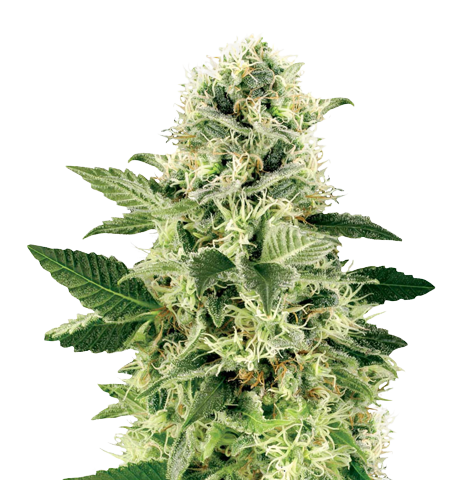
Case Studies and Patient Testimonials
Real-Life Examples of Patients Using These Strains for Medical Treatment
Patient A: A 45-year-old male with chronic back pain found significant relief using Death Bubba. He reported a marked reduction in pain levels, allowing him to reduce his reliance on opioid medications.
Patient B: A 30-year-old female with epilepsy used ACDC to manage her seizures. The high CBD content helped reduce the frequency and severity of her seizures without causing the psychoactive effects she experienced with other strains.
Patient C: A 60-year-old male undergoing chemotherapy used Pink Kush to stimulate his appetite and manage nausea. The strain’s effects helped him maintain his weight and overall health during treatment.
Documented Outcomes and Improvements in Quality of Life
The documented outcomes from patients using these strains highlight the importance of strain selection in medical cannabis treatment. Patients consistently report improvements in quality of life, with reduced pain, better sleep, and decreased anxiety being the most commonly cited benefits. These outcomes underscore the therapeutic potential of high-potency medical cannabis strains when used under medical supervision.
Growing Strong Medical Strains in Canada
Overview of the Climate and Environmental Considerations
Canada’s diverse climate presents both challenges and opportunities for growing potent medical cannabis strains. While the long summers and ample sunlight in some regions can support the growth of high-THC strains, the colder climates in other areas require careful selection of strains that can thrive in shorter growing seasons.
Best Practices for Cultivating Potent Medical Cannabis
To achieve high potency, it is essential to focus on factors such as soil quality, nutrient management, and light exposure. Indoor growing facilities allow for precise control of these variables, which is why many Canadian licensed producers use greenhouse or indoor cultivation methods to ensure consistent quality and potency.
Challenges and Solutions in the Canadian Context
The primary challenges include managing temperature fluctuations, ensuring adequate light exposure during shorter days, and preventing mold and mildew in humid conditions. Solutions include the use of advanced cultivation technologies such as climate control systems, automated lighting, and organic pest control methods.
Future Trends in Medical Cannabis Strains
Emerging Research and Development in Medical Cannabis
Research into the medical applications of cannabis continues to advance, with new strains being developed to target specific medical conditions. Genetic engineering and selective breeding are likely to play a significant role in creating strains with optimized cannabinoid and terpene profiles for medical use.
Predictions for Future Strain Development in Canada
As the medical cannabis industry in Canada matures, we can expect to see the development of strains that are even more tailored to individual medical needs. This includes strains with specific ratios of cannabinoids and terpenes designed to treat conditions like chronic pain, PTSD, and autoimmune disorders more effectively.
Restrictions on Using Cannabis in the Medical Field as a Last Resort
In the medical field, cannabis is often considered a treatment of last resort, particularly when other conventional therapies have failed or are insufficient. This is due to several factors:
- Regulatory Guidelines: Many medical authorities and regulatory bodies require that cannabis be prescribed only after other approved treatments have been tried. This ensures that cannabis is used appropriately and only when necessary.
- Limited Clinical Evidence: While there is growing evidence supporting the medical use of cannabis, it is still limited compared to more established treatments. As a result, healthcare providers may be cautious in prescribing cannabis, reserving it for cases where other treatments are ineffective.
- Potential Risks: The potential for misuse, dependency, and side effects, especially related to THC (tetrahydrocannabinol), necessitates careful consideration before cannabis is used as a treatment. This risk management often involves using cannabis as a last option.
Monitoring THC Levels in Medications to Prevent Psychoactive Effects
To prevent unwanted psychoactive effects in patients, monitoring and controlling THC levels in medical cannabis products is essential. Here are some key practices:
- Standardized Dosage: Medical cannabis products are often formulated with precise THC concentrations. This allows healthcare providers to prescribe dosages that minimize psychoactive effects while maximizing therapeutic benefits.
- High-CBD, Low-THC Strains: For many medical conditions, strains or products with higher CBD (cannabidiol) and lower THC levels are preferred. CBD can counteract some of the psychoactive effects of THC, providing relief without significant impairment.
- Regular Monitoring: Patients using THC-containing medications are often monitored for signs of psychoactive effects. This includes regular check-ins with healthcare providers to assess tolerance, side effects, and overall effectiveness of the treatment.
- Microdosing: In some cases, microdosing—a practice where patients use very small amounts of THC—can be employed to reduce psychoactive effects while still achieving some therapeutic benefit.
Conclusion
The landscape of medical cannabis in Canada is marked by careful consideration and responsible use, particularly in selecting the strongest and most effective strains for treating a variety of medical conditions. From chronic pain and anxiety to more complex neurological disorders, these potent strains offer significant therapeutic benefits when other treatments have proven inadequate. The importance of understanding cannabinoids, such as THC and CBD, and their interaction with terpenes, is paramount in ensuring that patients receive the most appropriate and effective treatment.
However, with great potential comes the need for cautious application. Medical cannabis, often viewed as a last resort, is regulated to ensure that its use is both safe and necessary. Monitoring THC levels in medical products is a key practice to prevent unwanted psychoactive effects, allowing patients to experience the therapeutic benefits without compromising their cognitive or physical function.
As research advances and the medical cannabis industry in Canada continues to grow, there is a strong focus on developing strains and products that are increasingly tailored to specific medical needs. This ongoing evolution promises even greater efficacy and safety in the future, ensuring that medical cannabis remains a vital component of patient care.
In summary, the strategic and thoughtful use of medical cannabis in Canada reflects a balance between innovation and patient safety. By continuing to prioritize responsible use, regulation, and research, the medical community can provide patients with powerful tools to enhance their quality of life, particularly when other treatments have reached their limits.
