Table of Contents
Strawberry Milkshake is a hybrid cannabis strain celebrated for its balanced effects and mouthwatering flavor profile. As the name suggests, this strain exudes a creamy strawberry essence that appeals to both experienced users and newcomers. Known for its moderate potency, it offers a versatile experience that combines cerebral stimulation with physical relaxation, making it a sought-after option for a wide range of users.
This strain exemplifies the fusion of modern cannabis breeding, incorporating advanced genetic selection, targeted cannabinoid expression, and a robust terpene profile to deliver a uniquely satisfying experience.
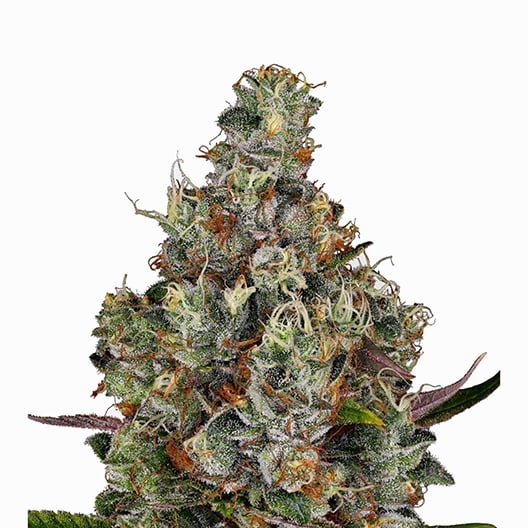
Genetic Background and Origins
Strawberry Milkshake is the result of crossing two distinguished cannabis strains:
- Strawberry Soda: Known for its sweet, fruity aroma and uplifting effects, Strawberry Soda imparts its signature strawberry scent and a gentle cerebral buzz to Strawberry Milkshake.
- White Fire Alien OG (WiFi Alien OG): A potent hybrid recognized for its intense euphoria and relaxation, this strain contributes its robust THC levels and earthy undertones.
By combining these strains, breeders have created a hybrid that balances the best characteristics of both indica and sativa cannabis varieties. This balance ensures that Strawberry Milkshake delivers both mental clarity and physical tranquility.
Scientific Breakdown of Cannabinoids
Cannabinoids are the primary active compounds in cannabis, and Strawberry Milkshake’s chemical composition includes a variety of these therapeutic molecules. Here is a detailed look at the cannabinoids found in this strain:
- THC (Tetrahydrocannabinol): Ranges between 15–20%, offering a moderate psychoactive effect. THC is known for interacting with CB1 receptors in the brain, inducing euphoria, relaxation, and pain relief.
- CBD (Cannabidiol): Present in trace amounts (<1%), CBD contributes to the calming effects and may lessen the possibility that THC will cause anxiety.
- CBG (Cannabigerol): CBG, sometimes known as the “mother cannabinoid,” is an antecedent of both THC and CBD. While found in small amounts, it may enhance the strain’s anti-inflammatory and neuroprotective properties.
Terpene Profile
Terpenes are the aromatic compounds in cannabis that influence its flavor, aroma, and effects. Strawberry Milkshake’s terpene composition is as follows:
- Humulene: Found in hops, this terpene gives earthy and woody aromas. Known for its anti-inflammatory properties, humulene may also help suppress appetite.
- Ocimene: Offers sweet and herbal notes. Scientifically, it has potential antifungal, antiviral, and anti-inflammatory effects.
- Caryophyllene: A spicy, peppery terpene unique in its ability to bind directly to CB2 receptors. This interaction enhances its potential as an anti-inflammatory and pain-relieving agent.
- Myrcene: Adds a hint of musk and fruitiness. Myrcene is the most common terpene in cannabis and is associated with sedative effects.
Pharmacology and Mechanism of Action
The psychoactive effects of Strawberry Milkshake stem from its interaction with the human endocannabinoid system (ECS), a complex network of receptors, endocannabinoids, and enzymes that regulate physiological processes such as mood, pain, appetite, and sleep.
- CB1 Receptors: THC in Strawberry Milkshake binds to CB1 receptors in the brain, altering neurotransmitter release to create euphoric, mood-enhancing effects.
- CB2 Receptors: Caryophyllene interacts with CB2 receptors located in the immune system, reducing inflammation and promoting homeostasis.
- Terpene Modulation: The entourage effect describes how cannabinoids and terpenes work synergistically to enhance therapeutic outcomes.
Medical Uses
Strawberry Milkshake’s balanced cannabinoid and terpene profile makes it suitable for managing various medical conditions. Below are some of its specific applications supported by scientific evidence on cannabinoids and terpenes:
- Chronic Pain:
- The combination of THC and caryophyllene offers analgesic properties. THC alters pain perception, while caryophyllene reduces inflammation at the source.
- Anxiety and Stress:
- Low-to-moderate doses of THC, combined with CBD’s anxiolytic effects, can alleviate symptoms of generalized anxiety disorder. Terpenes like myrcene and humulene contribute to a calming experience.
- Depression:
- The uplifting cerebral effects of THC, enhanced by ocimene’s energizing properties, may provide temporary relief from depressive symptoms by boosting dopamine release.
- Insomnia:
- For individuals with difficulty sleeping, the sedative effects of myrcene and humulene, combined with THC’s ability to induce drowsiness, make Strawberry Milkshake a viable nighttime strain.
- Inflammation:
- Conditions like arthritis and autoimmune disorders may benefit from the anti-inflammatory properties of caryophyllene and humulene.
- Appetite Stimulation:
- THC’s interaction with CB1 receptors in the hypothalamus triggers appetite, making this strain useful for patients experiencing appetite loss due to chemotherapy or other treatments.
Recreational Uses
Strawberry Milkshake is equally popular among recreational users due to its versatile effects:
- Social Gatherings:
- Its uplifting and euphoric effects make it an excellent choice for social settings, fostering laughter and conversation.
- Creative Activities:
- The mild cerebral stimulation provided by this strain is ideal for artistic pursuits or problem-solving tasks.
- Relaxation:
- For users seeking relaxation without total sedation, the physical calm induced by this strain is perfect for unwinding after a long day.
- Flavor Experience:
- The creamy, strawberry flavor profile makes it a favorite among connoisseurs looking for a strain that offers a unique sensory experience.
Methods of Ingestion
Strawberry Milkshake can be consumed through various methods, each with unique pharmacokinetics and physiological impacts.
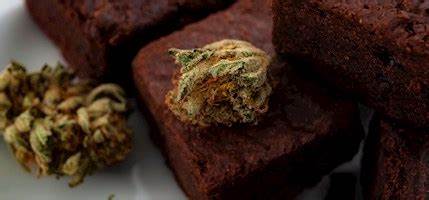
1. Smoking
- Description: Traditional method involving combustion of dried flower material and inhalation of smoke.
- Onset: 1–5 minutes.
- Duration: 1–3 hours.
- Bioavailability: 10–35%.
- Combustion rapidly delivers THC and other cannabinoids to the bloodstream via alveoli in the lungs. The effects are fast-acting but less sustained compared to other methods.
- Effects: Users report an immediate sense of euphoria, with a smooth transition to physical relaxation.
- Pros: Rapid onset allows users to titrate doses easily.
- Cons: Combustion byproducts can irritate the respiratory system.
2. Vaporization
- Description: Heating cannabis to a temperature that vaporizes cannabinoids and terpenes without combustion.
- Onset: 1–5 minutes.
- Duration: 1–3 hours.
- Bioavailability: ~50%.
- Vaporization preserves terpenes like myrcene and ocimene, enhancing flavor and therapeutic effects.
- Effects: Clean, intense onset of effects with enhanced flavor profiles compared to smoking.
- Pros: Reduced respiratory irritation and higher cannabinoid preservation.
- Cons: Requires specific equipment.
3. Edibles
- Description: Infusing cannabis extracts into food or beverages for oral consumption.
- Onset: 30 minutes to 2 hours.
- Duration: 4–8 hours.
- Bioavailability: 4–20%.
- THC is metabolized by the liver into 11-hydroxy-THC, a more potent compound that extends and intensifies the effects.
- Effects: Gradual onset characterized by prolonged euphoria and full-body relaxation.
- Pros: Long-lasting effects, discreet method of ingestion.
- Cons: Difficult to titrate doses due to delayed onset.
4. Sublingual (Tinctures)
- Description: Cannabis extracts are placed under the tongue for absorption through the mucous membranes.
- Onset: 10–20 minutes.
- Duration: 2–4 hours.
- Bioavailability: ~15–30%.
- Sublingual absorption bypasses the digestive system, leading to quicker onset compared to edibles.
- Effects: Balanced, gradual onset with moderate intensity.
- Pros: Precise dosing and faster onset compared to edibles.
- Cons: Taste may be unpleasant to some users.
5. Topicals
- Description: Cannabis-infused creams or oils applied to the skin for localized effects.
- Onset: 10–30 minutes.
- Duration: 2–6 hours.
- Bioavailability: Limited to the area of application.
- Cannabinoids interact with CB2 receptors in the skin without systemic psychoactive effects.
- Effects: Localized pain relief and anti-inflammatory benefits without intoxication.
- Pros: Ideal for managing localized pain or skin conditions.
- Cons: Ineffective for systemic effects.
Onset of Effects
The onset of effects from Strawberry Milkshake varies significantly based on the method of ingestion:
- Inhalation (Smoking/Vaping): Effects are typically felt within minutes. Users report an immediate uplift in mood, followed by a creeping sense of relaxation that peaks within 30–60 minutes.
- Edibles: Delayed onset due to the digestive process. Effects begin subtly but intensify over time, often peaking 2–4 hours after ingestion.
- Sublingual: Onset occurs faster than edibles but slower than inhalation, offering a middle ground between rapid relief and sustained effects.
- Topicals: Effects are localized and non-systemic, with a slower but steady onset.
Duration of Effects
The duration depends on both the method of ingestion and the individual’s metabolism, tolerance, and body chemistry:
- Inhalation: Effects typically last between 1 and 3 hours. This shorter duration makes smoking and vaping ideal for users seeking temporary relief or recreational enjoyment.
- Edibles: Offer the longest duration, with effects persisting for up to 8 hours or more. This extended window makes edibles suitable for chronic pain or insomnia.
- Sublingual: Effects last around 2–4 hours, striking a balance between the convenience of inhalation and the sustained relief of edibles.
- Topicals: Localized effects may last 2–6 hours, depending on the application site and the formulation of the topical.
Effects of Strawberry Milkshake

Psychoactive Effects
Strawberry Milkshake’s effects are a result of its THC content and terpene synergy. Users typically describe its psychoactive profile as:
- Euphoric Onset: The strain induces an uplifting cerebral effect within minutes (inhalation) or gradually (edibles/sublingual). This phase is often accompanied by a surge in creativity, sociability, and focus.
- Balanced Transition: After the initial high, the effects transition into a calming physical relaxation. Users report a gentle heaviness in the body, ideal for reducing stress and tension without sedation.
- Sustained Relaxation: The later stages of the high are characterized by tranquility and comfort, making Strawberry Milkshake suitable for evening use or quiet activities.
Physical Effects
The strain’s physical effects are attributed to its balanced hybrid nature:
- Muscle Relaxation: Relief from muscle tension and minor aches.
- Increased Appetite: Commonly referred to as the “munchies,” caused by THC’s action on the hypothalamus.
- Eye Pressure Relief: Potential benefits for conditions like glaucoma.
Therapeutic Effects
- Stress and Anxiety Relief: The strain’s uplifting properties help alleviate stress and mild anxiety.
- Mood Enhancement: Effective for combating symptoms of depression or low motivation.
- Pain Management: Particularly effective for neuropathic pain, headaches, and inflammation-related conditions.
Pharmacokinetics and Pharmacodynamics
The effects of Strawberry Milkshake are mediated by the pharmacokinetics (absorption, distribution, metabolism, and excretion) and pharmacodynamics (how cannabinoids and terpenes interact with receptors).
Absorption
- Inhalation results in the most rapid absorption, with cannabinoids entering the bloodstream via the lungs.
- Oral ingestion leads to slower, more sustained absorption, as cannabinoids pass through the digestive tract and liver.
Metabolism
- THC is metabolized in the liver into 11-hydroxy-THC, a compound known for its heightened potency and prolonged effects.
- Terpenes are metabolized by liver enzymes into a variety of secondary metabolites, which may also contribute to therapeutic effects.
Excretion
- Cannabinoids are excreted primarily through feces and, to a lesser extent, urine. The elimination half-life depends on factors such as the method of ingestion and frequency of use.
Tailoring the Experience
Users can adjust their experience by modifying the method of ingestion, dose, and timing. For example:
- Recreational Users: Smoking or vaping is preferred for immediate, social effects.
- Medical Patients: Edibles or tinctures provide sustained relief for chronic symptoms.
- Microdosing: Small, controlled doses can provide therapeutic benefits without significant psychoactivity, ideal for managing anxiety or boosting focus.
Strawberry Milkshake Cultivation
Strawberry Milkshake is a moderately challenging strain to cultivate, making it ideal for growers with some experience. It thrives in controlled environments, where its genetic potential can be maximized to produce high-quality yields. This strain is adaptable to both indoor and outdoor setups, but success depends on meticulous care during all growth stages.
Genetics and Phenotype Characteristics
Strawberry Milkshake is a hybrid strain with a balanced indica-sativa profile. Its growth characteristics reflect this balance:
- Plant Height: Medium-sized, suitable for both small and large cultivation spaces.
- Structure: Dense foliage with spade-shaped buds. The plant has a robust central cola and strong lateral branching.
- Flowering Period: Approximately 8–10 weeks indoors; outdoor plants are typically ready for harvest in early October.
Genetically, it exhibits traits such as:
- Resistance: Moderate resistance to pests and mold, making it less prone to common cultivation issues.
- Terpene Production: High levels of terpenes like humulene and myrcene, which contribute to its flavor and aroma.
Environmental Requirements
1. Climate
- Temperature: Thrives in temperatures ranging from 70–85°F (21–29°C).
- Vegetative stage: Slightly higher temperatures (75–85°F) promote rapid growth.
- Flowering stage: Cooler temperatures (70–78°F) enhance resin production and prevent stress.
- Humidity:
- Vegetative stage: 50–70% relative humidity (RH).
- Flowering stage: 40–50% RH to reduce the risk of mold and mildew, especially given the dense bud structure.
2. Lighting
- Photoperiod:
- Indoor cultivation: A 18/6 light cycle (18 hours of light, 6 hours of darkness) during the stage of vegetation and 12/12 during the blossoming phase.
- Outdoor cultivation: Requires consistent sunlight for optimal growth, ideally in regions with long daylight hours.
- Light Intensity:
- Optimal PPFD (Photosynthetic Photon Flux Density) is around 400–700 µmol/m²/s during flowering to maximize photosynthesis.
- LED lights are recommended for energy efficiency and better spectrum control.
3. Air Circulation
- Proper air circulation prevents the buildup of excess humidity and ensures uniform CO₂ distribution.
- Fans and ventilation systems are critical for preventing mold, especially during flowering.
Growth Stages and Care
1. Germination
- Seed Preparation: Use feminized seeds to ensure a higher yield of flowering plants.
- Method:
- Soak seeds in water for 12–24 hours to promote germination.
- Transfer to a moist paper towel or directly into soil/media.
- Time: Germination typically occurs within 24–72 hours.
- Temperature and Humidity: Maintain a temperature of 75–80°F and high humidity (~80%) to ensure successful sprouting.
2. Seedling Stage
- Duration: 2–3 weeks.
- Lighting: Provide gentle light with a PPFD of 200–300 µmol/m²/s.
- Watering: Keep the soil/media moist but not waterlogged. Damping-off illness can result from over irrigation.
- Nutrients: Minimal feeding; focus on nitrogen (N) for early growth.
3. Vegetative Stage
- Duration: 4–8 weeks, depending on desired plant size.
- Nutrients:
- High nitrogen (N), moderate phosphorus (P), and potassium (K) levels.
- A common NPK ratio for this stage is 3:1:1.
- Training Techniques:
- Topping: Remove the main growth tip to encourage lateral branching and increase canopy size.
- Low-Stress Training (LST): Bend and tie branches to maximize light exposure and space efficiency.
- Watering: Use pH-balanced water (pH 6.0–6.5 for soil, 5.5–6.0 for hydroponics) to avoid nutrient lockout.
4. Flowering Stage
- Duration: 8–10 weeks.
- Nutrients:
- Transition to a high phosphorus and potassium diet (e.g., 1:3:4 NPK) to support bud development and resin production.
- Reduce nitrogen levels to prevent leafy growth.
- Environmental Adjustments:
- Lower humidity to 40–50% RH to prevent bud rot.
- Slightly lower temperatures to enhance terpene production.
- Monitoring:
- Inspect for signs of nutrient deficiencies (e.g., yellowing leaves for nitrogen or purple stems for phosphorus).
- Use magnification to monitor trichome maturity (cloudy trichomes for peak potency, amber for a more sedative effect).
5. Harvesting
- Timing: Harvest when trichomes are mostly cloudy, with some amber for balanced effects.
- Method:
- Cut plants at the base and trim large fan leaves.
- In a controlled setting, hang branches upside down.
Post-Harvest: Drying and Curing
Drying
- Conditions: 60–70°F with 50–60% RH.
- Duration: 7–10 days.
- Process:
- Hang buds upside down in a dark, ventilated space.
- Ensure airflow without directly blowing on buds.
Curing
- Conditions: 60–65°F with 58–62% RH.
- Duration: 2–6 weeks (longer curing enhances flavor and smoothness).
- Process:
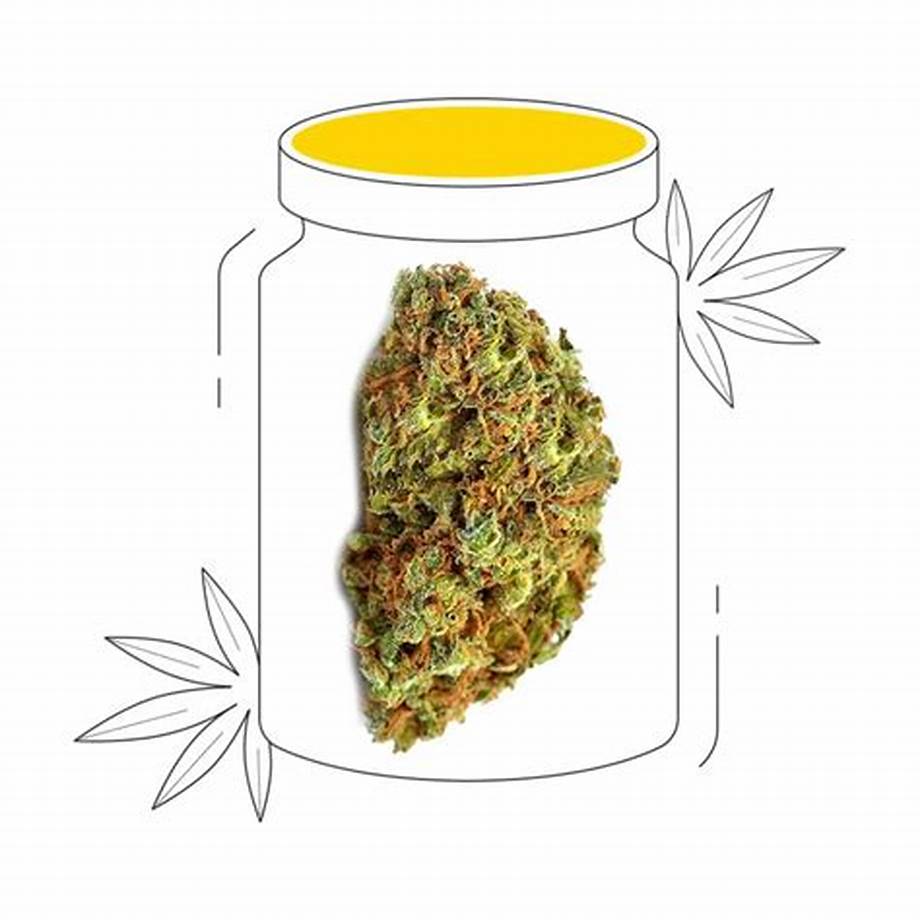
- Place dried buds in airtight jars, leaving some room for airflow.
- Open jars daily for the first week to release excess moisture (burping).
- Monitor for mold or over-drying.
Advanced Cultivation Techniques
1. Hydroponics
- Strawberry Milkshake performs well in hydroponic systems, where nutrients are delivered directly to the roots.
- Advantages: Faster growth, precise nutrient control, higher yields.
- Challenges: Requires expertise and consistent monitoring.
2. SCROG (Screen of Green)
- Use a screen to train plants horizontally, optimizing light penetration and increasing yield.
- Ideal for indoor grows to maximize space and light efficiency.
3. CO₂ Enrichment
- Supplementing CO₂ levels (1,200–1,500 ppm) during the flowering stage enhances photosynthesis, leading to larger yields and more resin production.
Pest and Disease Management
Common Issues
- Powdery Mildew: Prevent by maintaining low humidity and ensuring proper airflow.
- Spider Mites: Use neem oil or insecticidal soap for prevention.
- Fungus Gnats: Avoid overwatering and use sticky traps as needed.
Integrated Pest Management (IPM)
- Incorporate beneficial insects like ladybugs or predatory mites.
- Rotate organic pesticides to prevent resistance.
Yield Optimization
Indoor
- Yield: 8 ounces per square meter.
- Optimization:
- Use reflective materials to maximize light.
- Prune lower branches to focus energy on upper buds.
Outdoor
- Yield: 10–12 ounces per plant.
- Optimization:
- Choose sunny, sheltered locations.
- To enhance the health of your soil, use organic compost.
Potential Side Effects
While generally well-tolerated, Strawberry Milkshake may cause certain side effects, particularly if consumed in large quantities:
- Dry Mouth and Dry Eyes:
- Common among cannabis strains, these effects can be mitigated by staying hydrated and using eye drops.
- Dizziness and Headaches:
- May occur in individuals with low THC tolerance.
- Paranoia or Anxiety:
- High doses may induce feelings of anxiety or paranoia, especially in sensitive users.
To minimize adverse effects, it is advisable to start with a low dose and gradually increase as needed.
Scientific Research and Future Potential
The therapeutic applications of Strawberry Milkshake are supported by emerging research on cannabis. For example:
- Chronic Pain: Studies have demonstrated that THC and caryophyllene synergistically reduce pain and inflammation.
- Anxiety: CBD’s ability to modulate serotonin receptors (5-HT1A) could complement THC’s effects in alleviating anxiety.
- Neuroprotection: Cannabinoids like CBG and terpenes such as myrcene are being investigated for their potential in protecting neurons against degenerative diseases like Alzheimer’s.
Conclusion
Strawberry Milkshake cannabis strain is a balanced hybrid offering a unique blend of therapeutic benefits and recreational enjoyment. Its moderate THC levels, diverse terpene profile, and flavorful experience make it a versatile choice for various users. Whether addressing medical conditions like chronic pain or simply enhancing a social gathering, Strawberry Milkshake stands out as a well-rounded and scientifically intriguing strain.
This strain exemplifies the evolving landscape of cannabis cultivation and consumption, reflecting advancements in both genetic engineering and user-centric design. Its potential, particularly in medical settings, underscores the importance of continued research into cannabinoids and terpenes for therapeutic use.
For a complete directory of cultivars, visit our Cannabis Strain Reviews.
