Table of Contents
Strawberry Lemonade is a sativa-dominant hybrid strain celebrated for its exceptional balance of uplifting effects, invigorating terpene profile, and potent therapeutic potential. With roots in the renowned genetics of Strawberry Cough and Lemon OG, this strain exemplifies the fusion of flavorful terpenes and high cannabinoid content, making it a favorite among recreational users and medical cannabis patients alike. This document delves deep into the scientific, medical, and recreational aspects of Strawberry Lemonade.
Genetics and Origin
Strawberry Lemonade is a product of advanced cannabis breeding techniques, combining the best traits of its parent strains:
- Strawberry Cough
A legendary sativa-dominant strain known for its euphoric effects and distinct strawberry aroma. It is believed to be a cross of Haze genetics with an unknown strain, contributing its sweet, fruity terpenes and uplifting cerebral effects. - Lemon OG (Lemon OG Kush)
A hybrid derived from the genetics of Lemon Skunk and OG #18. Lemon OG provides a citrusy zest with relaxing properties, grounding Strawberry Lemonade’s energetic sativa lineage with mild indica relaxation.
The resulting strain inherits both the sensory appeal of Strawberry Cough and the potency and citrus-forward terpene profile of Lemon OG.
Chemical Composition
Cannabinoid Profile:
Strawberry Lemonade is a high-THC strain, with levels commonly testing between 20% and 25% THC. Because of this, it is a powerful option for experienced users. Cannabidiol (CBD) content is typically below 1%, which explains its limited efficacy in treating conditions requiring high CBD levels. However, the presence of other minor cannabinoids like cannabigerol (CBG) or cannabichromene (CBC) in trace amounts may contribute to its synergistic effects.
Terpene Profile:
The strain owes much of its flavor and therapeutic properties to its terpene content:
- Myrcene (Dominant): Imparts sweet, fruity notes while contributing sedative and anti-inflammatory properties.
- Limonene: Known for its citrusy aroma, it has uplifting and mood-enhancing effects. Limonene also exhibits anti-anxiety and anti-stress properties.
- Caryophyllene: A spicy terpene that interacts with the body’s CB2 receptors, contributing to anti-inflammatory and pain-relief benefits.
- Pinene: Enhances focus and may counteract memory impairment caused by high THC levels.
The interplay of these terpenes not only creates its distinctive flavor profile but also enhances the strain’s therapeutic potential through the entourage effect.
Aroma, Flavor, and Appearance

Aroma:
Strawberry Lemonade emits a potent, inviting fragrance that combines the sweetness of ripe strawberries with the zesty tang of lemons. Subtle earthy undertones balance the bright, fruity notes.
Flavor:
True to its name, this strain offers a flavor profile that closely mimics strawberry lemonade. On the inhale, users are met with sweet, sugary strawberry notes, followed by a citrusy tang and mild herbal undertones on the exhale. Its flavor makes it a favorite for cannabis connoisseurs who prioritize taste.
Appearance:
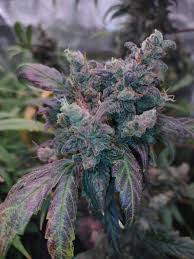
The strain produces medium-to-large buds with a dense structure, typical of hybrids. The flowers are bright green with streaks of orange pistils and, in some cases, hints of purple. The surface is generously coated in trichomes, giving the buds a frosty, crystalline appearance that hints at its potency.
Pharmacological and Therapeutic Properties
Mechanism of Action:
The primary psychoactive component, delta-9-tetrahydrocannabinol (THC), interacts with the endocannabinoid system (ECS). Specifically, it binds to CB1 receptors in the brain, leading to the release of dopamine, which explains its euphoric and mood-enhancing effects.
The terpenes present in Strawberry Lemonade further modulate its pharmacological effects:
- Limonene enhances serotonin levels, contributing to its antidepressant properties.
- Myrcene interacts synergistically with THC, amplifying sedative and analgesic effects.
- Caryophyllene, as a CB2 receptor agonist, adds anti-inflammatory and pain-relief benefits.
Medical Uses
Strawberry Lemonade’s versatile effects make it suitable for treating a variety of medical conditions:
Neurological and Psychological Disorders
- Depression: The uplifting effects, bolstered by limonene, make it an effective option for mood stabilization.
- Anxiety Disorders: In small doses, it can help alleviate anxiety due to its calming and focusing properties. However, higher doses may cause overstimulation in sensitive individuals.
- ADHD and ADD: Its cerebral effects improve focus and mental clarity, aiding patients with attention disorders.
Pain Management
- Effective for chronic pain, neuropathic pain, and migraines. The combined action of THC and caryophyllene makes it a suitable natural analgesic.
Fatigue and Low Energy
- The energizing properties of Strawberry Lemonade make it ideal for combating fatigue and promoting productivity during the day.
Appetite Stimulation
- Useful for patients with loss of appetite due to conditions like cancer or HIV/AIDS, as it stimulates hunger.
Stress Reduction
- Its balanced effects provide a relaxing yet mentally engaging experience, reducing both physical and emotional stress.
Recreational Uses
Uplifting and Social
Strawberry Lemonade is ideal for social situations, as it promotes feelings of happiness, confidence, and talkativeness. It’s often chosen for daytime activities like creative pursuits, outdoor adventures, or gatherings with friends.
Creative Boost
Artists and professionals seeking inspiration may find its cerebral effects conducive to brainstorming and problem-solving.
Functional Relaxation
Unlike heavy indica strains that cause sedation, Strawberry Lemonade offers a gentle body relaxation that doesn’t impede functionality. This makes it suitable for users who want to unwind without feeling lethargic.
Potential Side Effects
Like most high-THC strains, Strawberry Lemonade carries certain risks, especially when consumed in excessive amounts:
- Dry Mouth (Xerostomia): Caused by THC’s interaction with submandibular salivary glands.
- Dry Eyes: Often temporary and manageable with hydration.
- Paranoia or Anxiety: More common in individuals with low THC tolerance or pre-existing anxiety disorders.
- Dizziness: Particularly in novice users or those consuming large doses.
Scientific Insights and Research

Cannabinoid and Terpene Interaction
Emerging research highlights the synergistic potential of cannabinoids and terpenes in enhancing therapeutic outcomes. In Strawberry Lemonade:
- The entourage effect is believed to amplify its antidepressant and analgesic properties.
- Limonene and caryophyllene may contribute to anti-cancer properties, as evidenced in preclinical studies focusing on terpene-induced apoptosis in cancer cells.
THC Potency and Neurological Impact
Studies confirm that sativa-dominant hybrids like Strawberry Lemonade can stimulate neurogenesis in the hippocampus, supporting its potential in managing conditions like depression and PTSD. However, prolonged high-THC use without CBD balance may exacerbate anxiety or impair memory.
Strawberry Lemonade is a versatile cannabis strain that can be consumed through various methods, each offering unique onset times, duration of effects, and intensity. Its rich cannabinoid and terpene profile contributes to its broad appeal among medical and recreational users. Below is a detailed exploration of its methods of ingestion and associated scientific outcomes.
Methods of Ingestion
1. Smoking
- Process: Combustion of dried Strawberry Lemonade flowers, typically in a joint, pipe, or bong.
- Onset: Effects begin within 1–5 minutes, as THC and other cannabinoids rapidly enter the bloodstream via the lungs.
- Duration: Effects last 2–4 hours, with the peak occurring 30 minutes to 1 hour after ingestion.
- Benefits:
- Immediate relief for conditions such as acute pain or anxiety.
- Maximum flavor profile due to the direct heating of terpenes.
- Drawbacks:
- Combustion can produce harmful byproducts, including tar and carbon monoxide.
- May irritate the respiratory tract.
2. Vaporization
- Process: Heating cannabis to a temperature that vaporizes cannabinoids and terpenes without combustion (typically between 160–230°C or 320–446°F).
- Onset: Rapid onset within 1–3 minutes.
- Duration: Effects last 2–4 hours, similar to smoking.
- Benefits:
- Cleaner, smoother inhalation with fewer respiratory irritants.
- Preserves terpenes better than smoking, enhancing the flavor and potential entourage effects.
- Drawbacks:
- Requires a vaporizer, which may not be accessible to all users.
3. Edibles
- Process: Incorporating cannabis-infused oil, butter, or extracts into food or beverages.
- Onset: Delayed onset, typically 30 minutes to 2 hours, as cannabinoids are metabolized by the liver.
- Duration: Effects last 4–8 hours, with some residual effects persisting longer.
- Benefits:
- Long-lasting relief, making it suitable for chronic pain or insomnia.
- No respiratory irritation.
- Drawbacks:
- Difficult to control dosage due to delayed onset and variable bioavailability.
- Effects can be more intense due to the conversion of THC into 11-hydroxy-THC by the liver, a metabolite that is more potent and psychoactive.
4. Tinctures (Sublingual Administration)
- Process: Dropping cannabis-infused tincture under the tongue for absorption through oral mucosa.
- Onset: Rapid onset within 15–30 minutes.
- Duration: Effects last 4–6 hours.
- Benefits:
- Precise dosing and rapid absorption without the need for inhalation.
- Discrete and convenient for medical use.
- Drawbacks:
- Some users find the taste of cannabis tinctures unpleasant.
5. Topicals
- Process: Applying cannabis-infused creams, balms, or oils directly to the skin.
- Onset: Effects felt within 15–60 minutes, depending on the formulation.
- Duration: Effects last 2–6 hours.
- Benefits:
- Localized, psychoactive-free alleviation from skin disorders, discomfort, or inflammation.
- Drawbacks:
- Limited to external use; not effective for systemic conditions.
6. Dabbing
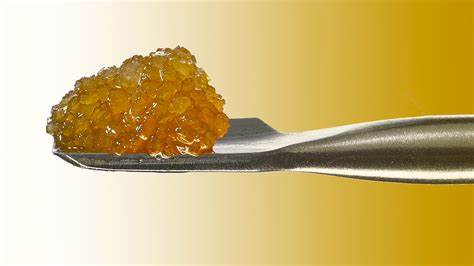
- Process: Vaporizing a concentrated form of Strawberry Lemonade (e.g., shatter, wax, or live resin) on a hot surface.
- Onset: Immediate onset within seconds to 1 minute.
- Duration: Effects last 2–3 hours.
- Benefits:
- High potency provides quick and intense relief.
- Concentrates preserve terpenes for a robust flavor.
- Drawbacks:
- Requires specialized equipment and expertise.
- Intense effects may be overwhelming for novice users.
Onset of Effects
The onset of effects varies depending on the method of ingestion:
- Smoking/Vaporization: Immediate to a few minutes.
- Edibles: Delayed, taking 30–120 minutes.
- Sublingual (Tinctures): Faster than edibles but slower than inhalation, typically 15–30 minutes.
- Topicals: Delayed onset specific to the application site.
The rapid onset associated with inhalation methods makes them ideal for acute symptom management, while the delayed and prolonged effects of edibles are better suited for chronic conditions.
Duration of Effects
Duration is influenced by both the method of ingestion and individual factors such as metabolism and tolerance:
- Short-acting: Smoking, vaporization, and dabbing (2–4 hours).
- Long-lasting: Edibles and tinctures (4–8 hours or more).
- Localized: Topicals provide effects that are confined to the application area and typically last 2–6 hours.
Effects of Strawberry Lemonade
Strawberry Lemonade is highly regarded for its balanced effects that cater to both recreational and medicinal needs. Its high THC content (20–25%) ensures robust psychoactive effects, while its terpene profile modulates these effects for a nuanced experience.
Immediate Effects
- Euphoria: An initial rush of happiness and well-being, often described as energizing.
- Creativity and Focus: Enhanced mental clarity and focus, making it suitable for creative tasks or work.
- Sociability: Boosts confidence and encourages conversation, making it a favorite for social events.
Gradual Effects
- Physical Relaxation: As the high progresses, users report a mild relaxation that eases tension without sedation.
- Mood Elevation: Sustained feelings of positivity and optimism throughout the duration.
Therapeutic Effects
- Pain Relief: Effective for chronic and acute pain conditions due to its high THC and caryophyllene content.
- Stress Reduction: Promotes relaxation and reduces stress by modulating cortisol levels.
- Appetite Stimulation: Encourages hunger, useful for patients with appetite loss.
Negative Effects
- Dry Mouth and Eyes: Caused by the inhibition of salivary and lacrimal glands.
- Paranoia or Anxiety: Higher doses may induce anxiety in THC-sensitive individuals.
- Dizziness: Typically occurs in new users or when consumed excessively.
Pharmacokinetics and Pharmacodynamics
Absorption
- Inhalation: THC and terpenes are rapidly absorbed through the lungs, entering the bloodstream almost instantly.
- Oral Ingestion: Cannabinoids are metabolized by the liver, leading to the production of 11-hydroxy-THC, which has a slower onset but more intense psychoactive effects.
Distribution
- THC and other cannabinoids are lipophilic, meaning they accumulate in fat tissues and are gradually released into the bloodstream over time. This accounts for the prolonged effects observed with chronic use.
Metabolism
- Metabolized primarily in the liver by the cytochrome P450 enzyme system (CYP2C9 and CYP3A4).
- Primary Metabolites: 11-hydroxy-THC and THC-COOH, the latter being inactive and excreted.
Elimination
- Cannabinoids are excreted through feces and urine, with a half-life of THC ranging from 24 to 36 hours for occasional users and up to several days in chronic users.
Cultivation of Strawberry Lemonade Cannabis Strain
Strawberry Lemonade, a sativa-dominant hybrid, is moderately challenging to cultivate. Its genetics, derived from Strawberry Cough and Lemon OG, make it a high-yielding and resilient strain under optimal growing conditions. However, maximizing its potential requires an understanding of its growth patterns, environmental needs, and susceptibility to common challenges.
Genetics and Growth Characteristics
Strawberry Lemonade’s genetic lineage imparts several key growth traits:
- Sativa Dominance: Exhibits tall, slender plants with elongated internodal spacing and narrow leaves.
- Hybrid Resilience: Combines the robustness of Lemon OG with the productivity of Strawberry Cough, offering adaptability across indoor and outdoor environments.
This strain produces dense, resinous buds, often covered in trichomes, making it suitable for extraction purposes in addition to traditional flower use.
Optimal Growing Conditions

Climate
- Temperature: Prefers a warm, Mediterranean climate with day temperatures between 70–85°F (21–29°C). Night temperatures should remain above 60°F (15°C) to prevent stress.
- Humidity:
- Vegetative Stage: 50–70% relative humidity (RH).
- Flowering Stage: Gradually reduced to 40–50% RH to prevent mold and mildew on dense buds.
Light Requirements
- Indoor: Requires intense, full-spectrum light. High-Intensity Discharge (HID) lamps or modern Light Emitting Diode (LED) systems are recommended for optimal yield.
- Vegetative stage: 18–24 hours of light per day.
- Flowering stage: 12 hours of light, simulating autumn conditions.
- Outdoor: Thrives in areas with long sunlight exposure and minimal rainfall during the flowering period.
Soil and Nutrient Needs
- Soil: Prefers nutrient-rich, well-aerated soil with a pH range of 6.0–6.8.
- Hydroponics: Performs well in hydroponic systems due to its rapid nutrient uptake, provided the nutrient solution is balanced and aerated.
- Nutrient Regimen:
- Vegetative Stage: High nitrogen (N) content promotes vigorous foliage growth.
- Flowering Stage: High phosphorus (P) and potassium (K) levels enhance bud development, trichome production, and terpene synthesis.
- Micronutrients: Requires magnesium, calcium, and sulfur for enzyme activity and structural integrity.
Stages of Growth
1. Seed Germination
- Duration: 3–10 days.
- Optimal Conditions:
- Humidity dome or moist paper towel method at 70–80°F (21–27°C).
- Darkness is preferred until sprouting occurs.
2. Seedling Stage
- Duration: 1–3 weeks.
- Key Requirements:
- Light Intensity: 200–400 PPFD (Photosynthetic Photon Flux Density).
- Humidity: 65–70% RH to support young plants.
3. Vegetative Stage
- Duration: 4–8 weeks, depending on desired plant size.
- Characteristics:
- Vigorous growth with lateral branching.
- Requires regular topping or pruning to manage height and encourage lateral bud development.
- Techniques:
- Low-Stress Training (LST): Increases light penetration to lower bud sites.
- Screen of Green (ScrOG): Maximizes yield by training the plant canopy into a horizontal plane.
4. Flowering Stage
- Duration: 8–10 weeks.
- Key Indicators:
- Development of pre-flowers within the first two weeks.
- Buds become denser and resinous, emitting a strong fruity and citrus aroma.
- Environmental Adjustments:
- Reduce humidity to 40–50% RH to prevent botrytis (bud rot).
- Maintain stable temperatures to prevent terpene degradation.
Yield Potential
Indoor Cultivation
- Yield: 500–600 grams per square meter.
- Factors Influencing Yield:
- Light intensity and spectrum.
- Proper airflow and CO₂ supplementation (1,200–1,500 ppm) during flowering.
Outdoor Cultivation
- Yield: 700–1,000 grams per plant under ideal conditions.
- Factors Influencing Yield:
- Exposure to full sunlight for at least 8–10 hours daily.
- Protection from heavy rains or frost, as Strawberry Lemonade thrives in warm, dry conditions.
Challenges in Cultivation
Pests and Diseases
- Common Pests:
- Spider mites, aphids, and whiteflies.
- Preventative measures include regular inspection, neem oil application, and introduction of beneficial insects (e.g., ladybugs).
- Diseases:
- Powdery mildew and botrytis (bud rot) are risks due to its dense bud structure.
- Preventative measures: Maintain proper airflow, prune overcrowded areas, and use silica-based foliar sprays.
Nutrient Deficiencies
- Signs:
- Nitrogen Deficiency: Yellowing of lower leaves during the vegetative stage.
- Phosphorus Deficiency: Purple stems and slow flower development.
- Solution: Adjust the nutrient regimen with balanced fertilizers and monitor pH levels.
Stress Factors
- Overwatering: Can result in root rot; make sure the drainage is adequate and let the soil dry off. between watering.
- Light Stress: Ensure adequate spacing between the light source and plant canopy to avoid bleaching or heat stress.
Advanced Cultivation Techniques
1. CO₂ Enrichment
- Enhances photosynthesis, leading to faster growth and higher yields.
- Ideal CO₂ levels: 1,200–1,500 ppm during the vegetative and flowering stages.
2. Trichome Management
- Strawberry Lemonade produces resin-rich buds that are ideal for concentrates.
- Trichome maturity can be assessed using a magnifier:
- Clear trichomes: Immature.
- Cloudy trichomes: Peak THC content.
- Amber trichomes: Higher levels of CBN, offering sedative effects.
3. Terpene Preservation
- Maintain flowering temperatures below 77°F (25°C) to preserve volatile terpenes like myrcene and limonene.
- Avoid excessive nitrogen during flowering, as it can dilute terpene concentration.
Post-Harvest Management
Harvest Timing
- Harvest when 60–70% of trichomes are cloudy, and pistils have darkened and curled.
- Timing impacts the cannabinoid and terpene profile, allowing for tailored effects.
Drying and Curing
- Drying:
- In a well-ventilated, dark area, hang plants upside down.
- Temperature: 60–70°F (15–21°C).
- Humidity: 50–60% RH.
- Duration: 7–14 days.
- Curing:
- Store buds in airtight glass jars at 60–65% RH.
- Open jars daily for 10–15 minutes during the first two weeks to release moisture.
- Proper curing enhances flavor, potency, and smoothness.
Consumer Feedback and Popularity
Strawberry Lemonade consistently ranks as a favorite among users for its unique flavor, potency, and versatility. Many reviews highlight its ability to seamlessly blend recreational enjoyment with medical efficacy, making it a go-to strain for a wide range of activities and conditions.
Final Thoughts
Strawberry Lemonade is a prime example of modern cannabis breeding, offering a harmonious blend of flavor, potency, and therapeutic benefits. Whether for medicinal or recreational purposes, its ability to uplift, energize, and relax without overwhelming sedation ensures its enduring popularity. As more scientific research illuminates the complexities of cannabis pharmacology, strains like Strawberry Lemonade will undoubtedly play a central role in understanding the therapeutic potential of cannabinoids and terpenes.
For a complete directory of cultivars, visit our Cannabis Strain Reviews.
