Table of Contents
Strawberry Kush is a well-known hybrid cannabis strain that typically leans indica-dominant (about 70/30 indica to sativa ratio), though phenotypes can slightly vary based on breeder and growing conditions. It is a cross between the legendary Strawberry Cough and OG Kush, two strains celebrated for their potency, flavor, and unique terpene expressions.
- Strawberry Cough contributes uplifting cerebral effects, sweet berry-like flavors, and a euphoric mental buzz.
- OG Kush is known for its earthy, piney aroma, deeply relaxing body effects, and moderate to high THC potency.
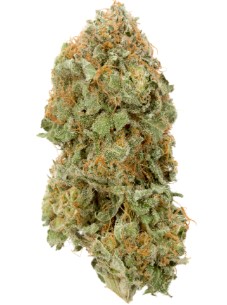
This genetic combination gives Strawberry Kush a balanced experience, offering mood elevation with physical relaxation, without heavy sedation in moderate doses.
Appearance, Aroma, and Flavor
Appearance:
Strawberry Kush buds are typically medium-sized, dense, and cone-shaped. They are often deep green with purple hues depending on phenotype and temperature during growth. The nugs are coated in a thick layer of trichomes, which gives them a frosty appearance, signaling potent cannabinoid content.
Aroma:
- Sweet strawberries
- Earthy kush undertones
- Notes of spice or herbal pine
Flavor:
- Dominated by fresh berries
- Herbal and sweet on the inhale
- Slightly earthy or diesel-like exhale
The sensory profile of Strawberry Kush makes it highly appealing for both connoisseurs and therapeutic users sensitive to harsh-smelling or -tasting cannabis.
Cannabinoid Profile
While cannabinoid levels may vary, a typical lab profile of Strawberry Kush includes:
| Compound | Average Concentration |
|---|---|
| THC | 18–23% |
| CBD | 0.1–0.5% |
| CBG | 0.3–1% |
| THCV | <0.2% |
- THC levels are high enough to provide potent psychoactive effects.
- CBD is minimal, but this may still contribute synergistically through the entourage effect.
- CBG is present in small quantities, contributing anti-inflammatory and anxiolytic effects.
- THCV may help modulate THC’s effects and appetite.
Terpene Profile
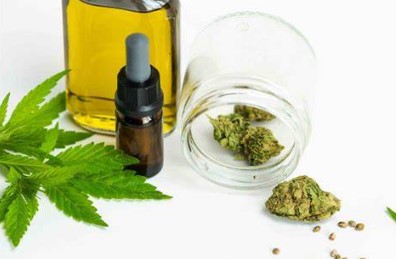
The terpene composition is essential in defining the flavor, effects, and medical applications of Strawberry Kush. Dominant terpenes include:
| Terpene | Aroma/Flavor | Therapeutic Potential |
|---|---|---|
| Myrcene | Earthy, musky, herbal | Sedative, anti-inflammatory, muscle relaxant |
| Limonene | Citrus, lemon | Uplifting, antidepressant, anti-anxiety |
| Caryophyllene | Peppery, spicy, woody | Anti-inflammatory, analgesic, interacts with CB2 receptors |
| Pinene | Pine, sharp | Bronchodilator, memory-enhancing, alertness |
| Humulene | Woody, herbal | Appetite suppressant, anti-inflammatory |
This terpene synergy promotes calming, mood-elevating, and pain-reducing effects with relatively low sedation, unless taken in high doses.
Medical Uses
Strawberry Kush is an indica-dominant hybrid with high THC content (18–23%), low CBD (<0.5%), and a terpene profile rich in myrcene, limonene, caryophyllene, and pinene. These components act on multiple physiological systems:
- Endocannabinoid system (ECS) – for pain, inflammation, mood regulation
- GABAergic and serotonergic systems – for anxiety, sleep, and mood
- Peripheral immune and inflammatory pathways – via CB2 receptor activity
Medical Uses by Condition
Chronic Pain
Targeted Conditions
- Neuropathic pain (e.g., diabetic neuropathy, fibromyalgia)
- Inflammatory pain (arthritis, IBD)
- Migraines, back pain, injury-related pain
Mechanisms of Action
- THC: Partial agonist at CB1 receptors in the brain and spinal cord; reduces nociceptive transmission and alters pain perception.
- Caryophyllene: Selective CB2 receptor agonist; modulates immune cells to reduce inflammation.
- Myrcene: Inhibits prostaglandin E2 (PGE2), contributing to analgesia.
- Limonene: Mild 5-HT1A agonism may reduce emotional pain perception.
Scientific Notes
- Cannabis-based medicines (e.g., Sativex) containing THC/CBD show efficacy for pain.
- High-THC strains like Strawberry Kush may offer comparable results, especially in neuropathic conditions where CB1 activation is critical.
Anxiety and Stress
Targeted Conditions
- Generalized anxiety disorder (GAD)
- Social anxiety
- Acute stress response
Mechanisms of Action
- Limonene: Demonstrated anxiolytic properties in rodents; enhances serotonin (5-HT) availability via receptor modulation.
- Myrcene: Binds to GABA-A receptors, promoting sedation and relaxation.
- Low-dose THC: Reduces amygdala activity (fear processing center); improves mood in sub-anxiogenic doses.
- Caryophyllene: CB2 activation may reduce stress-induced inflammation and HPA axis hyperactivity.
Clinical Notes
- Anxiety relief is dose-dependent: low to moderate doses are anxiolytic; high doses can be anxiogenic, especially in sensitive individuals.
- Limonene-heavy cultivars show promise in preclinical anxiety models, validating the use of Strawberry Kush for mild-to-moderate stress relief.
Depression
Targeted Conditions
- Mild to moderate depression
- Situational or seasonal affective disorder
Mechanisms of Action
- Limonene: Increases dopaminergic and serotonergic activity in the prefrontal cortex.
- THC: Stimulates anandamide release, modulating mood through CB1 pathways.
- Pinene: Potential cognitive enhancement and alertness may help with lethargy common in depressive states.
Scientific Notes
- A 2020 study in Journal of Affective Disorders showed cannabis may rapidly reduce depressive symptoms, with terpene-rich strains outperforming isolates.
- Entourage effect (synergistic interaction of THC, terpenes, and minor cannabinoids) plays a major role in mood stabilization.
Insomnia and Sleep Disorders
Targeted Conditions
- Sleep onset latency
- Sleep maintenance insomnia
- Stress-induced sleep disruption
Mechanisms of Action
- Myrcene: Sedative properties enhance GABAergic inhibition in the CNS.
- THC: Reduces time to fall asleep and may increase deep sleep (NREM stages 3–4) in the short term.
- Pinene: Reduces REM suppression sometimes caused by THC, helping maintain sleep architecture.
Clinical Evidence
- THC-dominant strains like Strawberry Kush have shown reduced sleep latency, though chronic use may impair long-term sleep cycles.
- Myrcene levels >0.5% correlate with stronger sedative effects; Strawberry Kush often exceeds this threshold.
Appetite Stimulation and Nausea
Targeted Conditions
- Cachexia (e.g., cancer, AIDS)
- Anorexia nervosa
- Chemotherapy-induced nausea and vomiting (CINV)
- Gastrointestinal disorders
Mechanisms of Action
- THC: Increases ghrelin (hunger hormone) secretion via CB1 stimulation in the hypothalamus.
- Myrcene: Enhances THC’s appetite-stimulating effects.
- Limonene and pinene: Reduce nausea by acting on serotonin and vagal nerve pathways.
Scientific Notes
- THC is the active ingredient in Dronabinol (Marinol), an FDA-approved antiemetic and appetite stimulant.
- Strawberry Kush’s high THC + aromatic terpenes can mimic this pharmacological action naturally.
ADHD and Focus Disorders
Targeted Conditions
- Attention-deficit/hyperactivity disorder (ADHD)
- Executive function impairment
- Mental fatigue or burnout
Mechanisms of Action
- Pinene: Improves working memory and alertness by inhibiting acetylcholinesterase, increasing acetylcholine.
- Limonene: Enhances dopaminergic tone, which is often deficient in ADHD.
- Low-dose THC: May increase focus by reducing sensory overload and enhancing flow states.
Scientific Context
- Anecdotal reports and case studies suggest some ADHD patients benefit from specific strains like Strawberry Kush.
- However, cannabis use in ADHD remains controversial and should be monitored for dependency risks.
Inflammatory and Autoimmune Disorders
Targeted Conditions
- Rheumatoid arthritis
- Inflammatory bowel disease (Crohn’s, colitis)
- Multiple sclerosis
Mechanisms of Action
- THC and caryophyllene suppress cytokine production (e.g., IL-6, TNF-alpha).
- CB2 receptor activation by caryophyllene and THC downregulates immune cell activation.
- Myrcene and limonene provide peripheral anti-inflammatory activity through prostaglandin inhibition and antioxidant effects.
Scientific Validation
- Animal studies show significant reduction in inflammation with CB2 agonists.
- A balanced THC/caryophyllene ratio (as seen in Strawberry Kush) is ideal for inflammatory conditions with a psychoactive threshold.
Migraine and Neurological Support
Targeted Conditions
- Chronic migraines
- Cluster headaches
- Neuroinflammation
Mechanisms of Action
- THC: Suppresses calcitonin gene-related peptide (CGRP), a key factor in migraine pain.
- Pinene and limonene: Potential vasodilatory and anti-inflammatory effects on cerebral vessels.
- Caryophyllene: Acts on glial cell inflammation, implicated in chronic migraine pathogenesis.
Research Insights
- Migraine patients in clinical trials report lower pain severity and frequency with cannabis, especially when using full-spectrum strains.
- Strawberry Kush may benefit migraine sufferers who respond poorly to triptans or anti-inflammatory drugs.
Considerations for Medical Use
Administration Routes
| Route | Onset | Duration | Use Case |
|---|---|---|---|
| Inhalation | 5–10 min | 2–4 hrs | Acute pain, anxiety, nausea |
| Edibles | 30–90 min | 6–8 hrs | Long-term pain, sleep |
| Tinctures | 15–45 min | 4–6 hrs | Dosing control, inflammation |
| Topicals | Localized | 2–4 hrs | Arthritis, muscle pain |
Inhalation is preferred for fast onset, while edibles/tinctures are ideal for chronic conditions requiring sustained relief.
Dosing Strategy
- Microdosing (2–5 mg THC): Focus, anxiety, mood
- Standard dose (5–15 mg THC): Pain, sleep, moderate appetite stimulation
- High dose (>20 mg THC): Severe pain, sedation (requires tolerance)
Always start low and titrate upward due to the biphasic effects of THC (low dose = relief; high dose = potential anxiety or sedation).
Risks and Side Effects
| Risk | Management Strategies |
|---|---|
| Anxiety | Start with low doses; use limonene-rich phenotypes |
| Cognitive fog | Use only at night or in non-demanding settings |
| Tachycardia | Avoid high doses; stay hydrated |
| Dependence risk | Use scheduled breaks (tolerance breaks) |
| Drug interactions | Avoid CNS depressants (benzos, alcohol) |
Recreational Uses and Effects
Strawberry Kush is a popular choice among recreational consumers seeking a flavorful and manageable high.
Immediate Effects (within minutes)
- Euphoric mental lift
- Creativity enhancement
- Relaxed body sensation without couch-lock
- Mild to moderate giggles or social stimulation
Later Effects (after 1–2 hours)
- Gradual physical sedation (especially in higher doses)
- Calm introspection
- Potential for light sleepiness
Optimal Use Cases
- Social settings or small gatherings
- Creative projects or light outdoor activity
- Solo relaxation (music, movies, games)
- Stressful days needing mental unwinding
Avoid for:
- Deep, long-lasting sedation
- High-intensity focus (for some users)
- Situations requiring full cognitive clarity
Potential Side Effects
While Strawberry Kush is generally well-tolerated, some users may experience:
| Side Effect | Cause | Mitigation Strategies |
|---|---|---|
| Dry mouth | THC reduces saliva production | Hydrate before and during use |
| Dry eyes | Vasodilation effects | Use lubricating eye drops |
| Anxiety/Paranoia | High THC in sensitive users | Start with low doses |
| Dizziness | Sudden blood pressure drops | Consume seated, avoid sudden motion |
| Fatigue | High myrcene doses | Dose appropriately, avoid overuse |
Cultivation Information
1. Genetic and Morphological Traits
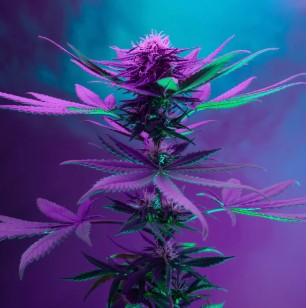
Growth Type: Indica-dominant hybrid
Morphology:
- Short to medium internodal spacing
- Bushy structure with broad leaves
- Dense colas with high trichome density
Because of its OG Kush heritage, it tends to grow compactly, making it ideal for indoor and controlled environments. However, its strawberry lineage means it benefits from terpene-enhancing environmental cues such as cool temperatures late in flowering.
2. Propagation and Planting Techniques
Cloning vs. Seed
- Cloning ensures phenotype consistency (e.g., berry-forward terpene profile, compact growth, THC levels).
- Seed propagation introduces variability — some may lean more toward OG Kush (earthy and sedating), while others express more Strawberry Cough (uplifting, fruity).
Recommendation: Use female clones from a verified, high-terpene mother plant to maintain consistency in terpene expression and cannabinoid ratios.
3. Growth Stages and Requirements
Vegetative Stage
- Light cycle: 18/6 hours (light/dark)
- Light intensity: ~400–600 µmol/m²/s
- Optimal temperature: 22–28°C (72–82°F)
- Humidity: 50–70%
- Soil pH: 6.2–6.5
- Hydro pH: 5.5–6.0
Key practices:
- Use low-stress training (LST) to spread canopy and expose lateral branches to light.
- Apply topping or FIMing early to promote multiple colas and prevent apical dominance.
Flowering Stage
- Light cycle: 12/12
- Light intensity: 600–900 µmol/m²/s
- Temperature: 20–26°C (day), ideally 16–20°C at night in late flower to boost anthocyanin and terpene production
- Humidity: 40–50% early flower; 35–40% late flower
Strawberry Kush is known to be sensitive to humidity due to its dense bud structure, increasing the risk of botrytis (bud rot). Use high airflow (oscillating fans, canopy spacing) and dehumidifiers in late flower.
4. Substrate and Nutrient Management
Substrate Choices
- Soil (organic living soil): Enhances terpene complexity and microbial support
- Coco coir: Allows high oxygenation and faster growth, good for precision feeding
- Hydroponics: Maximizes yield potential, but may reduce flavor/terpenes unless supplemented
Macronutrient Requirements
| Stage | N (Nitrogen) | P (Phosphorus) | K (Potassium) |
|---|---|---|---|
| Vegetative | High | Moderate | Moderate |
| Flowering (early) | Low | High | High |
| Flowering (late) | Very low | Moderate | High |
- Calcium & Magnesium: Crucial during flowering to support resin production and avoid deficiencies (especially in coco).
- Micronutrients: Boron, zinc, manganese are essential for enzyme function, especially in organic systems.
Use chelated micronutrients (e.g., EDTA-bound) in hydroponic settings for better uptake.
5. Environmental and Light Optimization
Lighting Type
- LED full spectrum preferred for terpene and cannabinoid preservation, low heat
- HPS enhances yield but may reduce some terpene profiles due to higher heat
DLI (Daily Light Integral) Targets
- Vegetative: 20–25 mol/m²/day
- Flowering: 35–45 mol/m²/day
Light Spectrum Tips:
- Add far-red (730 nm) during flowering for stretch control and slightly faster flowering onset.
- Use UVB light (280–315 nm) for the final 2–3 weeks of flowering (2–4 hours/day) to stimulate trichome and THC production via plant stress signaling (jasmonic acid pathways).
6. Terpene Maximization Strategies
To highlight the sweet berry profile of Strawberry Kush (dominated by myrcene, limonene, and caryophyllene), employ the following:
- Lower nighttime temps (16–18°C) in the last 2–3 weeks to preserve monoterpenes, especially limonene.
- Avoid high EC feeding (>2.2) in late flower, which can blunt terpene biosynthesis.
- Implement “terp flush” with organic enhancers (e.g., humic/fulvic acids, molasses, aloe vera extract) during the final 2 weeks.
- Dry with slow cure in 55–60% RH at 16–18°C to preserve volatile terpenes (drying too fast = flavor loss).
7. Training and Stress Techniques
Low-Stress Training (LST)
- Bend Strawberry Kush main stem and branches to expose more bud sites to light
- Helps reduce apical dominance (OG Kush trait)
Topping and FIMing
- Encourages bushier structure and multiple main colas
- Recommended around the 4th–5th node
Supercropping (Advanced)
- Gently crushing branches to redirect growth hormones
- Increases yield and trichome density if done correctly in early veg
Defoliation
- Targeted removal of fan leaves around weeks 3–4 of flower improves light penetration and airflow
- Avoid excessive stripping as it can stress terpene synthesis
8. Pest and Disease Management
Strawberry Kush is moderately pest-resistant but can be susceptible to:
- Powdery mildew – especially in poor airflow conditions
- Spider mites – attracted to sweet-smelling plants
- Bud rot – high risk due to dense flowers and OG Kush lineage
Integrated Pest Management (IPM) strategies:
- Neem oil, insecticidal soap (only in veg)
- Beneficial insects like Phytoseiulus persimilis for mites
- Biological fungicides (e.g., Bacillus subtilis) for mold
- Supplementing with silica to fortify plant cell walls
- Weekly inspections with jeweler’s loupe to detect early signs of infestation
9. Harvest Timing and Cannabinoid Maturation
Trichome Monitoring
- Use 60x magnification to observe gland heads:
- Clear = not mature
- Cloudy/milky = peak THC
- Amber = THC degradation, more CBN → sedation
Ideal Harvest for Strawberry Kush:
- ~10–15% amber trichomes in Strawberry Kush for a euphoric yet slightly relaxing effect
- Earlier harvest retains limonene (uplifting), while later harvest increases myrcene/couch-lock potential
10. Post-Harvest Processing
Drying
- Temp: 16–20°C
- RH: 55–60%
- Duration: 10–14 days (longer = smoother smoke)
Curing
- Glass jars or stainless-steel containers
- Burping daily for first 2 weeks, then once every 3–4 days
- Ideal cure time: 4–8 weeks (improves flavor, smoothness, terpene complexity)
A good cure drastically enhances Strawberry Kush’s sweet-berry complexity and prevents grassy or hay-like smells.
11. Lab Testing and Validation
Post-harvest lab testing can help growers dial in cultivation practices by analyzing:
- THC/CBD content (potency)
- Terpene profile (e.g., % of myrcene, limonene, pinene)
- Moisture content (should be ~10–12%)
- Contaminants (mold, heavy metals, pesticides)
Tracking test results over multiple harvests provides data to optimize growing Strawberry Kush inputs and timing for ideal chemotypic expression.
Scientific and Clinical Considerations
1. Entourage Effect
Strawberry Kush exemplifies the entourage effect: cannabinoids and terpenes interact synergistically to enhance therapeutic outcomes. For instance:
- THC’s analgesic effect is modulated by myrcene and caryophyllene.
- Limonene boosts mood and helps THC reduce stress without sedation.
- Pinene helps reduce THC-induced memory impairment.
2. Pharmacodynamics
- THC produces euphoric effects and pain relief via binding to the brain’s CB1 receptors.
- CBD, though low, may inhibit FAAH, raising anandamide levels (natural endocannabinoid).
- Caryophyllene binds to CB2 receptors in the immune system, producing anti-inflammatory effects without psychoactivity.
- Terpenes may also influence neurotransmitter systems (e.g., GABA, serotonin), affecting anxiety, depression, and alertness.
3. Pharmacokinetics
- Onset of effects: ~5–10 minutes (smoking/vaping), ~45–90 minutes (edibles)
- Duration: ~2–4 hours depending on dose and route
- Elimination half-life of THC: ~30 hours, but metabolites can persist longer
4. Potential for Tolerance and Dependency
- As with any high-THC strain, frequent use can lead to tolerance, requiring higher doses for the same effect.
- However, low CBD content and moderate potency may pose less risk for dependency than ultra-high-THC concentrates.
5. Clinical Trials & Evidence Base
While no RCTs (Randomized Controlled Trials) specifically examine Strawberry Kush, its components (THC, limonene, caryophyllene) are subjects of numerous studies in areas like:
- Neuropathic pain (e.g., cannabis-based medicine like Sativex)
- Mood disorders (preclinical limonene studies show antidepressant-like effects)
- Anxiety reduction (low-dose THC and limonene synergy)
- Sleep (myrcene’s sedative potential in animal models)
Comparative Strain Analysis
| Trait | Strawberry Kush | Strawberry Cough | OG Kush |
|---|---|---|---|
| THC | 18–23% | 15–20% | 20–26% |
| CBD | <0.5% | ~0.1% | ~0.1% |
| Effects | Euphoric, relaxed, creative | Energetic, uplifting | Heavy, sedative, euphoric |
| Best For | Pain, mood, appetite | Depression, anxiety | Pain, sleep, stress |
| Terpene Dominance | Myrcene, limonene, caryophyllene | Limonene, pinene | Myrcene, caryophyllene |
| Sedation Level | Moderate | Low | High |
Conclusion
Strawberry Kush stands out as a versatile strain suitable for both medical and recreational users. Its strong berry aroma, euphoric yet calming effects, and balanced cannabinoid-terpene profile make it effective for treating a range of conditions including pain, anxiety, and appetite loss. While it lacks the heavy sedation of pure indicas or the raciness of sativas, it occupies a sweet spot that supports daytime and evening use depending on dosage.
From a scientific standpoint, Strawberry Kush showcases the complexity of whole-plant medicine through the interplay of THC, minor cannabinoids, and diverse terpenes. Its utility is rooted in the entourage effect and personalized dosing—ideal for patients who want effective symptom relief without intense impairment.
For a complete directory of cultivars, visit our Cannabis Strain Reviews.
