Table of Contents
Strawberry Diesel is a celebrated hybrid cannabis strain, revered for its balanced effects, unique terpene profile, and potential therapeutic benefits. Below is an in-depth exploration of its origins, genetics, characteristics, chemical composition, medical applications, recreational uses, cultivation, and scientific insights.
Origins and Genetics
Strawberry Diesel is the product of crossing two highly esteemed strains: Strawberry Cough and Sour Diesel. The greatest qualities of both parent strains are passed down to this hybrid, giving it a well-rounded character.
- Strawberry Cough
Known for its uplifting and stress-relieving effects, Strawberry Cough provides a fruity aroma and flavor, dominated by sweet strawberry notes. It is predominantly a sativa strain, contributing to Strawberry Diesel’s energizing and euphoric properties. - Sour Diesel
A famous sativa-dominant strain, Sour Diesel is cherished for its pungent, diesel-like aroma and its cerebral, invigorating effects. This parent adds a robust, skunky aroma and potent mental stimulation to Strawberry Diesel.
The blend results in a 50/50 hybrid or sometimes a slightly sativa-dominant hybrid, depending on the phenotype. It boasts THC levels ranging from 17% to 27%, with CBD levels typically under 1%.
Physical Characteristics
Strawberry Diesel plants exhibit features that highlight their hybrid nature:
- Appearance:
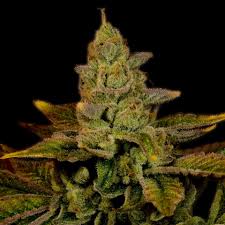
Buds are dense and medium-sized, with vibrant green hues, interspersed with orange pistils and a thick layer of trichomes. The frosty trichomes indicate a rich concentration of cannabinoids and terpenes. - Aroma and Flavor:
The aroma combines sweet strawberry notes with sharp, fuel-like undertones. The flavor is similarly complex, blending fruity sweetness with earthy and skunky hints, leaving a tangy aftertaste. - Growth Pattern:
Plants are medium-sized, suitable for both indoor and outdoor cultivation. Their hybrid genetics result in a balanced growth structure, with moderate spacing between nodes and sturdy branches.
Chemical Composition
Understanding Strawberry Diesel’s cannabinoid and terpene profile is essential for appreciating its effects and therapeutic potential.
Cannabinoid Profile
- THC (17%-27%):
The primary psychoactive component responsible for euphoria, relaxation, and pain relief. - CBD (<1%):
While minimal, the CBD content can slightly modulate the psychoactive effects of THC, providing a more balanced high. - CBG (<1%):
Cannabigerol (CBG) is present in trace amounts, potentially contributing to anti-inflammatory and neuroprotective effects. - Minor Cannabinoids:
Includes CBC and THCV, which may enhance mood and offer additional therapeutic benefits.
Terpene Profile
The terpenes in Strawberry Diesel not only shape its aroma and flavor but also synergize with cannabinoids for specific effects:
- Myrcene:
This terpene contributes to the strain’s relaxing properties and earthy undertones. It also enhances THC absorption. - Limonene:
Provides a citrusy kick, promoting stress relief and uplifting mood. - Caryophyllene:
Known for its spicy and peppery notes, this terpene acts as a natural anti-inflammatory. - Pinene:
Adds a pine-like aroma and supports mental clarity and focus. - Humulene:
Offers subtle herbal notes and may help suppress appetite.
Effects and Recreational Uses
Strawberry Diesel delivers a balanced high, making it versatile for various recreational activities. The effects typically last 2-4 hours, depending on dosage and tolerance.
Onset and Experience
- Initial Effects:
The high begins with a cerebral rush, inducing feelings of euphoria, mental clarity, and heightened creativity. Users frequently report feeling happier and more focused. - Body Effects:
As the cerebral stimulation stabilizes, the strain transitions into a soothing body high. This relaxation isn’t overly sedative, allowing users to remain functional. - Overall Impact:
Strawberry Diesel is ideal for socializing, creative pursuits, or enjoying outdoor activities. It provides a harmonious blend of energy and calm, avoiding the extremes of either.
Recreational Applications
- Creative Endeavors:
The strain’s cerebral effects make it a favorite among artists, writers, and musicians seeking inspiration and focus. - Social Settings:
Strawberry Diesel fosters sociability and laughter, making it suitable for gatherings and parties. - Daytime Use:
Its balanced nature makes it a good choice for daytime use, as it provides energy without overwhelming sedation. - Adventure and Exploration:
Many users enjoy this strain during hikes, nature walks, or other light outdoor activities due to its uplifting effects.
Medical Applications
Strawberry Diesel offers significant therapeutic benefits, making it a popular choice among medical cannabis patients.
Mental Health
- Stress and Anxiety:
The uplifting and calming effects of Strawberry Diesel can alleviate symptoms of chronic stress and anxiety. Its limonene content, in particular, plays a role in mood enhancement. - Depression:
With its mood-boosting properties, this strain is effective in combating feelings of sadness or lethargy. - ADHD:
The focus-enhancing effects may benefit individuals with ADHD, helping them concentrate on tasks.
Physical Health
- Chronic Pain:
The combination of THC and caryophyllene provides potent analgesic effects, useful for conditions like arthritis, migraines, and muscle spasms. - Inflammation:
Anti-inflammatory properties can help with ailments like Crohn’s disease, IBS, or autoimmune disorders. - Fatigue:
Strawberry Diesel’s energizing qualities make it a natural remedy for fatigue and lack of motivation.
Neurological Disorders
- PTSD:
The strain’s ability to balance mental stimulation and relaxation helps reduce PTSD symptoms like hyperarousal and intrusive thoughts. - Neurodegenerative Diseases:
While not a cure, Strawberry Diesel’s cannabinoids and terpenes may offer neuroprotective benefits, potentially aiding patients with conditions like Parkinson’s or Alzheimer’s.
Additional Benefits
- Appetite Stimulation:
While not as pronounced as in indica-dominant strains, Strawberry Diesel can help moderate appetite loss. - Nausea Relief:
Its antiemetic properties make it beneficial for those undergoing chemotherapy or suffering from gastrointestinal disorders.
Cultivation Information
Strawberry Diesel is moderately challenging to grow, requiring some experience for optimal yields.
Growing Environment
- Climate:
Prefers a warm, Mediterranean climate with consistent temperatures between 70-85°F (21-29°C). - Indoor vs. Outdoor:
- Indoor Cultivation: Ideal for controlled environments. In soil or hydroponic environments, plants flourish.
- Outdoor Cultivation: Requires a sunny, dry location with protection from extreme weather.
Growth Characteristics
- Flowering Time:
Typically takes 9-10 weeks to flower indoors. By late October, outdoor plants are ready to be harvested. - Yield:
- Indoor: Approximately 14-16 ounces per square meter.
- Outdoor: Around 16-20 ounces per plant under optimal conditions.
- Training Techniques:
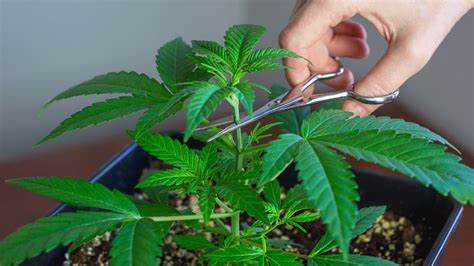
Topping and low-stress training (LST) can enhance yields and promote even light distribution.
Pest and Disease Resistance
Strawberry Diesel is resistant to common pests and mold, though growers should monitor humidity levels to avoid issues like powdery mildew.
Scientific Insights
The interplay between cannabinoids and terpenes in Strawberry Diesel is supported by the entourage effect, a phenomenon where the combined components enhance each other’s therapeutic potential. Here’s a scientific breakdown:
- THC and Terpene Synergy:
- Myrcene and THC work together to produce sedative effects, ideal for pain relief and insomnia.
- Limonene and THC enhance mood and stress relief.
- Anti-inflammatory Potential:
Research suggests that caryophyllene, a unique terpene that interacts with CB2 receptors, may reduce inflammation and pain without intoxicating effects. - Neuroprotection:
Studies on cannabinoids like THC and CBG indicate potential in protecting nerve cells from damage, which could explain anecdotal benefits for neurodegenerative diseases. - Anxiolytic Properties:
The combination of low CBD and terpenes like limonene may reduce anxiety in a dose-dependent manner, avoiding the overstimulation sometimes caused by high-THC strains.
Strawberry Diesel: Methods of Ingestion, Duration, Onset, and Effects
Strawberry Diesel offers a range of effects based on its cannabinoid and terpene profile, which vary with the method of ingestion. To fully appreciate its versatility, this section delves into the scientific principles behind different methods of consumption, their associated pharmacokinetics, and how they influence onset, duration, and overall experience.

Methods of Ingestion
The method of ingestion significantly affects how Strawberry Diesel interacts with the body. Below are the most common methods, along with their scientific underpinnings:
1. Inhalation (Smoking or Vaping)
- Mechanism: Inhalation delivers cannabinoids and terpenes to the lungs, where they are rapidly absorbed into the bloodstream via the alveoli. This provides direct access to the brain through the blood-brain barrier.
- Onset: 1-3 minutes
- Duration: 2-4 hours
- Effects: Immediate and intense, starting with a cerebral rush and transitioning into a balanced body high.
- Advantages:
- Quick relief for acute symptoms like anxiety or pain.
- Enhanced flavor profile due to terpenes being vaporized or combusted.
- Drawbacks:
- Smoking can irritate the respiratory system.
- Vaporizing preserves terpenes better than smoking but requires specialized equipment.
2. Edibles
- Mechanism: Cannabinoids are metabolized by the liver into 11-hydroxy-THC, a more potent psychoactive compound than delta-9 THC. This creates longer-lasting and more intense effects.
- Onset: 30-90 minutes
- Duration: 6-8 hours
- Effects: Slower onset but deeper physical relaxation and prolonged psychoactive effects. Euphoria is more body-focused than cerebral.
- Advantages:
- Discreet and long-lasting effects.
- Ideal for chronic conditions requiring sustained relief (e.g., chronic pain, insomnia).
- Drawbacks:
- Delayed onset can lead to overconsumption.
- Effects are harder to predict due to individual metabolic differences.
3. Sublingual (Tinctures or Sprays)
- Mechanism: Cannabinoids are absorbed directly into the bloodstream through mucous membranes under the tongue, bypassing the digestive system.
- Onset: 15-30 minutes
- Duration: 3-6 hours
- Effects: Balanced onset and effects. Offers a mix of cerebral and body effects similar to smoking but less immediate.
- Advantages:
- Precise dosing.
- Avoids respiratory irritation.
- Drawbacks:
- Limited flavor and slower onset compared to inhalation.
4. Topical Applications
- Mechanism: Applied directly to the skin, cannabinoids interact with local cannabinoid receptors without entering the bloodstream.
- Onset: 15-30 minutes
- Duration: 2-4 hours
- Effects: Non-psychoactive; localized relief from pain or inflammation.
- Advantages:
- Ideal for targeted pain relief or skin conditions.
- It is appropriate for use during the day because it has no psychotropic effects.
- Drawbacks:
- Limited use for systemic conditions.
5. Dabbing (Concentrates)
- Mechanism: Involves vaporizing concentrated cannabis extracts with high levels of THC and terpenes.
- Onset: 1-2 minutes
- Duration: 2-3 hours
- Effects: Extremely potent, delivering intense cerebral stimulation followed by a relaxing body high.
- Advantages:
- High terpene and cannabinoid content for pronounced effects.
- Fast relief for severe symptoms.
- Drawbacks:
- Not suitable for inexperienced users due to high THC levels.
- Requires specialized equipment.
Onset, Duration, and Effects Across Methods
Onset
- Rapid Methods: Inhalation and dabbing offer the quickest onset, making them ideal for acute symptom relief.
- Moderate Methods: Sublingual methods provide a middle ground, balancing speed and duration.
- Delayed Methods: Edibles have the slowest onset due to digestion and hepatic metabolism.
Duration
- Shorter durations are observed with inhalation and dabbing due to faster metabolization of THC.
- Edibles provide prolonged effects due to the conversion of THC into 11-hydroxy-THC.
Effects by Method
- Inhalation and Dabbing:
- Immediate Cerebral Effects: Users report a quick boost in mood, mental clarity, and sociability.
- Gradual Body Relaxation: Over time, the strain transitions into a calming body high, reducing physical discomfort.
- Edibles:
- Gradual Onset: The delayed effects offer a steady build-up of euphoria.
- Deep Relaxation: The prolonged high is more body-focused, ideal for relaxation or sleep.
- Sublingual:
- Balanced Effects: Provides a hybrid experience, combining the cerebral and physical effects without overwhelming intensity.
- Topicals:
- Localized Relief: Effective for pain and inflammation without psychoactive effects.
Pharmacokinetics of Cannabinoids in Strawberry Diesel
The pharmacokinetics of THC and other cannabinoids depend on how the body absorbs, distributes, metabolizes, and excretes these compounds:
- Absorption:
- Inhalation: THC absorption is nearly instantaneous, peaking in plasma within minutes.
- Edibles: Absorption is slower but more efficient in converting THC to the potent metabolite 11-hydroxy-THC.
- Sublingual: Rapid absorption through mucous membranes ensures faster effects than edibles but slower than inhalation.
- Distribution:
- THC binds to fat tissues, leading to a prolonged release and extended duration of effects.
- Cannabinoids cross the blood-brain barrier, directly affecting the central nervous system.
- Metabolism:
- Inhalation and Sublingual: THC is primarily metabolized into inactive metabolites.
- Edibles: The liver converts THC into 11-hydroxy-THC, increasing its potency and duration.
- Excretion:
- THC and its metabolites are excreted through urine and feces, with detectable levels lasting days to weeks, based on how often it is used.
Scientific Effects of Cannabinoid-Terpene Interactions
The effects of Strawberry Diesel are shaped by the synergy between its cannabinoids and terpenes, also known as the entourage effect. Scientific studies have identified the following interactions:
- Euphoria and Mood Enhancement:
- THC: Directly activates CB1 receptors in the brain, triggering dopamine release.
- Limonene: Enhances serotonin and dopamine activity, amplifying THC’s mood-boosting effects.
- Pain and Inflammation Relief:
- Caryophyllene: Acts on CB2 receptors to reduce inflammation and pain.
- THC and CBG: Work synergistically to modulate pain perception.
- Stress and Anxiety Reduction:
- Limonene and Myrcene: Have anxiolytic properties, mitigating the overstimulation sometimes caused by high THC levels.
- Focus and Mental Clarity:
- Pinene: Counteracts short-term memory impairment caused by THC, promoting mental clarity and focus.
- Sour Diesel Genetics: Enhances cerebral stimulation and productivity.
Duration of Effects
Strawberry Diesel’s effects depend on dosage and individual factors such as tolerance, metabolism, and sensitivity. Below is a breakdown of its typical phases:
- Onset Phase (1-30 minutes):
- Users feel a cerebral rush characterized by heightened mood, creativity, and sociability. This is most intense with inhalation or dabbing.
- Peak Phase (30 minutes-2 hours):
- Euphoria peaks, and body relaxation begins to set in. Users may experience a blend of mental stimulation and physical calm.
- Resolution Phase (2-8 hours):
- Effects taper off, with users feeling relaxed and mildly sedated. This phase is extended in edibles due to prolonged metabolism.
Scientific Insights on Dose-Response Relationship
- Low Doses (1-5 mg THC):
- Effects are mild and mostly cerebral, suitable for enhancing focus, creativity, or social interactions.
- Ideal for novice users or microdosing.
- Moderate Doses (5-20 mg THC):
- Provides a balanced high with noticeable body relaxation.
- Effective for managing moderate pain, stress, or fatigue.
- High Doses (>20 mg THC):
- Intensifies psychoactive effects, potentially leading to couch-lock or sedation.
- Recommended for experienced users or those managing severe pain or insomnia.
Potential Side Effects
While Strawberry Diesel is generally well-tolerated, it can cause mild side effects, especially in higher doses:
- Dry Mouth and Eyes:
Common with most cannabis strains, easily alleviated with hydration and eye drops. - Paranoia or Anxiety:
Occurs in sensitive users or with excessive consumption. - Dizziness:
Rare, but possible in inexperienced users or those with low tolerance.
Strawberry Diesel Cultivation
Cultivating Strawberry Diesel requires a combination of understanding its genetic traits, optimal environmental conditions, and proper nutrient management. As a hybrid strain, it blends the sativa-leaning growth tendencies of Sour Diesel with the slightly indica-influenced structure of Strawberry Cough. Below is a detailed exploration of its cultivation methods, supported by scientific principles.
Genetics and Growth Characteristics
- Hybrid Nature:
- Sativa Traits: Strawberry Diesel exhibits robust vertical growth with elongated branches, making it prone to light stretching, especially during the flowering stage.
- Indica Traits: The dense buds with high resin production are indicative of its indica lineage, which also contributes to a moderate flowering time.
- Growth Height:
- Plants can grow to 4-6 feet indoors and potentially taller outdoors, requiring training to manage height and maximize yield.
- Yield Potential:
- Indoor: 14-16 ounces per square meter under optimal conditions.
- Outdoor: 16-20 ounces per plant, depending on climate and care.
Environmental Conditions
- Temperature:
- Optimal temperature range: 70-85°F (21-29°C).
- During Vegetative Stage: Slightly higher temperatures promote rapid growth.
- During Flowering Stage: Cooler temperatures (~65-75°F or 18-24°C) help enhance trichome production and terpene retention.
- Humidity:
- Vegetative Stage: Requires higher humidity levels (50-70% RH) to support transpiration and nutrient uptake.
- Flowering Stage: Humidity should be reduced to 40-50% to prevent mold and bud rot, particularly given the density of Strawberry Diesel’s buds.
- Lighting:
- As a photoperiod strain, Strawberry Diesel requires 18-20 hours of light during the vegetative stage and 12 hours of light during the flowering stage to trigger blooming.
- Indoor Growing: High-intensity LED or HPS (high-pressure sodium) lights are ideal for maintaining consistent light exposure and encouraging resin production.
- Air Circulation:
- Proper ventilation prevents stagnant air, reduces humidity buildup, and strengthens stems. Oscillating fans and exhaust systems are essential in indoor setups.
- Soil vs. Hydroponics:
- Soil: Promotes natural terpene profiles, enhancing flavor and aroma. The optimal pH range is between 6.0 and 6.5.
- Hydroponics: Offers faster growth and higher yields due to precise nutrient delivery. Optimal pH: 5.5-6.0.
Nutrient Management
- Nutrient Requirements by Growth Stage:
- Seedling Stage:
- Use a nutrient solution with low nitrogen, phosphorus, and potassium (NPK) levels.
- Ideal EC (electrical conductivity): 0.4-0.6 mS/cm.
- Vegetative Stage:
- Increase nitrogen (N) to promote leaf and stem growth.
- Typical NPK ratio: 3-1-2.
- Maintain EC at 1.2-1.8 mS/cm.
- Flowering Stage:
- Shift focus to phosphorus (P) and potassium (K) to support bud development.
- Typical NPK ratio: 1-3-4.
- EC range: 1.6-2.4 mS/cm.
- Seedling Stage:
- Micronutrients:
- Calcium and magnesium are critical for cell wall development and photosynthesis.
- Sulfur supports terpene synthesis, enhancing Strawberry Diesel’s signature aroma.
- Organic vs. Synthetic Nutrients:
- Organic Nutrients: Promote a richer flavor and improved microbial health in soil.
- Synthetic Nutrients: Provide precise control and faster absorption.
Training Techniques
- Low-Stress Training (LST):
- Involves bending and tying branches to expose more bud sites to light.
- Prevents the plant from exceeding manageable heights.
- Topping:
- Cutting the top of the main stem encourages lateral growth, resulting in a bushier plant with more colas.
- Screen of Green (ScrOG):
- Utilizes a screen to spread branches horizontally, maximizing light penetration and yield in limited spaces.
- Defoliation:
- Removing excess leaves improves airflow and light distribution to lower bud sites, reducing the risk of mold.
Flowering and Harvesting
- Flowering Time:
- Typically 9-10 weeks indoors.
- Outdoor plants are ready for harvest in late October, making it suitable for warm climates.
- Signs of Maturity:
- Pistils change from white to amber.
- Trichomes transition from clear to cloudy or amber, indicating peak potency.
- Harvesting Method:
- Cut branches with sterile, sharp instruments.
- Trim sugar leaves to enhance bud appearance and improve curing.
Post-Harvest Processing
- Drying:
- Hang buds in a dark, well-ventilated space with 50-60% humidity and a temperature of 60-70°F (15-21°C).
- Drying takes 7-10 days, ensuring chlorophyll breakdown for a smoother smoke.
- Curing:
- For the first week of release, keep dried buds in sealed jars and open them every day. excess moisture (burping).
- Ideal curing conditions: 62% humidity using humidity packs.
- Curing improves flavor, aroma, and potency, taking 2-4 weeks or longer for optimal results.
Common Cultivation Challenges
- Pests:
- Spider Mites and Aphids: Prevented with neem oil or insecticidal soap.
- Fungus Gnats: Controlled by drying out the topsoil and using sticky traps.
- Diseases:
- Powdery Mildew: Managed by reducing humidity and ensuring good airflow.
- Bud Rot: Prevented with proper humidity control and defoliation during flowering.
- Nutrient Deficiencies:
- Nitrogen Deficiency: Leads to yellowing leaves; corrected with nitrogen supplements.
- Phosphorus Deficiency: Causes purple stems and stunted growth; treated with phosphorus-rich fertilizers.
Yield Optimization
- Environmental Control:
- Maintain stable temperature and humidity levels.
- Use CO₂ enrichment (1,000-1,200 ppm) during the vegetative stage to boost growth.
- Lighting Strategies:
- Increase the light intensity gradually to prevent stress.
- Provide supplemental UV-B light during flowering to enhance resin and cannabinoid production.
- Nutrient Cycling:
- Flush plants with plain water during the last 1-2 weeks of flowering to remove excess nutrients, improving flavor.
Scientific Advances in Strawberry Diesel Cultivation
- Genetic Testing:
- DNA sequencing can identify phenotypes with higher THC, terpene, or yield potential, allowing selective breeding.
- Tissue Culture Propagation:
- Micropropagation ensures disease-free clones and preserves genetic stability.
- Smart Farming:
- Automation systems monitor and adjust environmental factors like temperature, humidity, and lighting, ensuring consistent growth conditions.
- Beneficial Microbes:
- Mycorrhizal fungi and beneficial bacteria enhance nutrient uptake and improve plant resilience against diseases.
Popularity and Consumer Reviews
Strawberry Diesel has garnered a loyal following for its versatility and unique profile. Consumers often highlight:
- Its ability to induce relaxation without lethargy.
- The delightful interplay of strawberry sweetness and diesel pungency.
- Its suitability for both novice and experienced users, given its balanced effects.
Conclusion
Strawberry Diesel is a standout hybrid that masterfully combines the uplifting, fruity essence of Strawberry Cough with the energizing, pungent qualities of Sour Diesel. Its therapeutic versatility, coupled with recreational appeal, makes it a valuable strain for medical patients and casual users alike.
Whether used to spark creativity, alleviate chronic pain, or enhance a social outing, Strawberry Diesel exemplifies the multifaceted benefits of cannabis. As research into cannabis and its compounds deepens, this strain’s balanced profile will likely continue to capture the interest of both the scientific community and cannabis enthusiasts.
For a complete directory of cultivars, visit our Cannabis Strain Reviews.
