Table of Contents
Strawberry Cheesecake is a potent and flavorful cannabis strain renowned for its sweet and creamy aroma, reminiscent of its namesake dessert. Strawberry Cheesecake is popular among both recreational and medical cannabis users due to its well-balanced effects, which include relaxation, euphoria, and pain relief. In this in-depth guide, we explore its genetic lineage, terpene profile, cannabinoid composition, medical applications, and recreational appeal.
Genetic Background and Lineage
Strawberry Cheesecake is an Indica-dominant hybrid with a lineage that combines three well-known strains:
- Cheese – A classic hybrid with a pungent aroma, well-known for its relaxing and euphoric effects.
- Strawberry – A Sativa-leaning hybrid that provides a sweet, fruity aroma and uplifting cerebral effects.
- White Widow – A legendary hybrid strain known for its potent resin production and balanced high.
The result of this genetic combination is a strain with a 60% Indica and 40% Sativa profile, making it an excellent option for users seeking relaxation without excessive sedation.
Appearance, Aroma, and Flavor Profile
Appearance
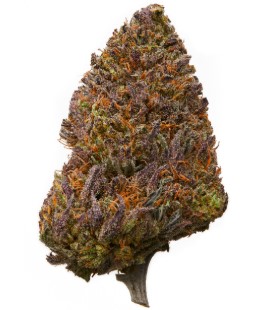
Strawberry Cheesecake buds are typically dense, medium-sized, and covered in a thick layer of trichomes. The nugs exhibit bright green hues with deep orange pistils, giving them an appealing aesthetic. Some phenotypes may display purple tinges, especially when grown in cooler conditions.
Aroma
Strawberry Cheesecake lives up to its name with an aroma that blends:
- Sweet strawberries
- Creamy, cheesy undertones
- Hints of earthiness and skunk
The combination of its fruity and musky aroma makes it an enticing strain for those who appreciate rich terpene profiles.
Flavor
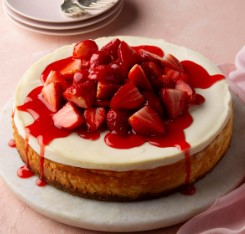
Strawberry Cheesecake provides a sweet and tangy inhale, dominated by ripe strawberries and cream, followed by a mildly cheesy exhale with subtle earthy notes. The smooth smoke makes it a favorite for those who enjoy dessert-like strains.
Terpene Profile
The terpenes in Strawberry Cheesecake contribute to its unique aroma and effects. Strawberry Cheesecake has the following main terpenes:
- Myrcene – Prominent in Indica strains, myrcene is responsible for the relaxing and sedative properties.
- Limonene – Adds a citrusy, sweet aroma and contributes to mood enhancement and stress relief.
- Caryophyllene – A spicy, peppery terpene known for its anti-inflammatory and pain-relieving properties.
- Linalool – Contributes a floral scent and is known for its anti-anxiety and sedative effects.
- Humulene – Offers appetite-suppressing effects and provides a mild earthy aroma.
Cannabinoid Composition
Strawberry Cheesecake is a THC-dominant strain, with average THC levels ranging from 18% to 22%. It contains minimal CBD (usually below 1%), but some phenotypes may exhibit trace amounts of CBG and CBC, which contribute to its therapeutic benefits.
Common Cannabinoid Breakdown
- THC: 18-22%
- CBD: <1%
- CBG: ~0.5-1%
- CBC: ~0.1-0.3%
- THCV: <0.2%
The moderate to high THC levels make it a suitable strain for experienced users and those seeking potent effects.
Effects and Experience
Recreational Effects
Strawberry Cheesecake offers a balanced high that combines the best of both Indica and Sativa properties:
- Euphoria – The initial onset provides a happy, uplifting sensation, improving mood and motivation.
- Relaxation – As the high progresses, muscle tension melts away, making it ideal for unwinding.
- Creativity Boost – Many users report enhanced creativity, making it great for artistic endeavors.
- Mild Sedation – In higher doses, it can induce deep relaxation and couch-lock.
- Hunger Induction – It is known for stimulating appetite, often referred to as the “munchies.”

Ideal Recreational Use Cases
- Social Gatherings: The euphoric and relaxing effects make it a great strain for unwinding with friends.
- Evening Use: Best suited for late afternoons or evenings due to its sedative tendencies.
- Creative Activities: Writers, musicians, and artists often enjoy its mild cerebral stimulation.
- Movie Nights: The relaxing body high makes it perfect for watching movies or gaming.
Medical Applications
Physical Benefits
- Pain Relief – The combination of THC and caryophyllene makes it effective for chronic pain, arthritis, and migraines.
- Muscle Relaxation – Beneficial for those dealing with muscle spasms, cramps, or fibromyalgia.
- Appetite Stimulation – Helpful for patients undergoing chemotherapy or those with eating disorders.
- Insomnia Treatment – Higher doses promote deep sleep, making it a potential treatment for insomnia.
Mental Health Benefits
- Anxiety & Stress Reduction – Limonene and linalool contribute to a calming, anti-anxiety effect.
- Mood Enhancement – Helps with depression and mood disorders by boosting dopamine and serotonin levels.
- PTSD Management – Its relaxing and euphoric effects may help reduce symptoms of post-traumatic stress disorder (PTSD).
Neurological Benefits
- Multiple Sclerosis (MS) Relief: Can reduce neuropathic pain and muscle spasticity.
- Epilepsy & Seizures: While low in CBD, it may still provide some neuroprotective benefits.
- Headache & Migraine Relief: Reduces tension headaches and cluster migraines.
Methods of Ingestion, Duration, and Onset of Effects for Strawberry Cheesecake Cannabis Strain
The way Strawberry Cheesecake cannabis is consumed significantly impacts the onset, duration, and bioavailability of its effects. Below, we explore different ingestion methods, their pharmacokinetics, onset times, peak effects, and overall duration.
Methods of Ingestion
A. Inhalation (Smoking & Vaping)
This is the most traditional and efficient method for rapid onset and high bioavailability.
1. Smoking (Combustion)
- Method: Inhalation of combusted cannabis flower through joints, pipes, or bongs.
- Absorption Site: Alveolar sacs in the lungs provide rapid absorption into the bloodstream.
- Onset: 30 seconds to 5 minutes after inhalation.
- Peak Effects: 15-30 minutes post-consumption.
- Total Duration: 1.5 – 3 hours (varies with metabolism and THC tolerance).
- Bioavailability: ~25-30% (THC content reduced due to combustion loss).
- Pros: Quick onset, easy dosing.
- Cons: Smoke contains carcinogens, potential lung irritation.
2. Vaping (Volatilization)
- Method: Heating Strawberry Cheesecake or its concentrate to release cannabinoids and terpenes without combustion.
- Absorption Site: Lungs.
- Onset: 1-5 minutes.
- Peak Effects: 10-30 minutes.
- Total Duration: 2-4 hours.
- Bioavailability: 40-50% (higher than smoking due to less heat degradation).
- Pros: Cleaner, fewer toxins, better flavor preservation.
- Cons: Requires vaporizer equipment, can lead to dry throat.
B. Oral Consumption (Edibles, Capsules, Tinctures)
This method involves gastrointestinal absorption, leading to a delayed onset but longer-lasting effects.
1. Edibles (Brownies, Gummies, Beverages)
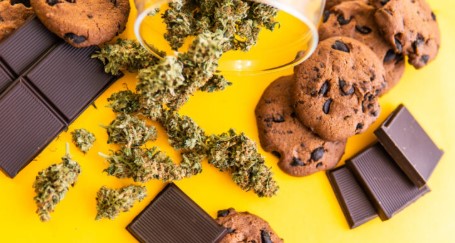
- Method: Cannabis-infused food and drinks pass through the digestive system.
- Absorption Site: Liver metabolism (first-pass effect) converts Δ9-THC into 11-hydroxy-THC, a more potent psychoactive metabolite.
- Onset: 30-90 minutes (varies with metabolism and stomach contents).
- Peak Effects: 2-4 hours.
- Total Duration: 6-8 hours (up to 12 hours for high doses).
- Bioavailability: 4-20% (first-pass metabolism significantly reduces THC concentration).
- Pros: Longer-lasting effects, stronger full-body high.
- Cons: Unpredictable potency, risk of overconsumption due to delayed effects.
2. Capsules (THC Pills)
- Method: Pre-measured cannabis oil of Strawberry Cheesecake encapsulated for precise dosing.
- Absorption Site: Liver metabolism (same as edibles).
- Onset: 30-90 minutes.
- Peak Effects: 2-4 hours.
- Total Duration: 6-12 hours.
- Bioavailability: ~6-10% (due to digestive breakdown).
- Pros: Accurate dosing, no taste, longer-lasting relief.
- Cons: Slow onset, less bioavailability than vaping or smoking.
3. Sublingual (Tinctures, Sprays)
- Method: Droplets of cannabis extract of Strawberry Cheesecake placed under the tongue for direct absorption into the bloodstream via mucous membranes.
- Absorption Site: Sublingual blood vessels, bypassing liver metabolism.
- Onset: 10-30 minutes.
- Peak Effects: 30-90 minutes.
- Total Duration: 4-6 hours.
- Bioavailability: 15-35%.
- Pros: Precise dosage and a quicker onset than edibles.
- Cons: Bitter taste, requires holding under tongue for absorption.
C. Topical Application (Lotions, Balms, Transdermal Patches)
This method is non-psychoactive unless using transdermal patches of Strawberry Cheesecake.
1. Cannabis Creams & Balms
- Method: Applied to the skin for localized relief.
- Absorption Site: Skin and muscle tissue, does not reach the bloodstream.
- Onset: 10-30 minutes.
- Peak Effects: 30-90 minutes.
- Total Duration: 2-4 hours.
- Bioavailability: Very low (<5%).
- Pros: Effective for pain, inflammation, arthritis.
- Cons: No psychoactive effects, must be reapplied frequently.
2. Transdermal Patches
- Method: THC/CBD-infused patches applied to the skin for systemic absorption.
- Absorption Site: Enters bloodstream through dermal layers.
- Onset: 30-60 minutes.
- Peak Effects: 1-3 hours.
- Total Duration: 6-12 hours.
- Bioavailability: ~40-50% (higher than edibles due to bypassing liver metabolism).
- Pros: Long-lasting effects, consistent dosing.
- Cons: Slow onset, expensive.
Comparative Table: Onset, Peak, Duration, and Bioavailability by Method
| Method | Onset | Peak Effects | Total Duration | Bioavailability (%) |
|---|---|---|---|---|
| Smoking | 30 sec – 5 min | 15-30 min | 1.5 – 3 hrs | 25-30% |
| Vaping | 1-5 min | 10-30 min | 2 – 4 hrs | 40-50% |
| Edibles | 30-90 min | 2 – 4 hrs | 6 – 12 hrs | 4-20% |
| Capsules | 30-90 min | 2 – 4 hrs | 6 – 12 hrs | 6-10% |
| Tinctures | 10-30 min | 30-90 min | 4 – 6 hrs | 15-35% |
| Topicals | 10-30 min | 30-90 min | 2 – 4 hrs | <5% |
| Transdermal Patches | 30-60 min | 1 – 3 hrs | 6 – 12 hrs | 40-50% |
Factors Influencing Absorption and Duration
- Metabolism: Faster metabolism leads to quicker onset, shorter duration.
- Empty vs. Full Stomach: Edibles taken on an empty stomach have a faster onset but stronger effects.
- THC Tolerance: Regular users experience a shorter duration and lower intensity over time.
- Body Fat Percentage: THC is fat-soluble, meaning individuals with higher body fat retain cannabinoids longer.
Scientific Insights
How It Works in the Body
The effects of Strawberry Cheesecake are due to the interaction between cannabinoids and the endocannabinoid system (ECS):
- THC binds to CB1 receptors in the brain, producing euphoria, relaxation, and appetite stimulation.
- Caryophyllene interacts with CB2 receptors, helping with pain relief and inflammation reduction.
- Limonene enhances serotonin and dopamine activity, leading to mood upliftment.
- Myrcene increases the permeability of cell membranes, making THC more effective in inducing relaxation.
Side Effects
Although usually well tolerated, potential adverse effects of Strawberry Cheesecake include:
- Dry mouth (cottonmouth)
- Dry/red eyes
- Mild dizziness (in high doses)
- Paranoia or anxiety (if overconsumed)
- Increased appetite
Cultivation Information
Strawberry Cheesecake is a moderate-difficulty strain to grow and is suitable for both indoor and outdoor cultivation.
1. Indoor vs. Outdoor Cultivation
- Indoor Cultivation:
- Provides controlled conditions with temperature regulation (70-80°F or 21-27°C).
- Requires high-intensity lighting (LED or HPS grow lights) to ensure maximum trichome production.
- Needs proper ventilation and humidity control to prevent mold and mildew.
- Outdoor Cultivation:
- Requires a Mediterranean-like climate with warm temperatures.
- Needs good sun exposure (at least 6-8 hours per day).
- Should be grown in nutrient-rich, well-draining soil.
2. Soil and Nutrient Requirements
- Soil Type:
- Preferably loamy, well-aerated soil with good organic content.
- pH range of 6.0-6.8 is optimal.
- Nutrient Needs:
- Vegetative Stage: Requires higher nitrogen (N) levels for vigorous growth.
- Flowering Stage: Needs higher phosphorus (P) and potassium (K) for resin production and bud development.
- Micronutrients: Calcium, magnesium, and sulfur play key roles in cell structure, enzyme activity, and chlorophyll production.
3. Hydroponic vs. Soil-Based Cultivation
- Hydroponic Systems:
- Faster nutrient absorption leads to higher yields.
- Requires precise pH and Electrical Conductivity (EC) monitoring.
- Reduces the risk of soil-borne pathogens.
- Soil-Based Cultivation:
- Provides natural microbial life for nutrient absorption.
- Easier for beginner growers.
- Requires organic amendments (e.g., compost, worm castings, bat guano) for maximum terpene expression.
4. Light and Photoperiod Management
- Vegetative Phase: Requires 18-24 hours of light per day.
- Flowering Phase: Switching to 12 hours of light / 12 hours of darkness triggers bud production.
- Lighting Spectrum:
- Blue light (400-500nm) promotes vegetative growth.
- Red light (600-700nm) stimulates flowering and resin production.
5. Temperature and Humidity Control
- Vegetative Stage: 70-80°F (21-27°C) with 50-70% humidity.
- Flowering Stage: 65-75°F (18-24°C) with 40-50% humidity to enhance trichome production.
- Late Flowering: Lowering temperatures slightly (around 65°F or 18°C) can intensify color and terpene concentration.
6. CO₂ Enhancement for Maximum Yield
- Increasing carbon dioxide (CO₂) levels to 1200-1500 ppm during flowering can improve growth rates and bud density.
- Requires proper ventilation and air exchange systems to prevent CO₂ buildup.
7. Training and Pruning Techniques
- Low-Stress Training (LST): Involves bending branches to increase light exposure and encourage even canopy growth.
- Screen of Green (ScrOG): Uses a mesh net to maximize bud sites.
- Defoliation: Removing excess fan leaves increases airflow and reduces risk of mold.
8. Pest and Disease Management
- Common Pests: Spider mites, aphids, and fungus gnats.
- Preventive Measures:
- Neem oil or predatory insects (ladybugs) for pest control.
- Adequate ventilation to keep mold and mildew at bay.
- Hydrogen peroxide soil treatments to kill root-damaging pathogens.
9. Harvesting and Curing
- Harvest Time: When trichomes turn milky-white with amber hues (~8-9 weeks of flowering).
- Drying: 60-70°F (16-21°C) with 50-60% humidity for 7-10 days.
- Curing: Storing in glass jars with humidity packs (~62% RH) enhances flavor, potency, and smoothness.
Conclusion
Strawberry Cheesecake is an exceptional hybrid strain that delivers a balanced high, rich flavors, and potent medical benefits. Whether used for relaxation, pain relief, creativity, or social enjoyment, it remains a popular choice among cannabis enthusiasts.
Its dessert-like aroma, therapeutic properties, and ease of cultivation make it a must-try for both medical patients and recreational users alike. If you’re looking for a strain that blends euphoria, relaxation, and great taste, Strawberry Cheesecake is an excellent choice.
For a complete directory of cultivars, visit our Cannabis Strain Reviews.
