Table of Contents
Strawberry Cheese is an indica-dominant hybrid cannabis strain known for its potent effects, unique terpene profile, and medicinal applications. This strain is highly sought after for its rich strawberry aroma, creamy cheese undertones, and balanced high that delivers deep relaxation coupled with mental euphoria. It is favored by both recreational users for its enjoyable experience and medical patients for its therapeutic properties.
Genetics and Lineage
Strawberry Cheese is a cross between Strawberry and Cheese, two well-known cannabis strains with distinct characteristics:
- Strawberry: A sativa-dominant strain famous for its sweet berry flavors, uplifting effects, and moderate THC content.
- Cheese: A pungent indica-dominant strain with strong relaxing properties and a unique cheesy aroma.
The resulting hybrid, Strawberry Cheese, combines the best of both parents, offering a delightful mix of euphoria, creativity, and physical relaxation.
Cannabinoid Profile
- THC Content: 18% – 24%
- CBD Content: 0.5% – 2%
- CBG Content: ~1%
- Minor Cannabinoids: CBC, trace levels of CBN, and THCV
Terpene Profile
Strawberry Cheese is rich in a variety of terpenes that contribute to its unique aroma and effects:
- Myrcene – Sedative, muscle relaxant, enhances THC’s effects
- Limonene – Mood booster, stress relief, anti-anxiety
- Caryophyllene – Anti-inflammatory, pain relief, interacts with CB2 receptors
- Linalool – Calming, anti-anxiety, helps with insomnia
- Humulene – Appetite suppressant, anti-inflammatory
These terpenes work synergistically to enhance the strain’s entourage effect, improving both recreational and medical benefits.
Recreational Uses
Strawberry Cheese is widely appreciated for its balanced high, which provides an enjoyable experience for both novice and seasoned cannabis users.
Effects
- Euphoric uplift: Induces happiness and creativity, making it a great choice for social gatherings or artistic endeavors.
- Relaxation: The indica dominance delivers a calm, soothing body high, reducing stress and tension.
- Mild cerebral stimulation: Users report enhanced focus and mental clarity before the sedative effects set in.
- Sedation: In higher doses, it leads to deep relaxation and sleepiness, making it a good option for nighttime use.
- Appetite stimulation: Known to induce munchies, making food more enjoyable.
Best Time to Use
- Evening or nighttime: Due to its relaxing and sedative effects, it is best used when winding down.
- Social settings: While not overly sedating in moderate doses, it can still be enjoyed in relaxed social gatherings.
- Creative activities: Writers, artists, and musicians find that it can help boost inspiration.
Potential Side Effects
- Dry mouth and eyes – Common with many cannabis strains
- Dizziness – If taken in high doses
- Mild paranoia or anxiety – More likely in THC-sensitive individuals
- Increased appetite – Can lead to overconsumption of food
Medical Applications
Strawberry Cheese offers significant therapeutic benefits, making it popular among medical cannabis patients.
Pain Management
- Effective for chronic pain, muscle spasms, and inflammation due to the presence of caryophyllene and myrcene, which have analgesic and anti-inflammatory properties.
- Helps with arthritis, migraines, and fibromyalgia by reducing discomfort and increasing relaxation.
Mental Health Benefits
- Anxiety and Stress: The combination of limonene and linalool provides anti-anxiety effects, making it helpful for generalized anxiety disorder (GAD), PTSD, and chronic stress.
- Depression: The uplifting, euphoric effects help improve mood and reduce symptoms of depression.
- Insomnia: The sedative properties of myrcene and linalool make it an excellent choice for sleep disorders.
Neurological Disorders
- Epilepsy: Though low in CBD, some users find that the CBG and other cannabinoids offer relief from seizures.
- Multiple Sclerosis (MS): Reduces muscle spasms and pain associated with MS.
Gastrointestinal Disorders
- Appetite Stimulation: Beneficial for patients undergoing chemotherapy or suffering from eating disorders.
- Nausea and Vomiting: Helps with nausea from chemotherapy or chronic conditions like Crohn’s disease.
Scientific Research and Studies
Cannabinoid and Terpene Effects
Scientific studies have analyzed the primary compounds found in Strawberry Cheese:

- THC and Pain Relief: Studies suggest that THC is highly effective in treating chronic pain and inflammation by modulating endocannabinoid receptors.
- Limonene and Anxiety Reduction: Research indicates that limonene has anxiolytic properties, reducing stress and depression-like symptoms.
- Caryophyllene and Anti-Inflammatory Benefits: As a CB2 receptor agonist, caryophyllene has demonstrated anti-inflammatory and neuroprotective properties, making it useful for conditions like arthritis and neurodegenerative diseases.
- Myrcene and Sedation: Research supports myrcene’s role as a muscle relaxant and sleep aid, reinforcing its effectiveness for insomnia.
Entourage Effect
The mutually beneficial relationship between terpenes and cannabinoids is known as the entourage effect. This phenomenon enhances the therapeutic potential of cannabis beyond what isolated cannabinoids can achieve.
- A study in the British Journal of Pharmacology (2011) highlighted the entourage effect’s importance in maximizing cannabis’ medicinal properties.
- The presence of multiple terpenes and cannabinoids in Strawberry Cheese makes it an ideal strain for holistic medical benefits.
Cultivation Information
Cultivating Strawberry Cheese cannabis involves careful genetic selection, environmental control, and advanced cultivation techniques to maximize yield, potency, and terpene expression. Below is a scientific breakdown of the best cultivation practices for this strain.
Genetic Selection and Propagation
Before starting cultivation, selecting high-quality genetics is crucial.
Propagation Methods
- Cloning: Preferred for genetic consistency and stability.
- Seed Germination: Ensures stronger taproots but may introduce phenotype variations.
Tissue Culture Propagation
- Advanced method using micropropagation to eliminate pathogens.
- Maintains genetic purity and speeds up mass propagation.
Environmental Conditions and Growth Requirements
Ideal Climate & Conditions
- Temperature: 20-26°C (68-78°F)
- Humidity:
- Vegetative: 50-60%
- Flowering: 40-50% (reducing humidity prevents mold)
- Lighting:
- Indoor: 600-1000 PPFD (Photosynthetic Photon Flux Density) using LED or HPS lights.
- Outdoor: Requires Mediterranean-like climate with ample sunlight.
CO₂ Enrichment
- Increasing CO₂ levels (900-1200 ppm) boosts photosynthesis, increasing biomass and cannabinoid production.
Soil vs. Hydroponic Cultivation
Soil Cultivation
- Organic soil enriched with:
- Microbial life (mycorrhizae, beneficial bacteria)
- Compost teas for nutrient absorption
- Aerated soil mix (coco coir, perlite, worm castings)
Hydroponic Systems
- Deep Water Culture (DWC) or Nutrient Film Technique (NFT) enhances root oxygenation, leading to faster growth.
- Aeroponics (roots suspended in mist) provides high oxygen levels and rapid growth.
Nutrient Management
Macronutrients:
- Nitrogen (N): High during vegetative phase for leafy growth.
- Phosphorus (P): Boosted during flowering for bud development.
- Potassium (K): Essential for overall plant health and terpene synthesis.
Micronutrients:
- Calcium & Magnesium: Prevent deficiencies like leaf curling.
- Silicon: Strengthens plant structure and increases pathogen resistance.
Organic Feeding Options:
- Fish Hydrolysate, Bat Guano, and Molasses promote microbial activity.
Training Techniques for Higher Yield
To enhance bud production, Strawberry Cheese responds well to these training techniques:
- Low-Stress Training (LST): Gently bending branches to increase light penetration.
- Topping/FIMing: Encourages multiple cola development.
- Screen of Green (SCROG): Uses a mesh screen to maximize canopy spread.
- Defoliation: Strategic leaf removal improves airflow and light exposure.
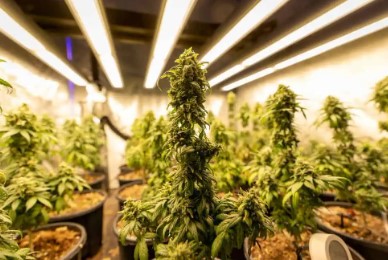
Flowering Stage & Terpene Optimization
- Flowering Time: 8-10 weeks
- Temperature Drop at Night: Mimicking natural cooling increases anthocyanin production, leading to more pronounced colors.
- Cold Water Irrigation: Can enhance resin production.
Terpene Enhancement Techniques
- UV-B Light Exposure: Boosts trichome production and enhances limonene and myrcene concentrations.
- Sulfur Supplementation: Helps in terpene biosynthesis.
Pest & Disease Management
Common Threats
- Powdery Mildew: Prevented by proper airflow and silica supplements.
- Spider Mites & Aphids: Controlled using predatory insects (ladybugs, nematodes) or organic sprays.
- Root Rot (Pythium Fungus): Prevented with hydroponic sterilization using hydrogen peroxide or beneficial bacteria.
Organic Pest Control
- Neem Oil & Diatomaceous Earth deter pests without harming beneficial microbes.
Harvesting & Post-Harvest Processing
Harvest Timing
- THC Peak: When trichomes turn milky white with some amber.
- Early Harvest: Higher cerebral effects (clear trichomes).
- Late Harvest: More sedative effects (amber trichomes).
Curing Process for Enhanced Flavor
- Slow drying (60-65°F, 55-60% RH) for 7-14 days.
- Curing in glass jars with periodic burping to improve terpene retention.
The effects of Strawberry Cheese cannabis strain vary depending on the method of ingestion, with differences in onset time, duration, bioavailability, and overall intensity. Below is a scientific breakdown of how this strain interacts with the human body when consumed via different methods.
Ingestion Methods and Their Effects
The primary methods of consuming Strawberry Cheese include inhalation (smoking/vaporization), oral consumption (edibles, tinctures), and sublingual absorption. Each method affects cannabinoid bioavailability, metabolism, and overall duration of effects.
A. Inhalation (Smoking & Vaporization)
Mechanism:
- When inhaled, cannabinoids enter the lungs, where they rapidly diffuse into the bloodstream via the alveoli.
- This provides a fast onset of effects, as THC reaches the brain within minutes.
Onset & Duration:
- Onset: 2-10 minutes
- Peak Effects: 30-60 minutes
- Duration: 2-4 hours
- Bioavailability: 20-50% (varies by technique & lung efficiency)
Comparing Smoking vs. Vaping:
- Smoking (Combustion): Produces more byproducts (tar, carcinogens) but delivers rapid effects.
- Vaporization: Heats cannabis to an optimal temperature (~180-220°C), activating cannabinoids and terpenes without combustion, improving efficacy and flavor.
- Best Temperature for Vaporization:
- THC activation: ~157°C (315°F)
- CBD activation: ~180°C (356°F)
- Limonene & Myrcene (terpenes): ~160-180°C (320-356°F)
B. Oral Consumption (Edibles & Capsules)
Mechanism:
- THC undergoes first-pass metabolism in the liver, where it is converted into 11-hydroxy-THC (a more potent, longer-lasting metabolite).
- This results in delayed onset but significantly stronger psychoactive effects compared to inhalation.
Onset & Duration:
- Onset: 30-90 minutes (delayed due to digestion & liver metabolism).
- Peak Effects: 2-3 hours post-ingestion.
- Duration: 6-8 hours (sometimes up to 12 hours in high doses).
- Bioavailability: 4-20% (due to extensive liver metabolism).
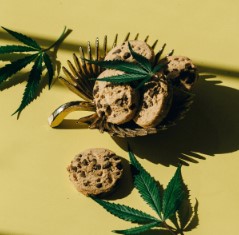
Key Considerations for Edibles:
- Fat-based edibles (e.g., butter, coconut oil) increase THC absorption as cannabinoids are lipophilic (fat-soluble).
- Consuming edibles on an empty stomach leads to faster onset, but effects can be more intense.
- Strawberry Cheese in Edibles: Enhances relaxation, pain relief, and appetite stimulation, making it ideal for evening or nighttime consumption.
C. Sublingual Absorption (Tinctures & Oils)
Mechanism:
- Cannabinoids bypass the digestive system by absorbing directly through capillaries under the tongue, leading to rapid effects without first-pass metabolism.
Onset & Duration:
- Onset: 15-45 minutes
- Peak Effects: 1-2 hours
- Duration: 4-6 hours
- Bioavailability: 10-35%
Advantages:
- Faster onset compared to edibles.
- Precise dosing compared to smoking or vaping.
- More discreet than inhalation.
Best Use Case for Strawberry Cheese Tinctures:
- Ideal for medical users who need pain relief without lung irritation.
- Allows for controlled dosing to avoid overconsumption risks associated with edibles.
D. Topical Application (Creams, Patches, & Lotions)
Mechanism:
- Cannabinoids interact with CB2 receptors in the skin, providing localized pain relief without psychoactive effects.
Onset & Duration:
- Onset: 15-60 minutes
- Duration: 2-6 hours (varies by formulation)
- Bioavailability: Low (minimal systemic absorption).
Best Use Cases for Topicals:
- Effective for arthritis, muscle pain, and localized inflammation.
- Transdermal patches allow THC and CBD to enter the bloodstream, providing sustained, systemic effects.
Onset, Peak, and Duration Across Different Methods
| Ingestion Method | Onset | Peak Effects | Duration | Bioavailability |
|---|---|---|---|---|
| Smoking/Vaping | 2-10 min | 30-60 min | 2-4 hours | 20-50% |
| Edibles | 30-90 min | 2-3 hours | 6-8 hours | 4-20% |
| Sublingual (Tinctures) | 15-45 min | 1-2 hours | 4-6 hours | 10-35% |
| Topicals | 15-60 min | 1-2 hours | 2-6 hours | Low |
Factors Influencing Absorption & Effects
A. Metabolism & Body Composition
- Higher body fat leads to longer cannabinoid retention (THC is stored in fat cells).
- Faster metabolism results in quicker onset and shorter duration.
B. Tolerance & Sensitivity
- Chronic users may develop tolerance, requiring higher doses for the same effects.
- First-time users experience stronger effects at lower doses due to unprimed CB1 receptors.
C. Terpene Synergy (Entourage Effect)
- Limonene enhances THC absorption and uplifts mood.
- Myrcene increases THC permeability across cell membranes, leading to faster onset.
- Caryophyllene interacts with CB2 receptors, adding anti-inflammatory benefits.
Comparison to Similar Strains
Strawberry Cheese vs. Strawberry Cough
- Strawberry Cheese: Indica-dominant, relaxing, sedative, cheesy aroma.
- Strawberry Cough: Sativa-dominant, energetic, uplifting, pure strawberry flavor.
Strawberry Cheese vs. Blue Cheese
- Strawberry Cheese: Sweet berry notes mixed with cheese, slightly more balanced hybrid.
- Blue Cheese: More pungent and earthy, heavier indica effects.
Conclusion
Strawberry Cheese is a versatile cannabis strain offering a unique blend of recreational enjoyment and medical benefits. Its relaxing effects, pain relief properties, and mood-enhancing qualities make it a valuable strain for a wide range of users. With a well-balanced terpene and cannabinoid profile, this strain exemplifies the best aspects of hybrid cannabis cultivation. Whether used for relaxation, creativity, or medical relief, Strawberry Cheese is a top-tier choice in the cannabis world.
For a complete directory of cultivars, visit our Cannabis Strain Reviews.
