Table of Contents
Strawberry Banana, often affectionately referred to as “Strawnana,” is a highly regarded cannabis strain known for its sweet and fruity flavor profile, potent effects, and balanced characteristics. It is cherished by recreational users for its enjoyable experience and by medical users for its wide array of therapeutic benefits. This detailed guide explores the strain’s origins, genetics, effects, uses, and scientific profile.
Genetic Background
Strawberry Banana is an indica-dominant hybrid strain, with a genetic makeup of approximately 70% indica and 30% sativa. It is a cross between two flavorful and potent strains:
- Parents:
- Strawberry Bubblegum: Known for its sweet berry aroma and uplifting effects.
- Crockett’s Banana Kush: Famous for its creamy banana flavor and relaxing properties.
This hybridization was created by DNA Genetics in collaboration with Serious Seeds. The strain inherited the fruity sweetness and aromatic complexity of its parent strains, making it a favorite among cannabis connoisseurs.
Appearance
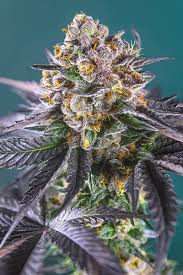
Strawberry Banana boasts visually appealing buds characterized by the following traits:
- Shape: Dense, medium-to-large flowers with a tapered, spade-like structure.
- Color: A vibrant mix of lime green with orange pistils woven throughout.
- Trichomes: Heavy coating of frosty, sticky trichomes that give the buds a sparkling appearance.
The high trichome production not only adds to its aesthetics but also contributes to its high THC content and terpene richness.
Aroma and Flavor Profile
Strawberry Banana is renowned for its unique and delightful sensory qualities:
- Aroma: A combination of ripe bananas, strawberries, and tropical sweetness with hints of earthiness and spice.
- Flavor: True to its name, the strain delivers a burst of strawberry and banana flavors on inhalation, followed by a creamy, slightly herbal exhale.
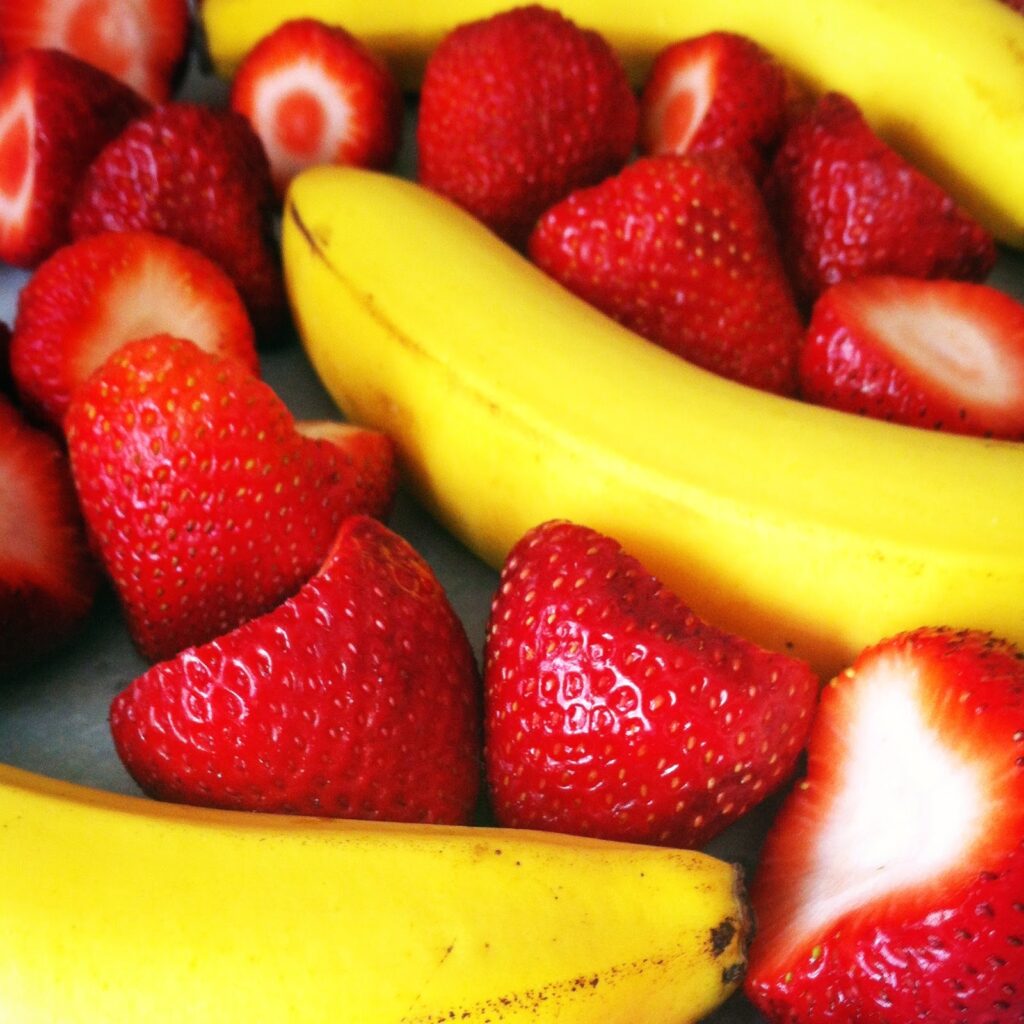
The sweet and fruity profile makes it an ideal choice for consumers who prefer flavorful strains over pungent or earthy varieties.
Cannabinoid Profile
Strawberry Banana is a high-THC strain with moderate levels of CBD and other minor cannabinoids:
- THC Content: Typically ranges between 22-26%, making it a potent option for experienced users.
- CBD Content: Low, usually below 1%, but enough to provide some therapeutic synergy.
- Minor Cannabinoids: May contain trace amounts of CBG, CBN, or CBC, which contribute to its overall effects.
Terpene Profile
The strain’s rich terpene profile enhances both its flavor and effects:
- Myrcene: Dominant terpene contributing to its relaxing, sedative qualities and earthy aroma.
- Limonene: Adds a citrusy note and uplifting mood-enhancing properties.
- Caryophyllene: Provides a peppery spice and potential anti-inflammatory benefits.
- Pinene: Offers subtle pine undertones and supports focus and memory retention.
The interplay of these terpenes creates a balanced and enjoyable experience, both recreationally and medicinally.
Effects and Experience
Strawberry Banana delivers a smooth and balanced high, with effects that are both cerebral and physical. Its calming qualities make it ideal for usage in the evening.
Recreational Effects:
- Euphoria: A sense of happiness and uplifted mood often kicks in shortly after consumption.
- Creativity: Enhances creative thinking and artistic inspiration, making it a favorite among musicians and artists.
- Relaxation: As the high progresses, a deep physical relaxation takes over, soothing the body without causing couch lock (in moderate doses).
Onset and Duration:
- Onset: Effects are typically felt within 5-10 minutes of smoking or vaping.
- Peak: Peaks around 30-45 minutes after consumption.
- Duration: Lasts 2-3 hours, depending on the user’s tolerance and method of consumption.
Medical Applications
Strawberry Banana is widely used in the medical cannabis community for its therapeutic properties. The strain offers potential relief for both physical and mental health conditions.
Physical Health Benefits:
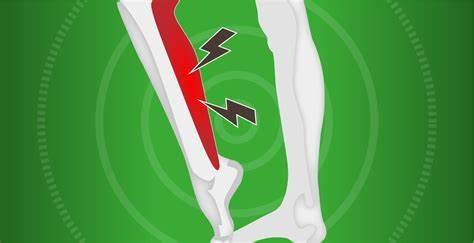
- Chronic Pain: Its high THC content and caryophyllene terpene can help alleviate pain from conditions like arthritis, fibromyalgia, and migraines.
- Muscle Spasms: The relaxing effects are effective in reducing muscle tension and spasms.
- Nausea and Appetite Stimulation: Commonly used to combat nausea and stimulate appetite in patients undergoing chemotherapy or suffering from eating disorders.
Mental Health Benefits:
- Anxiety and Stress: The uplifting and euphoric effects can help reduce symptoms of anxiety and stress.
- Depression: Its mood-enhancing properties make it a suitable choice for those dealing with depression or low energy.
- Insomnia: In higher doses, the strain’s sedative effects may aid in falling and staying asleep.
Scientific Insights
Cannabinoid Interactions:
Strawberry Banana’s high THC content interacts with the endocannabinoid system (ECS) to modulate mood, pain perception, and appetite. The entourage effect, a synergistic interaction between cannabinoids and terpenes, enhances its therapeutic efficacy.
Terpene Science:
- Myrcene: Known for its sedative effects, it works alongside THC to amplify relaxation.
- Limonene: May influence serotonin and dopamine receptors, contributing to its antidepressant-like effects.
- Caryophyllene: As a dietary cannabinoid, it directly activates CB2 receptors, offering anti-inflammatory benefits.
Potential Risks:
While Strawberry Banana offers numerous benefits, its high THC levels may cause side effects in sensitive users, such as:
- Dry mouth and dry eyes.
- Paranoia or anxiety (especially in novice users or those prone to anxiety).
- Dizziness in higher doses.
Consumption Methods
Strawberry Banana is versatile and can be consumed in various ways:
- Smoking: Traditional method for enjoying its full flavor and aroma.
- Vaping: Preserves the terpene profile for a smoother experience.
- Edibles: Provides a longer-lasting high, though onset may take 30-60 minutes.
- Concentrates: Popular for dabbing due to its high resin content.
Recreational Uses
Strawberry Banana is celebrated for its recreational versatility:
- Social Settings: Enhances mood and sociability, making it a great choice for gatherings.
- Creative Activities: Inspires artistic and creative endeavors, such as painting, writing, or music.
- Relaxation: Perfect for unwinding after a long day, whether watching movies, gaming, or meditating.
User Reviews and Popularity
Strawberry Banana consistently receives high praise from users for its potency, flavor, and effects. It has won multiple cannabis awards, including accolades for its high THC levels and resin production.
Common Feedback:
- “A killer high with the ideal blend of sweet and creamy.”
- “Great for creativity but transitions into deep relaxation—best of both worlds!”
- “A little goes a long way, especially when it comes to pain or stress management.”
Cultivating Strawberry Banana
Strawberry Banana is a strain that combines robust genetics and high resin production, making it a70% indica and 30% sativa make up this indica-dominant mix.
ite among growers. Its ease of cultivation, high yield, and resistance to common issues make it suitable for both novice and experienced cultivators. Below is a detailed scientific exploration of its cultivation requirements and considerations.
1. Growth Characteristics
- Genotype: 70% indica and 30% sativa make up this indica-dominant mix.
- Morphology:
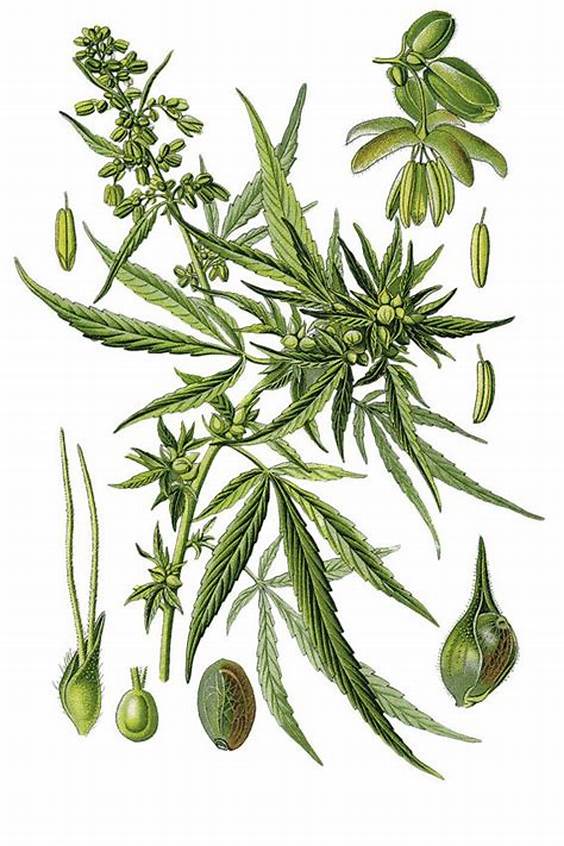
- Medium-tall plants with dense branching.
- Broad indica-like leaves with elongated sativa-like flowers.
- Growth Cycle:
- Vegetative stage: 4–6 weeks (depending on desired plant size).
- Flowering stage: 8–9 weeks indoors; late September to early October outdoors.
2. Optimal Growing Conditions
A. Light Requirements
- Indoor: 18–24 hours of light during the vegetative phase and 12 hours during flowering.
- Outdoor: Thrives in regions with warm climates and long sunlight hours (Mediterranean-like conditions).
- PPFD (Photosynthetic Photon Flux Density):
- Vegetative stage: 400–600 µmol/m²/s.
- Flowering stage: 600–900 µmol/m²/s.
- Lighting Systems: LED or HPS grow lights for controlled indoor environments.
B. Temperature and Humidity
- Temperature Range:
- Vegetative phase: 70–85°F (21–29°C).
- Flowering phase: 65–80°F (18–27°C).
- Humidity Levels:
- Vegetative phase: 50–70% relative humidity.
- Flowering phase: 40–50% relative humidity to prevent mold.
- Thermal Stress: Excess heat can stunt growth or reduce trichome production; cold temperatures may turn leaves purplish but do not harm yield.
C. Air Circulation
- Proper air circulation is essential to prevent mold, mildew, and pests.
- Use oscillating fans and an exhaust system for airflow and CO₂ exchange.
D. Soil and Medium
- Soil: Rich, loamy soil with a pH range of 6.0–6.5.
- Hydroponics: Performs exceptionally well in hydroponic systems due to better nutrient uptake and oxygenation.
- Coco Coir: A common medium for its water retention and aeration properties.
E. Nutrients
- Nitrogen (N): High levels during vegetative growth to promote leafy, robust growth.
- Phosphorus (P): Increased during flowering to encourage bud development.
- Potassium (K): Supports overall plant health and flowering.
- Micronutrients: Magnesium, calcium, and sulfur are crucial for enzyme function and trichome production.
- Feeding Schedule:
- Vegetative stage: Higher N, moderate P and K.
- Flowering stage: Lower N, higher P and K.
3. Cultivation Techniques
A. Training Methods
- Low-Stress Training (LST):
- Bending stems and tying them down to optimize light penetration and promote even canopy growth.
- Screen of Green (ScrOG):
- Using a screen to spread branches horizontally, ensuring maximum exposure to light.
- Topping and Fimming:
- Pruning the main stem to encourage bushier growth and increase yield.
B. Pruning
- Remove excess fan leaves to improve light penetration to lower buds.
- Ensure proper airflow around the plant to reduce the risk of mold and pests.
C. Defoliation
- Light defoliation during the vegetative phase to redirect energy to the main buds.
- Heavy defoliation in late flowering should be avoided to prevent stress.
D. CO₂ Supplementation
- Supplementing with CO₂ (up to 1200–1500 ppm) in controlled indoor setups can enhance growth and increase yield, especially during flowering.
4. Flowering and Yield
- Trichome Production:
- Strawberry Banana is known for its exceptional trichome density, making it ideal for concentrates and resin extraction.
- Environmental factors like UV-B light exposure during late flowering can enhance trichome production.
- Yield:
- Indoor: 1.5–2.5 oz/ft² (~500–750 g/m²).
- Outdoor: 23–26 oz/plant (~650–750 g/plant) under optimal conditions.
- Harvest Indicators:
- Pistils: 70–90% of pistils should turn dark orange or brown.
- Trichomes: Transition from clear to cloudy with some amber coloration (depending on desired effects).
5. Pest and Disease Management
Strawberry Banana is relatively resistant to pests and diseases but may still encounter common issues.
A. Common Pests
- Spider Mites:
- Prevent with neem oil or predatory mites.
- Aphids:
- Treat with insecticidal soaps or introduce ladybugs.
- Fungus Gnats:
- Avoid overwatering and use sticky traps.
B. Diseases
- Powdery Mildew:
- Maintain low humidity and good airflow.
- Bud Rot (Botrytis):
- Avoid excessive humidity and dense canopies.
- Root Rot:
- Prevent with proper drainage and avoid waterlogging.
C. Integrated Pest Management (IPM)
- Use a combination of preventive measures, including biological controls, regular inspections, and organic treatments.
6. Scientific Techniques for Enhanced Cultivation
A. Tissue Culture Propagation
- Cloning Strawberry Banana through tissue culture ensures genetic consistency and vigor.
- Benefits include disease-free clones, enhanced yield, and uniform cannabinoid profiles.
B. Light Spectrum Manipulation
- Blue Light: Encourages compact vegetative growth.
- Red Light: Boosts flowering and bud development.
- UV-B Light: Triggers increased trichome production and cannabinoid synthesis.
C. Soil Microbiology
- Introducing beneficial microbes like mycorrhizal fungi enhances root nutrient uptake and overall plant health.
- Compost teas can be used to boost microbial activity.
D. Trichome Analysis
- Regularly examining trichomes under a microscope helps determine optimal harvest time for specific cannabinoid and terpene profiles.
7. Post-Harvest Considerations
A. Drying
- Environment: 60–70°F (15–21°C) with 50–60% relative humidity.
- Duration: 7–10 days, ensuring slow drying to preserve terpenes.
B. Curing
- Store dried buds in airtight jars at 60–65% humidity for 2–4 weeks.
- Burp jars daily for the first week to release excess moisture and prevent mold.
C. Storage
- Store in cool, dark places to preserve cannabinoids and terpenes.
- Avoid light and oxygen exposure to minimize degradation of THC into CBN.
8. Scientific Benefits of Proper Cultivation
Cultivating Strawberry Banana under optimized conditions maximizes its potency, yield, and terpene profile:
- THC Levels: Proper nutrient and light management can push THC levels to 26% or higher.
- Terpene Preservation: Controlled drying and curing ensure the preservation of key terpenes like myrcene, limonene, and caryophyllene.
- Resin Production: High trichome density enhances its suitability for concentrates and hash.
By adhering to these scientific principles, cultivators can produce top-tier Strawberry Banana plants with consistent quality and potent effects.
Strawberry Banana’s Methods of Ingestion, Duration, Onset, and Effects
Strawberry Banana, with its high THC content and complex terpene profile, demonstrates varying effects depending on the method of ingestion. Below is a breakdown of the pharmacokinetics, effects, and considerations associated with different methods of consumption.
1. Methods of Ingestion
A. Smoking
- Overview: Combustion involves inhaling the smoke produced by burning the flower.
- Onset: 5–10 minutes.
- Peak Effects: 20–30 minutes.
- Duration: 1.5–3 hours.
- Advantages:
- Rapid onset allows for immediate feedback on dosing.
- Full terpene profile is experienced due to the heating process.
- Considerations:
- Loss of cannabinoids and terpenes during combustion.
- Potential for respiratory irritation due to smoke.
B. Vaping
- Overview: Vaporization heats the flower or concentrate to a temperature that releases cannabinoids and terpenes without combustion.
- Onset: 3–5 minutes (faster than smoking due to precise vaporization temperatures).
- Peak Effects: 15–25 minutes.
- Duration: 1.5–3 hours.
- Advantages:
- Preserves terpenes more effectively than smoking, enhancing flavor.
- Less harmful as smoking to the respiratory system.
- Discrete and odor controlled.
- Considerations:
- Requires a vaporizer device and specific maintenance.
C. Edibles
- Overview: Cannabis is infused into food or drink, and cannabinoids are absorbed through the digestive system.
- Onset: 30–90 minutes (depending on metabolism and whether taken with food).
- Peak Effects: 2–4 hours after ingestion.
- Duration: 4–8 hours, potentially longer for high doses.
- Advantages:
- Long-lasting effects ideal for medical users.
- No respiratory impact.
- Considerations:
- Slower onset can lead to overconsumption by inexperienced users.
- Effects are influenced by first-pass metabolism in the liver, where Δ9-THC converts to 11-hydroxy-THC, a more potent metabolite.
D. Sublingual (Tinctures)
- Overview: Cannabis extract is placed under the tongue for absorption through oral mucosa.
- Onset: 15–45 minutes.
- Peak Effects: 1–2 hours.
- Duration: 4–6 hours.
- Advantages:
- Faster onset than edibles.
- Discreet and easy to dose precisely.
- Considerations:
- May have a slightly shorter duration than edibles.
- Requires proper administration for optimal absorption.
E. Dabbing (Concentrates)
- Overview: Involves vaporizing cannabis concentrates like wax, shatter, or resin.
- Onset: Almost immediate (1–2 minutes).
- Peak Effects: 15–30 minutes.
- Duration: 1–3 hours.
- Advantages:
- Extremely potent, suitable for experienced users.
- Captures terpenes effectively, offering a flavorful experience.
- Considerations:
- High potency can overwhelm novice users.
- Requires specialized equipment (dab rigs or pens).
2. Pharmacokinetics: Onset, Duration, and Bioavailability
Onset
The onset of effects depends on the route of administration:
- Inhalation (Smoking/Vaping/Dabbing): Effects begin almost immediately due to direct absorption into the bloodstream through the lungs. Peak plasma THC concentrations are achieved within minutes.
- Oral (Edibles): Onset is delayed due to the digestive process and hepatic metabolism, leading to a slower rise in plasma THC levels.
- Sublingual: Offers an intermediate onset as cannabinoids bypass the gastrointestinal tract and enter the bloodstream directly.
Duration
Duration varies based on the method of ingestion:
- Inhalation: Shortest duration (1.5–3 hours).
- Edibles: Longest duration (4–8+ hours).
- Sublingual: Intermediate duration (4–6 hours).
Bioavailability
Bioavailability refers to the proportion of THC and other cannabinoids that enter systemic circulation:
- Smoking/Vaping: Approximately 20–30% due to rapid pulmonary absorption.
- Edibles: Lower bioavailability (~10–20%) due to first-pass metabolism in the liver.
- Sublingual: Higher bioavailability than edibles (~15–35%) as cannabinoids avoid hepatic metabolism.
3. Mechanisms of Action
Strawberry Banana’s effects are mediated through its interaction with the endocannabinoid system (ECS), which consists of CB1 and CB2 receptors.
CB1 receptors are primarily found in the central nervous system and brain.
- Activated by THC to induce psychoactive effects like euphoria, relaxation, and altered perception.
- May modulate pain perception, appetite, and mood.
CB2 Receptors (Primarily in Peripheral Tissues):
- Activated by cannabinoids like β-caryophyllene, leading to anti-inflammatory and immunomodulatory effects.
Entourage Effect:
The strain’s combination of cannabinoids and terpenes creates a synergistic effect, enhancing its therapeutic and recreational properties:
- THC + Myrcene: Enhances sedation and relaxation.
- THC + Limonene: Boosts mood and counters anxiety.
- Caryophyllene (CB2 Activation): Reduces inflammation and pain.
4. Specific Effects by Dosage
Low Dose (1–3 mg THC):
- Subtle euphoria and relaxation.
- Mild enhancement of focus and creativity.
- Suitable for beginners or daytime use.
Moderate Dose (5–15 mg THC):
- Balanced psychoactive effects.
- Stronger relaxation and mood enhancement.
- Increased sensory perception, ideal for creative activities.
High Dose (20+ mg THC):
- Intense euphoria and potential for couch-lock.
- Strong sedation, suitable for pain relief or insomnia.
- Risk of anxiety or paranoia in sensitive users.
5. Detailed Effects by Onset and Duration
| Method | Onset | Peak Effects | Duration | Effects |
|---|---|---|---|---|
| Smoking | 5–10 min | 20–30 min | 1.5–3 hours | Uplifting, euphoric head high followed by deep relaxation. |
| Vaping | 3–5 min | 15–25 min | 1.5–3 hours | Clearer high with pronounced flavors, slightly less harsh than smoking. |
| Edibles | 30–90 min | 2–4 hours | 4–8+ hours | Potent and body-centric high; great for pain relief and long-lasting relaxation. |
| Sublingual | 15–45 min | 1–2 hours | 4–6 hours | Balanced effects with moderate duration, suitable for medical users needing quick relief. |
| Dabbing | 1–2 min | 15–30 min | 1–3 hours | Intense, immediate effects with high potency, best for experienced users. |
Scientific Insights on Effects
Euphoric and Creative Effects:
- Mediated by THC’s activation of CB1 receptors, leading to increased dopamine release in the brain’s reward pathways.
- Enhanced by limonene, which modulates serotonin levels, contributing to mood elevation.
Sedative and Relaxing Effects:
- Myrcene, in conjunction with THC, enhances GABAergic activity, promoting relaxation and reducing anxiety.
- High doses of THC can trigger sedative effects through CB1 receptor overactivation.
Pain Relief and Anti-Inflammatory Properties:
- THC’s interaction with CB1 receptors modulates pain signals in the central nervous system.
- Caryophyllene’s activation of CB2 receptors reduces peripheral inflammation.
Appetite Stimulation (The “Munchies”):
- THC activates hypothalamic neurons involved in hunger regulation, enhancing the sensation of hunger.
Risks and Side Effects:
- Paranoia or anxiety (especially at high doses or in THC-sensitive individuals).
- Dry mouth and eyes due to reduced saliva and tear production (temporary).
- Dizziness or nausea in some cases.
Strawberry Banana’s diverse effects, versatile consumption methods, and well-rounded therapeutic potential make it a favorite for both recreational and medical users. Understanding its pharmacokinetics and mechanisms can help users tailor their experience for maximum benefit.
Scientific and Clinical Research
While specific studies on Strawberry Banana are limited, existing research on its dominant compounds supports its efficacy:
- THC: Research highlights its potential in pain relief, appetite stimulation, and mood enhancement.
- Myrcene and Limonene: Studies suggest their roles in stress reduction and inflammation management.
- CBD Interaction: Though low in CBD, the strain’s minor cannabinoid content may provide additional therapeutic benefits.
Further clinical trials are needed to explore its full potential and safety profile.
Conclusion
Strawberry Banana is a standout strain that appeals to a wide range of users. Its sweet flavor, potent effects, and therapeutic versatility make it a must-try for both recreational and medical consumers. Whether you want to improve your creativity, get rid of chronic discomfort, or just delicious and relaxing cannabis experience, Strawberry Banana delivers on all fronts.
For a complete directory of cultivars, visit our Cannabis Strain Reviews.
