Table of Contents
Strains With Legendary Parent Genetics
In the cannabis world, some strains carry an almost mythical status not just because of their own profiles, but due to the legendary lineages from which they originate. These “strains with legendary parent genetics” are revered for their potency, consistency, terpene richness, and often profound therapeutic or recreational effects. In this article, we explore some iconic strains born from cannabis royalty, examine their parentage, chemical makeup, effects, and contributions to cannabis breeding.
Why Parent Genetics Matter
In cannabis breeding, genetics dictate virtually every trait: from cannabinoid content and terpene profile to growth structure, flowering time, yield potential, and disease resistance. When a strain is born from legendary parent stock such as OG Kush, Skunk #1, Northern Lights, or Haze it benefits from a proven genetic backbone, making it more likely to succeed both in cultivation and in the market.
These foundational cultivars have shaped the modern cannabis gene pool. Strains developed from them often inherit best-in-class qualities, such as high THC levels, complex flavors, or unique therapeutic effects. Let’s now examine some of the most notable strains with renowned genetic parentage.
1. Girl Scout Cookies (GSC)
Parents: OG Kush × Durban Poison
GSC is a perfect example of hybrid vigor. It merges OG Kush’s heavy potency and sedative body high with the uplifting, focused sativa effects of Durban Poison. This union results in a balanced high that’s both mentally stimulating and physically relaxing.
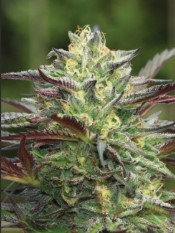
- THC: 20–28%
- Dominant terpenes: Caryophyllene, Limonene, Humulene
- Recreational use: Euphoria, creativity, couch-lock
- Medical benefits: Stress, nausea, appetite loss, and chronic pain
- Notable offspring: Thin Mint GSC, Platinum GSC, Gelato
2. Gelato
Parents: Sunset Sherbet × Thin Mint GSC (GSC phenotype)
Gelato is a prime descendant of GSC genetics, and it showcases how far breeders can push terpene expression and potency. Known for its dessert-like flavor and powerful euphoria, Gelato is a staple in the contemporary cannabis scene.
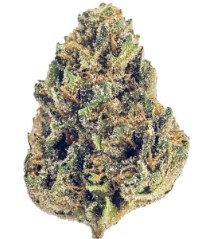
- THC: 20–25%
- Terpenes: Limonene, Myrcene, Caryophyllene
- Recreational effects: Uplifted, happy, relaxed
- Medical uses: Anxiety, depression, PTSD, pain
- Notable offspring: Gelato #33 (“Larry Bird”), Ice Cream Cake, Runtz
3. Blue Dream
Parents: Blueberry × Haze
This hybrid has become a staple due to its accessible high and broad medical appeal. Blueberry contributes calming and fruity sweetness, while Haze adds mental stimulation and a long-lasting head high.
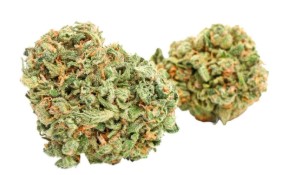
- THC: 17–24%
- Terpenes: Myrcene, Pinene, Caryophyllene
- Effects: Balanced cerebral and body high, gentle onset
- Medical: Depression, fatigue, mild pain
- Legacy: A model for balanced hybrids across the U.S.
4. Super Silver Haze
Parents: Skunk #1 × Northern Lights × Haze
This triple-threat strain represents the pinnacle of sativa hybrids in the late 90s. It dominates the cerebral realm while still offering just enough physical relaxation from its Northern Lights heritage.
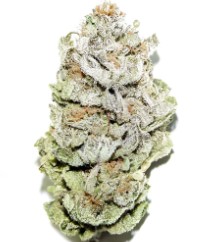
- THC: 18–23%
- Terpenes: Terpinolene, Myrcene, Caryophyllene
- Recreational: Energizing, motivating, creative
- Medical: ADHD, depression, migraines
- Legacy: Parent to strains like Super Lemon Haze and Amnesia Haze
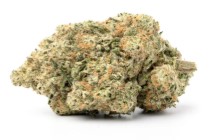
5. Chemdawg
Parents: Unknown (rumored: Nepalese × Thai)
Though its lineage is mysterious, Chemdawg’s genetic impact is undeniable. It gave rise to both OG Kush and Sour Diesel, two of the most influential strains in cannabis history.
- THC: 18–26%
- Terpenes: Myrcene, Limonene, Pinene
- Effect: Intense cerebral rush and body buzz
- Medical: Chronic pain, anxiety, mood disorders
- Notable descendants: Chem 91, Chem D, Stardawg, Motorbreath
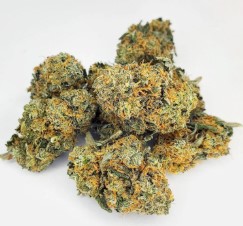
6. OG Kush
Parents: Chemdawg × Hindu Kush (rumored)
OG Kush established the blueprint for modern West Coast cannabis. Its skunky-citrus aroma, heavy THC content, and euphoric high have made it the cornerstone of countless hybrids.
- THC: 20–27%
- Terpenes: Limonene, Myrcene, Caryophyllene
- Recreational: Euphoric, heavy, long-lasting
- Medical: Insomnia, PTSD, appetite loss
- Offspring: SFV OG, Fire OG, Tahoe OG, Headband, GSC
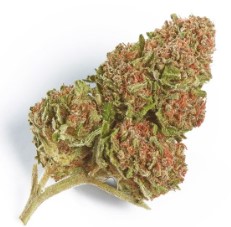
7. Northern Lights
Parents: Afghan × Thai
One of the most important pure indicas in cannabis history, Northern Lights is known for its fast flowering, resin production, and tranquil effects. It’s been used extensively in hybrid breeding.
- THC: 15–21%
- Terpenes: Myrcene, Pinene, Caryophyllene
- Recreational: Sedative, relaxing, spacey
- Medical: Sleep disorders, PTSD, chronic pain
- Children: Super Silver Haze, Hash Plant, Shiva Skunk
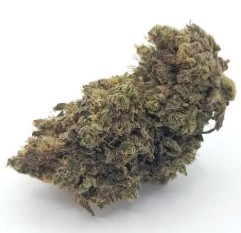
8. Skunk #1
Parents: Colombian Gold × Acapulco Gold × Afghan
Skunk #1 revolutionized modern cannabis breeding with its reliability and pungent “skunky” aroma. It brought stability to hybrid crosses and became a staple for both recreational and medical breeding projects.
- THC: 14–22%
- Terpenes: Myrcene, Caryophyllene, Linalool
- Effects: Creative, talkative, uplifting
- Medical: Low appetite, ADHD, fatigue
- Offspring: UK Cheese, Skunk Haze, Sweet Skunk
9. Jack Herer
Parents: Haze × Northern Lights #5 × Shiva Skunk
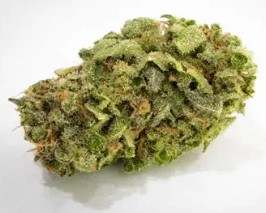
Named after the famed cannabis activist, Jack Herer delivers cerebral stimulation with a creative push. The strain is a tribute to powerful sativa lineage with just enough indica backbone to offer grounding.
- THC: 18–24%
- Terpenes: Terpinolene, Ocimene, Pinene
- Effects: Clear-headed, energetic, focused
- Medical: Depression, stress, fibromyalgia
- Notable hybrids: Jack the Ripper, Jillybean, Critical Jack
10. Sour Diesel
Parents: Chemdawg 91 × Super Skunk
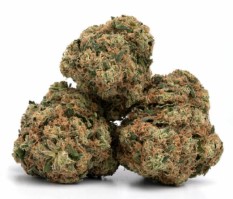
Sour Diesel is an energetic, sativa-dominant strain famed for its pungent fuel-like aroma. It’s a descendent of both Chemdawg and Skunk families, making it potent, flavorful, and long-lasting.
- THC: 19–25%
- Terpenes: Myrcene, Limonene, Caryophyllene
- Recreational: Cerebral, uplifting, sociable
- Medical: Depression, anxiety, migraines
- Legacy: Sour OG, East Coast Sour Diesel, Strawberry Diesel
The Role of Breeding Programs and Genetic Conservation
Breeders today leverage legendary parent strains to create new cultivars with increasingly precise profiles tailored for specific medical needs, recreational experiences, or cultivation environments (e.g., short flowering cycles, mold resistance). Seed banks and breeding companies like DNA Genetics, Green House Seeds, and Humboldt Seed Organization preserve these foundational strains to ensure their legacy continues.
Modern analytical chemistry such as high-performance liquid chromatography (HPLC) and terpene profiling has allowed breeders to better match parent pairs based on cannabinoid ratios, terpene synergy (the “entourage effect”), and consumer response. Strains like GSC, OG Kush, and Chemdawg are now routinely used as breeding “building blocks.”
Conclusion
Strains with legendary parent genetics continue to dominate both the recreational and medical cannabis landscapes. Their enduring appeal lies in their stability, versatility, and unparalleled ability to transmit unique combinations of cannabinoids, terpenes, and effects to their offspring. Whether you’re a medical patient, recreational user, or cultivator, understanding a strain’s lineage can provide key insights into its potential benefits and help you make more informed decisions when selecting cannabis products.
In a market flooded with thousands of hybrids, genetics remain the most reliable compass for quality. And the legends? They’re the North Stars.
