Strains Used for Reducing Seizures and Epileptic Symptoms: Origins, Chemical Profile, Medical Benefits, and Growing Conditions
Introduction
In order to guarantee patient safety, THC levels in medicinal cannabis products must be closely monitored. Traditional treatments, including antiepileptic drugs (AEDs), are often used to control seizures, but for some patients, these treatments are either ineffective or have undesirable side effects. As research into cannabis and its medicinal properties grows, specific cannabis strains are being recognized for their potential to reduce seizures and improve the quality of life for patients with epilepsy. In this detailed examination, we will explore the most effective cannabis strains for reducing seizures, with a focus on their origins, chemical profile, medical benefits, and growing conditions. This analysis will emphasize the medical use of these strains, excluding any recreational use or consumption methods.
1. Charlotte’s Web
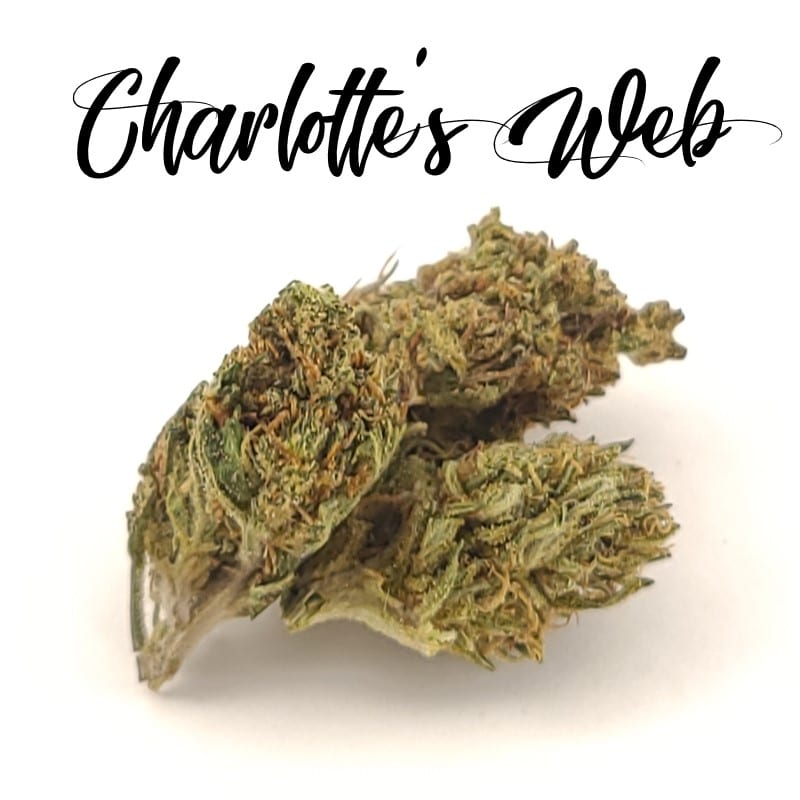
Origins: Charlotte’s Web is a high-CBD strain developed by the Stanley Brothers in Colorado. This strain gained global attention after it was used to treat a young girl named Charlotte Figi, who suffered from Dravet syndrome, a severe form of epilepsy. The strain was named in her honor and became one of the most well-known medical cannabis strains used for seizure reduction.
Chemical Profile: Charlotte’s Web is renowned for its low THC content (less than 0.3%) and high CBD levels, often exceeding 18%. This high CBD-to-THC ratio makes it non-psychoactive, which is essential for patients who need to avoid any psychoactive effects. The strain contains various terpenes, including myrcene, pinene, and caryophyllene, all of which may contribute to its medicinal properties.
Medical Benefits: Charlotte’s Web is particularly effective in reducing the frequency and severity of seizures, especially in pediatric epilepsy cases. Its high CBD content interacts with the body’s endocannabinoid system, particularly the CB1 and CB2 receptors, which helps modulate electrical activity in the brain. The non-psychoactive nature of this strain makes it suitable for long-term medical use without impairing cognitive function.
Growing Conditions: Typically, Charlotte’s Web is grown inside where perfect control over temperature, humidity, and light levels is maintained. The plant prefers a temperate climate with consistent light cycles. Charlotte’s Web has moderate yields and is best suited for experienced growers who can monitor CBD levels carefully to ensure the highest medicinal quality.
2. ACDC
-
 CBD ACDC Cannabis SeedsFrom: $24.99
Origins: ACDC is a phenotype of Cannatonic, a renowned strain known for its medical applications. ACDC was specifically bred to have a balanced or higher CBD-to-THC ratio, making it an ideal strain for medical use. Its origin is closely linked to the development of medical cannabis strains aimed at treating epilepsy and other neurological disorders.
Chemical Profile: ACDC is known for its almost equal or higher levels of CBD compared to THC. Typical CBD concentrations in ACDC range from 15-20%, while THC levels stay well below 1%. Terpenes like myrcene, pinene, and limonene are present, further enhancing its anti-inflammatory and neuroprotective properties.
Medical Benefits: ACDC has been used to treat a variety of conditions, but its most significant impact is in reducing seizures. It provides neuroprotective effects by enhancing the communication between neurons and reducing the excitability of the brain’s electrical system, which is a common cause of seizures. It is particularly beneficial for patients who need to avoid any psychoactive effects from THC, as the high CBD content mitigates those effects.
Growing Conditions: ACDC is a hybrid strain that thrives in both indoor and outdoor environments. However, for medical growers, indoor cultivation is recommended to ensure consistency in cannabinoid levels. It may be temperature sensitive and likes a warm, sunny environment. ACDC plants can grow tall, so growers need to monitor height and provide support if necessary. A moderate-yielding strain, it requires careful trimming to maximize flower production.
3. Ringo’s Gift
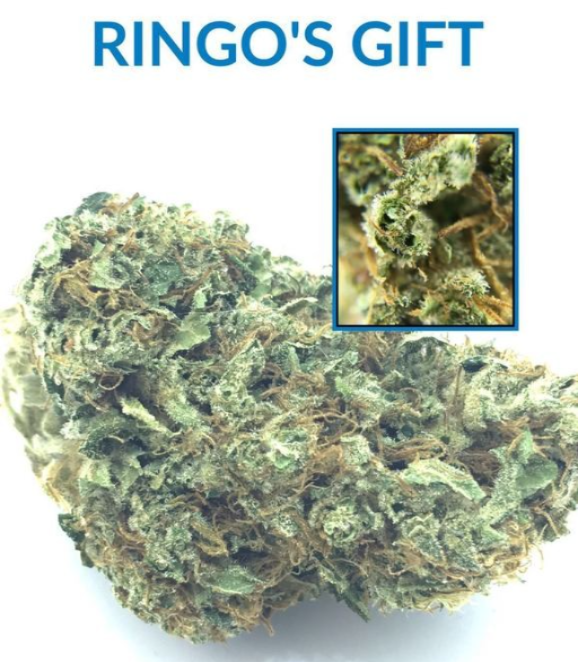
Origins: Ringo’s Gift was developed in honor of Lawrence Ringo, a cannabis activist and breeder known for his work in creating high-CBD strains. This hybrid is a cross between ACDC and Harle-Tsu, two well-known CBD-rich strains. It was specifically bred to create a strain that could offer medical benefits without inducing a high.
Chemical Profile: Ringo’s Gift has a wide range of CBD-to-THC ratios, but the most popular phenotype features a 24:1 CBD-to-THC ratio. CBD levels typically range from 10-20%, while THC remains below 1%. The terpene profile includes limonene, pinene, and caryophyllene, all of which contribute to its anti-inflammatory and neuroprotective effects.
Medical Benefits: Ringo’s Gift is frequently used to manage seizures in patients with epilepsy. Its high CBD content helps calm the nervous system and reduce the electrical misfiring in the brain that causes seizures. Additionally, the strain is known for its anti-inflammatory and pain-relieving properties, which can benefit patients with conditions that co-occur with epilepsy, such as migraines or muscle spasms.
Growing Conditions: Ringo’s Gift grows well both indoors and outdoors and is quite simple to grow. While it can adapt to interior situations with controlled light and temperature, it likes a warm, Mediterranean climate. Ringo’s Gift produces moderate yields and tends to grow bushy, making it suitable for growers with limited space. Maintaining the high levels of CBD that make this strain so useful requires careful monitoring of the growing environment.
4. Harlequin
-
 Harlequin CBD Cannabis SeedsFrom: $24.99
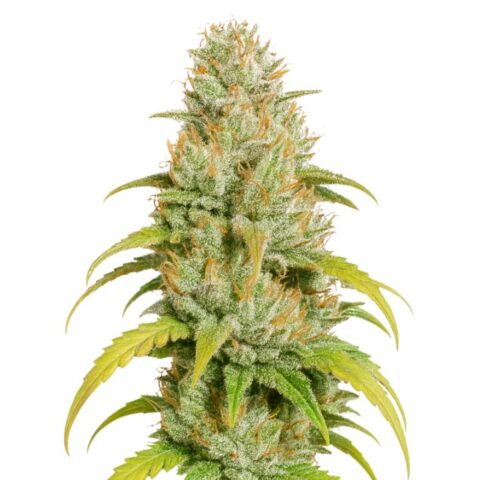
Origins: Harlequin is a sativa-dominant strain with a complex genetic lineage, including Colombian Gold, Thai, and Swiss sativa strains, as well as a Nepali indica. It was originally bred for its high CBD content, which makes it one of the most effective strains for medical use, particularly in managing seizures and neurological disorders.
Chemical Profile: Harlequin typically has a 5:2 CBD-to-THC ratio, with CBD levels around 8-10% and THC levels ranging from 4-6%. This balanced ratio allows for some psychoactive effects, but they are minimal and easily tolerated by most patients. The strain also contains myrcene, pinene, and beta-caryophyllene, which contribute to its calming and anti-inflammatory properties.
Medical Benefits: Harlequin is effective in reducing seizures and managing symptoms of epilepsy due to its high CBD content. It works by interacting with the endocannabinoid system, particularly the CB1 receptors in the brain, which helps modulate neural activity and prevent seizure episodes. The presence of THC, although minimal, can provide additional therapeutic benefits, such as pain relief and muscle relaxation, without causing a significant high.
Growing Conditions: Harlequin is best grown indoors, where environmental factors like light, humidity, and temperature can be controlled to optimize CBD content. It prefers a warm, temperate climate and requires consistent care to prevent mold and mildew. Harlequin produces moderate yields and is relatively easy to grow, making it a popular choice among medical cannabis cultivators.
5. Cannatonic
-
Cannatonic CBD Cannabis SeedsFrom: $24.99
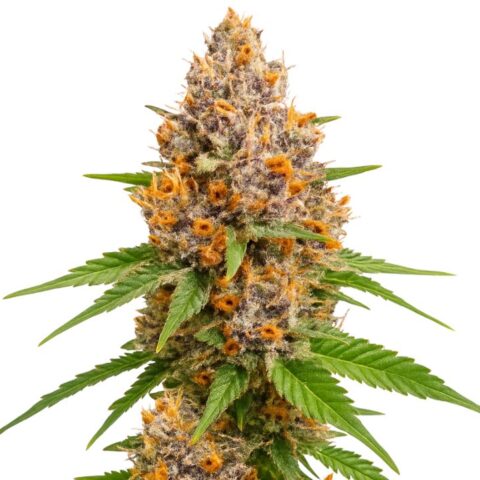
Origins: The Spanish seed business Resin Seeds, which specializes in creating medical cannabis strains, developed the hybrid strain Cannatonic. This cross is a result of the mating of two powerful strains with medicinal qualities, MK Ultra and G13 Haze. Cannatonic was specifically bred to have a high CBD content and low THC levels, making it ideal for medical use.
Chemical Profile: Cannatonic typically has a 1:1 or higher CBD-to-THC ratio, with CBD levels ranging from 12-15% and THC levels between 6-7%. Its relaxing, anti-inflammatory, and neuroprotective properties are enhanced by the presence of myrcene, limonene, and caryophyllene in its terpene profile.
Medical Benefits: Cannatonic is one of the most widely used strains for managing seizures and epilepsy. Its high CBD content works by stabilizing the electrical activity in the brain, which helps prevent seizures. The presence of THC, while minimal, can also aid in reducing the frequency and severity of seizures without causing significant psychoactive effects. In addition to seizure control, Cannatonic is used to manage chronic pain, inflammation, and muscle spasms.
Growing Conditions: Cannatonic can be grown both indoors and outdoors, but indoor cultivation is recommended for medical use to ensure consistency in cannabinoid levels. It likes warm, sunny weather with a modest amount of humidity. Cannatonic plants can grow tall, so pruning and trimming are necessary to maintain a manageable size. The strain has moderate yields and requires regular monitoring to optimize CBD content.
6. Elektra
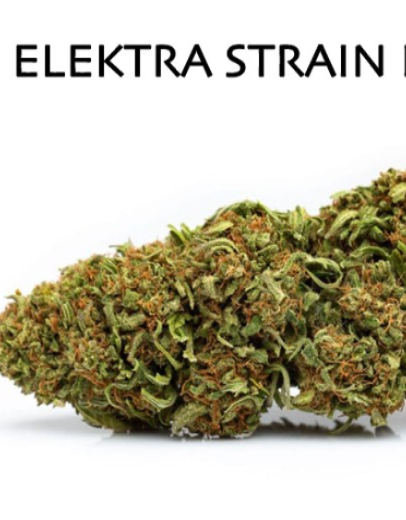
Origins: Elektra is a hybrid strain that is a cross between ACDC and Early Resin Berry (ERB). Bred specifically for its high CBD content, Elektra is a popular choice for patients seeking relief from seizures without the psychoactive effects of THC. Its lineage includes some of the most well-regarded high-CBD strains, making it a potent option for medical use.
Chemical Profile: Elektra typically has a CBD content of 15-20% and a THC level below 0.3%. The strain is rich in terpenes such as myrcene, limonene, and beta-caryophyllene, which contribute to its calming and anti-inflammatory properties. The high CBD-to-THC ratio makes it ideal for patients who need to avoid any psychoactive effects.
Medical Benefits: Elektra is highly effective in reducing seizures and managing epilepsy symptoms. Its high CBD content helps regulate electrical activity in the brain, preventing the abnormal firing of neurons that leads to seizures. Elektra also has anti-inflammatory and neuroprotective properties, making it beneficial for patients with neurological conditions beyond epilepsy.
Growing Conditions: Elektra is a resilient strain that can be grown both indoors and outdoors. It prefers a warm, temperate climate and requires regular pruning to maintain its bushy structure. The strain produces moderate yields and is relatively easy to grow, making it a good option for novice medical cannabis growers. Careful monitoring of environmental conditions is necessary to ensure the strain maintains its high CBD content.
Restrictions on Using Cannabis Strains for Seizure Treatment as a Last Resort
While cannabis strains such as Charlotte’s Web, ACDC, and Cannatonic have shown promise in reducing seizures, there are legal and regulatory restrictions on their use, especially as a “last resort” in medical treatment. These limitations differ by nation and location, but frequently consist of:
- Prescription Limitations: In many countries, cannabis-based treatments are only approved for patients who have not responded to conventional antiepileptic drugs (AEDs). Only in cases where all other therapeutic alternatives have been exhausted and the patient still has severe, unresponsive epilepsy can medical cannabis be provided.
- Age Restrictions: Some countries restrict the use of cannabis strains for pediatric patients. For example, while Charlotte’s Web is effective for children with epilepsy, legal barriers may exist that require physicians to seek special authorization before prescribing it to minors.
- Controlled THC Levels: To prevent psychoactive effects, many medical cannabis programs require strict monitoring of THC levels in prescribed products. In most cases, strains with less than 0.3% THC (like Charlotte’s Web) are permitted, as they do not cause intoxication. Medical authorities often mandate the testing of cannabis-based medications to ensure THC levels are below a specified threshold, minimizing any potential psychoactive impact on patients.
- Clinical Trials and Approval: In some countries, cannabis strains can only be used as part of a clinical trial or compassionate use program. They must go through rigorous approval processes to be recognized as an official treatment option for epilepsy.
Monitoring THC Levels to Prevent Psychoactive Effects
To ensure that patients using cannabis for seizures do not experience unwanted psychoactive effects:
- Lab Testing: Medical cannabis products must undergo lab testing to determine their exact cannabinoid content. Regular monitoring of THC levels ensures that products remain within the legal and medically recommended limits (usually less than 0.3% THC).
- CBD-Only Medications: Some medical formulations focus exclusively on CBD to eliminate the risk of psychoactive effects. These products, such as Epidiolex (a CBD-based epilepsy medication), are FDA-approved and undergo strict THC monitoring.
- Patient Monitoring: Physicians often monitor patients for any signs of psychoactivity when prescribing cannabis-based treatments, adjusting dosages or switching to lower-THC strains if necessary.
Conclusion
The exploration of cannabis strains for reducing seizures and managing epileptic symptoms has shed light on the incredible potential of medical cannabis as a treatment for this challenging neurological disorder. While traditional antiepileptic drugs (AEDs) are often the first line of defense, they are not effective for all patients, especially those with treatment-resistant forms of epilepsy such as Dravet syndrome and Lennox-Gastaut syndrome. In such cases, cannabis strains like Charlotte’s Web, ACDC, Cannatonic, Harlequin, Ringo’s Gift, and Elektra have emerged as promising alternatives that offer seizure relief without the psychoactive effects commonly associated with high-THC strains.
Each of these strains has been specifically bred to have high levels of cannabidiol (CBD) and very low levels of tetrahydrocannabinol (THC), the compound responsible for the “high” in cannabis. This makes them particularly suited for medical use, as the therapeutic effects can be delivered without compromising cognitive function or causing intoxication. The high-CBD, low-THC profile of these strains allows patients, including children, to benefit from cannabis’ neuroprotective and anti-seizure properties without experiencing psychoactive effects. Strains like Charlotte’s Web, named after Charlotte Figi, who experienced a drastic reduction in seizures with its use, have become a symbol of hope for many families dealing with epilepsy.
From a medical perspective, these strains interact with the body’s endocannabinoid system, particularly through the CB1 and CB2 receptors, to regulate electrical activity in the brain and reduce the frequency and severity of seizures. CBD’s ability to modulate neuron activity and its anti-inflammatory and neuroprotective effects are key reasons why it is effective in seizure management. By calming the overstimulation of neurons, it prevents the abnormal firing patterns that cause seizures. Since inflammation in the brain can either cause or worsen seizure activity, CBD’s anti-inflammatory qualities also aid in its capacity to lessen seizure activity.
Despite the promising results associated with these strains, there are important restrictions in place when it comes to their use in the medical field. Cannabis, particularly for pediatric use, remains a tightly controlled substance in many countries. As such, medical cannabis is often only prescribed as a last resort, after all other conventional therapies have failed. This ensures that cannabis is used with caution, in cases where it is deemed the best remaining option for managing a patient’s condition. The requirement for prior use of traditional medications before prescribing cannabis strains highlights the careful approach that many medical systems adopt when integrating cannabis into treatment protocols.
Another significant restriction is the legal regulation surrounding THC levels in medical cannabis products. Most medical cannabis programs enforce strict limits on THC content to prevent any psychoactive effects. For strains like Charlotte’s Web and ACDC, which contain less than 0.3% THC, this is less of a concern, but ongoing monitoring of THC levels remains critical to ensure that the medication does not inadvertently cause intoxication. Regular lab testing and careful cultivation practices help ensure that medical cannabis products remain within the legal and medically acceptable limits for THC, thereby minimizing the risk of psychoactive effects.
In addition to legal restrictions, monitoring THC levels is also important from a medical standpoint. The development of CBD-only medications, such as Epidiolex, has allowed for more controlled and predictable dosing in treating epilepsy, particularly in pediatric patients. Epidiolex, which is FDA-approved, has set a new standard for how cannabis-derived medications can be used to treat epilepsy without exposing patients to THC. This is a significant breakthrough in the field of medical cannabis, as it provides patients with a safe, regulated option for managing seizures without the complications of THC-induced psychoactivity.
The growing conditions for these strains also play a vital role in their efficacy. Most of the strains discussed, such as Cannatonic and Harlequin, are best grown in controlled indoor environments to ensure that they develop the optimal cannabinoid profile. This careful cultivation allows growers to maintain consistent levels of CBD and THC, which is essential for producing a reliable medical product. Ensuring that these strains meet strict quality standards is critical for medical use, as variability in cannabinoid content can affect the therapeutic outcomes for patients.
In conclusion, cannabis strains like Charlotte’s Web, ACDC, Ringo’s Gift, Harlequin, Cannatonic, and Elektra show promise in managing seizures without the psychoactive effects of THC. These strains, used under strict legal regulations and medical oversight, are typically considered when other treatments fail. By focusing on high-CBD strains and monitoring THC levels, the medical community has been able to provide therapeutic benefits for epilepsy patients while minimizing risks. Ongoing research offers hope for even greater advancements in cannabis-based treatments for epilepsy.
