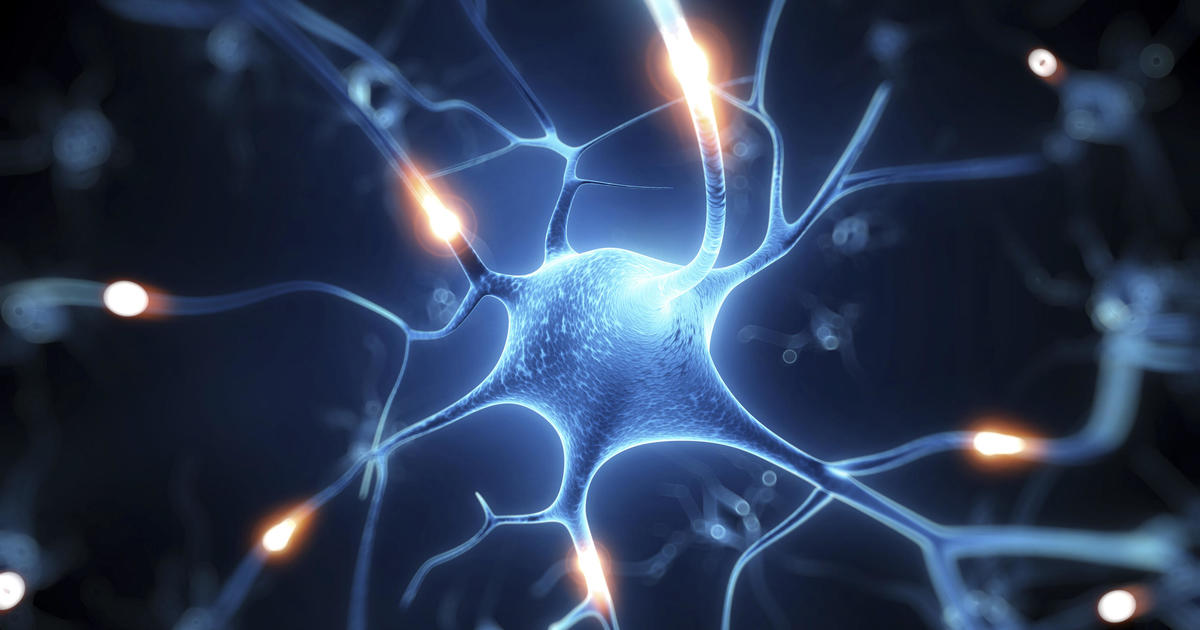
Strains Used for Neuroprotection and Brain Health: Origins, Chemical Profile, Medical Benefits, and Growing Conditions
Neuroprotection and brain health are crucial aspects of modern medical research, especially given the rise in neurodegenerative diseases such as Alzheimer’s, Parkinson’s, and multiple sclerosis. Cannabis, with its unique blend of cannabinoids, terpenes, and other chemical compounds, has gained attention as a potential neuroprotective agent. This article delves into cannabis strains known for their neuroprotective benefits, focusing on their origins, chemical profiles, medical applications, and cultivation practices. The goal is to provide a comprehensive view of these strains in the context of medical use, excluding any recreational use and consumption methods.
1. Harlequin
-
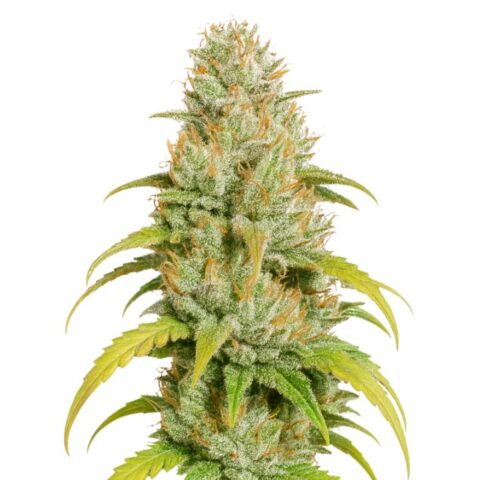 Harlequin CBD Cannabis SeedsFrom: $24.99
Origins:
Harlequin is a renowned medical cannabis strain with a sativa-dominant hybrid profile. It is a hybrid of multiple landrace strains, including as the Thai, Nepalese, Colombian Gold, and Swiss types. Harlequin’s genetic lineage gives it a unique mix of therapeutic properties, making it a popular strain for medical users seeking neuroprotection and cognitive support.
Chemical Profile:
Harlequin stands out because of its high CBD content, often reaching a 5:2 CBD-to-THC ratio. Typical cannabinoid concentrations are around 10-15% CBD and 5-8% THC. The strain also contains notable terpenes, such as myrcene, pinene, and beta-caryophyllene.
- CBD: Known for its neuroprotective properties, CBD reduces oxidative stress, inflammation, and the degeneration of neurons.
- Pinene: Aids memory retention and focus, making it beneficial for brain health.
- Beta-caryophyllene: Acts as a CB2 receptor agonist, contributing to its anti-inflammatory and neuroprotective effects.
Medical Benefits:
Harlequin’s high CBD content, paired with a moderate level of THC, is ideal for patients dealing with neurodegenerative diseases. Its neuroprotective benefits come from its ability to reduce neuroinflammation, prevent cell death, and encourage neurogenesis. The strain is particularly useful for conditions like:
- Alzheimer’s Disease
- Parkinson’s Disease
- Multiple Sclerosis
Research suggests that Harlequin’s combination of cannabinoids and terpenes promotes brain health by modulating neurotransmitter release and protecting against oxidative stress, a key factor in neurodegeneration.
Growing Conditions:
Harlequin thrives in both indoor and outdoor environments, although it prefers a temperate to Mediterranean climate when grown outdoors. The plant is reasonably easy to cultivate because it is resistant to typical molds and pests.
- Temperature: Optimal temperatures for growing Harlequin range from 70°F to 85°F (21°C to 29°C).
- Light: Harlequin responds well to consistent lighting, whether grown under LED lights indoors or full-spectrum sunlight outdoors.
- Humidity: A humidity level of around 50-60% during the vegetative stage and 40-50% during the flowering stage is ideal to prevent mold growth.
- Flowering Time: 8-9 weeks indoors; early October outdoors.
2. ACDC
-
 CBD ACDC Cannabis SeedsFrom: $24.99
Origins:
ACDC is a high-CBD phenotype of Cannatonic, a hybrid cannabis strain with strong therapeutic potential. It originated as a result of selective breeding aimed at enhancing its CBD content, thus becoming a strain revered for medical use rather than psychoactive effects.
Chemical Profile:
ACDC typically boasts a CBD-to-THC ratio of 20:1, with CBD levels reaching up to 18-20%. The strain’s THC levels are kept below 1%, making it non-intoxicating. Key terpenes include myrcene, pinene, and limonene.
- CBD: CBD’s neuroprotective properties have been well-documented, showing promise in preventing neuron degradation.
- Limonene: Known for its mood-enhancing effects, it also aids in reducing oxidative stress, making it beneficial for brain health.
- Pinene: A terpene known to counteract memory loss, contributing to cognitive support.
Medical Benefits:
ACDC is particularly effective for patients suffering from epilepsy, multiple sclerosis, and neurodegenerative diseases. Its high CBD content is responsible for reducing neural inflammation and promoting neurogenesis. Moreover, its anticonvulsant properties make it a prime candidate for treating seizure disorders.
- Neuroprotection: ACDC helps maintain cognitive function by preventing neurodegeneration and oxidative damage, a common cause of brain cell death.
- Anti-inflammatory: The strain significantly reduces neuroinflammation, which is crucial for patients with neurodegenerative disorders.
Growing Conditions:
ACDC requires a bit more care when growing, particularly in maintaining proper environmental conditions.
- Temperature: This strain grows best in temperatures between 68°F and 80°F (20°C to 27°C).
- Light: Indoors, ACDC benefits from full-spectrum LED lighting. Outdoors, it prefers long days with consistent light exposure.
- Humidity: Humidity levels should be controlled between 50-60% during the vegetative stage and reduced to 40-50% during flowering.
- Flowering Time: Around 9-10 weeks indoors; harvest in early to mid-October outdoors.
3. Ringo’s Gift
Origins:
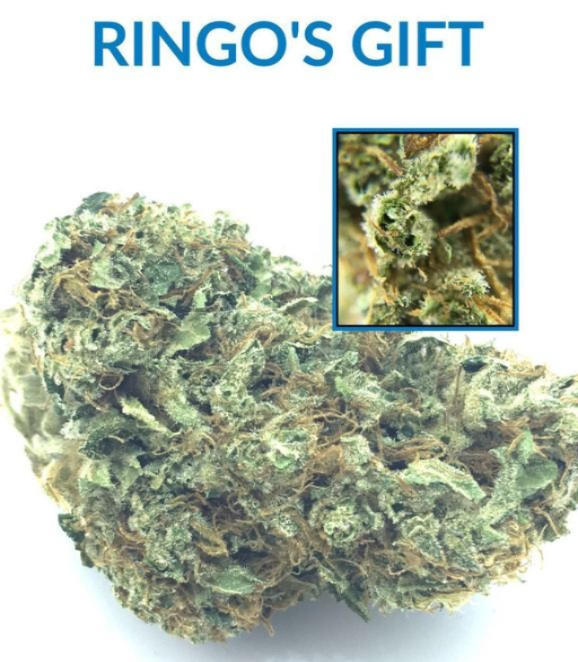
Ringo’s Gift is a balanced hybrid created by crossing two strains, ACDC and Harle-Tsu, both renowned for their high CBD content. It bears the name Lawrence Ringo in honor of the breeder and cannabis activist who is well-known for his work with high-CBD varieties.
Chemical Profile:
Ringo’s Gift offers a range of CBD
ratios, from 1:1 to a high-CBD dominant profile, with CBD levels as high as 20%. Major terpenes include pinene, myrcene, and humulene.
- CBD: Strong neuroprotective effects through reducing inflammation and oxidative stress.
- Humulene: Has anti-inflammatory and neuroprotective properties.
- Pinene: Supports cognitive function and memory retention.
Medical Benefits:
Ringo’s Gift is frequently used for conditions like:
- Traumatic brain injuries
- Alzheimer’s and dementia
- Neuroinflammation
The strain’s balanced CBD-to-THC profile makes it effective in treating both the symptoms of neurodegenerative diseases and the underlying neural damage. Its high CBD levels help reduce brain inflammation, while the small amount of THC enhances the synergistic effects of cannabinoids.
Growing Conditions:
Ringo’s Gift is relatively easy to grow, suitable for both indoor and outdoor cultivation.
- Temperature: 70°F to 80°F (21°C to 27°C) is ideal.
- Light: Like other high-CBD strains, it thrives under strong, consistent light, especially full-spectrum LED indoors or full sunlight outdoors.
- Humidity: During the vegetative stage, moderate humidity levels of about 50–60% are advised; during the flowering stage, these levels should drop to 40%.
- Flowering Time: Approximately 9 weeks indoors; harvest around early October outdoors.
4. Charlotte’s Web

Origins:
Charlotte’s Web is perhaps the most well-known high-CBD strain, developed by the Stanley Brothers in Colorado. It gained international recognition after it was used to treat a young girl named Charlotte Figi, who suffered from a severe form of epilepsy.
Chemical Profile:
Charlotte’s Web typically contains less than 0.3% THC, with CBD levels ranging between 15-20%. Terpenes like bisabolol, myrcene, and pinene enhance its therapeutic properties.
- CBD: Its neuroprotective effects have been widely studied, particularly in reducing seizures and neural inflammation.
- Bisabolol: Well-known for its calming effects and capacity to lower inflammation.
- Myrcene: Provides anti-inflammatory and antioxidant benefits, contributing to overall brain health.
Medical Benefits:
Charlotte’s Web is widely used for epilepsy, particularly for children and individuals with drug-resistant forms of the condition. Its neuroprotective properties help prevent neuron damage and promote brain health. It is also effective in managing symptoms of neurodegenerative diseases like:
- Amyotrophic Lateral Sclerosis (ALS)
- Alzheimer’s disease
Research indicates that Charlotte’s Web’s high CBD content and low THC levels reduce neuroinflammation and protect neurons from oxidative damage, thus supporting cognitive function.
Growing Conditions:
Charlotte’s Web is a hearty plant suitable for both indoor and outdoor cultivation.
- Temperature: The strain prefers moderate temperatures between 65°F and 80°F (18°C to 27°C).
- Light: It responds well to both indoor LED setups and outdoor sunlight.
- Humidity: Humidity levels of 50-60% during the vegetative stage and 40-50% during flowering are ideal.
- Flowering Time: 9-10 weeks indoors; outdoor harvest in late September or early October.
5. Cannatonic
-
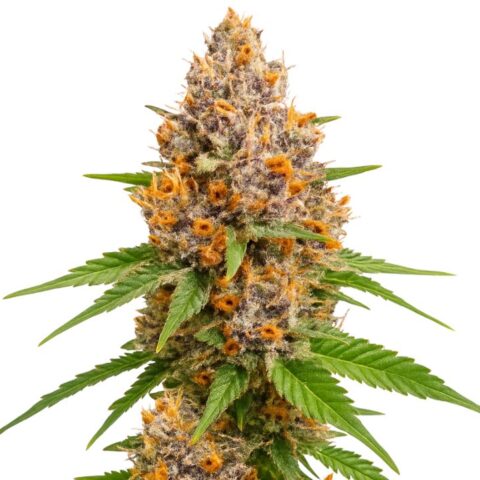
 Cannatonic CBD Cannabis SeedsFrom: $24.99
Origins:
Cannatonic, bred by Spanish seed bank Resin Seeds, is a cross between MK Ultra and G13 Haze. Known for its balanced cannabinoid profile, Cannatonic is highly regarded in the medical community for its therapeutic potential, particularly for neuroprotection.
Chemical Profile:
Cannatonic typically contains a balanced ratio of CBD and THC, with CBD levels ranging between 10-17% and THC levels around 5-7%. Terpenes such as myrcene, limonene, and caryophyllene further enhance its medicinal benefits.
- CBD: Reduces neural inflammation and prevents oxidative damage, making it a key neuroprotective agent.
- Caryophyllene: Known for its anti-inflammatory properties, it also acts on the CB2 receptors, playing a role in neuroprotection.
- Limonene: Helps elevate mood and provides antioxidant support, benefiting overall brain health.
Medical Benefits:
Cannatonic is a go-to strain for conditions that affect the brain, including:
- Epilepsy
- Multiple Sclerosis
- Traumatic Brain Injuries
Its balanced ratio of CBD and THC allows for potent neuroprotective effects while minimizing psychoactive effects. Cannatonic’s combination of cannabinoids and terpenes helps to alleviate neural inflammation, protect neurons, and reduce the symptoms of neurodegenerative diseases.
Growing Conditions:
Cannatonic is a variety that is suitable for both inexperienced and seasoned growers because it is very straightforward to produce.
- Temperature: The strain thrives in temperatures between 70°F and 80°F (21°C to 27°C).
- Light: Cannatonic responds well to both indoor and outdoor light setups, with full-spectrum LED lights being preferred indoors.
- Humidity: Moderate humidity levels around 50-60% during the vegetative stage and 40-50% during flowering will ensure a healthy plant.
- Flowering Time: 9-10 weeks indoors; harvest in early October outdoors.
Restrictions on Using Cannabis Strains in the Medical Field as a Last Resort

Cannabis use in the medical field, particularly for neuroprotection and brain health, is still regulated by a variety of restrictions, depending on the region and the legal framework surrounding medical cannabis. When it comes to using strains such as Harlequin, ACDC, Ringo’s Gift, Charlotte’s Web, and Cannatonic, several factors and limitations must be considered, especially when prescribed as a last resort. The following is a thorough summary of the limitations and recommendations pertaining to the usage of various strains in the medical field:
1. Legal and Regulatory Restrictions
Medical cannabis is legal in many regions, but each country or state may have specific rules about how it can be prescribed and used:
- Last Resort Treatment: In many jurisdictions, medical cannabis, including the aforementioned strains, is often prescribed only when other conventional therapies have failed to produce satisfactory results. This is especially true for patients suffering from conditions like epilepsy, Alzheimer’s, or Parkinson’s. Physicians are typically required to exhaust all other pharmaceutical treatments before recommending cannabis as a last resort.
- Doctor’s Approval: Even when considered a last resort, a certified medical professional must approve the use of medical cannabis. Usually, the patient must prove that conventional therapies have not been able to control their disease.
- Controlled Use: In certain cases, cannabis use may be restricted based on the patient’s health condition, age, or risk factors such as a history of mental health issues or sensitivity to THC.
2. THC Monitoring to Prevent Psychoactive Effects
THC is the primary psychoactive compound in cannabis, and while it offers therapeutic benefits, particularly in combination with CBD, it can also lead to unwanted psychoactive effects. For medical patients, particularly those with cognitive impairments or neurodegenerative diseases, controlling THC levels is crucial to avoid these effects. Monitoring THC levels in medications involves several key measures:
a. Low-THC Strains for Medical Use
Strains such as Charlotte’s Web, ACDC, and Cannatonic are typically chosen because of their low THC content, minimizing the risk of psychoactivity. In these strains:
- Charlotte’s Web: Contains less than 0.3% THC, which is typically considered non-psychoactive.
- ACDC: Has THC levels as low as 0.5-1%, making it highly unlikely to cause psychoactive effects.
- Cannatonic: Contains moderate THC levels (around 5-7%), so it requires close monitoring, especially for sensitive patients.
b. Dose Adjustments
Medical professionals often adjust the dosage of cannabis-based medications based on a patient’s tolerance and sensitivity to THC. For example:
- Patients with a low tolerance to THC might be started on strains with less than 1% THC, such as ACDC or Charlotte’s Web, and their response monitored before considering a strain with higher THC levels.
- Titration: This involves slowly increasing the dosage while monitoring for any psychoactive effects, ensuring that the benefits are maximized without causing unwanted intoxication.
c. CBD-THC Ratios
Many of the strains used for neuroprotection have a high CBD-to-THC ratio, which can help counteract the psychoactive effects of THC. For example, Harlequin and Ringo’s Gift typically have ratios of 5:2 or higher, meaning that CBD helps modulate the psychoactive potential of THC. Since psychoactive effects are typically unwanted in the medical field, maintaining this balance is essential.
d. Third-Party Testing and Standardized Medications
In regions where medical cannabis is legalized and regulated, licensed producers are required to provide third-party testing and certificates of analysis (COA) for their products. These COAs indicate:
- The exact levels of cannabinoids (including THC and CBD).
- Terpene profiles.
- Presence of contaminants such as pesticides, molds, or heavy metals.
Physicians and pharmacists can use this data to ensure that the product administered to the patient has THC levels within the therapeutic, non-psychoactive range. In addition, medical-grade cannabis products often undergo rigorous testing to meet regulatory standards for purity, potency, and safety.
3. Patient-Specific Considerations
Monitoring THC levels also depends on individual patient needs and conditions:
- Age and Sensitivity: Older adults or patients with conditions like Alzheimer’s may be more sensitive to THC’s psychoactive effects. Strains like Charlotte’s Web with less than 0.3% THC are more suitable for these populations.
- Cognitive Impairments: For patients with brain health concerns or neurodegenerative diseases, THC can sometimes exacerbate cognitive decline or confusion. In such cases, the goal is to use low-THC, high-CBD strains that provide neuroprotection without risking further cognitive issues.
- History of Mental Health Conditions: Patients with a history of anxiety, schizophrenia, or psychosis are more likely to experience adverse effects from THC, so strains with negligible THC content are recommended. Monitoring should focus on using strains like ACDC or Charlotte’s Web with very low or non-psychoactive THC levels.
4. Cannabinoid Drug Interactions
When using cannabis as a last resort, especially in patients already taking pharmaceutical medications, it’s essential to consider potential drug interactions:
- Metabolism: Both THC and CBD are metabolized by the cytochrome P450 enzyme system in the liver. If patients are taking medications that are metabolized by the same system (such as anticonvulsants, blood thinners, or antidepressants), cannabis can either inhibit or enhance the metabolism of these drugs.
- THC Monitoring: To avoid psychoactive effects or interactions with other drugs, regular blood tests and patient assessments may be necessary to track cannabinoid levels and ensure the dosage remains therapeutic without inducing side effects.
5. Medical Supervision and Follow-up
Even when cannabis is prescribed as a last resort, patients often require continuous monitoring and follow-up care to assess the effectiveness and any potential side effects:
- Neurological Exams: For conditions like epilepsy or Parkinson’s, medical professionals might perform regular neurological assessments to ensure that cannabis therapy is not causing cognitive impairment or psychoactive effects due to THC.
- Blood Tests: Some regions may require blood tests to monitor THC and CBD levels in the patient’s system, ensuring that the medication remains within a therapeutic range.
6. Legal Constraints on Medical Cannabis Prescriptions
Many countries or states restrict the prescribing of cannabis as a medical treatment. For example:
- In the United States: Medical cannabis remains federally illegal, although several states have their own medical cannabis programs. In these states, restrictions often require the physician to certify that the patient has a qualifying condition (such as epilepsy, multiple sclerosis, or severe pain) and that other treatments have failed.
- In Europe: Countries such as Germany, the Netherlands, and Italy allow medical cannabis use, but it is typically only prescribed after other treatments have proven ineffective. Every nation has its own regulations governing when and how cannabis can be prescribed.
Conclusion on Strains for Neuroprotection, Brain Health, and THC Monitoring in Medical Use
The medical use of cannabis strains for neuroprotection and brain health represents a growing area of interest, supported by research demonstrating the efficacy of high-CBD, low-THC strains in treating neurodegenerative diseases, traumatic brain injuries, epilepsy, and cognitive impairments. Strains such as Harlequin, ACDC, Ringo’s Gift, Charlotte’s Web, and Cannatonic offer a unique combination of cannabinoids and terpenes that promote brain health by reducing inflammation, protecting neurons from oxidative stress, and promoting neurogenesis.
Key Medical Benefits:
- CBD’s Neuroprotective Role: Central to these strains is cannabidiol (CBD), which is a potent neuroprotective agent, helping to mitigate oxidative damage, reduce neural inflammation, and prevent neuron degradation, all of which are critical in managing diseases like Alzheimer’s, Parkinson’s, and epilepsy.
- Terpenes in Brain Health: Terpenes like pinene, caryophyllene, and myrcene also play a significant role, contributing to cognitive function, memory retention, and reducing inflammation. Together with CBD, these compounds enhance the therapeutic effects without causing the psychoactivity associated with high-THC strains.
Growing Considerations:
Each of these strains has its own specific cultivation requirements, but they generally thrive in controlled environments with adequate temperature, humidity, and light. Indoor cultivation using LED lights allows for precise control, while outdoor growing in temperate climates can yield high-quality plants. These growing conditions are crucial for optimizing the medicinal properties of each strain.
Restrictions in Medical Use:
Despite their potential, there are significant restrictions on using cannabis strains in the medical field, particularly when they are prescribed as a last resort. Legal and regulatory constraints often require cannabis to be used only after other treatments have proven ineffective. Additionally, physicians must closely monitor THC levels in the prescribed medications to prevent psychoactive effects, especially for vulnerable populations like the elderly or those with cognitive impairments.
THC Monitoring:
Careful management of THC levels is essential to prevent psychoactive side effects. This involves selecting strains with low THC content, adjusting dosages, and utilizing high CBD-to-THC ratios to balance therapeutic benefits with minimal psychoactivity. Continuous patient monitoring, including blood tests and neurological exams, ensures that the medication remains within a therapeutic range without causing adverse effects.
Final Thoughts:
As medical cannabis continues to gain acceptance worldwide, strains designed for neuroprotection and brain health will play a critical role in managing chronic neurological conditions. However, medical professionals must adhere to strict guidelines, including using cannabis as a last resort, ensuring it is carefully monitored, and controlling THC levels to avoid psychoactivity. By doing so, these cannabis strains can provide patients with the neuroprotective benefits they need without compromising their cognitive function or overall well-being.
This holistic approach to utilizing cannabis for medical purposes underscores the need for ongoing research, patient-specific treatment plans, and adherence to legal and ethical standards to maximize the benefits of these therapeutic strains.
