
Strain Review: OG Kush
-
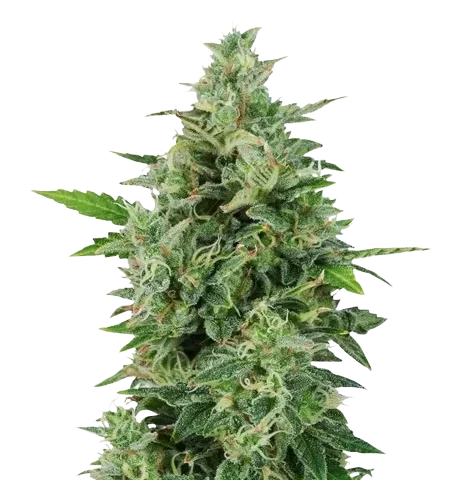 OG Kush Cannabis SeedsFrom: $24.99
Introduction
OG Kush is a legendary cannabis strain that has gained immense popularity both in the recreational and medical cannabis communities. However, while its reputation is often associated with its powerful psychoactive effects, this review will focus on its medical applications, origins, chemical profile, growing conditions, and specific considerations for its use in the medical field. The aim is to provide a comprehensive understanding of how OG Kush can be effectively and safely utilized in medical treatments, with a particular emphasis on monitoring THC levels to minimize psychoactive effects for patients who require cannabis as a last-resort treatment option.
Origins of OG Kush
OG Kush’s origins are shrouded in mystery and controversy, with several theories and stories surrounding its creation. The strain is believed to have originated in California in the early 1990s, although some claim it may have been developed earlier. The most widely accepted theory suggests that OG Kush is a cross between Chemdawg, Lemon Thai, and a Hindu Kush strain. However, the exact lineage remains unconfirmed due to the lack of documented history.
OG Kush quickly became popular in the Los Angeles area and has since spread globally, becoming one of the most iconic strains in the cannabis industry. The “OG” in OG Kush is often debated as well, with some claiming it stands for “Original Gangster,” while others suggest it means “Ocean Grown,” indicating its origins near the coast of California.
Regardless of its exact lineage and meaning, OG Kush has cemented itself as a cornerstone in the cannabis world, known for its potent effects and distinct aroma. This strain has also been the foundation for many other popular hybrids, further showcasing its significance in cannabis genetics.
Chemical Profile
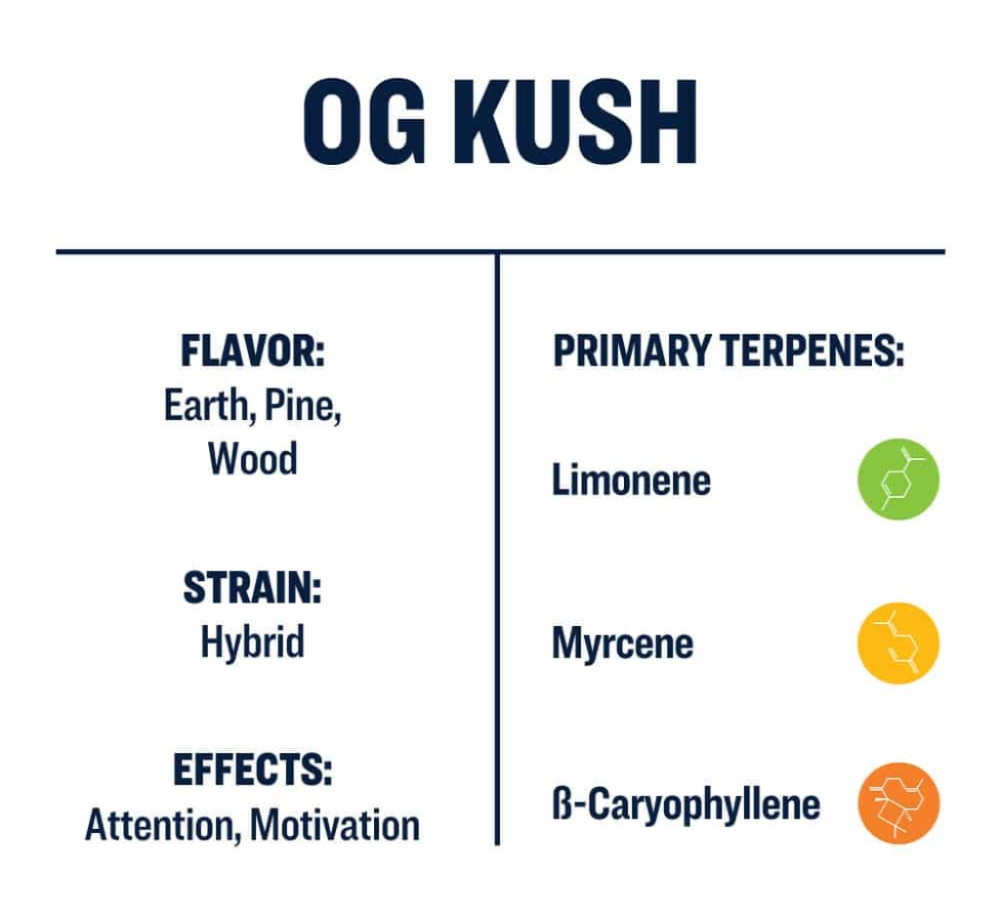
The chemical profile of OG Kush is characterized by its rich content of cannabinoids and terpenes, which contribute to its therapeutic potential. Understanding the chemical composition is crucial for tailoring its use in medical treatments and ensuring that patients receive the desired effects while minimizing potential side effects.
Cannabinoids
- THC (Tetrahydrocannabinol):
- OG Kush is known for its high THC content, which typically ranges between 20-25%. This particular cannabinoid plays a crucial role in medical applications because it is the cause of the euphoric effects linked to cannabis. While THC offers various therapeutic benefits, its psychoactive nature requires careful monitoring, particularly in patients sensitive to these effects.
- CBD (Cannabidiol):
- OG Kush generally contains low levels of CBD, usually less than 1%. The non-psychoactive compound CBD is well-known for its analgesic, anxiolytic, and anti-inflammatory qualities. The low CBD content in OG Kush means that its effects are predominantly driven by THC, which may limit its use in patients who require the calming and non-psychoactive effects of CBD.
- CBG (Cannabigerol):
- CBG is present in smaller quantities in OG Kush, typically around 1% or less. CBG has been found to offer a variety of therapeutic benefits, including anti-inflammatory and neuroprotective effects. However, due to its low concentration in OG Kush, its impact is secondary to that of THC.
- CBN (Cannabinol):
- CBN levels in OG Kush are also minimal, usually less than 1%. As THC oxidizes, CBN, a somewhat psychotropic cannabis compound, is created. It has been linked to sedative effects and may enhance the strain’s potential for treating insomnia.
Terpenes
Aromatic substances called terpenes give cannabis its flavor, aroma, and medicinal qualities. OG Kush has a distinctive terpene profile that enhances its medical applications.
- Myrcene:
- In OG Kush, myrcene predominates and frequently makes up more than 50% of the total terpene content. Myrcene is recognized for its calming and muscle-relaxing effects and has an earthy, musky scent. It plays a significant role in the strain’s ability to alleviate pain and induce sleep.
- Limonene:
- Limonene is another prevalent terpene in OG Kush, contributing to its citrusy scent. Limonene has mood-enhancing and anti-anxiety effects, making it beneficial for patients dealing with stress or depression. It also has potential anti-inflammatory properties, which can complement the strain’s pain-relief capabilities.
- Caryophyllene:
- Being able to interact with cannabinoid receptors, specifically CB2 receptors, makes caryophyllene stand out among other terpenes. It smells spicy and peppery. This interaction provides anti-inflammatory and analgesic effects, making it an essential component of OG Kush’s medical benefits.
- Pinene:
- Pinene adds a pine-like aroma to OG Kush and is known for its anti-inflammatory, bronchodilator, and memory-enhancing properties. This terpene may help counteract some of the memory-impairing effects of THC, providing a more balanced experience for patients.
- Linalool:
- Linalool contributes a floral, lavender scent and is associated with anti-anxiety and sedative effects. Although present in smaller amounts in OG Kush, it enhances the strain’s overall calming and pain-relieving properties.
Medical Benefits

OG Kush has been extensively studied and utilized for its therapeutic properties. Its potent effects make it suitable for treating a wide range of medical conditions. However, due to its high THC content, its use must be carefully monitored to ensure that patients receive the maximum benefits without adverse psychoactive effects.
Pain Relief
One of the most common medical uses of OG Kush is for pain management. The strain’s high THC content, combined with the synergistic effects of its terpenes, makes it highly effective in treating chronic pain, including conditions such as:
- Neuropathic Pain: The strain’s ability to reduce nerve pain makes it beneficial for patients with conditions like multiple sclerosis and fibromyalgia.
- Inflammatory Pain: OG Kush’s anti-inflammatory properties are useful in treating arthritis, inflammatory bowel disease (IBD), and other conditions characterized by inflammation and pain.
- Migraine Relief: The combination of THC and terpenes like myrcene and caryophyllene helps alleviate the intense pain associated with migraines.
Anxiety and Depression
OG Kush can be beneficial for patients suffering from anxiety and depression, though it should be used cautiously due to its high THC content. The strain’s limonene and linalool terpenes provide mood-enhancing and calming effects, which can help alleviate symptoms of stress and anxiety. However, for some individuals, high THC levels may exacerbate anxiety, necessitating careful dosing and monitoring.
Insomnia
The sedative effects of OG Kush make it an effective treatment for insomnia. The strain’s myrcene content, in particular, contributes to its ability to induce sleep. Patients who struggle with sleep disorders may benefit from OG Kush, especially when other treatments have failed. However, the potential for lingering psychoactive effects the next day means it should be used judiciously.
Appetite Stimulation
OG Kush is also known for its ability to stimulate appetite, making it a valuable tool for patients dealing with conditions like cancer, HIV/AIDS, and eating disorders, where appetite loss is a significant concern. The strain’s THC content interacts with the body’s endocannabinoid system to increase hunger, which can be crucial for maintaining a healthy weight and ensuring proper nutrition in these patients.
Anti-inflammatory Effects
The presence of caryophyllene, limonene, and pinene contributes to OG Kush’s anti-inflammatory properties. These effects can be beneficial for patients with conditions like Crohn’s disease, rheumatoid arthritis, and other inflammatory disorders. By reducing inflammation, OG Kush can help alleviate pain and improve the quality of life for these patients.
Growing Conditions

OG Kush is known for being somewhat challenging to grow, but with the right conditions and care, it can produce high yields of potent cannabis. Understanding the specific requirements for growing OG Kush is essential for medical cultivators who aim to produce consistent and effective medicine.
Climate
OG Kush thrives in a Mediterranean climate, with warm, sunny days and cooler nights. It needs a steady atmosphere that is somewhat colder at night and between 65 and 80°F (18 and 27°C) during the day. Although the strain can be produced both indoors and outdoors, cultivation indoors is more popular since it offers more control over the growing environment.
Soil and Nutrients
OG Kush needs soil that drains easily and has a pH of 6.0 to 6.5, which is somewhat acidic. Organic soil rich in nutrients is ideal, but growers can also use hydroponic systems to cultivate the strain. It needs a diet rich in potassium, phosphorus, and nitrogen in moderation, as well as secondary minerals like sulfur, calcium, and magnesium. Regular feeding with high-quality nutrients is essential to prevent deficiencies and promote healthy growth.
Light Requirements
OG Kush requires ample light to thrive. Indoors, it should be exposed to at least 18 hours of light per day during the vegetative stage, reducing to 12 hours during the flowering stage. High-intensity discharge (HID) lights, such as metal halide (MH) and high-pressure sodium (HPS), are commonly used to provide the necessary light spectrum for optimal growth.
Humidity and Ventilation
Maintaining proper humidity levels is crucial for preventing mold and mildew, which OG Kush is particularly susceptible to. During the vegetative stage, humidity should be kept around 40-60%, and reduced to 30-40% during flowering. Adequate ventilation is also necessary to ensure proper air circulation and prevent the buildup of excess moisture.
Flowering Time and Yield
OG Kush typically has a flowering time of 8-9 weeks when grown indoors. Harvest time for outdoor growers is typically in mid-October. The strain is known for producing medium to high yields, with indoor plants yielding around 450-500 grams per square meter and outdoor plants yielding 500-600 grams per plant.
Pruning and Training
OG Kush benefits from regular pruning and training to promote even light distribution and airflow. Techniques like topping, LST (low-stress training), and SCROG (screen of green) can help maximize yields and ensure the plants remain healthy throughout the growing cycle.
Restrictions on Using OG Kush in the Medical Field
While OG Kush offers a range of medical benefits, its use in the medical field is subject to specific restrictions and considerations, particularly due to its high THC content. These restrictions are essential to ensure patient safety and minimize the risk of adverse effects.
THC Levels and Psychoactive Effects
The primary concern with using OG Kush in the medical field is its high THC content, which can lead to significant psychoactive effects. These effects, including euphoria, altered perception, and impaired cognitive function, may be undesirable or even harmful for certain patients. For example, patients with a history of mental health disorders, those who are elderly, or those who are particularly sensitive to THC may experience heightened anxiety, paranoia, or confusion when using high-THC strains like OG Kush.
To mitigate these risks, medical professionals often implement the following strategies:
- Dosing Control: Strict control over dosing is crucial. Patients are typically started on the lowest effective dose and monitored closely for any signs of adverse effects. Doses may be gradually increased if necessary, but always with caution.
- THC Monitoring: Regular monitoring of THC levels in the bloodstream may be necessary for some patients, particularly those at risk of experiencing psychoactive effects. This ensures that THC levels remain within a therapeutic range without reaching levels that could cause impairment.
- Combination with CBD: In some cases, OG Kush may be combined with high-CBD strains or CBD oil to counteract the psychoactive effects of THC. CBD has been shown to mitigate some of the anxiety and cognitive impairment associated with THC, providing a more balanced and tolerable experience for patients.
- Alternative Strains: For patients who are particularly sensitive to THC, alternative strains with a higher CBD to THC ratio may be recommended. These strains can provide similar therapeutic benefits without the same level of psychoactivity.
Last-Resort Treatment Considerations
Using OG Kush as a last-resort treatment is a strategy often employed for patients who have not responded to conventional therapies or other forms of medical cannabis. While OG Kush offers potent therapeutic benefits, its use as a last-resort treatment comes with specific considerations to ensure patient safety and effectiveness.
Comprehensive Patient Evaluation
A careful assessment of the patient’s medical history, present drugs, and potential dangers is necessary before suggesting OG Kush as a last-resort choice. This assessment aids in deciding if the patient is a good fit for an OG Kush or other high-THC strain. Key factors to consider include:
- Patient’s Tolerance to THC: Understanding the patient’s previous experience with THC, if any, is crucial. Patients who are inexperienced or have shown sensitivity to THC may require alternative treatments or very careful dosing.
- Mental Health Considerations: Patients with a history of mental health disorders, such as anxiety or schizophrenia, need careful assessment. High levels of THC can exacerbate these conditions, so OG Kush may not be suitable for these individuals.
- Age and Overall Health: Elderly patients or those with compromised health should be evaluated for their ability to tolerate the psychoactive effects of THC. The dangers could sometimes exceed the rewards.
Informed Consent
Patients must be fully informed about the potential risks and benefits of using OG Kush, particularly its psychoactive effects. Informed consent is a critical component of last-resort treatment, ensuring that patients understand:
- The potential for psychoactive effects: Patients should be aware that OG Kush can cause euphoria, altered perception, and cognitive impairment. These effects may be undesirable, especially in certain situations or for certain individuals.
- The process of treatment: Explaining the approach to dosing, monitoring, and potential adjustments helps patients feel more comfortable and prepared for their treatment journey.
- Alternative options: Patients should be informed about other treatment options, including those with lower THC content, to make an informed choice about whether to proceed with OG Kush.
Monitoring and Follow-Up
Close monitoring is essential when using OG Kush as a last-resort treatment. This includes:
- Regular check-ins: Frequent follow-up appointments allow healthcare providers to assess the effectiveness of the treatment and adjust dosing as necessary. These appointments are also an opportunity to monitor for any adverse effects.
- THC Level Monitoring: For patients sensitive to THC, regular blood tests or other monitoring techniques may be used to ensure that THC levels remain within a safe and therapeutic range. This helps prevent excessive psychoactive effects while still providing the medical benefits of the strain.
- Patient feedback: Encouraging patients to report their experiences, including any side effects, helps healthcare providers make timely adjustments to the treatment plan.
Legal and Ethical Considerations
When using OG Kush as a last-resort treatment, healthcare providers must also consider the legal and ethical implications:
- Compliance with Regulations: It’s crucial to make sure that using OG Kush complies with local laws and regulations. High-THC cannabis consumption may be prohibited or governed by regulations in some areas.
- Ethical Responsibility: It is the ethical duty of providers to make sure that OG Kush uses have more advantages than disadvantages, especially for vulnerable groups. This includes making informed, patient-centered decisions and continually assessing the appropriateness of the treatment.
Conclusion
OG Kush is a cornerstone in the realm of medical cannabis, revered for its potent therapeutic properties and complex chemical profile. Despite its obscure beginnings, this strain is now widely used in medicine, especially for treating chronic pain, inflammation, anxiety, depression, and sleeplessness. The strain’s high THC content, combined with its rich terpene profile, offers significant medical benefits, making it an effective option for patients with difficult-to-treat conditions.
However, the same qualities that make OG Kush effective also pose challenges, particularly the risk of psychoactive effects due to its high THC levels. These effects necessitate careful dosing, patient monitoring, and sometimes the incorporation of CBD to balance out the strain’s impact. In the medical field, OG Kush is often considered a last-resort treatment, particularly for patients who have exhausted other options. This approach requires comprehensive patient evaluation, informed consent, and diligent follow-up to ensure safety and efficacy.
The use of OG Kush in medical settings is also governed by legal and regulatory considerations, which vary by region. Medical professionals must navigate these complexities to provide patients with access to this powerful strain while ensuring compliance with legal standards.
In conclusion, OG Kush offers substantial medical benefits but requires careful management to ensure that patients receive the therapeutic effects without unwanted psychoactive side effects. With proper oversight, OG Kush can be a valuable asset in the medical cannabis toolkit, providing relief to patients who may have found little help from other treatments. Its legacy in the medical cannabis world is undeniable, offering hope and relief to those in need of effective and reliable therapy.
