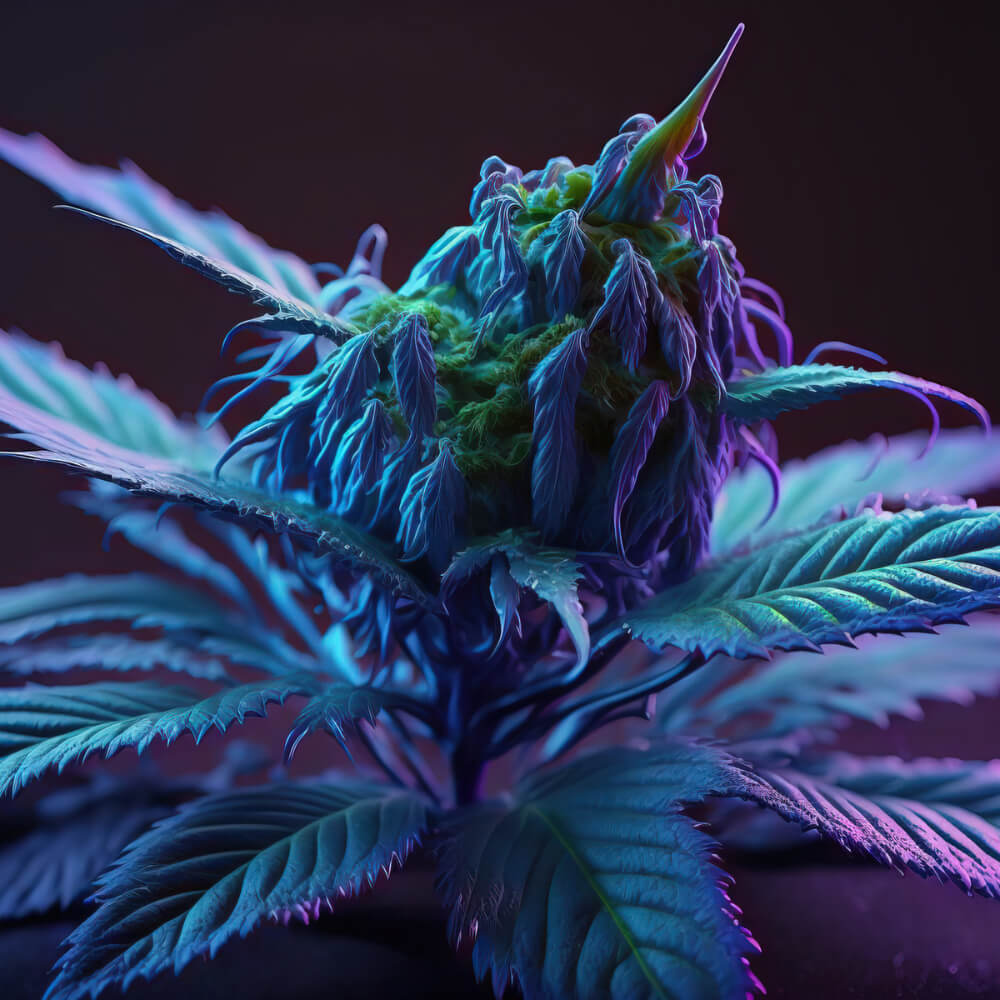
Strain Review: Blue Dream
-
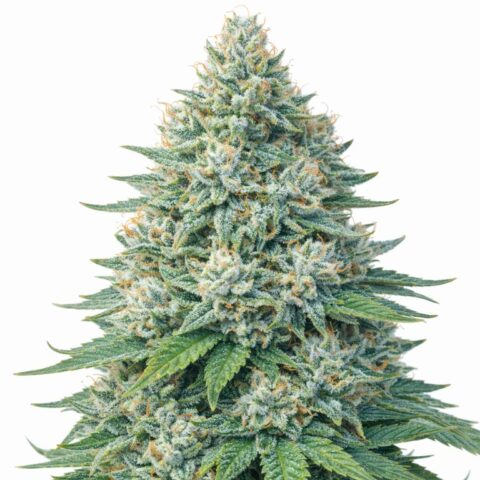 Blue Dream Cannabis SeedsFrom: $24.99
Introduction
Blue Dream is one of the most well-known and widely used cannabis strains in the medical community, renowned for its balanced effects and therapeutic benefits. This strain has gained popularity due to its effectiveness in treating a wide range of medical conditions, making it a staple in the medical cannabis industry. In this comprehensive review, we will delve into the origins of Blue Dream, its chemical profile, the medical benefits it offers, and the best practices for cultivating this strain. This analysis focuses exclusively on its medical applications, excluding any aspects related to recreational use or consumption methods.
Origins of Blue Dream
Blue Dream is a hybrid cannabis strain that originated in California, combining the best attributes of its parent strains, Blueberry and Haze. Blueberry is an indica-dominant strain known for its relaxing effects and sweet, berry-like aroma, while Haze is a sativa-dominant strain famous for its uplifting and energetic effects. The combination of these two strains resulted in Blue Dream, a well-balanced hybrid that offers both physical relaxation and mental invigoration.
Parent Strains: Blueberry and Haze
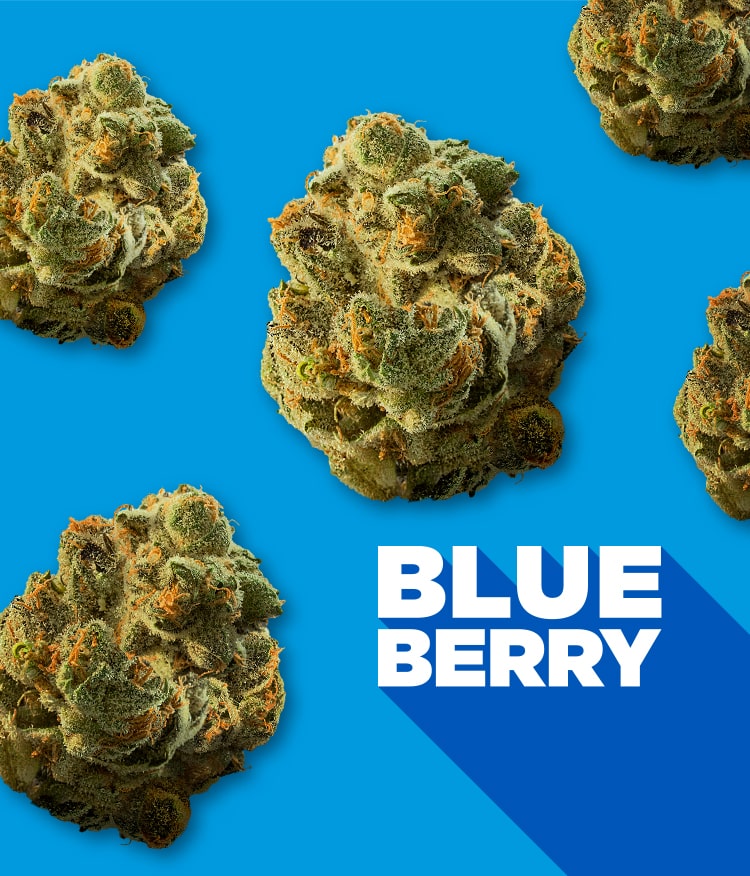
1.Blueberry:
- Genetics: Blueberry is an indica-dominant strain that has a rich history dating back to the late 1970s. It was created by legendary breeder DJ Short, who crossed various landrace strains to produce this highly potent and flavorful strain.
- Characteristics: Blueberry is known for its sweet, fruity aroma and flavor, reminiscent of fresh blueberries. It typically has a high THC content, which contributes to its strong relaxing and sedative effects, making it a popular choice for patients dealing with pain, stress, and insomnia.
2.Haze:
- Genetics: Originating from a cross between multiple landrace strains from Colombia, Mexico, Thailand, and South India, haze is a sativa-dominant strain that dates back to the 1960s and 1970s. Haze is known for its long flowering time and intense cerebral effects.
- Characteristics: Haze strains are typically characterized by their earthy, citrusy aroma and uplifting, energizing effects. They are often used to help manage symptoms of depression, fatigue, and anxiety due to their stimulating properties.
Creation and Evolution of Blue Dream
Blue Dream was created by crossing Blueberry and Haze, resulting in a hybrid that inherits the best traits from both parents. The exact origins and breeders of Blue Dream remain somewhat mysterious, but the strain gained significant popularity in California in the early 2000s, quickly spreading across the United States and beyond. Its balanced effects, pleasant aroma, and versatility in treating various medical conditions contributed to its widespread acclaim.
Over time, Blue Dream has become a favorite among both patients and growers. It has been used to create numerous other hybrid strains, further cementing its status as a cornerstone in the world of medical cannabis.
Chemical Profile of Blue Dream
The chemical profile of Blue Dream is a key factor in its effectiveness as a medical strain. The strain is well-known for having a special blend of terpenes and cannabinoids, which combine to provide a variety of beneficial benefits. Medical practitioners and patients can make well-informed judgments about the usage of Blue Dream in treating particular diseases by having a thorough understanding of the plant’s chemical composition.
Cannabinoid Profile
Blue Dream’s cannabinoid profile typically includes a balanced mix of THC and CBD, although the exact ratios can vary depending on the specific phenotype and growing conditions. The primary cannabinoids found in Blue Dream include:
- THC (Tetrahydrocannabinol):
- Concentration: Blue Dream typically contains THC levels ranging from 17% to 24%, with some variations depending on the cultivation and phenotype. THC is the primary psychoactive compound in cannabis, responsible for the “high” associated with its use. In medical contexts, THC is valued for its analgesic, anti-inflammatory, and antiemetic properties.
- CBD (Cannabidiol):
- Concentration: Blue Dream generally contains low levels of CBD, usually around 0.1% to 1%. While this is relatively low compared to high-CBD strains, the presence of CBD in Blue Dream contributes to its overall therapeutic effects, particularly in modulating the psychoactive effects of THC and providing additional anti-inflammatory and anxiolytic benefits.
- CBG (Cannabigerol):
- Concentration: CBG is a minor cannabinoid found in Blue Dream, typically in concentrations of less than 1%. CBG is known for its potential neuroprotective properties, as well as its ability to inhibit the growth of certain cancer cells. In addition, it contains antibacterial and anti-inflammatory properties, which makes it an important part of Blue Dream’s therapeutic profile.
- CBN (Cannabinol):
- Concentration: CBN is another minor cannabinoid found in trace amounts in Blue Dream. It is primarily formed as THC oxidizes and degrades over time. Because of its well-known calming qualities, CBN is helpful in treating sleep problems such as insomnia.
Terpene Profile
Terpenes are fragrant substances present in cannabis that enhance its flavor, aroma, and medicinal properties. Blue Dream’s terpene profile is diverse, with several key terpenes playing a role in its medical benefits:
- Myrcene:
- Concentration: Myrcene is the most abundant terpene in Blue Dream, often comprising up to 40% of the total terpene content. Myrcene is well-known for its calming and muscle-relaxing properties. It smells musky, earthy, and faintly of cloves. Additionally, it increases the permeability of cell membranes, which facilitates the more effective absorption of additional cannabinoids.
- Pinene:
- Concentration: Pinene is present in moderate amounts in Blue Dream, contributing to its fresh, pine-like aroma. Pinene has anti-inflammatory, bronchodilator, and memory-enhancing properties. It is particularly beneficial for patients with respiratory conditions and those seeking to mitigate the memory impairment sometimes associated with high-THC strains.
- Caryophyllene:
- Concentration: Caryophyllene is a spicy, peppery terpene found in moderate concentrations in Blue Dream. Among all terpenes, it is special since it has the ability to directly interact with the endocannabinoid system’s CB2 receptors, resulting in analgesic and anti-inflammatory actions. For the treatment of ailments like arthritis and persistent pain, this makes it very helpful.
- Limonene:
- Concentration: Limonene is a citrusy terpene found in smaller amounts in Blue Dream. It has mood-enhancing and anxiolytic properties, making it effective in reducing stress and anxiety. Limonene also has anti-inflammatory and immune-boosting effects, contributing to Blue Dream’s overall therapeutic potential.
- Linalool:
- Concentration: Linalool, though present in lower concentrations, adds a floral, lavender-like aroma to Blue Dream. It is well-known for its ability to help cure neurological conditions including epilepsy and Alzheimer’s disease in addition to its relaxing and anxiety-reducing properties.
Medical Benefits of Blue Dream

Blue Dream is celebrated for its versatility in treating a wide range of medical conditions. Its balanced effects make it suitable for both daytime and nighttime use, depending on the dosage and individual patient needs. The following sections outline the primary medical benefits of Blue Dream, supported by research and patient testimonials.
Pain Management
One of the main reasons people seek medical marijuana is for pain relief, and Blue Dream is very good at treating a variety of pain conditions, such as inflammatory, neuropathic, and chronic pain. The combination of THC and caryophyllene in Blue Dream provides potent analgesic effects, while the presence of myrcene enhances these effects by promoting muscle relaxation and sedation.
- Chronic Pain: Blue Dream’s balanced effects make it an excellent choice for managing chronic pain conditions such as fibromyalgia, arthritis, and back pain. Its ability to provide both physical relaxation and mental clarity allows patients to remain functional while experiencing relief from persistent pain.
- Neuropathic Pain: Neuropathic pain, often caused by nerve damage or conditions like multiple sclerosis, can be particularly challenging to treat. Blue Dream’s THC content interacts with the body’s endocannabinoid system to reduce pain signals, while its anti-inflammatory properties help address the underlying causes of neuropathic pain.
- Inflammatory Pain: Inflammatory conditions like rheumatoid arthritis and Crohn’s disease can cause significant pain and discomfort. Blue Dream’s caryophyllene and CBD content work together to reduce inflammation, providing relief from pain and improving overall quality of life for patients with these conditions.
Anxiety and Depression
Mental health conditions such as anxiety and depression are prevalent in the medical cannabis community, and Blue Dream is often recommended for its ability to alleviate these symptoms without causing excessive sedation or impairment. The strain’s balanced effects can help improve mood, reduce stress, and enhance mental clarity, making it a valuable tool in managing these conditions.
- Anxiety: The limonene and linalool terpenes in Blue Dream contribute to its anxiolytic effects, helping to reduce feelings of stress and anxiety. Patients often report feeling more relaxed and at ease after using Blue Dream, without the overwhelming sedation that can accompany some indica-dominant strains.
- Depression: Depression is often characterized by low energy, lack of motivation, and persistent feelings of sadness. Blue Dream’s sativa-dominant genetics, inherited from Haze, provide an uplifting and energizing effect that can help combat these symptoms. The strain’s ability to promote mental clarity and focus also makes it a suitable option for patients dealing with depression-related cognitive impairments.
Insomnia and Sleep Disorders
While Blue Dream is not as heavily sedating as some other strains, it can be effective in treating insomnia and sleep disorders, particularly when used in higher doses or in combination with other sleep-promoting strains. The myrcene and CBN content in Blue Dream contribute to its relaxing effects, making it easier for patients to fall asleep and stay asleep throughout the night.
- Insomnia: Patients who struggle with falling asleep due to stress, anxiety, or pain may find relief with Blue Dream. The strain’s ability to promote relaxation without causing excessive sedation allows patients to ease into sleep naturally, without the grogginess that can accompany more potent sedatives.
- Sleep Maintenance: For patients who have difficulty staying asleep, Blue Dream’s balanced effects can help maintain a restful state throughout the night. The strain’s ability to reduce pain and anxiety also contributes to more consistent and uninterrupted sleep.
Neurological Disorders
Blue Dream has shown promise in treating various neurological disorders, including epilepsy, multiple sclerosis, and Parkinson’s disease. The strain’s combination of cannabinoids and terpenes provides neuroprotective and anti-inflammatory effects, which can help manage symptoms and improve the quality of life for patients with these conditions.
- Epilepsy: While Blue Dream is not as widely used for epilepsy as high-CBD strains like Charlotte’s Web, its balanced cannabinoid profile can still provide anticonvulsant effects for some patients. The presence of linalool and myrcene in Blue Dream may also contribute to its potential in reducing seizure frequency and severity.
- Multiple Sclerosis (MS): MS is a debilitating neurological condition characterized by muscle spasms, pain, and fatigue. Blue Dream’s muscle-relaxant and analgesic properties make it a valuable option for managing these symptoms. The strain’s uplifting effects can also help combat the depression and anxiety that often accompany MS.
- Parkinson’s Disease: Parkinson’s disease is a degenerative neurological condition that impairs mobility and may result in tremors, stiffness, and problems with balance. Blue Dream’s ability to reduce muscle spasms and improve motor function makes it a useful strain for patients with Parkinson’s. Additionally, its mood-enhancing effects can help alleviate the depression and anxiety that often occur alongside this condition.
Migraines and Headaches
Migraines and chronic headaches are common conditions that can significantly impact a patient’s quality of life. Blue Dream is often recommended for its ability to provide rapid relief from headache pain, while also addressing the underlying causes such as stress, tension, and inflammation.
- Migraine Relief: The combination of THC, CBD, and caryophyllene in Blue Dream provides potent analgesic effects that can help reduce the intensity and duration of migraines. The strain’s ability to prevent and treat migraines is further enhanced by its anti-inflammatory qualities.
- Tension Headaches: Tension headaches are frequently brought on by tension in the muscles, stress, and bad posture. Blue Dream’s relaxing effects can help relieve muscle tension and reduce stress, making it an effective option for managing tension headaches. The strain’s ability to promote mental clarity can also help patients stay productive and focused, even during a headache.
Inflammation and Autoimmune Conditions
Inflammation is a common underlying factor in many chronic conditions, including autoimmune diseases like rheumatoid arthritis, lupus, and inflammatory bowel disease (IBD). Blue Dream’s anti-inflammatory properties make it a valuable tool in managing these conditions, helping to reduce pain, swelling, and other symptoms associated with chronic inflammation.
- Rheumatoid Arthritis: An autoimmune disease called rheumatoid arthritis is marked by pain and inflammation in the joints. Blue Dream’s caryophyllene and CBD content work together to reduce inflammation, while the strain’s analgesic effects help alleviate pain and improve joint mobility.
- Lupus: Lupus is another autoimmune condition that causes widespread inflammation and pain. Blue Dream’s anti-inflammatory and immunomodulatory effects can help manage the symptoms of lupus, reducing flare-ups and improving overall quality of life for patients.
- Inflammatory Bowel Disease (IBD): The hallmark of inflammatory bowel disease (IBD), which includes ulcerative colitis and Crohn’s disease, is persistent intestinal inflammation. Blue Dream’s anti-inflammatory properties can help reduce the severity of IBD symptoms, including abdominal pain, diarrhea, and cramping. Additionally, the strain’s ability to promote relaxation and reduce stress may help prevent symptom flare-ups.
Restrictions on Using Blue Dream in the Medical Field as a Last Resort

In the medical field, Blue Dream may be considered a last-resort treatment option in certain cases where conventional therapies have proven ineffective. However, due to its high THC content, there are several restrictions and considerations:
- Psychoactive Effects: Due of Blue Dream’s high THC content, users may experience psychoactive side effects such euphoria, altered perception, and cognitive impairment. These effects may not be suitable for all patients, particularly those with a history of mental health disorders or those who are sensitive to THC. In such cases, Blue Dream is used cautiously and typically as a last-resort option.
- Patient Monitoring: When Blue Dream is used, particularly as a last-resort treatment, it is essential to closely monitor patients for adverse effects. Regular assessments of cognitive function, mood, and overall well-being are necessary to ensure that the benefits outweigh the risks.
- Dosage Control: To mitigate the psychoactive effects, the dosage of Blue Dream must be carefully controlled. Lower doses may be used initially, with gradual adjustments based on patient response. In some cases, combining Blue Dream with high-CBD strains can help balance the effects and reduce the risk of psychoactivity.
- Legal and Regulatory Compliance: The use of high-THC strains like Blue Dream is subject to strict legal and regulatory oversight, varying by jurisdiction. Medical professionals must adhere to local laws and guidelines when prescribing or recommending Blue Dream, ensuring that its use is justified and documented as a last-resort treatment.
Monitoring THC Levels in Medications
To prevent unwanted psychoactive effects in patients, it is crucial to monitor and control THC levels in cannabis-based medications:
- Standardized Testing: Medications derived from Blue Dream or other high-THC strains should undergo standardized testing to ensure consistent THC levels. This helps in maintaining predictable effects and avoiding accidental overconsumption.
- Low-THC Formulations: For patients sensitive to THC, formulations with reduced THC content or those balanced with CBD may be preferred. These formulations can provide therapeutic benefits while minimizing the risk of psychoactivity.
- Regular Reevaluation: Patients using Blue Dream or similar strains should undergo regular reevaluation to monitor the impact of THC on their condition. Adjustments to the treatment plan, including switching to lower-THC strains or alternative therapies, may be necessary based on patient response.
Growing Conditions and Cultivation
Cultivating Blue Dream requires a good understanding of its specific growing needs and environmental requirements. Growing Blue Dream is a popular choice for both inexperienced and seasoned growers because it is recognized to be a reasonably straightforward strain to develop, whether planted inside or outdoors. This section provides an in-depth look at the best practices for growing Blue Dream, including ideal growing conditions, nutrient requirements, and common challenges.
Growing Blue Dream Indoors
Indoor cultivation allows for greater control over environmental factors, making it easier to optimize growing conditions for Blue Dream. When grown indoors, Blue Dream typically requires a controlled environment with stable temperatures, humidity levels, and adequate lighting.
- Temperature: A consistent temperature range of 70–85°F (21–29°C) throughout the day and a little colder at night is ideal for blue dream growth. It is essential to keep temperatures constant during the development cycle in order to encourage healthy growth and avoid stress-related problems.
- Humidity: Blue Dream prefers moderate humidity levels, typically around 40-50% during the vegetative stage and slightly lower (30-40%) during the flowering stage. Proper humidity control helps prevent mold and mildew, which can be a concern in dense, resinous strains like Blue Dream.
- Lighting: As a sativa-dominant hybrid, Blue Dream benefits from strong, consistent lighting during both the vegetative and flowering stages. For best results, use full-spectrum LED lights or high-intensity discharge (HID) lights. Blue Dream typically requires 18-24 hours of light per day during the vegetative stage and 12 hours of light per day during the flowering stage.
- Nutrient Requirements: Blue Dream is a moderate feeder, requiring a balanced nutrient regimen to support its growth. A fertilizer high in nitrogen is advised during the vegetative stage, whereas higher levels of potassium and phosphorus are needed to encourage bud growth during the flowering stage. Regular monitoring of nutrient levels and pH is essential to prevent nutrient deficiencies or toxicities.
Growing Blue Dream Outdoors
Blue Dream is well-suited for outdoor cultivation, particularly in regions with a warm, Mediterranean-like climate. When grown outdoors, Blue Dream can reach impressive heights and yields, making it a popular choice for outdoor growers.
- Climate: Blue Dream thrives in a warm, sunny climate with long days and moderate humidity. It is particularly well-suited for outdoor cultivation in California and other regions with similar climates. However, Blue Dream can also be grown successfully in more temperate climates, provided that the growing season is long enough to allow for full maturation.
- Soil: Blue Dream prefers well-draining, nutrient-rich soil with a slightly acidic pH (6.0-6.5). Compost or aged manure are examples of organic materials that can be added to the soil to help with fertility and structure. To maintain ideal nutrient levels, soil tests and amendments may need to be done on a regular basis.
- Watering: Blue Dream requires consistent watering throughout the growing season, particularly during the hot summer months. Overwatering, however, should be avoided since this can result in root rot and other problems. Soaker hoses or a drip watering system might assist keep the soil consistently moist without becoming too saturated.
- Pest and Disease Management: Blue Dream is relatively resistant to pests and diseases, but outdoor growers should still take precautions to prevent common issues such as spider mites, aphids, and powdery mildew. Regular monitoring, proper spacing, and good airflow can help reduce the risk of infestations and infections.
Harvesting and Curing
To maximize Blue Dream’s flavor and potency, harvest timing is essential. The therapeutic effects and ultimate product quality might be greatly impacted by harvesting that occurs either too early or too late.
- Harvest Time: Blue Dream typically has a flowering time of 9-10 weeks when grown indoors, with outdoor plants usually ready for harvest by mid to late October. The best time to harvest is when the trichomes on the buds have turned milky white, with some amber-colored trichomes mixed in. This indicates peak cannabinoid content and potency.
- Curing Process: After harvesting, the buds should be carefully trimmed and dried in a controlled environment with temperatures around 60-70°F (15-21°C) and humidity levels of 45-55%. Proper curing is essential for preserving the terpene profile and ensuring a smooth, flavorful smoke. The buds should be dried for 7-10 days, then placed in airtight containers for curing, which typically takes an additional 2-4 weeks.
Yield and Production
Blue Dream is known for its high yields, making it a popular choice for both commercial and home growers. The strain’s vigorous growth and dense, resinous buds contribute to its impressive production potential.
- Indoor Yields: Under ideal circumstances, Blue Dream can produce 400–600 grams of cannabis per square meter indoors. Topping, low-stress training (LST), and the Screen of Green (ScrOG) approach are a few training strategies that can assist increase yields and encourage uniform canopy development.
- Outdoor Yields: Outdoor-grown Blue Dream plants can produce significantly higher yields, often reaching 600-900 grams per plant, depending on the growing conditions and plant size. Outdoor plants tend to grow larger and bushier, with ample sunlight and space contributing to their robust production.
Conclusion
Blue Dream is a versatile and highly effective medical cannabis strain that has earned its place as a staple in the medical community. Its balanced effects, pleasant aroma, and wide range of therapeutic benefits make it an ideal choice for patients seeking relief from various conditions, including pain, anxiety, depression, insomnia, and neurological disorders. Whether grown indoors or outdoors, Blue Dream is relatively easy to cultivate, offering high yields and a potent, flavorful product.
By understanding the origins, chemical profile, and growing requirements of Blue Dream, medical professionals and patients can make informed decisions about its use in treating specific conditions. Before adding Blue Dream to a treatment plan, like with any medical intervention, it is crucial to speak with a healthcare professional, especially for individuals with complicated medical issues or those on additional medications.
Blue Dream’s enduring popularity and effectiveness in the medical cannabis industry are a testament to its well-rounded profile and ability to meet the needs of a diverse range of patients. Whether you are a patient seeking relief from chronic pain, a grower looking to cultivate a high-yielding strain, or a medical professional exploring the potential of cannabis in treatment, Blue Dream offers a reliable and proven option in the world of medical cannabis.
