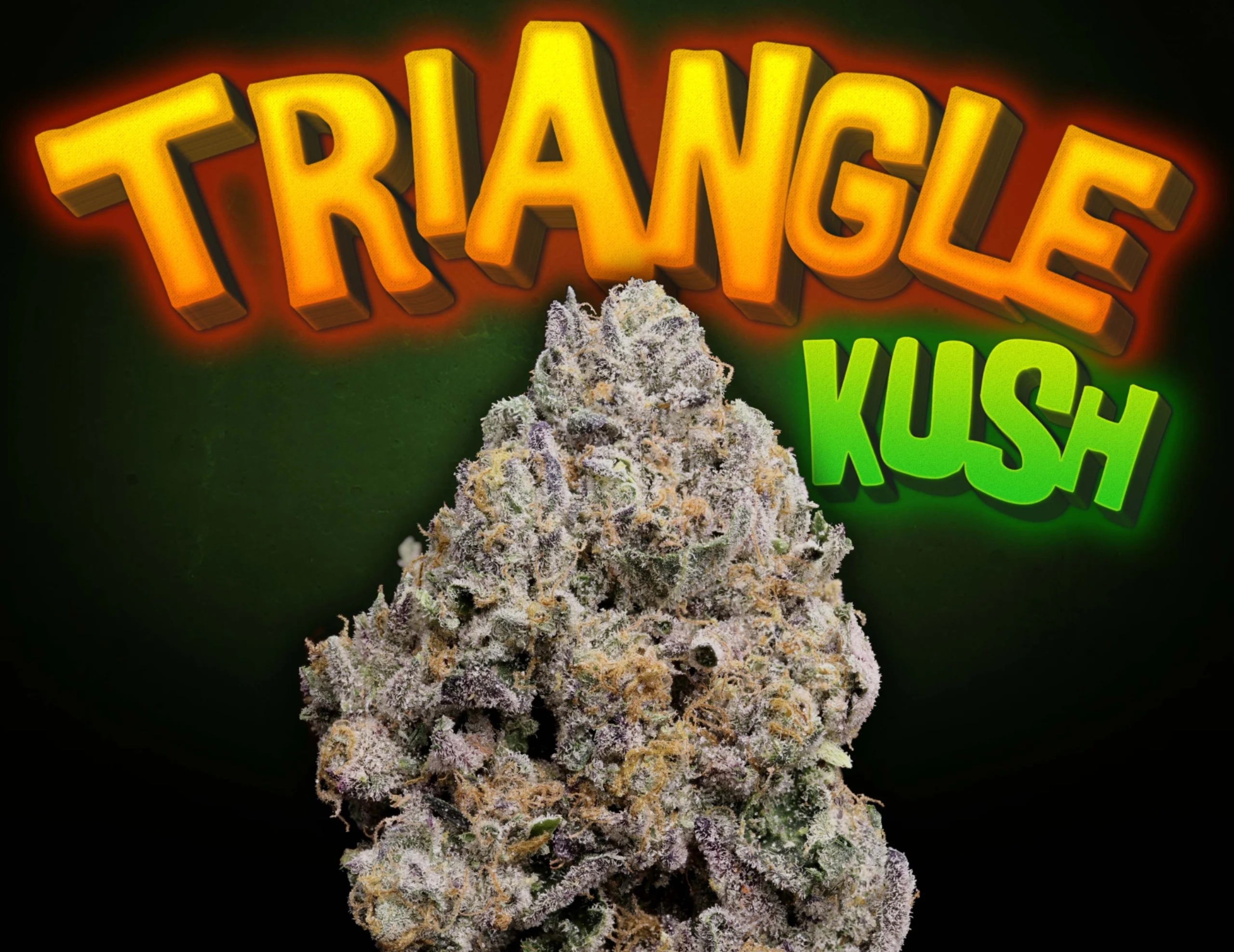
Triangle Kush: A Comprehensive Medical Strain Analysis
-
Product on sale
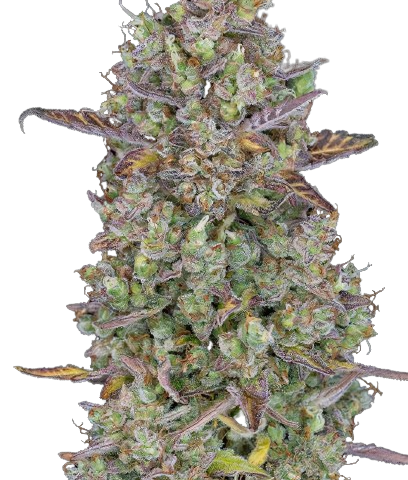 Triangle Kush Cannabis SeedsFrom:
$24.99$18.87
Origins of Triangle Kush
Triangle Kush is a renowned indica-dominant cannabis strain known for its potent effects and robust genetic background. This strain traces its origins back to the “Emerald Triangle” of Florida, particularly Miami, Tampa, and Jacksonville. It earned its name from these three prominent cannabis hubs, which helped shape its development. Triangle Kush is believed to be a descendant of the classic OG Kush strain, although the exact genetic lineage is somewhat shrouded in mystery. Many experts agree that its heritage involves strong indica traits, contributing to its therapeutic potential.
The Triangle Kush strain was bred specifically for medical purposes, focusing on producing a strain that could address various medical needs without the intense psychoactive effects associated with high THC levels. By carefully selecting its parent genetics, breeders aimed to create a strain that offered consistent and predictable outcomes for patients seeking relief from a range of ailments.
Chemical Profile of Triangle Kush

Understanding the chemical profile of Triangle Kush is crucial in appreciating its medical benefits. The strain is known for its complex cannabinoid and terpene composition, which contribute to its therapeutic effects.
Cannabinoids
- THC Content: Triangle Kush typically contains THC levels ranging between 20-26%, making it a potent strain suitable for medical applications that benefit from THC’s therapeutic properties, such as pain relief, anti-inflammatory effects, and muscle relaxation. Despite its high THC content, the strain is often used in a controlled medical environment to manage symptoms without overwhelming psychoactivity.
- CBD Content: The CBD levels in Triangle Kush are generally low, often less than 1%. This low CBD content means the strain is not ideal for conditions that specifically benefit from CBD’s non-psychoactive therapeutic effects. However, the strain’s rich cannabinoid profile still offers significant medical advantages, particularly for those conditions best addressed by THC.
- CBG and Other Cannabinoids: Trace amounts of other cannabinoids, such as CBG (cannabigerol), add to the strain’s overall medicinal profile, offering anti-inflammatory and neuroprotective benefits.
Terpenes
Terpenes play a critical role in Triangle Kush’s therapeutic profile, enhancing the strain’s medicinal effects through the entourage effect. Key terpenes include:
- Myrcene: Known for its sedative and muscle-relaxing properties, myrcene is the dominant terpene in Triangle Kush. It helps to amplify the strain’s calming effects, making it particularly effective for pain relief and insomnia.
- Limonene: This terpene provides anti-anxiety and mood-enhancing effects. Limonene’s citrus scent is uplifting, contributing to the strain’s ability to help manage stress and depression.
- Caryophyllene: A terpene with strong anti-inflammatory and analgesic properties, caryophyllene binds to CB2 receptors in the body, offering relief from inflammation and chronic pain without the psychoactive effects of THC.
- Pinene: Known for its anti-inflammatory, bronchodilator, and memory-enhancing properties, pinene also counterbalances some of the cognitive effects of THC, promoting mental clarity.
Medical Benefits of Triangle Kush
Triangle Kush is a versatile strain in the medical area that relieves a wide range of illnesses thanks to its strong chemical profile. Below are some of the key medical benefits associated with this strain:
1. Pain Management
Triangle Kush is highly regarded for its analgesic properties, which are primarily attributed to its high THC content and the presence of myrcene and caryophyllene. These compounds work together to modulate pain signals, making the strain an effective option for managing chronic pain conditions such as arthritis, fibromyalgia, and neuropathy. Triangle Kush helps patients feel less pain and have a higher quality of life overall by stimulating the body’s cannabinoid receptors.
2. Anti-Inflammatory Effects
The anti-inflammatory properties of Triangle Kush make it particularly beneficial for conditions characterized by inflammation, such as Crohn’s disease, ulcerative colitis, and multiple sclerosis. Caryophyllene, a key terpene in the strain, interacts with CB2 receptors in the immune system to reduce inflammation, providing a therapeutic alternative for patients seeking non-opioid anti-inflammatory treatments.
3. Anxiety and Depression Relief
Although Triangle Kush is a high-THC strain, its balanced terpene profile helps mitigate the potential anxiety-inducing effects of THC. Limonene and pinene contribute to its mood-enhancing and anxiety-reducing effects, making it an appropriate strain for managing mood disorders. Patients with generalized anxiety disorder, depression, or PTSD may find that Triangle Kush offers significant relief without the sedative downsides of other anxiety medications.
4. Sleep Aid
Triangle Kush is frequently suggested as a sleep aid because of its sedative qualities, especially for people who suffer from insomnia or other sleep problems. The combination of high myrcene levels and substantial THC content helps to induce relaxation and promote restful sleep, making it a preferred choice for patients with sleep disturbances related to chronic pain or anxiety.
5. Muscle Spasms and Tremors
Triangle Kush’s muscle-relaxing effects are beneficial for patients suffering from conditions that cause muscle spasms and tremors, such as multiple sclerosis and Parkinson’s disease. The strain’s THC content helps to relax muscles, while its calming terpenes provide additional relief, reducing the frequency and severity of spasms.
6. Appetite Stimulation
Triangle Kush is also known for its appetite-stimulating properties, often referred to as the “munchies.” Patients who suffer from diseases like cancer or HIV/AIDS, when appetite suppression and weight loss are frequent, may find great benefit from this impact. The potential of the strain to increase appetite aids in patients’ maintenance of a healthy diet, which is essential for both healing and general well-being.
Restrictions on Using Triangle Kush in the Medical Field
Triangle Kush, like other high-THC strains, is primarily recognized for its potent therapeutic benefits, particularly in managing pain, inflammation, anxiety, and sleep disorders. However, its use in the medical field comes with specific restrictions, especially when considering it as a last resort treatment and monitoring THC levels to prevent psychoactive effects on patients. These considerations are crucial in clinical settings to ensure patient safety and regulatory compliance.
1. Regulatory and Legal Considerations
The use of Triangle Kush in the medical field is subject to strict regulations that vary by country, state, and local jurisdictions. In many regions, high-THC strains are restricted for use only in cases where other traditional treatments have failed or proven inadequate, categorizing them as last-resort options.
- Prescribing Restrictions: Physicians are frequently obligated to try every alternative kind of treatment before suggesting a high-THC strain such as Triangle Kush. This is particularly relevant for conditions such as chronic pain, where opioids, anti-inflammatories, or non-psychoactive cannabis formulations (e.g., CBD-dominant strains) are considered first-line treatments.
- Qualification Requirements: Patients must meet specific medical criteria to qualify for THC-rich strains. For instance, they may need a diagnosis of a severe, chronic, or debilitating condition that has not responded to standard medical treatments. This restriction ensures that Triangle Kush is used only when necessary and justified by a thorough evaluation of patient needs.
- Medical Supervision: The use of Triangle Kush in medical treatment typically requires supervision by a healthcare provider who is knowledgeable in medical cannabis. This supervision includes careful dosing and monitoring to minimize the risk of adverse effects, particularly those associated with high THC consumption.
2. Monitoring THC Levels in Medications
Monitoring THC levels in medical cannabis preparations is critical to ensuring that patients receive therapeutic benefits without experiencing unwanted psychoactive effects. This is crucial for vulnerable groups who can be more susceptible to THC, like children, the elderly, or people in mental health facilities.
- Standardized Dosing: Medical cannabis products derived from Triangle Kush must undergo rigorous testing to ensure consistent and standardized THC levels. Dosing must be carefully calibrated based on individual patient needs, with consideration given to factors such as age, weight, and the specific medical condition being treated.
- Microdosing Strategies: Microdosing involves administering very small amounts of THC to achieve therapeutic effects without the psychoactive “high.” For Triangle Kush, this approach is particularly useful in managing symptoms like pain and anxiety while keeping THC exposure minimal. Microdosing helps tailor the treatment to provide maximum medical benefit with the least psychoactive risk.
- THC/CBD Ratios: Adjusting the THC/CBD ratio is another effective strategy to reduce psychoactivity. Triangle Kush can be used to reduce the euphoric effects of THC by combining it with strains or isolates that have high levels of CBD. It has been demonstrated that CBD can counterbalance some of the cognitive and euphoric effects of THC, giving patients a more balanced and bearable experience.
3. Preventing Psychoactive Effects in Patients
To prevent the psychoactive effects associated with Triangle Kush, several strategies are employed within the medical field:
- Patient Education: Patients should be made well aware of the possible psychotropic consequences of high-THC strains, such as Triangle Kush. Education on recognizing signs of overconsumption, understanding dose-response relationships, and using cannabis in safe environments are crucial aspects of patient care.
- Gradual Titration: Gradual titration, or slowly increasing the dose over time, allows patients to find their minimum effective dose. This method reduces the likelihood of sudden exposure to high THC levels, which can trigger undesirable psychoactive effects.
- Therapeutic Window Identification: Identifying the therapeutic window — the range of THC concentration that provides relief without causing significant psychoactivity — is essential for optimizing the medical use of Triangle Kush. This often involves starting with the lowest possible dose and adjusting based on patient feedback and clinical observations.
4. Restrictive Use in Special Populations
Certain populations are at higher risk of adverse reactions to THC, necessitating even more stringent controls when considering Triangle Kush for medical use:
- Pediatric Use: THC-rich strains like Triangle Kush are generally avoided in pediatric patients due to concerns about cognitive development and increased susceptibility to psychoactive effects. If used, it is only under strict medical supervision with an emphasis on low doses or non-psychoactive cannabinoid options.
- Elderly Patients: Older adults may experience enhanced sensitivity to THC, which can lead to confusion, dizziness, or other adverse effects. For elderly patients, the preference is to use strains with balanced THC/CBD ratios, focusing on symptom management while minimizing cognitive impairment.
- Patients with Psychiatric Conditions: Patients with a history of psychiatric disorders, particularly those with a predisposition to anxiety, psychosis, or bipolar disorder, are at a heightened risk of negative psychological effects from THC. In these cases, the use of Triangle Kush is highly restricted and usually contraindicated unless lower THC alternatives are ineffective.
5. Compliance with Medical Standards and Testing
Ensuring compliance with medical cannabis standards is a key part of using Triangle Kush in clinical settings:
- Quality Assurance: Medical cannabis must be tested for purity, potency, and contaminants. Triangle Kush strains used in the medical field undergo laboratory testing to verify THC and CBD levels, ensuring that each dose delivers predictable results.
- Batch Consistency: Consistent cannabinoid profiles across different batches are vital for medical cannabis products. This consistency helps maintain the effectiveness of the treatment and reduces the likelihood of unexpected psychoactive effects due to variations in THC content.
- Medical Cannabis Formulations: To mitigate the psychoactive risks of Triangle Kush, formulations such as tinctures, capsules, or topicals may be preferred. These delivery methods allow for more precise dosing and controlled absorption of cannabinoids, further reducing the chances of psychoactivity.
6. Clinical Monitoring and Follow-Up
Regular clinical monitoring is essential when using Triangle Kush as a medical treatment. This monitoring includes:
- Regular Assessments: Continuous evaluation of patient response to the strain is necessary to determine effectiveness and adjust dosing. Healthcare providers should assess symptom relief, side effects, and any signs of cognitive or emotional changes that may indicate overexposure to THC.
- Adjusting Treatment Protocols: If adverse effects are observed, adjustments in the treatment protocol are required. This may involve switching to strains with lower THC, incorporating CBD-rich products, or exploring alternative cannabis-based treatments.
- Patient Feedback: Patient feedback is a valuable component of treatment with Triangle Kush. Encouraging open communication about how the strain affects them helps healthcare providers make informed decisions about ongoing treatment and necessary adjustments.
Growing Conditions of Triangle Kush

Growing Triangle Kush requires specific conditions to optimize its medical benefits, as the plant’s chemical profile is significantly influenced by its growing environment. Below are detailed guidelines on the best growing conditions for this strain.
1. Climate Requirements
Triangle Kush thrives in a warm, sunny, and slightly humid environment, similar to its origins in Florida’s subtropical climate. Its ideal daytime temperature range is 70–85°F (21–29°C), and its ideal nighttime temperature is a little lower. It can be cultivated both indoors and outdoors, but for medical-grade output, indoor growing offers more precise control over environmental conditions.
- Indoor Growing: Indoors, Triangle Kush performs best with a controlled environment where temperature, humidity, and light exposure can be carefully managed. Growers often use high-quality LED or HPS lights to replicate the sun’s intensity, promoting robust cannabinoid and terpene development.
- Outdoor Growing: Outdoors, the strain requires a Mediterranean-like climate with plenty of sunlight. It is sensitive to extreme weather conditions, particularly cold or overly damp environments, which can affect its yield and potency.
2. Soil and Nutrients
For optimal growth, Triangle Kush prefers well-aerated, nutrient-rich soil with a slightly acidic pH level of around 6.0-6.5. Organic soil blends that include compost, worm castings, and perlite are ideal, as they provide the necessary nutrients and drainage. A balanced diet consisting of nitrogen, phosphorus, and potassium as well as trace minerals like magnesium and calcium is beneficial for this strain.
- Nutrient Schedule: During the vegetative stage, Triangle Kush requires a higher nitrogen intake to support its growth. As it transitions into the flowering stage, phosphorus and potassium levels should be increased to enhance bud development and resin production.
3. Watering and Humidity Control
Watering Triangle Kush should be done carefully to avoid over-watering, which can lead to root rot. It’s important to keep the soil somewhat damp but not soggy. Proper drainage is essential to prevent standing water around the roots.
- Humidity Levels: During the vegetative stage, maintain humidity levels around 60-70%. In the flowering stage, gradually reduce humidity to around 40-50% to prevent mold and mildew, which can compromise the quality of the buds.
4. Pruning and Training
Triangle Kush tends to grow bushy with dense foliage, requiring regular pruning to improve air circulation and light penetration. Techniques such as topping, fimming, and low-stress training (LST) are beneficial for increasing yield and ensuring even canopy growth. These practices also help reduce the risk of mold and pests by keeping the plant well-ventilated.
5. Flowering Time and Harvesting
Triangle Kush has a relatively long flowering time of 9-10 weeks. During this period, careful monitoring of trichome development is crucial to determine the optimal harvest time. For medical purposes, harvesting should occur when the trichomes are mostly cloudy with some amber, indicating peak potency with balanced cannabinoid and terpene profiles.
- Harvesting Tips: Use sterilized tools when cutting branches to prevent contamination. Buds should be slowly dried in a dark, well-ventilated space with temperatures between 65 and 75°F (18 and 24°C) and humidity levels between 45 and 55 percent after harvest. By keeping the terpenes and cannabinoids intact, curing the buds in airtight containers for a minimum of two to four weeks improves their medicinal quality even more.
6. Pest and Disease Management
Triangle Kush can be vulnerable to diseases like powdery mildew and pests like aphids and spider mites, so it’s imperative to keep the growing area clean. It is advised to employ integrated pest management (IPM) techniques, such as the use of organic insecticides and beneficial insects, to safeguard the plants without sacrificing their medicinal value.
Conclusion on Triangle Kush as a Medical Cannabis Strain
Triangle Kush stands out as a potent and versatile medical cannabis strain, with deep roots in the history of American cannabis cultivation. Its origins in Florida’s “Emerald Triangle” reflect its robust genetic lineage, contributing to a strain that has proven to be highly effective in addressing a wide range of medical conditions. The strain’s rich chemical profile, characterized by high THC levels and a diverse terpene composition, offers significant therapeutic benefits, particularly in the management of chronic pain, inflammation, anxiety, and sleep disorders.
The strain’s high THC content, while beneficial for many medical applications, necessitates careful control and monitoring to prevent psychoactive effects that could detract from its therapeutic value. Strategies such as microdosing, adjusting THC/CBD ratios, and gradual titration are essential to harnessing the medical benefits of Triangle Kush while minimizing the risk of unwanted cognitive or emotional side effects.
Growing Triangle Kush for medical use requires meticulous attention to environmental conditions, nutrient management, and pest control to produce high-quality, consistent yields. These factors ensure that the strain’s therapeutic properties are fully realized, providing patients with reliable and effective treatment options.
However, the use of Triangle Kush in the medical field is accompanied by specific restrictions, particularly when considered as a last-resort treatment. Regulatory guidelines, patient-specific considerations, and rigorous clinical monitoring are critical to ensuring that Triangle Kush is used safely and effectively. By adhering to these guidelines, healthcare providers can integrate Triangle Kush into treatment plans that maximize patient benefit while minimizing potential risks.
In summary, Triangle Kush is a powerful tool in the medical cannabis arsenal, offering a range of benefits for patients with complex medical needs. Its use, however, requires a balanced approach that considers both its therapeutic potential and the need for careful monitoring to prevent psychoactive effects. When used appropriately, Triangle Kush can provide substantial relief for patients, enhancing their quality of life and contributing to better overall health outcomes.
