
Strain Analysis: Medical Super Kush
Introduction
Medical Super Kush is a hybrid cannabis strain celebrated for its powerful therapeutic properties. Known for its potent effects and distinctive flavor profile, Medical Super Kush has carved a niche in the medical cannabis community. This strain’s origins, chemical profile, medical benefits, and growing conditions are essential aspects that contribute to its popularity among patients and cultivators alike.
Origins of Medical Super Kush
Hindu Kush: The Foundation
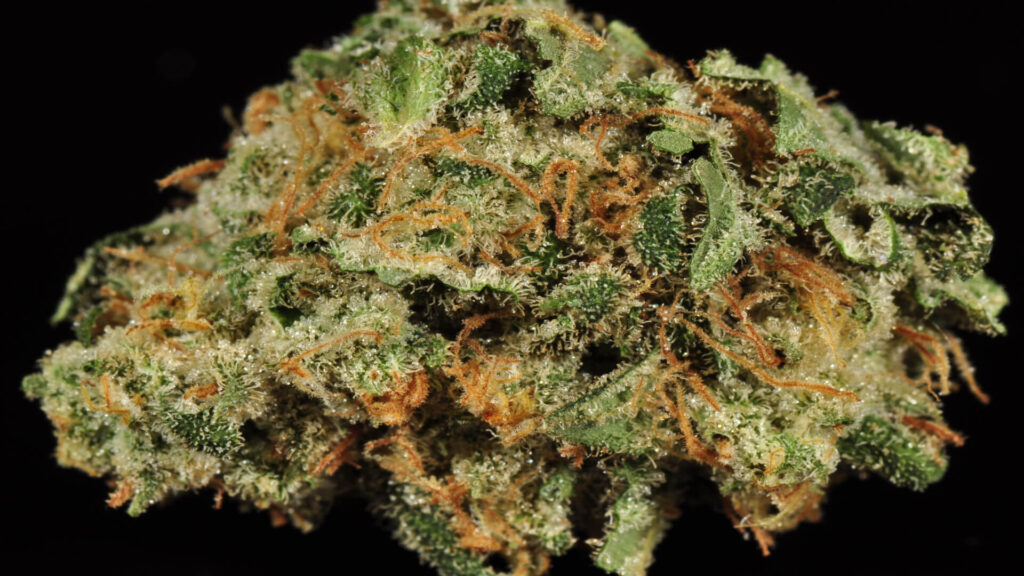
The Hindu Kush is a pure Indica landrace strain named after the mountain range spanning the Afghanistan-Pakistan border. This region’s harsh climate has contributed to the development of robust and resilient cannabis plants, well-suited to the rugged terrain. The Hindu Kush strain is characterized by its thick, protective resin coating, which helps the plant withstand the cold and windy conditions of its native environment.
Key Characteristics of Hindu Kush:
- Resilience: The Hindu Kush strain is known for its ability to thrive in challenging environments, making it a reliable choice for breeders seeking hardy genetics.
- Potent Effects: Hindu Kush delivers a powerful body high, providing deep relaxation and pain relief. Its sedative effects make it a popular choice for treating insomnia and stress.
- Aroma and Flavor: The strain features a distinctive earthy and woody aroma, with notes of pine and sandalwood. These aromatic qualities have been passed down to its hybrid descendants.
The Unknown Indica-Dominant Strain
While Hindu Kush forms one half of Medical Super Kush’s genetic lineage, the other parent is an unknown Indica-dominant strain. This mystery strain contributes to the unique qualities of Medical Super Kush, enhancing its medicinal properties and overall appeal. The selection of an Indica-dominant strain was likely driven by the desire to amplify the relaxing and therapeutic effects of the resulting hybrid.
Breeding Practices and Development
The creation of Medical Super Kush involved careful breeding practices to combine the desirable traits of its parent strains. Breeders aimed to produce a strain that offered the potent therapeutic effects of Hindu Kush while enhancing its flavor, aroma, and overall potency. By selecting an Indica-dominant strain as the second parent, breeders ensured that the resulting hybrid would retain the Indica characteristics essential for medical use.
Key Goals of the Breeding Process:
- Potency: One of the primary objectives was to create a strain with high THC levels to provide effective relief for a variety of medical conditions.
- Therapeutic Effects: The breeders focused on enhancing the strain’s ability to alleviate pain, reduce anxiety, and promote relaxation and sleep.
- Flavor and Aroma: The goal was to develop a strain with a rich and appealing sensory profile, combining the earthy notes of Hindu Kush with additional layers of complexity from the unknown parent strain.
Genetic Stability and Consistency
Achieving genetic stability and consistency is a critical aspect of cannabis breeding. Through multiple generations of selective breeding, the desirable traits of Medical Super Kush were stabilized, ensuring that each plant produced from seeds or clones would exhibit consistent characteristics. This process involved rigorous testing and evaluation of the progeny to identify and select the best phenotypes for further breeding.
Chemical Profile of Medical Super Kush
The chemical profile of Medical Super Kush is a critical aspect that defines its therapeutic properties, flavor, and aroma. This profile includes a variety of cannabinoids and terpenes, each contributing to the strain’s overall effects. Understanding these components helps in appreciating why Medical Super Kush is such a valuable strain for medical use.
Cannabinoid Content
Cannabinoids are the active compounds found in cannabis that interact with the body’s endocannabinoid system, producing a range of effects. Medical Super Kush is known for its rich cannabinoid content, predominantly featuring THC but also containing other cannabinoids that enhance its medical benefits.
- THC (Tetrahydrocannabinol)
- Concentration: Medical Super Kush typically contains THC levels ranging from 18% to 25%.
- Effects: The main psychoactive ingredient in cannabis that gives users a “high” is THC. In Medical Super Kush, the high THC content provides potent analgesic and euphoric effects. It is particularly effective for pain relief, reducing muscle spasms, and inducing deep relaxation and sleep.
- Medical Benefits: The high THC content makes Medical Super Kush suitable for treating chronic pain, insomnia, stress, and anxiety. Its psychoactive effects can also help uplift mood and alleviate depression.
- CBD (Cannabidiol)
- Concentration: Although Medical Super Kush is primarily high in THC, it also contains trace amounts of CBD, usually below 1%.
- Effects: CBD is non-psychoactive and known for its calming and anti-inflammatory properties. While the concentration is low, the presence of CBD can help modulate the effects of THC, contributing to a more balanced experience.
- Medical Benefits: Even in small amounts, CBD can help reduce anxiety, improve sleep quality, and provide anti-inflammatory benefits.
- Other Cannabinoids
- CBG (Cannabigerol): CBG, sometimes known as the “mother cannabinoid,” is a precursor to THC and CBD, among other cannabinoids. It is thought to possess analgesic, neuroprotective, and anti-inflammatory qualities.
- CBN (Cannabinol): When THC gradually breaks down, CBN, a somewhat psychotropic cannabis compound, arises. Because of its well-known sedative qualities, it can help alleviate sleeplessness and improve Medical Super Kush’s overall relaxing qualities.
The fragrant substances known as terpenes are what give cannabis its unique flavor and aroma. They also play a significant role in modulating the effects of cannabinoids, contributing to the strain’s therapeutic properties. Medical Super Kush boasts a diverse terpene profile, which enhances its overall experience.
- Myrcene
- Aroma: Earthy, musky, with hints of cloves.
- Effects: Myrcene is well recognized for its calming and sedative properties. It is the most abundant terpene in many cannabis strains, including Medical Super Kush, and enhances the sedative effects of THC, making it effective for pain relief and insomnia.
- Medical Benefits: Myrcene’s sedative properties can help with sleep disorders, chronic pain, and stress relief.
- Limonene
- Aroma: Citrus, with hints of lemon and orange.
- Effects: Limonene is uplifting and mood-enhancing, providing a counterbalance to the sedative effects of myrcene. It can help reduce stress and improve mood.
- Medical Benefits: The antidepressant and anti-anxiety qualities of limonene are well-known. It can also aid in digestion and has potential anti-cancer effects.
- Caryophyllene
- Aroma: Spicy, peppery, with hints of cloves.
- Effects: Among all terpenes, caryophyllene is special since it has the ability to directly interact with the body’s endocannabinoid system—more especially, the CB2 receptors. This interaction gives it potent anti-inflammatory and analgesic properties.
- Medical Benefits: Caryophyllene is effective for treating pain and inflammation. It also has potential benefits for anxiety and depression due to its ability to interact with cannabinoid receptors.
- Linalool
- Aroma: Floral, lavender-like, with hints of spice.
- Effects: Linalool is known for its calming and relaxing effects. It is often associated with the sedative properties of lavender.
- Medical Benefits: Linalool can help reduce anxiety and stress. It is also effective for improving sleep quality and has anti-inflammatory properties.
- Pinene
- Aroma: Pine, earthy, with a fresh, woody scent.
- Effects: Pinene is known for its alertness-enhancing properties. It can help improve focus and counteract some of the memory-impairing effects of THC.
- Medical Benefits: Pinene has anti-inflammatory and bronchodilator properties, making it useful for asthma and respiratory conditions. It also has potential benefits for memory retention.
The Entourage Effect
The combination of cannabinoids and terpenes in Medical Super Kush contributes to what is known as the entourage effect. This phenomenon happens when the many components of cannabis combine to strengthen one another’s effects. In Medical Super Kush, the high THC content, combined with the diverse terpene profile, results in a strain that offers potent therapeutic benefits with a balanced and enjoyable user experience.
Medical Benefits of Medical Super Kush
Medical Super Kush is renowned for its potent therapeutic properties, making it a highly sought-after strain in the medical cannabis community. The strain’s high THC content, complemented by its diverse terpene profile, contributes to its wide range of medical benefits. Patients use Medical Super Kush to alleviate symptoms associated with various conditions, from chronic pain to anxiety. Below is a detailed exploration of the medical benefits of this remarkable strain.
Pain Relief

One of the most significant benefits of Medical Super Kush is its powerful analgesic properties. The high THC content interacts with the body’s endocannabinoid system, specifically the CB1 receptors in the brain and nervous system, to reduce the perception of pain.
- Chronic Pain: Patients suffering from chronic pain conditions, such as fibromyalgia, arthritis, and neuropathy, find substantial relief with Medical Super Kush. The strain’s ability to dull pain signals makes it a preferred option for long-term pain management.
- Migraine Relief: Migraine sufferers benefit from the strain’s ability to reduce headache intensity and frequency. The anti-inflammatory properties of caryophyllene and the pain-relieving effects of THC combine to alleviate migraine symptoms effectively.
Insomnia and Sleep Disorders
Medical Super Kush is highly effective in treating insomnia and other sleep disorders due to its sedative effects, primarily attributed to the high myrcene content.
- Insomnia: Patients benefit from the strain’s calming and relaxing properties, which help them fall asleep more quickly and stay asleep during the whole night. It is especially helpful for people who experience sleeplessness as a result of anxiety or chronic pain.
- Sleep Quality: Medical Super Kush does more than just make you fall asleep; it enhances the quality of your sleep by encouraging deep, rejuvenating sleep. After using this strain, patients frequently report feeling more rested and less exhausted.
Anxiety and Stress Relief
The calming properties of Medical Super Kush make it an excellent choice for managing anxiety and stress. The combination of THC, linalool, and limonene contributes to these effects.
- General Anxiety Disorder (GAD): Patients with GAD find relief in the strain’s ability to promote relaxation and reduce overactive thoughts. Linalool’s calming effects, combined with the mood-enhancing properties of limonene, help alleviate anxiety symptoms.
- Stress Management: Medical Super Kush is effective in reducing stress levels, helping patients feel more at ease and balanced. The strain’s euphoric high can uplift mood and provide a sense of well-being, counteracting the negative effects of chronic stress.
Appetite Stimulation
Medical Super Kush is known for its ability to stimulate appetite, making it beneficial for patients experiencing appetite loss due to medical conditions or treatments such as chemotherapy.
- Cancer Treatment Side Effects: Chemotherapy and radiation can cause significant nausea and appetite loss. Medical Super Kush helps counter these side effects, enabling patients to maintain a healthy diet and improve their overall well-being.
- Eating Disorders: Patients with eating disorders, such as anorexia, can benefit from the appetite-stimulating effects of this strain. By enhancing hunger signals, Medical Super Kush encourages patients to consume more food and gain necessary nutrients.
Muscle Relaxation and Spasms
The muscle-relaxing properties of Medical Super Kush are highly valued by patients with conditions that cause muscle spasms and tension.
- Multiple Sclerosis (MS): Patients with MS often experience muscle spasms and rigidity. The strain’s ability to relax muscles and reduce spasticity makes it a valuable treatment option.
- Chronic Muscle Tension: Individuals with chronic muscle tension, whether due to stress or physical conditions, find relief with Medical Super Kush. The strain helps ease tight muscles and promotes overall relaxation.
Anti-Inflammatory Effects
The anti-inflammatory properties of caryophyllene and other cannabinoids present in Medical Super Kush make it effective in treating inflammatory conditions.
- Arthritis: Patients with rheumatoid arthritis or osteoarthritis benefit from the strain’s ability to reduce inflammation and pain in the joints, improving mobility and quality of life.
- Autoimmune Disorders: Conditions characterized by chronic inflammation, such as lupus, can be managed more effectively with the anti-inflammatory effects of Medical Super Kush.
Mental Health Benefits

Beyond anxiety and stress relief, Medical Super Kush offers additional mental health benefits, making it a versatile option for various psychological conditions.
- Depression: The mood-enhancing effects of THC and limonene help alleviate symptoms of depression. Patients often report an uplifted mood and increased motivation after using Medical Super Kush.
- PTSD (Post-Traumatic Stress Disorder): The strain’s calming effects help manage PTSD symptoms, such as anxiety, flashbacks, and sleep disturbances. The overall sense of relaxation and well-being provided by Medical Super Kush can be particularly beneficial for PTSD patients.
Nausea and Vomiting
The antiemetic properties of Medical Super Kush are valuable for patients experiencing nausea and vomiting due to various medical conditions or treatments.
- Chemotherapy-Induced Nausea: As with appetite stimulation, the strain’s ability to reduce nausea and vomiting makes it a crucial option for cancer patients undergoing chemotherapy.
- Gastrointestinal Disorders: Patients with conditions such as Crohn’s disease or irritable bowel syndrome (IBS) benefit from the strain’s ability to calm the digestive system and reduce nausea.
Neuroprotective Properties
Emerging research suggests that cannabinoids in Medical Super Kush may have neuroprotective properties, offering potential benefits for neurodegenerative diseases.
- Alzheimer’s Disease: Some studies indicate that THC and other cannabinoids may help reduce the progression of Alzheimer’s disease by reducing brain inflammation and oxidative stress.
- Parkinson’s Disease: Patients with Parkinson’s disease may benefit from the strain’s muscle-relaxing properties and potential to improve motor control and reduce tremors.
Growing Conditions
Cultivating Medical Super Kush requires specific growing conditions to ensure a healthy, productive harvest. This strain, known for its robust Indica genetics, is relatively easy to grow, making it suitable for both novice and experienced cultivators. Understanding the optimal climate, soil, light, watering, and pest management practices is essential for successful cultivation. Here’s an in-depth guide to growing Medical Super Kush.
Climate
Medical Super Kush thrives best in a Mediterranean climate, which is characterized by warm, sunny days and mild nights. However, it can also adapt to cooler climates due to its resilient Hindu Kush lineage.
- Temperature: The ideal temperature range for growing Medical Super Kush is between 70-80°F (21-27°C) during the day and 55-65°F (13-18°C) at night. Extreme temperatures, either too hot or too cold, can stress the plants and affect their growth and yield.
- Humidity: Sustain 50–70% relative humidity during the vegetative period. When the plants reach the flowering stage, drop the humidity gradually to 40–50% to avoid mildew and mold, especially on the thick buds that are characteristic of Indica strains.
Soil and Nutrients
Medical Super Kush performs well in well-draining soil rich in organic matter. The soil should be airy enough to allow proper root development while retaining sufficient moisture.
- Soil Composition: To enhance drainage and aeration, use premium potting mix that has been supplemented with perlite or coco coir. The pH of the soil should be between 6.0 and 7.0, which is somewhat acidic.
- Nutrients: During the vegetative stage, provide a balanced nutrient mix high in nitrogen to support robust leaf and stem growth. As the plant enters the flowering stage, switch to a nutrient mix higher in phosphorus and potassium to promote bud development and potency. Organic nutrients, such as compost teas and worm castings, can enhance soil health and plant growth.
Light Requirements
Light is a crucial factor in the growth and development of Medical Super Kush. Whether growing indoors or outdoors, ensuring adequate light exposure is vital for maximizing yield and potency.
- Outdoor Growing: Medical Super Kush requires at least 6-8 hours of direct sunlight daily. Choose a location with ample sunlight and good air circulation to prevent humidity buildup.
- Indoor Growing: Use high-intensity discharge (HID) lights or full-spectrum LED grow lights to mimic natural sunlight. Follow an 18/6 light cycle (18 hours of light and 6 hours of darkness) when the plant is in its vegetative stage. When the blossoming period is approaching, switch to a 12/12 light cycle, which consists of 12 hours of light and 12 hours of darkness, to encourage bud production.
Watering
Proper watering is essential for healthy plant growth. For plants, being submerged or overwatered can both be extremely stressful.
- Watering Schedule: Water the plants regularly, allowing the top inch of soil to dry out between waterings. This prevents waterlogged soil and promotes healthy root development. Adjust the frequency based on the plant’s growth stage and environmental conditions.
- Water Quality: Use clean, pH-balanced water (pH 6.0-7.0) to avoid nutrient lockout and other issues. If using tap water, let it sit for 24 hours to allow chlorine to evaporate.
Pruning and Training
Pruning and training techniques can optimize the growth and yield of Medical Super Kush by improving light penetration and air circulation.
- Pruning: Remove dying or yellowing leaves on a regular basis to keep the plant healthy and focus energy on developing buds. To improve ventilation and lessen the chance of mold and mildew, prune lower branches and leaves that get little light.
- Training: Techniques such as topping, where the main stem is cut to encourage bushier growth, and low-stress training (LST), where branches are gently bent and tied down, can increase light exposure and promote more even bud development.
Pest and Disease Management
Medical Super Kush is relatively resistant to common pests and diseases, but proactive management is essential to protect the plants.
- Pest Control: Regularly inspect plants for signs of pests such as spider mites, aphids, and caterpillars. Use organic pest control methods like neem oil, insecticidal soap, or introducing beneficial insects (e.g., ladybugs) to manage infestations.
- Disease Prevention: Prevent mold and mildew by maintaining proper humidity levels, especially during the flowering stage. To keep foliage dry, maintain adequate air circulation and refrain from watering from above. If growing indoors, use fans and dehumidifiers as needed.
Harvesting
The season of harvest has a big influence on Medical Super Kush’s flavor and strength. Usually, the blossoming phase lasts for eight to ten weeks.
- Indicators of Maturity: Monitor the trichomes (resin glands) on the buds using a magnifying tool. Harvest when trichomes are mostly milky white with some turning amber, indicating peak THC content and optimal potency.
- Harvesting Process: Carefully cut the mature buds from the plant using sterilized scissors. Handle the buds gently to preserve the trichomes and prevent damage.
Post-Harvest Processing
Proper drying and curing are crucial to enhance the flavor, potency, and overall quality of Medical Super Kush.
- Drying: Hang the trimmed buds upside down in a dark, well-ventilated space with temperatures around 60-70°F (15-21°C) and humidity levels of 50-60%. Allow the buds to dry slowly over 7-10 days until the stems snap easily.
- Curing: Once dried, place the buds in airtight glass jars, filling them about two-thirds full to allow air circulation. For the first two weeks, burp the jars (open them for a few minutes each day) to release any extra moisture, then store them in a cold, dark place. Continue curing for at least 2-4 weeks to enhance flavor and smoothness.
Conclusion
Medical Super Kush is a standout hybrid cannabis strain that has made a significant impact in the medical cannabis community. With origins rooted in the robust genetics of Hindu Kush and an unknown Indica-dominant strain, Medical Super Kush combines resilience, potency, and a rich chemical profile to offer a broad spectrum of therapeutic benefits.
The strain’s high THC content, complemented by minor cannabinoids like CBD, CBG, and CBN, and a diverse terpene profile including myrcene, limonene, caryophyllene, linalool, and pinene, contributes to its potent analgesic, anti-inflammatory, sedative, and mood-enhancing effects. These properties make Medical Super Kush an effective treatment for chronic pain, insomnia, anxiety, stress, muscle spasms, inflammation, and appetite stimulation, among other conditions.
Cultivating Medical Super Kush requires specific environmental conditions, such as a Mediterranean climate, well-draining soil, adequate light exposure, and proper watering, pruning, and training techniques. The strain’s robust genetics allow it to adapt to various climates, making it accessible to both novice and experienced growers. Proper pest and disease management, along with careful harvesting and post-harvest processing, are essential to ensure high-quality yields.
In conclusion, Medical Super Kush is a versatile and potent strain that offers significant medical benefits and relatively straightforward cultivation requirements. Its rich genetic heritage, diverse chemical profile, and wide range of therapeutic effects make it a valuable addition to the medical cannabis repertoire. Whether used for pain relief, insomnia, anxiety, or other medical conditions, Medical Super Kush continues to be a reliable and effective option for patients and cultivators alike.
