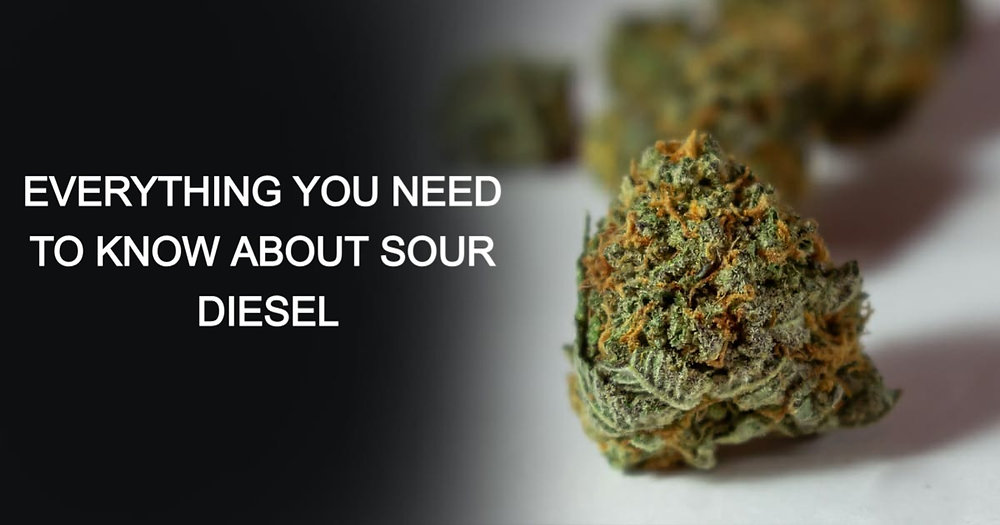
Strain Analysis: Sour Diesel
-
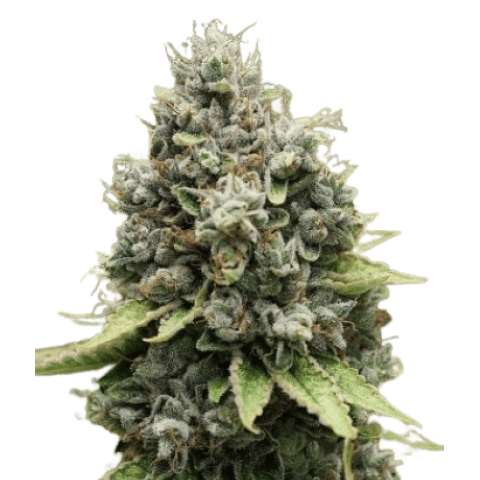 Sour Diesel Cannabis SeedsFrom: $24.99
Origins of Sour Diesel
Sour D, sometimes known as Sour Diesel, is one of the most well-known and well-recognized cannabis strains worldwide. Historians and cannabis aficionados have disagreed greatly over its relatively enigmatic beginnings. However, the consensus is that Sour Diesel first emerged in the early 1990s on the East Coast of the United States, particularly in New York City.
The exact lineage of Sour Diesel is not definitively known, but it is generally believed to be a cross between Chemdawg 91 and Super Skunk. Some variations of this story suggest that it might also include Northern Lights or other unknown strains. Chemdawg 91, a potent and aromatic strain, is said to contribute significantly to Sour Diesel’s distinct chemical profile and effects.
The name “Sour Diesel” is believed to have been inspired by its pungent, fuel-like aroma that resembles diesel fuel, combined with a sour, citrusy undertone. This unique scent profile has made it a standout among cannabis strains and a favorite for many users seeking medicinal benefits.
Chemical Profile of Sour Diesel
Sour Diesel, known for its potent effects and distinctive aroma, has a complex chemical profile that includes a variety of cannabinoids, terpenes, and other phytochemicals. Understanding the chemical makeup of Sour Diesel is crucial for comprehending its effects, flavor, and medicinal properties.
Cannabinoids
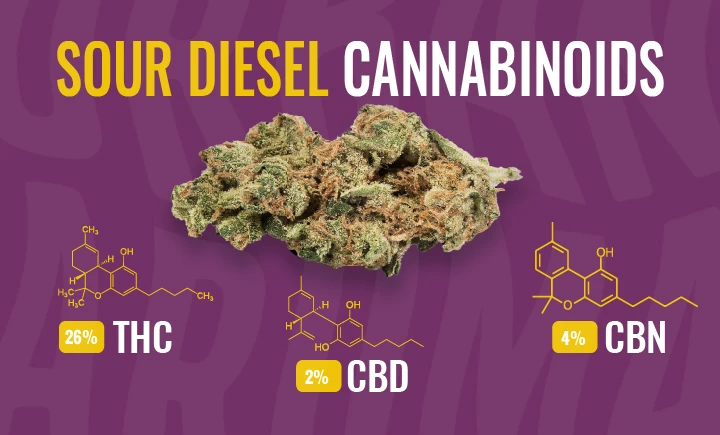
The primary cannabinoids in Sour Diesel include:
- THC (Tetrahydrocannabinol): Sour Diesel is particularly noted for its high THC content, which typically ranges from 18% to 26%. The psychoactive ingredient in cannabis that gives users a “high” is called THC. Its psychotropic effects are caused by interactions with the brain’s CB1 receptors and the endocannabinoid system. High THC levels contribute to Sour Diesel’s strong cerebral and euphoric effects, making it a popular choice for medical use.
- CBD (Cannabidiol): Sour Diesel has a low CBD content, usually less than 1%. CBD is non-psychoactive and is known for its therapeutic properties, including anti-inflammatory, anti-anxiety, and pain-relieving effects. While CBD content is low in Sour Diesel, it still contributes to the overall entourage effect, where different cannabinoids and terpenes work synergistically to enhance the strain’s effects.
- CBG (Cannabigerol): This is a minor cannabinoid found in small amounts in Sour Diesel. Because it is the precursor of other cannabinoids like THC and CBD, CBG is regarded as the “mother cannabinoid. Both neuroprotective and anti-inflammatory effects are possible.
- CBN (Cannabinol): Another minor cannabinoid, CBN is typically found in aged cannabis and is a result of THC degradation. It has mild psychoactive effects and potential benefits for sleep and pain relief.
Terpenes
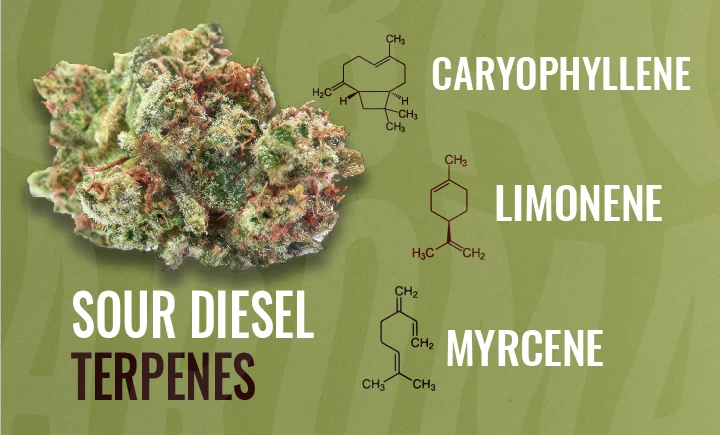
Terpenes are aromatic compounds that contribute to the strain’s unique smell, flavor, and effects. The primary terpenes found in Sour Diesel include:
- Myrcene: Myrcene is one of the most common terpenes in cannabis. It has an earthy and musky aroma, often compared to cloves or herbal notes. Myrcene has sedative properties and is known to enhance the psychoactive effects of THC. In Sour Diesel, it contributes to the strain’s overall relaxing and calming effects.
- Limonene: Limonene provides a citrusy aroma, reminiscent of lemons and other citrus fruits. This terpene is well-known for elevating and improving moods. Limonene also has potential anti-anxiety, antidepressant, and anti-inflammatory properties. In Sour Diesel, it contributes to the strain’s energizing and uplifting effects.
- Caryophyllene: This terpene, which is also present in cloves and black pepper, has a peppery, spicy scent. Because it has the ability to interact with the endocannabinoid system’s CB2 receptors, caryophyllene has special anti-inflammatory and analgesic properties. In Sour Diesel, caryophyllene adds to the strain’s overall pain-relieving properties.
- Pinene: Pinene, as its name implies, smells like pine and is present in rosemary and pine needles. Pinene is known for its anti-inflammatory and bronchodilator effects, which can help improve airflow and respiratory function. In Sour Diesel, pinene contributes to the strain’s refreshing and invigorating aroma.
- Linalool: Linalool has a floral and lavender scent and is known for its calming and sedative effects. It also has anti-anxiety and analgesic properties. While linalool is present in smaller amounts in Sour Diesel, it still adds to the strain’s overall calming and relaxing effects.
- Humulene: This terpene, which is also present in coriander and hops, has an earthy, woodsy scent. The anti-inflammatory and appetite-suppressing qualities of humulene are well established. In Sour Diesel, humulene contributes to the strain’s overall flavor profile and potential medicinal benefits.
Flavonoids
Flavonoids are another group of compounds found in cannabis that contribute to the strain’s flavor, aroma, and potential health benefits. While less is known about the specific flavonoids in Sour Diesel, cannabis strains typically contain flavonoids like quercetin, kaempferol, and catechins, which have antioxidant and anti-inflammatory properties.
Entourage Effect
Sour Diesel’s proprietary blend of terpenes, flavonoids, and cannabinoids produces the “entourage effect.” This phenomenon happens when the many components of cannabis combine in a harmonious way to improve the strain’s overall effects and medicinal advantages. In Sour Diesel, the high THC content, combined with its unique terpene profile, results in a powerful and well-rounded experience that includes both cerebral stimulation and physical relaxation.
Medical Benefits of Sour Diesel

Sour Diesel, with its high THC content and unique terpene profile, offers a wide range of medical benefits. Due to its potent effects, medicinal cannabis users who are looking for help from a variety of ailments frequently choose it. Here are the detailed medical benefits of Sour Diesel:
1. Pain Relief
Sour Diesel is highly effective for managing different types of chronic pain. Its high THC content acts as a potent analgesic, helping to reduce the perception of pain. Conditions that benefit from Sour Diesel’s pain-relieving properties include:
- Arthritis: The anti-inflammatory properties of caryophyllene and other terpenes, combined with THC, can help reduce joint inflammation and alleviate pain associated with arthritis.
- Migraines: Sour Diesel’s ability to provide quick relief from migraine pain makes it a preferred choice for migraine sufferers. Its effects can help reduce the intensity and frequency of migraines.
- Muscle Spasms and Cramps: The relaxing effects of myrcene and linalool, along with THC, help in relieving muscle spasms and cramps.
2. Stress and Anxiety Relief
The uplifting and euphoric effects of Sour Diesel can significantly reduce symptoms of stress and anxiety. The presence of limonene and linalool in its terpene profile contributes to its anxiolytic properties. Benefits include:
- General Anxiety Disorder (GAD): By encouraging serenity and relaxation, Sour Diesel can aid in the reduction of symptoms associated with long-term anxiety.
- Stress Management: For individuals dealing with high levels of stress, Sour Diesel can provide mental relief and improve overall mood, helping them manage stress more effectively.
3. Depression
Sour Diesel’s mood-enhancing effects make it beneficial for individuals suffering from depression. The strain’s ability to boost energy and provide a sense of euphoria can improve motivation and overall outlook on life. Specific benefits include:
- Improved Mood: The combination of THC and uplifting terpenes like limonene helps elevate mood and provide a sense of happiness and well-being.
- Increased Energy: Sour Diesel’s energizing effects can help combat the fatigue and lethargy often associated with depression, making it easier for individuals to engage in daily activities.
4. Fatigue
For those struggling with chronic fatigue, Sour Diesel offers an excellent solution. Its stimulating effects provide a burst of energy and mental clarity, making it suitable for daytime use. Benefits include:
- Enhanced Focus and Concentration: Sour Diesel helps improve cognitive function and focus, making it easier for individuals to stay alert and productive.
- Reduced Lethargy: The strain’s energizing properties help combat feelings of lethargy and sluggishness, promoting a more active and engaged lifestyle.
5. Appetite Stimulation
Sour Diesel can effectively stimulate appetite, making it helpful for patients dealing with conditions that cause appetite loss. Benefits include:
- Cancer and Chemotherapy: Patients undergoing chemotherapy often experience severe nausea and loss of appetite. Sour Diesel can help alleviate these symptoms, making it easier for patients to maintain proper nutrition.
- HIV/AIDS: Individuals with HIV/AIDS may suffer from wasting syndrome and appetite loss. Sour Diesel can help stimulate appetite and improve overall nutrition intake.
6. Nausea and Vomiting
Sour Diesel’s antiemetic properties make it beneficial for reducing nausea and vomiting. Benefits include:
- Chemotherapy-Induced Nausea: Sour Diesel can help manage nausea and vomiting associated with chemotherapy, improving patients’ quality of life.
- Gastrointestinal Disorders: Individuals with gastrointestinal disorders, such as Crohn’s disease or irritable bowel syndrome (IBS), may find relief from nausea and vomiting with Sour Diesel.
7. Inflammation
The anti-inflammatory properties of certain terpenes in Sour Diesel, such as caryophyllene and pinene, contribute to its ability to reduce inflammation. Benefits include:
- Arthritis and Joint Pain: Sour Diesel can help reduce inflammation in joints, providing relief from pain and stiffness associated with arthritis.
- Inflammatory Bowel Disease (IBD): For individuals with IBD, Sour Diesel can help reduce gastrointestinal inflammation, alleviating symptoms and improving overall digestive health.
8. Mental Clarity and Creativity
Sour Diesel is known for its ability to enhance mental clarity and stimulate creativity. This makes it beneficial for individuals in creative professions or those who need to maintain focus and productivity. Benefits include:
- Increased Creativity: The cerebral effects of Sour Diesel can inspire creative thinking and problem-solving.
- Improved Focus: Sour Diesel helps improve concentration and mental clarity, making it easier to stay focused on tasks.
Growing Conditions for Sour Diesel
Sour Diesel is a beloved cannabis strain known for its potent effects and distinctive aroma, but it can be somewhat challenging to cultivate. Proper care and attention to its growing conditions are essential for a successful harvest. Here are the key factors to consider when growing Sour Diesel:
1. Climate
Optimal Climate: Sour Diesel thrives in a warm, sunny, and Mediterranean-like climate. It prefers temperatures between 70-85°F (21-29°C) during the day and slightly cooler temperatures at night. Although this strain can be grown outside as well, indoor culture offers more control over the growing environment.
Humidity: During the vegetative stage, maintain humidity levels around 60-70%. In the flowering stage, reduce humidity to 40-50% to prevent mold and mildew.
2. Soil and Nutrients
Soil: Sour Diesel prefers well-draining soil rich in organic matter. A high-quality soil mix with good aeration is essential for healthy root development. Soil should be slightly acidic to neutral, with a pH level between 6.0 and 7.0.
Nutrients: Providing the plants with a balanced nutrient regimen is crucial. Use nitrogen-rich fertilizers during the vegetative stage to encourage the growth of leaves and stems. Change to fertilizers high in potassium and phosphorus during the flowering stage to aid in bud development. Organic fertilizers and compost teas can be beneficial for overall plant health.
3. Light
Indoor Lighting: Indoors, Sour Diesel requires high-intensity grow lights to mimic the intensity of the sun. High-pressure sodium (HPS) or LED lights are recommended. Give the plant 18 hours of light and 6 hours of darkness during the vegetative stage. Make the transition to a 12/12 light cycle (12 hours of light and 12 hours of darkness) during the blossoming period.
Outdoor Lighting: If growing outdoors, ensure the plants receive plenty of direct sunlight, ideally at least 6 hours per day. Position the plants in a spot that gets maximum sunlight exposure.
4. Watering
Watering Schedule: Proper watering is essential to prevent overwatering or underwatering. Water the plants when the top inch of soil feels dry. Avoid letting the soil become too soggy, as this can lead to root rot. Ensure proper drainage in pots or grow beds to avoid waterlogging.
Water Quality: Use pH-balanced water, ideally between 6.0 and 6.5, to maintain nutrient availability. If using tap water, let it sit for 24 hours to allow chlorine to evaporate or use a water filter to remove impurities.
5. Pruning and Training
Pruning: Pruning helps improve light penetration and airflow to the lower parts of the plant. Remove lower branches and leaves that don’t receive adequate light. Prune excess foliage to prevent mold and mildew, especially in dense canopies.
Training: Training techniques like topping, low-stress training (LST), and the Screen of Green (SCROG) method can help create a more even canopy and promote better bud development. These techniques maximize light exposure and improve yields.
6. Flowering Time
Flowering Duration: Sour Diesel has a relatively long flowering time compared to some other strains, typically ranging from 9 to 10 weeks. Patience is required to allow the buds to fully mature and develop their characteristic aroma and potency.
Signs of Readiness: Monitor the trichomes on the buds to determine the optimal harvest time. Trichomes should appear milky white with some amber-colored trichomes. Harvesting at the right time ensures maximum potency and flavor.
7. Pest and Disease Management
Common Pests: Sour Diesel can be susceptible to pests like spider mites, aphids, and whiteflies. Check plants frequently for pest evidence and take precautions, including using insecticidal soap or neem oil. To reduce the number of pests, introduce beneficial insects like ladybugs and predatory mites.
Common Diseases: Maintain proper humidity levels and ensure good airflow to prevent mold and mildew. Powdery mildew and bud rot are common issues that can affect Sour Diesel. Remove affected plant parts and apply organic fungicides if necessary.
8. Harvesting and Curing
Harvesting: Harvest Sour Diesel when the trichomes are predominantly milky with some amber hues. Use sharp, sterilized scissors to cut the branches and handle the buds gently to avoid damaging the trichomes.
Drying: In a place that is dark, cool, and well-ventilated, with temperatures between 60 and 70°F (15 and 21°C) and humidity levels between 50% and 70%, hang the branches upside down. After letting the buds dry gently for seven to ten days, check to see if the stems shatter when bent.
Curing: Once dried, trim the buds and place them in airtight glass jars. Store the jars in a cool, dark place, and open them daily for the first few weeks to release excess moisture (burping). This curing process should last at least two weeks, but longer curing times (up to 8 weeks) can enhance flavor and potency.
Conclusion
Sour Diesel stands as a legendary cannabis strain, renowned for its potent effects, distinctive aroma, and wide range of medical benefits. Originating from the East Coast of the United States in the early 1990s, its lineage, while somewhat mysterious, is believed to involve a cross between Chemdawg 91 and Super Skunk, contributing to its unique characteristics.
The chemical profile of Sour Diesel is dominated by high THC content, typically ranging from 18% to 26%, with minimal CBD presence. Its terpene profile is equally impressive, featuring myrcene, limonene, caryophyllene, pinene, and linalool, which together create its signature sour, citrusy, and fuel-like aroma. This complex blend of cannabinoids and terpenes not only defines its potent psychoactive effects but also contributes to its myriad therapeutic benefits through the entourage effect.
Medically, Sour Diesel offers significant relief for various conditions. Its high THC content provides powerful pain relief, making it suitable for managing chronic pain, arthritis, and migraines. The strain’s uplifting and euphoric effects are beneficial for reducing stress, anxiety, and depression, while its energizing properties help combat fatigue and increase focus and motivation. Additionally, Sour Diesel can stimulate appetite, reduce nausea, and alleviate inflammation, making it a versatile choice for patients with diverse medical needs.
Cultivating Sour Diesel, while rewarding, requires careful attention to its specific growing conditions. It thrives in a warm, sunny, Mediterranean-like climate, whether grown indoors or outdoors. Proper soil quality, balanced nutrients, and adequate lighting are crucial for its development. Maintaining appropriate humidity levels, watering practices, and employing pruning and training techniques can optimize growth and yield. Managing pests and diseases through regular monitoring and organic solutions is essential to ensure healthy plants. Patience is key, as Sour Diesel has a longer flowering time of 9 to 10 weeks, but the resulting high-quality buds are well worth the wait.
Harvesting at the right time and proper drying and curing techniques enhance the flavor and potency of the buds. The process involves careful handling and monitoring to preserve the trichomes and achieve the desired effects.
In summary, Sour Diesel’s potent effects, distinctive aroma, and therapeutic benefits make it a staple in the cannabis community. Its cultivation demands attention to detail and a commitment to optimal growing practices, but the rewards are significant for those who appreciate its unique qualities.
