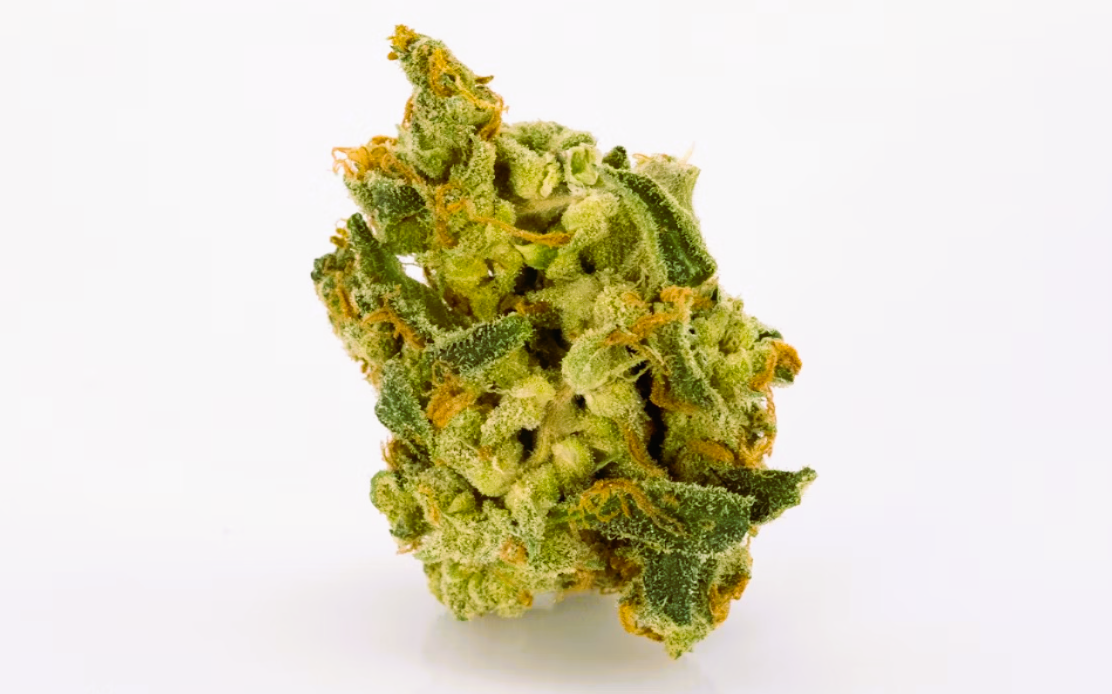
Medical Strain Analysis: Somango
-
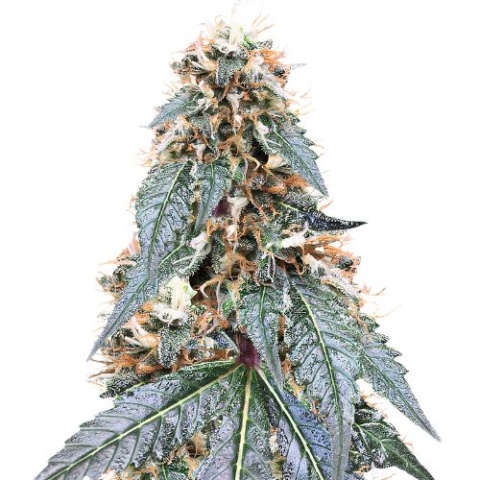 Somango Cannabis SeedsFrom: $24.99
Introduction
Due to its special qualities and potential for therapeutic use, the cannabis strain known as “Somango” has drawn a lot of interest from the medical world. Known for its delightful aroma, rich flavor profile, and balanced effects, Somango is increasingly being used to manage a variety of medical conditions. This comprehensive analysis explores Somango’s origins, chemical profile, medical benefits, and optimal growing conditions, with an emphasis on its medical applications.
Origins of Somango
Somango is a hybrid cannabis strain that traces its lineage back to three popular strains: Jack Herer, Big Skunk Korean, and Super Skunk. These parent strains contribute to Somango’s balanced genetics, which generally result in a strain with a 75% indica and 25% sativa composition. The strain was originally bred by Soma Seeds, a well-known seed bank based in Amsterdam, renowned for creating high-quality cannabis strains for both recreational and medicinal use.
Genetic Lineage
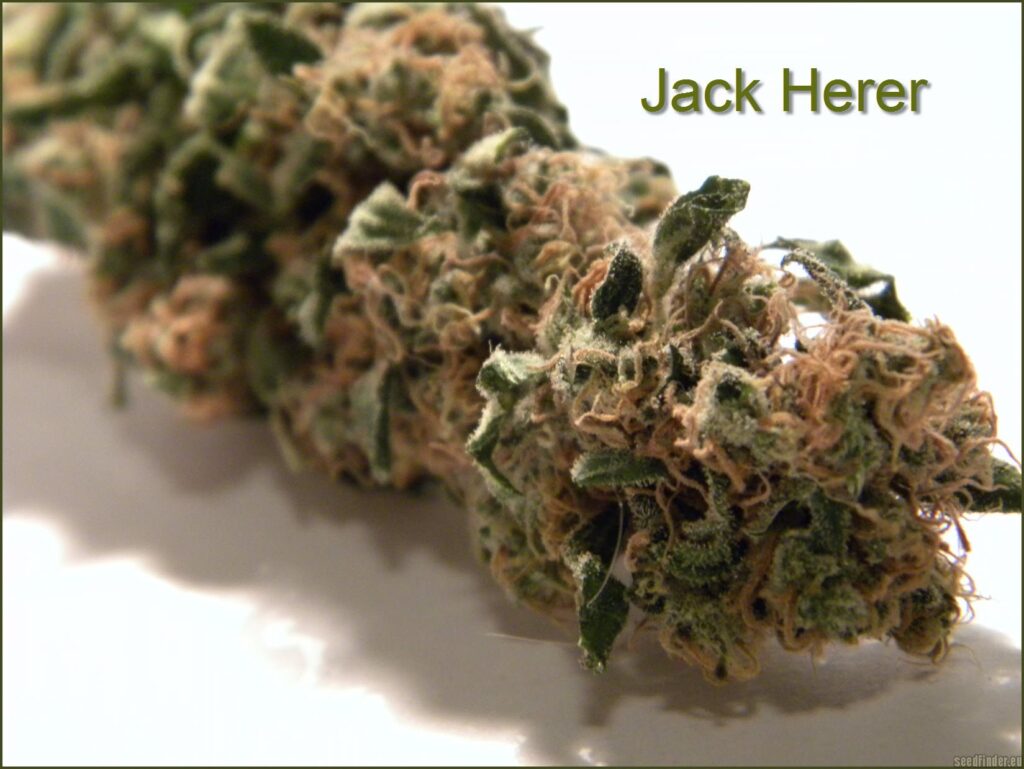
- Jack Herer: Named after the famed cannabis activist and author, Jack Herer is a sativa-dominant strain known for its clear-headed effects and robust resin production. It imparts a cerebral stimulation to Somango, contributing to its mental clarity and uplifting properties.
- Big Skunk Korean: This lesser-known strain is a potent indica, recognized for its resilience in various growing conditions and its robust body effects. It contributes to Somango’s physical relaxation and pain-relieving properties, making it an essential component in the strain’s medical applications.

- Super Skunk: A potent indica-dominant hybrid, Super Skunk is known for its strong sedative effects and pungent aroma. It adds a layer of potency to Somango, enhancing its ability to manage conditions such as chronic pain, insomnia, and stress.

Chemical Profile
The chemical composition of Somango is integral to understanding its medical efficacy. Like all cannabis strains, Somango’s therapeutic effects are primarily driven by its cannabinoid and terpene profile.
Cannabinoid Content
- THC (Tetrahydrocannabinol): Somango typically contains THC levels ranging between 18% and 22%. Although this cannabinoid is well-known for its euphoric effects, it also has important medicinal applications including reducing nausea, stimulating hunger, and relieving pain.
- CBD (Cannabidiol): Somango usually has low CBD levels, often less than 1%. While CBD is not a dominant cannabinoid in Somango, its presence contributes to the strain’s anti-inflammatory and anti-anxiety properties, helping to balance the psychoactive effects of THC.
- CBN (Cannabinol): Present in trace amounts, CBN contributes to Somango’s sedative properties, which can be particularly beneficial for patients suffering from insomnia or other sleep-related disorders.
Terpene Profile
Terpenes are fragrant substances present in cannabis that enhance both its flavor and scent as well as its medicinal properties. Somango’s terpene profile is rich and complex, enhancing its medical potential.
- Myrcene: As the dominant terpene in Somango, myrcene is known for its musky, earthy aroma and its powerful sedative effects. It is effective in promoting relaxation, alleviating pain, and improving sleep quality.
- Caryophyllene: With a spicy, peppery scent, this terpene is distinct because it functions similarly to cannabinoids in the endocannabinoid system. Caryophyllene is known for its anti-inflammatory and analgesic properties, making it beneficial for patients dealing with chronic pain and inflammation.
- Limonene: In addition to adding a zesty note to the mango scent, limonene is known for its ability to uplift the senses and reduce tension. It also has potential anti-anxiety effects, making it helpful for patients managing mental health conditions.
- Pinene: Found in smaller amounts, pinene adds a pine-like scent to Somango and is known for its anti-inflammatory, bronchodilator, and cognitive-enhancing effects. It may help counteract memory issues associated with high THC levels and can be beneficial for patients with respiratory conditions.
Medical Benefits
Somango’s unique combination of cannabinoids and terpenes makes it a versatile strain for medical use. Below, we explore the various conditions that Somango can help manage, emphasizing its medical applications.
Pain Management
One of the most significant medical applications of Somango is in the management of chronic pain. The high THC content, in combination with the analgesic properties of myrcene and caryophyllene, makes Somango effective in reducing pain associated with conditions such as arthritis, fibromyalgia, and multiple sclerosis. The sedative effects of myrcene also help patients achieve better rest, which is crucial for pain management.
Stress and Anxiety Relief
Somango’s balanced effects make it a suitable strain for managing stress and anxiety. The presence of limonene contributes to its mood-enhancing properties, while the low CBD content ensures that the psychoactive effects of THC are not overwhelming. Patients who experience anxiety as a secondary symptom of other conditions, such as chronic pain or PTSD, may find Somango particularly beneficial.
Sleep Disorders
Somango’s sedative properties are well-suited for patients struggling with insomnia or other sleep disorders. The combination of myrcene, THC, and CBN promotes deep relaxation and helps patients fall asleep more easily. Unlike some strains that can leave users feeling groggy the next day, Somango’s effects are often described as gentle and restorative, making it a good option for long-term sleep management.
Appetite Stimulation
For patients dealing with conditions that cause a loss of appetite, such as cancer or HIV/AIDS, Somango can be an effective option. The THC in Somango stimulates appetite, helping patients maintain a healthy weight and improve their overall nutrition. This is especially crucial for people receiving chemotherapy or other therapies that might produce extreme nausea and lack of appetite.
Anti-inflammatory Effects
The presence of caryophyllene and pinene in Somango contributes to its anti-inflammatory properties. Patients with inflammatory diseases like Crohn’s disease, rheumatoid arthritis, and other autoimmune disorders can benefit from this strain. Additionally, the anti-inflammatory properties help with pain alleviation, especially in situations where inflammation plays a big role.
Cognitive Enhancement
Although Somango is primarily indica-dominant, the influence of its sativa parent, Jack Herer, provides a subtle cognitive boost. This can be beneficial for patients dealing with conditions like ADHD, where focus and mental clarity are essential. The presence of pinene may also help enhance memory and cognitive function, making Somango a well-rounded strain for mental health support.
Restrictions on Using Somango in the Medical Field as a Last Resort

In the medical field, the use of cannabis strains like Somango is often subject to stringent regulations and guidelines, particularly when considered as a treatment of last resort. Below are key considerations and restrictions that apply to using Somango in medical treatments:
1. Regulatory Compliance
- Legal Status: The legal status of medical cannabis varies by country and region. In some areas, cannabis may be approved for medical use under specific conditions, while in others, it may be restricted or prohibited entirely. Medical professionals must ensure that the use of Somango complies with local laws and regulations before prescribing it as a treatment.
- Prescription Guidelines: In jurisdictions where medical cannabis is legal, it is typically only prescribed when other conventional treatments have failed to provide adequate relief. This implies that, after considering both pharmaceutical and non-pharmaceutical interventions, Somango would be regarded as a “last resort” choice.
2. Patient Eligibility
- Medical Conditions: Somango may only be prescribed for specific medical conditions that have been approved for cannabis treatment, such as chronic pain, severe anxiety, or treatment-resistant insomnia. The strain’s use must align with the approved indications to ensure its appropriateness for the patient’s condition.
- Patient History: Physicians must thoroughly evaluate the patient’s medical history, including any previous experiences with cannabis or other psychoactive substances. Patients with a history of substance abuse or psychiatric disorders may not be suitable candidates for THC-rich strains like Somango due to the potential for adverse effects.
3. Monitoring and Safety
- Psychoactive Effects: Due to its high THC content, Somango has the potential to cause psychoactive effects, such as euphoria, altered perception, and impaired cognitive function. These effects can be undesirable in medical settings, particularly for patients who require cognitive clarity or who may be sensitive to THC.
- Titration and Dosing: When prescribed as a last resort, it is crucial to start with the lowest effective dose of Somango and gradually titrate upwards while closely monitoring the patient’s response. This careful approach helps minimize the risk of psychoactive effects and ensures that the patient can tolerate the strain’s potency.
4. Informed Consent
- Patient Education: Before prescribing Somango, healthcare providers must ensure that patients are fully informed about the potential benefits and risks associated with its use. This includes discussing the possibility of psychoactive effects, drug interactions, and the legal implications of using cannabis.
- Documentation: Informed consent must be documented, with the patient acknowledging their understanding of the risks and agreeing to the treatment plan. This documentation is critical in protecting both the patient and the healthcare provider in case of adverse outcomes.
Monitoring THC Levels in Medications to Prevent Psychoactive Effects
The presence of THC in cannabis strains like Somango is a significant concern in medical treatments, particularly when the goal is to minimize psychoactive effects while providing therapeutic benefits. Monitoring and managing THC levels in medications derived from Somango are essential to achieving this balance.
1. THC Content Testing
- Lab Testing: All medical cannabis products, including those derived from Somango, should undergo rigorous lab testing to determine their exact THC content. This testing ensures that the product’s cannabinoid profile is consistent with the intended therapeutic use and that the THC levels are within a safe range for medical patients.
- Batch Consistency: It is important to ensure that each batch of Somango-derived medication is consistent in its THC content. Variability between batches can lead to inconsistent dosing and unpredictable effects, which can be particularly problematic for patients sensitive to THC.
2. Formulation of Low-THC Products
- CBD-Rich Formulations: To mitigate the psychoactive effects of THC, Somango can be used to create formulations that emphasize a higher CBD-to-THC ratio. While Somango is not naturally high in CBD, blending it with CBD-rich strains or extracting specific cannabinoids can create a product that offers therapeutic benefits with reduced psychoactivity.
- Microdosing: Microdosing involves administering very small doses of THC to achieve therapeutic effects without significant psychoactive outcomes. This approach can be beneficial for patients who require THC’s medicinal properties but are concerned about cognitive impairment.
3. Patient Monitoring and Adjustment
- Regular Monitoring: Patients using Somango-derived medications should be regularly monitored for any signs of psychoactive effects, cognitive impairment, or other adverse reactions. Healthcare professionals can change the dosage or go to an other treatment if necessary thanks to this monitoring.
- Symptom Tracking: Patients should be encouraged to track their symptoms and report any changes in their condition, including the onset of psychoactive effects. This feedback is crucial in fine-tuning the treatment plan and ensuring that the medication remains effective and safe.
4. Alternative Administration Methods
- Non-Inhalation Methods: To further control THC intake, non-inhalation methods such as tinctures, capsules, or edibles can be used. These methods allow for more precise dosing and slower absorption of THC, reducing the likelihood of intense psychoactive effects.
- Sublingual Administration: Sublingual tinctures offer a way to administer THC in controlled doses with relatively rapid onset, allowing patients and healthcare providers to gauge the effects more accurately and adjust the dose accordingly.
Growing Conditions
For patients and cultivators interested in growing Somango for medical use, understanding the optimal growing conditions is essential. Growers with varying levels of experience can successfully cultivate Somango strain due to its comparatively easy cultivation. An extensive guide on growing mangos is provided here, including both indoor and outdoor growing conditions.
Indoor Growing
Somango is well-suited for indoor cultivation, where growers can control environmental factors such as temperature, humidity, and light. The plant tends to grow to a medium height, making it manageable in indoor spaces, including grow tents and closets.
- Lighting: The mango tree may be grown successfully in both LED and HPS lighting, although it prefers a light schedule of 18–20 hours for vegetative growth and 12 hours for flowering. Because of their capacity to generate dense, resinous blooms and their energy efficiency, high-quality LED lights are advised.
- Temperature and Humidity: Somango prefers a temperature range of 70-80°F (21-27°C) during the day and slightly cooler temperatures at night. Humidity should be kept between 40-50% during the vegetative stage and reduced to 30-40% during flowering to prevent mold and mildew.
- Nutrients: Somango responds well to a balanced nutrient regimen. During the vegetative stage, a higher nitrogen content is beneficial, while the flowering stage requires an increase in phosphorus and potassium. Organic nutrients and compost teas can enhance the flavor and potency of the final product.
- Training Techniques: Low Stress Training (LST) and topping are recommended to maximize yield and ensure even light distribution. These techniques encourage the plant to grow more horizontally, producing more bud sites and improving overall yield.
Outdoor Growing
Somango can also be grown outdoors, particularly in temperate and Mediterranean climates. The plant’s resilience and moderate growth rate make it suitable for various outdoor environments.
- Climate: Somango thrives in a climate with warm days and cool nights. It is well-suited for regions with long, sunny growing seasons, such as California or Southern Europe. If grown in a spot with lots of sunlight, it may, however, also withstand colder temperatures.
- Soil: Somango requires nutrient-rich, well-draining soil for outdoor growing. The best soil is loamy soil with organic stuff. Compost and organic fertilizers are good options for soil amendment, which growers can use to improve plant development and terpene production.
- Watering: Regular watering is essential, but care should be taken to avoid overwatering, which can lead to root rot. Drip irrigation systems or deep watering techniques can help maintain consistent moisture levels while promoting healthy root development.
- Pest and Disease Management: While Somango is relatively resistant to pests and diseases, outdoor growers should still be vigilant. In order to manage pests, one possible solution is to introduce natural predators like ladybugs. Additionally, organic fungicides can be employed to prevent mold and mildew, particularly in the flowering period.
Flowering Time and Yield
Somango typically has a flowering time of 8 to 10 weeks when grown indoors. Depending on the environment, outside plants are typically ready for harvest by late September or early October. The typical production of a mango plant can range from 14 to 18 ounces per square meter for indoor gardeners, depending on the growth environment. In ideal circumstances, outdoor plants can yield up to 21 ounces per plant.
Harvesting and Curing
Proper harvesting and curing are crucial to preserving Somango’s flavor, aroma, and potency. Harvesting mangos should occur when the trichomes are mostly milky white with some becoming amber, signifying the highest amount of cannabinoids.
- Trimming: After harvesting, trim the leaves and branches carefully to expose the buds. Trimming also enhances the appearance of the final product and reduces the risk of mold during curing.
- Drying: Hang the trimmed branches upside down in a dark, well-ventilated room with a temperature of 60-70°F (15-21°C) and humidity of 50-60%. Drying typically takes 7 to 10 days, during which the buds should be checked regularly for mold and dryness.
- Curing: When the buds are completely dry, store them in cold, dark places in airtight glass jars. For the first two weeks, the jars should be opened every day to let out moisture before being resealed. Curing should last at least four weeks to enhance the terpene profile and smoothness of the smoke, although longer curing times can further improve the flavor and potency.
Conclusion
Somango is a versatile and potent cannabis strain with significant potential in the medical field. Its unique genetic lineage, rich cannabinoid and terpene profile, and balanced effects make it particularly effective for managing a variety of medical conditions, including chronic pain, stress, anxiety, sleep disorders, and appetite loss. As an indica-dominant hybrid, Somango offers both physical relaxation and mental clarity, making it a valuable option for patients seeking relief from both physical and psychological symptoms.
However, the high THC content of Somango also necessitates careful consideration in medical applications, particularly when it is used as a treatment of last resort. The potential for psychoactive effects requires that healthcare providers monitor patients closely, ensure appropriate dosing, and adhere to strict regulatory guidelines. Testing for THC content, creating low-THC formulations, and exploring alternative administration methods are all critical steps in ensuring that Somango is used safely and effectively in medical settings.
For cultivators, Somango is a relatively easy strain to grow, whether indoors or outdoors, offering a rewarding yield and a rich terpene profile that enhances its medical efficacy. Proper cultivation, harvesting, and curing techniques are essential to preserving the strain’s therapeutic properties.
In conclusion, Somango represents a promising option for patients and healthcare providers alike, offering a natural alternative for managing complex medical conditions. By understanding its origins, chemical profile, medical benefits, and growing conditions, and by implementing careful monitoring practices, Somango can be effectively integrated into a comprehensive medical treatment plan, providing patients with much-needed relief while minimizing potential risks.
