Origins of Purple Kush
-
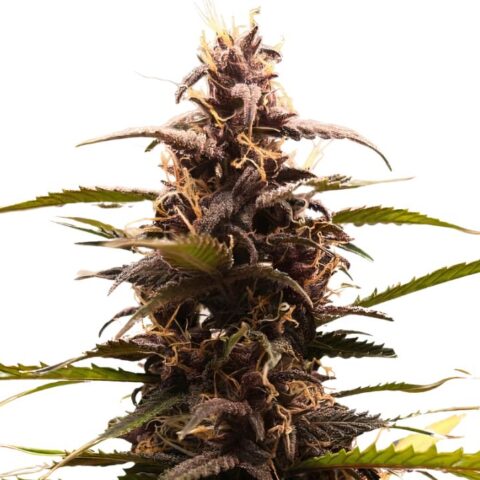 Purple Kush Cannabis SeedsFrom: $24.99
Purple Kush is a distinguished strain with a rich and storied lineage, tracing its roots back to two ancient and potent cannabis landraces from South-Central Asia. These landraces, known for their robust genetics and exceptional characteristics, have combined to create a strain that is celebrated for its potency, distinct appearance, and therapeutic benefits.
Hindu Kush
The Hindu Kush mountain range, straddling the border between Afghanistan and Pakistan, is a region synonymous with the cultivation of some of the world’s most resilient and potent cannabis varieties. The harsh climatic conditions of this mountainous terrain have led to the development of cannabis plants that are hardy, resinous, and rich in cannabinoids. The Hindu Kush strain, named after this region, is an Indica-dominant variety known for its sedative effects, dense buds, and high resin production. These traits make it an ideal candidate for creating hybrid strains with strong therapeutic potential.
Purple Afghani
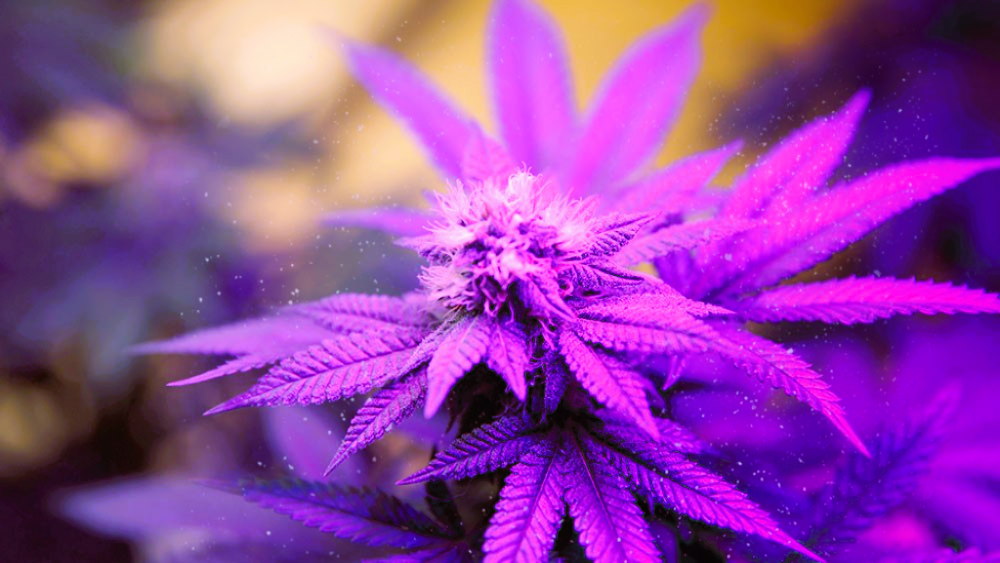
The second parent of Purple Kush, Purple Afghani, hails from Afghanistan, another region renowned for its cannabis cultivation. Afghan strains are prized for their resinous buds and potent effects, often used to produce hashish. Purple Afghani is particularly noted for its vibrant purple coloration, sweet and fruity flavor profile, and relaxing effects. The strain’s purple hues result from the presence of anthocyanins, flavonoid compounds that give plants their red, blue, or purple pigmentation. Purple Afghani’s rich genetic makeup contributes significantly to the visual appeal and flavor of Purple Kush.
The Birth of Purple Kush
Purple Kush is a pure Indica strain that was created by crossing Hindu Kush and Purple Afghani, and it carries over the greatest traits of both of its parent strains. This hybridization aimed to combine the resilience and potent effects of Hindu Kush with the striking appearance and flavorful profile of Purple Afghani. The result is a strain that offers a powerful, full-body high, deep relaxation, and a unique sensory experience.
The breeding of Purple Kush likely took place in the Oakland area of California, where cannabis cultivation and innovation have flourished. The region’s favorable growing conditions and progressive cannabis culture have made it a hub for developing new and exciting strains. Over time, Purple Kush has become a staple in the cannabis community, known for its therapeutic properties and visual appeal.
Genetic Stability and Popularity
One of the key factors contributing to Purple Kush’s popularity is its genetic stability. The strain consistently produces plants with similar characteristics, making it a reliable choice for both growers and consumers. Its uniform growth patterns, predictable flowering times, and robust yields make it an attractive option for cultivators seeking high-quality cannabis with minimal variability.
Purple Kush’s popularity extends beyond its recreational use, as it has garnered a strong following among medical cannabis users. Its potent Indica effects are highly effective for managing chronic pain, insomnia, anxiety, and stress. The strain’s ability to provide deep relaxation and sedation makes it an ideal choice for evening use, helping patients achieve restful sleep and relief from discomfort.
In summary, the origins of Purple Kush lie in the rich cannabis heritage of the Hindu Kush and Afghan regions. The combination of these two landrace strains has resulted in a hybrid that is celebrated for its potency, therapeutic benefits, and visual appeal. Whether for its robust genetics, distinctive appearance, or powerful effects, Purple Kush remains a beloved and iconic strain in the world of cannabis.
Chemical Profile of Purple Kush
The chemical profile of Purple Kush is a key factor in its popularity, driving its potent effects and therapeutic benefits. This profile comprises cannabinoids, terpenes, and flavonoids, each contributing to the strain’s overall impact. Comprehending these constituents facilitates an appreciation of Purple Kush’s appeal to users of cannabis for medicinal purposes.
Cannabinoids
Cannabinoids are the primary active compounds in cannabis, interacting with the body’s endocannabinoid system to produce various effects. The main cannabinoids in Purple Kush include:
- THC (Tetrahydrocannabinol):
- Content: Purple Kush is renowned for its high THC content, typically ranging from 17% to 27%.
- Effects: THC is the primary psychoactive component in cannabis, responsible for the euphoria, relaxation, and altered sensory perception commonly associated with the strain. In Purple Kush, the high THC levels result in a powerful, long-lasting high that promotes deep relaxation and pain relief.
- Medical Benefits: The analgesic properties of THC make Purple Kush effective in managing chronic pain conditions such as arthritis, migraines, and muscle spasms. It also aids in reducing nausea and stimulating appetite, making it beneficial for patients undergoing chemotherapy or suffering from wasting syndromes.
- CBD (Cannabidiol):
- Content: Purple Kush generally has low CBD levels, often less than 1%.
- Effects: CBD is non-psychoactive and is known for its calming and anti-inflammatory properties. While the CBD content in Purple Kush is minimal, it can still contribute to the overall calming effect and reduce some of the anxiety or paranoia that high-THC strains might induce.
- Medical Benefits: Despite its low concentration, the presence of CBD can enhance the strain’s anti-inflammatory and analgesic properties, providing a more balanced experience for users.
- CBN (Cannabinol):
- Content: Purple Kush may contain trace amounts of CBN.
- Effects: CBN is mildly psychoactive and known for its sedative effects, which can enhance the strain’s ability to promote sleep and relaxation.
- Medical Benefits: CBN’s sedative properties make it beneficial for treating insomnia and providing deeper, more restful sleep.
Terpenes
Terpenes are aromatic compounds that contribute to the flavor, aroma, and therapeutic effects of cannabis. The dominant terpenes in Purple Kush include:
- Myrcene:
- Aroma: Earthy, musky, with a hint of fruit.
- Effects: Myrcene is known for its sedative and muscle-relaxing properties. It enhances the overall calming effect of Purple Kush, making it ideal for nighttime use.
- Medical Benefits: Myrcene’s sedative effects are beneficial for treating insomnia and reducing muscle tension. It also has anti-inflammatory properties, contributing to pain relief.
- Caryophyllene:
- Aroma: Spicy, peppery.
- Effects: Caryophyllene is unique among terpenes as it can bind to cannabinoid receptors, potentially offering anti-inflammatory effects.
- Medical Benefits: Caryophyllene’s anti-inflammatory and analgesic properties make it useful in managing chronic pain and inflammatory conditions. It may also help with anxiety and depression due to its interaction with the endocannabinoid system.
- Limonene:
- Aroma: Citrus, lemon.
- Effects: Limonene has uplifting and mood-enhancing effects, which can help counteract the sedative properties of other terpenes, providing a more balanced experience.
- Medical Benefits: Limonene is known for its anti-anxiety and antidepressant properties. It also contains anti-inflammatory properties and can help with digestion.
- Pinene:
- Aroma: Pine, herbal.
- Effects: Pinene is known for its ability to improve focus and memory retention, potentially counteracting some of the cognitive impairments associated with high THC levels.
- Medical Benefits: Pinene’s bronchodilator properties can help with respiratory conditions. Its neuroprotective and anti-inflammatory properties are also present.
Flavonoids
Flavonoids are substances that give cannabis its unique flavor, aroma, and color. They also have various therapeutic benefits. In Purple Kush, the primary flavonoids include:
- Anthocyanins:
- Contribution: These flavonoids give Purple Kush its characteristic purple hue.
- Effects: Anthocyanins have antioxidant properties, which can help protect cells from damage caused by free radicals.
- Medical Benefits: The antioxidant effects of anthocyanins contribute to the overall health benefits of Purple Kush, potentially reducing inflammation and protecting against chronic diseases.
- Quercetin:
- Contribution: Quercetin is a flavonoid with a bitter flavor and numerous health benefits.
- Effects: It has strong antioxidant and anti-inflammatory properties.
- Medical Benefits: Quercetin can help reduce inflammation, boost the immune system, and support cardiovascular health.
Synergistic Effects
The combination of cannabinoids, terpenes, and flavonoids in Purple Kush creates what is known as the “entourage effect.” This phenomenon occurs when these compounds work together to enhance each other’s therapeutic effects, resulting in a more potent and well-rounded experience. For example, the sedative effects of myrcene and CBN complement the analgesic properties of THC, providing comprehensive pain relief and promoting relaxation.
Medical Benefits of Purple Kush
Purple Kush is celebrated for its substantial medical benefits. Its rich chemical profile, dominated by high THC content and a distinctive terpene blend, makes it an effective treatment for various medical conditions. Here’s an in-depth look at the primary medical benefits associated with Purple Kush:
Pain Relief
- Chronic Pain:
- Mechanism: The high THC content in Purple Kush interacts with the endocannabinoid system, modulating pain signals and providing significant analgesic effects.
- Conditions: Effective for managing chronic pain conditions such as arthritis, fibromyalgia, migraines, and neuropathic pain.
- Experience: Users typically experience a deep sense of relaxation and relief from persistent pain, making it easier to perform daily activities.
- Muscle Spasms:
- Mechanism: THC and myrcene work together to relax muscles and reduce spasms.
- Conditions: Beneficial for conditions like multiple sclerosis and muscle cramps.
- Experience: Purple Kush can alleviate the intensity and frequency of muscle spasms, improving mobility and comfort.
Insomnia
- Sleep Induction:
- Mechanism: The sedative properties of THC, myrcene, and CBN promote drowsiness and sleep.
- Conditions: Effective for treating insomnia and other sleep disorders.
- Experience: Users report falling asleep faster and experiencing a more restful sleep, which is crucial for overall health and well-being.
- Sleep Quality:
- Mechanism: The strain’s ability to maintain deep, uninterrupted sleep helps improve sleep quality.
- Conditions: Useful for patients with disrupted sleep patterns or those who have difficulty staying asleep.
- Experience: Improved sleep quality leads to better cognitive function, mood, and physical health.
Anxiety and Stress
- Anxiolytic Effects:
- Mechanism: Limonene and caryophyllene contribute to the strain’s ability to reduce anxiety.
- Conditions: Helpful for patients with generalized anxiety disorder, social anxiety, and PTSD.
- Experience: Users often feel a sense of calm and relaxation, making it easier to manage stress and anxiety.
- Stress Relief:
- Mechanism: The overall calming effect of Purple Kush helps reduce stress levels.
- Conditions: Beneficial for individuals dealing with high-stress lifestyles or chronic stress.
- Experience: The strain’s relaxing properties help create a sense of tranquility, allowing users to unwind and relax.
Appetite Stimulation
- Increased Appetite:
- Mechanism: THC stimulates the release of ghrelin, a hormone that increases hunger.
- Conditions: Effective for patients suffering from appetite loss due to chemotherapy, HIV/AIDS, or eating disorders.
- Experience: Users often experience an increase in appetite, which can help maintain a healthy weight and improve overall nutrition.
- Nausea Reduction:
- Mechanism: THC and limonene work together to reduce nausea and vomiting.
- Conditions: Useful for patients undergoing treatments that cause nausea, such as chemotherapy, or those with chronic conditions that lead to nausea.
- Experience: Reduced nausea improves the ability to eat and retain food, contributing to better health and recovery.
Depression
- Mood Enhancement:
- Mechanism: THC, limonene, and caryophyllene contribute to the strain’s mood-lifting effects.
- Conditions: Helpful for individuals with depression or mood disorders.
- Experience: Users often feel a sense of euphoria and uplifted mood, providing temporary relief from depressive symptoms.
- Emotional Balance:
- Mechanism: The balanced effects of Purple Kush help stabilize mood swings and promote emotional well-being.
- Conditions: Beneficial for patients with bipolar disorder or those experiencing severe mood fluctuations.
- Experience: The strain can help create a more stable emotional state, improving overall mental health.
Inflammation
- Anti-inflammatory Properties:
- Mechanism: Caryophyllene and myrcene contribute to the strain’s anti-inflammatory effects.
- Conditions: Effective for conditions like arthritis, inflammatory bowel disease, and other inflammatory disorders.
- Experience: Users often experience reduced inflammation and associated pain, leading to improved mobility and comfort.
- Chronic Conditions:
- Mechanism: The anti-inflammatory effects help manage chronic inflammatory conditions.
- Conditions: Useful for patients with conditions like Crohn’s disease and lupus.
- Experience: The strain’s ability to reduce inflammation can lead to better symptom management and improved quality of life.
Antioxidant Effects
- Cell Protection:
- Mechanism: Flavonoids like anthocyanins have antioxidant properties that protect cells from damage.
- Conditions: beneficial for illnesses like cardiovascular disease and neurological disorders where oxidative stress is a factor.
- Experience: Regular use can help reduce the risk of chronic diseases associated with oxidative stress.
- Overall Health:
- Mechanism: Antioxidants help neutralize free radicals, reducing cell damage and aging.
- Conditions: Useful for promoting general health and longevity.
- Experience: Users may experience better overall health and reduced signs of aging.
Neuroprotective Properties
- Cognitive Protection:
- Mechanism: Pinene and other terpenes may help protect neurons and improve cognitive function.
- Conditions: Potential benefits for conditions like Alzheimer’s disease and other neurodegenerative disorders.
- Experience: While more research is needed, users may experience improved memory and cognitive function.
- Mental Clarity:
- Mechanism: Pinene can counteract some of the memory impairments caused by THC.
- Conditions: Helpful for users who need to maintain cognitive function while managing other symptoms.
- Experience: The strain can help maintain mental clarity, making it easier to perform daily tasks.
Growing Purple Kush
Cultivating Purple Kush to maximize its medical benefits requires careful attention to its growing conditions, nutrient management, and overall plant care. This pure Indica strain, known for its robust genetics and therapeutic properties, can be a rewarding choice for growers seeking to produce high-quality medical cannabis. Here’s a comprehensive guide to growing Purple Kush for medical use:
Climate and Environment
- Indoor vs. Outdoor:
- Indoor Growing: Enables accurate regulation of environmental elements like light, humidity, and temperature. ideal for areas with severe weather conditions.
- Outdoor Growing: Suitable for warm, dry climates. Requires a secure and private location to protect plants from theft and pests.
- Temperature:
- Optimal Range: Maintain daytime temperatures between 70-80°F (21-27°C) and slightly cooler nighttime temperatures.
- Avoid Extremes: Temperatures below 60°F (15°C) or above 85°F (29°C) can stress the plants and reduce yield and potency.
- Humidity:
- Vegetative Stage: Keep humidity levels between 40-60%.
- Flowering Stage: Reduce humidity to 30-40% to prevent mold and mildew on the dense, resinous buds of Purple Kush.
- Air Circulation:
- Use oscillating fans to create a good air circulation system to strengthen the stems and keep mold and mildew at bay.
Light Requirements
- Light Cycle:
- Vegetative Stage: Provide 18 hours of light and 6 hours of darkness.
- Flowering Stage: To encourage flowering, convert to a 12/12 light cycle, which consists of 12 hours of light and 12 hours of darkness.
- Lighting Type:
- LED Lights: Energy-efficient and effective for all growth stages.
- HID Lights: High-Intensity Discharge (HID) lights like Metal Halide (MH) for vegetative growth and High-Pressure Sodium (HPS) for flowering.
Soil and Nutrients
- Soil:
- Use well-draining, nutrient-rich soil with a pH between 6.0 and 6.5. Organic soil mixes with compost, worm castings, and other natural amendments are ideal for healthy growth.
- Nutrient Schedule:
- Vegetative Stage: Use a balanced fertilizer with higher nitrogen levels.
- Flowering Stage: Switch to a bloom fertilizer with higher phosphorus and potassium levels to promote bud development.
- Organic vs. Synthetic Nutrients:
- Organic Nutrients: Preferred for medical cannabis to avoid chemical residues. Organic options include compost teas, bone meal, and fish emulsion.
- Synthetic Nutrients: Can be used but require careful management to avoid nutrient burn and buildup.
Watering
- Frequency:
- When the soil’s top inch becomes dry, water it. Underwatering can result in nutrient shortages, while overwatering can induce root rot.
- Water Quality:
- If you want to stay away from pollutants like chlorine, choose distilled or filtered water. Adjust pH to 6.0-6.5 before watering.
Plant Training and Pruning
- Training Techniques:
- Low-Stress Training (LST): Bending and tying down branches to create an even canopy and improve light penetration.
- Topping: Cutting the main stem to encourage the growth of multiple colas.
- Screen of Green (SCROG): Using a screen to spread out the canopy and maximize light exposure to all buds.
- Pruning:
- Remove lower branches and large fan leaves that block light to the lower buds. This improves airflow and focuses the plant’s energy on developing top buds.
Flowering and Harvesting
- Flowering Time:
- Purple Kush typically flowers in 8-9 weeks when grown indoors. Harvest season for outdoor producers often occurs in late September or early October.
- Trichome Monitoring:
- Harvest when trichomes (resin glands) are milky white with some turning amber. This indicates peak potency for both THC and therapeutic terpenes.
- Harvest Technique:
- Cut branches and trim large leaves. Hang branches upside down in a dark, cool, and well-ventilated area to dry for 7-10 days.
Drying and Curing
- Drying:
- Dry buds slowly to preserve terpenes and potency. Maintain a temperature of 60-70°F (15-21°C) and humidity around 50%.
- Curing:
- After drying, place buds in airtight glass jars. Open jars daily for the first week to release moisture and then less frequently over the next few weeks. Cure for at least 2-4 weeks for optimal flavor and potency.
Pests and Diseases
- Common Pests:
- Watch for spider mites, aphids, and whiteflies. Use organic insecticidal soap or neem oil to manage infestations.
- Disease Prevention:
- Prevent mold and mildew by maintaining proper humidity levels, ensuring good air circulation, and avoiding overwatering.
Maximizing Medical Benefits
- Selective Breeding:
- Choose phenotypes with the highest therapeutic cannabinoid and terpene profiles. Cloning plants with desirable traits ensures consistent medical benefits.
- Testing:
- Regularly test cannabinoid and terpene levels to ensure the medical efficacy of your Purple Kush crop. This helps in providing patients with consistent and reliable medicine.
- Organic Practices:
- Employ organic growing practices to avoid harmful chemicals and enhance the strain’s natural therapeutic properties. Organic cannabis is often preferred for medical use due to its purity and higher terpene content.
Conclusion
Purple Kush stands out as a remarkable strain in the cannabis community, known for its robust origins, distinctive chemical profile, and significant medical benefits. Its lineage, tracing back to the Hindu Kush and Purple Afghani strains, provides it with exceptional genetics that contribute to its resilience, potency, and unique characteristics. The high THC content, complemented by a carefully balanced terpene profile, results in a strain that offers profound relaxation, pain relief, and therapeutic benefits for a variety of conditions including insomnia, anxiety, stress, and chronic pain.
In addition to its medical applications, Purple Kush is also favored for its cultivation potential. It thrives in warm, dry climates, both indoors and outdoors, and responds well to various training techniques that can maximize yields and ensure healthy plant development. Proper watering, nutrient management, and careful monitoring of light and temperature are key factors in successfully growing this strain.
The strain’s vibrant purple hue, coupled with its sweet, earthy aroma and powerful effects, make Purple Kush a favorite among medicinal users. Its ability to stimulate appetite, alleviate nausea, and uplift mood further solidifies its position as a versatile and valuable strain in the world of cannabis.
For cultivators, the rewarding experience of growing Purple Kush, with its relatively straightforward requirements and robust growth, adds to its appeal. Harvesting and curing the buds properly ensure that users can fully appreciate the strain’s potency and flavor, making it a worthwhile endeavor for anyone looking to cultivate high-quality cannabis.
In summary, Purple Kush is more than just a strain; it is a testament to the rich history and evolving science of cannabis cultivation and use. Its enduring popularity and proven medical benefits underscore its significance, making it a strain that continues to captivate and provide relief to countless users around the world. Whether for its therapeutic properties or its cultivation potential, Purple Kush remains a standout strain, celebrated for its contributions to the cannabis community.
