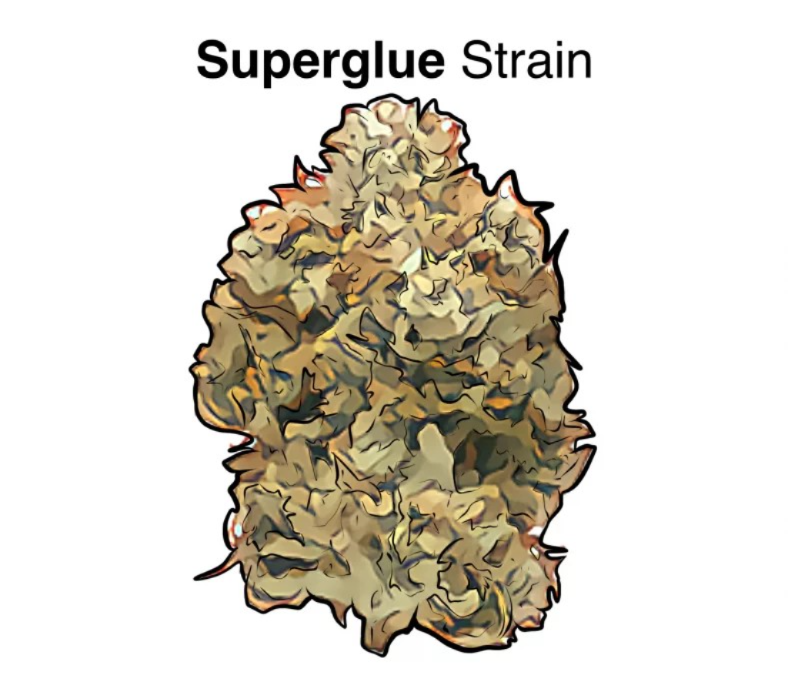
Strain Analysis: Medical Superglue
-
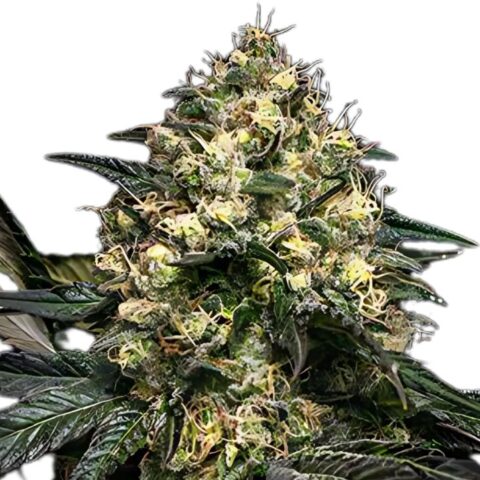 Superglue Cannabis SeedsFrom: $24.99
Introduction
Medical Superglue is a highly sought-after cannabis strain that has garnered attention for its potent medical properties. This strain is a favorite among medical cannabis patients due to its balanced effects and robust chemical profile, which includes a high THC content and a diverse array of terpenes. In this comprehensive analysis, we will explore the origins of Medical Superglue, delve into its chemical profile, discuss its medical benefits, and provide detailed information on its growing conditions. The focus will be strictly on its medical applications, excluding any recreational uses and consumption methods.
Origins of Medical Superglue
Medical Superglue is a hybrid strain that traces its lineage back to two well-known parent strains: Gorilla Glue #4 and Medical Super Silver Haze. This combination brings together the best qualities of both parents, resulting in a strain that offers a powerful mix of therapeutic effects.
- Gorilla Glue #4 (GG4) is a popular hybrid strain known for its high THC levels and strong, long-lasting effects. It is a hybrid of Chocolate Diesel, Sour Dubb, and Chem’s Sister. GG4 is well known for its capacity to induce deep relaxation and relieve tension, which makes it a preferred choice for people looking to reduce their anxiety and chronic pain.
- Medical Super Silver Haze is a sativa-dominant hybrid of Northern Lights, Haze, and Skunk. This strain is well-known for its stimulating and uplifting qualities, which make it a popular option for people who are tired or depressed. Its ability to provide mental clarity and focus also makes it beneficial for patients with attention disorders.
By crossing Gorilla Glue #4 with Medical Super Silver Haze, breeders have created a hybrid that offers a balanced combination of physical relaxation and mental stimulation. This unique blend of effects makes Medical Superglue particularly valuable for medical use, as it can address a wide range of symptoms and conditions.
Chemical Profile of Medical Superglue
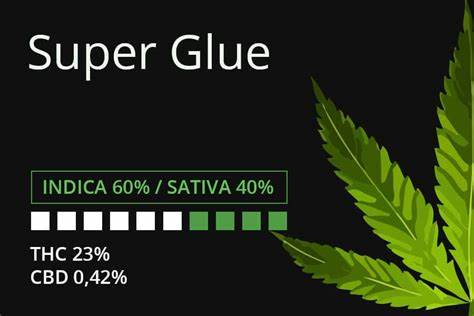
The chemical profile of Medical Superglue is characterized by its high THC content, diverse terpene profile, and moderate levels of other cannabinoids like CBD. Understanding this profile is crucial for appreciating the strain’s medical potential.
Cannabinoid Content
- THC (Tetrahydrocannabinol): Medical Superglue typically has a THC content ranging from 18% to 25%, with some phenotypes testing even higher. The main psychoactive ingredient in cannabis, THC, is also in charge of many of the medicinal properties of the plant. In the context of medical use, THC can help alleviate pain, reduce inflammation, and stimulate appetite. However, its psychoactive properties require careful monitoring, especially in patients who may be sensitive to its effects.
- CBD (Cannabidiol): Medical Superglue contains relatively low levels of CBD, usually around 0.1% to 0.5%. Although this is not a significant amount, the presence of CBD can help modulate the effects of THC, reducing its psychoactivity and enhancing the strain’s overall therapeutic profile. Known for its ability to reduce inflammation, anxiety, and seizures, CBD is an important part of medical cannabis.
- Other Cannabinoids: Traces of additional cannabinoids, including CBG (cannabigerol) and CBC (cannabichromene), are also present in Medical Superglue. These substances support the entourage effect, which states that the whole plant’s terpene and cannabinoid content work together to create more potent medicinal benefits than any one component acting alone.
Terpene Profile
Aromatic substances called terpenes are present in cannabis and are responsible for the flavor, aroma, and medicinal qualities of the strain. Medical Superglue’s terpene profile is rich and diverse, with several key terpenes contributing to its medical benefits:
- Myrcene: One of the most prevalent terpenes in cannabis, myrcene is found in considerable concentrations in Medical Superglue. It is well-known for its calming and muscle-relaxing effects and has an earthy, musky scent. Myrcene enhances the pain-relieving effects of THC, making it particularly useful for patients with chronic pain and insomnia.
- Caryophyllene: Caryophyllene is a spicy, peppery terpene that also acts as a cannabinoid, binding to CB2 receptors in the body. This unique property gives caryophyllene anti-inflammatory and analgesic effects, making it beneficial for patients with arthritis, inflammatory bowel disease, and other inflammatory conditions.
- Limonene: Limonene is a citrus-scented terpene that is known for its uplifting and mood-enhancing effects. It also has anti-anxiety and antidepressant properties, making it valuable for patients dealing with stress, anxiety, and depression. Myrcene’s sedative effects can be mitigated with limonene, which offers a well-balanced experience that blends mental clarity with relaxation.
- Pinene: One terpene that smells like fresh pine is pinene. It has a reputation for having bronchodilator, anti-inflammatory, and memory-boosting properties. Pinene can be particularly beneficial for patients with asthma, as it helps open the airways and improve breathing. It also supports cognitive function, which can be helpful for patients with neurodegenerative diseases.
- Linalool: Linalool is a floral-scented terpene with calming and sedative effects. It is commonly used to treat anxiety, depression, and insomnia. Linalool also has analgesic properties, making it useful for patients with chronic pain conditions.
Flavonoid Content
Flavonoids are another group of compounds found in cannabis that contribute to the plant’s color, aroma, and therapeutic effects. While research on flavonoids is still in its early stages, some known flavonoids in cannabis include quercetin, kaempferol, and cannflavin A. These substances contain neuroprotective, anti-inflammatory, and antioxidant qualities that can increase Medical Superglue’s overall health advantages.
Medical Benefits of Medical Superglue
The medical benefits of Medical Superglue are wide-ranging, thanks to its balanced effects and diverse chemical profile. This strain is particularly well-suited for patients dealing with chronic pain, inflammation, anxiety, and sleep disorders. Below, we will explore these and other medical benefits in detail.
Pain Relief
One of the primary medical uses of Medical Superglue is pain relief. The high THC content in this strain, combined with the analgesic effects of myrcene and caryophyllene, makes it highly effective for managing various types of pain, including:
- Chronic Pain: Patients with conditions such as fibromyalgia, arthritis, and neuropathy often experience chronic pain that is difficult to manage with traditional medications. The strong analgesic qualities of Medical Superglue can offer a great deal of relief, restoring mobility and enhancing patients’ quality of life.
- Acute Pain: In addition to chronic pain, Medical Superglue can also be used to treat acute pain, such as that resulting from injury or surgery. Its fast-acting effects make it a valuable option for patients who need immediate relief.
- Migraines and Headaches: The combination of THC, caryophyllene, and pinene in Medical Superglue can help reduce the severity and frequency of migraines and headaches. These compounds work together to reduce inflammation and relax tension in the muscles, providing relief from the throbbing pain associated with these conditions.
Inflammation Reduction
Numerous chronic illnesses, such as autoimmune diseases, inflammatory bowel disease, and arthritis, share inflammation as an underlying cause. Medical Superglue’s anti-inflammatory properties make it an effective treatment option for patients with these conditions. The strain’s ability to reduce inflammation is primarily due to the presence of caryophyllene, which interacts with CB2 receptors in the body to modulate the immune response and reduce inflammation.
- Arthritis: Patients with arthritis can benefit from Medical Superglue’s ability to reduce joint inflammation and pain. This can lead to improved joint function and reduced reliance on non-steroidal anti-inflammatory drugs (NSAIDs), which can have adverse side effects with long-term use.
- Inflammatory Bowel Disease (IBD): Conditions such as Crohn’s disease and ulcerative colitis cause inflammation in the digestive tract, leading to pain, diarrhea, and other gastrointestinal symptoms. Medical Superglue’s anti-inflammatory effects can help reduce these symptoms and improve the patient’s quality of life.
Anxiety and Stress Relief
Common mental health conditions that can have a big influence on a person’s everyday life are stress and anxiety. Medical Superglue’s balanced effects make it an excellent choice for patients seeking relief from these conditions without the intense sedation that some strains may cause.
- Generalized Anxiety Disorder (GAD): Chronic anxiety is a common symptom of GAD patients, which can make it difficult for them to go about their everyday lives normally. Medical Superglue’s limonene and linalool combination lowers anxiety and fosters a peaceful, well-being-promoting atmosphere.
- Post-Traumatic Stress Disorder (PTSD): Following a stressful experience, intense anxiety, nightmares, and flashbacks are symptoms of post-traumatic stress disorder (PTSD). Medical Superglue’s calming effects can help reduce the intensity of these symptoms and improve sleep quality, allowing patients to manage their condition more effectively.
- Social Anxiety: Social anxiety can make it difficult for individuals to engage in social situations or public speaking. The uplifting effects of limonene in Medical Superglue can help boost confidence and reduce the fear associated with social interactions.
Sleep Disorders
Sleep disorders, such as insomnia and restless leg syndrome, can have a significant impact on a person’s overall health and well-being. Medical Superglue’s sedative properties make it an effective treatment option for patients with these conditions.
- Insomnia: Medical Superglue’s myrcene and linalool combination has a sedative effect that can make patients sleepier and more restful. Patients who have trouble falling asleep because of pain, worry, or other underlying disorders may find this to be especially helpful.
- Restless Leg Syndrome (RLS): RLS is a neurological condition that results in painful leg sensations and an overwhelming desire to move the legs. It is hard to sleep with this disease because it often gets worse at night. Medical Superglue’s muscle-relaxing properties can help alleviate these symptoms and improve sleep quality.
Neuroprotection
Neurodegenerative diseases, such as Alzheimer’s disease, Parkinson’s disease, and multiple sclerosis (MS), involve the progressive loss of nerve cells in the brain and spinal cord. Medical Superglue’s neuroprotective properties, largely attributed to the presence of THC, CBD, and pinene, make it a promising treatment option for patients with these conditions.
- Alzheimer’s Disease: Amyloid plaques build up in the brain during Alzheimer’s disease, which causes memory loss and cognitive impairment. Studies indicate that certain cannabinoids, such as THC and CBD, may be able to lessen the development of these plaques and shield nerve cells from harm. Due to its neuroprotective properties, Medical Superglue may help individuals with Alzheimer’s disease function better and decrease the disease’s progression.
- Parkinson’s Disease: Parkinson’s disease is a movement disorder caused by the loss of dopamine-producing neurons in the brain. Medical Superglue’s ability to reduce inflammation and protect nerve cells may help alleviate the symptoms of Parkinson’s disease, such as tremors, rigidity, and bradykinesia (slowness of movement).
- Multiple Sclerosis (MS): A variety of neurological symptoms are caused by multiple sclerosis (MS), an inflammatory disease that targets the central nervous system’s nerve fibers’ protective sheath. Medical Superglue’s anti-inflammatory and neuroprotective properties can help reduce the frequency and severity of MS flare-ups and improve the patient’s overall quality of life.
Restrictions on Using Medical Superglue in the Medical Field as a Last Resort
Medical Superglue, with its high THC content, is often considered a potent option for treating various medical conditions. However, due to its psychoactive properties, it is typically reserved as a last resort in the medical field, particularly in patients who are either unresponsive to other treatments or require strong analgesic effects. The restrictions around its use include:
- Patient Evaluation: Medical professionals must thoroughly evaluate a patient’s medical history and response to previous treatments before prescribing Medical Superglue. This includes assessing the potential for adverse reactions, particularly in patients with a history of psychiatric conditions or sensitivity to THC.
- Dosing Control: Strict guidelines on dosing are essential to minimize the risk of psychoactive effects. Patients are often begun on the lowest dose that works best, then titrated gradually if necessary. It is necessary to continuously monitor the patient in order to modify the dosage based on their tolerance and therapeutic response.
- Regulatory Compliance: The use of high-THC strains like Medical Superglue is often subject to stringent regulations depending on the jurisdiction. Medical practitioners must ensure compliance with local laws, including obtaining the necessary certifications and following protocols for prescribing cannabis-based treatments.
Monitoring THC Levels in Medications to Prevent Psychoactive Effects

To prevent unwanted psychoactive effects in patients using Medical Superglue or similar high-THC strains, the following practices are recommended:
- Regular THC Level Testing: Patients on long-term cannabis therapy should undergo regular testing of THC levels in their bloodstream. This helps in maintaining a therapeutic dose that provides relief without causing significant psychoactivity.
- Formulation Adjustments: For patients sensitive to THC, medical formulations can be adjusted to lower the THC content or increase the CBD-to-THC ratio. CBD is known to mitigate the psychoactive effects of THC, providing a more balanced therapeutic outcome.
- Patient Education: Educating patients about the potential psychoactive effects of THC is crucial. They should be informed about the signs of excessive THC consumption and the importance of adhering to prescribed dosages.
- Close Monitoring: Medical professionals should closely monitor patients for any signs of cognitive or psychological side effects, especially during the initial stages of treatment. Adjustments to the treatment plan should be made as necessary to ensure patient safety.
Growing Conditions for Medical Superglue

Cultivating Medical Superglue requires careful attention to its growing conditions to ensure optimal yield and potency. Below, we will explore the environmental factors, growing techniques, and care considerations necessary for successfully cultivating this strain.
Climate and Environment
Medical Superglue is a versatile strain that can be grown both indoors and outdoors, but it tends to thrive in a controlled indoor environment where conditions can be closely monitored.
- Indoor Growing: Growing Medical Superglue indoors allows for greater control over temperature, humidity, and light cycles, all of which are crucial for the strain’s development. The ideal temperature range for Medical Superglue is between 70°F and 80°F (21°C to 27°C) during the day, with a slight drop at night. Humidity levels should be kept between 40% and 50% during the vegetative stage and reduced to 30% to 40% during the flowering stage to prevent mold and mildew.
- Outdoor Growing: Medical Superglue can also be grown outdoors in regions with a warm, Mediterranean-like climate. Outdoor plants should be placed in a location that receives plenty of sunlight, with well-drained soil that is rich in organic matter. The natural environment should provide enough warmth and light for the strain to flourish, but growers must be cautious of pests and adverse weather conditions.
Light Requirements
Medical Superglue, like most cannabis strains, requires ample light to produce high yields and potent buds. During the vegetative stage, the plants should receive 18 to 24 hours of light per day, which can be provided by high-intensity discharge (HID) lamps or full-spectrum LED grow lights. During the flowering stage, the light cycle should be reduced to 12 hours of light and 12 hours of darkness to encourage bud development.
Nutrient Requirements
The proper nutrition must be given for Medical Superglue plants to flourish healthily. The strain demands certain nutrients at different phases of growth, with a moderate to high requirement overall.
- Vegetative Stage: During the vegetative stage, Medical Superglue plants require a balanced supply of nitrogen (N), phosphorus (P), and potassium (K), with a focus on higher nitrogen levels to support leaf and stem growth. A typical nutrient ratio for this stage is 3:1:2 (N:P
). - Flowering Stage: As the plants transition to the flowering stage, the nutrient focus should shift to higher levels of phosphorus and potassium to support bud development and resin production. A common nutrient ratio for this stage is 1:3:2 (N:P
). It is also beneficial to add micronutrients such as calcium, magnesium, and sulfur, which are essential for overall plant health. - pH Levels: Maintaining the correct pH level in the growing medium is critical for nutrient uptake. For soil-grown Medical Superglue, the ideal pH range is between 6.0 and 6.5. For hydroponic systems, the pH should be slightly lower, between 5.5 and 6.0.
Training and Pruning
To maximize yield and ensure even light distribution, growers can employ various training and pruning techniques:
- Topping: Topping involves cutting the main stem of the plant during the vegetative stage to encourage the growth of multiple colas (flowering sites). This technique can help increase yield and create a more manageable plant structure.
- Low-Stress Training (LST): LST is a technique that involves gently bending and tying down branches to create a more horizontal plant structure. This allows for better light penetration to lower bud sites and can lead to larger, more uniform buds.
- Defoliation: Defoliation is the process of removing excess leaves from the plant, particularly large fan leaves that block light from reaching the lower buds. This can improve airflow and reduce the risk of mold and mildew, especially in dense, bushy plants.
Flowering Time and Harvest
Medical Superglue has a relatively short flowering time, typically taking 8 to 9 weeks to reach full maturity. The plants will produce dense, sticky buds that are high in terpenes and cannabinoids throughout this time. The best time to harvest should be determined by growers keeping an eye on the trichomes on the buds.
- Trichome Development: Trichomes are the tiny, crystal-like structures on the surface of the buds that contain the plant’s cannabinoids and terpenes. As the plant approaches maturity, the trichomes will change color from clear to milky white, and finally to amber. For medical use, it is generally recommended to harvest when the trichomes are mostly milky white with some amber, as this indicates peak potency.
- Harvesting and Drying: Once the plants are ready for harvest, they should be carefully cut down and trimmed. The buds should then be hung upside down in a dark, well-ventilated area to dry. The drying process typically takes 7 to 10 days, after which the buds can be cured in airtight containers to enhance flavor and potency.
Conclusion
Medical Superglue is a remarkable cannabis strain that offers a wide range of medical benefits, from pain relief and inflammation reduction to anxiety management and neuroprotection. Its balanced effects make it suitable for a variety of patients, and its relatively easy cultivation process makes it accessible to both novice and experienced growers. By understanding the strain’s origins, chemical profile, and growing conditions, patients and cultivators alike can make the most of Medical Superglue’s therapeutic potential. Whether used to manage chronic pain, improve sleep, or support cognitive function, Medical Superglue stands out as a valuable tool in the world of medical cannabis.
