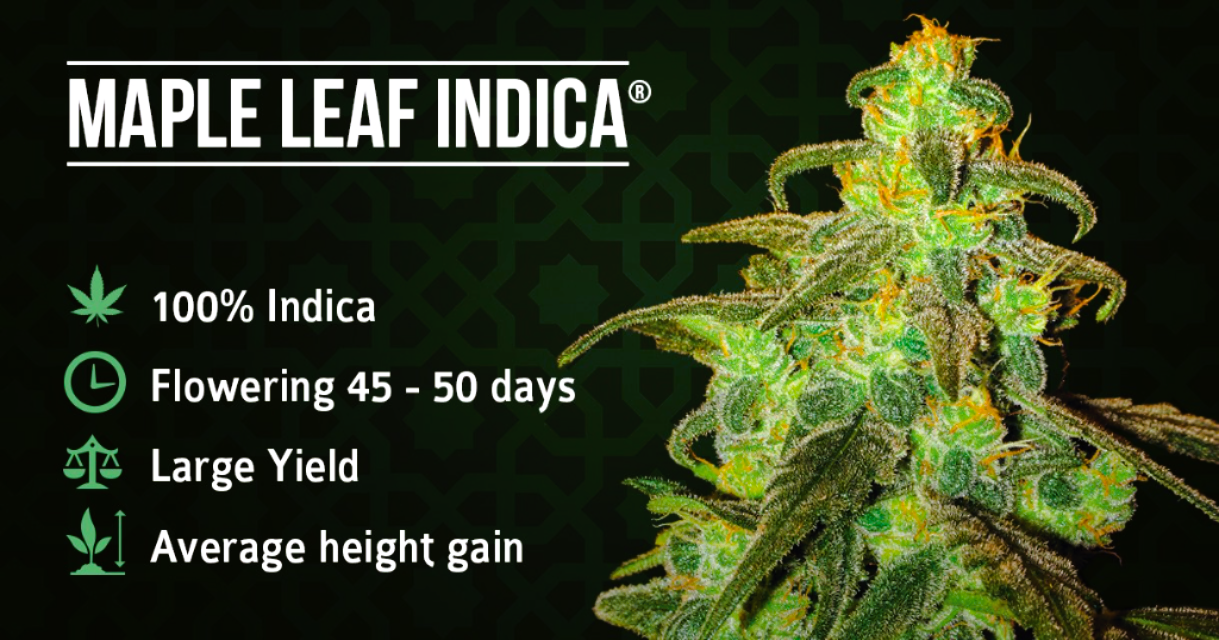
Medical Strain Analysis: Maple Leaf
-
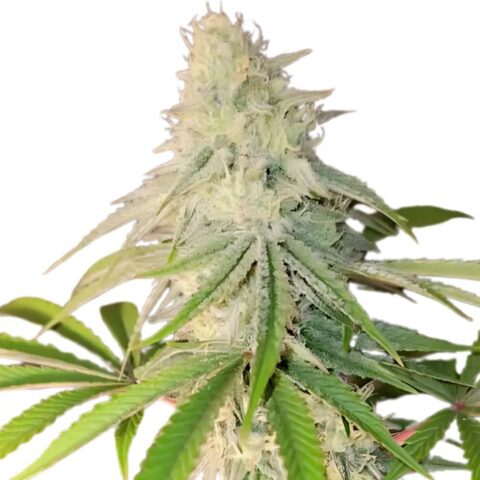 Maple Leaf Cannabis SeedsFrom: $24.99
Introduction
Maple Leaf is a classic cannabis strain that has gained popularity primarily due to its unique genetic heritage and its broad array of medicinal benefits. Known for its rich history, potent chemical profile, and efficacy in treating various medical conditions, Maple Leaf has carved out a significant niche in the world of medical cannabis. This detailed analysis explores the origins of Maple Leaf, its chemical profile, the medical benefits it offers, and the optimal growing conditions for maximizing its therapeutic potential. Emphasis will be placed on its use in the medical field, while recreational use and consumption methods will be deliberately excluded.
Origins of Maple Leaf

Historical Background
Maple Leaf is a pure Indica strain, which is rare in the modern cannabis market dominated by hybrids. It traces its origins back to the Hindu Kush region, specifically in Afghanistan. The strain is believed to be a descendant of the pure Afghan Indica varieties that were cultivated and perfected over centuries in this mountainous region. These landrace strains were traditionally used for making hashish, which has been a part of the cultural and spiritual practices in the area for generations.
The strain gained prominence in the West after it was brought out of Afghanistan during the late 1970s. This period coincides with the onset of the Soviet-Afghan War, a time when many Afghan cultivars were smuggled out of the country, including the genetics that would eventually become Maple Leaf. These strains were preserved and further bred by Western growers, who were fascinated by the robust genetics and potent effects of the Afghan Indica varieties.
Genetic Heritage
Maple Leaf boasts a pure Indica lineage, making it one of the few strains that have remained relatively untouched by hybridization. This purity is one of the reasons for its distinct characteristics, such as its compact growth structure, broad leaves, and dense buds covered in trichomes. The strain’s genetic stability makes it a favorite among breeders who seek to introduce robust Indica traits into new hybrid strains.
Chemical Profile
Cannabinoid Content
The chemical profile of Maple Leaf is dominated by its cannabinoid content, which is typical of a potent Indica strain. The strain is known for its high THC levels, which generally range between 15% and 20%. However, unlike many modern hybrids that boast extremely high THC levels, Maple Leaf maintains a balance that makes it suitable for medical use without overwhelming psychoactive effects.
- THC (Tetrahydrocannabinol): THC is the primary psychoactive compound in cannabis, but in medical applications, it plays a crucial role in pain relief, appetite stimulation, and muscle relaxation. The THC content in Maple Leaf is responsible for its effectiveness in treating conditions like chronic pain, insomnia, and muscle spasms.
- CBD (Cannabidiol): While Maple Leaf is not particularly high in CBD, it typically contains trace amounts of this non-psychoactive cannabinoid. Anxiety-reducing, anti-inflammatory, and anti-seizure qualities of CBD are well established. The presence of CBD in Maple Leaf, albeit in small quantities, can contribute to the overall therapeutic effects, particularly in reducing anxiety and promoting relaxation.
- CBN (Cannabinol): As THC breaks down, CBN, a somewhat psychotropic cannabis compound, is created. Maple Leaf may contain small amounts of CBN, which can enhance its sedative properties. This makes the strain particularly effective for treating insomnia and other sleep-related issues.
Terpene Profile
Terpenes are fragrant substances present in cannabis that enhance its flavor, aroma, and medicinal qualities. Maple Leaf has a unique terpene profile that enhances its medicinal benefits.
- Myrcene: Myrcene is the most abundant terpene in Maple Leaf, known for its earthy and musky aroma. Myrcene is also a potent sedative and muscle relaxant, which complements the strain’s Indica effects. It is essential to the strain’s capacity to reduce discomfort and promote sleep.
- Limonene: Limonene adds a citrusy note to Maple Leaf’s aroma. This terpene is well-known for its ability to improve mood and reduce anxiety. In Maple Leaf, limonene helps to counterbalance the heavy sedative effects of myrcene, providing a mild uplifting effect that can alleviate stress and depression.
- Caryophyllene: Caryophyllene contributes a spicy, peppery flavor to Maple Leaf. It differs from other terpenes in that it has the ability to bind to cannabinoid receptors, specifically CB2 receptors, which are connected to the immune system. Caryophyllene’s anti-inflammatory properties make Maple Leaf effective in treating inflammatory conditions like arthritis.
- Linalool: Linalool is a floral-scented terpene that is also found in lavender. It has a reputation for being relaxing and anti-anxious. In Maple Leaf, linalool enhances the strain’s ability to reduce stress and promote relaxation.
- Pinene: Pinene adds a fresh, piney aroma to Maple Leaf. This terpene is known for its anti-inflammatory and bronchodilator effects, which can be beneficial for patients with respiratory conditions.
Medical Benefits

Maple Leaf is renowned for its wide range of medical benefits, making it a versatile strain in the therapeutic arena. Its efficacy in treating various conditions can be attributed to its balanced cannabinoid and terpene profile, which synergistically enhance its medicinal properties.
Pain Relief
One of the most significant medical applications of Maple Leaf is in pain management. The strain’s high THC content, coupled with the analgesic properties of myrcene and caryophyllene, makes it particularly effective in alleviating chronic pain. Patients with conditions such as fibromyalgia, arthritis, and multiple sclerosis have reported significant relief from using Maple Leaf. The strain’s ability to induce deep muscle relaxation further aids in reducing pain associated with muscle spasms and tension.
Insomnia and Sleep Disorders
Maple Leaf is highly effective in treating insomnia and other sleep-related disorders. The combination of myrcene and CBN in the strain promotes deep, restful sleep by inducing strong sedative effects. Patients who struggle with falling asleep or staying asleep can benefit from the strain’s ability to relax both the mind and body, allowing for a more natural sleep cycle. Additionally, the calming effects of linalool enhance the strain’s suitability for treating anxiety-induced insomnia.
Anxiety and Stress Relief
While Maple Leaf is a potent Indica strain, its terpene profile ensures that it does not cause overwhelming psychoactive effects, making it suitable for patients dealing with anxiety and stress. The presence of limonene and linalool in the strain helps to uplift mood and reduce stress levels. Maple Leaf can be particularly beneficial for patients who experience anxiety as a result of chronic pain or other medical conditions. Its ability to promote relaxation without causing paranoia or heightened anxiety makes it a reliable option for those seeking mental health benefits.
Anti-Inflammatory Properties
The anti-inflammatory effects of Maple Leaf are primarily due to the presence of caryophyllene and pinene. These terpenes interact with the body’s endocannabinoid system to reduce inflammation, making the strain effective in treating conditions such as arthritis, inflammatory bowel disease, and autoimmune disorders. The strain’s ability to alleviate pain and inflammation simultaneously makes it a valuable option for patients dealing with chronic inflammatory conditions.
Muscle Relaxation and Spasm Relief
Maple Leaf is highly effective in treating muscle spasms and promoting overall muscle relaxation. Patients suffering from diseases including muscular dystrophy, multiple sclerosis, and spinal cord injuries can especially benefit from this. Patients with these illnesses can live much better lives because of the strain’s capacity to relax muscles and lessen stiffness. The presence of myrcene in the strain enhances its muscle-relaxant properties, providing both immediate and long-term relief.
Appetite Stimulation
Similar to several Indica strains, Maple Leaf is well-known for inducing an increase in hunger, also known as “the munchies.” This makes it a useful treatment for people who have lost their appetite as a result of eating disorders, HIV/AIDS, cancer, or other illnesses. The strain’s capacity to increase hunger can aid in patients’ maintenance of a healthy weight and intake of food, both of which are essential for recuperation and general well-being.
Nausea and Vomiting Relief
Additionally useful for relieving nausea and vomiting, maple leaf is especially beneficial for those receiving chemotherapy or suffering from gastrointestinal issues. The strain’s antiemetic properties can provide relief from the discomfort of nausea, allowing patients to maintain their appetite and avoid the complications associated with severe vomiting.
Neuroprotective Effects
Emerging research suggests that THC, the primary cannabinoid in Maple Leaf, has neuroprotective properties. This suggests that the strain may have application in the prevention of neurological illnesses like Parkinson’s and Alzheimer’s. The anti-inflammatory effects of caryophyllene and the mood-enhancing properties of limonene further support the strain’s potential in protecting brain health.
Restrictions on Using Maple Leaf in the Medical Field as a Last Resort
Using Maple Leaf as a medical strain comes with specific considerations and restrictions, especially when used as a last-resort treatment in the medical field. Due to its significant THC content, which can induce psychoactive effects, certain guidelines must be adhered to when using this strain in medical settings. These restrictions are designed to ensure patient safety, particularly for those who may be vulnerable to the effects of THC, such as children, the elderly, or individuals with a history of psychiatric conditions.
1. Regulatory Compliance and Prescription Guidelines
In most jurisdictions, the use of medical cannabis, including strains like Maple Leaf, is strictly regulated. Medical cannabis is often considered a treatment of last resort, meaning it is prescribed only when conventional medications have failed or are unsuitable. This restriction is particularly stringent in countries or states with strict medical cannabis laws, where cannabis treatments must be justified with comprehensive documentation.
- Physician Oversight: Only licensed healthcare providers are authorized to recommend medical cannabis. They must provide a detailed justification for its use, highlighting why other standard treatments are ineffective or inappropriate for the patient’s condition.
- Condition-Specific Restrictions: Medical cannabis, including Maple Leaf, is often restricted to specific conditions such as chronic pain, multiple sclerosis, epilepsy, or cancer-related symptoms. It is not typically prescribed for conditions outside these approved indications unless under exceptional circumstances with clear medical rationale.
- Patient Eligibility: Not all patients are eligible for medical cannabis treatment. Restrictions are often placed on vulnerable populations, such as pregnant women, individuals with a history of substance abuse, or those with certain mental health conditions, due to the psychoactive potential of THC.
2. Monitoring THC Levels in Medications
Given Maple Leaf’s significant THC content, monitoring and controlling the THC levels in cannabis-based medications is crucial to prevent unwanted psychoactive effects, particularly in medical settings where the primary goal is therapeutic rather than psychoactive. This monitoring ensures that the benefits of the medication are delivered without compromising patient safety.
- Standardized Dosage Forms: Medical cannabis products, including those derived from strains like Maple Leaf, are often provided in standardized forms such as oils, capsules, or tinctures. These products are formulated to deliver precise dosages of THC and other cannabinoids, allowing for better control over the psychoactive effects.
- THC-CBD Ratios: In medical formulations, it is common to balance the THC content with CBD, which can mitigate some of THC’s psychoactive effects. Products with a higher CBD-to-THC ratio are preferred in clinical settings to provide therapeutic benefits without significant psychoactive impact. This is particularly important for patients sensitive to THC or those requiring high doses for chronic conditions.
- Routine Testing and Quality Control: Medical cannabis products undergo rigorous testing to ensure consistent cannabinoid content. These tests are essential to verify that the THC levels are within acceptable ranges for medical use. Batch testing helps prevent variations that could lead to higher-than-intended psychoactive effects.
- Microdosing: In order to maximize therapeutic advantages and minimize psychoactivity, very small doses of THC are administered through the process of microdosing. This approach is often recommended for medical patients who need THC’s analgesic or anti-inflammatory properties but are sensitive to its psychoactive effects.
3. Patient Monitoring and Adjusting Treatment
Close monitoring of patients is critical when using Maple Leaf or any high-THC strain in a medical context. This monitoring helps identify any adverse effects early and allows for adjustments to the treatment plan as needed.
- Regular Assessments: Physicians should conduct regular assessments of the patient’s response to the medication, focusing on both therapeutic outcomes and any potential side effects. This is especially crucial for controlling the euphoric effects of THC, which include fatigue, vertigo, and cognitive decline.
- Titration Protocols: Titration protocols involve gradually adjusting the dosage to find the minimum effective dose that provides relief without significant psychoactive effects. Starting with a low dose and slowly increasing allows patients to acclimate to the medication while minimizing adverse reactions.
- Monitoring for Drug Interactions: THC may interact with other drugs, changing how well they work or raising the possibility of negative side effects. In order to detect any interactions and modify dosages appropriately, doctors must examine the patient’s complete pharmaceutical profile.
4. Legal and Ethical Considerations
In many regions, the legal framework surrounding medical cannabis is still evolving. The use of high-THC strains like Maple Leaf often involves navigating complex legal and ethical landscapes, particularly when it comes to protecting patient rights and ensuring informed consent.
- Informed Consent: Patients must be fully informed about the potential effects and risks of using THC-containing medications, including the possibility of psychoactive effects. Informed consent processes should cover the strain’s intended benefits, possible side effects, and the steps taken to minimize THC’s impact.
- Documentation and Reporting: Healthcare providers must maintain detailed records of the patient’s treatment plan, including the rationale for choosing a THC-rich strain like Maple Leaf, the dosage used, and the outcomes observed. These records are essential for compliance with legal standards and for contributing to ongoing research on the safety and efficacy of medical cannabis.
- Special Considerations for Vulnerable Populations: Extra caution is required when considering THC-rich cannabis for vulnerable groups, such as pediatric or geriatric patients. In these cases, alternative medications or strains with lower THC content are generally preferred unless a strong medical justification exists.
5. THC Monitoring Techniques in Medical Cannabis
Monitoring THC levels in medications derived from strains like Maple Leaf is essential to ensure safety and efficacy in medical use. Several techniques and strategies are employed to achieve this:
- Chromatography: Chromatography is a widely used method in lab settings for the separation and measurement of cannabinoids found in cannabis products. Techniques such as High-Performance Liquid Chromatography (HPLC) allow for precise measurement of THC, CBD, and other compounds, ensuring the consistency of medical formulations.
- Mass Spectrometry: Coupled with chromatography, mass spectrometry provides a detailed analysis of the cannabinoid profile. This technique is particularly useful in ensuring that THC levels remain within safe and therapeutic ranges.
- Spectroscopy: Spectroscopic methods, such as near-infrared (NIR) spectroscopy, offer rapid, non-destructive testing of cannabis products. These methods are valuable for routine quality control, ensuring that medical cannabis products meet stringent safety standards.
- Labeling and Patient Information: All medical cannabis products must be accurately labeled with information on THC content, dosage guidelines, and potential side effects. Patients should be instructed on how to interpret this information to manage their treatment effectively.
6. Mitigating THC’s Psychoactive Effects in Patients
Despite stringent monitoring, some patients may still experience psychoactive effects from THC, especially when first starting treatment with Maple Leaf. To mitigate these effects, several strategies can be implemented:
- Gradual Introduction: Starting with a low dose of THC and gradually increasing as tolerated can help patients adjust to the medication without experiencing overwhelming psychoactive effects.
- Complementary CBD: Co-administration of CBD alongside THC can help mitigate some of THC’s psychoactive properties. CBD acts as a counterbalance, reducing anxiety and potential cognitive impairment associated with high THC doses.
- Timing of Doses: Adjusting the timing of doses to coincide with periods when the patient can rest or relax can help minimize the impact of any mild psychoactive effects. For example, evening dosing may be preferred for patients experiencing sedation.
- Patient Education: Educating patients about the potential psychoactive effects and how to manage them is crucial. Patients should be informed about the importance of not driving or operating heavy machinery while adjusting to THC-containing medications.
Growing Conditions

To maximize the medical benefits of Maple Leaf, it is essential to cultivate the strain under optimal conditions. The growing conditions not only affect the yield and potency of the strain but also influence its chemical profile, including the concentration of cannabinoids and terpenes.
Climate and Environment
Maple Leaf is a hardy strain that thrives in a variety of climates, thanks to its Afghan landrace heritage. It functions best, though, in a controlled interior setting with precisely adjustable humidity and temperature. The strain prefers a warm and dry climate, similar to the conditions found in its native Hindu Kush region. Ideal temperatures for growing Maple Leaf range between 70°F to 85°F (21°C to 29°C) during the day and slightly cooler at night.
When growing indoors, it is crucial to maintain a consistent temperature and humidity level to prevent mold and mildew, which can affect the quality of the buds. Maple Leaf also responds well to the Sea of Green (SOG) growing method, which involves growing many small plants rather than a few large ones. By using this technique, yields can be increased and uniform light distribution can be ensured throughout the plant.
Soil and Nutrients
Maple Leaf thrives in nutrient-rich soil that is well-draining and aerated. Sufficient moisture retention for the roots of the plant can be achieved by adding perlite or vermiculite to a premium organic soil mix, which will also facilitate the required drainage. The strain benefits from regular feeding with a balanced nutrient solution, including nitrogen, phosphorus, and potassium, along with essential micronutrients like calcium, magnesium, and iron.
It is important to adjust the nutrient levels according to the plant’s growth stage. During the vegetative stage, higher levels of nitrogen will support robust leaf and stem growth, while in the flowering stage, increased phosphorus and potassium will promote bud development and resin production.
Light Requirements
As an Indica strain, Maple Leaf has a relatively short flowering time, typically ranging from 7 to 9 weeks. During this period, the plant requires ample light to maximize its yield and potency. Indoor growers should use high-intensity discharge (HID) lamps, such as metal halide (MH) lights during the vegetative stage and high-pressure sodium (HPS) lights during flowering, to provide the optimal light spectrum for each growth stage.
Alternatively, modern LED grow lights can also be used to provide a full-spectrum light source that mimics natural sunlight. LEDs have the added benefit of being energy-efficient and producing less heat, which can help maintain the ideal growing environment for Maple Leaf.
Watering and pH Management
Proper watering is crucial for maintaining healthy Maple Leaf plants. The variety shows preference for a moderate watering schedule, allowing the soil to become somewhat arid in between applications to avoid root rot. Overwatering can lead to issues with mold and nutrient deficiencies, so it is important to monitor the moisture levels in the soil carefully.
The ideal pH level for Maple Leaf is between 6.0 and 7.0. Maintaining the correct pH ensures that the plant can absorb nutrients effectively, preventing common issues such as nutrient lockout. Regular testing of the soil or nutrient solution can help growers keep the pH within the optimal range.
Harvesting and Post-Harvest Processing
Harvesting Maple Leaf at the right time is essential for preserving its medical benefits. The optimal time to harvest is when the majority of the trichomes have turned milky white, with some beginning to show an amber hue. This indicates peak potency and the highest levels of THC and terpenes.
The buds need to be gently pruned after harvesting and let to dry in a place that is cool, dark, and well-ventilated. Depending on the humidity levels, the drying procedure ought to take a week or ten. To improve flavor, aroma, and potency, the buds should be cured for at least two weeks in sealed containers once they have dried.
Conclusion
Maple Leaf is a unique and powerful medical cannabis strain known for its pure Indica lineage, rich history, and potent therapeutic benefits. Originating from Afghan landrace genetics, Maple Leaf offers a well-rounded cannabinoid and terpene profile that makes it highly effective in managing various medical conditions, including chronic pain, insomnia, anxiety, inflammation, and muscle spasms. Its balanced THC levels provide significant medical relief while maintaining a moderate psychoactive effect, making it suitable for patients seeking potent treatment options without overwhelming intoxication.
The strain’s robust growth characteristics and adaptability to different environments make it accessible for cultivation, especially in controlled indoor settings that optimize its yield and chemical profile. However, its use in the medical field is often restricted to cases where other treatments have failed, and careful monitoring of THC levels is essential to ensure patient safety and minimize psychoactive risks.
Overall, Maple Leaf remains a valuable asset in the arsenal of medical cannabis strains, providing targeted relief for a wide range of conditions while embodying the traditional benefits of pure Indica genetics. Its versatility, effectiveness, and unique heritage make it a standout choice for patients and cultivators alike, emphasizing the ongoing importance of understanding and responsibly harnessing the therapeutic potential of cannabis.
