Strain Analysis: Lemon Kush
-
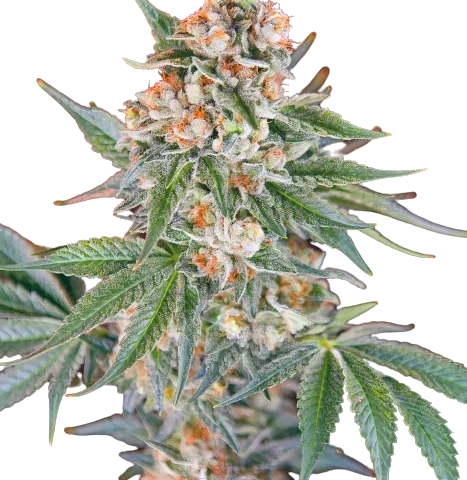 Lemon Kush Cannabis SeedsFrom: $24.99
Table of Contents
- Origins
- Genetics and Breeding
- Historical Context
- Chemical Profile
- Cannabinoid Composition
- Terpene Profile
- Other Compounds
- Medical Benefits
- Pain Relief
- Anxiety and Depression
- Sleep Disorders
- Anti-inflammatory Properties
- Other Benefits
- Growing Conditions
- Climate Requirements
- Soil and Nutrient Needs
- Watering and Humidity
- Lighting and Photoperiod
- Harvesting and Yield
- Pest and Disease Management
Origins
Genetics and Breeding
Lemon Kush is a fascinating strain with a rich genetic background. While there is some debate regarding its precise lineage, the most widely accepted origins involve a cross between Master Kush and Lemon Joy. Another perspective suggests that it could be a hybrid of Afghan Kush and Lemon G. Regardless of the exact parentage, Lemon Kush is known for its balanced hybrid effects, combining the best attributes of both indica and sativa strains.
Master Kush

Master Kush, one of the key progenitors of Lemon Kush, is a potent indica strain renowned for its robust, earthy flavors and deeply relaxing effects. Master Kush, which comes from the Hindu Kush mountain range, is well-known in the cannabis world for its capacity to provide a calming physical and mental state. It is prized for its stress-relieving properties and is often used to treat conditions such as insomnia and chronic pain.
Master Kush’s contribution to Lemon Kush includes its dense, resinous buds and a strong, earthy aroma that provides a solid base for the more citrusy notes introduced by the other parent strain. Additionally, Master Kush imparts its hardy growth characteristics, making Lemon Kush a resilient plant that can withstand various growing conditions.
Lemon Joy or Lemon G
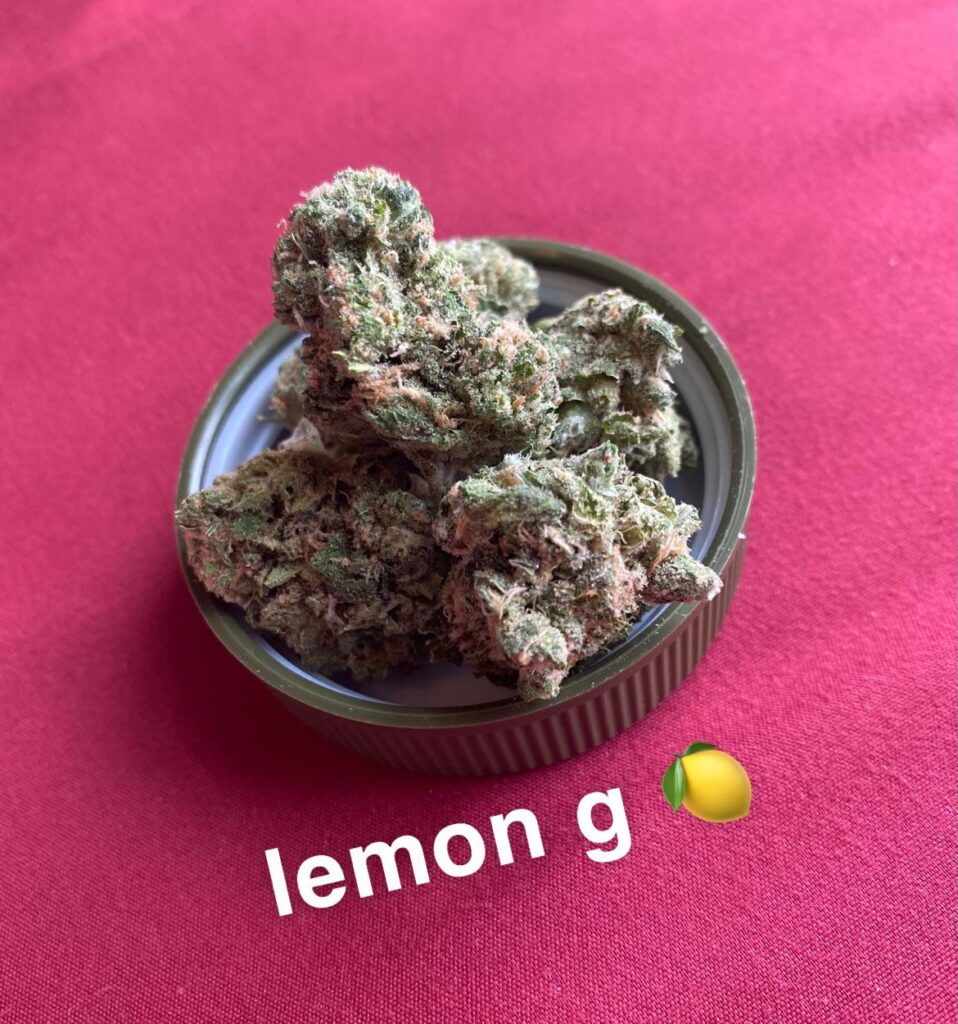
The other significant parent strain in the creation of Lemon Kush is Lemon Joy or Lemon G. These strains are celebrated for their vibrant, citrus flavors and uplifting effects. Lemon Joy is particularly noted for its potent sativa-like effects, which can lead to a heightened sense of euphoria and creativity. Lemon G, on the other hand, is recognized for its balanced effects that combine the cerebral stimulation of sativa with the soothing relaxation of indica.
The lemon scent and flavor profile of Lemon Kush are primarily derived from these parent strains. The high limonene content, a terpene known for its citrus aroma, contributes to the distinctive lemon fragrance and taste that make Lemon Kush stand out. The strain’s overall attractiveness is increased by the fact that this terpene is also linked to stress reduction and mood boosting.
Historical Context
The history of Lemon Kush is intertwined with the broader development of cannabis breeding and hybridization. As cannabis cultivation techniques have evolved, breeders have sought to combine desirable traits from different strains to create hybrids that offer unique flavors, effects, and growing characteristics. Lemon Kush is a product of this ongoing quest for innovation and improvement in cannabis genetics.
The precise origins of Lemon Kush are somewhat obscure, as is often the case with many cannabis strains. However, it is widely believed that the strain was first developed in the United States, where breeders experimented with various combinations of indica and sativa strains to create hybrids that would cater to both medical and recreational users.
Chemical Profile
Understanding the chemical profile of Lemon Kush is essential for appreciating its effects, flavor, and medical benefits. The strain’s profile includes cannabinoids, terpenes, and other phytochemicals that work together to produce its unique characteristics.
Cannabinoid Composition

Cannabinoids are the primary active compounds in cannabis, and they significantly influence the strain’s effects. The main cannabinoids found in Lemon Kush are THC and CBD, though other minor cannabinoids also contribute to its overall profile.
THC (Tetrahydrocannabinol)
- Concentration: Typically ranges between 15-26%.
- Effects: The main psychoactive ingredient in cannabis is THC. It produces the “high” connected to cannabis usage by binding to the brain’s CB1 receptors. In Lemon Kush, the high THC content is responsible for the strain’s euphoric and relaxing effects.
- Medical Benefits: THC has various therapeutic properties, including pain relief, appetite stimulation, anti-nausea effects, and muscle relaxation. It can also help with insomnia and anxiety when used in appropriate doses.
CBD (Cannabidiol)
- Concentration: Usually found in lower concentrations, around 0.1-1%.
- Effects: Since CBD is not psychoactive, it does not make you feel euphoric. Instead, it has calming and anti-anxiety effects.
- Medical Benefits: CBD is known for its anti-inflammatory, analgesic, anti-anxiety, and anticonvulsant properties. It can modulate the psychoactive effects of THC, making Lemon Kush a more balanced and tolerable strain for medical users.
Minor Cannabinoids
- CBG (Cannabigerol): Present in trace amounts. CBG has anti-inflammatory and neuroprotective properties.
- CBC (Cannabichromene): Also found in minor concentrations, CBC contributes to the anti-inflammatory and analgesic effects.
- THCV (Tetrahydrocannabivarin): Found in very small amounts, THCV can act as an appetite suppressant and may have anticonvulsant properties.
Terpene Profile
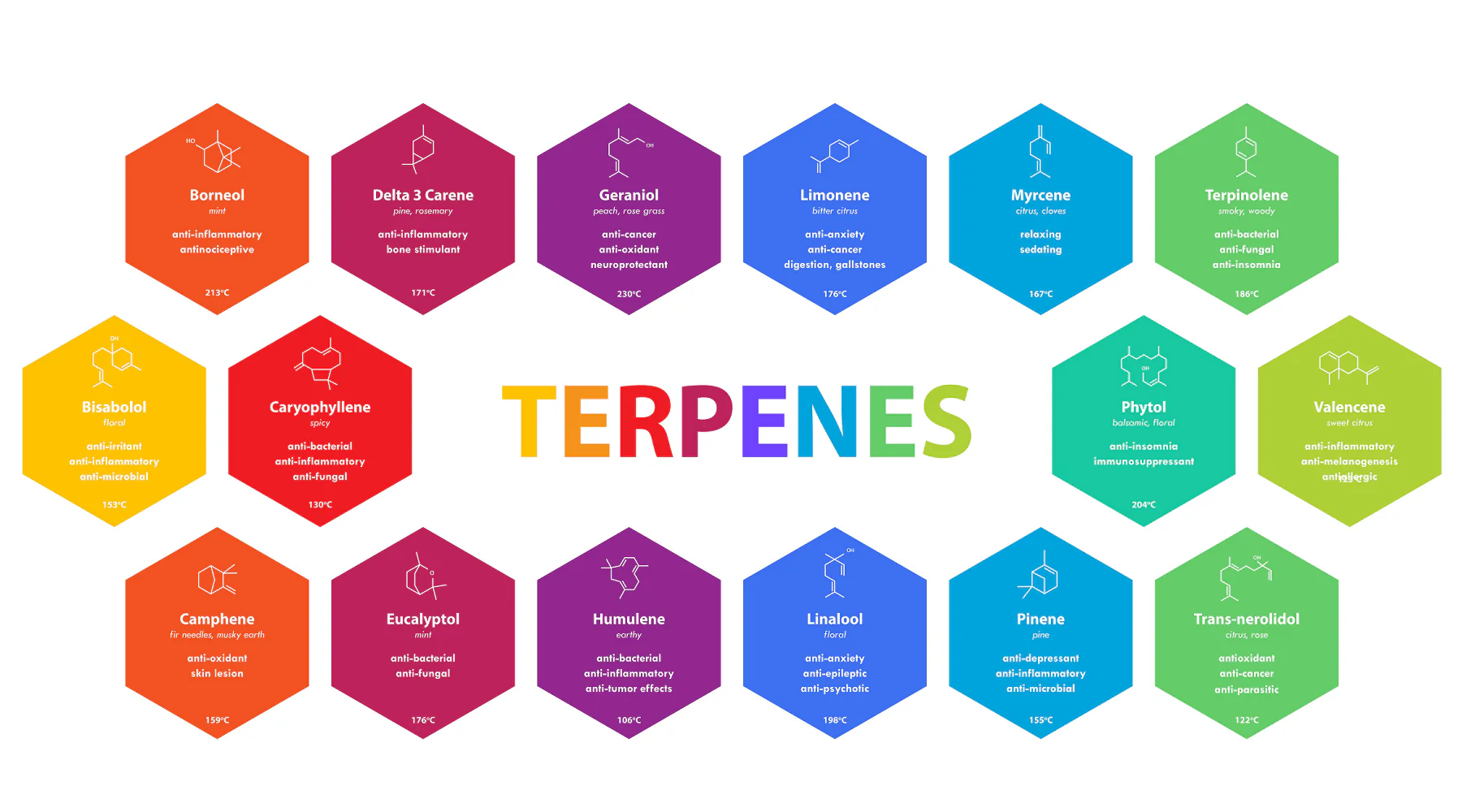
Terpenes are aromatic compounds that contribute to the strain’s flavor, aroma, and therapeutic effects. Lemon Kush’s terpene profile is dominated by limonene, myrcene, and caryophyllene, which together create its distinctive lemony scent and balanced effects.
Limonene
- Concentration: High in Lemon Kush.
- Aroma and Flavor: Citrus, lemon.
- Effects: Limonene is well known for its ability to relieve stress and improve mood. It has an uplifting effect, which complements the euphoria induced by THC.
- Medical Benefits: Limonene has anti-anxiety, antidepressant, and anti-inflammatory properties. It also aids in digestion and can act as an antifungal and antibacterial agent.
Myrcene
- Concentration: Moderately high in Lemon Kush.
- Aroma and Flavor: Earthy, musky, with hints of cloves.
- Effects: Myrcene is known for its sedative and relaxing effects, contributing to the calming properties of Lemon Kush.
- Medical Benefits: Myrcene has analgesic, anti-inflammatory, and muscle relaxant properties. It enhances the psychoactive effects of THC by increasing the permeability of cell membranes, allowing THC to reach brain receptors more easily.
Caryophyllene
- Concentration: Present in significant amounts.
- Aroma and Flavor: Spicy, peppery.
- Effects: Caryophyllene is unique among terpenes because it can act as a cannabinoid by binding to CB2 receptors, which are primarily found in the immune system.
- Medical Benefits: Caryophyllene has potent anti-inflammatory and analgesic properties. It can help manage pain and reduce inflammation without producing a high.
Other Terpenes
- Pinene: Contributes to anti-inflammatory and bronchodilator effects. It has a pine-like aroma and can improve focus and alertness.
- Linalool: Known for its floral scent and relaxing properties, linalool can help with anxiety and provide sedative effects.
- Humulene: With an earthy, woody aroma, humulene has appetite-suppressing and anti-inflammatory properties.
Other Compounds
In addition to cannabinoids and terpenes, Lemon Kush contains various other phytochemicals that contribute to its overall effects and benefits.
Flavonoids
Flavonoids are compounds that give cannabis its unique flavor, aroma, and color. They also have antioxidant, anti-inflammatory, and neuroprotective properties. Some notable flavonoids found in Lemon Kush include:
- Quercetin: Known for its antioxidant and anti-inflammatory effects.
- Cannaflavin A: A unique flavonoid with powerful anti-inflammatory properties.
- Kaempferol: An antioxidant that may have anticancer properties.
Entourage Effect
The interplay between cannabinoids, terpenes, and other phytochemicals in Lemon Kush results in the “entourage effect.” This phenomenon suggests that the combined effect of all these compounds is greater than the sum of their individual effects. The entourage effect enhances the therapeutic potential of Lemon Kush, making it more effective in treating various conditions compared to isolated cannabinoids.
Analytical Testing and Quality Control
To ensure the safety and consistency of Lemon Kush, it is important to conduct comprehensive analytical testing. This includes:
- Cannabinoid Profiling: Quantifying the levels of THC, CBD, and other cannabinoids.
- Terpene Analysis: Identifying and quantifying the terpenes present.
- Contaminant Screening: Testing for pesticides, heavy metals, molds, and other contaminants.
- Moisture Content: Ensuring proper curing and storage conditions to prevent mold and degradation.
Medical Benefits
Lemon Kush is celebrated not only for its pleasant aroma and flavor but also for its wide range of medical benefits. Its balanced cannabinoid profile, particularly the presence of THC and CBD, along with its rich terpene content, makes it a versatile strain for treating various ailments. Here, we delve into the specific medical benefits of Lemon Kush.
Pain Relief
One of the primary medical uses of Lemon Kush is for pain relief. The high THC content, along with the presence of myrcene and caryophyllene, contributes significantly to its analgesic properties.
Chronic Pain
Patients suffering from chronic pain conditions, such as arthritis, fibromyalgia, and lower back pain, often find relief with Lemon Kush. THC’s interaction with the endocannabinoid system helps modulate pain signals, providing substantial relief.
Neuropathic Pain
Lemon Kush can be particularly effective for neuropathic pain, which is often resistant to conventional painkillers. Conditions like multiple sclerosis and diabetic neuropathy may be managed more effectively with this strain.
Anxiety and Depression
Lemon Kush’s balanced effects make it a popular choice for individuals dealing with anxiety and depression. The strain’s uplifting and mood-enhancing properties can provide significant relief from the symptoms of these mental health conditions.
Anxiety Relief
The presence of limonene is crucial for Lemon Kush’s anti-anxiety effects. Limonene is known for its ability to reduce stress and anxiety by interacting with serotonin receptors. Additionally, the moderate levels of CBD help counteract any potential anxiety-inducing effects of THC, making the experience more balanced and manageable.
Depression Relief
Lemon Kush can elevate mood and provide a sense of euphoria, which is beneficial for those struggling with depression. The strain’s ability to induce a positive mindset and reduce stress can be a crucial factor in managing depressive symptoms.
Sleep Disorders
Lemon Kush is also used to address various sleep disorders, thanks to its relaxing and sedative properties. The combination of myrcene and THC helps promote a restful sleep, making it an effective remedy for insomnia and other sleep-related issues.
Insomnia
For those struggling with insomnia, Lemon Kush can be particularly helpful. The sedative effects of myrcene, combined with the calming influence of THC, can make it easier to fall asleep and stay asleep through the night.
Improved Sleep Quality
Beyond just helping individuals fall asleep, Lemon Kush can enhance the overall quality of sleep. This is essential for those who suffer from sleep disorders that prevent deep, restorative sleep.
Anti-inflammatory Properties
Lemon Kush is rich in caryophyllene, a terpene known for its potent anti-inflammatory effects. This makes the strain useful for treating various inflammatory conditions.
Arthritis
Patients with arthritis often find relief from the inflammation and pain associated with the condition by using Lemon Kush. The strain’s anti-inflammatory properties help reduce swelling and improve joint mobility.
Inflammatory Bowel Disease (IBD)
Conditions like Crohn’s disease and ulcerative colitis, which are characterized by chronic inflammation of the digestive tract, can also be managed with Lemon Kush. The anti-inflammatory effects of caryophyllene and CBD help reduce symptoms and improve quality of life.
Other Benefits
Beyond the more common uses, Lemon Kush has several additional medical benefits that make it a versatile strain for various health conditions.
Appetite Stimulation
Lemon Kush can help stimulate appetite, which is beneficial for individuals undergoing treatments like chemotherapy or those suffering from conditions like anorexia. The THC in Lemon Kush interacts with the endocannabinoid system to promote hunger and enhance the pleasure associated with eating.
Nausea Relief
For patients dealing with nausea and vomiting, whether from medical treatments or conditions like gastroparesis, Lemon Kush can offer relief. THC’s antiemetic properties help reduce feelings of nausea and prevent vomiting.
Muscle Spasms and Cramps
Lemon Kush’s muscle-relaxing properties make it effective for treating muscle spasms and cramps. Conditions such as multiple sclerosis and PMS (premenstrual syndrome) can benefit from the strain’s ability to ease muscle tension and discomfort.
Migraines and Headaches
The combination of analgesic and anti-inflammatory effects in Lemon Kush can help alleviate migraines and severe headaches. The strain’s ability to reduce pain and inflammation makes it a valuable option for individuals suffering from these debilitating conditions.
Potential Side Effects
While Lemon Kush offers numerous medical benefits, it is important to be aware of potential side effects. These can vary depending on the individual’s tolerance and the dosage used.
Dry Mouth and Eyes
Common side effects include dry mouth and dry eyes. Staying hydrated and using eye drops can help alleviate these symptoms.
Dizziness and Paranoia
In higher doses, Lemon Kush may cause dizziness or paranoia, particularly in individuals sensitive to THC. Starting with a low dose and gradually increasing can help minimize these effects.
Appetite Changes
While Lemon Kush can stimulate appetite, it can also lead to overeating. Patients using it for appetite stimulation should be mindful of their food intake to avoid excessive weight gain.
Growing Conditions
Climate Requirements
Lemon Kush is relatively adaptable but thrives best in a Mediterranean-like climate. It enjoys warm, bright weather with a modest amount of humidity. The ideal temperature range is slightly colder at night and between 70 and 80°F (21-27°C) during the day.
Indoor Growing
For indoor cultivation, maintaining consistent temperatures and humidity levels is crucial. Growers can use climate control systems to mimic the ideal conditions, ensuring optimal growth and yield.
Soil and Nutrient Needs
Lemon Kush performs well in rich, well-draining soil with a pH level between 6.0 and 7.0. To add necessary nutrients to the soil, add organic matter (compost, worm castings, etc.).
Nutrient Schedule
- Vegetative Stage: Higher levels of nitrogen are required to support leafy growth. A balanced N-P-K (nitrogen, phosphorus, potassium) ratio of 3:1:2 is recommended.
- Flowering Stage: During this phase, phosphorus and potassium are more critical for bud development. A ratio of 1:3:2 is ideal.
Watering and Humidity
Proper watering practices are essential to avoid overwatering or underwatering. Lemon Kush prefers a consistent watering schedule, allowing the soil to dry out slightly between waterings to prevent root rot.
Humidity Levels
- Vegetative Stage: Higher humidity levels (around 60-70%) are beneficial.
- Flowering Stage: Lowering humidity to 40-50% helps prevent mold and mildew on the buds.
Lighting and Photoperiod
Lemon Kush requires ample light, especially during the flowering stage. For the vegetative stage, indoor gardeners should supply 18 to 24 hours of light; to encourage blooming, they should then transition to 12 hours of light and 12 hours of darkness.
Light Types
- LED Lights: Energy-efficient and effective for all growth stages.
- HID Lights: High-intensity discharge lights, such as HPS (high-pressure sodium) and MH (metal halide), are also popular among growers.
Harvesting and Yield
Lemon Kush typically has a flowering period of 8-10 weeks. Harvesting should be timed based on the trichome development and overall bud appearance.
Trichome Check
Using a magnifying glass or microscope, growers should look for milky-white trichomes with some turning amber, indicating peak THC levels and readiness for harvest.
Yield
- Indoor Yield: Approximately 18 ounces per square meter.
- Outdoor Yield: Around 35 ounces per plant, depending on growing conditions and care.
Pest and Disease Management
Lemon Kush, like any cannabis strain, is susceptible to pests and diseases. Aphids and powdery mildew are common problems. Spider mites are another.
Preventative Measures
- Regular Inspection: Examine plants frequently for indications of illness or pests.
- Natural Predators: Introducing beneficial insects like ladybugs can help control pest populations.
- Organic Sprays: Neem oil and other organic treatments can prevent and treat infestations.
Disease Prevention
- Proper Airflow: Ensure good airflow around plants to reduce humidity and prevent mold.
- Sanitation: Maintain the growth space tidy and clear of plant waste.
Conclusion
Lemon Kush stands out as a remarkable strain in the cannabis community, celebrated for its balanced effects, distinctive lemon aroma, and diverse medical benefits. Its origins are rooted in the meticulous hybridization of potent parent strains like Master Kush and Lemon Joy (or Lemon G), which combine to create a strain that offers the best of both indica and sativa characteristics. This careful breeding has resulted in a versatile hybrid that appeals to a wide range of users, from medical patients to recreational enthusiasts.
The chemical profile of Lemon Kush is integral to its efficacy and appeal. High levels of THC provide potent psychoactive effects, while moderate CBD content ensures a balanced experience, minimizing potential anxiety and enhancing therapeutic benefits. The rich terpene profile, dominated by limonene, myrcene, and caryophyllene, not only contributes to its unique flavor and aroma but also enhances its medical properties through the entourage effect. These compounds work synergistically to offer a comprehensive range of benefits, from mood enhancement and pain relief to anti-inflammatory and sedative effects.
Medically, Lemon Kush offers substantial benefits across various conditions. Its analgesic properties make it effective for chronic and neuropathic pain, while its anxiolytic and antidepressant effects provide relief for those struggling with mental health issues. The strain’s ability to promote relaxation and improve sleep quality addresses sleep disorders, and its anti-inflammatory properties are beneficial for conditions like arthritis and inflammatory bowel disease. Additionally, Lemon Kush aids in appetite stimulation and nausea relief, proving invaluable for patients undergoing treatments like chemotherapy.
Growing Lemon Kush requires attention to specific conditions to maximize its potential. It thrives best in a Mediterranean-like climate, but with the right indoor setups, it can be cultivated successfully in various environments. Proper soil, nutrient management, and pest control are essential to achieve optimal yields. The strain’s resilience and adaptability make it a favorite among cultivators, offering a rewarding growing experience with substantial harvests.
Overall, Lemon Kush exemplifies the advancements in cannabis breeding, providing a strain that is not only enjoyable but also highly therapeutic. Its balanced effects make it suitable for daytime and nighttime use, catering to both medical patients and recreational users. The strain’s popularity continues to grow as more people discover its unique combination of flavors, aromas, and benefits.
In conclusion, Lemon Kush is a testament to the potential of cannabis to offer comprehensive therapeutic effects while providing a pleasurable sensory experience. Its rich history, robust chemical profile, wide range of medical benefits, and adaptable growing conditions make it a valuable addition to any cannabis repertoire. Whether you are a patient seeking relief, a recreational user looking for a balanced high, or a cultivator aiming to grow a resilient and rewarding strain, Lemon Kush is an excellent choice.
