
Medical Strain Analysis: Island Sweet Skunk
-
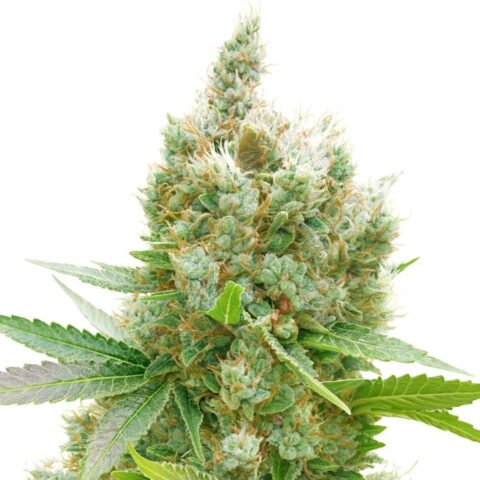 Golden Goat Cannabis SeedsFrom: $24.99
 -
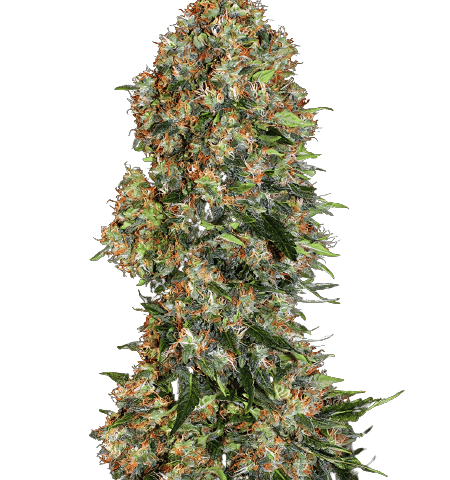 Island Sweet Skunk Cannabis SeedsFrom: $24.99
Introduction
Island Sweet Skunk (ISS) is a renowned cannabis strain known for its distinctive aroma, vibrant growth patterns, and a wide array of medical benefits. Originally bred on Vancouver Island, this strain has gained popularity among medical cannabis users due to its potent therapeutic properties. The following detailed analysis will cover the origins of Island Sweet Skunk, its chemical profile, medical benefits, and optimal growing conditions. Emphasis will be placed on its use in the medical field, excluding any focus on recreational use or consumption methods.
Origins of Island Sweet Skunk
Island Sweet Skunk is a sativa-dominant hybrid that traces its roots to the early 1990s. It was developed by Federation Seed Company on Vancouver Island, a region known for its rich cannabis cultivation history. The strain is believed to be a cross between the famous Sweet Pink Grapefruit and an unknown skunk variety, which contributes to its unique aroma and potent effects.
The Breeding History
The original breeders aimed to create a strain that would thrive in the specific climatic conditions of Vancouver Island, which features mild temperatures and high humidity. The choice of parent strains reflects this goal, as Sweet Pink Grapefruit is known for its resilience and adaptability, while the skunk lineage adds potency and stability to the genetic makeup.
Genetic Composition
Island Sweet Skunk is predominantly sativa, with an approximate 80% sativa and 20% indica ratio. This genetic composition is responsible for the strain’s uplifting and energizing effects, making it particularly useful for patients who require daytime relief from their symptoms.
The strain’s lineage also contributes to its distinctive flavor and aroma profile, characterized by sweet, fruity notes with a hint of skunk. This combination has made Island Sweet Skunk a favorite among patients who prefer strains with a pleasant and distinctive sensory experience.
Chemical Profile

The chemical composition of Island Sweet Skunk is one of the key factors that make it suitable for medical use. The strain’s cannabinoid and terpene profiles work synergistically to deliver a wide range of therapeutic effects.
Cannabinoid Content
- THC (Tetrahydrocannabinol): Island Sweet Skunk typically contains THC levels ranging from 18% to 22%, making it a moderately potent strain. The main psychotropic ingredient in cannabis, THC, is also essential to the plant’s medicinal properties. For medical users, the moderate THC levels in ISS provide significant relief without overwhelming psychoactivity, making it a suitable option for those who are sensitive to high THC strains.
- CBD (Cannabidiol): The CBD content in Island Sweet Skunk is generally low, usually below 1%. Although CBD is known for its non-psychoactive therapeutic effects, the low CBD levels in this strain do not diminish its medical value. Instead, the strain’s therapeutic potential lies in the interplay between THC and other cannabinoids and terpenes.
- CBG (Cannabigerol): Traces of CBG, a non-psychoactive cannabis compound with possible anti-inflammatory and neuroprotective effects, are present in Island Sweet Skunk. Though present in small quantities, CBG contributes to the strain’s overall therapeutic profile.
Terpene Profile
Terpenes are fragrant substances present in cannabis that enhance its flavor, aroma, and medicinal qualities. Island Sweet Skunk is particularly rich in terpenes, which play a crucial role in its medical applications.
- Myrcene: Myrcene is the most abundant terpene in Island Sweet Skunk. Known for its sedative and muscle-relaxing properties, myrcene enhances the strain’s ability to relieve pain, muscle spasms, and tension. It also contributes to the strain’s sweet, earthy aroma.
- Caryophyllene: Caryophyllene is a unique terpene that can bind to CB2 receptors in the endocannabinoid system, offering anti-inflammatory and analgesic effects. This makes Island Sweet Skunk particularly effective for patients dealing with chronic pain and inflammation.
- Limonene: Limonene is another prominent terpene in Island Sweet Skunk, contributing to its citrusy aroma. Patients who suffer from mood disorders can benefit from this strain because limonene is well-known for its anti-anxiety and mood-enhancing effects.
- Pinene: Pinene, found in moderate levels in Island Sweet Skunk, has anti-inflammatory and bronchodilator properties, which can be beneficial for patients with respiratory conditions.
- Terpinolene: Though less abundant, terpinolene adds a floral and herbal note to the strain’s aroma and is believed to have antioxidant and calming effects.
Medical Benefits
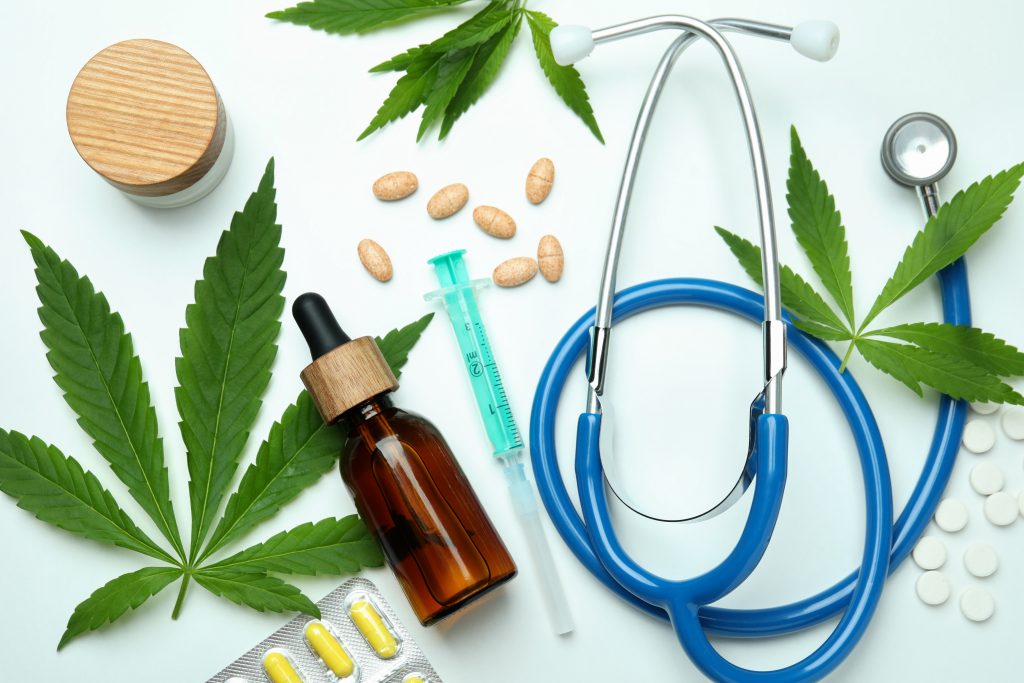
Island Sweet Skunk offers a wide range of medical benefits, thanks to its unique chemical profile. The following sections explore the specific therapeutic applications of this strain, focusing on its effects on various medical conditions.
Pain Management
One of the most significant medical uses of Island Sweet Skunk is in pain management. The combination of THC, caryophyllene, and myrcene provides potent analgesic effects, making it an effective treatment for chronic pain conditions such as:
- Fibromyalgia: Patients with fibromyalgia often experience widespread pain and tenderness. Island Sweet Skunk’s pain-relieving properties can help reduce the severity of these symptoms, allowing patients to manage their condition more effectively.
- Arthritis: The anti-inflammatory effects of caryophyllene and pinene, combined with the analgesic properties of THC, make this strain beneficial for patients suffering from arthritis. It can reduce joint pain and inflammation, improving mobility and quality of life.
- Neuropathic Pain: Additionally useful in treating neuropathic pain, which is frequently unresponsive to traditional medications, is Island Sweet Skunk. The strain’s ability to interact with the endocannabinoid system helps modulate pain signals, providing relief for conditions such as multiple sclerosis and diabetic neuropathy.
Mood Disorders
Island Sweet Skunk’s uplifting and mood-enhancing effects make it a valuable tool in managing mood disorders such as:
- Depression: The strain’s sativa-dominant genetics contribute to its energizing effects, which can help alleviate symptoms of depression. The presence of limonene further enhances its antidepressant properties by promoting a sense of well-being and reducing stress.
- Anxiety: While high-THC strains can sometimes exacerbate anxiety, the balanced cannabinoid and terpene profile of Island Sweet Skunk provides a calming effect without inducing paranoia. The presence of limonene and terpinolene helps reduce anxiety, making it suitable for patients with generalized anxiety disorder (GAD) and social anxiety.
- PTSD: Intrusive recollections, anxiety, and depression are common symptoms of post-traumatic stress disorder (PTSD). Island Sweet Skunk’s ability to modulate mood and promote relaxation can help manage these symptoms, improving overall mental health.
Fatigue and Chronic Fatigue Syndrome (CFS)
Island Sweet Skunk’s energizing effects make it a suitable option for patients dealing with fatigue, including those with chronic fatigue syndrome (CFS). The strain’s sativa characteristics promote alertness and mental clarity, helping patients overcome feelings of exhaustion and low energy. Additionally, the presence of pinene can improve focus and cognitive function, further enhancing the strain’s effectiveness in combating fatigue.
Inflammatory Conditions
The anti-inflammatory properties of Island Sweet Skunk make it a useful treatment for various inflammatory conditions. The combination of caryophyllene and pinene helps reduce inflammation, making it beneficial for conditions such as:
- Crohn’s Disease: Patients with Crohn’s disease often experience inflammation of the digestive tract, leading to symptoms such as abdominal pain and diarrhea. Island Sweet Skunk can help reduce this inflammation, providing relief from these symptoms and improving digestive health.
- Irritable Bowel Syndrome (IBS): IBS is another condition characterized by inflammation and discomfort in the digestive system. The strain’s anti-inflammatory and analgesic properties can help manage the symptoms of IBS, promoting better gastrointestinal health.
Migraines and Headaches
Island Sweet Skunk is also effective in treating migraines and tension headaches. The strain’s analgesic and anti-inflammatory properties help reduce the severity and frequency of migraines, while its uplifting effects can alleviate the associated mood disturbances. Additionally, the presence of pinene can improve cognitive function and reduce the brain fog often experienced during migraines.
Respiratory Conditions
While cannabis is not typically recommended for respiratory conditions due to potential irritation from smoking, Island Sweet Skunk’s terpene profile suggests it may have benefits for patients with asthma or chronic obstructive pulmonary disease (COPD) when used in non-smokable forms. The presence of pinene, a bronchodilator, can help open up airways and improve breathing, while the anti-inflammatory effects of other terpenes can reduce respiratory inflammation.
Appetite Stimulation
Patients with conditions that cause a loss of appetite, such as cancer or HIV/AIDS, can benefit from Island Sweet Skunk’s appetite-stimulating effects. Because the strain increases appetite, patients may be able to better maintain a healthy weight and nutritional status overall.
Restrictions on Using Island Sweet Skunk in the Medical Field as a Last Resort

While Island Sweet Skunk offers significant therapeutic benefits, its use in the medical field, especially as a last resort, comes with certain restrictions and considerations. These restrictions aim to ensure patient safety and efficacy of treatment while minimizing potential adverse effects, particularly those related to its psychoactive properties.
1. Patient Selection Criteria
One of the primary restrictions in using Island Sweet Skunk as a last resort in medical treatment involves stringent patient selection criteria. Given the strain’s moderate to high THC content, it is essential that it is only prescribed to patients who have not responded adequately to other treatments. Medical professionals must carefully evaluate the patient’s medical history, current medications, and potential for adverse reactions before recommending this strain.
- Treatment-Resistant Conditions: Island Sweet Skunk may be considered for patients suffering from treatment-resistant conditions, such as chronic pain, severe anxiety, or PTSD, where other medications and therapies have failed to provide adequate relief.
- Mental Health Concerns: Patients with a history of mental health issues, particularly those prone to psychosis, bipolar disorder, or severe anxiety, should be carefully monitored or potentially excluded from using this strain due to the risk of exacerbating these conditions.
2. THC Content and Psychoactivity
The THC content in Island Sweet Skunk is a critical factor when considering its use in the medical field. The main psychoactive ingredient in cannabis, THC, has effects that differ greatly from person to person. The psychoactivity associated with higher THC levels can be undesirable, especially in patients who need to maintain cognitive clarity, such as those with jobs that require focus or those who need to operate machinery.
- Dose Management: To minimize psychoactive effects, healthcare providers should start with the lowest effective dose and gradually increase it as needed. This “start low, go slow” approach helps in finding the optimal dose that provides therapeutic benefits without significant psychoactivity.
- Psychoactive Threshold: Monitoring the patient’s response to the strain is crucial. If psychoactive effects are too pronounced, the dose should be adjusted, or the strain should be reconsidered in favor of a lower-THC option.
3. Monitoring and Managing THC Levels in Medications
Given the potential for psychoactivity, rigorous monitoring of THC levels in medications derived from Island Sweet Skunk is essential to ensure patient safety. This monitoring is particularly important in vulnerable populations, such as the elderly, children, or those with a history of substance use disorders.
- Pharmacovigilance: Healthcare providers must engage in regular pharmacovigilance, which involves tracking and documenting the effects of the strain on patients. This includes monitoring for any signs of excessive sedation, anxiety, or other psychoactive effects.
- Standardization of Extracts: When using extracts or formulations derived from Island Sweet Skunk, it’s vital to standardize the THC content. This ensures consistency in dosing and helps in maintaining control over the psychoactive effects. Healthcare providers should only use products that have been tested for THC potency and purity.
- Balancing with CBD: In some cases, formulations with a higher CBD content may be used to counteract the psychoactive effects of THC. CBD is known for its ability to modulate the effects of THC, potentially reducing anxiety and the overall intensity of psychoactivity.
4. Legal and Ethical Considerations
The use of Island Sweet Skunk in medical practice is also subject to legal and ethical guidelines, which vary depending on the jurisdiction. In many regions, the use of high-THC cannabis strains is tightly regulated, particularly in the medical field.
- Regulatory Compliance: Medical practitioners must adhere to local laws and regulations regarding the prescription and distribution of cannabis-based medications. This includes ensuring that all products are sourced from licensed producers and that patients have the necessary medical authorizations.
- Informed Consent: Patients must be fully informed about the potential risks and benefits of using Island Sweet Skunk, particularly its psychoactive properties. Informed consent is crucial, ensuring that patients are aware of the potential for cognitive and perceptual changes associated with THC.
5. Ongoing Monitoring and Follow-Up
Continuous monitoring and follow-up are essential components of patient care when using Island Sweet Skunk as a last resort treatment. This ensures that the therapy remains effective while minimizing the risk of adverse effects.
- Regular Assessments: Healthcare providers should conduct regular assessments to evaluate the effectiveness of the treatment and the patient’s tolerance to THC. This may involve periodic check-ins, mental health evaluations, and adjustments to the treatment plan as necessary.
- Education and Support: Providing patients with education on how to recognize signs of excessive psychoactivity and offering support resources can help them manage their treatment more effectively. This covers instructions on how to titrate dosages and what to do in the event that side effects occur.
Growing Conditions
Island Sweet Skunk is a resilient strain that thrives in a variety of growing conditions. However, to maximize its medical potential, specific considerations must be made regarding its cultivation.
Climate and Environment
Island Sweet Skunk was originally bred for the unique climate of Vancouver Island, which features mild temperatures, high humidity, and abundant rainfall. As a result, the strain is well-suited for similar environments, including temperate and maritime climates. However, it can also be successfully grown in other climates with proper care.
- Temperature: Island Sweet Skunk prefers moderate temperatures, with an optimal range of 70-85°F (21-29°C). Although it can withstand a little bit of a drop in temperature, prolonged cold might hinder its growth and lower harvests. In warmer climates, it’s essential to provide adequate ventilation and shade to prevent heat stress.
- Humidity: The strain thrives in environments with moderate to high humidity levels, typically between 50-70% during the vegetative stage and 40-50% during the flowering stage. Proper humidity control is essential to prevent mold and mildew, particularly in indoor growing environments.
- Light: As a sativa-dominant strain, Island Sweet Skunk requires ample light to reach its full potential. Outdoor growers should ensure the plants receive at least 8-10 hours of direct sunlight per day. Indoor growers should use high-intensity lights, such as HPS or LED, to provide the necessary light levels.
Soil and Nutrients
Island Sweet Skunk performs well in a variety of soil types, but it prefers well-draining, nutrient-rich soil. The optimal pH range is 6.0–7.0, which is slightly acidic to neutral. To enhance the strain’s terpene profile and overall health, organic growing methods are recommended.
- Soil Composition: For the best drainage, aeration, and nutrient availability, a blend of loam, perlite, and compost is used. Additional organic amendments that can improve soil fertility include bat guano, worm castings, and bone meal.
- Nutrient Requirements: During the vegetative stage, Island Sweet Skunk requires a nitrogen-rich diet to support its rapid growth. As the plant transitions to the flowering stage, the nutrient focus should shift to phosphorus and potassium to promote bud development. Regular feeding with a balanced fertilizer, along with occasional supplements of calcium and magnesium, will help maintain optimal health.
Watering
Island Sweet Skunk growing requires careful attention to irrigation techniques. The strain prefers a consistent watering schedule, with the soil kept moist but not waterlogged. Overwatering can lead to root rot, while underwatering can stress the plant and reduce yields.
- Watering Frequency: During the vegetative stage, water the plants every 2-3 days, depending on the soil’s moisture levels and environmental conditions. As the plants enter the flowering stage, the watering frequency can be reduced slightly to prevent excess moisture buildup.
- Water Quality: When irrigation, use clear, pH-balanced water. If using tap water, it may be necessary to filter out chlorine and other impurities. Rainwater or deionized water works best to keep the plants healthy.
Pruning and Training
Island Sweet Skunk is a tall and vigorous plant that benefits from regular pruning and training to manage its height and promote better light penetration.
- Topping: Topping the plants during the vegetative stage encourages bushier growth and more even canopy development. This technique helps control the plant’s height and increases the number of bud sites.
- Low-Stress Training (LST): LST techniques, such as bending and tying down branches, can further enhance light exposure to lower bud sites and improve overall yields. Growers that are indoors and have little vertical space will find this strategy especially helpful.
- Defoliation: Eliminating superfluous foliage, particularly while in blossom, can enhance ventilation and lessen the likelihood of mold and mildew developing. Pay special attention to trimming off the big fan leaves that obstruct light flow to the lower buds.
Flowering Time and Yield
Island Sweet Skunk has a relatively long flowering time, typical of sativa-dominant strains. Although patience is needed, the outcomes are definitely worth the wait.
- Flowering Time: The flowering period for Island Sweet Skunk typically lasts 9-11 weeks. Depending on the local environment, outdoor gardeners can anticipate harvesting in late October or early November.
- Yield: When grown under optimal conditions, Island Sweet Skunk can produce impressive yields. Harvests of 400–500 grams per square meter are typical for indoor growers, and 600 grams or more per plant are possible for outdoor producers.
Pest and Disease Management
Island Sweet Skunk is relatively resistant to common pests and diseases, but proactive measures are still necessary to protect the plants.
- Pests: Common cannabis pests such as spider mites, aphids, and whiteflies can affect Island Sweet Skunk. Infestations can be avoided by doing routine inspections and using organic pest management techniques like insecticidal soap or neem oil.
- Diseases: The strain is moderately resistant to mold and mildew, but high humidity levels during the flowering stage can increase the risk. Preventing fungal infections primarily involves maintaining adequate ventilation and avoiding overwatering.
- Preventive Measures: Implementing a preventive care routine, including regular foliar sprays with compost tea or beneficial microbes, can boost the plant’s immune system and reduce the likelihood of pest and disease issues.
Conclusion
Island Sweet Skunk is a versatile and potent medical cannabis strain that offers a wide range of therapeutic benefits. Its origins on Vancouver Island have endowed it with resilience and adaptability, making it suitable for cultivation in various climates. The strain’s unique chemical profile, characterized by a balanced blend of cannabinoids and terpenes, makes it particularly effective for managing pain, mood disorders, inflammation, and other medical conditions.
For patients seeking daytime relief without overwhelming sedation, Island Sweet Skunk provides an ideal option. Its ability to uplift mood, relieve pain, and reduce inflammation has made it a valuable tool in the medical cannabis arsenal. Proper cultivation practices, including attention to climate, soil, and nutrient requirements, can further enhance the strain’s therapeutic potential.
By focusing on its medical applications and excluding recreational use, this analysis highlights the importance of Island Sweet Skunk as a valuable resource for patients and healthcare providers alike. Its balanced effects and wide-ranging benefits underscore its significance in the field of medical cannabis.
