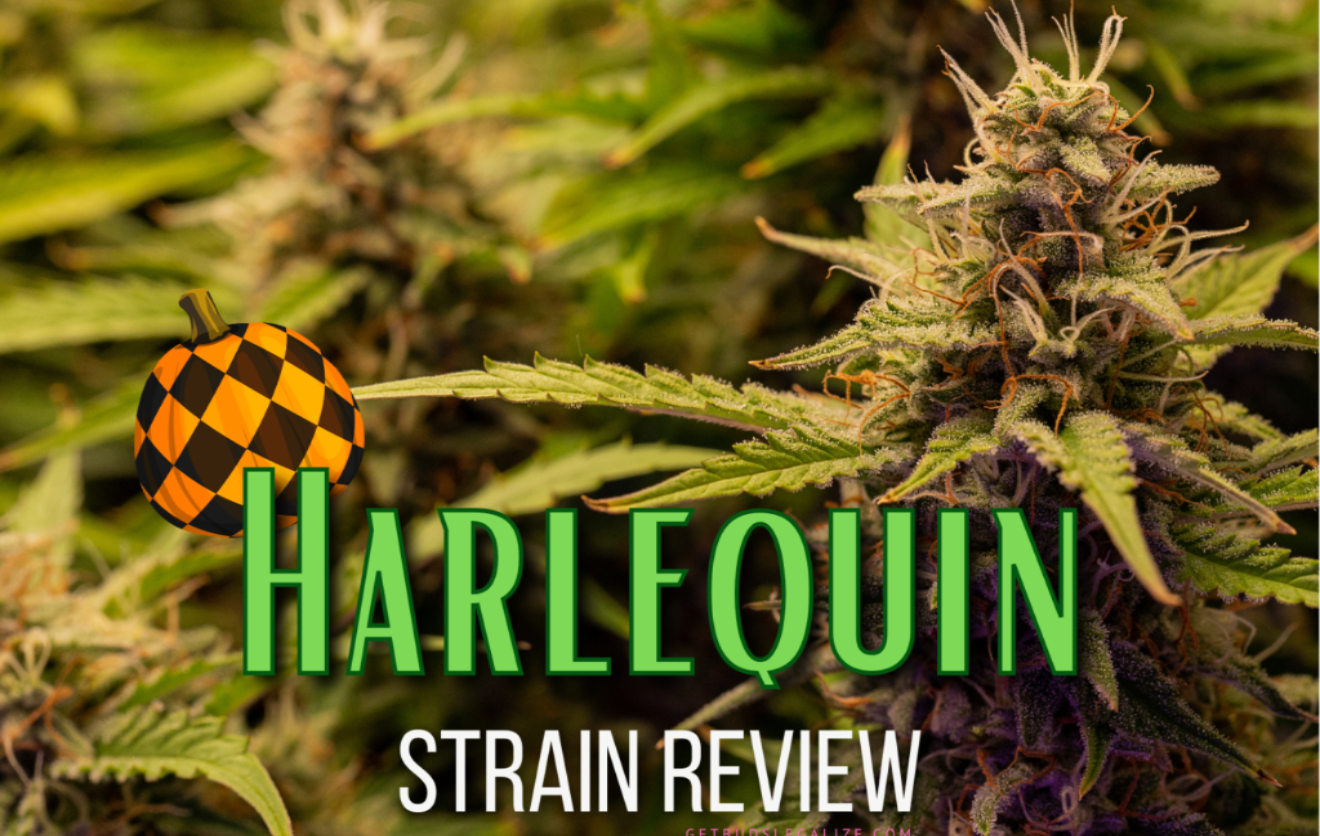
Strain Analysis: Harlequin CBD
-
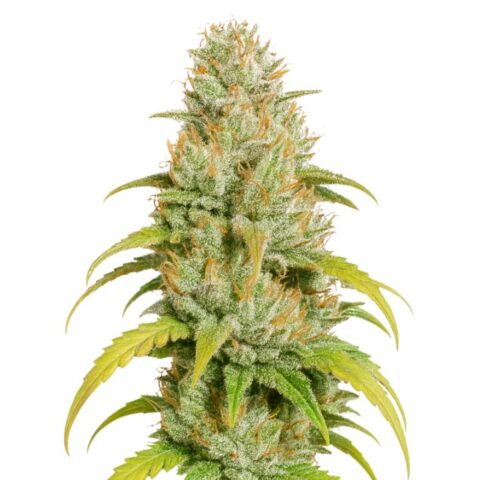 Harlequin CBD Cannabis SeedsFrom: $24.99
Origins of Harlequin CBD
Harlequin CBD is a sativa-dominant hybrid strain that stands out due to its unique combination of high CBD and relatively low THC content. This strain has a rich and complex lineage, which includes several notable landrace strains. These landraces contribute to Harlequin’s distinctive characteristics and therapeutic potential. Here is a detailed look at the origins of Harlequin CBD:
Colombian Gold

Colombian Gold is a classic landrace sativa originating from the Santa Marta mountains in Colombia. This strain has been known for centuries for its potent and uplifting effects. Colombian Gold is characterized by its long, dense buds covered in trichomes and its sweet, skunky aroma.
- Genetic Contribution: Colombian Gold contributes to Harlequin’s sativa dominance and its uplifting, energetic effects. The strain is known for its clear-headed high and invigorating qualities, which are present in Harlequin’s profile.
Nepali Indica
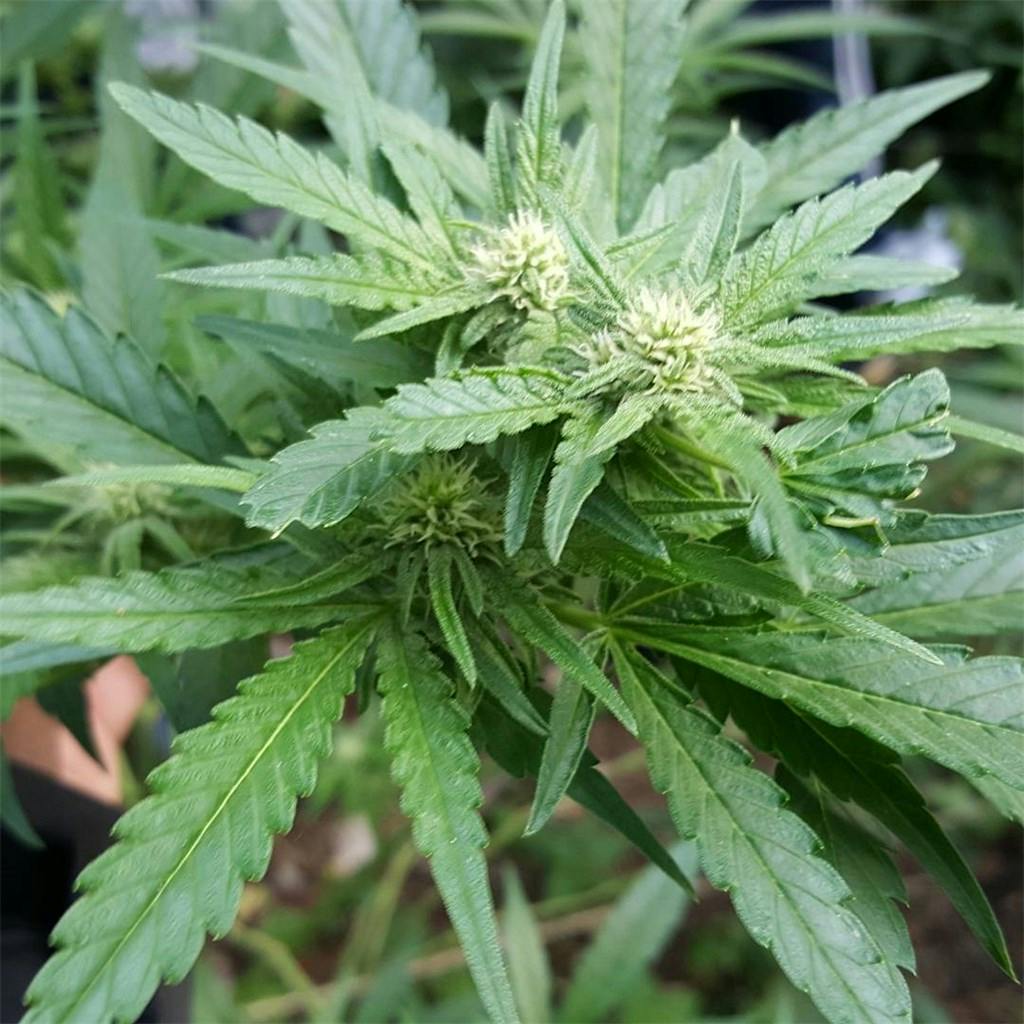
Nepali Indica is a landrace strain from the mountainous regions of Nepal. This strain is known for its resin production, making it ideal for hash and concentrate creation. Nepali Indica is characterized by its short, bushy stature and broad leaves.
- Genetic Contribution: The Nepali Indica adds a layer of relaxation and calm to Harlequin’s effects, balancing the energetic sativa influence with a soothing body high. This contributes to the strain’s overall therapeutic effects, making it useful for pain relief and anxiety reduction.
Thai Landrace
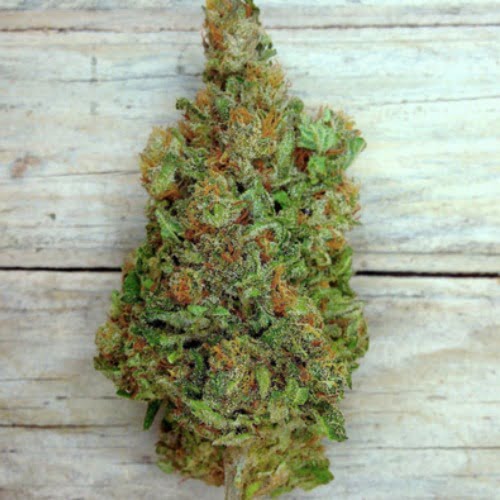
Thai Landrace strains are some of the oldest known cannabis genetics, originating from Thailand. These strains are typically pure statives, known for their tall, lanky structures and long flowering times. Thai Landrace strains have a spicy, citrusy aroma and produce a cerebral, euphoric high.
- Genetic Contribution: The Thai Landrace strains contribute to Harlequin’s sativa characteristics, including its tall growth structure and uplifting effects. The Thai genetics also add a layer of complexity to the strain’s terpene profile, contributing to its spicy and citrusy aroma.
Swiss Landrace
Swiss Landrace strains come from the diverse climates of Switzerland. These strains are known for their resilience and ability to thrive in varying conditions, from the alpine regions to lower valleys. Swiss Landrace strains can be either indica or sativa, depending on their specific origins.
- Genetic Contribution: The Swiss Landrace strains in Harlequin’s lineage contribute to its robust structure and resilience, making it easier to cultivate in different environments. These genetics help Harlequin thrive both indoors and outdoors, adding to its versatility as a strain.
Development of Harlequin CBD
The development of Harlequin CBD as a distinct strain involved careful breeding and selection to emphasize its high CBD content while maintaining a balanced cannabinoid profile. The goal was to create a strain that could provide significant medical benefits without the intense psychoactive effects associated with high THC strains.
- Breeding Process: Breeders focused on selecting plants with the desired traits, particularly high CBD levels and a balanced THC content. This involved cross-breeding the landrace strains mentioned above and selecting phenotypes that exhibited the ideal characteristics.
- Phenotype Selection: Through multiple generations of breeding, the desired phenotypes were stabilized to ensure consistency in the strain’s effects, flavor, and growth characteristics. This careful selection process helped create the reliable and therapeutic strain known as Harlequin CBD.
Genetic Stability
Maintaining genetic stability in Harlequin CBD is crucial for ensuring that the strain consistently exhibits its characteristic high CBD content and therapeutic effects. Breeders use various techniques to preserve and enhance the genetic stability of the strain:
- Cloning: By using clones from mother plants that exhibit the desired traits, breeders can ensure that the offspring maintain the same genetic profile and characteristics. This method helps preserve the high CBD content and balanced cannabinoid ratio.
- Backcrossing: This technique involves crossing a hybrid strain back to one of its parent strains to stabilize certain traits. Backcrossing helps reinforce the genetic stability of Harlequin CBD, ensuring that its unique properties are passed on to future generations.
- Phenotype Monitoring: Continuous monitoring and selection of phenotypes help maintain the quality and consistency of Harlequin CBD. Breeders observe and select plants that exhibit the ideal characteristics, discarding those that do not meet the desired criteria.
Influence on Modern Cannabis Breeding
Harlequin CBD has had a significant influence on modern cannabis breeding, particularly in the development of high-CBD strains. Its balanced cannabinoid profile and therapeutic potential have inspired breeders to create new strains with similar characteristics. Some key influences include:
- High-CBD Strains: Harlequin CBD has paved the way for the development of other high-CBD strains, contributing to the growing popularity of CBD-dominant cannabis in the medical community.
- Medical Applications: The success of Harlequin CBD in treating various medical conditions has encouraged further research and breeding efforts to create strains with specific therapeutic benefits.
- Balanced Cannabinoid Profiles: Harlequin’s balanced cannabinoid profile has inspired breeders to focus on creating strains that offer both CBD and THC in ratios that maximize therapeutic effects while minimizing unwanted psychoactivity.
Chemical Profile of Harlequin CBD
Harlequin CBD is celebrated for its unique chemical composition, which features a high CBD content and a balanced, albeit lower, THC level. This distinct chemical profile is what sets Harlequin apart and makes it a favorite among medical cannabis users. Let’s delve into the specifics of its cannabinoid and terpene profiles.
Cannabinoid Profile
Harlequin CBD is predominantly known for its high cannabidiol (CBD) content and lower tetrahydrocannabinol (THC) levels, resulting in a beneficial ratio for therapeutic use.
- CBD (Cannabidiol): The most prominent cannabinoid in Harlequin, CBD content typically ranges from 10% to 15%. CBD is non-psychoactive and is revered for its wide array of medicinal benefits, including anti-inflammatory, anti-anxiety, and pain-relieving properties.
- THC (Tetrahydrocannabinol): Harlequin contains THC levels usually below 6%. This psychoactive component contributes mildly to the strain’s effects, offering slight euphoria and mood enhancement without significant intoxication.
- CBG (Cannabigerol): Found in trace amounts, CBG is a non-psychoactive cannabinoid that has potential anti-inflammatory and neuroprotective properties.
- CBC (Cannabichromene): Another minor cannabinoid in Harlequin, CBC, also non-psychoactive, has shown promise in pain relief and anti-inflammatory applications.
The specific ratio of CBD to THC in Harlequin typically ranges from 5:2 to 2:1, which is optimal for providing therapeutic benefits without strong psychoactive effects.
Terpene Profile
Terpenes are fragrant substances that give cannabis strains their flavor, aroma, and medicinal qualities. Harlequin CBD has a rich and diverse terpene profile, which enhances its overall effects and medicinal benefits.
- Myrcene: This is the most abundant terpene in Harlequin. Myrcene has a musky, earthy aroma and contributes to the strain’s calming and sedative effects. It also enhances the pain-relieving properties of CBD and THC.
- Pinene: Known for its pine-like aroma, pinene has anti-inflammatory and bronchodilator properties. It can help improve focus and counteract some of the memory deficits induced by THC.
- Caryophyllene: This specific terpene smells spicy and peppery and is distinct in the way that it interacts with the endocannabinoid system. Caryophyllene offers anti-inflammatory and analgesic benefits, contributing to Harlequin’s overall therapeutic profile.
- Limonene: With a citrusy aroma, limonene is known for its mood-elevating and anti-anxiety effects. It adds a refreshing note to Harlequin’s flavor and enhances its stress-relieving properties.
- Humulene: Humulene has a woody, earthy aroma and is known for its anti-inflammatory effects. It adds to the strain’s potential for treating conditions related to inflammation.
Detailed Breakdown of Key Cannabinoids and Terpenes
Cannabidiol (CBD)
- Concentration: 10% to 15%
- Effects and Benefits: CBD is known for its extensive therapeutic potential without producing a high. It is effective in reducing anxiety, inflammation, and pain. It also has neuroprotective properties and has shown promise in treating epilepsy and other seizure disorders.
- Mechanism: CBD interacts with various receptors in the body, including the serotonin receptor (5-HT1A) and the vanilloid receptor (TRPV1), to exert its effects. It also influences the endocannabinoid system by inhibiting the breakdown of anandamide, a natural cannabinoid.
Tetrahydrocannabinol (THC)
- Concentration: Below 6%
- Effects and Benefits: THC is the primary psychoactive compound in cannabis. In Harlequin, its low concentration means it provides mild euphoria and mood enhancement without significant psychoactive effects. It also possesses anti-nausea and analgesic qualities.
- Mechanism: THC binds to the CB1 receptors in the brain, producing its psychoactive effects. It also interacts with CB2 receptors in the immune system, contributing to its anti-inflammatory and pain-relieving properties.
Myrcene
- Aroma: Musky, earthy
- Effects and Benefits: Myrcene is known for its sedative and muscle-relaxing effects. It enhances the pain-relieving properties of other cannabinoids and contributes to the strain’s overall calming effect.
- Concentration: High
- Mechanism: Myrcene increases the permeability of cell membranes, which can enhance the absorption of cannabinoids like THC and CBD.
Pinene
- Aroma: Pine-like
- Effects and Benefits: Pinene is recognized for its anti-inflammatory and bronchodilator properties. It can help improve focus and memory retention, countering some of the cognitive effects of THC.
- Concentration: Moderate
- Mechanism: Pinene inhibits acetylcholinesterase, an enzyme that breaks down acetylcholine, thereby enhancing memory and cognitive function.
Caryophyllene
- Aroma: Spicy, peppery
- Effects and Benefits: Caryophyllene is unique for its ability to bind directly to CB2 receptors, providing anti-inflammatory and analgesic effects. It contributes to the overall therapeutic profile of Harlequin.
- Concentration: Moderate
- Mechanism: Caryophyllene interacts with the endocannabinoid system, particularly the CB2 receptors, to exert its anti-inflammatory and pain-relieving effects.
Limonene
- Aroma: Citrus
- Effects and Benefits: Limonene is known for its mood-elevating and anti-anxiety effects. It can also aid in digestion and provide anti-fungal and anti-bacterial properties.
- Concentration: Low to Moderate
- Mechanism: Limonene increases serotonin production and enhances the permeability of cell membranes, potentially increasing the absorption of other terpenes and cannabinoids.
Humulene
- Aroma: Woody, earthy
- Effects and Benefits: Humulene is known for its anti-inflammatory properties. It also has appetite-suppressant effects, which can counteract the munchies often associated with THC.
- Concentration: Low
- Mechanism: By preventing the synthesis of pro-inflammatory cytokines, humulene has been demonstrated to decrease inflammation through its interactions with the endocannabinoid system.
Synergistic Effects and the Entourage Effect
Harlequin CBD’s cannabinoids and terpenes work together to produce an entourage effect, which is a beneficial impact. This process happens when the many chemicals in cannabis combine to increase the therapeutic advantages of one another. As an illustration:
- CBD and THC: While CBD mitigates the psychoactive effects of THC, the two cannabinoids work together to provide enhanced pain relief and anti-inflammatory benefits.
- Myrcene and THC: Myrcene’s ability to increase cell membrane permeability can enhance the absorption and efficacy of THC, providing more effective pain relief and relaxation.
- Limonene and CBD: Limonene’s mood-elevating effects complement CBD’s anti-anxiety properties, providing a more comprehensive approach to managing stress and anxiety.
Medical Benefits of Harlequin CBD

Harlequin CBD is renowned for its high CBD content and balanced cannabinoid profile, which makes it an effective and versatile option for various medical conditions. The strain’s therapeutic properties stem from the synergistic effects of its cannabinoids and terpenes. Below, we explore the specific medical benefits of Harlequin CBD in detail.
Pain Relief
Mechanism of Action: Harlequin CBD’s high concentration of CBD interacts with the body’s endocannabinoid system to control pain perception, making it an extremely powerful pain management tool. TRPV1 receptors, which control inflammation, body temperature, and pain, are bindable to CBD. Furthermore, THC’s interaction with CB1 receptors in the central nervous system can intensify the pain-relieving effects even in low concentrations.
Conditions Treated:
- Neuropathic pain, fibromyalgia, and arthritis are examples of chronic pain disorders.
- Acute pain from injuries or surgeries.
- Headaches and migraines.
Research and Evidence: Studies have shown that CBD can significantly reduce chronic pain and inflammation. A review published in the European Journal of Pain demonstrated that CBD applied on the skin could help lower pain and inflammation due to arthritis. Moreover, the combination of CBD and THC has been shown to be effective in treating pain in multiple sclerosis and cancer patients.
Anxiety and Stress Relief
Mechanism of Action: CBD’s anxiolytic properties are attributed to its interaction with the 5-HT1A serotonin receptor, which plays a role in mood regulation. The presence of terpenes like limonene and linalool also contributes to the anti-anxiety effects by promoting relaxation and reducing stress.
Conditions Treated:
- Generalized anxiety disorder (GAD).
- Social anxiety disorder (SAD).
- Post-traumatic stress disorder (PTSD).
- Panic disorder.
Research and Evidence: Numerous studies support CBD’s effectiveness in reducing anxiety. For instance, CBD offers a great deal of promise as a treatment for a variety of anxiety disorders, according to a Neurotherapeutics study. During public speaking, people with social anxiety disorder experience less anxiety when using CBD, according to a different study that was published in the Journal of Psychopharmacology.
Anti-Inflammatory Effects
Mechanism of Action: CBD exerts its anti-inflammatory effects by inhibiting the production of pro-inflammatory cytokines and interacting with the CB2 receptors in the immune system. The terpenes myrcene and caryophyllene also have strong anti-inflammatory properties, which enhance the strain’s overall effectiveness in reducing inflammation.
Conditions Treated:
- Inflammatory conditions such as Crohn’s disease and irritable bowel syndrome (IBS).
- Autoimmune diseases like lupus and rheumatoid arthritis.
- Skin conditions like eczema and psoriasis.
Research and Evidence: A study published in the journal Future Medicinal Chemistry discussed how CBD suppresses inflammatory responses and might help manage autoimmune diseases. Another study in the European Journal of Pain highlighted CBD’s potential in reducing inflammation and pain in rats with arthritis.
Neuroprotective Properties
Mechanism of Action: CBD has neuroprotective properties due to its antioxidant and anti-inflammatory effects. It helps protect neurons from damage and promotes brain health. CBG, another cannabinoid found in Harlequin CBD, also contributes to neuroprotection by interacting with CB1 and CB2 receptors.
Conditions Treated:
- Neurological conditions including Parkinson’s and Alzheimer’s disease.
- Traumatic brain injuries (TBIs).
- Multiple sclerosis (MS).
Research and Evidence: Research published in the Journal of Alzheimer’s Disease suggested that CBD might help reduce the impact of inflammation and oxygen buildup on brain cells, potentially slowing the progression of Alzheimer’s. Another study in the Journal of Neurochemistry found that CBD helps prevent the toxic effects of neurotransmitters in the brain, suggesting potential benefits for Parkinson’s disease.
Muscle Relaxation and Spasm Relief
Mechanism of Action: CBD’s muscle-relaxing effects are attributed to its interaction with the endocannabinoid system and its ability to reduce inflammation and pain. THC also plays a role in muscle relaxation by interacting with CB1 receptors in the central nervous system. Myrcene, a terpene in Harlequin, further enhances these effects with its sedative properties.
Conditions Treated:
- Multiple sclerosis (MS).
- Muscle spasms and cramps.
- Spasticity related to spinal cord injuries.
Research and Evidence: A study published in the Journal of Clinical Pharmacology found that CBD reduced muscle spasticity in patients with multiple sclerosis. Another study in the journal Cannabis and Cannabinoid Research highlighted the potential of cannabinoids in managing muscle spasms and cramps.
Antiepileptic Effects
Mechanism of Action: CBD is known for its anticonvulsant properties, which are particularly beneficial for individuals with epilepsy. It modulates the function of various receptors and ion channels involved in seizure activity, including the GABA receptor and the TRPV1 receptor.
Conditions Treated:
- Epilepsy, including treatment-resistant forms.
- Dravet syndrome.
- Lennox-Gastaut syndrome.
Research and Evidence: Anecdotal evidence and clinical investigations have demonstrated the efficacy of CBD in lowering seizure frequency and intensity. According to a study published in The New England Journal of Medicine, CBD dramatically decreased the frequency of seizures in Dravet syndrome patients. Furthermore, it has been demonstrated that patients with Lennox-Gastaut syndrome and Dravet syndrome can effectively treat their seizures using the FDA-approved medication Epidiolex, which contains CBD. Additionally, the FDA-approved drug Epidiolex, which contains CBD, has been proven effective in treating seizures in patients with Lennox-Gastaut syndrome and Dravet syndrome.
Antiemetic Effects
Mechanism of Action: CBD and THC both possess antiemetic (anti-nausea) properties. THC interacts with CB1 receptors in the brainstem, which helps reduce nausea and vomiting. CBD enhances these effects and is also thought to modulate serotonin receptors, which play a role in nausea and vomiting.
Conditions Treated:
- Nausea and vomiting related to chemotherapy.
- Nausea associated with chronic conditions like HIV/AIDS.
- Morning sickness during pregnancy (with caution and under medical supervision).
Research and Evidence: Research published in the British Journal of Pharmacology highlighted the anti-nausea and anti-vomiting effects of cannabinoids, particularly CBD. Another study found that a combination of CBD and THC was effective in reducing nausea and vomiting induced by chemotherapy.
Mood Enhancement and Depression Relief
Mechanism of Action: CBD’s interaction with serotonin receptors contributes to its antidepressant effects. It helps increase serotonin levels, which are crucial for mood regulation. Terpenes like limonene also play a role in mood enhancement by promoting a sense of well-being and reducing stress.
Conditions Treated:
- Major depressive disorder (MDD).
- Seasonal affective disorder (SAD).
- Chronic stress-related depression.
Research and Evidence: A study in the journal Molecular Neurobiology found that CBD has fast-acting antidepressant-like effects and can enhance serotonin levels. Another study published in the journal CNS & Neurological Disorders – Drug Targets discussed the potential of CBD in treating depressive disorders.
Anti-Addictive Properties
Mechanism of Action: By lessening cravings and withdrawal symptoms, CBD has demonstrated potential in aiding people in managing their addiction. It modulates the reward system in the brain, which is involved in addiction. CBD’s interaction with serotonin and dopamine receptors also plays a role in reducing addictive behaviors.
Conditions Treated:
Research and Evidence: Research published in the American Journal of Psychiatry found that CBD significantly reduced cue-induced cravings and anxiety in individuals with heroin use disorder. Another study in the journal Addiction Biology highlighted CBD’s potential in reducing drug-seeking behaviors and preventing relapse in individuals with addiction.
Synergistic Effects and the Entourage Effect
The combination of cannabinoids and terpenes in Harlequin CBD creates a synergistic effect known as the entourage effect. This phenomenon enhances the strain’s overall therapeutic benefits. For example:
- CBD and THC: While CBD mitigates the psychoactive effects of THC, the two cannabinoids work together to provide enhanced pain relief and anti-inflammatory benefits.
- Myrcene and THC: Myrcene’s ability to increase cell membrane permeability can enhance the absorption and efficacy of THC, providing more effective pain relief and relaxation.
- Limonene and CBD: Limonene’s mood-elevating effects complement CBD’s anti-anxiety properties, providing a more comprehensive approach to managing stress and anxiety.
Growing Conditions
Growing harlequin CBD is a fairly simple strain that can be grown by both inexperienced and seasoned growers. Its diverse genetic background gives it resilience against various growing conditions, pests, and diseases. Here are the essential factors to consider for successfully growing Harlequin CBD:
- Climate: Harlequin thrives in a Mediterranean climate, preferring temperatures between 70-85°F (21-29°C). It can be grown outside or indoors, however indoor growing gives you more control over the environment.
- Light: This strain requires plenty of light, making it ideal for outdoor cultivation in sunny climates. Indoors, a robust lighting system (e.g., LED or HID lights) will ensure healthy growth and optimal yields.
- Soil: Harlequin CBD prefers well-draining soil rich in organic matter. A mix of potting soil, perlite, and compost provides a good balance of nutrients and aeration.
- Watering: Consistent watering is crucial, but overwatering can lead to root rot. It’s important to allow the top layer of soil to dry out between waterings.
- Nutrients: A balanced nutrient regimen is necessary, with higher nitrogen levels during the vegetative stage and increased phosphorus and potassium during flowering. Organic fertilizers or commercial nutrient solutions designed for cannabis work well.
- Training: Techniques such as topping, low-stress training (LST), and screen of green (ScrOG) can help maximize light exposure and yields. Frequent trimming lowers the chance of mold and pests while improving ventilation.
- Flowering Time: Harlequin CBD typically has a flowering period of 8-9 weeks. Harvesting at the right time is crucial to ensure optimal CBD and terpene levels. Trichome inspection is a reliable method to determine the best harvest window.
- Pests and Diseases: While Harlequin is relatively resilient, common pests like spider mites, aphids, and powdery mildew can affect it. These problems can be managed with routine inspections and preventative techniques such using beneficial insects or neem oil.
- Yields: Indoor yields range from 14-18 ounces per square meter, while outdoor plants can produce up to 21 ounces per plant under optimal conditions.
Conclusion
Harlequin CBD stands out as a unique and highly beneficial cannabis strain due to its balanced chemical profile, rich origins, diverse medical applications, and adaptability in various growing conditions. As a sativa-dominant hybrid, Harlequin CBD combines the uplifting qualities of Colombian Gold, the calming effects of Nepali Indica, and the robust resilience of Thai and Swiss landrace strains. This diverse genetic background not only contributes to its unique characteristics but also makes it a versatile strain that thrives in different environments.
Chemical Profile: Harlequin CBD’s high cannabidiol (CBD) content, typically ranging from 10% to 15%, coupled with a lower tetrahydrocannabinol (THC) level of usually below 6%, makes it ideal for therapeutic use. The strain’s terpene profile, which includes myrcene, pinene, caryophyllene, limonene, and humulene, enhances its medical benefits and provides a complex and pleasant aroma and flavor.
Medical Benefits: Harlequin CBD’s balanced cannabinoid and terpene profile provides a wide range of therapeutic benefits without significant psychoactive effects. It is effective in managing chronic pain, reducing anxiety and stress, alleviating inflammation, and promoting muscle relaxation. The strain’s neuroprotective properties offer potential benefits for neurodegenerative diseases, while its anti-epileptic effects make it a valuable option for treating seizure disorders. Additionally, Harlequin CBD’s antiemetic, antidepressant, and anti-addictive properties further highlight its versatility as a medical cannabis strain.
Growing Conditions: Because harlequin CBD is so simple to grow, growers of all skill levels can benefit from it. It is most successful in a Mediterranean environment with lots of light and soil that drains properly. While outdoor growth can generate sizable harvests under ideal conditions, indoor production offers greater control over environmental parameters. The strain’s resilience against pests and diseases, combined with proper training techniques, ensures healthy growth and abundant yields.
Synergistic Effects: The entourage effect, where the various cannabinoids and terpenes in Harlequin CBD work together synergistically, enhances its overall therapeutic potential. This synergy results in more effective pain relief, anxiety reduction, and anti-inflammatory benefits, making Harlequin CBD a comprehensive and reliable choice for medical users.
In conclusion, Harlequin CBD is a standout strain in the world of medical cannabis. Its rich genetic heritage balanced chemical profile, extensive medical benefits, and ease of cultivation make it a valuable option for patients and growers alike. Whether used for pain management, anxiety relief, or neuroprotection, Harlequin CBD offers a versatile and effective solution without the intense psychoactive effects associated with high-THC strains. This strain’s unique combination of properties positions it as a top choice for those seeking therapeutic relief through cannabis.
