
Medical Strain Analysis: Ghost Train Haze
-
 Ghost Train Haze Cannabis SeedsFrom: $24.99
Introduction
Ghost Train Haze is a highly regarded medical cannabis strain, known for its potent effects, unique origins, and comprehensive chemical profile. Its medical benefits span a wide range of conditions, making it a valuable option for patients seeking relief from various ailments. This detailed analysis delves into the origins, chemical composition, medical benefits, and optimal growing conditions of Ghost Train Haze, with an emphasis on its use in the medical field, while excluding any recreational use and consumption methods.
Origins of Ghost Train Haze
Ghost Train Haze is a hybrid strain that has garnered significant attention in the medical cannabis community due to its potent effects and unique lineage. It was first created by Rare Dankness, a seed bank known for producing high-quality cannabis genetics. The strain is a cross between Ghost OG, an indica-dominant hybrid, and Neville’s Wreck, a sativa-dominant strain. This combination has resulted in a strain that offers the best of both worlds: the relaxing, pain-relieving effects of an indica, and the uplifting, cerebral effects of a sativa.
Ghost OG
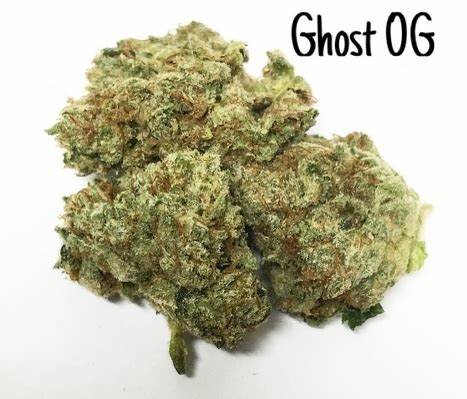
Ghost OG is one of the parent strains of Ghost Train Haze and is a phenotype of the OG Kush strain. It is well-known for having potent calming effects and is frequently used in medicine to treat ailments like anxiety, sleeplessness, and chronic pain. The strain has a robust earthy and citrus aroma, which it passes down to its offspring, including Ghost Train Haze.
Neville’s Wreck

Neville’s Wreck is the other parent strain of Ghost Train Haze and is a cross between Neville’s Haze and Trainwreck. Neville’s Wreck is a sativa-dominant strain known for its potent, uplifting effects, making it a popular choice for treating conditions like depression and fatigue. The strain is also recognized for its high THC content, which contributes to the potency of Ghost Train Haze.
Chemical Profile of Ghost Train Haze
The chemical profile of Ghost Train Haze is complex and contributes to its powerful medical effects. The strain is particularly known for its high THC content, which can range from 18% to 27%, making it one of the most potent strains available in the medical cannabis market. However, it also contains a variety of other cannabinoids and terpenes that contribute to its overall therapeutic effects.
Cannabinoids
- THC (Tetrahydrocannabinol): Ghost Train Haze’s strong psychoactive effects are attributed to THC, the strain’s predominant component. THC is well-known in the medical community for its capacity to lessen pain, lessen nausea, and increase appetite. However, due to its high potency, careful dosing is recommended to avoid potential side effects such as anxiety or paranoia in sensitive patients.
- CBD (Cannabidiol): Although present in lower concentrations compared to THC, CBD plays a crucial role in modulating the effects of THC and enhancing the strain’s therapeutic potential. Anxiety-reducing, anti-inflammatory, and anti-seizure qualities of CBD are well-known. In Ghost Train Haze, the presence of CBD helps to balance the strain’s effects, making it suitable for patients who require potent pain relief without excessive sedation.
- CBG (Cannabigerol): CBG is a minor cannabinoid found in Ghost Train Haze that has gained attention for its potential therapeutic benefits. CBG is an important part of the strain’s chemical composition because it has been demonstrated to have anti-inflammatory, analgesic, and neuroprotective qualities.
- CBC (Cannabichromene): CBC is another minor cannabinoid present in Ghost Train Haze that contributes to the strain’s overall medical benefits. CBC has been found to have anti-inflammatory, analgesic, and anti-depressant properties, making it a useful addition to the strain’s therapeutic profile.
Terpenes
- Myrcene: Myrcene is the most abundant terpene in Ghost Train Haze and is known for its earthy, musky aroma. In the medical field, myrcene is valued for its sedative and muscle-relaxant effects, making it particularly useful for patients suffering from chronic pain and insomnia.
- Limonene: Limonene is a citrus-scented terpene found in Ghost Train Haze that is known for its mood-enhancing and stress-relieving properties. Limonene has been shown to have anti-anxiety, anti-depressant, and anti-inflammatory effects, making it a valuable component of the strain’s therapeutic profile.
- Pinene: Pinene is a terpene with a pine-like aroma that is present in Ghost Train Haze. It is known for its anti-inflammatory and bronchodilator properties, making it beneficial for patients with conditions such as asthma and chronic obstructive pulmonary disease (COPD).
- Caryophyllene: Caryophyllene is a spicy, peppery-scented terpene that is found in Ghost Train Haze. It is unique in that it can interact with the body’s CB2 receptors, which are involved in regulating inflammation and pain. This makes caryophyllene particularly useful for patients with inflammatory conditions such as arthritis.
- Terpinolene: Terpinolene is a less common terpene found in Ghost Train Haze, known for its floral, herbal aroma. It has been shown to have antioxidant and sedative properties, making it useful for patients with anxiety and insomnia.
Medical Benefits of Ghost Train Haze

Ghost Train Haze offers a wide range of medical benefits, making it a versatile strain for treating various conditions. Its potent effects, combined with its unique chemical profile, make it particularly effective for patients with chronic pain, mental health disorders, and neurological conditions.
Chronic Pain Management
One of the most significant medical benefits of Ghost Train Haze is its ability to manage chronic pain. The high THC content in the strain interacts with the body’s endocannabinoid system to block pain signals, providing relief for patients with conditions such as arthritis, fibromyalgia, and multiple sclerosis. Additionally, the presence of terpenes like myrcene and caryophyllene enhances the strain’s analgesic effects, making it a powerful option for pain management.
Anxiety and Depression
Ghost Train Haze is also highly effective in treating mental health disorders such as anxiety and depression. The strain’s uplifting and mood-enhancing effects can help alleviate symptoms of depression, while its calming properties can reduce anxiety. The presence of limonene and pinene contributes to these effects, providing a sense of mental clarity and focus, which can be particularly beneficial for patients dealing with anxiety-related disorders.
Neurological Disorders
The neuroprotective properties of Ghost Train Haze make it a valuable option for patients with neurological disorders such as epilepsy and Parkinson’s disease. The strain’s high THC content, combined with the presence of CBD and other cannabinoids, can help reduce the frequency and severity of seizures in epileptic patients. Additionally, the anti-inflammatory properties of the strain can help manage symptoms of neurodegenerative conditions like Parkinson’s disease and Alzheimer’s disease.
Inflammation and Autoimmune Conditions
Ghost Train Haze’s anti-inflammatory properties make it a suitable option for patients with inflammatory and autoimmune conditions such as rheumatoid arthritis, Crohn’s disease, and lupus. The strain’s ability to reduce inflammation and modulate the immune system can help manage symptoms and improve the quality of life for patients with these conditions.
Appetite Stimulation
For patients suffering from conditions that cause a loss of appetite, such as cancer or HIV/AIDS, Ghost Train Haze can be an effective treatment. The strain’s high THC content stimulates appetite and reduces nausea, making it easier for patients to maintain a healthy diet and prevent malnutrition.
Insomnia
Although Ghost Train Haze is a sativa-dominant strain, its sedative effects, particularly when consumed in higher doses, can help patients with insomnia. The presence of myrcene and terpinolene contributes to the strain’s ability to promote relaxation and induce sleep, making it a valuable option for patients with sleep disorders.
Restrictions on Using Ghost Train Haze in the Medical Field as a Last Resort
Ghost Train Haze, with its potent effects and high THC content, is a powerful medical cannabis strain. However, due to its strength, there are specific considerations and restrictions when using this strain in the medical field, particularly as a last resort. These restrictions are important to ensure patient safety and to prevent any unintended psychoactive effects, especially in vulnerable populations.
1. High THC Content and Psychoactive Effects
- Patient Sensitivity: The high THC content in Ghost Train Haze, which can reach up to 27%, makes it a potent strain that can induce strong psychoactive effects. For this reason, it is often reserved as a last resort for patients who have not responded well to other treatments. The strain’s strong psychoactivity can cause adverse effects, including anxiety, paranoia, or dizziness, particularly in patients who are sensitive to THC.
- Psychoactive Risk in Vulnerable Populations: Patients with a history of mental health disorders, such as schizophrenia or severe anxiety, are at higher risk of experiencing negative psychoactive effects from high-THC strains like Ghost Train Haze. In such cases, alternative treatments with lower THC levels or higher CBD content may be recommended to avoid exacerbating psychiatric symptoms.
2. Monitoring THC Levels in Medications

- Dosage Control: When using Ghost Train Haze in a medical setting, precise dosage control is critical. The THC levels must be carefully monitored to ensure that patients receive the therapeutic benefits without experiencing unwanted psychoactive effects. This is particularly important in settings where cannabis is used as a last resort, where patients may have complex or severe conditions that require careful management.
- Titration and Gradual Introduction: To minimize the risk of psychoactive effects, it is advisable to introduce Ghost Train Haze gradually, starting with the lowest effective dose and slowly increasing it under medical supervision. Titration allows for close monitoring of the patient’s response to the medication, adjusting the dosage as needed to achieve the desired therapeutic effect while minimizing side effects.
- Formulation Considerations: Medical cannabis formulations derived from Ghost Train Haze should be designed to control THC levels effectively. For example, formulations may include a balanced ratio of THC to CBD, as CBD can mitigate some of the psychoactive effects of THC. Additionally, extended-release formulations or alternative delivery methods (e.g., transdermal patches) can provide more consistent dosing and reduce the likelihood of sharp increases in THC levels in the bloodstream.
3. Regulatory Guidelines and Compliance
- Adherence to Medical Cannabis Regulations: In many jurisdictions, the use of high-THC cannabis strains like Ghost Train Haze is subject to strict regulatory oversight. Medical professionals must adhere to local laws and guidelines when prescribing or recommending this strain. This often includes ensuring that patients have exhausted other treatment options before turning to high-THC cannabis as a last resort.
- Patient Education and Informed Consent: Before using Ghost Train Haze as a treatment, patients must be fully informed about the potential risks and benefits, including the possibility of psychoactive effects. Informed consent is essential, particularly when dealing with potent strains like Ghost Train Haze. Patients should understand the importance of adhering to prescribed dosages and the potential consequences of misuse.
- Monitoring and Reporting: Continuous monitoring of patients using Ghost Train Haze is crucial to ensure that the treatment remains safe and effective. Medical professionals should track the patient’s response to the strain, including any adverse effects, and adjust the treatment plan as necessary. In some regions, there may also be requirements to report the use of high-THC strains to regulatory bodies, particularly if used as a last resort.
4. Special Considerations for Pediatric and Geriatric Patients
- Pediatric Use: The use of high-THC cannabis strains in pediatric patients is generally approached with extreme caution. For children with severe conditions like epilepsy, where conventional treatments have failed, cannabis strains with carefully controlled THC levels may be considered. However, due to the risks associated with THC, such treatments are usually a last resort, and extensive monitoring is required to prevent psychoactive effects.
- Geriatric Use: Elderly patients may be more susceptible to the psychoactive effects of THC due to age-related changes in metabolism and increased sensitivity to cannabinoids. When considering Ghost Train Haze for geriatric patients, the same principles of low starting doses and gradual titration apply. Additionally, it’s essential to monitor for any cognitive or motor impairments that may arise from THC use in older adults.
Growing Conditions for Ghost Train Haze
Ghost Train Haze is a relatively easy strain to grow, making it a popular choice for both novice and experienced cultivators. However, to achieve the best results, it is important to provide the strain with the optimal growing conditions.
Climate
Ghost Train Haze thrives in a warm, sunny climate with temperatures ranging between 70°F and 85°F (21°C to 29°C). The strain can be grown both indoors and outdoors, but outdoor cultivation requires a climate that mimics the warm, Mediterranean conditions in which the strain naturally flourishes. If grown in a less favorable climate, indoor cultivation is recommended to maintain control over temperature and humidity levels.
Soil and Nutrients
Ghost Train Haze prefers well-drained, nutrient-rich soil with a slightly acidic pH level between 6.0 and 7.0. Organic soil mixes are ideal for this strain, as they provide a natural source of nutrients and beneficial microorganisms. During the vegetative stage, the plant requires higher levels of nitrogen to support healthy growth, while the flowering stage requires increased levels of phosphorus and potassium to promote bud development.
Light
As a sativa-dominant strain, Ghost Train Haze requires plenty of light to thrive. When grown indoors, the strain should be provided with 18 to 24 hours of light per day during the vegetative stage and 12 hours of light per day during the flowering stage. High-intensity discharge (HID) lights, such as metal halide (MH) and high-pressure sodium (HPS) lamps, are recommended for indoor cultivation, as they provide the necessary intensity and spectrum of light to support healthy growth.
Watering and Humidity
Ghost Train Haze requires regular watering to maintain healthy growth, but it is important to avoid overwatering, as this can lead to root rot and other issues. The strain prefers a moderate level of humidity, with levels between 40% and 60% during the vegetative stage and slightly lower levels during the flowering stage to prevent mold and mildew.
Pruning and Training
To maximize yields and ensure proper airflow and light penetration, it is important to prune and train Ghost Train Haze plants regularly. Techniques such as topping, which involves removing the top of the main stem to encourage lateral growth, and low-stress training (LST), which involves bending and securing branches to create an even canopy, can help optimize the plant’s structure and improve bud development.
Flowering Time and Harvest
Ghost Train Haze has a relatively long flowering time, typically ranging from 10 to 12 weeks. However, the strain’s high yields and potent effects make the wait worthwhile. When grown outdoors, the strain is usually ready for harvest in late October. Indoor growers can expect to yield between 400 and 600 grams per square meter, while outdoor growers can yield between 600 and 800 grams per plant.
Conclusion
Ghost Train Haze is a remarkable medical cannabis strain, renowned for its potent therapeutic effects and complex chemical profile. Originating from the powerful genetics of Ghost OG and Neville’s Wreck, this strain offers a balanced blend of sativa and indica characteristics, making it highly effective for managing a wide range of medical conditions. With its high THC content, Ghost Train Haze is particularly beneficial for patients suffering from chronic pain, mental health disorders, neurological conditions, inflammation, and appetite loss. However, its potency also necessitates careful consideration and cautious use in medical settings.
The strain’s rich chemical composition, including cannabinoids like THC, CBD, CBG, and a variety of therapeutic terpenes, contributes to its wide-ranging medical benefits. These compounds work synergistically to provide relief from symptoms while also offering neuroprotective, anti-inflammatory, and mood-enhancing effects.
When it comes to cultivation, Ghost Train Haze is relatively easy to grow, thriving in warm, sunny climates and producing high yields both indoors and outdoors. However, achieving the best results requires attention to detail, including proper soil nutrition, light management, watering, and training techniques.
In the medical field, the use of Ghost Train Haze must be approached with caution due to its high THC levels. As a last resort treatment, it offers significant benefits but also poses risks of psychoactive effects, particularly in sensitive patients. Therefore, strict monitoring of THC levels in medications, careful dosage control, and adherence to regulatory guidelines are crucial to ensuring patient safety and optimizing therapeutic outcomes.
In summary, Ghost Train Haze stands out as a powerful and versatile medical strain with significant potential to improve the quality of life for patients with various conditions. Its use in the medical field, however, requires careful consideration, particularly regarding THC management and patient monitoring, to fully harness its therapeutic benefits while minimizing potential risks.
