
Medical Strain Analysis: Dynamite Diesel
-
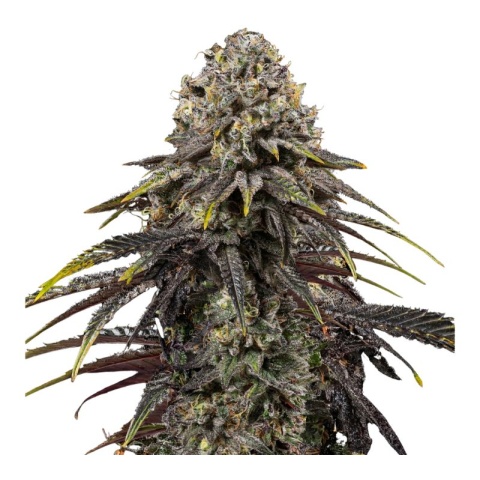 Dynamite Diesel Cannabis SeedsFrom: $25
Introduction
Dynamite Diesel is a medical cannabis strain that has gained significant attention for its unique combination of effects, potent chemical profile, and suitability for various medical conditions. Originating from a lineage known for its robust terpene and cannabinoid content, Dynamite Diesel stands out in the medical cannabis community. This comprehensive analysis delves into its origins, chemical profile, medical benefits, and growing conditions, emphasizing its medical use and excluding recreational use and consumption methods.
Origins of Dynamite Diesel
Genetic Lineage
Dynamite Diesel is a hybrid strain that owes its lineage to the famed Sour Diesel and Dynamite strains. Sour Diesel, a legendary strain known for its pungent, fuel-like aroma, contributes to the strain’s uplifting and cerebral effects. Dynamite, on the other hand, is a lesser known but equally potent strain, often praised for its fruity and sweet undertones and balanced effects. The combination of these two parent strains results in Dynamite Diesel, which inherits the best qualities of both.
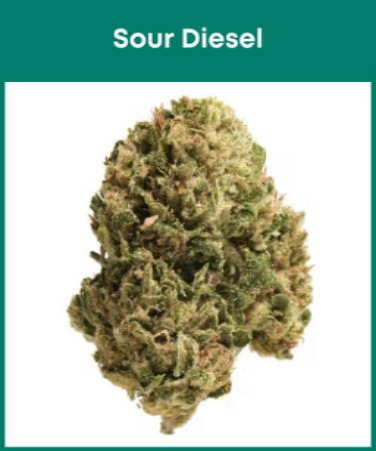
- Sour Diesel: Originating in the early 1990s, Sour Diesel is a Sativa-dominant strain that has been a staple in the cannabis community for decades. It is believed to be a cross between Chemdawg 91 and Super Skunk, although its exact lineage is still debated. Well known for its stimulating properties, sour diesel is frequently used to treat pain, sadness, and stress.
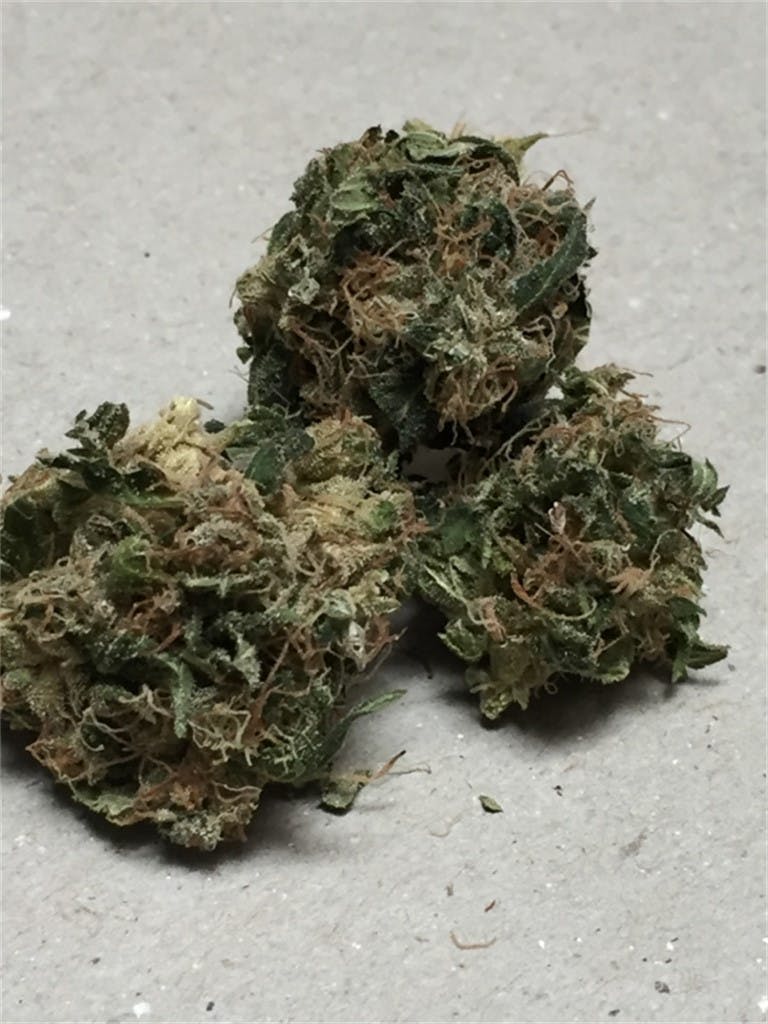
- Dynamite: Dynamite is an Indica-dominant strain with roots tracing back to the famous Grapefruit strain. It is known for its sweet, fruity aroma and its ability to induce relaxation and euphoria without overwhelming sedation. Dynamite is often used in the medical field to treat anxiety, insomnia, and chronic pain.
Development and Breeding
Dynamite Diesel was developed by expert breeders seeking to create a strain that balanced the invigorating effects of Sour Diesel with the calming properties of Dynamite. The result is a hybrid that offers both mental clarity and physical relaxation, making it suitable for various medical conditions. The breeders focused on enhancing the terpene profile to maximize the strain’s therapeutic potential while ensuring it retained the robust growth characteristics of its parent strains.
Chemical Profile of Dynamite Diesel
Cannabinoid Content
Dynamite Diesel is known for its balanced cannabinoid profile, which contributes to its wide range of medical applications. The primary cannabinoids present in Dynamite Diesel include:
- THC (Tetrahydrocannabinol): THC is the most prominent cannabinoid in Dynamite Diesel, with concentrations typically ranging from 18% to 24%. Although THC is well-known for its intoxicating properties, it also has important therapeutic applications in the areas of pain management, inflammation reduction, and appetite stimulation.
- CBD (Cannabidiol): CBD content in Dynamite Diesel is relatively low, usually less than 1%. However, even in small amounts, CBD can modulate the effects of THC, reducing potential anxiety and paranoia while enhancing the strain’s anti-inflammatory and neuroprotective properties.
- CBG (Cannabigerol): Although present in minor concentrations, CBG is an important cannabinoid in Dynamite Diesel. Non-psychoactive, CBG has been demonstrated to offer potential advantages for a number of illnesses, including glaucoma, inflammatory bowel disease, and several cancers.
- CBN (Cannabinol): CBN is another minor cannabinoid found in Dynamite Diesel. It is known for its sedative properties and may contribute to the strain’s effectiveness in treating insomnia and pain.
Terpene Profile
The terpene profile of Dynamite Diesel is complex and contributes significantly to its medical efficacy. The dominant terpenes in Dynamite Diesel include:
- Myrcene: Myrcene is the most abundant terpene in Dynamite Diesel. It is known for its earthy, musky aroma and has powerful sedative and muscle-relaxing effects. Myrcene enhances the strain’s ability to relieve pain and promote relaxation.
- Limonene: Limonene, responsible for the strain’s citrusy undertones, is known for its mood-enhancing and anti-anxiety properties. It is advantageous for many different medical diseases because of its antioxidant and anti-inflammatory properties.
- Caryophyllene: This spicy, peppery terpene is unique because it can interact with cannabinoid receptors, particularly CB2 receptors. Caryophyllene’s anti-inflammatory and analgesic properties make it a valuable component in Dynamite Diesel’s medical benefits.
- Pinene: Pinene, as the name suggests, gives off a pine-like aroma and is known for its bronchodilator effects, making it helpful for patients with asthma or other respiratory conditions. It also has anti-inflammatory properties and can help counteract the memory-impairing effects of THC.
- Linalool: Linalool contributes to the strain’s floral notes and is well-known for its calming and anti-anxiety effects. It also has analgesic and anti-epileptic properties, further enhancing Dynamite Diesel’s medical utility.
Synergistic Effects (The Entourage Effect)
The entourage effect is a potent synergy produced by the interaction of terpenes and cannabinoids in Dynamite Diesel. This process happens when the many chemical components within the cannabis plant combine to create more potent medicinal benefits. For example, the presence of myrcene and THC together may increase the strain’s ability to relieve pain and induce relaxation. Similarly, the interaction between limonene and CBD can enhance anti-anxiety effects while reducing potential THC-induced anxiety.
Medical Benefits of Dynamite Diesel

Dynamite Diesel’s balanced chemical profile makes it suitable for treating a wide range of medical conditions. Depending on the dose and each patient’s reaction, it can have both energizing and calming effects. Below are some of the primary medical benefits associated with Dynamite Diesel.
Pain Relief
One of the most significant medical applications of Dynamite Diesel is in pain management. The strain’s high THC content, combined with the presence of myrcene and caryophyllene, makes it effective in treating various types of pain, including:
- Chronic Pain: Dynamite Diesel’s analgesic properties are particularly beneficial for patients suffering from chronic pain conditions such as arthritis, fibromyalgia, and neuropathy. The strain’s ability to reduce inflammation further enhances its pain-relieving effects.
- Migraine Relief: Patients with migraines may find relief with Dynamite Diesel due to its ability to reduce pain and inflammation while also addressing nausea and light sensitivity, common symptoms associated with migraines.
- Post-Surgical Pain: Dynamite Diesel can be used to manage post-surgical pain, offering an alternative to opioid-based medications. Its anti-inflammatory properties also aid in reducing swelling and promoting healing.
Mental Health Support
Dynamite Diesel is also known for its positive effects on mental health, making it a valuable tool in the treatment of various psychological conditions. The strain’s balanced effects can help stabilize mood, reduce anxiety, and alleviate symptoms of depression.
- Anxiety and Stress Relief: The combination of limonene, linalool, and THC in Dynamite Diesel can help reduce anxiety and stress levels without causing excessive sedation. Patients with mental problems or persistent stress are especially benefiting from the strain’s uplifting benefits.
- Depression: Dynamite Diesel’s mood-enhancing properties make it effective in treating depression. The strain’s ability to increase dopamine levels and promote a sense of well-being can help alleviate depressive symptoms and improve overall mood.
- PTSD (Post-Traumatic Stress Disorder): Patients with PTSD may benefit from Dynamite Diesel’s calming effects, which can help reduce symptoms such as anxiety, insomnia, and hyperarousal. The strain is especially helpful for people who are experiencing PTSD because of its capacity to encourage calmness and mental clarity.
Inflammatory Conditions
Dynamite Diesel’s anti-inflammatory properties make it effective in treating a variety of inflammatory conditions, including:
- Arthritis: The strain’s ability to reduce inflammation and relieve pain makes it a suitable option for patients with arthritis. Dynamite Diesel can help reduce joint pain and stiffness, improving mobility and quality of life.
- Inflammatory Bowel Disease (IBD): Patients with conditions such as Crohn’s disease and ulcerative colitis may find relief with Dynamite Diesel. The strain’s anti-inflammatory effects can help reduce gut inflammation, alleviating symptoms such as pain, cramping, and diarrhea.
- Autoimmune Disorders: Dynamite Diesel may also be beneficial for patients with autoimmune disorders, such as lupus or multiple sclerosis, where inflammation plays a significant role in symptom manifestation. The strain’s ability to modulate the immune response can help reduce flare-ups and manage symptoms.
Neurological Conditions
Dynamite Diesel’s neuroprotective properties make it a promising option for treating various neurological conditions. The strain’s ability to reduce inflammation, protect nerve cells, and promote relaxation can be beneficial for patients with the following conditions:
- Epilepsy: Although THC is typically avoided in epilepsy treatment due to its potential to trigger seizures, the balanced effects of Dynamite Diesel, combined with the presence of linalool and CBD, may help reduce seizure frequency and severity in some patients.
- Parkinson’s Disease: Patients with Parkinson’s disease may benefit from Dynamite Diesel’s ability to reduce tremors, muscle stiffness, and pain. The strain’s calming effects can also help alleviate anxiety and depression, common comorbidities in Parkinson’s disease.
- Alzheimer’s Disease: The neuroprotective properties of Dynamite Diesel, particularly the presence of THC, CBG, and pinene, may help slow the progression of Alzheimer’s disease. The strain’s ability to improve mood and reduce anxiety can also enhance the quality of life for patients with this condition.
Sleep Disorders
Dynamite Diesel’s balanced effects make it suitable for treating various sleep disorders. While the strain is not as sedative as pure Indica strains, its ability to promote relaxation and reduce anxiety can help improve sleep quality.
- Insomnia: Patients with insomnia may find relief with Dynamite Diesel, especially if their sleep disturbances are related to anxiety or chronic pain. The strain’s calming effects can help induce sleep without causing a hangover effect the next day.
- Sleep Apnea: While more research is needed, some patients with sleep apnea have reported improvements in their condition when using Dynamite Diesel. The effects of the strain may be attributed to its capacity to relax muscles and minimize inflammation in the airways.
Appetite Stimulation
Dynamite Diesel, like many THC-dominant strains, can stimulate appetite, making it beneficial for patients dealing with conditions such as:
- Cachexia: Patients with cancer, HIV/AIDS, or other wasting diseases may experience significant weight loss and appetite suppression. The appetite-stimulating properties of Dynamite Diesel can assist these patients in maintaining a healthy weight and enhance their general nutritional intake.
- Anorexia Nervosa: By lowering anxiety related to eating and increasing appetite, Dynamite Diesel may benefit anorexics even if it is not a first-line medication. The strain’s mood-enhancing effects can also support mental health treatment for this condition.
Anti-Nausea and Anti-Emetic Effects
Dynamite Diesel’s ability to reduce nausea and vomiting makes it a valuable tool for patients undergoing treatments such as chemotherapy or those suffering from conditions like:
- Chemotherapy-Induced Nausea and Vomiting (CINV): Chemotherapy patients frequently have extreme nausea and vomiting. Dynamite Diesel’s anti-emetic properties can help reduce these symptoms, improving the patient’s ability to tolerate treatment.
- Gastrointestinal Disorders: Patients with gastrointestinal disorders such as IBS or Crohn’s disease may also benefit from Dynamite Diesel’s ability to reduce nausea and improve digestion.
Restrictions on Using Dynamite Diesel in the Medical Field as a Last Resort
Dynamite Diesel, like many high-THC cannabis strains, is subject to certain restrictions when considered for use in the medical field, particularly as a last resort. These restrictions are in place to ensure patient safety, minimize potential side effects, and adhere to regulatory guidelines. Below are the key considerations and restrictions:
1. Regulatory Compliance
- Controlled Substance Status: In many jurisdictions, cannabis, particularly high-THC strains like Dynamite Diesel, is classified as a controlled substance. This classification often limits its use to specific medical conditions and requires strict adherence to legal guidelines. Medical professionals must be licensed to prescribe or recommend cannabis-based treatments, and patients may need to be registered with a medical cannabis program.
- Condition-Specific Approval: The use of Dynamite Diesel is typically restricted to specific conditions where other treatments have failed. These conditions often include chronic pain, epilepsy, multiple sclerosis, and certain forms of cancer. The strain is usually considered a last resort after conventional therapies, such as pharmaceuticals, have proven ineffective.
2. Patient Evaluation and Monitoring
- Thorough Assessment: Healthcare professionals must thoroughly evaluate the patient’s medical history, present state of health, and response to prior treatments before contemplating Dynamite Diesel as a therapeutic option. This evaluation helps determine if the potential benefits of using a high-THC strain outweigh the risks.
- Contraindications: Certain patient populations, such as those with a history of substance abuse, psychiatric conditions (e.g., schizophrenia), or cardiovascular issues, may be at higher risk for adverse effects from high-THC cannabis. In such cases, Dynamite Diesel may be contraindicated or used with extreme caution.
- Informed Consent: Patients must be fully informed of the potential risks and benefits associated with using Dynamite Diesel. This includes discussing the psychoactive effects of THC, the possibility of side effects, and the legal implications of using cannabis-based treatments.
3. Dosage Control and Titration
- Low Starting Dose: When using Dynamite Diesel as a last resort, medical professionals typically start with the lowest effective dose and gradually titrate upwards. This method lessens the possibility of negative side effects like vertigo, anxiety, or cognitive decline.
- Personalized Dosing: Dosing should be personalized based on the patient’s response to the treatment. Regular monitoring is essential to adjust the dosage as needed and to ensure that the patient experiences the desired therapeutic effects without excessive psychoactivity.
4. Monitoring for Psychoactive Effects
- Psychoactivity Concerns: One of the primary concerns with using high-THC strains like Dynamite Diesel in medical treatment is the potential for psychoactive effects, which can include altered perception, euphoria, anxiety, and impaired cognitive function. These effects may be undesirable in a medical context, particularly for patients who need to maintain mental clarity and focus.
- Use of CBD to Mitigate Psychoactivity: In some cases, CBD-rich strains or supplements are used in conjunction with high-THC strains to mitigate psychoactive effects. CBD has been shown to counteract some of the anxiety and cognitive impairment associated with THC, making it a valuable tool in managing the overall effects of the treatment.
- Patient Monitoring: Regular monitoring of the patient’s response to Dynamite Diesel is crucial. This includes assessing both the therapeutic benefits and any psychoactive effects. Patients should be advised to report any adverse effects immediately, and healthcare providers should be prepared to adjust the treatment regimen if necessary.
Monitoring THC Levels in Medications to Prevent Psychoactive Effects
Given the high THC content in Dynamite Diesel, monitoring THC levels in medications derived from this strain is essential to prevent unintended psychoactive effects, especially in vulnerable patient populations. Here are the key strategies for monitoring and managing THC levels:
1. Standardized Dosing Forms
- Titration and Microdosing: Using standardized dosing forms, such as capsules, tinctures, or oils, allows for precise control over THC intake. Titration and microdosing strategies can be employed to provide the minimum effective dose of THC, reducing the likelihood of psychoactive effects while still delivering therapeutic benefits.
- Lab Testing and Potency Verification: All medical cannabis products, including those derived from Dynamite Diesel, should undergo rigorous lab testing to verify THC content. This ensures that the products are accurately labeled and that healthcare providers can make informed decisions about dosing.
2. Combination Therapy with CBD
- CBD as a Buffer: As mentioned earlier, CBD can help buffer the psychoactive effects of THC. In formulations where high THC levels are necessary for therapeutic efficacy, adding CBD can help create a more balanced medication profile. Depending on the requirements of the patient and how they respond to treatment, the THC to CBD ratio can be changed.
- CBD-THC Ratio Monitoring: Regular monitoring of the CBD-THC ratio in patient medications is important to ensure that the balance between therapeutic effects and psychoactivity is maintained. This can involve adjusting the formulation or prescribing additional CBD supplements as needed.
3. Patient Education and Guidance
- Clear Instructions: Patients should receive clear instructions on how to use their medication, including guidance on dosing, timing, and what to do if they experience psychoactive effects. Educating patients about the importance of adhering to prescribed doses and not exceeding recommended levels is crucial in preventing psychoactive side effects.
- Use of Non-Psychoactive Alternatives: In cases where psychoactivity is a significant concern, patients may be advised to use non-psychoactive cannabis-based alternatives, such as CBD-dominant strains or products that have been specifically formulated to contain minimal THC.
4. Regular Reevaluation
- Ongoing Monitoring: Regular follow-up appointments are essential to reassess the patient’s response to the medication. During these visits, healthcare providers should evaluate the effectiveness of the treatment, check for any signs of psychoactive effects, and adjust the medication as necessary.
- Adjustment of Treatment Plan: If a patient experiences unwanted psychoactive effects, the treatment plan may need to be adjusted. This could involve lowering the dose of THC, increasing the CBD content, or switching to a different strain or product with a more suitable cannabinoid profile.
Growing Conditions for Dynamite Diesel
Climate and Environment
Dynamite Diesel is a versatile strain that can be grown both indoors and outdoors. However, to maximize its medical efficacy, growers should consider the following factors:
- Temperature: Dynamite Diesel thrives in a warm, temperate climate with temperatures ranging between 70°F and 85°F (21°C to 29°C). Extreme temperature swings should be avoided since they might stress plants and lower output.
- Humidity: The strain prefers moderate humidity levels, around 40% to 50% during the vegetative stage and 30% to 40% during the flowering stage. Proper humidity control is crucial to prevent mold and mildew, especially in indoor growing environments.
- Light: Dynamite Diesel requires ample light to produce high yields and potent cannabinoid content. When grown indoors, it is recommended to use high-intensity discharge (HID) lights or LED grow lights that provide a full spectrum of light. Outdoors, the strain should be planted in an area that receives full sunlight for at least 6 hours a day.
- Soil and Nutrients: Dynamite Diesel grows well in well-draining, nutrient-rich soil. Maintaining the pH of the soil between 6.0 and 6.5 is necessary to guarantee the best possible absorption of nutrients. A fertilizer high in nitrogen is beneficial to the plants during the vegetative stage; in order to encourage the development of buds during the blooming stage, phosphorus and potassium should be added.
Growing Techniques
To optimize the growth and cannabinoid production of Dynamite Diesel, growers can employ various cultivation techniques:
- Topping and Pruning: Topping the plants early in the vegetative stage encourages the growth of multiple colas, leading to higher yields. Regular pruning of lower leaves and branches improves airflow and light penetration, reducing the risk of mold and mildew.
- Training: Low-Stress Training (LST) and Screen of Green (SCROG) techniques can be used to control the plant’s height and maximize light exposure. These methods also help distribute the plant’s energy more evenly, resulting in denser and more resinous buds.
- Feeding Schedule: Dynamite Diesel responds well to a regular feeding schedule, with adjustments made based on the plant’s growth stage. It is important to monitor the plants for any signs of nutrient deficiency or toxicity and adjust the feeding regimen accordingly.
- Watering: For a plant to grow healthily, it has to be watered regularly. However, over irrigation can cause root rot. When you feel the top inch of soil is dry to the touch, it’s time to water your plants. To avoid nutrient lockout and to enhance nutrient absorption, use filtered or pH-balanced water.
Harvesting and Curing
In order to maintain the medicinal qualities of Dynamite Diesel, correct harvesting and curing methods are essential. The subsequent actions must to be taken to guarantee the best possible final product:
- Harvest Timing: Dynamite Diesel typically has a flowering period of 8 to 10 weeks. When there are still some amber-colored trichomes present and the trichomes on the buds have become milky white, it is time to harvest. This suggests that the strength of cannabis has peaked.
- Drying: After harvesting, the plants should be hung upside down in a dark, well-ventilated room with a temperature of 60°F to 70°F (15°C to 21°C) and humidity levels around 50%. Drying should take about 7 to 10 days, or until the stems snap easily when bent.
- Curing: Once dried, the buds should be placed in airtight glass jars and stored in a cool, dark place. For the first week, the jars should be opened every day to let out any moisture and promote good curing. For maximum flavor and potency, the buds should be cured for a minimum of two to three weeks.
Yield and Potency
Dynamite Diesel is known for its moderate to high yield, with indoor growers typically harvesting around 14 to 18 ounces per square meter. Depending on the growth environment, outdoor gardeners can anticipate yields of up to 18 to 22 ounces per plant. The strain’s potency is consistently high, with THC levels ranging between 18% and 24%, making it suitable for medical use.
Conclusion
Dynamite Diesel is a versatile and potent medical cannabis strain that offers a wide range of therapeutic benefits. Its balanced chemical profile, rich in cannabinoids and terpenes, makes it suitable for treating various conditions, including chronic pain, anxiety, depression, inflammation, and neurological disorders. The strain’s ability to provide both mental clarity and physical relaxation makes it an excellent choice for patients seeking relief without overwhelming sedation.
In terms of cultivation, Dynamite Diesel is a relatively easy strain to grow, making it accessible to both novice and experienced growers. With proper care and attention to its growing conditions, Dynamite Diesel can produce high yields of potent, medical-grade cannabis.
As the medical cannabis community continues to explore and understand the full potential of various strains, Dynamite Diesel stands out as a valuable option for patients seeking natural and effective relief from a wide range of medical conditions. Its origins, chemical profile, and growing conditions contribute to its unique place in the world of medical cannabis, offering hope and healing to those who need it most.
