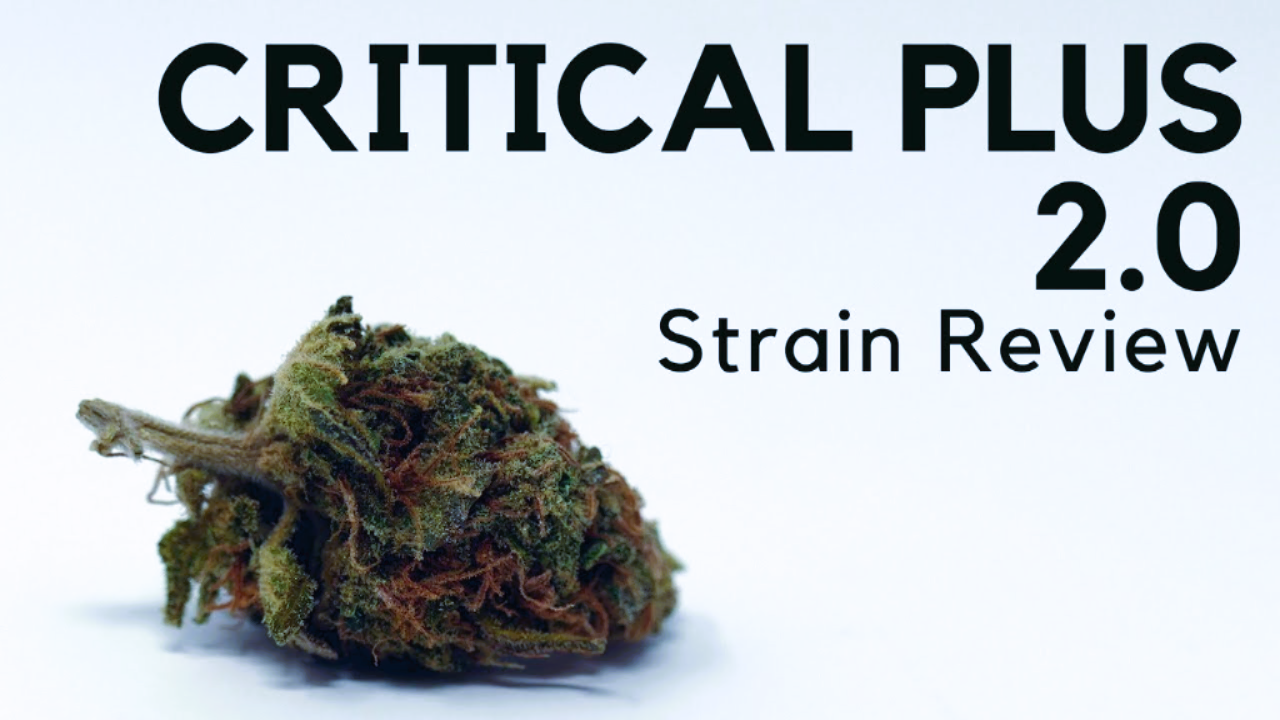
Critical Plus: Medical Strain Analysis
-
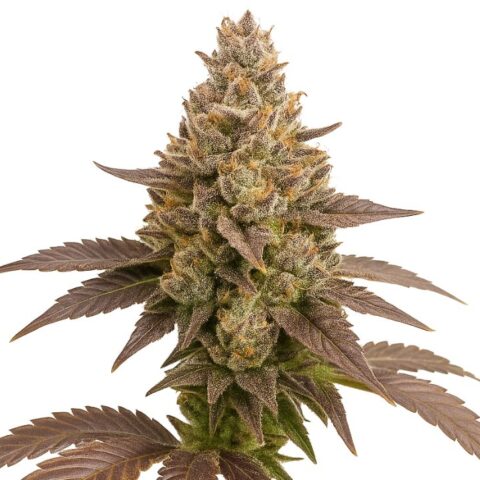 Critical Plus Cannabis SeedsFrom: $24.99
Origins

Critical Plus, often referred to as Critical +, is a renowned cannabis strain that originated in Spain. This strain is a refined version of the classic Critical Mass, which itself is a cross between two legendary strains: Afghani Indica and Skunk #1. The breeders at Dinafem Seeds took Critical Mass and refined it into Critical Plus, enhancing its growth profile, potency, and flavor while maintaining its medical benefits. Critical Plus quickly gained popularity among medical cannabis users for its unique combination of effects, impressive yields, and relatively easy growing conditions.
Critical Plus has roots in the late 20th century, when breeders sought to develop strains that combined the heavy yields and resilience of Afghani genetics with the distinct pungency and balanced effects of Skunk varieties. The Skunk #1 lineage contributed significantly to Critical Plus’s aroma and the balanced, gentle nature of its effects, which are particularly appreciated in medical applications. Afghani, a robust landrace strain known for its therapeutic properties, adds to the strain’s potency, making it highly effective for medical use.
Critical Plus’s genetic background ensures a balanced hybrid experience, slightly leaning towards Indica, offering both relaxation and mental clarity, which are highly valued in treating various medical conditions. This blend of genetics results in a versatile medical strain that offers significant therapeutic benefits without overwhelming sedation or a purely psychoactive experience.
Chemical Profile
The distinct blend of terpenes and cannabinoids in Critical Plus’s chemical makeup adds to the product’s medicinal effectiveness. Here’s a detailed look at its primary chemical constituents:
- Cannabinoid Content:
- THC (Tetrahydrocannabinol): Typically ranging between 15-20%, THC is the primary psychoactive component, but in a controlled, balanced strain like Critical Plus, it offers therapeutic effects without being overly intoxicating.
- CBD (Cannabidiol): Although usually present in lower quantities (around 0.2-1%), CBD in Critical Plus works synergistically with THC, enhancing its therapeutic properties, particularly for pain and inflammation.
- CBG (Cannabigerol): Present in trace amounts, CBG is gaining recognition for its anti-inflammatory and neuroprotective properties.
- Terpene Profile:
- Myrcene: Dominant in Critical Plus, myrcene contributes to the strain’s sedative and muscle-relaxing properties, which are beneficial for pain relief, anxiety, and insomnia.
- Caryophyllene: This terpene is known for its anti-inflammatory and analgesic properties, adding to the strain’s effectiveness in treating chronic pain and inflammation.
- Limonene: Present in moderate amounts, limonene imparts a citrusy aroma and provides mood-elevating and anti-anxiety effects, making it beneficial for patients with mood disorders.
- Pinene: Offering anti-inflammatory and bronchodilator effects, pinene can help with respiratory conditions and inflammation, providing a clear-headed experience that counterbalances the sedative effects of myrcene.
- Linalool: Known for its calming and anti-anxiety effects, linalool adds to the overall therapeutic potential of Critical Plus, particularly in treating anxiety and stress-related conditions.
The combination of these cannabinoids and terpenes creates a balanced profile that is particularly effective in medical applications. Critical Plus’s chemical makeup makes it versatile, addressing a wide range of medical conditions without the overwhelming psychoactivity seen in some high-THC strains.
Medical Benefits
Critical Plus is highly regarded in the medical cannabis community due to its diverse therapeutic applications. The strain’s effects are both immediate and long-lasting, providing symptomatic relief for various conditions. Below are some of the key medical benefits:
- Pain Management:
- Critical Plus is widely used for its analgesic properties, making it effective in managing chronic pain conditions such as arthritis, fibromyalgia, and migraines. The combination of THC and caryophyllene directly interacts with the body’s pain receptors, offering significant relief without heavy sedation.
- Anxiety and Stress Relief:
- The balanced nature of Critical Plus makes it ideal for managing anxiety and stress. The presence of limonene and linalool helps to elevate mood and provide a calming effect without the intense psychoactivity, which is beneficial for patients who are sensitive to THC.
- Anti-Inflammatory Effects:
- Critical Plus’s anti-inflammatory properties are driven by cannabinoids like THC, CBD, and terpenes such as myrcene and caryophyllene. This makes the strain particularly useful for conditions such as inflammatory bowel disease (IBD), Crohn’s disease, and other inflammatory conditions.
- Muscle Relaxation and Spasms:
- Myrcene’s muscle-relaxing properties make Critical Plus effective in treating muscle spasms, cramps, and related conditions such as multiple sclerosis. Patients with conditions that cause muscle rigidity or tremors often find relief with this strain.
- Appetite Stimulation:
- The mild psychoactive effects of Critical Plus, coupled with the strain’s overall mood-enhancing properties, help stimulate appetite, which can be beneficial for patients undergoing chemotherapy, those with eating disorders, or conditions that suppress appetite.
- Insomnia:
- For patients struggling with sleep disorders, Critical Plus offers a gentle sedative effect without overly intense cerebral activity, making it easier to fall asleep naturally. The combination of myrcene and linalool supports a restful sleep without grogginess.
- Depression:
- The mood-enhancing effects of Critical Plus can be beneficial for patients with depression. The strain’s uplifting qualities help improve mood and provide a sense of well-being, offering a reprieve from depressive symptoms without inducing anxiety.
- Neurological Conditions:
- Emerging studies indicate that Critical Plus may have neuroprotective properties due to its cannabinoid and terpene profile, potentially benefiting patients with conditions like Parkinson’s disease, Alzheimer’s, and epilepsy. While more research is needed, preliminary observations suggest that Critical Plus may help in managing symptoms such as tremors and seizures.
Restrictions on Using Critical Plus in the Medical Field as a Last Resort
Critical Plus, like many medical cannabis strains, faces regulatory and practical restrictions when used in medical treatments. These restrictions are in place to ensure patient safety, minimize the risk of psychoactive side effects, and maintain a standardized approach to medical cannabis use.
1. Regulatory Restrictions and Approval
- Controlled Substance Classification: In many regions, Critical Plus is classified under controlled substances due to its THC content. As a result, its use in medical settings is tightly regulated, often requiring specific approvals or medical licenses for prescription and administration.
- Approval as a Last Resort: Many medical guidelines stipulate that cannabis strains like Critical Plus should only be considered when conventional treatments have failed. This “last resort” status often applies to conditions such as chronic pain, chemotherapy-induced nausea, epilepsy, and certain neurological disorders. Physicians are typically required to document a comprehensive treatment history showing that other approved medications have been ineffective before prescribing Critical Plus.
- Clinical Evidence Requirements: Due to the evolving nature of cannabis research, the use of Critical Plus as a treatment must often be backed by existing clinical evidence. Medical providers may need to demonstrate that the strain’s specific cannabinoid profile aligns with the patient’s symptoms and medical needs.
2. Patient Suitability and Risk Assessment
- Patient Risk Profile: Medical professionals must evaluate a patient’s suitability for using Critical Plus, considering factors such as age, medical history, and potential for adverse reactions. Patients with a history of substance abuse, psychiatric conditions, or those at high risk for psychoactive effects are often excluded from treatment with high-THC strains like Critical Plus.
- Monitoring and Assessment: Even when used as a last resort, ongoing monitoring of the patient’s response to Critical Plus is essential. Physicians are required to track the effectiveness of the treatment, any adverse effects, and adjust dosages accordingly to minimize risks.
3. Monitoring THC Levels in Medications
To prevent unwanted psychoactive effects, precise monitoring of THC levels in medical cannabis preparations is crucial. This is particularly important for strains like Critical Plus, which contain moderate to high THC levels. Here’s how this monitoring is typically managed:
- Standardization of Dosage: Medical cannabis products derived from Critical Plus are often standardized to ensure consistent THC levels. Standardization allows healthcare providers to control dosages more precisely, minimizing the risk of psychoactivity, especially in sensitive patients.
- Lab Testing and Certification: Products must undergo rigorous lab testing to verify THC and CBD content. This testing ensures that THC levels are within acceptable limits for medical use, especially when the goal is to avoid psychoactive effects. Lab certification is often a requirement before any cannabis-derived product can be dispensed for medical use.
- Microdosing Strategies: For patients requiring the therapeutic effects of Critical Plus but needing to avoid psychoactive effects, microdosing can be employed. This approach involves administering very small amounts of THC, just enough to provide symptom relief without significant psychoactive impact. Medical professionals closely monitor patients to adjust dosages as needed.
- Use of Balanced THC-CBD Ratios: To reduce psychoactive effects, products derived from Critical Plus may be formulated with added CBD, which counteracts some of the psychoactive properties of THC. This balanced approach can help mitigate THC’s effects while preserving the strain’s medical benefits.
4. Guidelines and Best Practices
- Adherence to Medical Guidelines: Physicians are required to adhere to medical guidelines that dictate specific THC limits in cannabis-derived medications. The purpose of these guidelines is to safeguard patients, especially the elderly, children, and individuals with mental health disorders, who are considered vulnerable groups.
- Patient Education and Consent: Informed consent is a critical component when using Critical Plus in the medical field. Patients must be fully educated on the potential effects, including any risk of mild psychoactivity. They should be involved in the decision-making process, understanding that cannabis is being used due to the ineffectiveness of other treatments.
5. Medical Oversight and Adjustments
- Regular Monitoring and Adjustments: Continuous oversight of the patient’s response to Critical Plus is necessary. This includes regular assessments to adjust dosages and ensure THC levels remain within therapeutic, non-psychoactive ranges. Blood tests or other monitoring tools may be employed to track THC levels if necessary, particularly in sensitive cases.
- Documentation and Reporting: Medical providers must maintain thorough records documenting the use of Critical Plus, including the reasons for its prescription, dosing schedules, patient responses, and any adjustments made. This documentation is crucial for ongoing patient safety and compliance with regulatory standards.
Growing Conditions

Critical Plus is celebrated not only for its therapeutic properties but also for its relatively easy cultivation process, making it accessible to both novice and experienced growers. Here are detailed insights into its growing conditions:
- Climate and Environment:
- Critical Plus thrives in a Mediterranean-like climate, preferring warm, sunny, and moderately humid conditions. Although it can be used in both indoor and outdoor settings, it functions best in areas with lots of sunlight and sufficient ventilation.
- In outdoor settings, Critical Plus can grow into a large, bushy plant, reaching up to 6-7 feet tall. Indoor growers often use training techniques like topping or pruning to manage its height and encourage more even canopy development.
- Soil and Nutrient Requirements:
- The strain responds well to organic soil enriched with nutrients, though it also performs well in hydroponic systems. Soil rich in nitrogen during the vegetative stage and balanced with phosphorus and potassium during flowering will support optimal growth and yield.
- Critical Plus is a heavy feeder, particularly during its flowering phase. Regular feeding schedules with balanced nutrient solutions tailored to cannabis will ensure robust growth and abundant yields.
- Light Requirements:
- Indoor growers should provide adequate lighting, using high-quality LED or HID lights, to mimic the sun’s intensity. Critical Plus responds well to a light cycle of 18-6 during the vegetative phase and 12-12 during flowering.
- For outdoor cultivation, planting in a location that receives at least 6-8 hours of direct sunlight daily will optimize plant development.
- Temperature and Humidity:
- Ideal temperature ranges for Critical Plus are between 70-80°F (21-27°C) during the day and slightly cooler at night. It can tolerate slight temperature fluctuations but is sensitive to frost, so outdoor growers should harvest before the onset of cold weather.
- Humidity levels should be kept moderate (40-50%) during flowering to prevent mold and mildew, particularly given the dense bud structure of Critical Plus.
- Flowering Time and Yield:
- Critical Plus has a relatively short flowering time of around 45-55 days, making it a quick turnaround strain for medical growers. This short flowering period is one of the reasons for its popularity, allowing for multiple harvests in a growing season.
- Yields are substantial, often reaching 600-700 grams per square meter indoors and up to 1200 grams per plant outdoors under optimal conditions. This high yield makes Critical Plus especially valuable for medical growers needing consistent supply.
- Pest and Disease Resistance:
- Critical Plus is moderately resistant to pests and common cannabis diseases. However, its dense buds make it somewhat susceptible to mold and bud rot, especially in humid conditions. Regular inspection, proper airflow, and humidity control are essential to prevent these issues.
- Training Techniques:
- Employing training techniques such as Low-Stress Training (LST), Screen of Green (SCROG), or topping can help maximize light exposure and improve overall yield. These methods are particularly beneficial in indoor setups to manage plant height and ensure even growth.
- Harvesting:
- Harvesting should be timed carefully to optimize cannabinoid and terpene content. Trichomes should be monitored closely; harvesting when trichomes are mostly cloudy with a few amber can provide the best balance of effects for medical use.
Conclusion
Critical Plus is a medical cannabis strain that has earned its reputation for offering significant therapeutic benefits combined with manageable cultivation requirements. Originating from a refined lineage of Afghani and Skunk #1, Critical Plus embodies a balance of powerful medicinal effects and a user-friendly growing profile, making it a preferred choice for both medical cannabis users and cultivators. The strain’s genetic heritage ensures a slightly Indica-leaning hybrid experience, blending the calming, pain-relieving properties of Indica with the mood-enhancing, clear-headed effects of Sativa.
Chemical Profile and Medical Benefits: The strain’s chemical profile is marked by moderate to high THC levels (15-20%), complemented by trace amounts of CBD and minor cannabinoids like CBG. This cannabinoid content, paired with a terpene profile rich in myrcene, caryophyllene, limonene, pinene, and linalool, forms the backbone of Critical Plus’s therapeutic potential. The synergy between these compounds offers robust relief from chronic pain, anxiety, inflammation, muscle spasms, insomnia, and appetite loss, making it a versatile option for treating a broad spectrum of conditions.
The strain’s effects are characterized by a gentle onset of relaxation and mental clarity, which can be precisely tailored to individual patient needs through careful dosing and strain selection. Unlike many other high-THC strains, Critical Plus provides medical users with substantial symptomatic relief without overwhelming sedation or disorientation, making it suitable for daytime use or as part of a balanced medical regimen.
Growing Conditions: Critical Plus is also distinguished by its ease of cultivation, making it accessible to growers with varying levels of experience. The strain thrives in both indoor and outdoor settings, preferring warm, Mediterranean-like climates but adapting well to controlled indoor environments with proper light, humidity, and airflow management. With a relatively short flowering time of 45-55 days, Critical Plus is not only quick to mature but also capable of producing impressive yields—up to 700 grams per square meter indoors and up to 1200 grams per plant outdoors. This high yield capacity makes it particularly valuable for medical growers who need a reliable and abundant supply of therapeutic cannabis.
Despite its many advantages, Critical Plus requires vigilant care during flowering to prevent mold and bud rot, especially given its dense bud structure. Growers must implement regular monitoring and employ training techniques like topping, LST, or SCROG to optimize light exposure and airflow, ensuring the best possible results in terms of potency and yield.
Restrictions and Monitoring in Medical Use: The medical use of Critical Plus is not without its challenges and restrictions. Due to its THC content, it is subject to stringent regulatory controls in many jurisdictions, often categorized as a controlled substance requiring specific approvals for medical prescription. It is generally prescribed as a last-resort treatment when traditional medications have proven ineffective, particularly for conditions such as chronic pain, severe anxiety, and certain neurological disorders.
Healthcare providers must conduct thorough patient assessments to determine suitability, closely monitoring THC levels in any cannabis-derived medications to mitigate the risk of psychoactive effects. Strategies such as microdosing, standardized dosage forms, and formulations with balanced THC-CBD ratios are employed to tailor the therapeutic effects of Critical Plus to individual patient needs while minimizing potential side effects. Continuous patient education, informed consent, and regular clinical assessments are critical components of this process, ensuring that the benefits of Critical Plus are realized safely and effectively.
Final Thoughts: Critical Plus is a potent and reliable medical cannabis strain that combines therapeutic efficacy with cultivation ease, making it a standout option in the field of medical cannabis. Its broad-spectrum effects address a wide range of medical conditions, providing relief without the high psychoactivity associated with other potent strains. While regulatory and medical oversight is essential to ensure its safe application, Critical Plus remains a valuable and effective alternative for patients who have exhausted conventional treatments.
By adhering to best practices in growing and dosing, medical professionals and cultivators can harness the full potential of Critical Plus, offering patients a high-quality, dependable source of relief that improves their quality of life. Its unique combination of therapeutic benefits, substantial yields, and adaptable growing conditions position Critical Plus as a cornerstone strain in medical cannabis, highlighting the ongoing importance of cannabis in modern medical practice.
