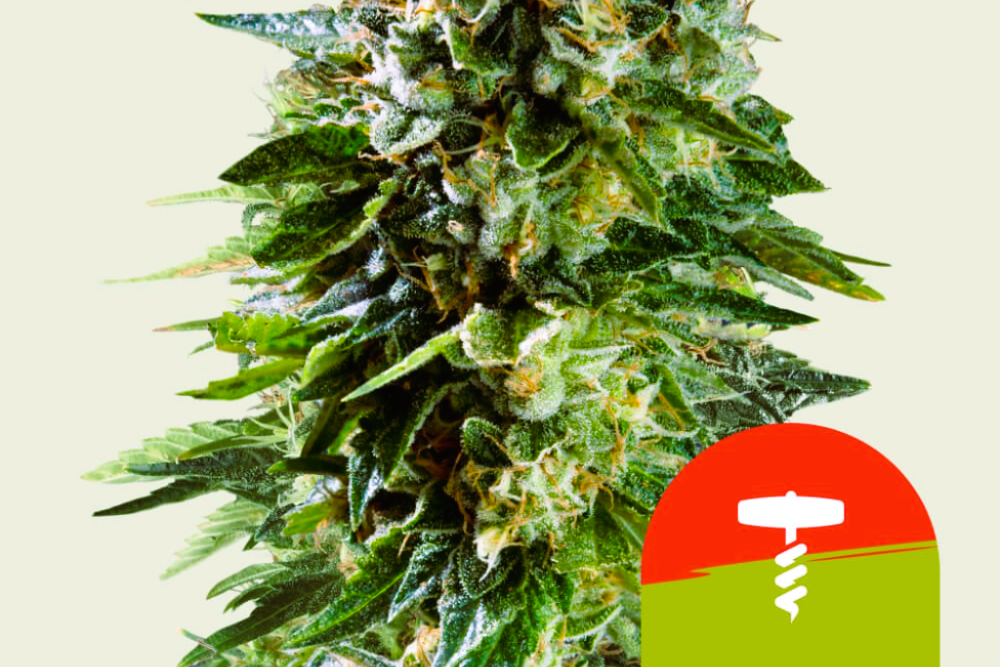
Medical Strain Analysis: Corkscrew
-
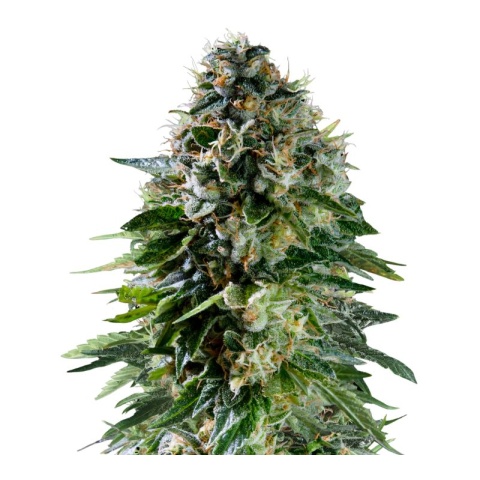 Corkscrew Cannabis SeedsFrom: $25
Introduction
Corkscrew is an intriguing and relatively lesser-known cannabis strain that has garnered attention within the medical cannabis community for its unique properties and potential therapeutic benefits. This comprehensive analysis will delve into the origins, chemical profile, medical benefits, and growing conditions of the Corkscrew strain, with a particular emphasis on its medical use. The focus will be exclusively on its medicinal applications, excluding any recreational use or consumption methods.
Origins of Corkscrew
The origins of the Corkscrew strain are shrouded in mystery, as it is not as widely recognized or studied as some of the more popular cannabis strains. However, what is known is that Corkscrew is a hybrid strain, likely derived from a careful selection of parent strains that contribute to its unique characteristics. The name “Corkscrew” likely refers to the distinct appearance of its buds, which often exhibit a twisted, spiral-like structure reminiscent of a corkscrew.
Corkscrew’s genetic lineage is thought to include both indica and sativa elements, though the exact proportions and parent strains remain unclear. Some reports suggest that it may have been developed through the crossbreeding of strains with high cannabinoid and terpene profiles, specifically selected for their medical potential. This combination of genetics has resulted in a strain that is versatile and adaptable, making it suitable for various medical applications.
While the exact origins of Corkscrew may be difficult to trace, its development is likely the result of careful breeding by cultivators seeking to create a strain with a balanced profile of cannabinoids and terpenes, tailored to address specific medical conditions. The strain’s unique characteristics, including its appearance and chemical composition, are a testament to the skill and precision involved in its creation.
Chemical Profile of Corkscrew

The chemical profile of Corkscrew is one of its most significant attributes, as it plays a crucial role in determining its medical efficacy. This section will explore the various cannabinoids, terpenes, and other compounds that contribute to the strain’s therapeutic potential.
Cannabinoid Profile
Corkscrew’s cannabinoid profile is characterized by a balanced ratio of THC (tetrahydrocannabinol) and CBD (cannabidiol), with the possibility of other minor cannabinoids contributing to its overall effect. The typical cannabinoid content in Corkscrew includes:
- THC (Tetrahydrocannabinol): Corkscrew generally contains moderate levels of THC, usually ranging between 12% and 18%. THC is known for its psychoactive effects, but in a medical context, it plays a vital role in pain relief, anti-inflammatory effects, and appetite stimulation. The balanced THC content in Corkscrew makes it suitable for patients who require these therapeutic effects without experiencing overwhelming psychoactivity.
- CBD (Cannabidiol): The CBD content in Corkscrew is also significant, typically ranging from 5% to 8%. The non-psychoactive qualities of CBD are well known, as is its capacity to mitigate some of the psychotropic effects of THC. In medical use, CBD is highly valued for its potential to reduce anxiety, provide neuroprotective effects, and alleviate symptoms of conditions such as epilepsy and chronic pain.
- Minor Cannabinoids: In addition to THC and CBD, Corkscrew may contain minor cannabinoids such as CBG (cannabigerol), CBC (cannabichromene), and THCV (tetrahydrocannabivarin). These minor cannabinoids, although present in smaller quantities, can enhance the overall therapeutic effects of the strain through the entourage effect, where multiple cannabinoids and terpenes work synergistically.
Terpene Profile
Terpenes are fragrant substances present in cannabis that enhance its flavor, aroma, and medicinal qualities. Corkscrew’s terpene profile is complex and varied, adding to its medical potential. The most prominent terpenes in Corkscrew include:
- Myrcene: Myrcene is a terpene commonly found in many cannabis strains and is known for its earthy, musky aroma. It is believed to have sedative and muscle-relaxant properties, making it beneficial for patients with conditions such as insomnia, muscle spasms, and chronic pain.
- Limonene: The citrus-scented terpene limonene is frequently linked to elevating and mood-boosting properties. In medical use, limonene may help reduce anxiety, depression, and stress. Its presence in Corkscrew adds a bright, refreshing note to the strain’s overall profile.
- Caryophyllene: Caryophyllene is a spicy, peppery terpene with anti-inflammatory and analgesic properties. It is distinct from other terpenes in that it has the ability to interact with the body’s endocannabinoid system, particularly the CB2 receptors, which are involved in immune response regulation. This makes caryophyllene particularly valuable for patients with conditions involving inflammation, such as arthritis.
- Linalool: Linalool is a floral-scented terpene known for its calming and anti-anxiety effects. It is often used in aromatherapy for its soothing properties. In medical cannabis, linalool may help alleviate symptoms of anxiety, stress, and depression.
- Pinene: As its name implies, pinene has a fragrance akin to pine and is linked to improved memory and attentiveness. Additionally, it possesses bronchodilator and anti-inflammatory properties, which help people with respiratory diseases like asthma.
The combination of these terpenes in Corkscrew creates a balanced and versatile strain that can be used to address a wide range of medical conditions. The specific ratios and concentrations of these terpenes contribute to the strain’s unique effects, making it suitable for patients seeking relief from both physical and mental ailments.
Medical Benefits of Corkscrew

Corkscrew’s balanced chemical profile, including its cannabinoid and terpene content, makes it a valuable strain for medical use. This section will explore the various medical benefits of Corkscrew, focusing on how it can be used to alleviate specific conditions and symptoms.
Pain Management
One of the most significant medical applications of Corkscrew is in pain management. The combination of THC, CBD, and caryophyllene in Corkscrew makes it an effective analgesic, capable of relieving both acute and chronic pain. Corkscrew may provide comfort for patients with ailments like fibromyalgia, multiple sclerosis, arthritis, and neuropathic pain.
The presence of caryophyllene, in particular, enhances the strain’s anti-inflammatory properties, making it effective for reducing inflammation-related pain. Additionally, the balanced THC content provides potent pain relief without causing excessive psychoactivity, allowing patients to manage their pain while maintaining daily functionality.
Anxiety and Stress Relief
Corkscrew is also highly regarded for its ability to alleviate anxiety and stress. The presence of CBD, along with the calming terpenes linalool and limonene, contributes to the strain’s anxiolytic effects. Patients with generalized anxiety disorder, social anxiety, and stress-related conditions may benefit from Corkscrew’s soothing properties.
The inclusion of linalool in Corkscrew’s terpene profile is particularly noteworthy, as it is known for its ability to reduce anxiety and promote relaxation. This makes Corkscrew a suitable option for patients seeking relief from mental health conditions without the risk of significant sedation or lethargy.
Sleep Disorders
Corkscrew’s ability to promote relaxation and reduce anxiety makes it an effective strain for managing sleep disorders. Patients with insomnia, sleep apnea, or other sleep-related issues may find that Corkscrew helps them fall asleep more easily and improves the quality of their sleep.
Corkscrew’s potential as a sleep aid is further enhanced by the presence of myrcene, a terpene recognized for its calming properties. By promoting deep relaxation and reducing anxiety, Corkscrew can help patients achieve a more restful and restorative sleep, improving their overall quality of life.
Inflammatory Conditions
Many chronic illnesses, such as autoimmune disorders, Crohn’s disease, and arthritis, have inflammation as a common underlying cause. Corkscrew’s anti-inflammatory properties, primarily due to the presence of caryophyllene and CBD, make it a valuable tool for managing these conditions.
By reducing inflammation, Corkscrew can help alleviate the symptoms of inflammatory diseases, such as pain, swelling, and stiffness. Patients with chronic inflammatory conditions may find that Corkscrew provides relief without the side effects associated with traditional anti-inflammatory medications.
Mood Disorders
Corkscrew’s balanced cannabinoid and terpene profile also make it a potential option for managing mood disorders such as depression and bipolar disorder. The uplifting effects of limonene, combined with the mood-stabilizing properties of CBD, can help improve mood and reduce the severity of depressive episodes.
Patients with mood disorders may benefit from Corkscrew’s ability to promote a sense of well-being and mental clarity, without the risk of triggering manic episodes or exacerbating depressive symptoms.
Neuroprotective Effects
Emerging research suggests that cannabinoids such as CBD and minor cannabinoids like CBG may have neuroprotective properties, making them potentially beneficial for patients with neurodegenerative diseases such as Alzheimer’s disease, Parkinson’s disease, and multiple sclerosis.
Corkscrew’s cannabinoid profile, particularly its CBD content, may help protect against neuronal damage and reduce the progression of neurodegenerative conditions. While more research is needed in this area, Corkscrew shows promise as a therapeutic option for patients with neurodegenerative diseases.
Appetite Stimulation
For patients undergoing chemotherapy or suffering from conditions that cause appetite loss, such as HIV/AIDS or chronic wasting syndrome, Corkscrew’s ability to stimulate appetite can be a significant benefit. The moderate THC content in Corkscrew can help increase appetite and reduce nausea, making it easier for patients to maintain a healthy diet and improve their overall well-being.
Muscle Relaxation and Spasms
Corkscrew’s combination of myrcene and CBD makes it an effective strain for relaxing muscles and reducing spasms. Patients with conditions such as multiple sclerosis, spinal cord injuries, and muscle spasticity may find relief from Corkscrew’s muscle-relaxant properties.
The strain’s ability to reduce muscle tension and spasms can improve mobility and reduce discomfort for patients with these conditions, enhancing their quality of life.
Restrictions on Using Corkscrew in the Medical Field as a Last Resort
In the medical field, Corkscrew, like many cannabis strains, is subject to specific restrictions when used as a treatment option. When considered as a last resort, it is typically reserved for patients who have not responded to conventional treatments. Strict rules must be followed by medical practitioners to guarantee that the use of corkscrews is appropriate and justified. These restrictions may include:
- Comprehensive Assessment: Before prescribing Corkscrew, a thorough evaluation of the patient’s medical history, current treatments, and potential risks must be conducted. This assessment ensures that the strain is being used appropriately and that other, less controversial treatments have been exhausted.
- Informed Consent: Patients need to be properly told about the possible advantages and disadvantages of using cannabis, including the possibility of any psychoactive effects from the THC in it. To guarantee that patients are aware of the nature of the treatment and consent to its usage, informed consent is essential.
- Regulatory Compliance: Medical use of Corkscrew must comply with local, state, and federal regulations. In some jurisdictions, the use of cannabis-based treatments may be restricted or prohibited, limiting the availability of Corkscrew as a medical option.
Monitoring THC Levels in Medications

To prevent unwanted psychoactive effects in patients, careful monitoring of THC levels in Corkscrew-based medications is essential. This process involves:
- Standardized Dosing: Medications derived from Corkscrew should be standardized to ensure consistent THC levels, reducing the risk of variability that could lead to psychoactive effects.
- THC-CBD Ratio: Maintaining a balanced ratio of THC to CBD in the medication can help mitigate the psychoactive effects of THC. CBD is known to counteract some of the psychoactive properties of THC, making it a crucial component in managing the overall effect.
- Regular Testing: Continuous testing of the medication during production ensures that THC levels remain within the therapeutic range. This testing helps in maintaining quality control and patient safety.
- Patient Monitoring: Regular monitoring of patients using Corkscrew-based medications is necessary to observe any signs of psychoactivity. Adjustments to the dosage or formulation can be made based on patient response.
Growing Conditions for Corkscrew
Corkscrew’s unique characteristics extend beyond its chemical profile and medical benefits to include its growing conditions. This section will provide a detailed analysis of the optimal growing conditions for Corkscrew, including its cultivation requirements, climate preferences, and potential challenges.
Climate Preferences
Depending on the environment and growth circumstances, corkscrew is a flexible strain that can be cultivated both indoors and outdoors. However, like many hybrid strains, Corkscrew has specific climate preferences that can influence its growth and yield.
- Indoor Growing: For indoor cultivation, Corkscrew thrives in a controlled environment with consistent temperatures ranging between 70°F and 85°F (21°C to 29°C). The strain adapts well to hydroponic systems, which give exact control over the amount of water and nutrients added. Indoor growers should maintain humidity levels between 40% and 60% during the vegetative stage, reducing it to around 30% to 40% during the flowering stage to prevent mold and mildew.
- Outdoor Growing: Corkscrew can also be grown outdoors in regions with a Mediterranean climate, characterized by warm, dry summers and mild, wet winters. The strain prefers a sunny location with well-drained soil, and it benefits from ample airflow to prevent mold and mildew. Outdoor growers should plant Corkscrew after the last frost in spring, ensuring that the plants receive at least 8 hours of direct sunlight per day. The ideal outdoor temperature range for Corkscrew is between 70°F and 85°F (21°C to 29°C), similar to indoor conditions.
Soil and Nutrient Requirements
Corkscrew requires nutrient-rich soil with good drainage to support healthy growth and maximize yield. The strain responds well to organic soil mixes that contain compost, worm castings, and perlite to improve aeration and water retention.
- Nutrient Requirements: During the vegetative stage, Corkscrew benefits from a balanced nutrient mix with higher levels of nitrogen (N) to support leaf and stem growth. As the plant transitions to the flowering stage, growers should reduce nitrogen levels and increase phosphorus (P) and potassium (K) levels to promote bud development and enhance resin production.
- pH Levels: For optimal plant health and nutrient uptake, the proper pH level must be maintained. For soil-grown Corkscrew plants, the ideal pH range is between 6.0 and 6.8. For hydroponic systems, the pH should be kept slightly lower, between 5.5 and 6.5.
Lighting Requirements
Lighting is a critical factor in Corkscrew’s growth and development, particularly for indoor cultivation. The strain requires a well-balanced light spectrum to support photosynthesis and promote healthy growth.
- Vegetative Stage: During the vegetative stage, Corkscrew benefits from 18 to 24 hours of light per day. Growers can use high-intensity discharge (HID) lights, such as metal halide (MH) lamps, to provide the blue spectrum light that encourages leaf and stem growth.
- Flowering Stage: As Corkscrew enters the flowering stage, growers should switch to a 12-hour light cycle to induce bud development. High-pressure sodium (HPS) lamps are recommended for this stage, as they emit a red-orange spectrum that promotes flowering and resin production.
- Supplemental Lighting: For outdoor growers in regions with less consistent sunlight, supplemental lighting can be used to extend the growing season and ensure that Corkscrew receives adequate light during critical growth stages.
Watering and Humidity Management
Proper watering and humidity management are essential for Corkscrew’s health and yield. The strain requires consistent watering to keep the soil or growing medium moist but not waterlogged.
- Watering Frequency: During the vegetative stage, Corkscrew should be watered every 2 to 3 days, depending on the soil’s moisture level and the climate. As the plant enters the flowering stage, growers should reduce the frequency of watering to prevent overwatering and mold formation.
- Humidity Management: Controlling humidity levels is crucial to prevent mold, mildew, and other moisture-related issues. Indoor growers should use dehumidifiers and fans to maintain proper airflow and humidity levels, especially during the flowering stage.
Training and Pruning Techniques
Training and pruning techniques can help maximize Corkscrew’s yield and improve its overall health. These techniques entail directing the plant’s growth in order to enhance airflow, light penetration, and bud formation.
- Low-Stress Training (LST): LST involves gently bending and tying down the plant’s branches to create an even canopy and improve light exposure to all parts of the plant. This technique can increase yield by encouraging more bud sites to develop.
- Topping and Fimming: Topping and fimming are pruning techniques that involve cutting the main stem or branches to promote bushier growth and multiple colas. Corkscrew can increase its output by using these techniques to increase the number of flowering locations.
- Defoliation: Defoliation involves removing excess leaves to improve light penetration and airflow to the lower parts of the plant. This technique can reduce the risk of mold and mildew and promote better bud development.
Harvesting and Curing
Harvesting Corkscrew at the right time is crucial to ensure optimal potency and flavor. The timing of the harvest will depend on the trichome development and the overall appearance of the buds.
- Trichome Development: The best time to harvest should be determined by growers by keeping an eye on the trichomes, or resin glands, on the buds. The plant is most potent and ready to be harvested when the trichomes are primarily hazy with a few amber-colored ones.
- Curing: To retain their strength, flavor, and scent, the buds need to be thoroughly dried and cured after harvest. The dried buds must be cured by being stored in cold, dark places in airtight containers. It is advisable to frequently open the containers to let in fresh air and stop the growth of mold.
Potential Challenges
Growing Corkscrew may present some challenges, particularly for novice growers. The strain’s susceptibility to mold and mildew requires careful humidity management, and its nutrient requirements demand attention to detail in feeding schedules.
- Pest Management: Corkscrew may be vulnerable to common cannabis pests such as spider mites, aphids, and whiteflies. Growers should monitor their plants regularly and use organic pest control methods, such as neem oil or insecticidal soap, to prevent infestations.
- Nutrient Deficiencies: Corkscrew’s nutrient needs must be met to prevent deficiencies that can impact growth and yield. Growers should monitor their plants for signs of nutrient deficiencies, such as yellowing leaves or stunted growth, and adjust their feeding schedules accordingly.
Conclusion
Corkscrew is a unique and versatile cannabis strain with significant medical potential. It is an excellent choice for treating a variety of medical ailments, from anxiety and sleep disorders to chronic pain and inflammation, thanks to its well-balanced cannabinoid and terpene profile. The strain’s origins, though somewhat mysterious, reflect a careful selection of genetics designed to create a strain that is both potent and adaptable.
Growing Corkscrew requires attention to detail, particularly in terms of climate control, nutrient management, and pest prevention. However, with proper care and cultivation techniques, Corkscrew can produce a high yield of potent, flavorful buds that offer significant therapeutic benefits.
Strains like Corkscrew may become more significant in the medical industry as cannabis research grows since they provide patients with a safe and natural alternative for controlling their medical ailments. Medical cannabis users and growers can choose the most effective way to use Corkscrew for therapeutic purposes by being aware of its history, chemical makeup, medicinal advantages, and growing requirements.
