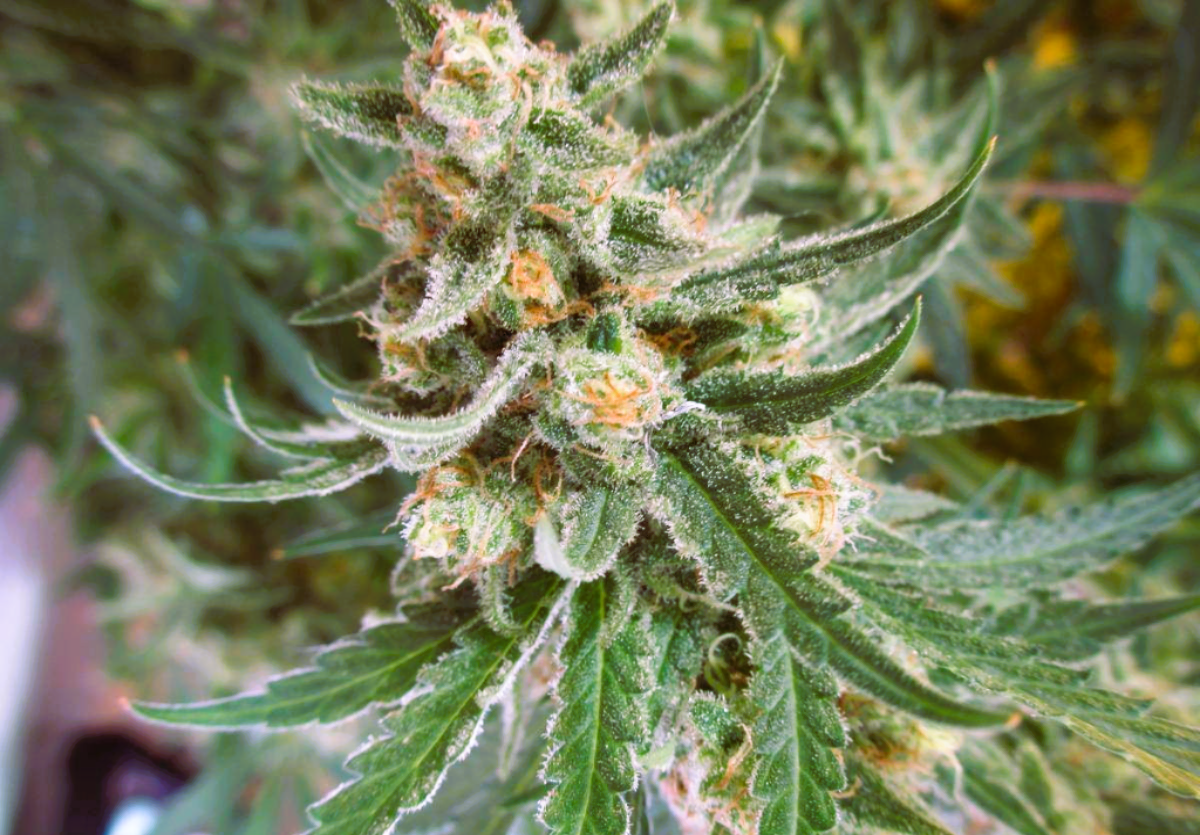
Strain Analysis: Cinderella 99
-
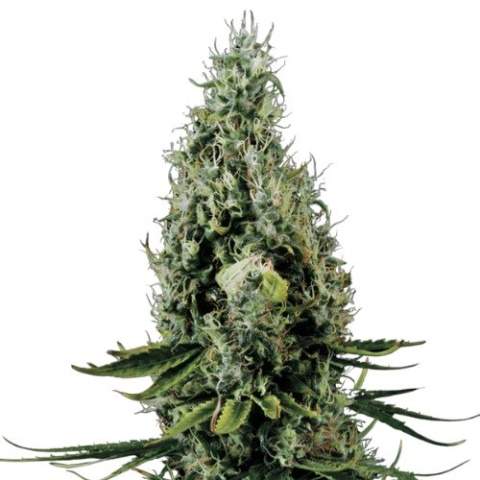 Cinderella 99 Cannabis SeedsFrom: $24.99
Origins
Cinderella 99, commonly referred to as C99, is a strain that has captivated the cannabis community with its unique history and exceptional qualities. This strain’s origins are deeply rooted in the efforts of meticulous breeding and careful selection, making it one of the standout hybrids in the cannabis world.
The Breeder: Brothers Grimm
The creation of Cinderella 99 can be attributed to the Brothers Grimm, a renowned cannabis breeding collective. Founded by Mr. Soul (a pseudonym), Brothers Grimm became famous for developing high-quality cannabis strains with unique characteristics. Mr. Soul’s vision was to create a strain that combined the desirable traits of sativa and indica while maintaining a manageable growth profile for indoor cultivation.
Discovery of Princess
The journey of Cinderella 99 began with the discovery of an extraordinary female plant known as Princess. This plant was found in a batch of Jack Herer seeds purchased from a Dutch seed bank. Jack Herer itself is a well-known sativa-dominant strain, celebrated for its potent effects and complex aroma. Princess stood out from the rest due to her remarkable qualities, including a high THC content, a fruity aroma, and a fast flowering time.
Breeding Process
To stabilize and enhance the desirable traits of Princess, Mr. Soul embarked on a selective breeding program. This involved backcrossing Princess with a male plant that possessed complementary characteristics. The goal was to produce a strain that retained the exceptional qualities of Princess while improving stability and yield.
- Backcrossing with Shiva Skunk: The male plant used in the breeding process was Shiva Skunk, a potent hybrid known for its robust genetics and high resin production. Shiva Skunk is a cross between Northern Lights #5 and Skunk #1, both of which are legendary strains in their own right. The combination of these genetics helped introduce resilience and enhanced resin production into the offspring.
- Generations of Selective Breeding: The breeding process involved several generations of selective breeding. Each generation was carefully monitored, and plants exhibiting the desired traits were chosen for further breeding. This painstaking process ensured that the final strain, Cinderella 99, was both stable and true to the characteristics of the original Princess.
- Phenotype Selection: Throughout the breeding process, Mr. Soul and his team focused on selecting phenotypes that exhibited the most desirable traits. These included a short flowering time, high THC content, a fruity and complex aroma, and a balanced sativa-indica effect. The result was a strain that not only retained the potency and flavor of Princess but also offered improved growth characteristics.
Chemical Profile of Cinderella 99
Cinderella 99 (C99) is celebrated for its robust and well-rounded chemical profile, which includes a diverse array of cannabinoids and terpenes. This profile not only defines the strain’s unique aroma and flavor but also underpins its distinctive effects and therapeutic potential.
Cannabinoid Content
The primary cannabinoids present in Cinderella 99 include:
- THC (Tetrahydrocannabinol):
- Content: Cinderella 99 is known for its high THC content, typically ranging from 18% to 22%.
- Effects: The primary psychoactive ingredient in cannabis, THC, is what gives a strain its euphoric, uplifted mood, and mind-altering effects. Due to its strong cerebral effects, which are a result of its high THC content, many people who want an intense and uplifting experience choose this strain.
- CBD (Cannabidiol):
- Content: Cinderella 99 usually contains trace amounts of CBD, often less than 1%.
- Effects: CBD is well-known for its non-psychoactive qualities and possible medical uses, including the reduction of inflammation and anxiety. Although the CBD content in Cinderella 99 is low, it may still contribute to a modulating effect on THC, potentially reducing the risk of anxiety and paranoia associated with high THC strains.
- CBG (Cannabigerol):
- Content: Cinderella 99 might also include trace levels of cannabidiol (CBG), which is known as the “mother of all cannabinoids” because it comes before other cannabinoids like THC and CBD.
- Effects: CBG is gaining attention for its potential medicinal properties, including anti-inflammatory, antibacterial, and neuroprotective effects. Although present in minor amounts, CBG may enhance the overall therapeutic profile of the strain.
Terpene Profile
Terpenes are fragrant substances that give cannabis its flavor, scent, and effects. Cinderella 99 boasts a rich and complex terpene profile, with the following being the most prominent:
- Myrcene:
- Aroma: Earthy, musky, with hints of fruity undertones.
- Effects: Myrcene is known for its sedative and muscle-relaxing effects. It can enhance the absorption of other terpenes and cannabinoids, potentially intensifying the strain’s overall effects. Myrcene is often associated with the “couch-lock” effect in indica strains, but in Cinderella 99, it balances the sativa energy with a touch of relaxation.
- Limonene:
- Aroma: Citrus, lemon, and orange.
- Effects: Limonene is linked to mood elevation and stress relief. Its presence in Cinderella 99 contributes to the strain’s uplifting and euphoric effects, making it a favorite for combating stress and anxiety. Additionally, limonene possesses antioxidant and anti-inflammatory qualities.
- Pinene:
- Aroma: Pine, fresh, herbal.
- Effects: The bronchodilator and anti-inflammatory qualities of pinene are well established. It can help improve focus and memory retention, counteracting some of the short-term memory loss associated with high THC strains. Pinene’s presence in Cinderella 99 adds a refreshing and invigorating aroma.
- Caryophyllene:
- Aroma: Spicy, peppery, woody.
- Effects: Caryophyllene is unique among terpenes for its ability to interact with the endocannabinoid system, specifically the CB2 receptors. This interaction suggests potential anti-inflammatory and analgesic benefits, making it useful for pain relief. In Cinderella 99, caryophyllene contributes to a rich, spicy flavor profile.
- Humulene:
- Aroma: Earthy, woody, herbal.
- Effects: Humulene is known for its potential appetite-suppressant properties and anti-inflammatory effects. Its presence in Cinderella 99 can help balance the appetite-stimulating effects of other cannabinoids and terpenes, offering a more nuanced experience.
Synergistic Effects
The interplay between these cannabinoids and terpenes in Cinderella 99 results in what is often referred to as the “entourage effect.” This phenomenon suggests that the combined effects of cannabinoids and terpenes can be more significant than the effects of individual compounds. For example, the uplifting and euphoric effects of THC can be enhanced by the presence of limonene, while the relaxing properties of myrcene can help counterbalance potential anxiety from high THC levels.
Medical Effects of Cinderella 99
Cinderella 99, often hailed as C99, is not only cherished for its recreational qualities but also for its array of potential medical benefits. This sativa-dominant hybrid is prized for its high THC content, uplifting effects, and complex terpene profile, making it a versatile option for addressing various health issues. Here, we delve into the medical effects of Cinderella 99, highlighting its potential therapeutic applications and benefits.
Pain Relief
One of the most prominent medical uses of Cinderella 99 is for pain management. Its high THC content, typically ranging from 18% to 22%, combined with the presence of caryophyllene, a terpene known for its anti-inflammatory properties, makes it effective in alleviating different types of pain.
- Chronic Pain: Patients with chronic pain conditions such as arthritis, fibromyalgia, and neuropathy may find relief with Cinderella 99. The strain’s analgesic properties help reduce the perception of pain while its euphoric effects improve mood, providing a dual benefit for chronic pain sufferers.
- Migraine Relief: The anti-inflammatory and analgesic properties of Cinderella 99 can also be beneficial for those suffering from migraines. The strain can help reduce the intensity and frequency of migraine attacks, offering a natural alternative to pharmaceutical painkillers.
Anxiety and Depression
Cinderella 99 is known for its uplifting and mood-enhancing effects, which can be particularly beneficial for individuals dealing with anxiety and depression.
- Anxiety: The limonene and pinene terpenes found in Cinderella 99 are associated with stress relief and improved focus. These effects can help reduce symptoms of anxiety, promoting a sense of calm and relaxation. However, due to its high THC content, those prone to anxiety should start with a low dose to avoid potential exacerbation of anxiety symptoms.
- Depression: The euphoric and energizing effects of Cinderella 99 make it a popular choice for combating depression. The strain’s ability to elevate mood and increase motivation can help individuals manage symptoms of depression, encouraging a more positive outlook and increased activity levels.
Appetite Stimulation
Cinderella 99 can be beneficial for individuals experiencing appetite loss due to medical conditions or treatments such as chemotherapy.
- Chemotherapy-Induced Nausea: The strain’s high THC content can help stimulate appetite and reduce nausea, common side effects of chemotherapy. This makes eating more enjoyable and can aid in maintaining a healthy weight during treatment.
- General Appetite Loss: For those dealing with general appetite loss, Cinderella 99’s ability to enhance the senses and create a more pleasurable eating experience can be very helpful.
Fatigue and Energy Boost
Despite its indica lineage, Cinderella 99 is renowned for its energizing and cerebral effects, making it suitable for combating fatigue and enhancing focus.
- Chronic Fatigue: Patients with chronic fatigue syndrome or those who experience fatigue as a symptom of other medical conditions may benefit from Cinderella 99’s uplifting properties. The strain provides a burst of energy and mental clarity, helping users stay productive and engaged throughout the day.
- Daytime Use: Unlike some strains that may induce drowsiness, Cinderella 99 is ideal for daytime use, providing a clear-headed and stimulating experience without the risk of couch-lock.
Anti-inflammatory and Neuroprotective Effects
The presence of terpenes such as pinene and caryophyllene suggests that Cinderella 99 may have anti-inflammatory and neuroprotective properties, offering additional therapeutic benefits.
- Inflammatory Conditions: Conditions like multiple sclerosis, Crohn’s disease, and other inflammatory disorders may benefit from the anti-inflammatory effects of Cinderella 99. The strain’s ability to reduce inflammation can help alleviate symptoms and improve overall quality of life.
- Neuroprotective Benefits: Emerging research suggests that cannabinoids like THC and minor cannabinoids like CBG, present in Cinderella 99, may have neuroprotective properties. This could be beneficial for conditions involving neurodegeneration, such as Alzheimer’s disease and Parkinson’s disease, by potentially slowing disease progression and improving symptoms.
Insomnia
While primarily known for its uplifting effects, Cinderella 99 can also promote relaxation and sedation in higher doses, making it potentially useful for individuals with insomnia.
- Sleep Disorders: For those struggling with insomnia or other sleep disorders, consuming Cinderella 99 in higher doses can induce a state of relaxation and calm, helping users fall asleep more easily. The strain’s myrcene content, known for its sedative properties, can enhance this effect.
Additional Therapeutic Benefits
Beyond these primary applications, Cinderella 99 offers a range of other potential therapeutic benefits:
- Stress Relief: The overall mood-enhancing and euphoric effects of Cinderella 99 can significantly reduce stress levels, promoting a sense of well-being and relaxation.
- Focus and Creativity: The strain’s ability to enhance focus and stimulate creativity makes it beneficial for individuals with attention deficit disorders or those seeking to enhance cognitive performance.
Potential Side Effects
Despite the many health advantages of Cinderella 99, it’s vital to be aware of any possible negative effects, particularly if ingested in large quantities or by people who are THC sensitive.
- Dry Mouth and Dry Eyes: Dry eyes and cottonmouth are frequent adverse effects. These sensations can be lessened by applying eye drops and drinking plenty of water.
- Dizziness and Paranoia: Some users, particularly those new to cannabis or sensitive to THC, may experience dizziness or paranoia. Starting with a low dose and gradually increasing can help minimize these effects.
- Anxiety: While Cinderella 99 can reduce anxiety in some individuals, its high THC content can also exacerbate anxiety in others, especially in high doses. It’s important for users prone to anxiety to consume the strain cautiously.
Cultivation of Cinderella 99
Cinderella 99 (C99) is a favorite among cannabis cultivators due to its relatively easy cultivation process, fast flowering time, and generous yields. Its sativa-dominant genetics make it well-suited for indoor growing, but it can also thrive outdoors in suitable climates. Here, we will explore the key aspects of cultivating Cinderella 99, including growing conditions, flowering time, yield, and growing techniques.
Growing Conditions
Cinderella 99 is adaptable to a variety of growing environments, but it thrives best in a controlled indoor setting where temperature, humidity, and light can be closely managed.
- Temperature: Cinderella 99 prefers a warm climate. The ideal temperature range during the daytime is between 70-85°F (21-29°C). During the night, temperatures should be slightly cooler but not drop below 60°F (15°C).
- Humidity: The strain performs well in moderate humidity levels. During the vegetative stage, maintain humidity around 40-60%. As the plants transition to the flowering stage, reduce the humidity to 40-50% to prevent mold and mildew.
- Light: As a sativa-dominant strain, Cinderella 99 requires plenty of light. For indoor plants, the vegetative stage requires at least 18 hours of light, while the flowering stage requires 12 hours. The best lights for encouraging rapid growth and copious bud formation are full-spectrum LED lights or high-intensity discharge (HID) lights.
- Soil and Nutrients: Cinderella 99 grows well in well-draining soil rich in organic matter. A well-balanced fertilizer schedule that emphasizes nitrogen during the vegetative stage and phosphorus and potassium during the blooming stage will promote robust development and optimize production.
Flowering Time
One of the standout features of Cinderella 99 is its short flowering time. Unlike many sativa-dominant strains that can take 10-14 weeks to flower, C99 typically flowers within 7-9 weeks. This rapid flowering period is a significant advantage for growers seeking quick turnaround times and multiple harvests per year.
Yield
Cinderella 99 is known for producing generous yields, making it a rewarding strain for both novice and experienced growers.
- Indoor Yields: Indoor growers can expect yields ranging from 1.2 to 1.6 ounces per square foot (400-500 grams per square meter). The compact size and bushy structure of Cinderella 99 make it ideal for indoor growing setups, including grow tents and small grow rooms.
- Outdoor Yields: When grown outdoors in warm and sunny climates, Cinderella 99 can achieve even higher yields. Outdoor plants can produce between 16-32 ounces (450-900 grams) per plant, depending on the growing conditions and care provided.
Growing Techniques
To maximize the potential of Cinderella 99, growers can employ various training and growing techniques to enhance light exposure, promote even canopy development, and increase bud production.
- Topping and FIMing: Topping involves cutting off the main stem’s tip to encourage the growth of multiple colas, resulting in a bushier plant with more bud sites. FIMing (FIM stands for “F**k, I Missed!”) is a similar technique that involves pinching off the new growth tip, encouraging even more branching.
- Low-Stress Training (LST): LST involves gently bending and tying down branches to create an even canopy. This technique improves light penetration and airflow, promoting healthy growth and maximizing yield.
- Screen of Green (ScrOG): The ScrOG method involves placing a screen or net over the plants and training the branches to grow horizontally through the screen. This ensures even light distribution and maximizes the number of bud sites.
- Sea of Green (SOG): The SOG method involves growing many small plants close together, focusing on a single main cola. This technique can be particularly effective for Cinderella 99 due to its compact size and rapid flowering time.
Pest and Disease Management
While Cinderella 99 is relatively resilient, it is still susceptible to common cannabis pests and diseases. Preventative measures and regular monitoring are essential to maintaining healthy plants.
- Pests: Common pests that can affect Cinderella 99 include spider mites, aphids, and whiteflies. Introducing beneficial insects like ladybugs and predatory mites can help control pest populations. Regularly inspecting plants and using organic insecticidal soaps can also prevent infestations.
- Diseases: Cinderella 99 can be prone to fungal diseases such as powdery mildew and botrytis (bud rot), especially in high humidity conditions. Maintaining proper airflow, reducing humidity levels, and applying organic fungicides can help prevent these issues.
Harvesting and Curing
Proper harvesting and curing are crucial to preserving the quality, flavor, and potency of Cinderella 99 buds.
- Harvest Timing: Harvesting at the right time ensures the optimal potency and flavor of the buds. Most growers harvest Cinderella 99 when the trichomes (the resin glands on the buds) are milky white with a few turning amber. This typically occurs around 7-9 weeks into the flowering stage.
- Drying: After harvesting, trim the larger fan leaves and hang the branches upside down in a dark, cool, and well-ventilated space. Maintain a temperature of 60-70°F (15-21°C) and a humidity level of 45-55%. The drying process usually takes about 7-10 days, depending on the environmental conditions.
- Curing: When the buds are completely dried, remove any little leaves and store them in sealed glass jars. For the first two weeks, keep the jars open every day to let fresh air and moisture out. Store them in a cool, dark spot. This process, known as curing, can take 2-4 weeks and significantly enhances the flavor, aroma, and smoothness of the final product.
Conclusion
Cinderella 99, with its storied origins, potent chemical profile, and versatile medical effects, remains a beloved strain among cannabis enthusiasts and medical patients alike. Its unique combination of sativa and indica traits, coupled with a short flowering time and impressive yields, make it a valuable addition to any cultivator’s garden. Whether seeking relief from pain, anxiety, or simply looking for an uplifting and energetic experience, Cinderella 99 offers a well-rounded and enjoyable cannabis experience. As with any strain, responsible consumption and awareness of individual tolerance levels are key to maximizing its benefits while minimizing potential side effects.
