
Chocolope: A Comprehensive Medical Cannabis Strain Analysis
-
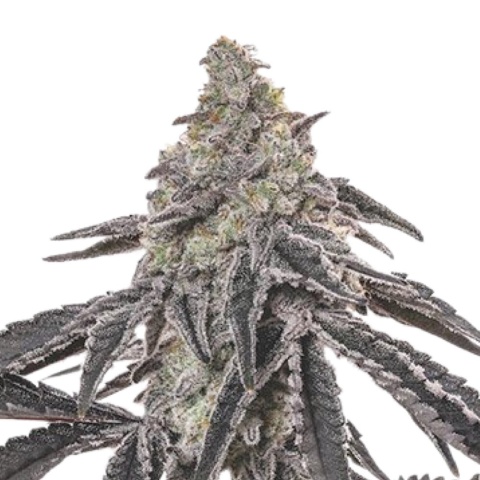 Chocolope Cannabis SeedsFrom: $24.99
Introduction
Chocolope is a well-regarded cannabis strain in the medical community, known for its unique profile and beneficial effects. This sativa-dominant strain, which boasts a lineage that connects it to some of the most iconic cannabis varieties, is particularly noted for its effectiveness in managing various medical conditions. In this detailed analysis, we will explore the origins of Chocolope, its chemical profile, medical benefits, and ideal growing conditions, all with a focus on its medical use.
Origins of Chocolope
Genetic Lineage
Chocolope is a hybrid cannabis strain created by crossing Chocolate Thai and Cannalope Haze. These two parent strains have deep roots in the cannabis world:
- Chocolate Thai: A legendary sativa strain from the 1960s and 70s, Chocolate Thai is known for its rich, chocolatey flavor and uplifting effects. It was a popular choice during its heyday and contributed significantly to the development of many modern strains. Chocolate Thai is cherished for its moderate THC levels and clear-headed high, which is ideal for those seeking relief without the overwhelming effects of more potent strains.

- Cannalope Haze: This strain is a cross between Haze Brothers and a Mexican landrace strain, known for its sweet, fruity flavors and energizing effects. Cannalope Haze is another sativa-dominant strain that offers a cerebral high, making it a favorite for those seeking creative inspiration or relief from stress and anxiety.

By combining these two strains, breeders aimed to create a cannabis variety that offers a balance of flavor and therapeutic effects, making Chocolope a unique and sought-after strain in the medical cannabis community.
Breeding and Development
Chocolope was developed by DNA Genetics, a well-known cannabis breeding company with a reputation for producing high-quality strains. The goal was to revive the Chocolate Thai experience by pairing it with Cannalope Haze, enhancing its flavor while also boosting its medical properties. The result is a strain that captures the essence of both parent strains while offering a distinct and potent therapeutic profile.
Chemical Profile of Chocolope

The chemical profile of Chocolope is what makes it stand out as a medical strain. This profile includes a balanced mix of cannabinoids and terpenes, each contributing to its overall therapeutic effects.
Cannabinoid Content
- THC (Tetrahydrocannabinol): Chocolope typically has a THC content ranging from 18% to 23%. THC is the primary psychoactive compound in cannabis, but in medical contexts, it is valued for its analgesic, anti-inflammatory, and muscle-relaxant properties. In Chocolope, the THC levels are moderate enough to provide relief from symptoms without overwhelming the patient, making it suitable for daytime use.
- CBD (Cannabidiol): Chocolope has a low CBD content, usually below 1%. While CBD is known for its non-psychoactive properties and is effective in treating conditions like epilepsy and anxiety, the low levels in Chocolope suggest that this strain’s therapeutic effects are more influenced by THC and other cannabinoids.
- CBN (Cannabinol): The CBN content in Chocolope is minimal. As THC matures and degrades, a somewhat psychotropic component called CBN arises. It is known for its sedative effects, but in Chocolope, its low levels mean that the strain remains more stimulating rather than sedating.
Terpene Profile
Terpenes are aromatic compounds that contribute to the flavor and aroma of cannabis, as well as its therapeutic effects. The dominant terpenes in Chocolope include:
- Myrcene: Myrcene is the most abundant terpene in cannabis and is known for its earthy, musky scent. It is also believed to enhance the psychoactive effects of THC and has anti-inflammatory, analgesic, and sedative properties. In Chocolope, myrcene contributes to the strain’s calming effects, making it useful for treating pain and inflammation.
- Limonene: Limonene is responsible for the citrusy, sweet aroma found in Chocolope. It is well renowned for its ability to elevate mood and reduce anxiety. Limonene can also have anti-inflammatory and antioxidant effects, which complement Chocolope’s overall therapeutic profile.
- Pinene: Pinene is another prominent terpene in Chocolope, contributing a pine-like aroma. It has anti-inflammatory, bronchodilator, and memory-enhancing properties. Pinene’s presence in Chocolope makes it an effective strain for patients dealing with respiratory issues or those needing cognitive support.
- Caryophyllene: This terpene is known for its spicy, peppery aroma and is unique in that it interacts with cannabinoid receptors in the body. Caryophyllene has anti-inflammatory, analgesic, and neuroprotective properties, making Chocolope beneficial for treating chronic pain and neurodegenerative conditions.
Medical Benefits of Chocolope
Chocolope’s balanced cannabinoid and terpene profile make it a versatile strain for treating a variety of medical conditions. Below, we explore some of the primary medical uses of Chocolope, emphasizing its therapeutic potential.
Pain Management
One of the most common medical uses of Chocolope is for pain relief. The moderate THC content, combined with the presence of myrcene and caryophyllene, makes this strain effective in reducing chronic pain. Chocolope may be very beneficial for those suffering from ailments like fibromyalgia, neuropathic pain, and arthritis. The strain’s ability to reduce inflammation further enhances its pain-relieving properties, making it a suitable option for those seeking an alternative to opioid-based painkillers.
Mental Health Support
Chocolope’s sativa-dominant profile makes it an excellent choice for patients dealing with mental health conditions such as depression, anxiety, and stress. The uplifting effects of limonene, combined with the mood-stabilizing properties of THC, can help alleviate symptoms of depression and anxiety without causing the sedation that is often associated with indica strains. Additionally, Chocolope’s ability to enhance focus and creativity makes it a useful tool for patients with ADHD or other attention-related disorders.
Fatigue and Lack of Energy
For patients dealing with chronic fatigue or conditions that sap energy, such as multiple sclerosis or chronic fatigue syndrome, Chocolope offers a boost in energy and motivation. The strain’s stimulating effects can help combat the lethargy associated with these conditions, allowing patients to engage more fully in their daily activities. This energizing effect, coupled with the strain’s ability to reduce pain, makes Chocolope a multifaceted option for those seeking relief from fatigue-related symptoms.
Appetite Stimulation
Chocolope can also be beneficial for patients who struggle with appetite loss due to conditions such as cancer, HIV/AIDS, or eating disorders. The THC content in Chocolope can stimulate appetite, helping patients maintain a healthy diet and avoid the complications associated with malnutrition. Unlike some other strains that may cause excessive hunger, Chocolope’s effect is more balanced, making it easier for patients to manage their eating habits.
Neuroprotective Properties
Emerging research suggests that Chocolope may have neuroprotective properties, thanks to the presence of cannabinoids like THC and terpenes such as pinene and caryophyllene. These substances might aid in shielding the brain from the harm that neurodegenerative illnesses like Parkinson’s and Alzheimer’s bring. While more research is needed, Chocolope’s potential in this area makes it an interesting option for patients looking to support their cognitive health.
Restrictions on Using Chocolope in the Medical Field as a Last Resort
In the medical field, certain restrictions apply when using cannabis strains like Chocolope, especially as a last resort treatment option. These restrictions are often in place to ensure patient safety, maintain compliance with legal regulations, and optimize therapeutic outcomes. Here are some key considerations:
1. Regulatory Compliance and Legal Restrictions
- Legal Framework: The use of cannabis, including specific strains like Chocolope, is subject to varying legal regulations depending on the country, state, or region. In many jurisdictions, cannabis may only be prescribed when other conventional treatments have failed, making it a “last resort” option. Medical professionals must navigate these legal frameworks carefully to ensure they are compliant with local laws.
- Prescription Guidelines: Some regions have strict guidelines on when and how cannabis can be prescribed. Documenting that all other therapeutic options have been tried before considering cannabis use is generally one of these guidelines. In such cases, Chocolope might only be prescribed when it is deemed necessary due to its specific therapeutic benefits that other treatments cannot provide.
2. Patient-Specific Restrictions
- Contraindications: Chocolope may not be suitable for all patients, especially those with a history of psychiatric disorders, such as schizophrenia or severe anxiety, as its sativa-dominant profile can exacerbate symptoms in some individuals. Medical professionals must evaluate the patient’s medical history and potential contraindications before prescribing Chocolope.
- Pediatric and Geriatric Use: The use of cannabis in pediatric and geriatric populations is often more restricted due to the higher risk of adverse effects. In these cases, medical practitioners must carefully weigh the benefits against the risks and consider alternative treatments before resorting to Chocolope.
3. Monitoring THC Levels in Medications
One of the primary concerns with using cannabis strains like Chocolope in medical treatment is the psychoactive effects associated with THC. Monitoring and managing THC levels in medications is crucial to prevent unintended psychoactive effects, especially in vulnerable populations.
Strategies for Monitoring and Controlling THC Levels:
- Titration and Dosage Control: Medical practitioners must carefully titrate the dosage of Chocolope-based medications to achieve the desired therapeutic effect while minimizing THC exposure. This entails beginning with the lowest dosage that works well and modifying it in accordance with the patient’s response.
- Lab Testing and Standardization: Ensuring that Chocolope-based products are standardized and lab-tested for THC content is essential. This helps in providing accurate dosing and maintaining consistency in the medication, which is crucial for managing psychoactive effects.
- CBD Ratio Consideration: In some cases, combining Chocolope with CBD-rich strains or products can help mitigate the psychoactive effects of THC. CBD is known to counteract some of the psychoactive properties of THC, making it a useful tool in balancing the overall effects of the medication.
- Patient Monitoring: Continuous monitoring of the patient’s response to Chocolope is necessary to ensure that THC levels remain within a safe and therapeutic range. This includes regular check-ins, blood tests if necessary, and adjustments to the treatment plan based on observed effects.
Preventing Psychoactive Effects:
- Microdosing: Microdosing involves administering very small amounts of THC to achieve therapeutic effects without causing significant psychoactive effects. This approach is particularly useful in managing conditions like chronic pain or anxiety, where lower doses can be effective without impairing cognitive function.
- Patient Education: It is essential to inform patients about the possible psychotropic effects of THC and how to deal with them. This includes advising on when to take their medication (e.g., in the evening if drowsiness is a concern) and what to expect in terms of sensations or mental state changes.
- Alternative Administration Methods: If psychoactive effects are a significant concern, alternative administration methods such as topical applications or the use of high-CBD, low-THC products may be recommended. These methods can provide localized relief or therapeutic benefits without significant systemic absorption of THC.
Growing Conditions for Chocolope

Growing Chocolope requires attention to detail, as it is a strain that thrives under specific conditions. Below, we outline the optimal growing conditions for this strain, focusing on factors such as climate, soil, lighting, and nutrient needs.
Climate Requirements
Chocolope is best grown in a warm, sunny climate, mimicking the conditions of its tropical and subtropical lineage. It thrives in temperatures ranging from 70°F to 85°F (21°C to 29°C) and requires plenty of sunlight to reach its full potential. This makes Chocolope an excellent choice for outdoor cultivation in regions with long, hot summers, such as the Mediterranean or Southern California. However, it can also be grown indoors, where growers can control the temperature and light exposure.
Soil and Nutrient Needs
Chocolope prefers well-draining, nutrient-rich soil. Perlite, coco coir, and organic compost together can supply the nutrients and drainage that’s required. Maintaining the pH of the soil between 6.0 and 7.0 will provide the best possible absorption of nutrients. Regular feeding with a balanced nutrient mix is essential during the vegetative stage, focusing on nitrogen to support healthy growth. Potassium and phosphorus become increasingly important throughout the flowering stage, assisting the plant in producing sturdy buds.
Lighting Requirements
Chocolope requires ample light, especially during the flowering stage. For indoor growers, using high-intensity discharge (HID) lights, such as metal halide (MH) during the vegetative stage and high-pressure sodium (HPS) during the flowering stage, can help replicate the intense sunlight needed for this strain to thrive. Alternatively, full-spectrum LED lights can also be used, as they offer energy efficiency and lower heat output. Providing Chocolope with 18-24 hours of light per day during the vegetative stage and 12 hours of light during the flowering stage will ensure optimal growth and bud development.
Watering and Humidity
Chocolope requires regular watering, but it’s essential to avoid overwatering, as this can lead to root rot and other issues. The soil should be kept moist but not soggy, with a watering schedule adjusted based on the plant’s growth stage and the environmental conditions. During the vegetative stage, higher humidity levels (around 60-70%) are beneficial, while the flowering stage requires lower humidity (40-50%) to prevent mold and mildew.
Flowering Time and Yield
Chocolope has a relatively long flowering time, typically ranging from 9 to 10 weeks. This extended flowering period allows the strain to develop its characteristic large, dense buds covered in trichomes. The yield can be substantial, especially when grown under optimal conditions. Outdoor growers can expect a harvest in mid-October, while indoor growers can achieve yields of 500-600 grams per square meter.
Pests and Disease Management
Like many cannabis strains, Chocolope is susceptible to pests and diseases, including spider mites, aphids, and powdery mildew. Implementing a regular pest management routine, including the use of organic insecticides and natural predators, can help keep these issues at bay. Additionally, maintaining proper airflow and humidity levels will reduce the risk of mold and mildew, ensuring healthy plant development.
Harvesting and Curing
Harvesting Chocolope at the right time is crucial for maximizing its medical benefits. When the trichomes are primarily hazy with a few amber ones, signifying peak potency, is the ideal moment to harvest. To maintain the cannabinoid and terpene content of the buds, they should be carefully dried in a dark, well-ventilated room after harvesting. The final step in improving the flavor, potency, and general quality of the product is the curing process, which can take several weeks and entails storing the dried buds in airtight containers and “burping” them every day to release excess moisture.
Conclusion
Chocolope is a distinctive and potent medical cannabis strain that offers a range of therapeutic benefits due to its unique genetic lineage, chemical profile, and carefully managed growing conditions. As a sativa-dominant strain, it is particularly effective in addressing conditions such as chronic pain, mental health disorders, fatigue, and appetite loss, making it a versatile tool in the medical cannabis arsenal.
The chemical composition of Chocolope, with its moderate THC levels and rich terpene profile, contributes to its effectiveness in relieving symptoms without overwhelming the patient. Its ability to provide energy and focus, coupled with mood-enhancing properties, makes it especially valuable for daytime use and for patients seeking relief from conditions that sap motivation and cognitive function.
Growing Chocolope requires careful attention to climate, soil, lighting, and pest management, ensuring that the plant reaches its full potential and delivers the highest quality product. For medical practitioners, understanding these growing conditions is essential when considering the strain’s availability and quality in therapeutic contexts.
However, the use of Chocolope in the medical field, particularly as a last resort, comes with specific restrictions and considerations. Legal compliance, patient-specific contraindications, and the careful monitoring of THC levels are all critical factors in ensuring that Chocolope is used safely and effectively. By managing these aspects, medical professionals can harness the full therapeutic potential of Chocolope while minimizing the risk of unwanted psychoactive effects, providing patients with a natural and effective option for managing their health.
In conclusion, Chocolope stands out as a medical cannabis strain with significant potential for improving patient outcomes across a range of conditions. Its thoughtful application within a medical framework ensures that patients benefit from its properties in a controlled, safe, and effective manner, making it a valuable resource in the ongoing evolution of cannabis-based therapies.
