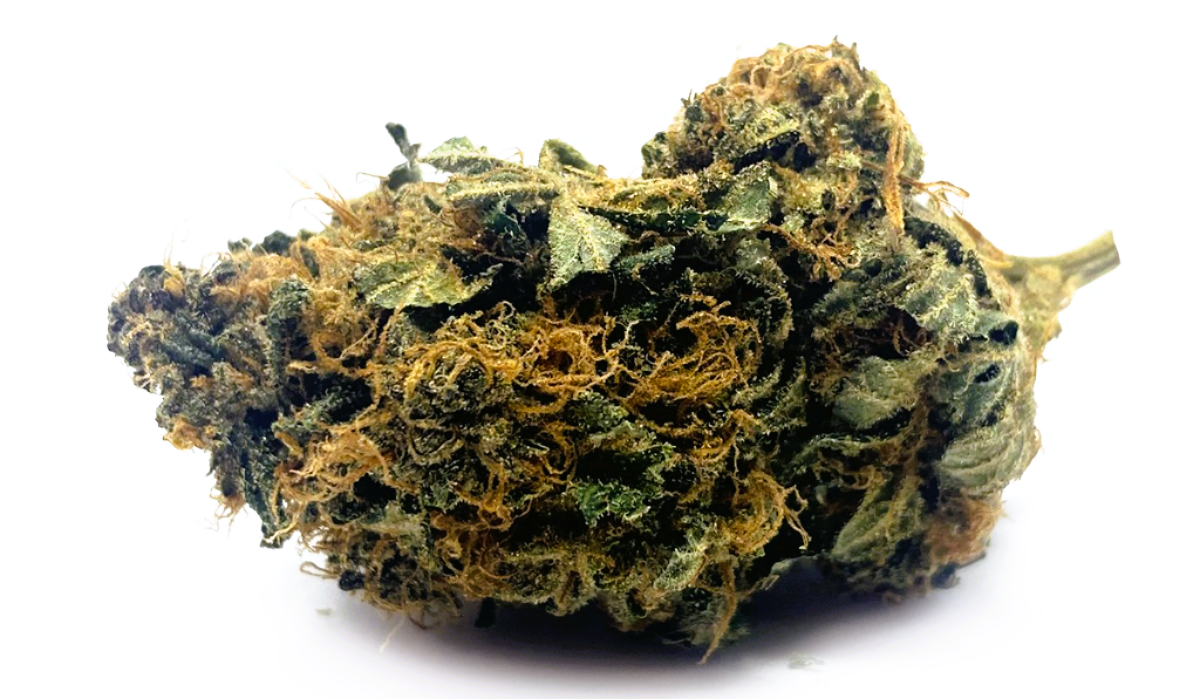
Chemo Kush: A Comprehensive Medical Strain Analysis
-
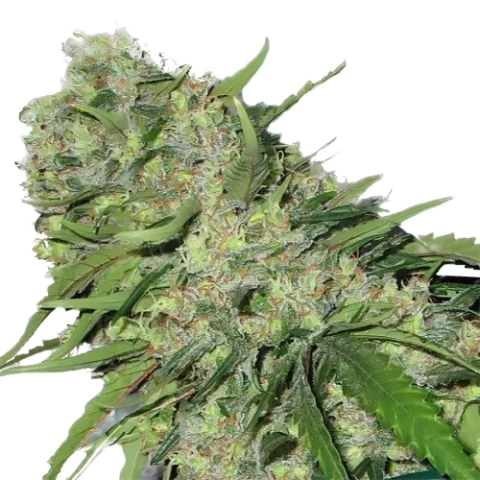 Chemo Cannabis SeedsFrom: $24.99
Introduction
Chemo Kush is a notable strain within the medical cannabis community, revered for its potent therapeutic effects. Originating from the crossbreeding of two powerful strains, Chemo and Kush, this hybrid has been cultivated to address various medical conditions, particularly those requiring substantial pain relief and symptom management. This detailed analysis delves into the origins, chemical profile, medical benefits, and growing conditions of Chemo Kush, emphasizing its utility in the medical field.
Origins of Chemo Kush
Historical Background
Chemo Kush’s lineage traces back to the mid-1970s, during a period when cannabis cultivation was gaining attention for its potential medical applications. The original strain, Chemo, was reportedly developed in Canada by Dr. David Suzuki to help alleviate the side effects of chemotherapy in cancer patients, such as nausea, pain, and loss of appetite. Later, the strain was crossed with Kush, a potently sedative strain recognized for coming from the Hindu Kush mountain range.
Genetic Lineage
Chemo Kush is a hybrid strain with a balanced Indica-dominant profile, combining the therapeutic attributes of both parent strains. The Indica dominance of Chemo Kush (around 70%) is derived primarily from the Kush lineage, while the remaining Sativa influence contributes to the strain’s nuanced effects. This genetic combination has resulted in a strain that offers significant medical benefits without the overwhelming psychoactivity often associated with high-THC strains.
Chemical Profile of Chemo Kush
Cannabinoid Content
Chemo Kush is characterized by a robust cannabinoid profile, particularly rich in THC (tetrahydrocannabinol) and CBD (cannabidiol), making it suitable for medical use. The strain typically has THC levels ranging between 18% and 24%, depending on the growing conditions and cultivation practices. This high THC content is responsible for the strain’s potent effects, particularly in pain relief and appetite stimulation.
- THC (18-24%): THC is the primary psychoactive component of cannabis, and in Chemo Kush, it plays a crucial role in alleviating severe pain, reducing nausea, and enhancing appetite. For patients undergoing chemotherapy or suffering from chronic conditions, the high THC content provides significant relief from debilitating symptoms.
- CBD (1-3%): Although present in lower concentrations, CBD in Chemo Kush contributes to its medical benefits, particularly in reducing inflammation and providing neuroprotective effects. The presence of CBD also modulates the psychoactive effects of THC, making the strain more manageable for medical patients who may be sensitive to high THC levels.
Terpene Profile
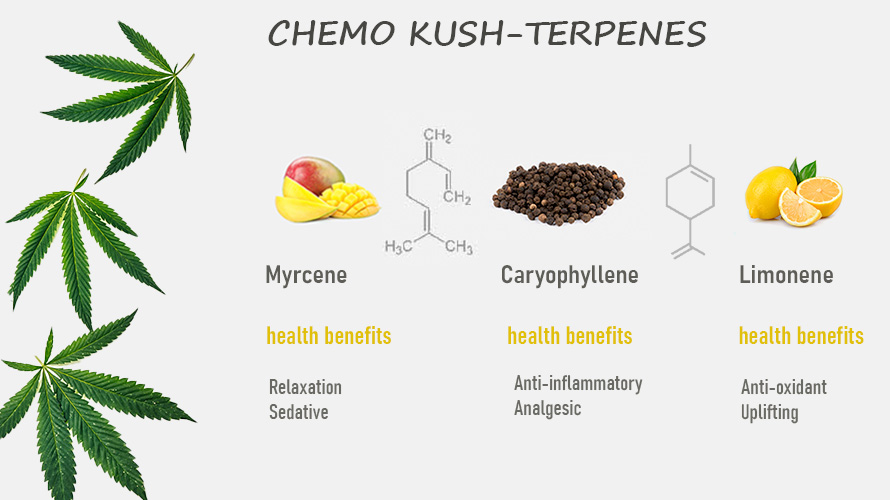
Terpenes are aromatic compounds that contribute to the strain’s therapeutic effects and flavor profile. Chemo Kush has a distinctive terpene profile dominated by myrcene, caryophyllene, and limonene, which enhance its medicinal properties.
- Myrcene: The most abundant terpene in Chemo Kush, myrcene is known for its sedative and muscle-relaxant properties. It contributes to the strain’s overall calming effects, making it ideal for patients with insomnia, anxiety, or chronic pain.
- Caryophyllene: This terpene is known for its anti-inflammatory and analgesic properties. Caryophyllene binds directly to CB2 receptors in the body, which are associated with the immune system, providing targeted relief for inflammatory conditions and pain.
- Limonene: Limonene contributes to the strain’s uplifting effects and its citrusy aroma. It has been studied for its potential anti-anxiety and antidepressant effects, making Chemo Kush a balanced option for patients dealing with both physical and emotional symptoms.
Medical Benefits of Chemo Kush
Chemo Kush’s medical benefits are vast, addressing a wide range of conditions. Its efficacy in treating severe symptoms makes it a valuable option for patients seeking alternatives to traditional pharmaceuticals.
Pain Management
One of the primary medical uses of Chemo Kush is pain management. The strain’s high THC content, combined with the analgesic effects of caryophyllene and myrcene, provides effective relief from various types of pain, including:
- Neuropathic Pain: Patients with conditions such as multiple sclerosis or diabetic neuropathy can benefit from Chemo Kush’s ability to alleviate nerve pain, which is often resistant to traditional painkillers.
- Chronic Pain: For individuals with chronic conditions like arthritis or fibromyalgia, Chemo Kush offers sustained relief, allowing for improved quality of life and better mobility.
- Post-Surgical Pain: Chemo Kush can be particularly beneficial for patients recovering from surgery, helping to manage pain and reduce reliance on opioid medications.
Nausea and Appetite Stimulation
Chemo Kush is highly effective in combating nausea and stimulating appetite, making it an ideal strain for patients undergoing chemotherapy or those with eating disorders. The high THC content interacts with the endocannabinoid system to reduce nausea and vomiting while promoting hunger, which is crucial for patients who struggle to maintain a healthy weight due to their medical conditions.
Anxiety and Depression
While primarily an Indica-dominant strain, Chemo Kush has a balanced effect that can also help alleviate symptoms of anxiety and depression. The presence of limonene and myrcene provides both uplifting and calming effects, making it suitable for patients with mood disorders. However, due to the high THC content, it is recommended that patients with anxiety start with lower doses to avoid exacerbating symptoms.
Insomnia
Chemo Kush is widely used for its sedative properties, making it an effective treatment for insomnia. The combination of myrcene and THC induces deep relaxation and sleep, which is beneficial for patients who struggle with sleep due to pain, stress, or other medical conditions.
Anti-Inflammatory Effects
The anti-inflammatory properties of Chemo Kush, primarily due to caryophyllene, make it a suitable option for treating conditions characterized by inflammation. This includes autoimmune disorders, inflammatory bowel disease, and arthritis. The strain’s ability to reduce inflammation without the side effects of steroids or NSAIDs is particularly valuable in long-term management.
Neuroprotective Effects
Emerging research suggests that the cannabinoids in Chemo Kush, particularly CBD, may have neuroprotective effects. This makes the strain a potential candidate for managing neurodegenerative diseases such as Parkinson’s, Alzheimer’s, and multiple sclerosis. While more research is needed, the current evidence supports the use of Chemo Kush in protecting against neurodegeneration and managing symptoms associated with these conditions.
Restrictions on Using Chemo Kush in the Medical Field
1. Use as a Last Resort
Cannabis cultivars like Chemo Kush are frequently utilized in medicine as a last resort, particularly in cases when traditional medicines have not worked or have had unfavorable side effects. Owing of its strong effects and high THC content, the following limitations and recommendations are typically adhered to:
- Clinical Guidelines: Medical professionals may prescribe Chemo Kush only after other, less psychoactive treatments have proven ineffective. This includes conventional pharmaceuticals, lower-THC cannabis strains, or CBD-dominant options. The decision to use Chemo Kush is typically made when the patient’s symptoms are severe and have not responded to standard therapies.
- Documentation and Approval: In many jurisdictions, using a high-THC strain like Chemo Kush requires thorough documentation and, in some cases, approval from a medical board or cannabis oversight authority. Physicians may need to provide detailed records of the patient’s medical history, previous treatments, and justification for recommending Chemo Kush.
- Patient Consent: Given the potential psychoactive effects of high-THC strains, informed consent is crucial. Patients must be fully informed about the benefits, risks, and possible side effects of using Chemo Kush, including the potential for psychoactive experiences. This consent should be documented before treatment begins.
- Age and Condition Restrictions: Some medical guidelines restrict the use of high-THC strains to specific age groups or medical conditions. For example, pediatric use might be heavily restricted, and elderly patients or those with a history of mental health disorders may be advised against using such potent strains. Chemo Kush may only be recommended for conditions where its benefits clearly outweigh the risks, such as intractable pain, severe nausea, or palliative care for terminal illnesses.
2. Monitoring THC Levels to Prevent Psychoactive Effects
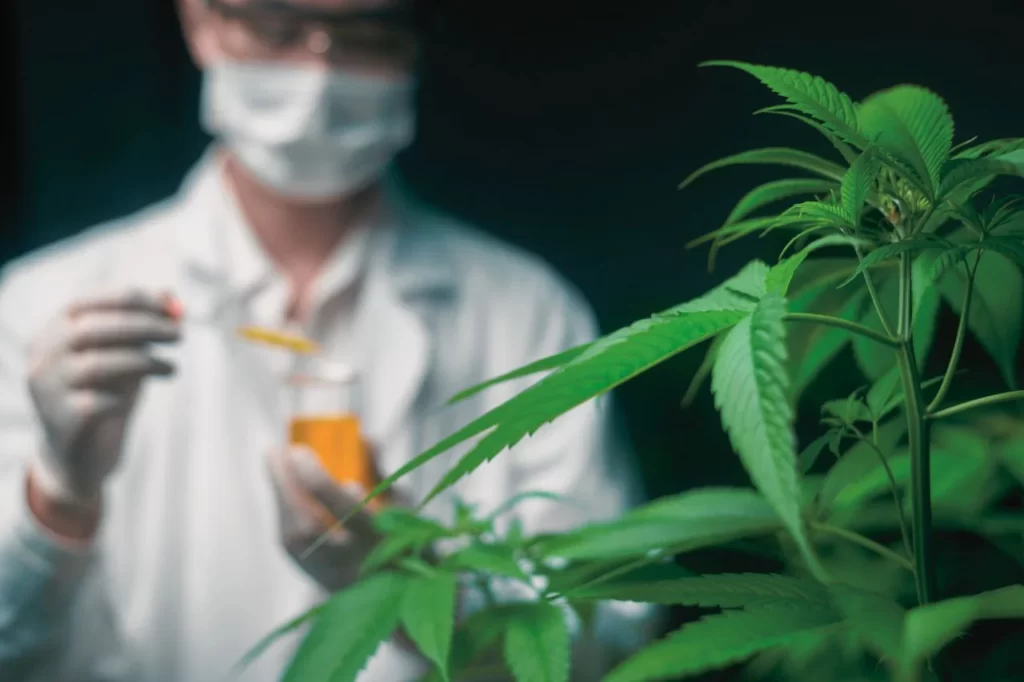
Given the high THC content of Chemo Kush, it is critical to monitor and manage the THC levels in medications derived from this strain to minimize unwanted psychoactive effects, particularly in patients sensitive to THC. This involves several strategies:
- Dosage Control: One of the primary methods for preventing excessive psychoactive effects is controlling the dosage. Medical cannabis preparations made from Chemo Kush should be standardized, with clear labeling of THC content per dose. Doctors may begin patients on a low dose and then progressively raise it while keeping an eye on the patient’s reaction.
- THC-CBD Ratio Management: The psychoactive effects of THC can be modulated by the presence of CBD. Medications derived from Chemo Kush may be formulated to include additional CBD, which can counteract some of THC’s psychoactive effects. This approach allows patients to benefit from the therapeutic properties of THC while reducing the risk of experiencing anxiety, paranoia, or other adverse effects.
- Monitoring Blood THC Levels: In some clinical settings, particularly in cases where high doses are used or the patient is sensitive to THC, blood THC levels may be monitored. By doing this, it may be possible to prevent THC levels from rising above levels that would result in noticeable psychoactivity and to keep them within a therapeutic range.
- Patient Monitoring and Feedback: Regular monitoring of the patient’s symptoms and any side effects is essential. Patients should be encouraged to report any feelings of discomfort, anxiety, or altered mental state. This feedback can help clinicians adjust the dosage or treatment plan accordingly.
- Education on Administration Methods: The method of administration can significantly affect the onset and intensity of THC’s effects. For instance, oral ingestion leads to a delayed onset and a more prolonged effect compared to inhalation. Educating patients on the appropriate administration method for their condition can help manage and reduce the risk of unwanted psychoactive effects.
- Regulatory Compliance: Medical cannabis providers must comply with local and national regulations regarding THC levels in medical products. THC content restrictions apply to medicinal cannabis products in certain areas, particularly to those marketed to vulnerable populations. Ensuring that Chemo Kush-derived products meet these regulatory standards is essential for their safe use in the medical field.
Growing Conditions for Chemo Kush

Chemo Kush is a strain that requires specific growing conditions to maximize its medical potential. Understanding these conditions is essential for cultivators who wish to produce high-quality, therapeutically effective cannabis.
Climate Requirements
Chemo Kush thrives in a controlled indoor environment but can also be grown outdoors in climates that offer warmth and moderate humidity. The strain prefers a temperate climate with daytime temperatures ranging between 70-80°F (21-27°C). The development and production of cannabinoids by plants might be adversely affected by abrupt temperature changes or exposure to frost.
- Indoor Growing: Indoor cultivation allows for precise control over environmental factors such as temperature, humidity, and light, which are crucial for optimizing the plant’s chemical profile. Growers should aim to maintain humidity levels between 40-50% during the vegetative stage and reduce it to 30-40% during flowering to prevent mold and mildew.
- Outdoor Growing: If grown outdoors, Chemo Kush should be planted in late spring after the last frost. Rich in organic content, well-drained soil is preferred by the plant. Growers who plant outside should keep a close eye on the weather because too much rain or too hot temperatures might harm the plants.
Light Requirements
During the vegetative stage, Chemo Kush needs 18 hours of light and 6 hours of darkness; during the blooming stage, it needs 12 hours of light and 12 hours of darkness. This is the usual light cycle for cannabis. Growing plants under high-quality grow lights, like LED or HPS, can promote faster development and higher yields of cannabinoids. Additionally, the strain responds to changes in the light spectrum, with red light encouraging flowering and blue light encouraging vegetative growth.
Nutrient Requirements
Chemo Kush is a nutrient-hungry strain, especially during the flowering stage. For plants to grow healthily, growers should supply a balanced diet of micronutrients like calcium, magnesium, and iron as well as macronutrients like nitrogen, phosphorus, and potassium.
- Vegetative Stage: During the vegetative stage, a higher nitrogen content is essential to promote leaf and stem growth. Growers should use a nutrient solution with an NPK ratio of 3-1-2.
- Flowering Stage: As the plant transitions to flowering, phosphorus and potassium become more critical. A nutrient solution with an NPK ratio of 1-3-3 or 1-2-3 is recommended. This promotes the development of resinous buds, which are crucial for the strain’s medical efficacy.
- Organic Amendments: Incorporating organic amendments such as compost, worm castings, and bat guano can enhance the soil’s fertility and improve the plant’s overall health.
Watering Requirements
Chemo Kush requires consistent watering, with the soil kept moist but not waterlogged. Underwatering can cause stress to the plant and lower its production, while overwatering might result in root rot. Growers should make sure that sufficient drainage is in place to avoid standing water and water the plants when the top inch of soil is dry.
Pruning and Training
To maximize yield and cannabinoid content, growers should employ pruning and training techniques. Bushier growth and more bud sites are encouraged when plants are topped during the vegetative stage. Moreover, the Screen of Green (ScrOG) technique and low-stress training (LST) can be applied to maximize light exposure and boost yields.
Pest and Disease Management
Chemo Kush is relatively resistant to pests and diseases, but growers should remain vigilant for common issues such as spider mites, aphids, and powdery mildew. Integrated Pest Management (IPM) practices, including regular inspection, proper sanitation, and the use of organic pesticides, can help prevent infestations and maintain plant health.
Harvesting and Curing
Chemo Kush typically has a flowering period of 8-10 weeks. Growers should harvest the plants when the trichomes are cloudy and the pistils have turned amber, indicating peak cannabinoid content. The buds should be carefully dried after harvesting in a dark, well-ventilated space with a temperature between 60 and 70°F (15 and 21°C) and a humidity level of about 50%. It is best to cure the buds for at least two weeks in airtight containers to improve their flavor, potency, and general quality.
Overall Conclusion
Chemo Kush is a powerful medical cannabis strain with a rich history, rooted in its development to help alleviate the severe side effects of chemotherapy. Its origins, combining the therapeutic Chemo strain with the potent Kush lineage, have resulted in a hybrid that offers significant medical benefits, particularly in pain management, nausea reduction, and appetite stimulation.
The chemical profile of Chemo Kush is characterized by high THC levels, making it highly effective for treating a range of medical conditions, from chronic pain to neurodegenerative diseases. The presence of beneficial terpenes like myrcene, caryophyllene, and limonene further enhances its medicinal properties, providing a balanced approach to managing both physical and psychological symptoms.
However, the high THC content of Chemo Kush also necessitates careful consideration in its medical use. It is typically reserved as a last-resort treatment when other therapies have proven ineffective. Monitoring THC levels in medications derived from this strain is crucial to minimizing the risk of psychoactive effects, especially in sensitive patients. This involves controlling dosage, managing the THC-CBD ratio, and educating patients on the appropriate administration methods.
From a cultivation perspective, Chemo Kush requires specific growing conditions to maximize its therapeutic potential. Whether grown indoors or outdoors, attention to climate, light, nutrients, and pest management is essential to produce a high-quality crop capable of delivering its full medical benefits.
In conclusion, Chemo Kush stands out as a versatile and potent medical strain, offering substantial relief for patients with severe or treatment-resistant conditions. Its use in the medical field, however, must be approached with caution, ensuring that its powerful effects are harnessed safely and effectively for those who need it most. Through careful cultivation and strict adherence to medical guidelines, Chemo Kush can continue to be a valuable tool in the arsenal of medical cannabis treatments.
