
Strain Analysis: CBD ACDC
-
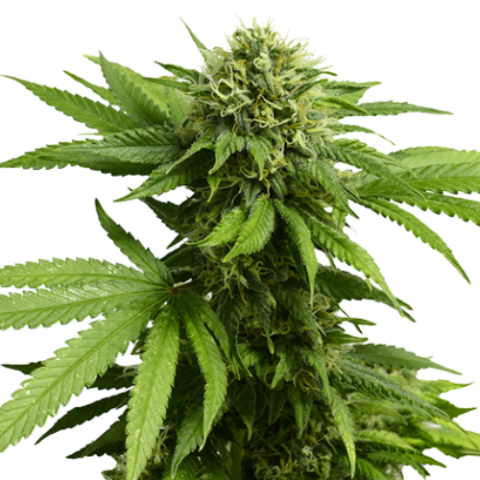 CBD ACDC Cannabis SeedsFrom: $24.99
Introduction
CBD ACDC is a remarkable cannabis strain known for its high CBD content and minimal THC levels, making it highly desirable for medical purposes. This strain has garnered attention in the medical cannabis community for its ability to provide therapeutic benefits without the psychoactive effects typically associated with cannabis. In this comprehensive analysis, we will delve into the origins, chemical profile, medical benefits, and growing conditions of CBD ACDC, emphasizing its medical applications while excluding recreational use and consumption methods.
Origins of CBD ACDC
Genetic Background
CBD ACDC is a phenotype of the renowned Cannatonic strain, which is known for its balanced cannabinoid profile. Cannatonic was bred by the Spanish seed bank Resin Seeds, with the primary goal of creating a strain with high CBD content and minimal THC. ACDC emerged as one of the standout phenotypes of Cannatonic, distinguished by its exceptional CBD-to-THC ratio.
Cannatonic itself is a hybrid strain, resulting from the cross between MK Ultra (an indica-dominant strain) and G13 Haze (a sativa-dominant strain). This hybridization provided the foundation for the balanced cannabinoid profile found in CBD ACDC. The low THC levels in CBD ACDC are a direct result of selective breeding aimed at maximizing CBD content while minimizing psychoactive effects.
Breeding and Development
The development of CBD ACDC was driven by the increasing demand for cannabis strains with therapeutic potential without the intoxicating effects of THC. Breeders focused on stabilizing the high CBD phenotype of Cannatonic, which led to the creation of ACDC as a distinct strain. Over multiple generations, breeders carefully selected plants with the desired CBD-rich traits, resulting in a stable and consistent strain.
CBD ACDC’s genetic lineage is firmly rooted in the pursuit of medical cannabis, with its origins tracing back to the efforts of breeders who recognized the potential of CBD in treating various medical conditions. The strain has since become a cornerstone in the medical cannabis community, known for its ability to deliver the therapeutic benefits of cannabis without the associated “high.”
Chemical Profile of CBD ACDC
Cannabinoid Content
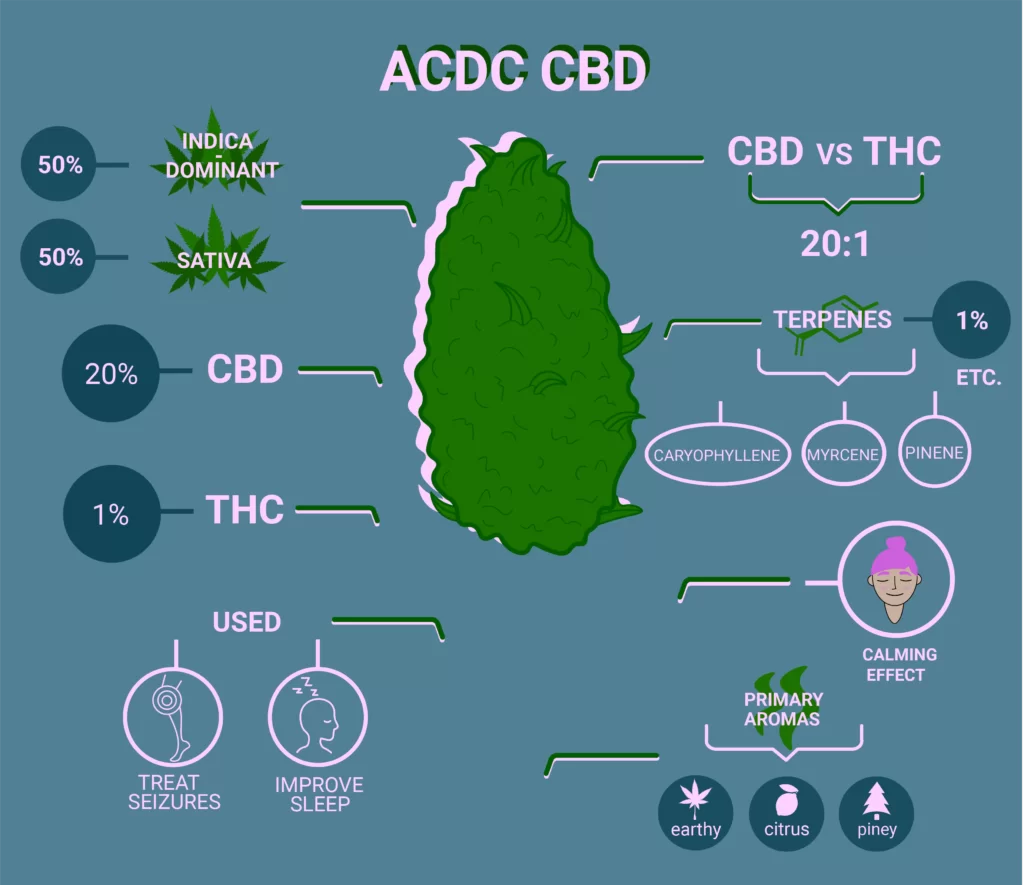
CBD ACDC is renowned for its unique cannabinoid profile, characterized by an exceptionally high CBD content and minimal THC levels. On average, CBD ACDC contains around 16-24% CBD, with THC levels typically ranging from 0.5% to 1.2%. This near 20:1 CBD-to-THC ratio makes it one of the most CBD-dominant strains available, ideal for medical users seeking therapeutic benefits without psychoactive effects.
CBD (Cannabidiol):
CBD is the primary cannabinoid in CBD ACDC, and it is responsible for most of the strain’s therapeutic properties. Since CBD is not psychoactive, it does not result in the “high” that THC produces. Rather, it works in concert with the endocannabinoid system (ECS) of the body to support homeostasis and balance, both of which offer numerous health advantages.
THC (Tetrahydrocannabinol):
THC is present in CBD ACDC in trace amounts, usually below 1%. Because of its low THC level, users can benefit from cannabis therapy without experiencing major high effects. This makes the strain appropriate for people who need to maintain their composure and ability to work.
Terpene Profile
Terpenes are fragrant substances present in cannabis that enhance its flavor, aroma, and medicinal qualities. CBD ACDC’s terpene profile is diverse and contributes to its overall therapeutic potential. Some of the dominant terpenes found in CBD ACDC include:
Myrcene:
Myrcene is the most abundant terpene in CBD ACDC, contributing to its earthy and musky aroma. Myrcene is known for its sedative and relaxing effects, making it beneficial for patients dealing with anxiety, insomnia, and pain.
Pinene:
Pinene imparts a fresh pine scent to CBD ACDC. This terpene is associated with anti-inflammatory and bronchodilator effects, making it potentially useful for patients with respiratory conditions or inflammation.
Caryophyllene:
The scent of the strain has a spicy, peppery undertone added by caryophyllene. It differs from other terpenes in that it has the ability to bind to cannabinoid receptors, specifically CB2 receptors, which are connected to inflammation and the immune system. Caryophyllene’s interaction with these receptors may contribute to CBD ACDC’s anti-inflammatory and analgesic effects.
Limonene:
Limonene contributes a citrusy aroma to the strain. This terpene is known for its mood-enhancing and stress-relieving properties, making it beneficial for patients dealing with depression and anxiety.
Linalool:
Linalool provides a floral and lavender-like aroma to CBD ACDC. This terpene is associated with calming and anxiolytic effects, further enhancing the strain’s potential for alleviating anxiety and stress.
Flavonoids and Minor Cannabinoids
In addition to its dominant cannabinoids and terpenes, CBD ACDC also contains various flavonoids and minor cannabinoids, which contribute to the entourage effect. The entourage effect is the synergistic interaction between the various compounds in cannabis, leading to enhanced therapeutic effects.
CBG (Cannabigerol):
CBG is a minor cannabinoid present in CBD ACDC. It has shown potential in treating inflammation, pain, and neurodegenerative conditions. Although present in small amounts, CBG may contribute to the overall therapeutic profile of CBD ACDC.
CBC (Cannabichromene):
CBC is another minor cannabinoid that may play a role in reducing pain and inflammation. Like CBG, CBC is present in small quantities in CBD ACDC but may enhance the strain’s therapeutic effects.
Flavonoids:
Plant substances called flavonoids have anti-inflammatory and antioxidant qualities. In addition to adding to the strain’s color, flavor, and aroma, they may also offer medicinal benefits including lowering inflammation and boosting immunity.
Medical Benefits of CBD ACDC

CBD ACDC has gained a reputation as a potent medicinal strain due to its unique cannabinoid and terpene profile. The high CBD content, combined with the presence of therapeutic terpenes and minor cannabinoids, makes CBD ACDC an effective option for a variety of medical conditions. Below, we explore the key medical benefits of CBD ACDC, emphasizing its role in managing specific health issues.
Pain Management
One of the most common reasons patients turn to CBD ACDC is for pain relief. Chronic pain can be debilitating and difficult to manage, and traditional pain medications often come with undesirable side effects or risk of dependence. CBD ACDC offers a natural alternative for pain management, with several mechanisms contributing to its effectiveness:
- Anti-inflammatory Effects:
CBD has potent anti-inflammatory properties, which can help reduce the inflammation often associated with chronic pain conditions such as arthritis, fibromyalgia, and neuropathy. Through its interaction with the endocannabinoid system of the body, CBD can modify the immune response, thereby reducing inflammation at its source and reducing the generation of pro-inflammatory cytokines. - Analgesic Effects:
The combination of CBD, caryophyllene, and myrcene in CBD ACDC provides analgesic effects, which can help alleviate pain. CBD interacts with TRPV1 receptors, which are involved in pain perception, while caryophyllene binds to CB2 receptors, reducing pain and inflammation. Myrcene’s sedative properties may also contribute to a reduction in pain perception. - Neuropathic Pain Relief:
Neuropathic pain, caused by damage to the nervous system, can be challenging to treat with conventional medications. CBD ACDC’s high CBD content, along with its minor cannabinoids and terpenes, may help modulate nerve function and reduce neuropathic pain. Patients with conditions such as multiple sclerosis, diabetic neuropathy, and spinal cord injuries may find relief with CBD ACDC.
Anxiety and Stress Relief
Anxiety and stress-related disorders are among the most prevalent mental health issues, affecting millions of people worldwide. With its potential to reduce stress and anxiety without the intoxicating effects of THC, CBD ACDC is a compelling choice for individuals looking for non-pharmacological relief.
- Anxiolytic Properties:
CBD has well-documented anxiolytic effects, primarily mediated through its interaction with serotonin receptors (5-HT1A) in the brain. CBD can assist in mood regulation and the reduction of stress and anxiety symptoms via modifying serotonin signaling. The presence of linalool and limonene in CBD ACDC further enhances its anxiolytic potential, promoting relaxation and calmness. - Reduction of Social Anxiety:
Anxiety and uneasiness in social settings are the hallmarks of social anxiety disorder (SAD). CBD ACDC’s high CBD content can help reduce the symptoms of SAD by modulating the amygdala’s response to fear and anxiety. Studies have shown that CBD can reduce the anxiety associated with public speaking, a common trigger for individuals with SAD. - Stress Management:
Chronic stress can have a detrimental impact on physical and mental health, leading to conditions such as hypertension, insomnia, and depression. CBD ACDC can help mitigate the effects of stress by promoting relaxation and reducing cortisol levels. The presence of terpenes like linalool and myrcene, known for their calming effects, further supports stress management.
Seizure Disorders and Epilepsy
CBD’s anticonvulsant properties have been widely studied, and CBD ACDC has shown particular promise in treating seizure disorders and epilepsy. The strain’s high CBD content, combined with its minimal THC levels, makes it an ideal candidate for managing these conditions.
- Anticonvulsant Effects:
Preclinical and clinical research have both shown that CBD can lessen the frequency and intensity of seizures. It is believed that CBD’s interaction with GABA receptors and TRPV1 channels plays a role in its anticonvulsant effects. CBD ACDC has been used successfully to manage seizures in conditions such as Dravet syndrome, Lennox-Gastaut syndrome, and other forms of treatment-resistant epilepsy. - Reduction of Seizure Frequency:
Patients with epilepsy often experience a significant reduction in seizure frequency with the use of CBD ACDC. CBD may be able to help those who have not responded to conventional antiepileptic drugs by reducing seizures by 50% or more in certain situations. - Improved Quality of Life:
In addition to reducing seizures, CBD ACDC can improve the overall quality of life for individuals with epilepsy. The strain’s calming and anxiolytic effects can help reduce the anxiety and stress often associated with the unpredictability of seizures, leading to better emotional well-being and improved sleep.
Inflammatory Conditions
Numerous chronic diseases, such as autoimmune disorders, gastrointestinal problems, and arthritis, are significantly influenced by inflammation. Because of its anti-inflammatory qualities, CBD ACDC is a useful tool for treating several ailments.
- Autoimmune Disorders:
Autoimmune disorders, such as rheumatoid arthritis, lupus, and Crohn’s disease, involve an overactive immune response that leads to chronic inflammation. CBD ACDC can help modulate the immune system, reducing the production of pro-inflammatory cytokines and alleviating the symptoms of these conditions. The presence of caryophyllene, which interacts with CB2 receptors, further supports the strain’s anti-inflammatory effects. - Arthritis:
The symptoms of arthritis include stiffness, discomfort, and inflammation in the joints. CBD ACDC’s anti-inflammatory and analgesic properties can help reduce joint inflammation and alleviate pain, improving mobility and quality of life for individuals with arthritis. Topical application of CBD ACDC extracts or oils can provide targeted relief for affected joints. - Gastrointestinal Conditions:
Inflammatory bowel diseases (IBD), such as Crohn’s disease and ulcerative colitis, involve chronic inflammation of the gastrointestinal tract. CBD ACDC can help reduce inflammation in the gut, alleviate abdominal pain, and improve bowel function. The strain’s calming effects may also help reduce stress-related exacerbations of IBD symptoms.
Neurological Disorders
CBD ACDC has shown potential in managing various neurological disorders, including multiple sclerosis, Parkinson’s disease, and Alzheimer’s disease. The strain’s neuroprotective and anti-inflammatory properties contribute to its effectiveness in these conditions.
- Multiple Sclerosis (MS):
The symptoms of multiple sclerosis (MS), an autoimmune disease that affects the central nervous system, include exhaustion, discomfort, and stiffness in the muscles. CBD ACDC can help alleviate muscle spasticity and pain, improving mobility and reducing discomfort for individuals with MS. The strain’s anti-inflammatory effects may also help slow the progression of the disease by reducing neuroinflammation. - Parkinson’s Disease:
Parkinson’s disease is a neurological condition that causes stiffness in the muscles and poor movement. CBD ACDC’s neuroprotective properties may help protect dopamine-producing neurons in the brain, potentially slowing the progression of the disease. Parkinson’s sufferers may also experience less anxiety and better quality sleep thanks to the strain’s relaxing benefits. - Alzheimer’s Disease:
Alzheimer’s disease is a neurological illness that worsens with time and causes memory loss and cognitive deterioration. The anti-inflammatory and antioxidant qualities of CBD ACDC may aid in lowering oxidative stress and neuroinflammation, both of which are believed to have a role in the onset of Alzheimer’s disease. Early studies indicate that CBD may play a role in preserving brain health and delaying cognitive decline, but further research is required.
Cancer-Related Symptoms
Cancer and its treatment can lead to a range of debilitating symptoms, including pain, nausea, and loss of appetite. CBD ACDC may offer relief from these symptoms, improving the quality of life for cancer patients.
- Pain Relief:
Cancer-related pain can be severe and difficult to manage. CBD ACDC’s analgesic properties, combined with its ability to reduce inflammation, can help alleviate cancer-related pain, providing much-needed relief for patients undergoing treatment. - Nausea and Vomiting:
CINEX side effects, or chemotherapy-induced nausea and vomiting, are frequent outcomes of cancer treatment. CBD ACDC may help reduce nausea and vomiting, making it easier for patients to tolerate chemotherapy. The strain’s calming effects may also help reduce anxiety and stress associated with treatment. - Appetite Stimulation:
Cancer patients frequently experience appetite reduction and weight loss. While CBD ACDC is not as potent in stimulating appetite as THC-rich strains, it may still help improve appetite by reducing nausea and promoting relaxation.
Sleep Disorders
The general state of health and wellbeing can be significantly impacted by sleep problems, such as insomnia and sleep apnea. CBD ACDC’s calming and sedative effects make it a potential option for improving sleep quality.
- Insomnia:
There are several things that might lead to insomnia, such as discomfort, tension, and anxiety. People can sleep better and more easily because to CBD ACDC’s capacity to induce calm and lower anxiety. The calming qualities of myrcene, which are present in this strain, contribute to its efficacy in treating insomnia. - Sleep Apnea:
The disorder known as sleep apnea is characterized by breathing disruptions during the night, which results in restless nights and exhaustion during the day. Although further research is required, by encouraging relaxation and enhancing overall sleep quality, CBD ACDC may help lessen the severity of sleep apnea. - Restless Leg Syndrome (RLS):
RLS is a neurological condition that results in an overwhelming desire to move the legs, which frequently makes it difficult to fall asleep. CBD ACDC’s calming effects may help reduce the symptoms of RLS, making it easier for individuals to fall asleep and stay asleep.
Restrictions on Using CBD ACDC in the Medical Field as a Last Resort
While CBD ACDC is widely recognized for its therapeutic benefits, there are certain restrictions and considerations in the medical field when using this strain, especially as a last resort treatment:
- Regulatory Approval: In many regions, the use of cannabis-derived medications, including those with high CBD content, requires regulatory approval. This means that CBD ACDC may only be prescribed when other conventional treatments have failed, and it must be done under strict medical supervision.
- Patient Eligibility: Not all patients may be eligible for treatment with CBD ACDC. Medical guidelines often require that a patient exhaust all other treatment options before cannabis-based therapy is considered. Additionally, the patient’s medical history, current medications, and overall health must be evaluated to determine suitability.
- Monitoring THC Levels: Even though CBD ACDC has minimal THC content, it is crucial to monitor and ensure that THC levels in any derived medications remain below a specific threshold to avoid any psychoactive effects. This is particularly important for patients who need to remain clear-headed and functional, such as those in sensitive professions or with certain mental health conditions.
- Dosing and Administration: Careful dosing is essential to ensure that the therapeutic benefits of CBD are delivered without unwanted psychoactive effects. Medical professionals must tailor dosages to individual patient needs and monitor for any adverse reactions, adjusting the treatment plan as necessary.
Growing Conditions for CBD ACDC
CBD ACDC is a versatile strain that can be grown in various environments, including indoors, outdoors, and in greenhouses. However, its unique genetic makeup requires specific growing conditions to achieve optimal results. Below, we explore the ideal growing conditions for CBD ACDC, including climate, soil, lighting, and nutrient requirements.
Climate and Environment
CBD ACDC is a resilient strain that can adapt to different climates, but it thrives best in a Mediterranean-like climate with warm temperatures and plenty of sunlight. The strain can be grown successfully in both temperate and continental climates, provided that the growing season is long enough to allow the plants to fully mature.
- Temperature:
CBD ACDC prefers daytime temperatures between 70°F and 80°F (21°C to 27°C) during the vegetative stage. During the flowering stage, slightly cooler temperatures between 65°F and 75°F (18°C to 24°C) are ideal. The strain can tolerate temperature fluctuations, but extreme heat or cold can stress the plants and affect yield. - Humidity:
CBD ACDC thrives in moderate humidity levels, typically between 40% and 50% during the vegetative stage. During the flowering stage, it’s important to reduce humidity to 30%-40% to prevent mold and mildew from developing on the buds. Proper air circulation is essential to maintaining healthy humidity levels. - Outdoor Growing:
When grown outdoors, CBD ACDC should be planted in a location with plenty of sunlight and well-draining soil. The strain typically finishes flowering in late September to early October, depending on the climate. A successful harvest can be ensured in areas with shorter growing seasons by beginning the plants indoors and moving them outside after the final frost. - Indoor Growing:
Indoor growing allows for greater control over the environment, making it easier to maintain optimal temperature and humidity levels. CBD ACDC responds well to both soil and hydroponic growing systems. Growers ought to supply a minimum of eighteen hours of light daily for the vegetative stage, then transition to a twelve-hour light cycle for the flowering stage.
Soil and Nutrient Requirements
CBD ACDC performs well in a variety of soil types, but it prefers a well-aerated, nutrient-rich soil with good drainage. The strain benefits from organic soil amendments, such as compost, worm castings, and bat guano, which can enhance soil fertility and promote healthy plant growth.
- Soil pH:
The ideal soil pH for CBD ACDC is between 6.0 and 6.5. Maintaining the correct pH is crucial for nutrient uptake, and regular testing is recommended to prevent nutrient deficiencies or toxicities. - Nutrient Requirements:
Like all cannabis plants, CBD ACDC requires a balanced supply of macronutrients (nitrogen, phosphorus, and potassium) and micronutrients (calcium, magnesium, sulfur, etc.). During the vegetative stage, the plants benefit from a higher nitrogen content to support foliage growth. During the flowering stage, phosphorus and potassium levels should be increased to promote bud development. - Organic vs. Synthetic Nutrients:
CBD ACDC can be grown successfully with either organic or synthetic nutrients, but many growers prefer organic nutrients to enhance the flavor and aroma of the final product. In addition to promoting better soil, organic fertilizers can raise crop quality in general. - Watering:
For plants to grow healthily, proper irrigation is necessary. Underwatering can cause stress to the plants and lower yield, while overwatering can cause root rot and create other problems. When the top inch of soil seems dry, growers should water their plants to ensure that water reaches the root zone without soggying the soil.
Lighting and Photoperiod
Lighting is a critical factor in the growth and development of CBD ACDC, particularly for indoor growers. The strain responds well to both natural and artificial light, but the intensity and duration of light exposure play a key role in determining the quality and yield of the harvest.
- Vegetative Stage:
During the vegetative stage, CBD ACDC requires 18-24 hours of light per day to support vigorous growth. High-intensity discharge (HID) lamps, such as metal halide (MH) or high-pressure sodium (HPS) lamps, are commonly used to provide the necessary light intensity. LED grow lights are also a popular option due to their energy efficiency and ability to provide a full spectrum of light. - Flowering Stage:
To initiate the flowering stage, growers should switch to a 12-hour light cycle, providing 12 hours of uninterrupted darkness each day. HPS lamps or full-spectrum LED lights are ideal for this stage, as they promote bud development and resin production. Proper light distribution and intensity are essential to maximize yield and potency. - Outdoor Light:
When grown outdoors, CBD ACDC benefits from full sun exposure for at least 6-8 hours per day. When the daylight hours naturally reduce in late July, the strain usually starts to blossom. Outdoor growers should ensure that the plants receive adequate sunlight and are protected from harsh weather conditions.
Pruning, Training, and Harvesting
Pruning and training techniques can help optimize the growth and yield of CBD ACDC, particularly in indoor or greenhouse environments where space may be limited.
- Topping:
In order to promote the development of several colas, or flowering sites, topping entails chopping off the plant’s main stem. Higher yields can be achieved by using this strategy to make the plant bushier and with more bud locations. Topping should be done during the vegetative stage to allow the plant time to recover before flowering. - Low-Stress Training (LST):
To generate a uniform canopy and enhance light penetration to lower bud locations, LST gently bends and ties down branches. This method is very helpful for indoor gardeners that have little vertical room. LST can be combined with topping to maximize yield potential. - Defoliation:
Defoliation involves removing excess fan leaves to improve light penetration and airflow to the lower parts of the plant. This technique should be used sparingly, as excessive defoliation can stress the plant and reduce yield. Defoliation is most effective during the early flowering stage. - Harvesting:
The ideal time to harvest CBD ACDC is when the trichomes on the buds are mostly cloudy, with a few turning amber. Harvesting at this stage ensures that the CBD content is at its peak. Growers should monitor trichome development closely using a magnifying glass or microscope. It is important to thoroughly dry and cure the buds after harvesting in order to maintain their flavor and potency.
Conclusion
CBD ACDC is a remarkable strain that stands out for its high CBD content and therapeutic potential. Owing to its distinct cannabinoid and terpene composition, it is a useful treatment for a variety of illnesses, including anxiety, epilepsy, chronic pain, and inflammatory disorders. With its minimal THC levels, CBD ACDC offers the benefits of cannabis without the psychoactive effects, making it accessible to a broader range of patients.
The strain’s versatility extends to its growing conditions, as it can be cultivated successfully in various environments with the right care and attention. Whether grown indoors, outdoors, or in a greenhouse, CBD ACDC rewards growers with a bountiful harvest of CBD-rich buds that can provide relief to those in need.
As the medical cannabis industry continues to evolve, strains like CBD ACDC will play an increasingly important role in providing natural, effective treatment options for patients seeking alternatives to conventional medications. With its proven track record and ongoing potential for medical use, CBD ACDC is poised to remain a staple in the world of therapeutic cannabis for years to come.
