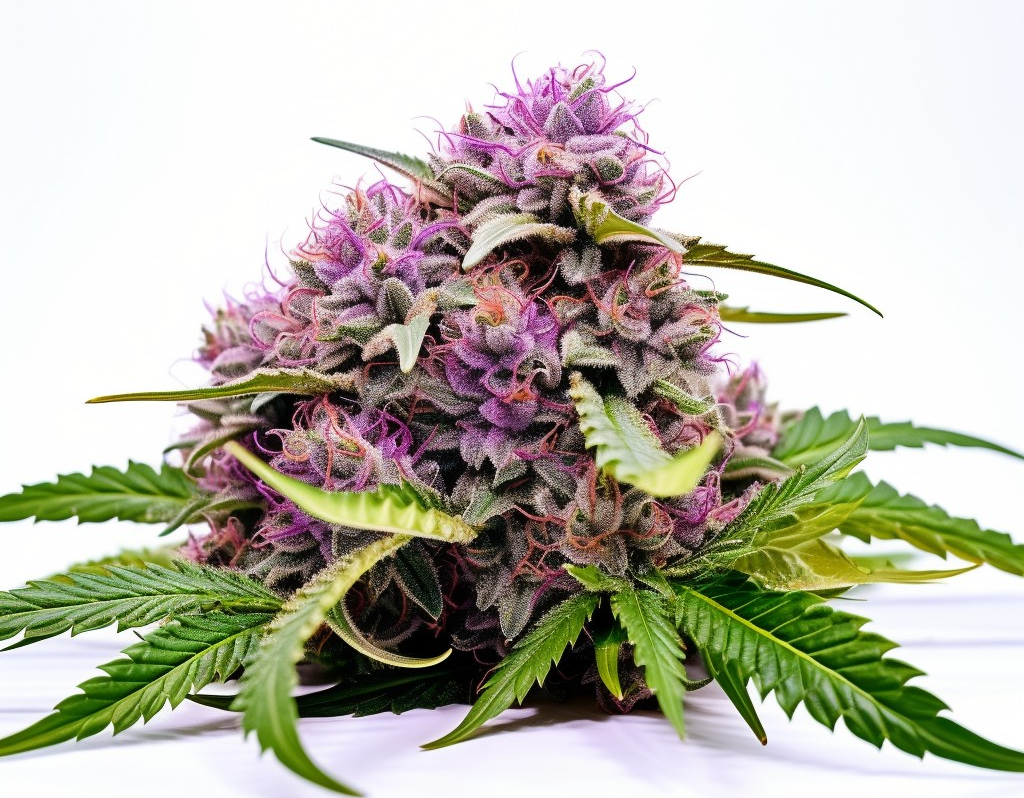
Medical Strain Analysis: Candyland Peyote
-
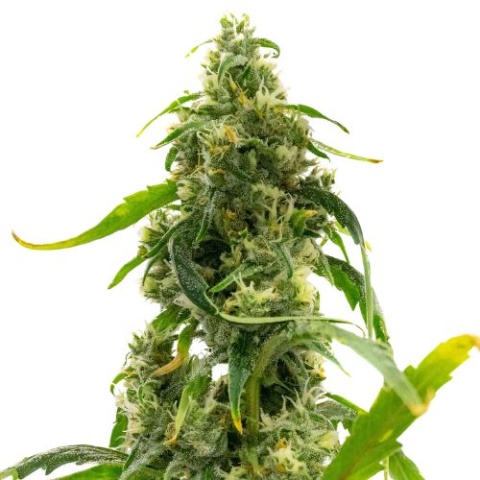 Candyland Peyote Cannabis SeedsFrom: $24.99
Introduction
Because of its therapeutic qualities, the medical cannabis community has come to recognize Candyland Peyote as a special hybrid cannabis strain. This strain is well-known for its potent chemical profile as well as its genetic heritage, which combines the best-known strains in the cannabis community. In this comprehensive analysis, we will delve into the origins, chemical profile, medical benefits, and growing conditions of Candyland Peyote, with an exclusive focus on its medical use.
Origins of Candyland Peyote
Genetic Lineage
Candyland Peyote is a hybrid strain that comes from a cross between two potent and well-known strains: Candyland and Peyote Purple. Understanding the genetic lineage of Candyland Peyote provides insight into its unique characteristics and medical potential.
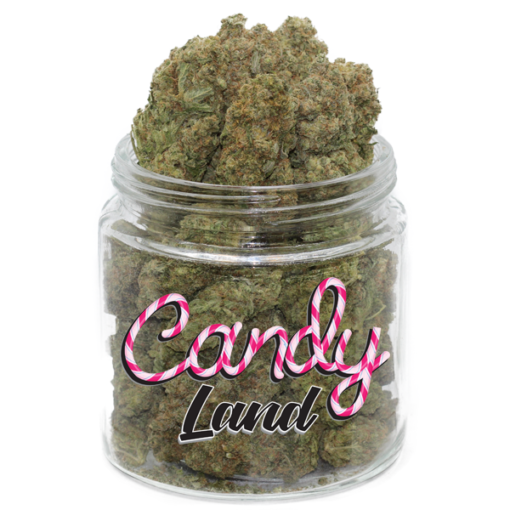
- Candyland: Candyland is a sativa-dominant hybrid that is a cross between Granddaddy Purple and Platinum Cookies. Granddaddy Purple is renowned for its relaxing and pain-relieving properties, while Platinum Cookies is known for its uplifting effects and complex flavor profile. Candyland inherits the best of both, offering a balanced experience that leans towards sativa effects but retains some of the indica characteristics, such as a body high that is both calming and pain-relieving.
- Peyote Purple: Peyote Purple is a pure indica strain known for its deep purple hues and potent sedative effects. This strain is a phenotype of Bubba Kush, one of the most famous indica strains, celebrated for its strong body high and ability to induce deep relaxation. Peyote Purple is particularly noted for its high resin production, making it ideal for the creation of potent medicinal extracts and concentrates.
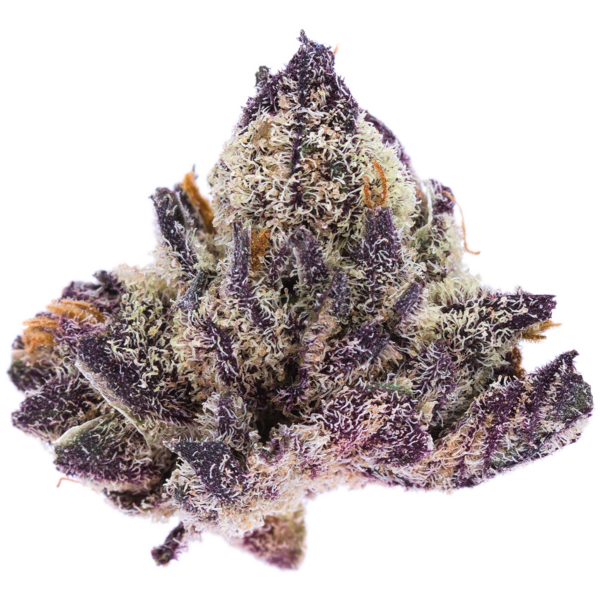
The combination of these two strains in Candyland Peyote results in a balanced hybrid that offers the therapeutic benefits of both its sativa and indica parents. The sativa influence from Candyland provides a cerebral and uplifting effect, while the indica dominance from Peyote Purple contributes to a calming and pain-relieving body high.
Breeding and Development
Candyland Peyote was developed by crossing these two strains with the intention of creating a balanced hybrid that could offer both mental clarity and physical relief. The breeders aimed to produce a strain that could be used throughout the day for medical patients who need relief from various conditions without the heavy sedation that some indica strains can cause. The result is a strain that is both versatile and potent, making it suitable for a wide range of medical applications.
Chemical Profile
The chemical profile of Candyland Peyote is what makes it particularly valuable for medical use. The strain’s cannabinoid and terpene content work synergistically to provide therapeutic effects that can address a variety of symptoms and conditions.
Cannabinoid Content
- THC (Tetrahydrocannabinol): Candyland Peyote typically has a THC content ranging between 18% and 24%. THC is the primary psychoactive compound in cannabis, but in the context of medical use, it is also responsible for many of the therapeutic effects, such as pain relief, appetite stimulation, and reduction of nausea.
- CBD (Cannabidiol): While Candyland Peyote is not particularly high in CBD, it usually contains trace amounts that contribute to its therapeutic effects. The non-psychoactive compound CBD is well-known for its anticonvulsant, anti-inflammatory, and anti-anxiety qualities. The presence of CBD in Candyland Peyote may help to moderate the psychoactive effects of THC, making the strain more tolerable for some medical patients.
- CBN (Cannabinol): CBN is a minor cannabinoid that can be found in aged cannabis. It is mildly psychoactive and is known for its sedative effects, which can be beneficial for patients with insomnia or other sleep disorders. Candyland Peyote may contain small amounts of CBN, especially if the buds are cured for an extended period.
Terpene Profile
The terpene profile of Candyland Peyote contributes significantly to its aroma, flavor, and therapeutic effects. Numerous plants, including cannabis, contain fragrant molecules called terpenes, which have been demonstrated to have a number of health advantages.
- Limonene: Limonene is a terpene that is commonly found in citrus fruits and is responsible for their characteristic smell. In Candyland Peyote, limonene contributes to a bright, citrusy aroma. Medically, limonene is known for its anti-anxiety and antidepressant effects, making it useful for patients dealing with mood disorders.
- Caryophyllene: Black pepper also contains the hot, peppery terpene caryophyllene. Due to its analgesic and anti-inflammatory qualities, people with inflammatory diseases or persistent pain may find it very helpful. Caryophyllene is unique among terpenes because it can interact with the endocannabinoid system, particularly the CB2 receptors, which are involved in immune response.
- Myrcene: Myrcene is a musky, earthy terpene that is found in many cannabis strains as well as in hops, thyme, and lemongrass. It is known for its sedative and muscle-relaxing effects, which can enhance the pain-relieving properties of THC. Myrcene is often associated with the “couch-lock” effect, but in balanced strains like Candyland Peyote, it contributes to a more relaxed yet functional experience.
- Linalool: One typical floral terpene in lavender is linalool. It has a reputation for being relaxing and anti-anxious. Linalool can also act as an analgesic, making it beneficial for patients dealing with both physical and psychological stress.
- Pinene: Pinene, as its name suggests, is a terpene that has a piney aroma. It is known for its anti-inflammatory and bronchodilator effects, which can be particularly helpful for patients with respiratory conditions such as asthma. Pinene can also promote alertness and counteract some of the memory-impairing effects of THC.
Synergy and the Entourage Effect
These terpenes and cannabinoids work together in Candyland Peyote to produce the “entourage effect.” This phenomenon occurs when the different components of cannabis combine to create effects that are more potent than the sum of their individual parts. For example, the presence of caryophyllene may enhance the anti-inflammatory effects of THC, while limonene and linalool together may provide a more potent anti-anxiety effect than either could alone. This synergy is one of the reasons Candyland Peyote is so effective for medical use, as it offers a broad spectrum of therapeutic effects.
Medical Benefits

Candyland Peyote is valued for its versatility in treating a wide range of medical conditions. Depending on the demands of the patient, its well-rounded effects allow it to be used during the day or at night. Below, we explore the primary medical benefits of Candyland Peyote in detail.
Pain Relief
One of the most common reasons patients turn to cannabis is for pain relief, and Candyland Peyote excels in this area. The strain’s combination of THC, caryophyllene, and myrcene provides potent analgesic effects. THC interacts with the body’s endocannabinoid system to alter pain perception, while caryophyllene’s interaction with CB2 receptors helps to reduce inflammation, which is often a source of chronic pain.
Candyland Peyote is particularly effective for neuropathic pain, which is pain caused by nerve damage. This type of pain is often resistant to traditional painkillers, but cannabis, including strains like Candyland Peyote, has been shown to provide significant relief. Patients with conditions such as multiple sclerosis, fibromyalgia, and diabetic neuropathy may find Candyland Peyote to be an effective option for managing their pain.
Anxiety and Depression
Candyland Peyote’s terpene profile, particularly the presence of limonene and linalool, makes it a good choice for patients dealing with anxiety and depression. Limonene has been shown to elevate mood and reduce anxiety, while linalool’s calming effects can help to ease tension and promote relaxation.
The strain’s balanced sativa-indica effects also play a role in its effectiveness for mental health conditions. The sativa influence provides an uplifting and energizing effect that can help to combat feelings of depression, while the indica properties offer a calming effect that can reduce anxiety without causing excessive sedation.
Patients with social anxiety, generalized anxiety disorder, or mild to moderate depression may find relief with Candyland Peyote. However, as with any cannabis strain, it is important for patients to start with a low dose and monitor their response, as THC can sometimes exacerbate anxiety in sensitive individuals.
Inflammation and Autoimmune Conditions
Numerous illnesses, including autoimmune diseases like lupus, Crohn’s disease, and rheumatoid arthritis, are significantly influenced by chronic inflammation. Candyland Peyote’s anti-inflammatory properties make it a valuable tool for managing these conditions.
Caryophyllene, one of the dominant terpenes in Candyland Peyote, has been shown to have strong anti-inflammatory effects. Because of its capacity to bind to CB2 receptors, which are mostly found in the immune system, it has the potential to modify immune response and lower inflammation. Pain and other autoimmune disease-related symptoms may lessen as a result of this.
Patients with chronic inflammatory conditions may benefit from the regular use of Candyland Peyote as part of their treatment regimen. The strain’s balanced effects make it suitable for daytime use, allowing patients to manage their symptoms without impairing their ability to function.
Insomnia
While Candyland Peyote is not a heavy sedative strain, it can still be effective for patients dealing with insomnia, particularly those whose sleep disturbances are related to pain or anxiety. The strain’s myrcene content contributes to its relaxing effects, which can help to ease the body into a restful state.
Patients with difficulty falling asleep due to racing thoughts or physical discomfort may find that Candyland Peyote provides the relief they need to get a good night’s sleep. However, for those who require a more sedative strain, it may be beneficial to combine Candyland Peyote with a more indica-dominant strain or use it earlier in the evening to unwind before bed.
Appetite Stimulation
Loss of appetite can be a debilitating symptom for patients with conditions such as cancer, HIV/AIDS, or eating disorders. Candyland Peyote, like many THC-dominant strains, can help to stimulate appetite. Hunger-inducing hormones are released more readily when THC interacts with the body’s endocannabinoid system.
Patients who are undergoing treatments that cause nausea and appetite loss, such as chemotherapy, may find that Candyland Peyote helps to counteract these side effects, making it easier for them to maintain a healthy diet. The strain’s uplifting effects can also help to improve mood, which can be beneficial for patients who are struggling with the psychological aspects of chronic illness.
Neurological Conditions
Candyland Peyote may also have potential benefits for patients with certain neurological conditions. The strain’s combination of THC and CBD, along with its terpene profile, may help to reduce the severity of symptoms in conditions such as epilepsy, Parkinson’s disease, and multiple sclerosis.
For patients with epilepsy, the anticonvulsant properties of CBD, combined with the calming effects of linalool and myrcene, may help to reduce the frequency and severity of seizures. While Candyland Peyote is not high in CBD, the entourage effect may enhance the efficacy of the CBD present in the strain.
In patients with Parkinson’s disease, the strain’s muscle-relaxing properties may help to reduce tremors and rigidity, while its uplifting effects can combat the depression and anxiety that often accompany the disease. Multiple sclerosis patients may find relief from muscle spasms, pain, and inflammation, making Candyland Peyote a versatile option for managing their symptoms.
When using Candyland Peyote in the medical field, there are several important restrictions and considerations:
1. Use as a Last Resort
- Regulatory Guidelines: In many jurisdictions, cannabis-based treatments, including those using Candyland Peyote, are considered a last-resort option. As a result, they are usually only administered in cases where more traditional therapies have proven ineffective in producing sufficient comfort.
- Clinical Justification: Medical professionals must provide clear documentation that alternative treatments were ineffective or caused intolerable side effects before recommending cannabis-based therapies.
- Patient Eligibility: The use of Candyland Peyote may be restricted to specific patient groups, such as those with chronic pain, severe anxiety, or treatment-resistant conditions, where traditional medications have proven insufficient.
2. Monitoring THC Levels
- THC Concentration Control: It’s crucial to carefully monitor and control the THC levels in medications derived from Candyland Peyote to prevent unwanted psychoactive effects, especially in patients who may be sensitive to THC or in populations like the elderly or those with mental health conditions.
- Dose Titration: Medical professionals often start with the lowest possible dose and gradually increase it while closely monitoring the patient’s response to minimize psychoactivity.
- CBD Ratios: Utilizing formulations with higher CBD-to-THC ratios can help mitigate the psychoactive effects of THC while still providing therapeutic benefits.
- Regular Monitoring: Patients should be regularly assessed for cognitive effects, mood changes, and overall well-being to ensure that THC levels remain within a therapeutic range without causing significant psychoactive effects.
Growing Conditions
Candyland Peyote is a relatively easy strain to grow, making it accessible to both novice and experienced cultivators. Understanding the ideal growing conditions for this strain is key to maximizing its yield and potency.
Climate and Environment
Candyland Peyote is adaptable to both indoor and outdoor growing environments. It thrives in a Mediterranean climate, characterized by warm, sunny days and cool nights. However, it can also be grown successfully in temperate climates, provided that the plants are protected from extreme weather conditions.
- Indoor Growing: The Candyland Peyote thrives in a regulated environment with constant monitoring of humidity and temperature indoors. This strain prefers temperatures between 70°F and 80°F (21°C and 27°C) during the day, with a small decrease at night. Humidity should be kept between 40% and 50% during the vegetative stage and reduced to 30% to 40% during flowering to prevent mold and mildew.
- Outdoor Growing: Outside, Candyland Peyote needs to be planted in a spot with good soil drainage and lots of sunlight. The strain is relatively resistant to pests and disease, but it is still important to monitor the plants regularly for any signs of trouble. In regions with a shorter growing season, starting the plants indoors or in a greenhouse can give them a head start before transplanting them outside.
Soil and Nutrients
Candyland Peyote prefers a slightly acidic to neutral soil pH, ideally between 6.0 and 7.0. To encourage strong root growth, the soil needs to be well-aerated and rich in organic matter.
- Nutrients: Like most cannabis strains, Candyland Peyote requires a balanced nutrient regimen to thrive. In order to stimulate leafy growth, the plants benefit from a higher nitrogen concentration during the vegetative stage. The emphasis should move to potassium and phosphorus as the plants enter the flowering stage in order to enhance bud growth.
It is important to avoid overfeeding, as this can lead to nutrient burn and affect the overall health of the plants. Using organic fertilizers and supplements, such as compost tea or kelp extract, can help to provide the necessary nutrients without the risk of chemical buildup in the soil.
Light Requirements
As a photoperiod strain, Candyland Peyote flowers in response to variations in the light cycle. The plants need 18 to 24 hours of light every day while they are in the vegetative stage. Once the plants are ready to flower, typically after 8 to 10 weeks of vegetative growth, the light cycle should be reduced to 12 hours of light and 12 hours of darkness.
For indoor growers, using high-quality LED or HID lights can help to maximize the yield and potency of the buds. For best growth, outdoor gardeners should make sure their plants get 6 to 8 hours of direct sunlight every day.
Flowering Time and Yield
Candyland Peyote has a flowering time of approximately 8 to 10 weeks. Indoor growers can expect a yield of around 14 to 19 ounces per square meter, while outdoor growers may harvest between 17 and 25 ounces per plant, depending on the growing conditions.
The strain’s buds are dense and covered in a thick layer of resin, making them ideal for the production of concentrates and extracts. The buds also develop a striking appearance, with a mix of green, purple, and orange hues, and a generous coating of trichomes.
Harvesting and Curing
To maximize the flavor and strength of Candyland Peyote, harvest timing is essential. Harvesting should be done when the majority of the trichomes have turned from clear to milky white, with a few amber trichomes appearing for a more relaxing effect.
After harvesting, the buds should be dried in a dark, well-ventilated area with a temperature of around 60°F to 70°F (15°C to 21°C) and a humidity level of 50% to 60%. The drying process typically takes 7 to 10 days.
Once the buds are dry, they should be cured in airtight glass jars, which should be opened once a day for the first week to allow moisture to escape. The complete flavor and potency development of the strain depends on the curing procedure, which can take several weeks.
Conclusion
In conclusion, Candyland Peyote stands out as a versatile and valuable medical cannabis strain, offering a balanced combination of sativa and indica effects that address a wide range of therapeutic needs. Its origins from the celebrated Candyland and Peyote Purple strains contribute to its robust chemical profile, characterized by a rich blend of cannabinoids and terpenes that work synergistically to provide relief from conditions such as chronic pain, anxiety, inflammation, and appetite loss.
The strain’s adaptability in various growing environments, coupled with its relatively straightforward cultivation requirements, makes it accessible to both novice and experienced growers. By understanding and applying the optimal growing conditions, cultivators can maximize the yield and potency of Candyland Peyote, ensuring that patients receive the highest quality medicine.
However, the medical use of Candyland Peyote requires careful consideration, particularly in contexts where cannabis is prescribed as a last resort. Regulatory guidelines necessitate thorough documentation and clinical justification for its use, and the psychoactive effects of THC must be carefully managed to prevent unintended consequences for patients. Monitoring and controlling THC levels in medications is essential to harness the therapeutic benefits of Candyland Peyote while minimizing potential risks.
Overall, Candyland Peyote is a promising option in the medical cannabis field, offering a range of benefits that can significantly improve patients’ quality of life when used responsibly and within the framework of established medical guidelines.
