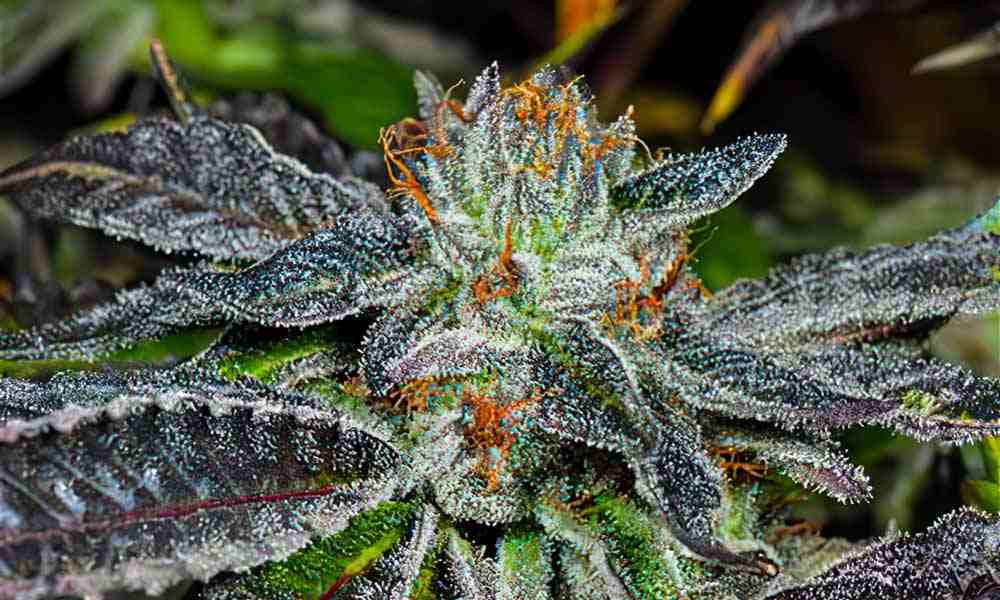
Medical Strain Analysis: Bubba Kush
-
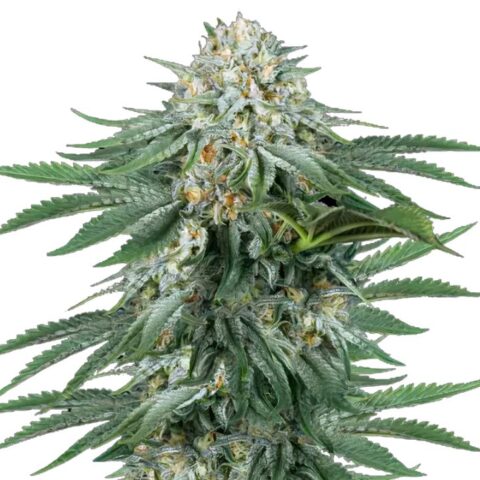 Bubba Kush Cannabis SeedsFrom: $24.99
Introduction
Bubba Kush is a well-known cannabis strain with a rich history and significant medical benefits. Bubba Kush is a mainstay in the medical cannabis industry, renowned for both its therapeutic properties and strength. This detailed analysis explores the origins, chemical profile, medical benefits, and growing conditions of Bubba Kush, with a focus on its use in the medical field. This analysis excludes any discussion of recreational use and consumption methods to maintain a purely medical perspective.
Origins of Bubba Kush
Historical Background
Bubba Kush’s origins trace back to the early 1990s, making it a relatively young strain in the cannabis world. The strain was reportedly developed in Los Angeles, California, by a breeder known as “Bubba.” Bubba Kush is believed to be a hybrid of an OG Kush phenotype and an unknown Northern Lights variant, though the exact lineage remains somewhat mysterious. The strain quickly gained popularity due to its powerful sedative effects, which made it a favorite among medical cannabis patients seeking relief from various ailments.
Genetic Lineage
Bubba Kush is an Indica-dominant strain, typically comprising around 70-80% Indica and 20-30% Sativa. Its genetic lineage, though not entirely confirmed, is thought to involve the cross-breeding of OG Kush, a prominent strain known for its potency and earthy aroma, and a Northern Lights variant, which is famous for its calming effects. The combination of these two potent strains resulted in Bubba Kush, a strain with a unique profile that offers substantial medical benefits.
Development and Cultivation
Since its inception, Bubba Kush has undergone various breeding processes to stabilize its genetics and enhance its therapeutic properties. The strain has been cultivated widely, particularly in California, where it remains a popular choice for both medical and commercial growers. The strain’s development has focused on maintaining its high THC content and enhancing its terpene profile, which contributes to its distinctive aroma and effects.
Chemical Profile of Bubba Kush
Cannabinoid Content
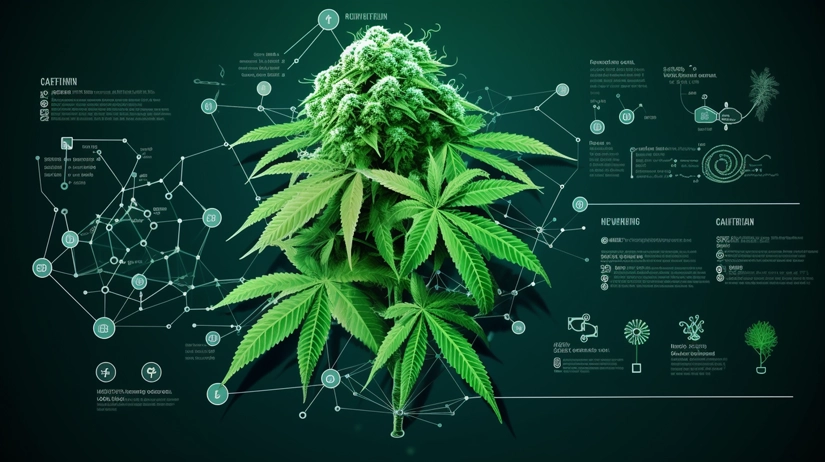
Bubba Kush is known for its high THC content, which typically ranges between 15-22%. Tetrahydrocannabinol, or THC, is the main psychotropic ingredient in cannabis; nevertheless, in medical settings, it is prized for its ability to reduce pain and inflammation. Despite its high THC content, Bubba Kush’s effects are predominantly sedative, making it suitable for medical patients who require relaxation and relief from chronic conditions.
The strain also contains trace amounts of CBD (cannabidiol), usually less than 1%. The non-psychoactive compound CBD is well-known for its pain-relieving, anti-anxiety, and anti-seizure qualities. While Bubba Kush is not a CBD-rich strain, the presence of CBD contributes to its overall therapeutic effects by modulating the psychoactive effects of THC and providing additional relief from symptoms.
Other cannabinoids present in Bubba Kush include CBN (cannabinol) and CBG (cannabigerol), albeit in small quantities. CBN is known for its sedative properties, which complement the effects of THC, while CBG is recognized for its anti-inflammatory and neuroprotective effects.
Terpene Profile
The terpene profile of Bubba Kush is one of its most defining characteristics. Terpenes are fragrant substances present in cannabis that enhance its flavor, scent, and effects. The primary terpenes in Bubba Kush include:
- Myrcene: Myrcene is the most abundant terpene in Bubba Kush, contributing to its earthy, musky aroma with hints of fruit. Myrcene is known for its sedative effects, which enhance the relaxing properties of the strain.
- Caryophyllene: Caryophyllene adds a spicy, peppery note to Bubba Kush’s aroma. This terpene is unique because it can interact with cannabinoid receptors, providing anti-inflammatory and pain-relieving effects.
- Limonene: Although present in smaller amounts, limonene contributes a citrusy note to Bubba Kush’s aroma. Limonene is associated with mood-enhancing and anti-anxiety effects, making it a valuable addition to the strain’s therapeutic profile.
- Linalool: Linalool has a floral, lavender-like scent and is well-known for being relaxing and anti-anxious. It enhances Bubba Kush’s overall relaxing effects, making it ideal for patients with anxiety or insomnia.
- Humulene: Humulene contributes an earthy, woody aroma and has anti-inflammatory and appetite-suppressing properties, complementing the effects of other terpenes in the strain.
The combination of these terpenes not only defines Bubba Kush’s distinctive aroma and flavor but also contributes significantly to its therapeutic effects, particularly in the context of pain relief, anxiety reduction, and sleep promotion.
Medical Benefits of Bubba Kush
Bubba Kush is renowned for its wide range of medical benefits, making it a go-to strain for patients with various conditions. The strain’s Indica-dominant nature and rich chemical profile provide relief from physical and psychological symptoms, particularly those associated with chronic conditions.
Pain Relief
One of the most significant medical benefits of Bubba Kush is its ability to provide relief from chronic pain. Bubba Kush is useful in the treatment of neuropathic pain, fibromyalgia, and arthritis because of its high THC content and the analgesic qualities of caryophyllene and myrcene. The strain’s sedative effects also help patients relax, further alleviating pain and discomfort.
Anxiety and Stress Reduction
Bubba Kush is highly effective in reducing anxiety and stress, thanks to its calming terpene profile and the presence of THC. The strain’s relaxing effects can help patients with generalized anxiety disorder (GAD), social anxiety disorder, and post-traumatic stress disorder (PTSD) manage their symptoms. Limonene and linalool, in particular, contribute to the strain’s anxiolytic effects, helping patients achieve a sense of calm and well-being.
Insomnia and Sleep Disorders
For patients struggling with insomnia or other sleep disorders, Bubba Kush offers significant relief. The strain’s potent sedative effects, driven by myrcene and linalool, make it an ideal choice for promoting sleep. Bubba Kush helps patients fall asleep faster and stay asleep longer, providing restorative rest that is crucial for overall health.
Appetite Stimulation
Bubba Kush is also known for its appetite-stimulating properties, often referred to as “the munchies.” For patients receiving chemotherapy or other treatments that produce significant weight loss and appetite reduction, this effect may be especially helpful. The combination of THC and certain terpenes in Bubba Kush, such as caryophyllene, helps stimulate appetite, encouraging patients to eat and maintain their nutritional intake.
Nausea and Vomiting Relief
In addition to stimulating appetite, Bubba Kush can help alleviate nausea and vomiting, making it a valuable option for patients undergoing chemotherapy or those with conditions such as gastrointestinal disorders. The antiemetic effects of THC, combined with the soothing properties of terpenes like linalool and limonene, provide effective relief from these debilitating symptoms.
Muscle Relaxation and Spasms
Bubba Kush is effective in treating muscle spasms and promoting muscle relaxation, making it beneficial for patients with conditions such as multiple sclerosis (MS) and Parkinson’s disease. The strain’s high THC content, along with the muscle-relaxing effects of myrcene, helps reduce spasticity and provides relief from muscle stiffness and pain.
Depression
While Bubba Kush is primarily known for its relaxing and sedative effects, it can also be helpful for patients with depression. The mood-enhancing properties of limonene and THC can help alleviate depressive symptoms, promoting a sense of well-being and reducing feelings of hopelessness. However, it is important to note that Bubba Kush’s sedative effects may not be suitable for all patients with depression, particularly those who experience fatigue or lethargy as part of their symptoms.
Restrictions on Using Bubba Kush in the Medical Field as a Last Resort

In the medical field, Bubba Kush is often considered a last resort treatment option for patients with chronic conditions that have not responded well to conventional therapies. Due to its high THC content, the strain is typically reserved for cases where the benefits of its potent analgesic, anti-anxiety, and sleep-inducing properties outweigh potential risks.
Key Restrictions:
- Patient Selection: Bubba Kush is generally prescribed to patients with severe or intractable conditions, such as chronic pain, PTSD, or treatment-resistant insomnia. It is not recommended for first-line treatment due to its strong sedative effects and potential for causing impairment.
- THC Monitoring: Because Bubba Kush contains high levels of THC, medical use requires careful monitoring to prevent psychoactive effects that could impair cognitive function or daily activities. Dosage must be carefully managed, particularly in patients with a low tolerance to THC or those who may be sensitive to its effects.
- Regulatory Compliance: In some regions, the use of high-THC strains like Bubba Kush may be subject to stricter regulations, including limits on THC content in prescribed products. To protect patients and follow the law, healthcare practitioners must abide by these rules.
Monitoring THC Levels to Prevent Psychoactive Effects
To prevent unwanted psychoactive effects in patients using Bubba Kush, it is crucial to monitor THC levels in medications:
- Dose Adjustment: Begin with the lowest effective dose and raise it gradually as needed while keeping a careful eye on the patient’s reaction. This approach minimizes the risk of psychoactive effects while still providing therapeutic benefits.
- CBD Co-administration: In some cases, CBD may be co-administered with Bubba Kush to modulate the psychoactive effects of THC. CBD can help balance the effects of THC, reducing the likelihood of anxiety, paranoia, or cognitive impairment.
- Patient Education: Patients should be educated about the potential effects of THC and instructed on how to recognize signs of overconsumption, such as dizziness, confusion, or excessive sedation. This knowledge empowers patients to use their medication responsibly.
- Regular Monitoring: Healthcare providers should conduct regular follow-ups to assess the patient’s response to treatment and adjust the dosage or strain as necessary. This ongoing monitoring helps ensure that the benefits of Bubba Kush are maximized while minimizing any adverse effects.
Growing Conditions for Bubba Kush

Due to its ease of cultivation, Bubba Kush is a well-liked option for both inexperienced and seasoned growers. Although the strain grows best indoors, it can still be successful outside under the correct circumstances. To maximize the yield and potency of Bubba Kush, it is essential to understand the ideal growing conditions.
Climate and Environment
The ideal growing conditions for Bubba Kush are regulated indoor spaces with properly controlled humidity and temperature. The ideal climate for this strain is warm and temperate, with daytime highs of 70–80°F (21-27°C). Nighttime temperatures should be slightly cooler, ideally between 60-70°F (16-21°C).
Maintaining a reasonably low humidity level is important to avoid mold and mildew formation, especially during the flowering stage. A relative humidity (RH) of 40-50% during the vegetative stage and 30-40% during the flowering stage is ideal. Bubba Kush can also be grown outdoors in regions with a Mediterranean climate, where temperatures are warm and humidity levels are moderate.
Soil and Nutrients
Bubba Kush thrives in nutrient-rich soil with good drainage. The strain responds well to organic soil mixtures that contain compost, worm castings, and other organic matter. Throughout the plant’s growth cycle, it is crucial to give it the proper ratio of macronutrients (such as nitrogen, phosphorus, and potassium) and micronutrients (such as calcium, magnesium, or sulfur).
During the vegetative stage, Bubba Kush requires higher levels of nitrogen to support healthy leaf and stem growth. As the plant transitions to the flowering stage, phosphorus and potassium levels should be increased to promote bud development and enhance resin production. Micronutrients should be monitored and adjusted as needed to prevent deficiencies and ensure optimal growth.
Lighting
Bubba Kush requires strong, consistent lighting to thrive, particularly when grown indoors. During the vegetative stage, the plant should receive 18-24 hours of light per day, preferably from high-intensity discharge (HID) lights or full-spectrum LED lights. As the plant enters the flowering stage, the light cycle should be reduced to 12 hours of light and 12 hours of darkness each day to encourage bud formation.
Optimizing the quality and intensity of light is essential for optimizing Bubba Kush output and potency. Full-spectrum LED lights are highly recommended for indoor grows, as they provide the necessary light spectrum for all stages of growth while being energy-efficient.
Watering
Bubba Kush plants require regular watering, but it is important not to overwater, as this can lead to root rot and other issues. The soil should be kept moist but not waterlogged, with a watering schedule that allows the top inch of soil to dry out between waterings. During the flowering stage, the plant’s water needs may increase, especially in low-humidity environments.
It is also important to maintain the correct pH levels in the soil, as improper pH can lead to nutrient lockout and other growth problems. The optimal pH range for Bubba Kush is 6.0-7.0. Regular testing and adjustment of the pH levels in the soil and water can help ensure healthy growth and prevent nutrient deficiencies.
Pruning and Training
Pruning and training are essential practices for maximizing the yield and potency of Bubba Kush. Pruning is cutting off lower branches that get little light and eliminating dead or yellowing leaves. This keeps mold and mildew from growing in dense foliage and helps the plant concentrate its efforts on producing healthy buds.
To improve the plant’s yield, other training methods that can be employed include topping, low-stress training (LST), and the Screen of Green (SCROG) method. These techniques involve manipulating the plant’s growth pattern to encourage the development of multiple colas, or bud sites, rather than a single main cola. This results in a more even distribution of light and energy, leading to larger and more potent buds.
Flowering Time and Yield
Bubba Kush has a relatively short flowering time of 8-10 weeks, making it a fast-growing strain compared to others. When grown indoors under optimal conditions, Bubba Kush can yield between 1.5-2 ounces per square foot, or approximately 400-500 grams per square meter. Outdoor yields can vary depending on the climate and growing conditions but can reach up to 18 ounces (500 grams) per plant in ideal conditions.
Harvesting
For Bubba Kush to have the most potency and medicinal effects, harvesting time is essential. When the trichomes—tiny, crystal-like structures on the buds—change from clear to milky white, with some even becoming amber, the plant is ready for harvesting. This suggests that the potency of the terpenes and cannabinoids has peaked.
It is also important to monitor the pistils (hair-like structures on the buds) as they change color from white to orange or brown. Harvesting at the right time ensures that the THC content is at its highest, while also preserving the terpene profile, which contributes to the strain’s therapeutic effects.
The buds should be thoroughly dried and cured after harvesting in order to improve their flavor, potency, and general quality. This entails letting the buds dry for seven to ten days in a cool, dark, and well-ventilated area before curing them for a minimum of two weeks in airtight containers.
Conclusion
Bubba Kush stands out as a significant strain in the medical cannabis community, known for its potent therapeutic benefits, particularly in managing chronic pain, anxiety, insomnia, and other debilitating conditions. Its origins in the early 1990s and its genetic lineage have contributed to its robust profile, which combines high THC content with a rich terpene composition, enhancing its medical efficacy.
The strain’s Indica-dominant nature makes it particularly effective in promoting relaxation, reducing stress, and providing substantial relief from physical and psychological symptoms. However, the potent effects of Bubba Kush also necessitate careful consideration in the medical field. It is often used as a last resort when conventional treatments have failed, and its use must be carefully monitored to prevent unwanted psychoactive effects, especially in patients sensitive to THC.
Growing Bubba Kush is relatively straightforward, making it accessible to both novice and experienced cultivators. It grows best under regulated settings with adjustable light, humidity, and temperature to maximize productivity and potency. Proper cultivation practices, including pruning, training, and harvesting at the right time, are crucial to harnessing the full therapeutic potential of this strain.
In the medical field, using Bubba Kush requires adherence to specific restrictions and regulations, particularly regarding THC content and patient suitability. Healthcare providers must monitor THC levels in medications, adjust dosages carefully, and educate patients on responsible use to maximize therapeutic benefits while minimizing risks.
Overall, Bubba Kush offers significant promise in the medical cannabis landscape, providing relief for patients with severe or treatment-resistant conditions. By understanding its origins, chemical profile, and growing requirements, and by carefully managing its use in clinical settings, healthcare providers can effectively incorporate Bubba Kush into treatment plans, improving patients’ quality of life and offering a viable option for those in need of its unique therapeutic properties.
