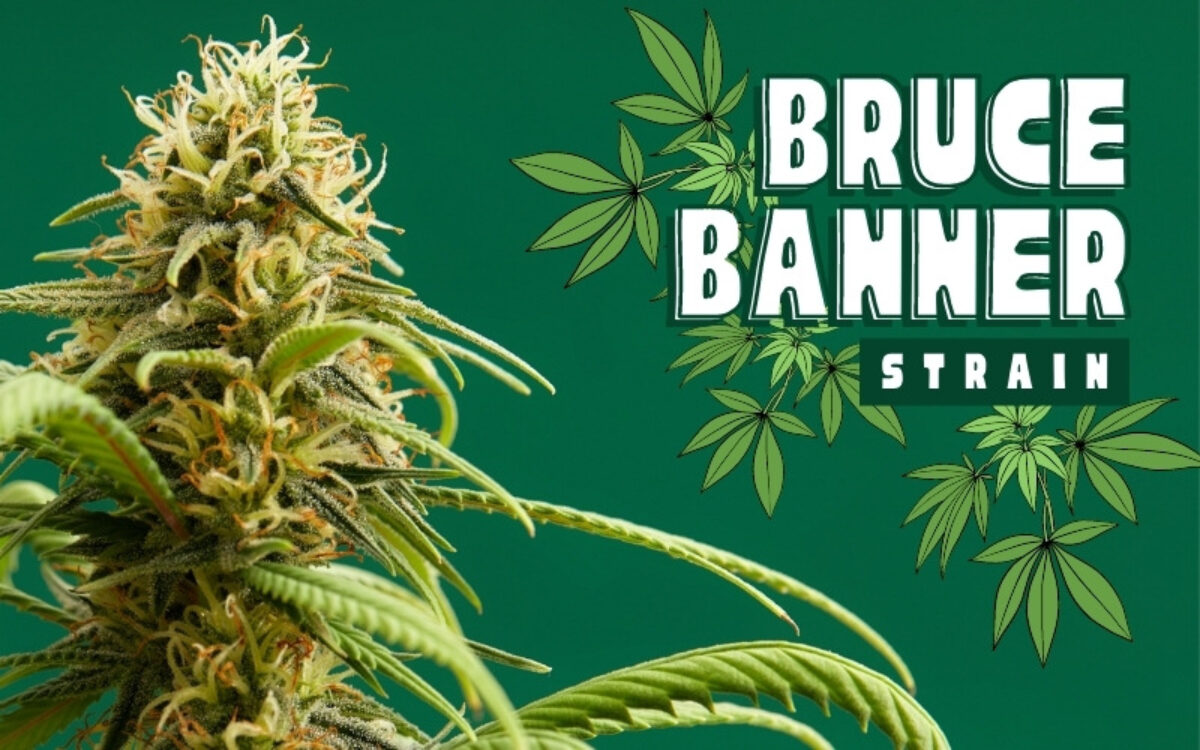
Strain Analysis: Bruce Banner #3
Introduction
Bruce Banner #3 is a potent and well-regarded cannabis strain that has gained prominence in the medical cannabis communities. This strain, known for its high THC content and unique chemical profile, offers a variety of medical benefits that make it particularly appealing for patients seeking relief from a range of conditions. This detailed analysis will explore the origins of Bruce Banner #3, its chemical composition, the medical benefits it provides, and the specific growing conditions required to cultivate this strain successfully. Throughout this analysis, the emphasis will be on the medical applications of Bruce Banner #3, with no consideration of recreational use or consumption methods.
Origins of Bruce Banner #3
Genetic Lineage
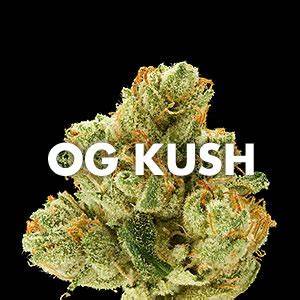
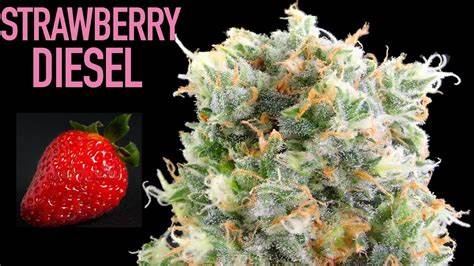
Bruce Banner #3 is a hybrid cannabis strain that was created by crossing two well-known strains: OG Kush and Strawberry Diesel. The combination of these two parent strains has resulted in a powerful hybrid that exhibits characteristics from both its indica and sativa heritage. OG Kush is a legendary strain known for its strong, long-lasting effects and complex flavor profile, while Strawberry Diesel contributes to Bruce Banner #3’s sweet and slightly fruity aroma, along with its uplifting effects.
Breeding History
The development of Bruce Banner #3 can be traced back to the efforts of the breeders at Dark Horse Genetics. Their intention was to produce a balanced hybrid with uplifting and healing qualities by fusing the greatest qualities of Strawberry Diesel and OG Kush. The breeders experimented with multiple phenotypes before settling on Bruce Banner #3, which stood out due to its exceptional potency and well-rounded effects. The strain was named after the alter ego of the comic book character, The Incredible Hulk, reflecting its powerful effects and the deep green color of its buds.
Popularity in the Medical Community
Since its introduction, Bruce Banner #3 has gained a strong following in the medical cannabis community. Its high THC content, which often exceeds 25%, combined with its balanced hybrid nature, makes it a versatile strain for treating a variety of medical conditions. The strain’s reputation has been solidified by its performance in various cannabis competitions, including winning first place in the Denver US Cannabis Cup for the “Most Potent Strain” category.
Chemical Profile of Bruce Banner #3
Cannabinoid Composition
The cannabinoid profile of Bruce Banner #3 is one of its defining features. The strain is best known for having a high THC concentration, usually between 24% and 30%, which makes it one of the more strong strains that can be used medicinally. Tetrahydrocannabinol, or THC, is the main psychoactive ingredient in cannabis and is mostly responsible for the medicinal benefits of various strains.
In addition to THC, Bruce Banner #3 contains a range of other cannabinoids, although in much smaller quantities. These include:
- CBD (Cannabidiol): Typically found in low concentrations (less than 1%), CBD in Bruce Banner #3 contributes to its overall therapeutic profile by potentially mitigating some of the psychoactive effects of THC and providing additional anti-inflammatory and analgesic properties.
- CBG (Cannabigerol): Present in trace amounts, CBG is a non-psychoactive cannabinoid that has shown potential in research for its anti-inflammatory, analgesic, and neuroprotective effects.
- CBC (Cannabichromene): Another minor cannabinoid found in Bruce Banner #3, CBC is thought to contribute to the strain’s overall pain-relieving and anti-inflammatory properties.
Terpene Profile
The terpene profile of Bruce Banner #3 is equally impressive, contributing not only to its aroma and flavor but also to its therapeutic effects. The dominant terpenes in this strain include:
- Myrcene: This terpene is known for its earthy, musky aroma and is often associated with sedative and muscle-relaxant effects. Myrcene is the most abundant terpene in Bruce Banner #3 and plays a significant role in its overall therapeutic profile, particularly in its ability to help with pain relief and relaxation.
- Caryophyllene: Recognized for its spicy, peppery scent, caryophyllene is a unique terpene because it can interact with the body’s endocannabinoid system. Because of its analgesic and anti-inflammatory qualities, it can be used to treat ailments like arthritis and chronic pain.
- Limonene: This terpene provides a citrusy aroma and is known for its uplifting and mood-enhancing effects. Limonene also has anti-anxiety and antidepressant properties, which can be beneficial for patients dealing with mental health issues.
- Pinene: Pinene, as its name implies, has a scent akin to pine and is known to have bronchodilator and anti-inflammatory properties. It may also improve focus and memory, making it a valuable component of Bruce Banner #3’s therapeutic profile.
Flavonoids and Other Compounds
In addition to cannabinoids and terpenes, Bruce Banner #3 contains various flavonoids and other phytochemicals that contribute to its overall effects. Flavonoids are responsible for the strain’s vibrant colors and have their own set of therapeutic benefits, including anti-inflammatory, antioxidant, and neuroprotective effects. While the exact flavonoid composition of Bruce Banner #3 has not been fully characterized, it likely includes compounds such as quercetin, catechins, and anthocyanins, which are common in cannabis.
Medical Benefits of Bruce Banner #3
Pain Management
One of the primary medical uses of Bruce Banner #3 is in pain management. The strain’s high THC content, combined with its unique blend of terpenes, makes it particularly effective for treating both acute and chronic pain. Patients suffering from conditions such as arthritis, fibromyalgia, and neuropathic pain have reported significant relief after using Bruce Banner #3. The strain’s ability to target multiple pain pathways in the body, including both inflammatory and neuropathic components, makes it a versatile option for pain relief.
Anti-Inflammatory Properties
The anti-inflammatory properties of Bruce Banner #3 are primarily attributed to its cannabinoid and terpene profile. Both THC and caryophyllene have been shown to have strong anti-inflammatory effects, which can help reduce swelling, pain, and discomfort associated with conditions like arthritis, inflammatory bowel disease (IBD), and autoimmune disorders. Additionally, myrcene and pinene contribute to these effects by relaxing muscles and reducing inflammation at the site of injury or irritation.
Anxiety and Depression Relief
While high-THC strains are sometimes avoided by patients with anxiety, Bruce Banner #3’s balanced effects make it an exception. The presence of limonene, a mood-enhancing terpene, helps counteract the potential anxiety-inducing effects of THC, making this strain suitable for patients dealing with anxiety and depression. The strain’s uplifting and euphoric effects can help alleviate symptoms of depression, while its calming properties can reduce stress and anxiety. However, it is important for patients to start with low doses and monitor their response to avoid any potential exacerbation of anxiety symptoms.
Neuroprotective and Antioxidant Effects
Emerging research suggests that cannabinoids like THC and CBD, along with certain terpenes found in Bruce Banner #3, may have neuroprotective and antioxidant properties. These effects are particularly relevant for patients with neurodegenerative conditions such as Parkinson’s disease, Alzheimer’s disease, and multiple sclerosis. By reducing oxidative stress and inflammation in the brain, Bruce Banner #3 may help slow the progression of these conditions and improve overall neurological function.
Appetite Stimulation and Nausea Relief
Patients undergoing treatments like chemotherapy often experience loss of appetite and nausea, which can lead to significant weight loss and malnutrition. Bruce Banner #3 is a useful alternative for cancer patients and people with eating disorders because it has been shown to be effective in increasing appetite and decreasing nausea. Because the strain can reduce these symptoms, patients’ quality of life can be enhanced and their entire treatment plan can be supported.
Sleep Support
Although Bruce Banner #3 is not typically classified as a sedative strain, its effects can be conducive to sleep for some patients, particularly those dealing with pain or anxiety-related insomnia. The strain’s ability to relax the body and mind, combined with its anti-inflammatory and pain-relieving properties, can help patients achieve more restful sleep. For those who find that the strain’s initial effects are too stimulating, it may be more effective when used in smaller doses or in conjunction with other sleep-promoting therapies.
Restrictions on Using Bruce Banner #3 in the Medical Field
1. Regulatory Restrictions
The use of high-THC strains like Bruce Banner #3 in the medical field is subject to stringent regulations, particularly due to its potent psychoactive effects. In many jurisdictions, the prescription of cannabis strains with high THC content is tightly controlled and often reserved as a last resort when other treatments have proven ineffective. Medical professionals must adhere to these regulations, which can vary widely depending on the country or state.
In some regions, medical cannabis can only be prescribed after exhausting conventional pharmaceutical options. Patients may need to demonstrate that other treatments, such as opioids, antidepressants, or anti-inflammatory drugs, have not provided adequate relief before being eligible for medical cannabis. This is particularly the case for conditions like chronic pain, where Bruce Banner #3 might be considered only after other medications fail to achieve the desired results.
2. Patient Screening and Assessment
Before prescribing Bruce Banner #3, healthcare providers must thoroughly assess the patient’s medical history, current medications, and potential for adverse reactions. High-THC strains are generally not recommended for patients with a history of psychosis, severe anxiety disorders, or other mental health conditions that could be exacerbated by THC. Patients with cardiovascular issues may also be advised against using high-THC strains due to the potential for increased heart rate and blood pressure.
3. THC Monitoring and Dosing Considerations
Due to its high THC content, Bruce Banner #3 carries a significant risk of psychoactive effects, which can be undesirable or even harmful for some patients. To mitigate these risks, careful monitoring of THC levels in prescribed medications is crucial. This involves several strategies:
- Titration: Medical practitioners often begin treatment with a low dose of THC, gradually increasing it until the desired therapeutic effects are achieved without causing significant psychoactive effects. This process, known as titration, helps identify the minimal effective dose for each patient.
- CBD Ratio Management: To counterbalance the psychoactive effects of THC, some formulations may include higher ratios of CBD, which is known to mitigate THC’s psychoactive properties. For example, a balanced ratio of THC to CBD may be preferred for patients who need the therapeutic benefits of THC but are sensitive to its psychoactive effects.
- Regular Monitoring: Ongoing assessment of the patient’s response to treatment is essential. This includes monitoring for any signs of excessive psychoactivity, such as dizziness, confusion, or anxiety. Blood tests may be conducted periodically to measure THC levels and ensure they remain within a safe therapeutic range.
4. Special Populations
Certain populations, such as the elderly, children, and those with compromised immune systems, require additional caution when considering the use of Bruce Banner #3. For elderly patients, the psychoactive effects of THC can increase the risk of falls, confusion, and interactions with other medications. For children, the use of high-THC strains is generally avoided unless absolutely necessary, and only under strict medical supervision, due to concerns about the impact on developing brains.
5. Legal and Ethical Considerations
Healthcare providers must navigate complex legal and ethical landscapes when prescribing high-THC cannabis strains like Bruce Banner #3. In many regions, medical cannabis use is still stigmatized, and providers may face scrutiny or legal challenges. It is crucial for practitioners to stay informed about the latest laws and guidelines governing medical cannabis use in their area, ensuring that they remain compliant while advocating for their patients’ best interests.
6. Informed Consent and Patient Education
Informed consent is a key component of using Bruce Banner #3 in medical treatment. Patients must be fully informed about the potential risks and benefits of using a high-THC strain, including the possibility of psychoactive effects. Education should also cover the importance of proper dosing, the potential for drug interactions, and the need for close monitoring by healthcare professionals.
Growing Conditions for Bruce Banner #3
Climate and Environment
Though it can be cultivated both indoors and outdoors, Bruce Banner #3 is a rather hardy breed that prefers controlled settings with tightly maintained humidity and temperature. The strain prefers a warm, temperate climate with daytime temperatures ranging between 70°F and 85°F (21°C to 29°C). Protecting the plants from sharp temperature changes is crucial because they can cause stress and have a detrimental effect on their potency and yield.
Indoor Growing
When grown indoors, Bruce Banner #3 benefits from a hydroponic setup or a well-drained soil medium. The strain responds well to the Sea of Green (SOG) technique, which encourages the development of multiple colas and maximizes yield in a limited space. Proper ventilation is essential to prevent mold and mildew, especially during the flowering stage when the buds become dense and resinous. Humidity levels should be kept between 40% and 50% during the vegetative stage and reduced to 30% to 40% during flowering to prevent mold issues.
Lighting is a crucial factor in the indoor cultivation of Bruce Banner #3. The strain needs a regular light schedule during the vegetative stage, which is 18 hours of light and 6 hours of darkness, and during the flowering stage, which is 12 hours of light and 12 hours of darkness. It is advised to use full-spectrum LED lights or high-intensity discharge (HID) lamps to guarantee ideal growth and bud development.
Outdoor Growing
When growing outdoors, Bruce Banner #3 should be planted in an area that gets lots of sunlight all day. The strain can be cultivated in soil, but in order to avoid root rot, it’s crucial to pick a spot with well-draining soil. Outdoor plants should be spaced adequately to allow for airflow between them, reducing the risk of mold and pest infestations.
In regions with a Mediterranean climate, Bruce Banner #3 can be planted in late spring and harvested in early to mid-October. In areas with shorter growing seasons, growers may need to start the plants indoors or use greenhouses to extend the growing period. Outdoor plants can grow quite large, so it is important to provide them with enough space to reach their full potential.
Nutrient Requirements
Bruce Banner #3 is a nutrient-hungry strain, particularly during the flowering stage. A balanced nutrient regimen with higher levels of phosphorus and potassium during flowering will support healthy bud development and enhance the strain’s potency. Growers should also ensure that the plants receive adequate levels of nitrogen during the vegetative stage to promote vigorous growth.
Organic nutrients, such as compost teas and bat guano, can be beneficial for enhancing the flavor and aroma of the buds. On the other hand, over feeding should be avoided as this can cause nutrient burn and have a detrimental effect on the health and productivity of the plant.
Pest and Disease Management
While Bruce Banner #3 is relatively resilient, it is not immune to common cannabis pests and diseases. It’s crucial to regularly check for pests like spider mites, aphids, and whiteflies, especially when the plant is in bloom. Natural pest control methods, such as introducing beneficial insects like ladybugs or using neem oil, can help manage pest populations without harming the plants.
Preventing mold and mildew is also critical, particularly in humid climates. Maintaining proper ventilation and airflow, controlling humidity levels, and spacing plants appropriately can help reduce the risk of mold and mildew. If mold is detected, affected areas should be removed immediately to prevent it from spreading to other parts of the plant.
Harvesting and Curing
When planted indoors, Bruce Banner #3 flowers for about eight to ten weeks. The strain is ready for harvest when the trichomes on the buds turn milky white, with some amber-colored trichomes indicating peak THC levels. To maximize the potency and therapeutic effects of the strain, harvesting must be done at the appropriate time.
After harvesting, the buds should be dried slowly in a dark, well-ventilated area with a temperature of around 60°F to 70°F (15°C to 21°C) and humidity levels of 50% to 60%. The buds should be placed in airtight containers and burped regularly during the curing process to release any excess moisture and prevent mold development.
Conclusion
Bruce Banner #3 is a highly potent and versatile strain with a wide range of medical applications. Its origins as a hybrid of OG Kush and Strawberry Diesel have resulted in a strain that offers both physical and mental relief, making it an excellent choice for patients dealing with conditions such as chronic pain, inflammation, anxiety, depression, and neurodegenerative disorders. The strain’s high THC content, complemented by a rich terpene profile, contributes to its effectiveness in managing these conditions.
For growers, Bruce Banner #3 presents some challenges, but with proper care and attention to its growing conditions, it can produce high yields of resinous, aromatic buds. To guarantee ideal development and potency, this strain needs to be carefully cultivated inside or outdoors while keeping an eye on the temperature, humidity, and nutrient levels.
In the medical cannabis community, Bruce Banner #3 continues to be a valuable tool for improving patients’ quality of life, offering relief from a variety of symptoms and supporting overall health and well-being. As research into the medical benefits of cannabis continues to evolve, Bruce Banner #3 is likely to remain a prominent strain for both patients and healthcare providers seeking effective natural therapies.
