Strain Analysis: Blue Dream
-
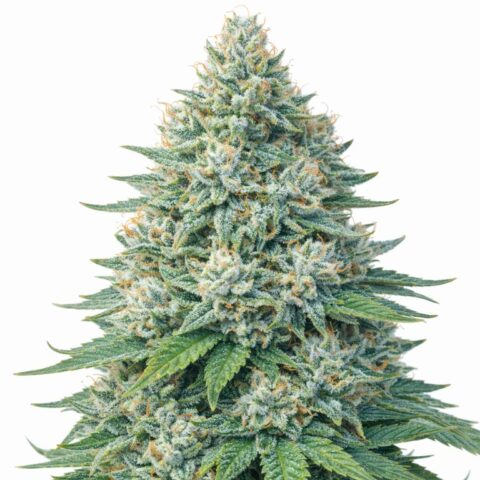 Blue Dream Cannabis SeedsFrom: $24.99
Origins of Blue Dream
Blue Dream is a celebrated cannabis strain with a rich history that highlights its prominence in the cannabis community. Its origins are rooted in California, where it gained recognition for its balanced effects and delightful berry aroma. However, the specific details regarding its creation and original breeder remain somewhat elusive.
California: The Birthplace of Blue Dream
California has always been a center for innovative cannabis farming practices. The state’s favorable climate and progressive stance on cannabis have made it a breeding ground for new and exciting strains. Blue Dream is one of the many success stories to emerge from this environment. While the exact timeline of its creation is unclear, Blue Dream is believed to have been developed in the early 2000s.
Genetic Lineage
The genetic lineage of Blue Dream is well-documented, even if its precise origins are not. Blue Dream is a hybrid strain, a cross between the indica Blueberry and the sativa Haze. This combination results in a strain that offers the best of both worlds: the calming effects of an indica and the uplifting cerebral stimulation of a sativa.
- Blueberry: Blueberry, the indica parent of Blue Dream, is renowned for its relaxing effects and sweet berry flavor. It was first bred by DJ Short in the 1970s and has since become a cornerstone of cannabis breeding. Blueberry’s genetics contribute to Blue Dream’s soothing body effects and its characteristic fruity aroma.
- Haze: The sativa parent, Haze, is a classic strain with a storied history dating back to the 1960s. Known for its potent cerebral effects and energizing qualities, Haze has been used to create many popular hybrids. In Blue Dream, Haze imparts its uplifting and creative effects, balancing the calming influence of Blueberry.
DJ Short and the Mystery of Blue Dream
DJ Short, a legendary breeder known for his work with Blueberry genetics, is often associated with the creation of Blue Dream. However, it is not definitively established that he bred this specific strain. Despite the uncertainty surrounding its exact origins, DJ Short’s influence on Blue Dream’s genetic makeup is undeniable. His pioneering work with Blueberry genetics paved the way for the development of strains like Blue Dream.
Popularity and Spread
Blue Dream’s rise to prominence can be attributed to its unique combination of effects and its versatility. The strain quickly became popular among medical users, particularly in California. As the strain gained a reputation for its balanced high and pleasant flavor, it spread beyond California, becoming a favorite across the United States and internationally.
The strain’s adaptability also contributed to its widespread cultivation. Blue Dream thrives in various growing conditions, making it accessible to both novice and experienced growers. Its robust genetics and relatively high yield further enhance its appeal among cultivators.
Blue Dream in Modern Cannabis Culture
Today, Blue Dream is considered a quintessential hybrid strain, often recommended to those seeking a balanced and enjoyable cannabis experience. Its popularity shows no signs of waning, as it continues to be a top choice in dispensaries and cannabis markets worldwide.
Blue Dream’s legacy extends beyond its own name. The strain has been used to create numerous other hybrids, each attempting to capture the magic of its parentage. Strains like Blue Dream CBD, Blueberry Haze, and others owe their existence to the pioneering genetics of Blue Dream.
Chemical Profile of Blue Dream
Blue Dream’s appeal lies not only in its balanced effects and delightful aroma but also in its complex and robust chemical profile. This profile includes a variety of cannabinoids, terpenes, and other compounds that work together to produce the strain’s unique characteristics. Here’s an in-depth look at the chemical components of Blue Dream:
Cannabinoids
- THC (Tetrahydrocannabinol)
- Concentration: Blue Dream typically has a high THC content, ranging from 17% to 24%, with some variations depending on the cultivation conditions and phenotype.
- Effects: The main psychoactive ingredient in cannabis is THC. In Blue Dream, it provides a potent cerebral high, characterized by euphoria, creativity, and an uplifted mood. The high THC content also contributes to its effectiveness in relieving pain, nausea, and stress.
- CBD (Cannabidiol)
- Concentration: Blue Dream generally has low CBD levels, often less than 1%. Some phenotypes or specially bred versions might have higher CBD concentrations, but they are less common.
- Effects: The non-psychoactive compound CBD is well-known for its possible medical uses, which include anti-inflammatory, anti-anxiety, and neuroprotective properties. The low CBD content in Blue Dream means its therapeutic effects are primarily driven by THC and the entourage effect of other cannabinoids and terpenes.
- CBN (Cannabinol)
- Concentration: Trace amounts.
- Effects: CBN is a mildly psychoactive cannabinoid known for its sedative properties. It can enhance the overall relaxing effects of Blue Dream, especially when the flower is aged and THC begins to convert to CBN.
- CBG (Cannabigerol)
- Concentration: Trace amounts.
- Effects: CBG is a non-psychoactive cannabinoid that is thought to have potential benefits for reducing inflammation, pain, and nausea. It may also contribute to the overall therapeutic profile of Blue Dream.
- THCV (Tetrahydrocannabivarin)
- Concentration: Trace amounts.
- Effects: THCV has a similar structure to THC but produces different effects. It is known for its potential to suppress appetite and may also have anti-anxiety and anti-epileptic properties.
Terpenes
Aromatic molecules called terpenes are present in many plants, including cannabis, and they are essential to the flavor, aroma, and effects of the plant. In Blue Dream, terpenes contribute to its distinctive sweet, berry-like scent and its balanced therapeutic benefits. Here’s a detailed analysis of the primary terpenes found in Blue Dream:
Myrcene
Aroma and Flavor: Myrcene has an earthy, musky scent reminiscent of cloves. It can also impart sweet, fruity undertones, which contribute to the overall berry aroma of Blue Dream.
Effects:
- Sedative and Relaxing: Myrcene is known for its sedative properties and is believed to enhance the relaxing effects of THC. This makes it beneficial for alleviating insomnia and promoting restful sleep.
- Pain Relief: It also has analgesic properties, which can help in pain management by enhancing the body’s own pain relief mechanisms.
- Muscle Relaxant: Myrcene can act as a muscle relaxant, reducing muscle spasms and tension.
Concentration in Blue Dream: Typically the most abundant terpene, myrcene concentrations in Blue Dream can range from 0.5% to 1.0%.
Pinene
Aroma and Flavor: Pinene has a fresh, piney scent, reminiscent of a walk through a pine forest. It can also have herbal and slightly sweet undertones.
Effects:
- Anti-Inflammatory: Pinene is known for its anti-inflammatory properties, making it beneficial for conditions like arthritis and asthma.
- Bronchodilator: It can open up the airways, which is helpful for people with respiratory issues.
- Memory Enhancement: Some studies suggest that pinene can counteract short-term memory loss associated with THC consumption.
Concentration in Blue Dream: Present in moderate amounts, typically ranging from 0.1% to 0.5%.
Caryophyllene
Aroma and Flavor: Caryophyllene has a spicy, peppery scent with hints of wood and cloves. It contributes to the complexity of Blue Dream’s aroma profile.
Effects:
- Anti-Inflammatory and Analgesic: Among all the terpenes, caryophyllene is special since it has the ability to directly interact with the endocannabinoid system’s CB2 receptors. This interaction provides anti-inflammatory and pain-relieving effects.
- Potential Anxiolytic: It may help reduce anxiety and stress by influencing the endocannabinoid system.
Concentration in Blue Dream: Present in moderate amounts, typically ranging from 0.1% to 0.5%.
Limonene
Aroma and Flavor: Limonene has a strong citrus aroma, often described as lemony or orangey. It adds a fresh, zesty note to Blue Dream’s scent.
Effects:
- Mood Enhancement: Limonene is known for its uplifting and mood-enhancing properties. It may lessen anxiety and depressive symptoms.
- Anti-Anxiety: It may reduce stress and anxiety, contributing to an overall sense of well-being.
- Anti-Fungal and Anti-Bacterial: Limonene has potential antimicrobial properties, which can be beneficial for overall health.
Concentration in Blue Dream: Present in moderate to high amounts, typically ranging from 0.1% to 0.5%.
Terpinolene
Aroma and Flavor: Terpinolene is often described as having a floral, herbal aroma with hints of citrus and pine. It is one of the more complex terpenes, contributing to the multifaceted scent of Blue Dream.
Effects:
- Sedative: Terpinolene has mild sedative effects, which can help promote relaxation and sleep.
- Antioxidant: It may have antioxidant properties, helping to protect cells from damage.
- Potential Anticancer Properties: Some research suggests terpinolene may have anticancer properties, although more studies are needed.
Concentration in Blue Dream: Present in smaller amounts, typically ranging from 0.05% to 0.2%.
Humulene
Aroma and Flavor: Humulene has a woody, earthy aroma with spicy notes, similar to hops. It adds depth to Blue Dream’s aromatic profile.
Effects:
- Anti-Inflammatory: Humulene is known for its anti-inflammatory properties, making it useful for reducing inflammation and pain.
- Appetite Suppressant: Unlike many other terpenes, humulene may act as an appetite suppressant, which could be beneficial for weight management.
- Antibacterial and Antifungal: It has potential antimicrobial properties, helping to fight bacterial and fungal infections.
Concentration in Blue Dream: Present in smaller amounts, typically ranging from 0.05% to 0.2%.
Synergistic Effects and the Entourage Effect
The combination of these terpenes in Blue Dream creates a unique and balanced experience for the user. This synergy, known as the entourage effect, occurs when different cannabinoids and terpenes work together to enhance each other’s effects. In Blue Dream, the high levels of myrcene, pinene, caryophyllene, limonene, and terpinolene contribute to a well-rounded profile that can provide both mental and physical benefits.
- Mental Effects: The uplifting and mood-enhancing properties of limonene and pinene, combined with the potential anxiolytic effects of caryophyllene, make Blue Dream a good choice for reducing stress, anxiety, and depression.
- Physical Effects: The sedative and muscle-relaxing properties of myrcene, coupled with the anti-inflammatory effects of caryophyllene and humulene, provide substantial relief from pain, inflammation, and muscle tension.
Flavonoids
Flavonoids are a diverse group of phytonutrients (plant chemicals) found in almost all fruits and vegetables, and they are also present in cannabis. These compounds contribute to the color, aroma, and flavor of the plant, and they have various potential health benefits. While flavonoids are less well-studied in cannabis compared to cannabinoids and terpenes, they play a significant role in the overall therapeutic profile of strains like Blue Dream. Here’s a detailed analysis of the primary flavonoids found in Blue Dream:
Key Flavonoids
- Cannflavins A, B, and C
- Properties: Cannflavins are unique to cannabis and are known for their anti-inflammatory properties. They prevent prostaglandins from being produced, which are involved in pain and inflammatory reactions.
- Effects: These flavonoids can provide significant anti-inflammatory benefits, potentially enhancing the pain-relieving properties of Blue Dream.
- Quercetin
- Properties: Quercetin is a widely occurring flavonoid with strong antioxidant properties. It has anti-inflammatory, antiviral, and anticancer effects.
- Effects: In Blue Dream, quercetin may contribute to reducing inflammation and oxidative stress, supporting the body’s immune response, and potentially providing antiviral benefits.
- Kaempferol
- Properties: Kaempferol is known for its antioxidant and anti-inflammatory properties. It is also found in various fruits, vegetables, and tea.
- Effects: Kaempferol may enhance the overall health benefits of Blue Dream by reducing inflammation and oxidative damage. Its antioxidant properties can help protect cells from damage and support overall well-being.
- Luteolin
- Properties: Luteolin has antioxidant, anti-inflammatory, and neuroprotective properties. It is found in a variety of plants, including celery, green peppers, and chamomile.
- Effects: In Blue Dream, luteolin may contribute to reducing inflammation, protecting brain cells, and potentially providing neuroprotective benefits, which can be beneficial for conditions like Alzheimer’s and other neurodegenerative diseases.
- Apigenin
- Properties: Apigenin is known for its anti-anxiety, anti-inflammatory, and antioxidant effects. It is also found in parsley, chamomile, and celery.
- Effects: Apigenin may help reduce anxiety and promote relaxation, complementing the calming effects of the terpenes and cannabinoids in Blue Dream. Its anti-inflammatory and antioxidant properties further enhance the strain’s therapeutic profile.
The Role of Flavonoids in Blue Dream
Flavonoids contribute to the overall experience and therapeutic effects of Blue Dream in several ways:
- Color and Aroma: Flavonoids contribute to the vibrant colors and complex aromas of cannabis. In Blue Dream, they enhance the visual appeal and the overall sensory experience.
- Entourage Effect: Similar to terpenes, flavonoids can interact synergistically with cannabinoids and terpenes to produce enhanced therapeutic effects. This entourage effect means that the combined presence of these compounds can provide more significant benefits than any single compound alone.
- Health Benefits: The antioxidant, anti-inflammatory, and neuroprotective properties of flavonoids can contribute to the overall health benefits of Blue Dream, making it a versatile strain for various medical conditions.
Analytical Data
While specific concentrations of flavonoids in Blue Dream can vary, they are generally present in smaller amounts compared to cannabinoids and terpenes. However, their impact on the strain’s effects and benefits is substantial due to their potent biological activities.
Potential Therapeutic Benefits
- Anti-Inflammatory Effects: The combination of cannflavins, quercetin, kaempferol, and luteolin provides strong anti-inflammatory benefits. Because of this, Blue Dream may be used to treat long-term inflammatory diseases such inflammatory bowel disease (IBD) and arthritis.
- Antioxidant Properties: Strong antioxidants called flavonoids, such as kaempferol and quercetin, can shield the body from the damaging effects of free radicals and oxidative stress. This can lower the chance of developing chronic illnesses and promote general health.
- Neuroprotective Benefits: Luteolin and apigenin’s neuroprotective properties can help protect brain cells and support cognitive function. This could be beneficial for neurodegenerative conditions and for maintaining overall brain health.
- Anxiety and Stress Relief: Apigenin’s anti-anxiety effects can help promote relaxation and reduce stress, enhancing the calming effects of Blue Dream’s other components.
- Immune Support: Quercetin’s antiviral and immune-modulating properties can help support the immune system, making Blue Dream potentially beneficial for individuals with compromised immunity or those looking to boost their immune defenses.
Analytical Data
Laboratory analyses of Blue Dream samples can vary due to differences in cultivation, curing, and testing methods. However, a typical analytical breakdown of Blue Dream might include:
- THC: 17-24%
- CBD: <1%
- Myrcene: 0.5-1.0%
- Pinene: 0.1-0.5%
- Caryophyllene: 0.1-0.5%
- Limonene: 0.1-0.5%
- Terpinolene: 0.05-0.2%
- Humulene: 0.05-0.2%
These values are approximate and can vary based on specific growing conditions and genetic variations within the strain.
Medical Benefits of Blue Dream
Blue Dream is widely recognized for its therapeutic versatility and balanced effects, making it a popular choice for medical cannabis patients. Its combination of cannabinoids, terpenes, and flavonoids work together to provide a range of potential health benefits. Here’s an in-depth look at the medical benefits of Blue Dream:
Pain Relief
Chronic Pain: Blue Dream’s high THC content, along with its anti-inflammatory terpenes and flavonoids, makes it effective in managing chronic pain conditions such as arthritis, fibromyalgia, and neuropathy. THC interacts with the body’s endocannabinoid system to reduce pain perception, while terpenes like myrcene and caryophyllene enhance its analgesic effects.
Neuropathic Pain: Conditions like multiple sclerosis and diabetic neuropathy can cause nerve pain that is challenging to treat. Blue Dream’s combination of THC and caryophyllene may help alleviate this type of pain by reducing inflammation and modulating pain signals.
Inflammatory Pain: The anti-inflammatory properties of terpenes such as myrcene, pinene, and humulene, along with flavonoids like cannflavins and quercetin, contribute to reducing inflammation and providing relief from inflammatory pain.
Stress and Anxiety
Generalized Anxiety Disorder (GAD): Blue Dream’s uplifting and mood-enhancing effects, largely attributed to limonene and pinene, can help reduce anxiety symptoms. The presence of apigenin, a flavonoid with anti-anxiety properties, further supports its calming effects.
Social Anxiety: The balanced sativa-indica effects of Blue Dream can help individuals feel more relaxed and sociable without overwhelming sedation or paranoia. The strain’s ability to provide mental clarity and relaxation makes it suitable for social situations.
Stress Relief: The euphoric and uplifting effects of Blue Dream can help alleviate stress and promote a sense of well-being. Limonene’s mood-enhancing properties play a significant role in reducing stress levels.
Depression
Mood Enhancement: Blue Dream’s sativa-dominant genetics and high THC content can help elevate mood and provide a sense of euphoria. This can be particularly beneficial for individuals dealing with depression.
Energy and Motivation: The strain’s ability to provide a gentle energy boost without causing anxiety or jitteriness makes it suitable for combating fatigue and lack of motivation often associated with depression.
Fatigue
Chronic Fatigue Syndrome (CFS): Blue Dream’s uplifting effects can help alleviate symptoms of chronic fatigue by providing a mild energy boost and improving focus. The presence of terpinolene, which has mild stimulating effects, can contribute to increased alertness and reduced fatigue.
Daytime Use: Unlike some indica-dominant strains that may cause sedation, Blue Dream is often preferred for daytime use due to its balanced effects. It can help users stay active and engaged without feeling overly sedated.
Headaches and Migraines
Migraine Relief: Blue Dream’s analgesic properties, combined with the anti-inflammatory effects of its terpenes and flavonoids, can help reduce the severity and frequency of migraines. Pinene’s bronchodilator effects may also aid in reducing migraine-related symptoms like nausea and vomiting.
Tension Headaches: The muscle-relaxing properties of myrcene and the anti-inflammatory effects of caryophyllene can help alleviate tension headaches by reducing muscle tension and inflammation.
Nausea and Appetite Stimulation
Antiemetic Effects: Due to Blue Dream’s high THC concentration, people undergoing chemotherapy or those suffering from chronic nausea may find it helpful in reducing nausea and vomiting. The strain’s ability to stimulate appetite is also helpful for individuals experiencing a lack of appetite due to medical treatments or conditions like HIV/AIDS.
Appetite Stimulation: Due to the strain’s potential to increase appetite, people with eating disorders or those who must gain weight for medical reasons may find it very helpful. The presence of humulene, which may act as an appetite suppressant, is balanced by the strain’s overall effects that promote hunger.
Sleep Disorders
Insomnia: Although Blue Dream is not as sedative as some indica strains, its balanced effects can help promote relaxation and reduce anxiety, which can be beneficial for individuals with insomnia. The presence of myrcene, known for its sedative properties, can aid in promoting restful sleep.
Sleep Apnea: The muscle-relaxing and anti-inflammatory properties of Blue Dream may help alleviate symptoms of sleep apnea by reducing airway inflammation and promoting relaxation.
Neurological Disorders
Multiple Sclerosis (MS): Blue Dream’s combination of THC and anti-inflammatory terpenes and flavonoids can help manage symptoms of multiple sclerosis, including muscle spasms, pain, and fatigue.
Epilepsy: While Blue Dream is not typically high in CBD, which is known for its anticonvulsant properties, its overall balanced effects may provide some relief from seizure-related symptoms. Strains with higher CBD content might be more effective for seizure management.
Parkinson’s Disease: The strain’s potential neuroprotective effects, attributed to flavonoids like luteolin, and its ability to reduce muscle tremors and rigidity can be beneficial for individuals with Parkinson’s disease.
Cognitive Function
Focus and Concentration: Blue Dream’s sativa-dominant effects can help improve focus and concentration, making it suitable for individuals with ADHD or those who need to enhance cognitive performance.
Memory Enhancement: The presence of pinene, which is believed to have memory-enhancing properties, can contribute to improved cognitive function and memory retention.
Conclusion
Blue Dream stands out as a quintessential hybrid strain, offering a perfect blend of its indica and sativa heritage. Originating from California, this strain has captured the hearts and minds of cannabis enthusiasts and medical patients alike, thanks to its balanced effects and delightful sensory profile. The combination of Blueberry and Haze genetics gives Blue Dream a unique edge, marrying the best attributes of its parent strains.
Its rich chemical profile, dominated by high THC levels and a diverse terpene mix, contributes to its wide-ranging therapeutic effects. The primary terpenes, including myrcene, pinene, caryophyllene, limonene, and terpinolene, not only provide a distinctive aroma and flavor but also enhance the strain’s medicinal properties. From pain relief and anti-inflammatory benefits to mood enhancement and anti-anxiety effects, Blue Dream proves to be a versatile ally in the realm of medical cannabis.
Medical users turn to Blue Dream for its efficacy in managing chronic pain, stress, anxiety, depression, fatigue, headaches, nausea, and appetite loss. It can meet the demands of a wide range of patients at different times of the day because it can provide both gentle stimulation and relaxation.
In the ever-evolving world of cannabis, Blue Dream maintains its status as a beloved and reliable strain, offering consistent quality and benefits. If you are a medical patient in need of comprehensive relief, Blue Dream provides a harmonious experience that lives up to its name.
As the cannabis industry continues to grow and more strains enter the market, Blue Dream’s legacy remains strong. Its origins, chemical profile, and medical benefits serve as a benchmark for what hybrid strains can achieve. With its widespread popularity and proven efficacy, Blue Dream is likely to remain a favorite among cannabis connoisseurs and medical patients for years to come.

curt jutting
I am a chronic pain sufferer. A failed back fusion surgery as well as
fibromyalgia can put me into a bad place in my mind/body. I have tried all those anti depressants and pain killers but the side effects seem to be worse than the problem at times and I don’t need any more medical problems. I want more strain analysis’s like this one. I have had a special spot in my mind for Blue Dream as it can make me feel free of all my problems. God knows I can use it. Thank you for the info. Curt