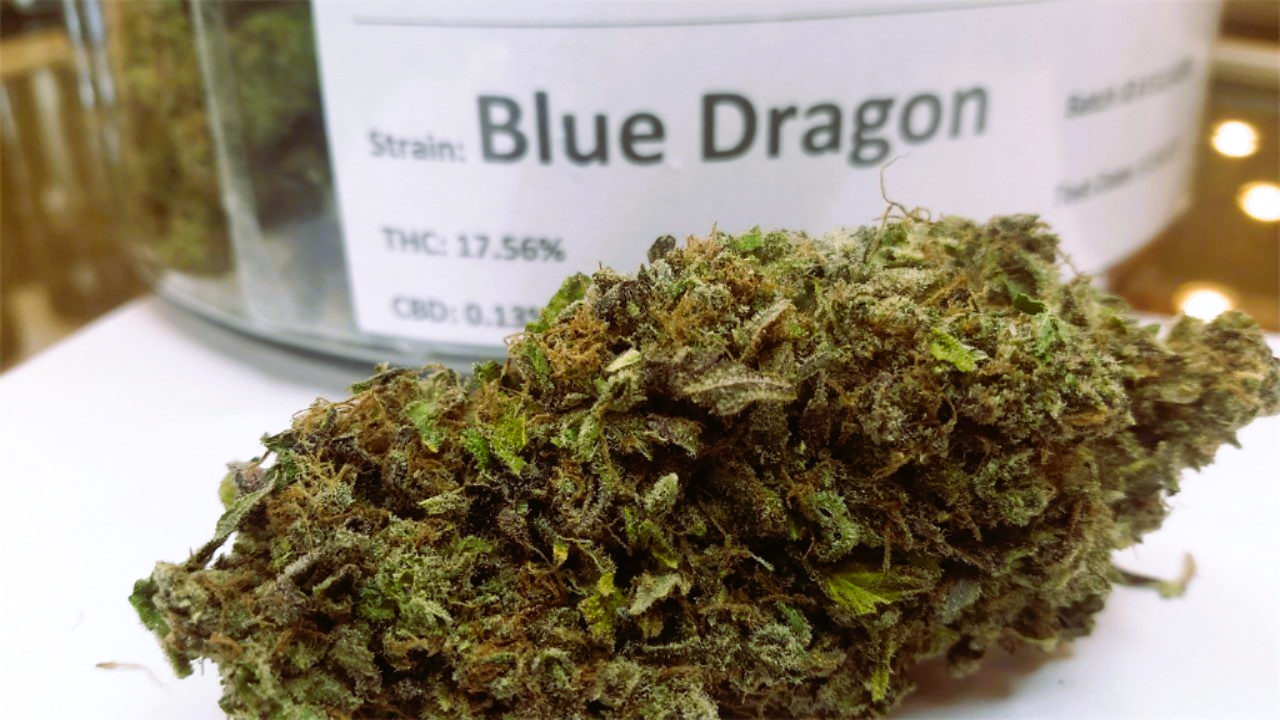
Blue Dragon: A Comprehensive Medical Cannabis Strain Analysis
Introduction
Blue Dragon is a hybrid cannabis strain that has gained significant attention in the medical cannabis community for its potential therapeutic effects. This strain, which combines genetics from two well-known parent strains, has carved out a niche for itself due to its unique chemical profile and a broad spectrum of medical benefits. This analysis will explore Blue Dragon’s origins, chemical composition, and the specific medical conditions it may benefit, as well as its cultivation requirements. The focus will be strictly on its medical applications, excluding any considerations of recreational use or consumption methods.
Origins of Blue Dragon
Blue Dragon is the result of crossbreeding two powerful and well-established cannabis strains: Blueberry and Sour Diesel. Each parent contributes distinct characteristics to the hybrid, leading to a strain that balances both indica and sativa effects, although it tends to lean slightly towards the indica side.
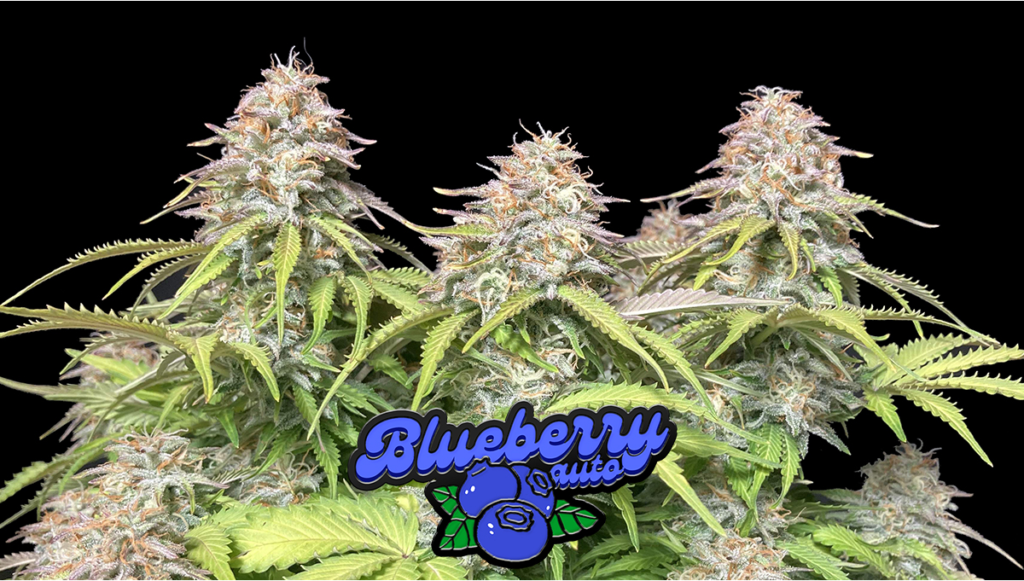
- Blueberry: This parent strain is an indica-dominant hybrid created by DJ Short in the 1970s. The pleasant, delicious aroma of blueberries is well-known, as are its powerfully calming properties. It has received numerous honors, including the 2000 High Times Cannabis Cup for Best Indica. Blueberry’s genetics contribute to Blue Dragon’s calming effects and its distinct flavor profile.
- Sour Diesel: The other parent, Sour Diesel, is a sativa-dominant strain that gained popularity in the 1990s. It is well-known for its stimulating properties and strong, diesel-like scent. Sour Diesel’s influence on Blue Dragon is evident in the strain’s cerebral stimulation and potential for uplifting moods, making it a well-rounded option for various medical uses.
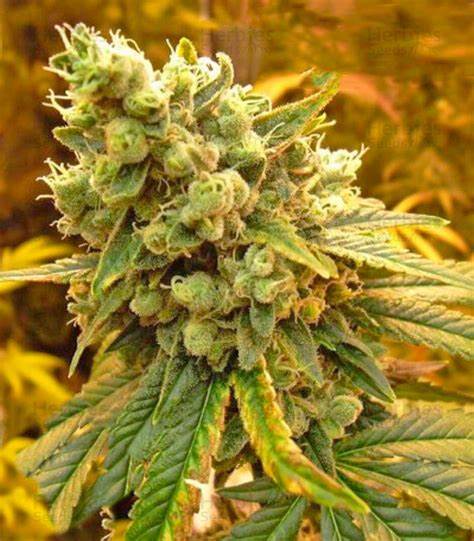
The combination of these two strains results in a hybrid that offers the best of both worlds: the relaxing and calming effects of an indica, paired with the cerebral and mood-enhancing effects of a sativa. This genetic balance is particularly beneficial for patients seeking relief from a range of symptoms without being overwhelmed by sedation or excessive stimulation.
Chemical Profile of Blue Dragon
The effectiveness of Blue Dragon as a medical strain is largely due to its unique chemical composition. The primary components of interest in any cannabis strain are cannabinoids and terpenes, both of which contribute to the strain’s therapeutic effects.
Cannabinoid Profile
- THC (Tetrahydrocannabinol): Blue Dragon typically contains a moderate to high THC content, ranging from 18% to 24%. THC is the primary psychoactive compound in cannabis, but it also plays a significant role in pain relief, appetite stimulation, and the reduction of nausea. In a medical context, Blue Dragon’s THC content can be beneficial for patients dealing with chronic pain, appetite loss, and conditions that cause severe nausea, such as chemotherapy side effects.
- CBD (Cannabidiol): Blue Dragon has a relatively low CBD content, usually less than 1%. While CBD is known for its non-psychoactive therapeutic benefits, the low concentration in Blue Dragon suggests that its medical effects are primarily driven by THC and the synergistic effects of other cannabinoids and terpenes.
- CBG (Cannabigerol): Though present in lower concentrations, CBG is an important minor cannabinoid in Blue Dragon. CBG is non-psychoactive and is thought to contribute to the anti-inflammatory and neuroprotective effects of the strain. It may also play a role in modulating the overall effects of THC, making the experience more balanced and potentially reducing anxiety.
Terpene Profile
Terpenes are aromatic compounds found in cannabis that not only contribute to the strain’s flavor and aroma but also have therapeutic properties of their own. Blue Dragon’s terpene profile is rich and varied, with the following being the most prominent:
- Myrcene: This is the most abundant terpene in Blue Dragon, and it is known for its earthy, musky scent, similar to cloves. Myrcene is believed to have sedative and muscle-relaxing properties, which complement the strain’s indica effects. It also enhances the permeability of cell membranes, which may increase the effectiveness of THC and other cannabinoids.
- Caryophyllene: This terpene smells spicy and peppery, and it’s special because it can connect to the endocannabinoid system’s CB2 receptors, which are mostly linked to immunological response. Caryophyllene’s anti-inflammatory and analgesic properties make it particularly useful for conditions like arthritis and chronic pain.
- Pinene: Known for its pine-like aroma, pinene is believed to have anti-inflammatory and bronchodilator effects. Patients suffering from respiratory disorders like asthma may find this helpful. Pinene also has potential cognitive-enhancing properties, which can help counteract the memory-impairing effects of THC.
- Limonene: This terpene is responsible for the citrusy notes in Blue Dragon’s aroma. Patients coping with stress, sadness, or anxiety disorders may find limonene beneficial because to its well-known elevating and anti-anxiety properties. Additionally, it possesses antifungal and antibacterial qualities that may enhance the strain’s overall medicinal profile.
- Linalool: With a floral, lavender-like aroma, linalool is well-known for its relaxing and calming properties. It is often associated with stress relief and the reduction of anxiety, making it a valuable component in Blue Dragon’s ability to provide a balanced therapeutic experience.
Medical Benefits of Blue Dragon
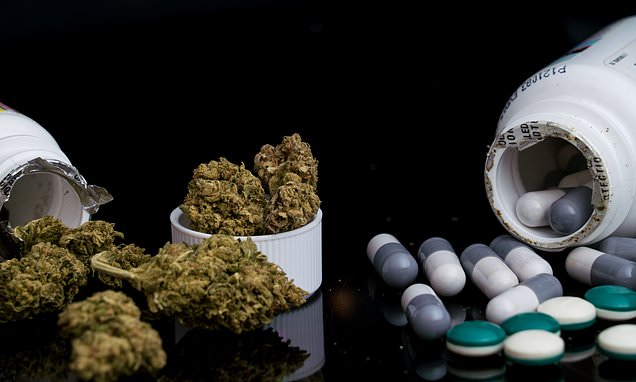
Given its balanced hybrid nature and rich chemical profile, Blue Dragon offers a wide range of medical benefits. These benefits are primarily derived from its ability to address both physical and psychological symptoms, making it a versatile option for patients with complex medical needs.
1. Pain Management
One of the primary medical uses of Blue Dragon is for pain relief. The terpene profile and strong THC levels of this strain make it especially useful for treating chronic pain. Debilitating conditions including fibromyalgia, migraines, and arthritis can be treated with standard pain drugs, which typically have serious side effects and a high risk of addiction. Blue Dragon offers a natural alternative, providing potent analgesic effects without the risks associated with opioids or NSAIDs.
The presence of caryophyllene enhances the strain’s pain-relieving properties by interacting with the CB2 receptors, which play a key role in the body’s inflammatory response. This makes Blue Dragon particularly effective for pain that is associated with inflammation, such as in rheumatoid arthritis or injury recovery.
2. Anxiety and Stress Relief
Blue Dragon’s balanced cannabinoid and terpene profile make it an excellent option for managing anxiety and stress. Because it contains limonene and linalool, it can improve your spirits and encourage relaxation without making you feel too drowsy or lethargic. For patients who must control their anxiety during the day and maintain their ability to function properly, this is especially crucial.
Patients with generalized anxiety disorder (GAD), post-traumatic stress disorder (PTSD), or social anxiety disorder (SAD) may find Blue Dragon helpful in reducing symptoms such as nervousness, racing thoughts, and insomnia. The strain’s ability to calm the mind without overly impairing cognitive function makes it a preferred choice for those looking to maintain a sense of normalcy while managing their mental health.
3. Depression
The mood-enhancing effects of Blue Dragon, largely attributed to its sativa influence and the presence of limonene, make it a useful tool in managing depression. Symptoms including low energy, motivation, and generalized feelings of depression can be lessened by the strain. Unlike some other strains that may cause significant sedation, Blue Dragon can uplift the user without causing excessive tiredness, making it suitable for daytime use.
The combination of THC’s euphoric effects and the balancing properties of terpenes like myrcene and linalool can provide a more stable mood improvement, reducing the risk of mood swings or worsening depression, which can sometimes occur with high-THC strains.
4. Insomnia
For patients struggling with insomnia, particularly when it is related to anxiety or chronic pain, Blue Dragon can offer significant relief. The myrcene content, known for its sedative properties, helps to relax the body and mind, making it easier to fall asleep and stay asleep. The strain’s indica-dominant effects further support a restful night by calming the nervous system and reducing physical discomfort.
However, it is important for patients to consider the timing of use. While Blue Dragon can help with sleep, its sativa component may cause some initial stimulation, so it is often recommended to use this strain a few hours before bedtime to allow the energizing effects to taper off before sleep.
5. Appetite Stimulation
Blue Dragon’s high THC content makes it effective for stimulating appetite, a common need for patients undergoing chemotherapy, dealing with eating disorders, or suffering from conditions that cause nausea and vomiting. THC is well-documented for its ability to increase appetite and reduce nausea, making Blue Dragon a valuable option for patients who need to maintain adequate nutrition but struggle with eating.
The strain’s effects are typically not as overwhelming as pure indica strains that are used for appetite stimulation, meaning patients can benefit from increased hunger without feeling too sedated to eat. This makes Blue Dragon a balanced choice for those needing to manage multiple symptoms simultaneously.
6. Neuroprotective Effects
Emerging research suggests that cannabinoids like THC and CBG may have neuroprotective properties, meaning they could potentially help protect the brain from damage due to injury or neurodegenerative diseases. Blue Dragon’s cannabinoid profile, particularly its content of minor cannabinoids like CBG, suggests it could be beneficial for patients with conditions such as multiple sclerosis, Alzheimer’s disease, or Parkinson’s disease.
While more research is needed to fully understand these effects, the combination of anti-inflammatory and neuroprotective properties in Blue Dragon makes it a promising candidate for patients looking to manage neurodegenerative conditions or recover from traumatic brain injuries.
Restrictions on Using Blue Dragon in the Medical Field as a Last Resort
In the medical field, Blue Dragon, like other high-THC cannabis strains, is often considered a last-resort treatment due to its psychoactive effects. This designation typically applies when other medications or treatments have failed to provide sufficient relief for conditions such as chronic pain, severe anxiety, or appetite loss. Medical professionals must consider several factors before recommending Blue Dragon:
- Patient Tolerance: Strong psychoactive effects can be caused by high-THC strains, therefore not all individuals may benefit from them, especially if they are sensitive to THC or have a history of mental health issues like psychosis.
- Legal Regulations: Depending on the jurisdiction, the use of high-THC cannabis strains may be heavily regulated. Medical cannabis may only be prescribed under strict conditions, often requiring a specialist’s approval, particularly when other treatments have proven ineffective.
- Risk of Dependency: Due to the psychoactive nature of THC, there is a potential risk of dependency. This is a concern in the medical community, especially when cannabis is used long-term for chronic conditions.
Monitoring THC Levels in Medications to Prevent Psychoactive Effects on Patients
To minimize the risk of psychoactive effects in patients using Blue Dragon or similar high-THC strains, careful monitoring of THC levels in cannabis-derived medications is essential:
- Dosage Control: Medical professionals must carefully prescribe and monitor the dosage of THC to ensure that it provides therapeutic benefits without overwhelming the patient with psychoactive effects. Low-dose THC formulations or balanced THC
ratios are often preferred to reduce psychoactivity. - Patient Monitoring: Regular follow-ups with patients using high-THC medications are crucial. Monitoring for signs of excessive sedation, anxiety, or other adverse effects helps in adjusting the treatment plan as necessary.
- Alternative Delivery Methods: Non-psychoactive alternatives or formulations with lower THC content should be considered first. Where high-THC strains are necessary, alternative delivery methods, such as microdosing, may help mitigate psychoactive effects while still providing medical benefits.
- Patient Education: Educating patients on the potential effects of THC and how to manage them is vital. This includes advising patients on the importance of not exceeding the prescribed dose and understanding the onset and duration of effects.
Growing Conditions for Blue Dragon
Cultivating Blue Dragon can be a rewarding endeavor for medical cannabis patients or caregivers who prefer to grow their own medicine. Understanding the optimal growing conditions for this strain can help ensure a successful harvest and maximize the therapeutic benefits.
Climate Requirements
Although it can be grown both indoors and outdoors, Blue Dragon is a rather hardy breed that prefers a regulated indoor space with close supervision. The strain prefers a temperate climate with plenty of sunlight, and it is particularly suited to regions with a Mediterranean-like climate.
- Temperature: Blue Dragon prefers daytime temperatures between 70°F and 85°F (21°C to 29°C). During the flowering stage, it’s beneficial to lower the nighttime temperature slightly to encourage the development of its characteristic blue and purple hues, which are more pronounced in cooler temperatures.
- Humidity: During the vegetative stage, Blue Dragon requires a humidity level of around 60% to 70%. However, as the plant enters the flowering stage, it’s important to reduce humidity to around 40% to 50% to prevent mold and mildew, which can damage the buds and reduce yield.
- Light: When grown indoors, Blue Dragon benefits from a light cycle of 18 hours on and 6 hours off during the vegetative stage. During flowering, the light cycle should be adjusted to 12 hours on and 12 hours off. High-intensity discharge (HID) lights or full-spectrum LED lights are recommended for optimal growth.
Soil and Nutrients
Blue Dragon can be grown in soil or hydroponically, though many growers prefer soil for its natural buffering properties and flavor enhancement. If growing in soil, it’s essential to use well-draining, nutrient-rich soil with a pH level between 6.0 and 7.0.
- Nutrient Requirements: Like many other cannabis strains, Blue Dragon needs a steady supply of micronutrients like calcium, magnesium, and sulfur as well as a balanced combination of macronutrients like nitrogen, phosphorus, and potassium during its growth cycle. The plant will benefit from increased nitrogen levels during the vegetative stage in order to support the growth of leaves. As the plant transitions to flowering, it’s important to increase the levels of phosphorus and potassium to support bud development.
- Organic Growing: For those seeking to maximize the medicinal quality of Blue Dragon, organic growing methods are recommended. This involves using organic soil amendments like compost, worm castings, and bone meal, as well as natural pest control methods. Organic cultivation can enhance the terpene profile of the strain, leading to more potent medicinal effects.
Flowering Time and Yield
Blue Dragon has a relatively short flowering time compared to other hybrid strains, typically taking between 8 to 10 weeks to fully mature. When grown under optimal conditions, the strain can produce a moderate to high yield.
- Indoor Yield: A yield of roughly 14 to 18 ounces per square meter is what indoor farmers may anticipate. The controlled environment of indoor growing allows for better management of light, temperature, and humidity, leading to higher potency and quality of the final product.
- Outdoor Yield: When grown outdoors, Blue Dragon can yield up to 18 ounces or more per plant, depending on the climate and care provided. It is customary to harvest around late September or early October, contingent upon the specific growing season in the area.
- Training Techniques: To maximize yield, growers can use training techniques such as topping, low-stress training (LST), or the Screen of Green (SCROG) method. These techniques help to increase light exposure to the lower branches and promote more even bud development.
Conclusion
For patients coping with a range of ailments, Blue Dragon is a well-known medical cannabis strain that provides a wide range of medicinal effects. Its origins from Blueberry and Sour Diesel give it a balanced hybrid profile, providing both relaxing and uplifting effects, which can be harnessed for pain management, anxiety relief, depression, insomnia, appetite stimulation, and even potential neuroprotective effects.
The strain’s chemical profile, particularly its moderate to high THC content, combined with a rich array of terpenes, makes it effective in addressing both physical and psychological symptoms. However, the psychoactive nature of THC necessitates careful consideration in medical use, particularly for patients sensitive to such effects or those with complex medical conditions.
Cultivating Blue Dragon requires attention to specific environmental conditions to optimize yield and potency, whether grown indoors or outdoors. Its relatively short flowering time and moderate yield make it accessible to both novice and experienced growers, especially those seeking to produce high-quality, therapeutic cannabis.
In the medical field, Blue Dragon is often considered a last-resort treatment due to its psychoactive potential, with strict monitoring of THC levels essential to prevent unwanted side effects. By adhering to guidelines for dosage control, patient monitoring, and education, medical professionals can responsibly incorporate Blue Dragon into treatment plans, maximizing its therapeutic benefits while minimizing risks.
Overall, Blue Dragon is a versatile and potent strain that, when used appropriately, can provide significant relief for patients in need of effective medical cannabis therapy. It is a useful tool in the medical cannabis treatment toolbox, providing hope and relief to people for whom conventional treatments may not have been adequate due to its well-rounded effects and diverse range of applications.
