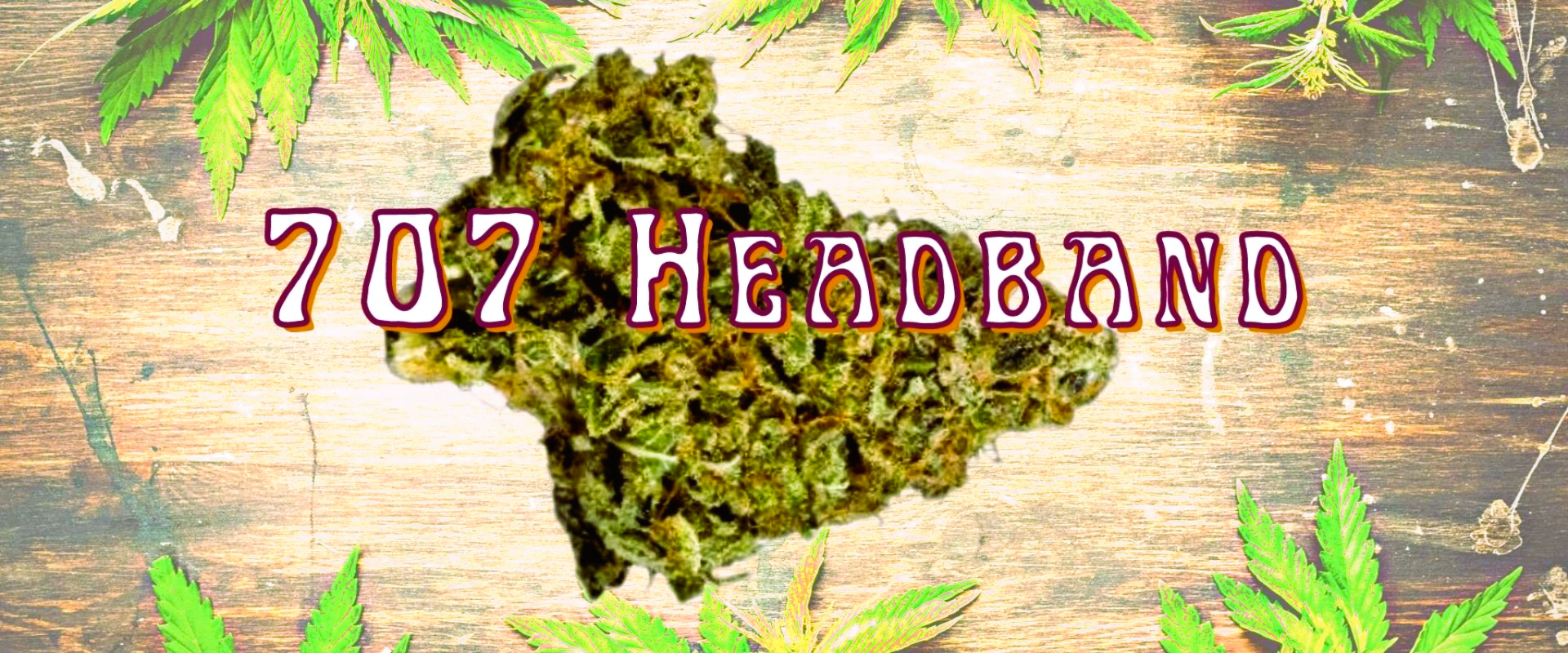
Strain Analysis: 707 Headband
-
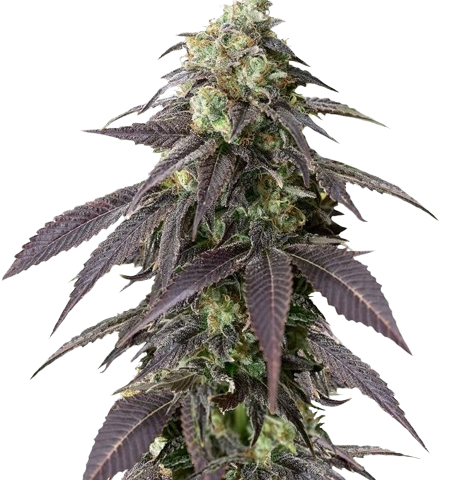 707 Headband Cannabis SeedsFrom: $24.99
Introduction
The cannabis strain known as 707 Headband is a distinguished hybrid celebrated for its complex chemical profile, rich origins, and significant medical benefits. Named for its distinctive cerebral effects, which some users describe as feeling like a gentle pressure around the head akin to wearing a headband, this strain has garnered attention in the medical cannabis community for its potent therapeutic properties. This analysis delves deeply into the origins, chemical profile, medical benefits, and growing conditions of 707 Headband, with a focus on its application in medical contexts, while deliberately excluding any discussion of recreational use or consumption methods.
Origins of 707 Headband
707 Headband is a strain with a storied lineage that reflects its hybrid nature, combining the best traits of its parent strains. The name “707” refers to the area code of Humboldt County, California, a region renowned for its cannabis cultivation. Humboldt County is part of the Emerald Triangle, which also includes Mendocino and Trinity counties, an area famous for producing some of the most potent and high-quality cannabis in the world.
The exact genetic lineage of 707 Headband can be traced back to two prominent strains: Sour Diesel and OG Kush. Both parent strains are well-known in the cannabis community for their powerful effects and unique profiles, and their combination in 707 Headband creates a hybrid that balances the best of both worlds.
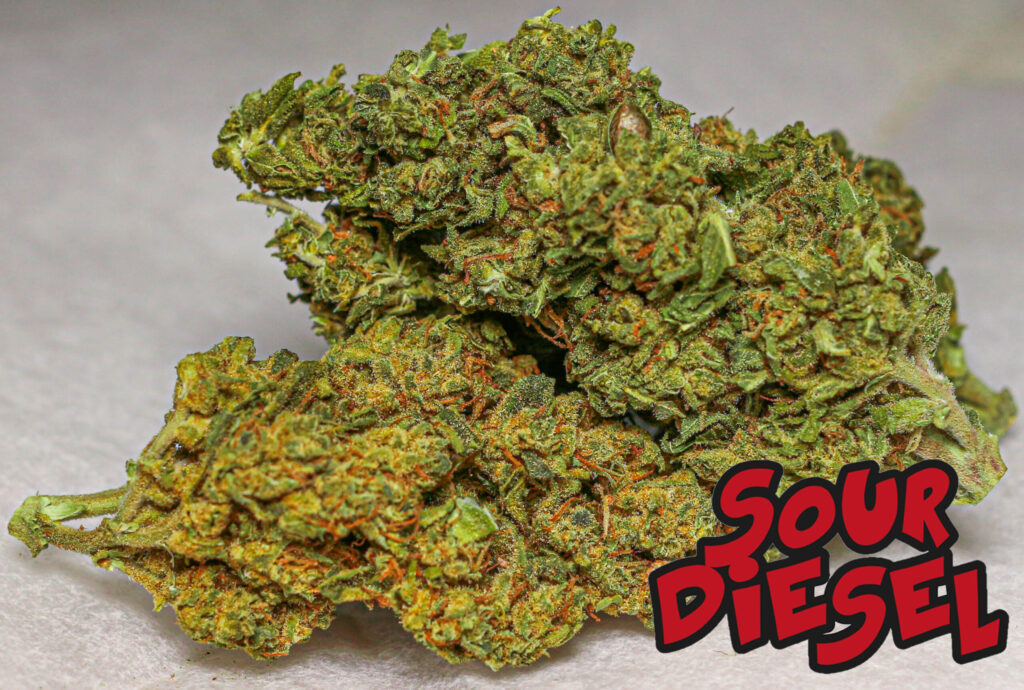
- Sour Diesel: Sour Diesel, often abbreviated as “Sour D,” is a sativa-dominant strain known for its pungent, diesel-like aroma. It is a fast-acting strain that delivers energizing and uplifting effects, making it popular for daytime use. In the context of 707 Headband, Sour Diesel contributes to the strain’s cerebral effects and its ability to alleviate stress, anxiety, and depression.
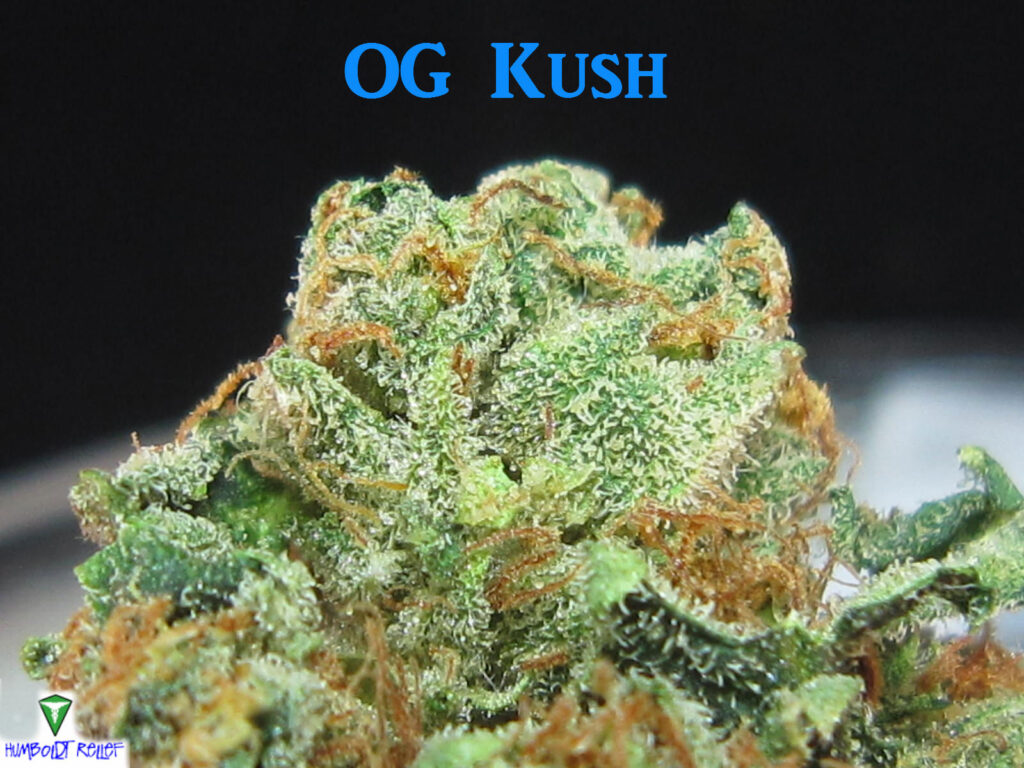
- OG Kush: OG Kush is a legendary strain with a complex genetic background, believed to be a hybrid of Chemdawg and Hindu Kush. It is known for its strong, earthy, and pine-like aroma and its balanced effects that provide both physical relaxation and mental clarity. OG Kush imparts its calming and pain-relieving properties to 707 Headband, making it a well-rounded strain for medical use.
The combination of Sour Diesel and OG Kush results in a strain that exhibits both sativa and indica characteristics, offering a unique experience that can be tailored to various medical needs.
Chemical Profile of 707 Headband
The therapeutic potential of 707 Headband is largely due to its rich and diverse chemical profile. This strain contains a wide range of cannabinoids and terpenes, each contributing to its overall effects and benefits. Understanding the chemical composition of 707 Headband is essential for comprehending its medical applications.
Cannabinoid Profile
Cannabinoids are the primary active compounds in cannabis, with each cannabinoid offering different effects and benefits. The key cannabinoids found in 707 Headband include:
- THC (Tetrahydrocannabinol): THC is the most well-known cannabinoid and is responsible for the psychoactive effects of cannabis. In 707 Headband, THC levels typically range between 20% to 24%, making it a potent strain. However, in the context of medical use, THC is valued not for its psychoactivity but for its pain-relieving, anti-inflammatory, and muscle-relaxant properties. THC is also effective in reducing nausea and stimulating appetite, making it beneficial for patients undergoing chemotherapy or suffering from conditions like HIV/AIDS.
- CBD (Cannabidiol): While 707 Headband is primarily a THC-dominant strain, it also contains trace amounts of CBD, usually less than 1%. The non-psychoactive compound CBD is well-known for its neuroprotective, anxiolytic, and anti-inflammatory qualities. The presence of CBD in 707 Headband helps modulate the effects of THC, potentially reducing anxiety and paranoia that can be associated with high THC strains.
- CBG (Cannabigerol): CBG is a minor cannabinoid found in smaller quantities in 707 Headband. Since it is the ancestor of THC, CBD, and other cannabinoids, it is frequently referred to as the “mother of all cannabinoids”. CBG is believed to have various therapeutic effects, including anti-inflammatory, antibacterial, and neuroprotective properties.
- CBC (Cannabichromene): Another minor cannabinoid, CBC, is present in 707 Headband in trace amounts. CBC is non-psychoactive and is thought to contribute to the overall anti-inflammatory and pain-relieving effects of the strain.
Terpene Profile
Terpenes are fragrant substances present in cannabis that enhance its flavor, aroma, and medicinal qualities. 707 Headband has a complex terpene profile, with the following being the most prominent:
- Myrcene: One of the most prevalent terpenes in cannabis, myrcene has a musky, earthy aroma with hints of fruit. In 707 Headband, myrcene contributes to the strain’s relaxing and sedative effects, making it useful for patients seeking relief from insomnia, pain, and muscle spasms.
- Limonene: Limonene is a citrus-scented terpene that is often associated with uplifting and mood-enhancing effects. In 707 Headband, limonene helps counterbalance the sedative effects of myrcene, providing a balanced experience that can alleviate stress and anxiety without causing excessive sedation.
- Caryophyllene: Caryophyllene is distinct from other terpenes due to its ability to interact, in a manner similar to that of cannabinoids, with the CB2 receptors in the endocannabinoid system. It smells spicy and peppery. This interaction gives caryophyllene anti-inflammatory and analgesic properties, making it a valuable component of 707 Headband’s medical effects.
- Pinene: Pinene is responsible for the pine-like aroma found in many cannabis strains. It has a reputation for having bronchodilator, anti-inflammatory, and memory-boosting properties. In 707 Headband, pinene contributes to the strain’s ability to relieve respiratory issues and improve focus and clarity.
- Linalool: Linalool has a floral, lavender-like scent and is known for its calming and anti-anxiety effects. It also has analgesic and anti-inflammatory properties, making it a useful component in 707 Headband for patients dealing with chronic pain and anxiety.
The combination of these cannabinoids and terpenes in 707 Headband creates a synergistic effect, known as the “entourage effect,” where the therapeutic potential of the strain is enhanced by the interaction of its various components.
Medical Benefits of 707 Headband
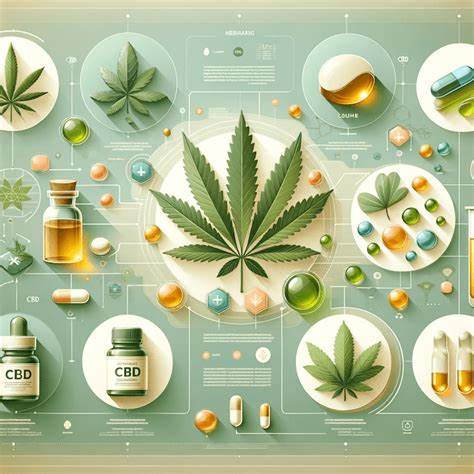
707 Headband is highly regarded in the medical cannabis community for its wide range of therapeutic benefits. Its balanced hybrid nature makes it a flexible alternative for patients, addressing both mental and physical health issues. The 707 Headband has several significant medicinal advantages, including the following:
1. Pain Relief
One of the most significant medical applications of 707 Headband is its ability to provide effective pain relief. The high THC content, combined with the presence of caryophyllene and other analgesic terpenes, makes this strain particularly useful for managing chronic pain conditions. Patients suffering from conditions such as arthritis, fibromyalgia, migraines, and neuropathic pain may find relief with 707 Headband. The strain’s capacity to ease muscle tension and lower inflammation amplifies its analgesic effects.
2. Stress and Anxiety Reduction
707 Headband is known for its calming and mood-enhancing effects, making it an excellent choice for patients dealing with stress and anxiety disorders. The presence of limonene and linalool in the strain’s terpene profile contributes to its anxiolytic effects, helping to alleviate symptoms of generalized anxiety disorder, social anxiety, and post-traumatic stress disorder (PTSD). Unlike some high-THC strains that can exacerbate anxiety, 707 Headband’s balanced profile provides relief without inducing paranoia.
3. Anti-Inflammatory Effects
Inflammation is a common underlying factor in many chronic health conditions, including autoimmune diseases, gastrointestinal disorders, and cardiovascular diseases. The combination of cannabinoids (THC, CBD, CBG) and terpenes (myrcene, caryophyllene, pinene) in 707 Headband offers potent anti-inflammatory effects, making it beneficial for patients dealing with conditions such as Crohn’s disease, ulcerative colitis, and rheumatoid arthritis. Regular use of 707 Headband can help reduce inflammation and improve overall quality of life for patients with chronic inflammatory conditions.
4. Mood Disorders
707 Headband is a useful choice for those with mood disorders like depression and bipolar disorder because of its capacity to improve mood and foster a sense of well-being. The strain’s well-balanced benefits can lessen depressive symptoms, calm mood swings, and enhance general emotional health. The mellowing influence of linalool and myrcene, along with the elevating effects of limonene, create a harmonic experience that can be very helpful for people experiencing depression symptoms.
5. Sleep Aid
For patients dealing with insomnia or other sleep disorders, 707 Headband offers a natural and effective solution. The sedative properties of myrcene, combined with the muscle-relaxant effects of THC, can help patients fall asleep more easily and enjoy a restful night’s sleep. The strain’s ability to relieve pain and reduce anxiety also contributes to its effectiveness as a sleep aid. Patients who struggle with sleep due to chronic pain or anxiety may find significant relief with 707 Headband.
6. Appetite Stimulation
Loss of appetite is a common side effect of various medical treatments, including chemotherapy and radiation therapy. 707 Headband can help stimulate appetite, making it easier for patients to maintain a healthy diet and avoid malnutrition. The strain’s ability to reduce nausea and promote a sense of relaxation can also be beneficial for patients dealing with gastrointestinal issues that affect their ability to eat.
7. Neuroprotective Effects
Recent studies have revealed the possibility of neuroprotective effects of cannabinoids, such as THC and CBD, which could aid in delaying the onset of neurodegenerative illnesses like multiple sclerosis, Parkinson’s disease, and Alzheimer’s disease. While more research is needed to fully understand the neuroprotective potential of 707 Headband, its combination of cannabinoids and terpenes offers promise for patients seeking to protect their cognitive function and reduce the impact of neurodegenerative conditions.
8. Respiratory Relief
The presence of pinene in 707 Headband may provide additional benefits for patients with respiratory conditions. Pinene is known for its bronchodilator effects, which can help open up the airways and improve breathing. Patients who suffer from respiratory conditions such as asthma, chronic obstructive pulmonary disease (COPD), or other similar conditions may find 707 Headband to be a viable alternative. However, it is important to note that the method of consumption can significantly impact the strain’s effectiveness for respiratory relief, and patients should consult with a healthcare professional for guidance on appropriate use.
9. Muscle Relaxation and Spasm Relief
Patients with muscle spasms, cramps, or other muscle-related issues may benefit from the muscle-relaxant properties of 707 Headband. The strain’s high THC content, combined with the sedative effects of myrcene, can help relax muscles and reduce the frequency and intensity of spasms. This makes 707 Headband a potential treatment option for conditions such as multiple sclerosis, Parkinson’s disease, and muscle injuries.
Restrictions on Using 707 Headband in the Medical Field as a Last Resort
While 707 Headband is recognized for its medical benefits, its use in the medical field, particularly as a last resort, comes with certain restrictions due to its high THC content. The following considerations are crucial:
- Psychoactive Effects: Due to its high THC levels (typically between 20% to 24%), 707 Headband can produce significant psychoactive effects. This makes it less suitable for patients who are sensitive to THC or for those who may not tolerate the cognitive and perceptual changes associated with its use.
- Patient Suitability: Medical professionals often reserve strains like 707 Headband as a last resort when other treatments, including lower-THC cannabis strains or non-cannabis medications, have not provided sufficient relief. Patients who have extreme anxiety, chronic pain, or diseases that are resistant to therapy should pay special attention to this.
- Legal and Regulatory Considerations: Depending on the jurisdiction, the use of high-THC strains like 707 Headband may be subject to stricter regulations. Some regions may require specific medical authorization or limit its use to certain conditions.
Monitoring THC Levels in Medications
To minimize the psychoactive effects of THC in medical cannabis products derived from 707 Headband, careful monitoring and regulation of THC levels are essential:
- Standardized Dosing: Medical formulations derived from 707 Headband should be standardized to control THC content. This helps ensure consistent dosing and reduces the risk of unexpected psychoactive effects.
- Combination with CBD: To counteract the psychoactive effects of THC, formulations may include CBD, which can modulate the effects of THC and reduce anxiety or paranoia.
- Patient Monitoring: Regular monitoring of patients using high-THC medications is crucial to assess their tolerance, effectiveness, and any adverse effects. Based on each person’s response, it could be required to modify the dosage or composition.
- Education and Informed Consent: Patients should be fully informed about the potential psychoactive effects of THC and the importance of adhering to prescribed dosages. Informed consent is critical in ensuring patients understand the risks and benefits.
Growing Conditions for 707 Headband
Understanding the growing conditions and cultivation requirements of 707 Headband is essential for patients and cultivators looking to produce high-quality medicine. Because of its versatility and resilience, this strain can be grown in a range of settings. However, achieving optimal results requires careful attention to factors such as climate, soil, nutrients, and pest management.
1. Climate and Environment
707 Headband thrives in a Mediterranean-like climate, characterized by warm temperatures, ample sunlight, and moderate humidity. Although this strain may be cultivated both indoors and outdoors, an outdoor garden with lots of natural sunshine is the best habitat for it. The strain is relatively hardy and can tolerate fluctuations in temperature, but it performs best in temperatures ranging from 70°F to 80°F (21°C to 27°C).
For indoor cultivation, it is important to replicate the natural conditions as closely as possible. This includes maintaining a consistent temperature, providing adequate lighting (using high-quality LED or HID lights), and ensuring proper ventilation to prevent mold and mildew. The strain’s ability to tolerate slightly cooler temperatures makes it suitable for indoor growers in regions with less-than-ideal outdoor growing conditions.
2. Soil and Nutrients
707 Headband prefers well-draining soil with a slightly acidic to neutral pH level (around 6.0 to 7.0). Rich, organic soil that has an ideal nutrient balance will promote healthy growth and increase the potency and yield of the plant. It is important to provide a nutrient-rich environment that includes essential macronutrients (nitrogen, phosphorus, potassium) as well as micronutrients (calcium, magnesium, sulfur) to support the plant’s development throughout its growth cycle.
In order to sustain its rapid growth, plants need higher amounts of nitrogen during the vegetative stage. For bud development and resin synthesis, phosphorus and potassium become increasingly crucial when the plant enters the flowering stage. Many growers use organic fertilizers or compost to provide a steady supply of nutrients, while others may opt for hydroponic systems that allow for precise control over nutrient delivery.
3. Watering and Humidity
707 Headband requires consistent watering to maintain healthy growth, but it is important to avoid overwatering, which can lead to root rot and other issues. The soil should be kept moist but not waterlogged, and it is essential to allow the top layer of soil to dry out between waterings. In indoor environments, using a humidity monitor can help maintain optimal humidity levels, typically around 40% to 60% during the vegetative stage and slightly lower during the flowering stage.
Outdoor growers should be mindful of the weather and adjust watering practices accordingly. In regions with high humidity, it may be necessary to implement additional measures such as using fans or dehumidifiers to prevent mold and mildew from developing on the plants.
4. Pest and Disease Management
Like all cannabis strains, 707 Headband is susceptible to pests and diseases, and proactive management is essential to protect the plants. Aphids, whiteflies, caterpillars, spider mites, and other common pests can all have an impact on this strain. Implementing integrated pest management (IPM) strategies, such as using beneficial insects (e.g., ladybugs, predatory mites), organic pesticides, and regular plant inspections, can help prevent infestations and minimize damage.
In addition to pests, growers should be vigilant for signs of common cannabis diseases such as powdery mildew, bud rot, and root rot. Maintaining proper airflow, controlling humidity levels, and practicing good hygiene (e.g., sterilizing tools, removing dead plant material) can reduce the risk of disease. If a plant shows signs of disease, it may be necessary to remove the affected areas or, in severe cases, discard the entire plant to prevent the spread of the disease.
5. Flowering Time and Harvest
707 Headband has a flowering time of approximately 9 to 10 weeks when grown indoors. Outdoor growers in the Northern Hemisphere typically harvest this strain in mid to late October, depending on the local climate. The plant produces dense, resin-coated buds with a distinctive aroma, and it is important to monitor the trichomes (the small, crystal-like structures on the buds) to determine the optimal harvest time.
Harvesting at the right time is crucial for maximizing the strain’s potency and medical benefits. Trichomes that are milky white with some amber hues indicate that the plant is at its peak potency, with a balanced mix of cannabinoids and terpenes. Harvesting too early or too late can result in a less potent product, so careful observation and timing are key.
6. Post-Harvest Processing
In order to maintain their flavor and potency, the buds need to be meticulously clipped after harvesting and dried in a controlled atmosphere. The drying process typically takes 7 to 10 days, during which the buds should be hung upside down in a dark, well-ventilated room with a temperature of around 65°F to 75°F (18°C to 24°C) and a humidity level of 45% to 55%.
Once the buds are dry, they should be cured in airtight containers (e.g., glass jars) to further enhance their flavor and potency. The curing process can take several weeks, and it is important to “burp” the jars (i.e., open them briefly to release excess moisture) regularly during the first week to prevent mold and ensure even curing.
Properly cured buds will have a smooth flavor, a well-balanced cannabinoid profile, and enhanced therapeutic effects, making them ideal for medical use.
Conclusion
707 Headband is a cannabis strain with a rich history, a complex chemical profile, and a wide range of medical benefits. Its balanced hybrid nature makes it suitable for treating a variety of conditions, from chronic pain and inflammation to anxiety, depression, and sleep disorders. The strain’s adaptability and resilience also make it a viable option for both indoor and outdoor cultivation, provided that growers pay careful attention to its specific needs and environmental conditions.
By understanding the origins, chemical composition, and therapeutic potential of 707 Headband, medical cannabis patients and cultivators can make informed decisions about its use and cultivation. As research into the medical applications of cannabis continues to evolve, strains like 707 Headband will likely play an increasingly important role in providing natural and effective treatments for a wide range of health conditions.
