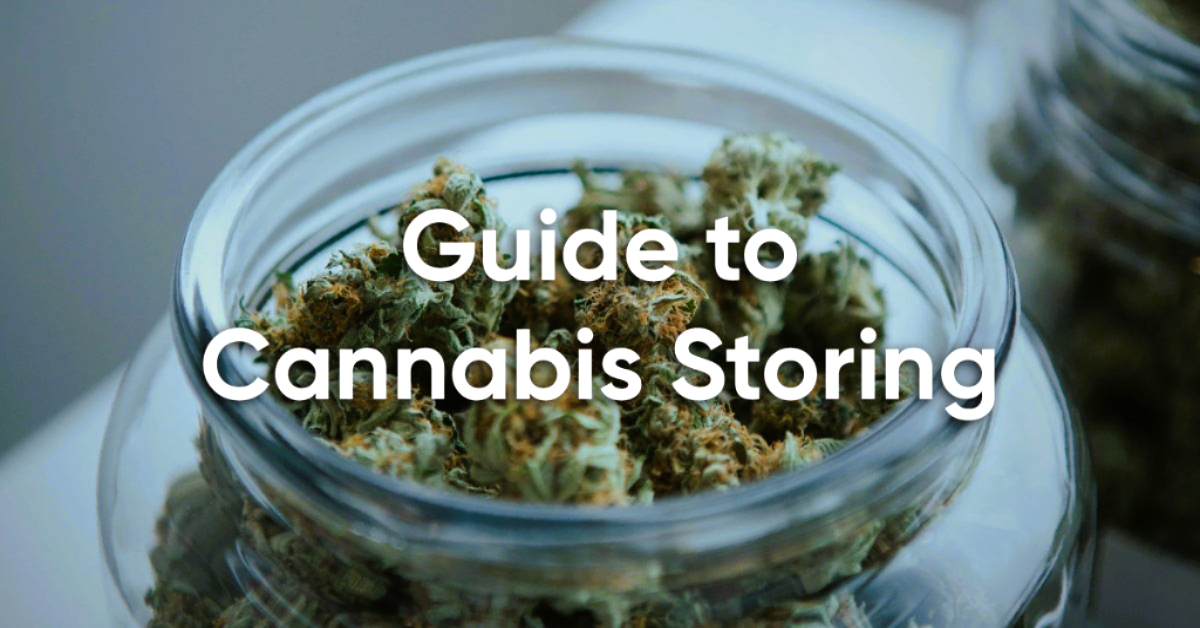
How to Store Cannabis for Maximum Freshness for Medical Purposes
Introduction
Cannabis has been used for medicinal purposes for centuries, offering relief from a variety of ailments such as chronic pain, anxiety, epilepsy, and more. As the acceptance of cannabis for medical use continues to grow, so does the importance of proper storage techniques. Ensuring the freshness and potency of cannabis buds is critical for maximizing their therapeutic effects. This comprehensive guide will explore whether cannabis buds can go stale, the factors that contribute to their degradation, and detailed methods for storing cannabis to maintain its maximum freshness and medical efficacy.
Can Cannabis Buds Go Stale?
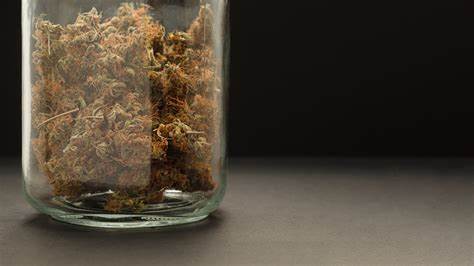
Cannabis buds, like many organic materials, are susceptible to degradation over time. When improperly stored, they can lose their potency, flavor, and aroma, ultimately becoming stale. Staleness in cannabis can result from exposure to light, air, heat, and humidity, which can degrade the cannabinoids and terpenes that provide its medicinal benefits.
Factors Contributing to Cannabis Degradation
- Light: Ultraviolet (UV) rays from sunlight or artificial light can break down cannabinoids, especially THC, the psychoactive component, reducing the potency of the cannabis. Light exposure can also degrade terpenes, the compounds responsible for the plant’s aroma and flavor.
- Air: Oxygen can oxidize cannabinoids, turning THC into CBN (cannabinol), which is less potent. Excessive air exposure can also lead to the loss of terpenes, impacting the taste and aroma of the cannabis.
- Heat: High temperatures can cause cannabinoids to degrade and terpenes to evaporate. Optimal storage temperatures should be kept below 70°F (21°C) to preserve the integrity of the cannabis.
- Humidity: Incorrect humidity levels can lead to mold growth or overly dry buds. The ideal relative humidity (RH) for storing cannabis is between 55% and 62%.
The Science of Cannabis Degradation
To effectively store cannabis for maximum freshness and potency, it is crucial to understand the scientific processes behind its degradation. Cannabis buds are composed of a complex array of compounds, including cannabinoids, terpenes, and flavonoids, all of which are sensitive to environmental conditions. Understanding how these compounds degrade can help in creating optimal storage conditions.
Cannabinoids
The main active ingredients in cannabis that give it its medicinal properties are called cannabinoids. Tetrahydrocannabinol (THC) and cannabidiol (CBD) are the two most well-known types of cannabinoids. These substances interact with the body’s endocannabinoid system to provide a variety of medical benefits, such as anti-inflammatory and pain relief.
Degradation of THC
THC is particularly sensitive to light, heat, and oxygen. When exposed to these elements, THC undergoes oxidation, converting into cannabinol (CBN). CBN has a different set of effects compared to THC, being more sedative and much less psychoactive. This conversion process reduces the potency of cannabis.
Chemical Reaction:
THC + O₂ (Oxygen) → CBN + Byproducts
Degradation of CBD
CBD is more stable than THC but still susceptible to degradation under improper storage conditions. Light and heat can cause CBD to break down into various byproducts, diminishing its therapeutic efficacy.
Chemical Stability:
CBD is less prone to oxidative degradation compared to THC, making it more stable under a wider range of conditions.
Terpenes
Terpenes are volatile aromatic compounds that give cannabis its distinctive smell and flavor. They also contribute to the entourage effect, where they enhance the therapeutic effects of cannabinoids. Terpenes are highly sensitive to environmental factors and can easily evaporate or degrade.
Volatility and Evaporation
Terpenes have a high volatility, meaning they can evaporate at relatively low temperatures. This evaporation not only reduces the aroma and flavor of the cannabis but also diminishes its overall therapeutic potential.
Examples of Terpenes and Their Boiling Points:
- Myrcene: Boiling point at 167°C (332.6°F)
- Limonene: Boiling point at 176°C (348.8°F)
- Linalool: Boiling point at 198°C (388.4°F)
Oxidative Degradation
Similar to cannabinoids, terpenes can undergo oxidative degradation when exposed to air. This process can alter their chemical structure, resulting in a loss of aroma and potential therapeutic benefits.
Flavonoids
Flavonoids are another class of compounds in cannabis, contributing to the plant’s pigmentation and providing antioxidant properties. While they are less volatile than terpenes, flavonoids can still degrade under prolonged exposure to light, heat, and oxygen.
Photodegradation
Flavonoids can degrade when exposed to light, leading to a loss of their beneficial antioxidant properties. This photodegradation is a slower process compared to the volatility of terpenes but still significant over extended periods.
Example of Flavonoid:
- Quercetin: Known for its antioxidant properties, quercetin can degrade when exposed to UV light.
Optimal Storage Conditions for Cannabis
Maintaining the freshness, potency, and medical efficacy of cannabis requires careful attention to its storage conditions. Air exposure, humidity, temperature, and light are the main environmental elements that affect how cannabis degrades. It is possible to greatly increase the quality and shelf life of your cannabis buds by managing these elements.
1. Light Control
Impact of Light on Cannabis:
- Degradation of Cannabinoids: UV rays from sunlight and artificial light can break down cannabinoids, particularly THC, reducing the potency of the cannabis.
- Loss of Terpenes: Light exposure can also degrade terpenes, leading to a loss of aroma and flavor.
Optimal Storage Solutions:
- Opaque Containers: Use containers that block out light, such as amber glass jars or containers with UV protection. This prevents light from reaching the cannabis and causing degradation.
- Dark Storage Locations: Store cannabis in a dark place, such as a cupboard, drawer, or closet, away from direct sunlight and artificial light sources.
Recommended Products:
- Amber Glass Jars: These jars provide excellent protection against UV light while maintaining an airtight seal.
- UV-Protective Containers: Containers specifically designed to block UV rays can be highly effective in preserving cannabis.
2. Temperature Control
Impact of Temperature on Cannabis:
- Degradation of Cannabinoids and Terpenes: High temperatures can cause cannabinoids and terpenes to degrade and evaporate, reducing the potency and flavor of the cannabis.
- Mold and Mildew Growth: Fluctuating temperatures can introduce moisture, leading to mold and mildew growth.
Optimal Storage Solutions:
- Cool Environment: Keep cannabis in a cool environment, ideally between 60-70°F (15-21°C). Consistent temperatures are key to preventing degradation.
- Avoid Heat Sources: Store cannabis away from appliances that generate heat, such as ovens, microwaves, and heaters, as well as direct sunlight.
Recommended Products:
- Temperature-Controlled Storage: Some storage solutions offer temperature control, such as wine coolers or specialized cannabis storage units.
- Thermal Insulated Containers: These containers help maintain a consistent temperature, protecting cannabis from external heat sources.
3. Humidity Control
Impact of Humidity on Cannabis:
- Excessive Humidity: High humidity levels can lead to mold and mildew growth, rendering the cannabis unusable and potentially harmful.
- Low Humidity: Low humidity levels can cause cannabis to become overly dry and brittle, leading to the loss of cannabinoids and terpenes.
Optimal Storage Solutions:
- Ideal Relative Humidity (RH): Maintain an RH level between 55% and 62% to preserve the quality of cannabis.
- Humidity Control Packs: Use humidity packs designed specifically for cannabis to maintain the optimal RH level within storage containers.
- Hygrometers: Place a hygrometer in the storage container to monitor and maintain the correct humidity levels.
Recommended Products:
- Boveda Humidity Packs: These packs are widely used in the cannabis industry to maintain ideal humidity levels.
- Hygrometers: Digital or analog hygrometers can help you monitor the humidity inside your storage containers.
4. Air Control
Impact of Air on Cannabis:
- Oxidation: Exposure to oxygen can oxidize cannabinoids, converting THC into CBN, which is less potent. It can also cause terpenes to degrade, affecting the flavor and aroma.
- Moisture Loss: Exposure to air can dry out cannabis buds, leading to a loss of potency and flavor.
Optimal Storage Solutions:
- Airtight Containers: Store cannabis in airtight containers to prevent oxygen exposure. Glass jars with rubber seals are preferred over plastic containers, which can create static and degrade terpenes.
- Vacuum Sealing: For long-term storage, vacuum sealing can help remove air and preserve freshness. However, this method requires careful handling to avoid crushing the buds.
Recommended Products:
- Glass Jars with Rubber Seals: These jars provide an airtight seal and do not leach chemicals into the cannabis.
- Vacuum Sealers: Vacuum sealers can be used for long-term storage, reducing air exposure and preserving the quality of cannabis.
Detailed Storage Methods
1. Glass Jars
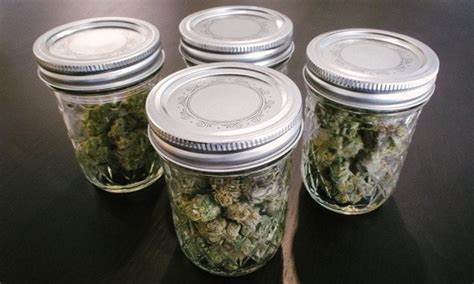
Description: Glass jars with airtight seals are one of the best options for storing cannabis. They provide an airtight environment, protect against light (if opaque or dark-colored), and do not leach chemicals into the cannabis.
Pros:
- Airtight
- Non-reactive material
- Light-blocking options available
Cons:
- Can break if dropped
- Not entirely impervious to light if clear
Usage Tips:
- Use dark-colored glass jars, such as amber or cobalt blue, to protect against light.
- Store the jars in a cool, dark place to further protect the cannabis from light and heat.
2. Vacuum-Sealed Bags
Description: Vacuum sealing removes air from the storage environment, significantly reducing oxidation. This method is suitable for long-term storage, although it requires careful handling to avoid crushing the buds.
Pros:
- Minimizes air exposure
- Compact storage solution
Cons:
- Requires vacuum sealing equipment
- Potential to crush delicate buds
Usage Tips:
- Use vacuum-sealed bags made of high-quality plastic to ensure a tight seal.
- Avoid overpacking the bags to prevent crushing the buds.
3. Humidity-Controlled Containers
Description: These containers come with built-in humidity control packs to maintain the ideal RH level. They are often made of plastic or glass and are designed specifically for cannabis storage.
Pros:
- Maintains optimal humidity
- Often airtight
Cons:
- More expensive than standard jars
- Limited availability
Usage Tips:
- Ensure that the humidity control packs are replaced regularly to maintain their effectiveness.
- Store the containers in a cool, dark place to further protect the cannabis.
4. Mason Jars with Humidity Packs
Description: Standard mason jars can be enhanced with humidity packs to maintain the right RH levels. They are affordable and widely accessible.
Pros:
- Inexpensive
- Widely available
- Airtight with proper lids
Cons:
- Clear glass does not protect against light
Usage Tips:
- Use humidity packs, such as Boveda, to maintain the optimal RH level inside the jars.
- Store the mason jars in a dark place to protect against light exposure.
5. Cannabis Storage Boxes
Description: These are specialized storage boxes designed for cannabis enthusiasts. They often come with multiple compartments, built-in hygrometers, and humidity control.
Pros:
- Specialized for cannabis storage
- Includes multiple storage features
Cons:
- Expensive
- May be bulky
Usage Tips:
- To keep an eye on the humidity levels, check the hygrometer frequently.
- Replace humidity control packs as needed to maintain optimal conditions.
Storing Cannabis for Specific Medical Conditions
Different medical conditions may require different cannabis strains, each with unique cannabinoid and terpene profiles. Proper storage is crucial to maintain these profiles and ensure the effectiveness of the cannabis for specific therapeutic uses. Here are detailed recommendations for storing cannabis tailored to address various medical conditions.
Chronic Pain
Chronic pain often requires cannabis strains high in THC and CBD. Maintaining the potency of these cannabinoids is essential for effective pain management.
Recommended Storage:
- Airtight, Dark-Colored Glass Jars: Use amber or cobalt blue glass jars to block out light and maintain an airtight seal. This helps prevent the degradation of THC and CBD.
- Humidity Control Packs: Maintain an optimal relative humidity (RH) between 55% and 62% to keep the cannabis buds from drying out or becoming too moist.
- Cool, Dark Environment: Store the jars in a place with consistent temperatures between 60-70°F (15-21°C), away from direct sunlight and heat sources.
Usage Tips:
- Labeling: Clearly label the jars with the strain name and date of storage to keep track of the age and ensure timely rotation.
- Regular Checks: Periodically check the humidity control packs and replace them as needed to maintain the ideal RH.
Anxiety and Depression
Cannabis strains high in CBD and specific terpenes such as limonene and linalool are often used to treat anxiety and depression. Proper storage helps preserve these therapeutic compounds.
Recommended Storage:
- Airtight Containers with Humidity Control: Use containers designed specifically for cannabis storage, equipped with built-in humidity control packs to maintain optimal RH levels.
- Dark Storage Locations: Store in a dark place to protect the terpenes and cannabinoids from light degradation.
Usage Tips:
- Monitoring Humidity: Place a hygrometer in the container to monitor humidity levels and ensure they remain between 55% and 62%.
- Avoid Temperature Fluctuations: Store cannabis in a stable environment, avoiding areas prone to temperature swings.
Epilepsy
High-CBD strains are commonly used to manage epilepsy. Preserving the stability and potency of CBD is crucial for effective seizure control.
Recommended Storage:
- Vacuum-Sealed Bags for Long-Term Storage: Vacuum sealing removes air from the storage environment, significantly reducing oxidation and preserving CBD.
- Cool, Dark Environment: Store vacuum-sealed bags in a cool, dark place to protect the cannabis from heat and light.
Usage Tips:
- Gentle Handling: Handle vacuum-sealed bags carefully to avoid crushing the buds, which can degrade the trichomes containing cannabinoids and terpenes.
- Regular Inspection: Check stored cannabis periodically for any signs of degradation or mold.
Insomnia
For patients suffering from insomnia, cannabis strains high in CBN or specific terpenes like myrcene are often recommended. Preserving these compounds ensures the effectiveness of the cannabis in promoting sleep.
Recommended Storage:
- Glass Jars with Humidity Packs: Use airtight glass jars with humidity control packs to maintain an optimal RH level and prevent drying out or mold growth.
- Dark, Cool Storage: Keep the jars in a dark, cool place to protect the cannabinoids and terpenes from light and heat.
Usage Tips:
- Label and Date: Label jars with strain names and storage dates to ensure you are using the freshest cannabis.
- Replace Humidity Packs: Regularly replace humidity packs to maintain the ideal storage environment.
Multiple Sclerosis
Cannabis strains high in THC and CBD are often used to manage symptoms of multiple sclerosis (MS). Proper storage is essential to maintain the balance and potency of these cannabinoids.
Recommended Storage:
- Airtight Containers: Use airtight containers to prevent air exposure and oxidation of THC and CBD.
- Humidity Control: Employ humidity control packs to keep the RH level between 55% and 62%, ensuring the cannabis remains fresh and effective.
- Cool, Dark Storage: The containers should be kept out of direct sunlight and heat sources in a cold, dark environment.
Usage Tips:
- Regular Checks: Periodically check stored cannabis for signs of degradation, such as changes in color, aroma, or texture.
- Rotation: Rotate stock to ensure older cannabis is used first, maintaining the freshness of your supply.
Cancer Treatment
Patients undergoing cancer treatment may use cannabis strains high in THC and CBD to manage pain, nausea, and appetite loss. Ensuring the cannabis remains potent and free from contaminants is critical.
Recommended Storage:
- Airtight, UV-Protected Containers: Use containers that block UV light and provide an airtight seal to protect cannabinoids and terpenes.
- Humidity Control Packs: Maintain the ideal RH level with humidity control packs to prevent mold and maintain potency.
- Cool, Dark Environment: Store the containers in a cool, dark place to protect the cannabis from heat and light.
Usage Tips:
- Sanitation: Ensure all storage containers are clean and free from contaminants to avoid introducing mold or mildew.
- Inspection: Regularly inspect the stored cannabis for any signs of mold or degradation.
Signs of Degradation in Cannabis
Even with optimal storage, cannabis will eventually degrade. It is important to recognize the signs of degradation to ensure that the cannabis being used is still effective for medical purposes.
1. Loss of Aroma
One of the first signs of degradation is a loss of the characteristic aroma of the cannabis strain. This indicates that the terpenes have evaporated or degraded.
2. Change in Color
Cannabis buds that have turned brown or yellowish may indicate oxidation and loss of potency.
3. Dry and Brittle Texture
Buds that have become overly dry and brittle may have lost their cannabinoids and terpenes, reducing their effectiveness.
4. Mold Growth
Visible mold or mildew is a clear sign that the cannabis has been exposed to excessive humidity and should not be used.
Tips for Long-Term Storage
For those needing to store cannabis for extended periods, additional precautions can help maintain its freshness and potency.
1. Use Desiccants
Desiccants like silica gel packs can help absorb excess moisture and prevent mold growth.
2. Store in a Cool, Dark Place
Ensure the storage location is consistently cool and dark, such as a basement or closet, away from appliances that generate heat.
3. Rotate Stock
Use the oldest cannabis first to ensure that none of it sits unused for too long and loses its potency.
4. Monitor Regularly
Regularly check stored cannabis for signs of degradation and adjust storage conditions as needed.
Conclusion
Cannabis must be stored properly to preserve its medicinal effectiveness, strength, and freshness. Understanding the factors that contribute to cannabis degradation, such as light, temperature, humidity, and air exposure, is crucial for preserving the therapeutic properties of cannabinoids, terpenes, and flavonoids. By implementing optimal storage techniques, patients can ensure that their cannabis remains effective for treating various medical conditions, including chronic pain, anxiety, epilepsy, insomnia, multiple sclerosis, and cancer treatment.
Optimal storage solutions involve using airtight, opaque containers to block out light and minimize oxygen exposure, maintaining a cool storage environment with temperatures between 60-70°F (15-21°C), and ensuring the relative humidity (RH) level is between 55% and 62% using humidity control packs. Regular monitoring and rotation of stored cannabis are also important to prevent degradation and maintain freshness.
For specific medical conditions, tailored storage methods are necessary to preserve the unique cannabinoid and terpene profiles required for therapeutic efficacy. For example, high-THC and high-CBD strains used for chronic pain or cancer treatment should be stored in airtight, dark-colored glass jars with humidity control packs, while high-CBD strains for epilepsy benefit from vacuum-sealed bags and cool, dark storage environments.
By adhering to these guidelines, patients can maximize the shelf life and benefits of their medical cannabis, ensuring it remains potent, flavorful, and effective for addressing their health needs. Proper storage not only preserves the quality of cannabis but also safeguards the investment made in this valuable medicinal resource. With careful attention to storage practices, patients can confidently rely on their cannabis to deliver consistent and reliable therapeutic effects.
