Table of Contents
Sticky Dickie is an indica-dominant hybrid strain renowned for its heavy resin production, potent effects, and unique terpene profile. Its name derives from the stickiness of its trichome-rich buds, making it a favorite for cannabis enthusiasts and medical users seeking potent relief.
Genetics and Origins
Sticky Dickie’s exact lineage is not universally agreed upon, but it is believed to be a cross between:
- Gorilla Glue #4 – known for its high resin production and couch-lock effects.
- Northern Lights – a classic indica strain valued for its sedative effects and stress relief.
This combination creates a strain that offers both mental relaxation and significant physical sedation, making it perfect for use at night or in the evening.
Appearance, Aroma, and Flavor
Appearance:
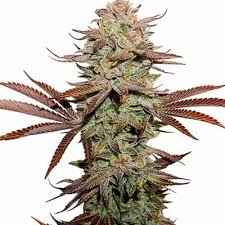
Sticky Dickie boasts dense, medium-sized buds that are absolutely coated with milky white trichomes. Its resinous nature gives it a “wet” appearance, which can feel sticky to the touch. Buds are deep green with hints of purple and orange pistils weaving through.
Aroma:
The scent of Sticky Dickie is earthy and piney with undertones of sweet citrus and diesel. Upon breaking the buds, a strong skunky note becomes more pronounced, making it unmistakably potent.
Flavor:
Sticky Dickie’s flavor reflects its aroma. Users report:
- Initial notes of pine and earthiness.
- A sharp, almost tangy citrus upon exhale.
- A lingering diesel aftertaste that reminds many of Gorilla Glue.
Chemical Composition
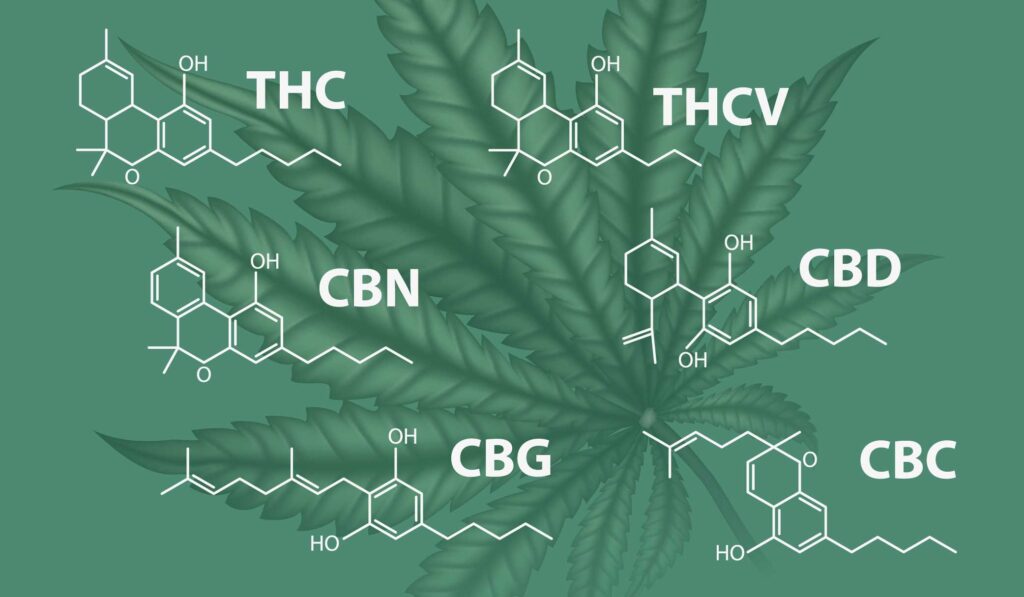
Sticky Dickie is particularly admired for its high THC content, which averages between 22% and 28%. In rare phenotypes, THC levels may reach as high as 30%, making it unsuitable for novice consumers. Its CBD content is typically low, hovering around 0.1%–0.5%.
Cannabinoid Breakdown:
- THC: 22–30%
- CBD: 0.1–0.5%
- CBG: ~1% (secondary cannabinoid contributing anti-inflammatory effects)
- CBN: ~0.2% (responsible for mild sedative properties)
Terpene Profile
The therapeutic effects of Sticky Dickie are amplified by its terpene content, which includes:
- Myrcene (Primary terpene, ~0.5–1.5%)
- Offers sedative, relaxing effects.
- Enhances “couch-lock” qualities.
- Caryophyllene (~0.2–0.8%)
- Provides anti-inflammatory and pain-relief properties.
- May help with anxiety.
- Limonene (~0.1–0.5%)
- Uplifting and mood-enhancing.
- Offers citrus aroma and mild antidepressant effects.
- Pinene (~0.1–0.3%)
- Provides a pine-like aroma.
- Improves focus and counteracts short-term memory impairment.
- Linalool (~0.1–0.3%)
- Offers calming, anti-anxiety effects.
- Contributes to its usefulness in sleep disorders.
Effects and User Experience
Due to its high THC content, Sticky Dickie delivers a potent, fast-acting experience that is heavily body-focused.
Onset and Duration:
- Onset: 5–10 minutes post-inhalation.
- Peak: 15–30 minutes.
- Duration: 2–4 hours depending on individual tolerance.
Recreational Effects:
Sticky Dickie’s effects are heavily indica-dominant, offering a full-body relaxation that progresses into sedation. Common effects include:
- Deep Relaxation:
Users often feel their muscles loosen and tension dissolve, making it ideal for unwinding after a long day. - Euphoria:
The strain delivers a mild mood uplift, helping users feel happier and more content. - Sedation:
As the high intensifies, Sticky Dickie promotes couch-lock and drowsiness, making it best suited for nighttime use. - Mental Calmness:
Unlike some sativa strains, Sticky Dickie does not overstimulate the mind, instead providing a sense of mental clarity and tranquility. - Appetite Stimulation:
Sticky Dickie is known to induce “the munchies,” which can be helpful for those struggling with appetite loss.
Medical Uses
Sticky Dickie’s chemical composition makes it a powerful option for medical cannabis patients. Its effects target both physical and mental health issues, offering versatile relief.
1. Chronic Pain
- The combination of THC and caryophyllene works as an effective analgesic.
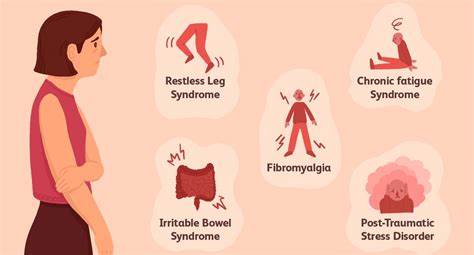
- Users with conditions such as arthritis, fibromyalgia, migraines, and back pain report significant relief.
2. Insomnia and Sleep Disorders
- High myrcene content induces sedation and promotes deep sleep.
- Sticky Dickie helps those with chronic insomnia fall asleep faster and stay asleep longer.
3. Stress and Anxiety Relief
- Limonene and linalool contribute to stress and anxiety relief.
- Sticky Dickie provides a calm mental state without overwhelming paranoia, often seen with potent sativas.
4. Muscle Spasms and Cramps
- Its relaxing effects make it ideal for reducing muscle spasms and cramps caused by neurological disorders or PMS.
5. Appetite Stimulation
- THC interacts with the CB1 receptors in the brain to stimulate appetite.
- This is particularly beneficial for cancer patients undergoing chemotherapy or individuals with eating disorders.
6. Inflammation
- Caryophyllene and CBG provide anti-inflammatory benefits, reducing symptoms of chronic inflammation and autoimmune conditions like Crohn’s disease.
Methods of Ingestion, Duration, Onset, and Effects
The Sticky Dickie cannabis strain is known for its high THC content, resinous buds, and potent effects. Understanding the methods of ingestion, their respective durations, onset times, and the effects produced is essential for both recreational and medical users. Here is a thorough scientific analysis:
1. Methods of Ingestion
Sticky Dickie can be consumed using several methods, each providing unique onset times, durations, and effects based on bioavailability and absorption rates:
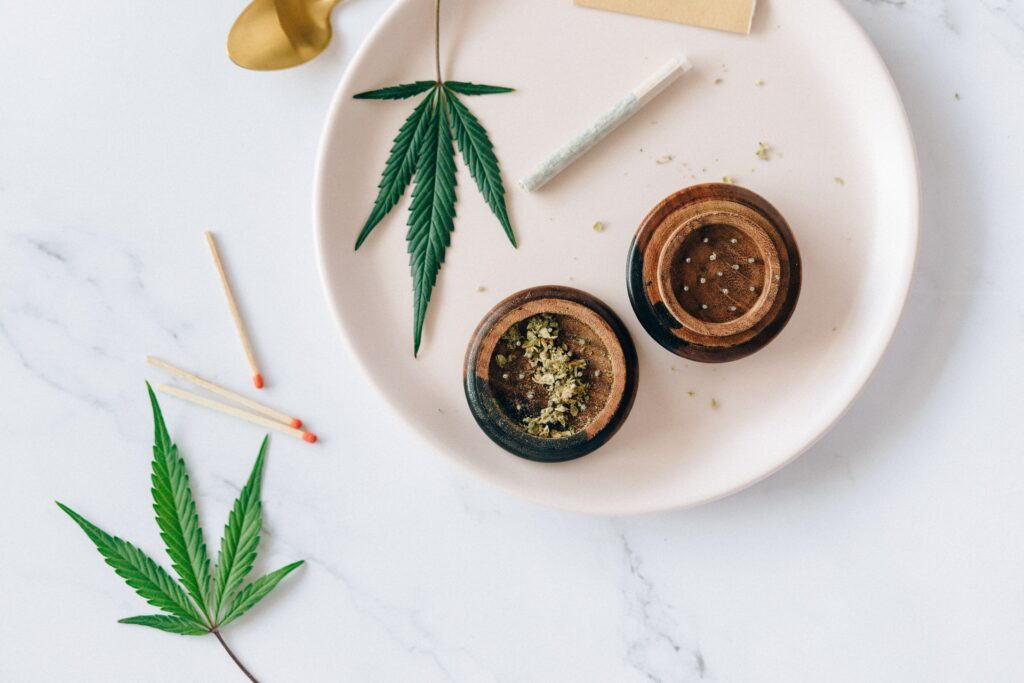
- Smoking (Joints, Pipes, Bongs):
- Bioavailability: ~30%.
- Process: Combustion releases cannabinoids into smoke, absorbed through the lungs into the bloodstream.
- Onset: 2–5 minutes.
- Duration: 2–4 hours.
- Effects: Quick onset of euphoria, relaxation, and sedation.
- Vaporization (Dry Herb Vaporizers):
- Bioavailability: ~40%.
- Process: Heats cannabis to 170–230°C, releasing cannabinoids without combustion.
- Onset: 3–5 minutes.
- Duration: 2–4 hours.
- Effects: Similar to smoking but smoother, with enhanced flavor and reduced respiratory irritation.
- Edibles (Cannabis-Infused Foods, Gummies):
- Bioavailability: ~5–15% (lower due to first-pass metabolism in the liver).
- Process: Cannabinoids are absorbed through the digestive system and metabolized into 11-hydroxy-THC, a more potent form of THC.
- Onset: 30–90 minutes.
- Duration: 4–8 hours (longer-lasting effects).
- Effects: Stronger body high, sedation, and euphoria, suitable for chronic pain and insomnia.
- Tinctures (Sublingual):
- Bioavailability: ~20–35%.
- Process: Placed under the tongue for absorption through mucous membranes.
- Onset: 15–30 minutes.
- Duration: 3–5 hours.
- Effects: Faster relief than edibles; balanced mind and body effects.
- Concentrates (Dabbing, Oils, Wax, Shatter):
- Bioavailability: ~50–80% (highly efficient).
- Process: Vaporized at high temperatures, delivering a concentrated dose of THC.
- Onset: 1–3 minutes.
- Duration: 2–4 hours.
- Effects: Intense, immediate effects suitable for high-tolerance users or severe medical conditions.
- Topicals (Creams, Salves):
- Bioavailability: Localized, minimal systemic absorption.
- Process: Applied to the skin for localized relief.
- Onset: 15–30 minutes.
- Duration: 2–6 hours.
- Effects: Reduces pain, inflammation, and muscle soreness without psychoactive effects.
2. Onset of Effects
The onset of effects depends on the method of ingestion and individual factors like metabolism and tolerance:
- Smoking/Vaporization: 2–5 minutes.
- Edibles: 30–90 minutes.
- Tinctures: 15–30 minutes.
- Concentrates/Dabbing: 1–3 minutes.
- Topicals: 15–30 minutes (localized effects only).
3. Duration of Effects
Duration varies depending on the method of ingestion:
- Smoking/Vaporization: 2–4 hours.
- Edibles: 4–8 hours.
- Tinctures: 3–5 hours.
- Concentrates/Dabbing: 2–4 hours.
- Topicals: 2–6 hours (localized effects).
4. Effects of Sticky Dickie
Sticky Dickie is a potent indica-dominant hybrid with high THC levels (22–30%). Its effects are primarily physical, with strong sedative and relaxing properties. Here’s a detailed breakdown:
- Euphoria:
- Sticky Dickie provides an initial burst of euphoria and mild mental uplift, helping to alleviate stress and anxiety.
- Ideal for evening relaxation without overstimulation.
- Deep Relaxation:
- As an indica-dominant strain, Sticky Dickie induces full-body relaxation.
- Muscles feel loose, and physical tension melts away, making it effective for chronic pain and muscle spasms.
- Sedation and Sleepiness:
- Higher doses produce strong sedative effects, often resulting in “couch-lock.”
- Beneficial for insomnia and sleep disorders.
- Appetite Stimulation:
- Users report experiencing intense hunger or “munchies,” which can aid patients dealing with appetite loss from chemotherapy or eating disorders.
- Mental Calmness:
- Sticky Dickie avoids cerebral overstimulation, making it suitable for individuals with anxiety or PTSD.
5. Scientific Basis for Effects
The effects of Sticky Dickie are attributed to its cannabinoid and terpene profile:
- THC: Activates CB1 receptors in the brain, inducing euphoria, relaxation, and appetite stimulation.
- Myrcene: Enhances sedative effects by modulating GABA-A receptors.
- Caryophyllene: Binds to CB2 receptors, reducing inflammation and pain.
- Limonene: Uplifts mood and counters stress.
- Pinene: Enhances focus and counteracts memory impairment.
Potential Side Effects
While Sticky Dickie is effective, its high potency can cause adverse effects, particularly in inexperienced users. Common side effects include:
- Dry Mouth (Cottonmouth)
- Stay hydrated before, during, and after consumption.
- Dry Eyes
- Applying lubricating eye drops can lessen pain.
- Dizziness or Lightheadedness
- May occur with excessive doses. Going slowly and starting low is advised.
- Anxiety and Paranoia
- High doses in sensitive users may exacerbate anxiety or cause paranoia.
- Couch-Lock
- Its sedative effects may cause immobility, which can be overwhelming for some users.
Consumption Methods
- Smoking:
- Offers the fastest onset and maximum flavor. Sticky Dickie is best smoked in joints or bowls.
- Vaporization:
- Provides a smoother experience while preserving terpenes. Ideal for users seeking a cleaner high.
- Edibles:
- Offers longer-lasting effects but slower onset. Sticky Dickie’s potency makes it suitable for infusions, particularly for chronic pain or sleep issues.
- Concentrates:
- Given its resin-rich buds, Sticky Dickie is ideal for producing extracts like wax, shatter, and live resin. This is especially favored by seasoned cannabis users.
Scientific Basis and Pharmacological Mechanism
Sticky Dickie’s medical and recreational effects are grounded in the endocannabinoid system (ECS), which isengaged in controlling inflammation, mood, sleep, and pain.
THC Interaction
- THC binds to CB1 receptors in the central nervous system, modulating the release of neurotransmitters like dopamine and glutamate.
- This interaction produces euphoria, pain relief, and sedation.
CBG and Caryophyllene
- CBG interacts with both CB1 and CB2 receptors, offering anti-inflammatory and neuroprotective effects.
- Caryophyllene, a unique terpene, binds directly to CB2 receptors, reducing inflammation and pain without producing psychoactive effects.
Myrcene and Sleep Regulation
- Myrcene enhances the sedative effects of THC by modulating GABA-A receptors, which are responsible for sleep regulation.
Cultivation Methods
Cultivating the Sticky Dickie strain requires precision and an understanding of its indica-dominant nature and resin-heavy production. Known for its dense, sticky trichomes and potent effects, Sticky Dickie thrives in controlled environments where growers can maximize resin output and yield. Below is a detailed breakdown of the scientific methods for cultivating Sticky Dickie:
1. Growing Environment
Sticky Dickie can be grown both indoors and outdoors, but indoor cultivation is preferred to optimize resin production and bud quality.
- Indoor Cultivation:
- Light Requirements: Use full-spectrum LED or HPS lamps.
- Light Cycle: 18/6 during the vegetative stage and 12/12 during the flowering stage.
- Temperature: Maintain between 21°C–25°C (70°F–78°F) during the day, with nighttime temperatures dropping by 5–10°F.
- Humidity:
- Vegetative Stage: Maintain 55–65% RH.
- Flowering Stage: Reduce humidity to 40–50% to prevent mold on sticky buds.
- Airflow: Ensure proper air circulation with oscillating fans and ventilation to avoid mold and improve CO₂ distribution.
- Light Requirements: Use full-spectrum LED or HPS lamps.
- Outdoor Cultivation:
- Climate: Sticky Dickie thrives in warm, Mediterranean climates.
- Temperature: Daytime temperatures of 70–80°F; nighttime above 60°F.
- Harvest Time: Mid-October when grown outdoors.
2. Soil and Nutrients
Proper soil composition and nutrient schedules are critical for maximizing Sticky Dickie’s resin production and yield.
- Soil:
- Use well-draining organic soil with a pH between 6.0–6.5.
- Add amendments like perlite, coco coir, and compost for aeration and nutrient retention.
- Nutrients:
- Vegetative Stage:
- High nitrogen (N) for leafy growth.
- Supplements: Calcium and magnesium for strong structure.
- Flowering Stage:
- Gradually reduce nitrogen and increase phosphorus (P) and potassium (K) for bud formation.
- Organic options like bat guano, fish emulsion, and molasses enhance terpene production.
- Feeding: Water only when the top 1–2 inches of soil are dry to avoid overwatering.
- Vegetative Stage:
3. Growth Stages and Plant Care
Sticky Dickie has specific needs during its growth cycle:
- Germination:
- Maintain temperatures of 75°F (24°C).
- Germinate seeds using a moist paper towel or plant directly into soil.
- Seedling Stage:
- Humidity: 60–70% RH.
- Light: 18 hours of light daily.
- Vegetative Stage:
- Light Cycle: 18/6.
- Perform Low-Stress Training (LST) to promote lateral growth and canopy coverage.
- Prune excess foliage for airflow and light penetration.
- Flowering Stage:
- Light Cycle: 12/12.
- Humidity: 40–50% RH to prevent mold.
- Monitor trichomes for ripeness (cloudy trichomes = peak THC levels).
- Harvesting:
- Harvest when 70–80% of trichomes are cloudy with amber hues for a sedative effect.
- Use sharp shears to preserve the sticky trichomes.
4. Training Techniques to Optimize Yield and Resin
Training methods can significantly enhance Sticky Dickie’s resin production and bud size:
- Low-Stress Training (LST): Bend branches gently to expose nodes to light.
- Screen of Green (SCROG): Train plants to grow through a horizontal screen for even canopy development.
- Defoliation: Eliminate extra fan leaves to increase airflow and light penetration.
- Super-Cropping: Bend strong stems slightly to boost nutrient flow to buds.
5. Pests and Diseases Management
Sticky buds are prone to mold and pests. Preventive care is critical:
- Common Pests:
- Spider Mites: Use neem oil or predatory insects like ladybugs.
- Fungus Gnats: Avoid overwatering and introduce sticky traps.
- Mold Prevention:
- Keep humidity low during flowering.
- Use dehumidifiers and improve air circulation with fans.
6. Yield Expectations
- Indoor Yield: 14–18 ounces per square meter.
- Outdoor Yield: 18–22 ounces per plant.
Implementing advanced training and nutrient techniques can increase resin production and total yield.
7. Curing for Maximum Potency
To preserve Sticky Dickie’s resin and enhance its potency:
- Drying:
- Hang buds upside down in a dark space at 60°F (15°C) with 50% RH.
- Dry for 7–10 days until stems snap cleanly.
- Curing:
- Place buds in airtight jars, opening them daily for 1–2 weeks.
- Cure for 3–4 weeks to enhance terpene profile and potency.
Conclusion
Sticky Dickie is a powerhouse indica-dominant hybrid that lives up to its reputation for delivering heavy relaxation, potent pain relief, and sedative effects. Its high THC content and rich terpene profile make it highly effective for medical applications like insomnia, chronic pain, and stress. Recreational users appreciate its deeply relaxing and euphoric high, making it perfect for evening or nighttime use.
While it is a favorite among experienced users, newcomers should approach it with caution due to its overwhelming potency. Whether enjoyed through smoking, vaping, or concentrates, Sticky Dickie is a strain that delivers on its sticky promise with a profoundly satisfying experience.
For a complete directory of cultivars, visit our Cannabis Strain Reviews.
