Table of Contents
Stephen Hawking Kush (SHK) is a unique high-CBD indica-dominant hybrid, bred for both therapeutic efficacy and functional tranquility. Named after the famed physicist Stephen Hawking, this strain embodies a cerebral calmness coupled with profound physical relief—ideal for medical users and those seeking a smooth, non-intoxicating cannabis experience.
Stephen Hawking Kush was developed by Alphakronik Genes, a breeder known for creating medical-grade strains with precise cannabinoid balances. It is part of their “CBD Project” aimed at developing strains rich in cannabidiol (CBD) with minimal psychoactivity.
- Parent strains:
- Harle-Tsu (high-CBD strain known for medicinal properties)
- Sin City Kush (adds mild indica influence and physical relief)
This genetic combination ensures Stephen Hawking Kush is rich in CBD—often ranging 12–20% CBD, with THC rarely exceeding 1–5%. This makes it one of the more functionally therapeutic strains, especially for patients needing symptom relief without psychoactive interference.
Morphology and Growth Characteristics
Stephen Hawking Kush exhibits traits typical of indica-dominant hybrids, with dense, bushy plants and broad leaves.
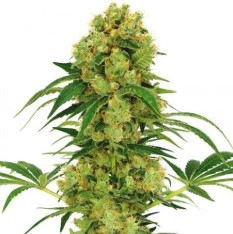
- Plant height: Short to medium (ideal for indoor grows)
- Leaf shape: Broad, dark green
- Bud structure: Compact, resinous, with hues of purple and orange pistils
- Flowering time: ~8–9 weeks
- Yield: Moderate to high (400–500 g/m² indoor)
- Climate preference: Cool to temperate; mold-resistant traits make it suitable for humid areas
Due to its balanced growth pattern and pest resilience, Stephen Hawking Kush is considered grower-friendly, making it attractive for home cultivators and therapeutic cultivators alike.
Cannabinoid Profile
Stephen Hawking Kush’s primary feature is its high CBD-to-THC ratio. Lab tests show the following cannabinoid concentrations:
| Cannabinoid | Typical Range |
|---|---|
| CBD | 12% – 20% |
| THC | 0.5% – 5% |
| CBG | 0.2% – 1% |
| CBC | ~0.1% |
Key features:
- CBD is the dominant cannabinoid, offering non-intoxicating medical effects.
- Low THC reduces risks of anxiety, paranoia, or cognitive impairment, even in THC-sensitive users.
- Often classified as Type III cannabis (CBD-dominant).
Terpene Profile and Aroma
Stephen Hawking Kush’s terpene profile contributes not just to its flavor and aroma but to its entourage effect—where cannabinoids and terpenes synergistically enhance medicinal efficacy.
Primary Terpenes:
- Myrcene: Sedative, muscle relaxant, analgesic
- Pinene: Bronchodilator, anti-inflammatory, cognition-enhancer
- Caryophyllene: Anti-inflammatory, interacts with CB2 receptors (non-psychoactive)
- Limonene: Uplifting mood, stress relief
Aroma & Flavor Notes:
- Earthy
- Berry-like sweetness
- Subtle mint or cherry undertones
- Mild kush spiciness
This aromatic profile complements its calming effects, reinforcing its utility for anxiety, stress, and chronic pain.
Medical Applications and Mechanisms
Stephen Hawking Kush (SHK) is a CBD-dominant, low-THC cultivar with a gentle terpene profile. This makes it uniquely suited for broad-spectrum therapeutic use without intoxication, which is especially important in pediatric, elderly, psychiatric, and functionally impaired populations.
Stephen Hawking Kush CBD: Scientific Medical Applications
Pharmacological Mechanisms of Action
Stephen Hawking Kush acts primarily through CBD (cannabidiol) and minor cannabinoid/terpene synergy.
CBD Mechanisms
CBD in Stephen Hawking Kush acts through:
- 5-HT1A receptor agonism → anxiolytic and antidepressant effect
- TRPV1 activation (vanilloid channel) → pain and inflammation control
- GPR55 antagonism → anti-seizure, anti-cancer, anti-inflammatory
- FAAH inhibition → boosts anandamide (endocannabinoid), improving mood and reducing pain
- CB2 receptor modulation → immune system regulation without intoxication
Entourage Effect
CBD works with Stephen Hawking Kush’s terpenes (e.g., myrcene, caryophyllene, pinene, limonene) to:
- Enhance blood-brain barrier permeability
- Broaden therapeutic targets
- Lower side-effect thresholds (e.g., sedation or GI upset)
Neurological and Neuropsychiatric Conditions

Epilepsy and Seizure Disorders
- CBD reduces neuronal hyperexcitability via GABA enhancement and TRPV1 desensitization.
- Mimics mechanisms seen in Epidiolex, an FDA-approved CBD treatment for:
- Lennox-Gastaut Syndrome
- Dravet Syndrome
- Tuberous sclerosis complex
- Stephen Hawking Kush’s low THC prevents THC-induced seizure aggravation or cognitive disruption.
Multiple Sclerosis (MS)
- CBD reduces spasticity and neuropathic pain.
- Stephen Hawking Kush’s caryophyllene binds to CB2, suppressing microglial activation—a key player in MS inflammation.
- Anecdotally reduces bladder dysfunction, sleep disturbances, and fatigue.
Parkinson’s Disease and ALS
- CBD may protect dopaminergic neurons via antioxidant and anti-inflammatory effects.
- Improves motor control, tremor, and REM sleep behavior disorder in Parkinson’s patients.
- In ALS, may reduce neuropathic pain, salivation, spasm frequency.
Autism Spectrum Disorders (ASD)
- CBD-rich strains like Stephen Hawking Kush are being trialed for:
- Reduction in aggression and hyperactivity
- Improved emotional regulation
- Decreased self-injurious behavior
- Likely via modulation of GABA/glutamate balance and serotonin receptor activity.
Psychiatric Applications
Generalized Anxiety Disorder (GAD), Panic Disorder, and PTSD
- CBD has been demonstrated in clinical trials to:
- Reduce limbic system hyperactivity
- Inhibit amygdala-driven fear processing
- Stephen Hawking Kush’s low THC eliminates risk of THC-induced paranoia or anxiety.
- Ideal for daytime anxiety control, especially in patients avoiding benzodiazepines.
Depression and Mood Dysregulation
- CBD indirectly boosts endogenous anandamide, enhancing CB1 activity in limbic regions.
- SHK’s limonene and myrcene increase serotonin and GABA tone, supporting mood stability.
- Unlike SSRIs, Stephen Hawking Kush has fast onset (hours vs weeks) and fewer side effects.
Schizophrenia and Bipolar Disorder
- CBD is non-psychotomimetic and counteracts THC-induced psychosis.
- Promising results show improvement in positive and negative symptoms of schizophrenia, with fewer extrapyramidal effects compared to antipsychotics.
Pain and Inflammation
Chronic Pain (Neuropathic, Inflammatory, Musculoskeletal)
- Stephen Hawking Kush engages TRPV1, glycine, and opioid-like systems, reducing:
- Sciatic nerve pain
- Fibromyalgia
- Myofascial pain
- CBD enhances descending inhibitory pain pathways, while caryophyllene interacts with CB2 on immune cells, reducing neuroinflammation.
Arthritis and Autoimmune Disorders
- Stephen Hawking Kush reduces cytokine storms via CB2 modulation (IL-1β, TNF-α, IL-6).
- Terpenes like caryophyllene and myrcene act as natural COX-2 inhibitors.
- Reported efficacy in:
- Rheumatoid arthritis
- Lupus (SLE)
- Psoriatic arthritis
Migraine and Cluster Headache
- Stephen Hawking Kush may reduce migraine frequency and intensity by:
- Stabilizing trigeminovascular system
- Inhibiting serotonin 5-HT2A and 5-HT3 pathways
- Anti-nausea properties help during acute migraine phases.
Gastrointestinal Disorders
Inflammatory Bowel Disease (IBD)
- Stephen Hawking Kush suppresses colonic inflammation via CB2 pathways and PPARγ nuclear receptor activation.
- Shown to reduce:
- Abdominal pain
- Diarrhea
- Inflammatory flares in Crohn’s and ulcerative colitis
Irritable Bowel Syndrome (IBS)
- CBD calms visceral hypersensitivity and motility dysfunction.
- May normalize serotonin 5-HT3 and 5-HT4 receptor activity in the gut lining.
- Pinene and limonene support gut anti-inflammatory homeostasis.
Nausea and Vomiting
- CBD suppresses nausea signals at the medulla oblongata.
- Limonene and low THC content enhance anti-emetic benefits without the risk of cyclic vomiting (seen with THC overuse).
Cancer-Related Symptom Management
Stephen Hawking Kush is not cytotoxic to cancer cells like high-THC strains but is highly useful for supportive care:
- Neuropathic pain from chemo/radiation
- Appetite stimulation without psychoactivity
- Anti-nausea through serotonin and CB1 pathways
- Sleep support via myrcene sedation
- Anxiety reduction before/after procedures
Note: CBD also reduces expression of P-glycoprotein, potentially enhancing chemotherapy efficacy—but this needs close monitoring.
Sleep Disorders
Insomnia and Sleep-Onset Issues
- Stephen Hawking Kush promotes sleep by:
- Enhancing adenosine signaling
- Reducing cortisol levels (stress hormone)
- Supporting GABAergic inhibition
REM Sleep Behavior Disorder
- Especially helpful in Parkinson’s patients, where Stephen Hawking Kush can reduce acting out dreams and vivid nightmares.
Circadian Rhythm Regulation
- CBD shows promise in modulating melatonin production and synchronizing sleep cycles, especially in shift workers or those with jet lag.
Metabolic and Systemic Conditions
Diabetes and Insulin Resistance
- CBD is anti-inflammatory and may reduce insulin resistance via:
- PPARγ activation
- Decreased adipokine (leptin/resistin) signaling
- Stephen Hawking Kush may assist in neuropathy and wound healing in diabetic patients.
Cardiovascular Benefits
- CBD may reduce vascular inflammation, hypertension, and endothelial dysfunction via:
- NO (nitric oxide) enhancement
- Inhibition of VCAM-1 and ICAM-1 (inflammatory adhesion molecules)
Addiction, Dependency, and Withdrawal
CBD-rich strains like Stephen Hawking Kush are ideal in harm reduction programs, addressing:
Opioid Use Disorder
- CBD decreases opioid cravings and withdrawal symptoms.
- May enhance endogenous opioid tone and stabilize mood without cross-dependence.
Alcohol and Nicotine Dependence
- Reduces impulsive behavior and dopamine spikes in the mesolimbic system.
- Supports abstinence through mood regulation and anxiety relief.
Pediatric, Geriatric, and Sensitive Populations
Pediatric Applications
- SHK can be safely used (under medical supervision) for:
- Intractable epilepsy
- Autism-related irritability
- Pediatric anxiety and sleep issues
- Lack of intoxication makes it preferred over THC-rich strains.
Geriatric Applications
- SHK is well-tolerated in older adults for:
- Chronic pain
- Sleep disturbances
- Neurodegeneration
- Reduces polypharmacy risks by replacing or reducing opioids, benzodiazepines, and sleep meds.
Recreational Use and Effects
Although SHK is not a “high” strain in the traditional sense, it appeals to recreational users seeking calm, clarity, and functional wellness.
Common Effects:
- Relaxed body sensation without couch-lock
- Clear-headed and mentally alert
- Slight uplifting mood or mellow euphoria
- Calming physical presence—like a “weighted blanket” effect
Ideal For:
- Creative focus without mental clouding
- Social settings for anxiety-prone individuals
- Post-exercise recovery or yoga/meditation
- “Sober high” or microdosing experience
Because of its low THC, SHK is suitable for first-time users, those sensitive to THC, or individuals needing cannabis without impairment.
Cultivation Notes
Genetic and Chemotypic Context
SHK is genetically bred for CBD dominance, making it a Type III chemotype (CBD-rich, low THC). To preserve this cannabinoid profile:
- Stabilized feminized seeds should be sourced from Alphakronik Genes or verified clones from high-CBD mother plants.
- Monitor phenotypic variation: some phenos may lean toward a slightly higher THC content (~5%), so regular cannabinoid testing is essential, especially in clinical grows.
Environmental Optimization
Light Spectrum and Intensity
- Vegetative stage: Use metal halide (MH) or full-spectrum LED at ~400–600 µmol/m²/s PPFD (Photosynthetic Photon Flux Density).
- Flowering stage: Use high-pressure sodium (HPS) or red-heavy LED (~600–1000 µmol/m²/s PPFD) for dense bud formation and trichome production.
- Optimal photoperiod:
- Veg: 18/6 (light/dark)
- Flower: 12/12 strict cycle to avoid re-vegetation or hermaphroditism
Tip: Light spectrum manipulation (UVB or Far-Red supplementation) in late flower can increase trichome density and terpene biosynthesis, potentially enhancing therapeutic potency.
Temperature & Humidity
- Vegetative Phase:
- Day temp: 22–26°C
- RH: 55–70%
- Flowering Phase:
- Day temp: 20–24°C
- RH: 45–55%
- Final 2 weeks (late flower):
- RH: 40–45%
- Temp: 18–22°C (cooler nights help bring out anthocyanin expression—purple hues)
VPD (Vapor Pressure Deficit) should be managed precisely, ideally between 0.8–1.2 kPa throughout growth. This maintains stomatal health, photosynthetic efficiency, and cannabinoid biosynthesis.
Medium and Nutrient Strategy
Growing Mediums
- Soil (organic):
- Enhances terpene complexity due to microbial symbiosis (mycorrhizae and rhizobacteria).
- Use living soil with worm castings, compost, bat guano, kelp meal.
- Coco coir/perlite mix:
- Offers hydroponic-like control with reduced risk of root-bound stress.
- Requires frequent watering (1–2x daily) with low EC nutrient solutions.
- Hydroponics (DWC or drip):
- Enables accelerated growth and precision feeding.
- Riskier for CBD strains due to sensitivity to pH and nutrient swings.
Nutrient Ratios (EC and pH)
- Veg stage:
- NPK: ~3-1-2
- EC: 1.0–1.4 mS/cm
- pH: 6.0–6.5 (soil), 5.8–6.2 (hydro/coco)
- Flowering stage:
- Early: 1-3-2
- Late: 0-3-3 (boost P and K for trichome formation)
- EC: 1.5–2.0 mS/cm
- pH: 6.0 (soil), 5.8 (hydro)
Micronutrients: Ensure availability of Mg, Ca, and sulfur, which are essential for cannabinoid biosynthesis and terpene sulfur-based compounds.
Avoid nitrogen excess during flower—it suppresses cannabinoid accumulation, especially CBD.
Stress Techniques for Cannabinoid Enhancement
Low Stress Training (LST)
- Encouraged due to SHK’s bushy indica morphology.
- Spreads light evenly, promotes even cannabinoid distribution.
- Combine with Screen of Green (ScrOG) for canopy optimization.
Defoliation
- Remove inner and lower fan leaves to enhance light penetration and airflow.
- Best done during week 2–3 of flower for optimal photosynthetic reallocation.
Environmental Stress
- Mild UVB exposure (~280–315 nm) during late flowering can upregulate CBDA synthase and terpene biosynthesis enzymes (e.g., TPS genes).
- Temperature drop during night can trigger stress-related anthocyanin and terpene expression, enhancing visual and aromatic quality.
Drought Stress Pre-Harvest (optional)
- Withhold watering for 1–2 days before harvest to concentrate cannabinoid content, though this must be done carefully to avoid root damage.
Harvest Timing for Maximum CBD
Harvest window is critical in CBD-dominant strains:
- Trichome monitoring (using a 60x microscope):
- CBD peaks when trichomes are mostly milky with a few clear—amber trichomes indicate cannabinoid degradation.
- Monitor CBDA to THCA ratios with lab testing if available.
- Harvest timing:
- ~56–63 days from flower initiation
- Indoor phenotypes often peak around day 60
Waiting too long can reduce CBD levels and increase CBN (a sedating degradation product), which may alter the desired therapeutic effect.
Post-Harvest: Drying, Curing, and Preservation
Drying
- Conditions:
- Temp: 18–21°C
- RH: 50–60%
- Duration: 7–10 days
- Dark room required to prevent UV degradation of CBD
Curing
- Use airtight glass jars, burped daily for 2 weeks, then weekly.
- Ideal cure length: 4–8 weeks
- Enhances terpene expression and smoothness, stabilizes moisture
Long-Term Storage
- Store in vacuum-sealed jars or mylar bags
- Keep in cool (16–20°C), dark space
- CBD is prone to oxidation—use Boveda humidity packs (58–62%) and nitrogen flushing if storing long term
Cultivation for Clinical or Commercial Use
For pharmaceutical or clinical-grade SHK cultivation:
- Lab testing every batch for:
- Cannabinoids: CBD, THC, CBG, CBC
- Terpenes
- Heavy metals
- Mycotoxins
- Pesticide residue
- Maintain GACP and GMP standards (Good Agricultural and Collection Practices; Good Manufacturing Practice)
- Use clonal propagation for chemovar consistency
Common Cultivation Challenges and Mitigation
| Challenge | Cause | Solution |
|---|---|---|
| Low CBD expression | Stress, poor genetics, late harvest | Use stabilized seeds, precise trichome timing |
| Mold/mildew | High RH during flower | Improve airflow, lower RH, defoliate |
| Nitrogen toxicity | Overfeeding in flower | Flush and reduce N in bloom nutes |
| Light burn | LEDs too close | Maintain proper canopy distance (~12–18″) |
| Terpene loss | Overdrying, excessive light during cure | Dry slow, cure in dark, seal well |
Cultivar Enhancements and Breeding Potential
SHK serves as a strong CBD-dominant donor for breeding projects. When crossed with other high-terpene strains (e.g., OG Kush, Blue Dream), it can introduce:
- Stability in CBD expression
- Increased mold resistance
- Shorter flowering time
- Indica structure suitable for dense cultivation
Traits are often partially dominant, especially for CBD-related enzymes like CBDAS (CBD synthase). Breeding with genotyped partners allows for development of new balanced or Type IV (CBG-rich) strains.
Summary: Scientific Guidelines for Cultivating SHK CBD
| Parameter | Optimal Value |
|---|---|
| Photoperiod | Veg: 18/6, Flower: 12/12 |
| Light Intensity (PPFD) | Veg: 400–600, Flower: 800–1000 µmol/m²/s |
| Temperature (Flowering) | 20–24°C daytime |
| RH (Late Flower) | 40–45% |
| Soil pH | 6.0–6.5 |
| EC Range | 1.0–2.0 mS/cm |
| Harvest Window | ~60 days from flip, milky trichomes |
| CBD Content Target | 15–20% |
| THC Content Limit | < 1–5% |
Scientific Mechanisms and Pharmacology
Cannabidiol (CBD) in SHK
CBD is non-psychoactive and acts on multiple pathways:
- Agonist at 5-HT1A (serotonin) – mood and anxiety
- Allosteric modulator at opioid and dopamine receptors – pain and addiction
- Antagonist at GPR55 – anti-cancer, anticonvulsant
- Modulates ECS indirectly by inhibiting FAAH, increasing anandamide levels
This pharmacology allows SHK to modulate neurotransmitter activity, immune function, and pain signaling.
Terpenes as Active Agents
- Myrcene: Increases cell permeability, enhancing cannabinoid uptake
- Caryophyllene: Binds to CB2, reducing inflammation without intoxication
- Pinene: Counters short-term memory loss from THC, improves airflow
- Limonene: Elevates mood, antimicrobial, enhances other terpenes’ effects
Together, these support multi-target symptom relief, reinforcing the entourage effect hypothesis.
Comparison to Similar Strains
| Strain | CBD:THC Ratio | Best For |
|---|---|---|
| Stephen Hawking Kush | 15:1 to 25:1 | Neurological, psychiatric, general wellness |
| ACDC | 20:1 | Inflammation, anxiety, pediatric epilepsy |
| Harlequin | 5:2 | Balanced relief with mild euphoria |
| Cannatonic | 1:1 to 5:1 | Mixed conditions; some mild psychoactivity |
SHK stands out for having slightly more physical sedation than ACDC or Harlequin, but with greater mental clarity than Cannatonic.
Who Should Consider SHK
Ideal User Profiles:
- Medical cannabis patients needing daily, non-impairing symptom relief
- Seniors or pediatric users (with medical guidance)
- Athletes or active individuals seeking recovery
- Mental health patients (anxiety, PTSD, depression)
- CBD enthusiasts desiring mild kush flavor with strong therapeutic output
Cautions:
- May be too sedating for morning use in low-energy users
- Not recommended for those seeking recreational euphoria
Future Research and Therapeutic Potential
SHK’s cannabinoid-terpene synergy opens pathways for novel treatment models in:
- Neurodegenerative diseases
- Opioid withdrawal protocols
- Chronic stress modulation
- Endocannabinoid tone regulation
As global cannabis research expands, SHK and other high-CBD chemovars are being studied for broad-spectrum pharmacological use, beyond isolated CBD therapies.
Conclusion
Stephen Hawking Kush CBD is a flagship strain for users seeking non-intoxicating, full-spectrum cannabis relief. With a high-CBD, low-THC profile, a complex terpene matrix, and therapeutic versatility, SHK shines as a modern medical strain suitable for a variety of conditions. Its gentle relaxation and mental clarity also make it a favorite among wellness users and functional cannabis enthusiasts.
Whether for chronic illness, mental health, or daily balance, SHK represents a sophisticated evolution in cannabinoid therapy—backed by science, favored by patients, and cultivated with purpose.
For a complete directory of cultivars, visit our Cannabis Strain Reviews.
