Table of Contents
Stardawg (also spelled Star Dawg) is a potent hybrid cannabis strain that has gained widespread popularity among both medical and recreational users. It is a descendant of Chemdawg 4 and Tres Dawg, both genetically rich and powerfully expressive strains. This genetic backbone endows Stardawg with high THC content, strong psychoactive effects, and a distinctly pungent aroma that combines diesel fuel, earthiness, and skunk.
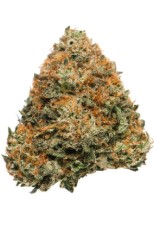
- Type: Balanced hybrid (leaning slightly Sativa-dominant)
- Parent strains: Chemdawg 4 x Tres Dawg
- THC: 18–25% (sometimes up to 28%)
- CBD: <1%
- Dominant terpenes: Myrcene, Limonene, Caryophyllene
Morphology and Cultivation
Growth Characteristics
Stardawg is resilient and robust, ideal for growers seeking potency and yield. It thrives in both indoor and outdoor environments and responds well to advanced growing techniques like SCROG (Screen of Green) and topping.
- Flowering time: 8–10 weeks
- Yield: Moderate to high
- Plant height: Medium to tall
- Climate: Prefers dry and warm climates
Bud Structure
The flowers of Stardawg are dense and resinous, with a heavy trichome coating that makes the buds sparkle. The nugs are typically light green with orange hairs and a frosty appearance due to high cannabinoid content.
Terpene and Cannabinoid Profile
Primary Cannabinoids
- Δ9-Tetrahydrocannabinol (THC): Ranges from 18% to over 25%, responsible for strong psychoactive effects, euphoria, and analgesia.
- Cannabidiol (CBD): Less than 1%, hence not suitable as a primary CBD treatment.
- Cannabinol (CBN) and Cannabigerol (CBG) may be present in trace amounts, contributing subtle therapeutic benefits.
Key Terpenes and Their Effects
- Myrcene:
- Effects: Sedative, muscle relaxant, enhances THC transport across the blood-brain barrier.
- Aroma: Earthy, musky, slightly sweet.
- Limonene:
- Effects: Uplifting, anxiolytic, mood-enhancing.
- Aroma: Citrusy, lemon-like.
- Caryophyllene:
- Effects: Anti-inflammatory, interacts with CB2 receptors.
- Aroma: Spicy, peppery.
These terpenes work synergistically through the entourage effect to enhance Stardawg’s medical and recreational efficacy.
Medical Applications
Pharmacological Foundation: Phytochemical Profile

Cannabinoids
- THC (Δ9-tetrahydrocannabinol): 18–26% – primary psychoactive compound, analgesic, antiemetic, neuroprotective.
- CBD (cannabidiol): <1% – low concentration, but contributes to modulation of THC effects.
- CBG (cannabigerol) and CBN (cannabinol): present in trace amounts, potentially contributing to anti-inflammatory and sedative properties.
Terpenes
Stardawg’s medical efficacy is amplified by its terpene profile, which engages in the entourage effect, enhancing or modulating cannabinoid activity.
| Terpene | Function | Relevant Medical Impact |
|---|---|---|
| Myrcene | Sedative, muscle relaxant, enhances THC transport across blood-brain barrier | Pain relief, sleep induction |
| Limonene | Anxiolytic, antidepressant, immune-boosting | Mood disorders, stress |
| Caryophyllene | Binds to CB2 receptors (non-psychoactive) | Anti-inflammatory, neuropathic pain relief |
Nervous System & Mental Health Applications
Depression
- Mechanism: THC elevates dopamine levels in the mesolimbic reward pathway. Limonene enhances serotonergic transmission.
- Use case: Short-term relief for mild to moderate depression. It stimulates motivation and improves affect.
- Scientific support: Preclinical studies show that limonene and THC can modulate mood via monoaminergic systems. Some human trials link cannabis to improved depression scores in select patients.
Anxiety
- Dual nature: Low doses may reduce anxiety via limbic system modulation; high doses can trigger anxiogenesis in sensitive individuals.
- Role of Caryophyllene: CB2 activation reduces neuroinflammation, which is implicated in chronic anxiety.
- Dosing note: Anxiolytic effect is dose-dependent and person-specific. Microdosing is key for therapeutic benefit.
PTSD (Post-Traumatic Stress Disorder)
- Mechanism: THC reduces amygdala hyperactivity, which is responsible for fear and memory reconsolidation.
- Supporting evidence: Veterans have reported decreased intrusive memories and improved sleep using high-THC strains like Stardawg.
- Limonene + THC synergy: Reduces hypervigilance and improves resilience to stress triggers.
ADHD
- Dopamine modulation: THC can transiently improve executive function and attention span.
- Sativa-leaning phenotype: Offers mental clarity and stimulation, potentially aiding focus in short bursts.
Pain and Inflammation
Chronic and Neuropathic Pain
- CB1-mediated effects: THC binds to CB1 receptors in the spinal cord and brain, modulating pain signaling.
- CB2 and caryophyllene: Direct anti-inflammatory and immune cell interaction, useful in conditions like fibromyalgia and arthritis.
- Myrcene: Synergizes with THC to prolong the analgesic window and reduce the pain threshold.
Migraine and Cluster Headaches
- Mechanism: THC inhibits CGRP (calcitonin gene-related peptide) release and promotes vasodilation, which eases migraine onset.
- Clinical reports: Users describe reduced severity and frequency of attacks, particularly with fast-onset delivery (inhalation).
Gastrointestinal and Appetite Disorders
Nausea and Vomiting
- Antiemetic pathways: THC acts on 5-HT3 receptors and cannabinoid receptors in the dorsal vagal complex.
- Clinical support: Effective adjunct for chemotherapy-induced nausea and vomiting (CINV) where traditional antiemetics fall short.
Appetite Stimulation (Cachexia, Anorexia)
- THC directly stimulates ghrelin release and hypothalamic hunger centers.
- Stardawg’s terpene profile enhances the appetite-inducing “munchies” effect, useful in:
- HIV/AIDS
- Cancer cachexia
- Eating disorders
Sleep and Circadian Rhythm Regulation
Sleep Disorders (Insomnia)
- While not as sedating as pure indicas, Stardawg’s myrcene and THC work synergistically to:
- Shorten sleep latency
- Increase deep sleep stages (NREM)
- At moderate doses, it can assist in stress-related insomnia without causing next-day grogginess.
Sleep Apnea
- Animal models show that cannabinoids may reduce apnea episodes via serotoninergic and upper airway muscle modulation.
- Human evidence is limited but growing.
Neurological Disorders
Multiple Sclerosis (MS)
- THC and caryophyllene act on spasticity and neuroinflammation.
- Stardawg can:
- Reduce muscle spasms
- Improve pain tolerance
- Aid in bladder control
Parkinson’s Disease
- Though not curative, THC may:
- Alleviate tremor and rigidity
- Improve sleep and mood
- Reduce levodopa-induced dyskinesia
Care must be taken due to potential cognitive or balance effects at high doses.
Immune and Inflammatory Conditions
Autoimmune Conditions
- CB2 activation by caryophyllene modulates immune cells (T cells, microglia).
- Could help in:
- Rheumatoid arthritis
- Lupus
- IBD (Inflammatory Bowel Disease)
Inflammation-Driven Pain
- COX-2 enzyme inhibition by cannabinoids and terpenes provides NSAID-like action without gastrointestinal toxicity.
Oncology Support
Adjunct for Chemotherapy
- Manages nausea, loss of appetite, chemo pain, and fatigue.
- Neuroprotective action: Animal studies suggest cannabinoids may protect against chemo-induced neuropathy.
Tumor Biology (Preclinical)
- THC and CBD have demonstrated pro-apoptotic and anti-angiogenic effects in vitro on certain cancer cells.
- Though Stardawg is low in CBD, high THC strains may contribute to adjunct tumor-suppressive pathways (especially via CB1-dependent mechanisms).
Dermatological and Skin Health
- Topical cannabinoid use (e.g., extracts of Stardawg) could aid in conditions like:
- Psoriasis
- Eczema
- Acne (via sebum modulation)
THC is lipophilic and penetrates the dermal barrier when properly formulated, reducing inflammation and itch.
Risks, Contraindications, and Dosing Considerations
THC Sensitivity
- Not suitable as a first-line therapy for THC-naïve patients with anxiety or psychosis risks.
- Low-dose titration advised: starting at 2.5 mg THC with observation of effects.
Drug Interactions
- THC and CBD inhibit cytochrome P450 enzymes, potentially altering metabolism of:
- Antidepressants (SSRIs, tricyclics)
- Antiepileptics
- Warfarin
- Chemotherapeutics
Always consult with a medical provider when using alongside prescribed medications.
Delivery Methods for Medical Use
| Method | Onset | Duration | Use Case |
|---|---|---|---|
| Inhalation (vape/smoke) | 2–10 mins | 2–4 hrs | Rapid relief (pain, nausea, anxiety) |
| Tinctures (sublingual) | 15–30 mins | 4–6 hrs | Moderate, controlled dosing |
| Edibles | 30–90 mins | 6–8 hrs | Chronic symptoms, appetite, sleep |
| Topicals | Local only | Local only | Muscle, skin inflammation |
| Suppositories | 15–30 mins | 4–6 hrs | GI, pelvic, or systemic effects with reduced psychoactivity |
Summary of Clinical Targets for Stardawg
| Condition | Mechanism of Action | Key Components |
|---|---|---|
| Depression | Dopamine/serotonin modulation | THC, Limonene |
| Anxiety (low dose) | CB1 regulation, GABA/serotonin | Caryophyllene, Limonene |
| Chronic pain | CB1/CB2 interaction, prostaglandin inhibition | THC, Myrcene |
| Appetite loss | Hypothalamic stimulation | THC |
| PTSD | Amygdala regulation, memory dampening | THC, Limonene |
| Inflammation | NF-κB inhibition, CB2 activation | Caryophyllene |
| Nausea | 5-HT3 inhibition | THC |
| Spasticity (MS, ALS) | Motor neuron modulation | THC, Myrcene |
Recreational Uses and Subjective Effects
Stardawg is prized recreationally for its intense and varied psychoactive profile. Its effects are generally uplifting and invigorating at onset, followed by body relaxation. Common user experiences include:
Initial Effects (First 10–30 Minutes)
- Euphoria and uplifted mood
- Increase in sociability and talkativeness
- Creative stimulation and focus
- Sensory enhancement (colors, music, taste)
Peak Effects (30–90 Minutes)
- Deep mental stimulation or introspection
- Heightened awareness
- Body relaxation without couch-lock
Come-down Phase (90–180 Minutes)
- Relaxed or sleepy
- Mild fatigue
- Hunger (munchies)
These effects make it suitable for both social use and solo creative projects, as well as evening wind-downs depending on dosage.
Pharmacological Mechanisms
THC Binding to Cannabinoid Receptors
- CB1 Receptor: Located primarily in the brain; responsible for euphoric, analgesic, and psychoactive effects.
- CB2 Receptor: Found mostly in the immune system; involved in anti-inflammatory responses.
THC in Stardawg binds primarily to CB1 receptors, influencing memory, mood, pain perception, and appetite.
Entourage Effect
The terpenes in Stardawg modify and often enhance THC’s pharmacological impact:
- Myrcene facilitates faster THC crossing into the brain.
- Limonene may mitigate THC-induced anxiety.
- Caryophyllene can add anti-inflammatory support via CB2 interaction.
Dopaminergic and Serotonergic Effects
THC increases dopamine release in the mesolimbic system, contributing to reward and pleasure. Stardawg’s limonene may also have serotonergic activity, which can further elevate mood and reduce depressive symptoms.
Side Effects and Contraindications
Like any high-THC strain, Stardawg may cause side effects, especially in inexperienced users or those with THC sensitivity.
Common Side Effects
- Dry mouth (xerostomia)
- Dry/red eyes
- Paranoia or anxiety (at high doses)
- Dizziness or lightheadedness
Less Common Risks
- Increased heart rate (tachycardia)
- Short-term memory impairment
- Rarely: panic attacks
Who Should Avoid or Use With Caution
- Individuals with a history of psychotic disorders (e.g., schizophrenia)
- Patients with cardiovascular issues
- THC-naïve users should start at low doses (e.g., 2.5 mg THC)
Dosage and Consumption Methods
Recommended Dosage Guidelines
- Microdose (1–2 mg THC): Slight mood enhancement, minimal psychoactivity
- Low dose (3–7 mg THC): Functional high, focus, mild euphoria
- Moderate dose (8–15 mg THC): Strong effects, suitable for recreational and medical users
- High dose (>15 mg THC): Very intense, recommended only for experienced users
Methods of Consumption
- Smoking: Fast onset (~2–5 minutes), shorter duration (~2–3 hours)
- Vaping: Cleaner delivery of cannabinoids and terpenes
- Edibles: Delayed onset (30–90 minutes), long-lasting effects (4–8 hours)
- Tinctures: Controlled dosing, sublingual onset (~15–30 minutes)
Cultivar Variations and Phenotypes
Genetic Stability and Phenotype Expression
Stardawg, as a hybrid of Chemdawg 4 and Tres Dawg, exhibits relatively stable genetics but has notable phenotypic variability depending on environmental and epigenetic factors. Most growers note at least three common phenotypes: one more Sativa-dominant and tall; another short, bushy, and Indica-leaning; and a third with extreme resin production and diesel aroma.
Key factors affecting phenotype expression:
- Light spectrum: Blue light enhances Sativa traits (stretch), while red light promotes bushier growth.
- Stress level: LST (low-stress training) favors terpene and trichome expression without compromising yield.
- Temperature and humidity shifts: Can activate or suppress secondary metabolite production (e.g., terpenes like limonene and caryophyllene).
Environmental Parameters (Indoor and Outdoor)
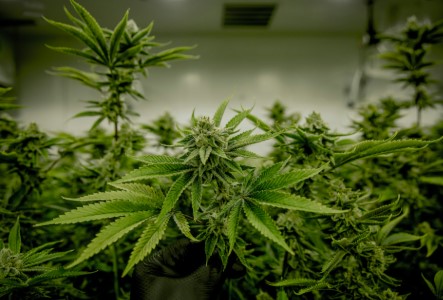
Photoperiod
- Vegetative Stage: 18/6 or 20/4 light/dark cycle
- Flowering Stage: 12/12 light/dark to trigger reproductive phase
Stardawg requires consistent darkness during the flowering phase to prevent re-veg and hormonal imbalances.
Temperature
- Vegetative phase: 22–28°C (72–82°F)
- Flowering phase: 20–26°C (68–79°F)
- Night differential: 5–7°C lower at night promotes anthocyanin and terpene expression.
Humidity
- Seedling: 70–80% RH
- Veg: 55–70% RH
- Flower: 40–50% RH (critical to prevent botrytis)
- Late flower: 30–40% RH to maximize resin and trichome production
CO₂ Enrichment
- Optimal CO₂ levels: 1000–1200 ppm during light cycle
- Enhances photosynthesis (via Rubisco enzyme activity) and increases biomass and cannabinoid yield by 15–25% under high-intensity lighting.
Nutrient Management
Macronutrient Requirements
- Nitrogen (N): High in vegetative stage for chlorophyll synthesis
- Phosphorus (P): Increased during early flower to support energy transfer and root expansion
- Potassium (K): Elevated during mid-to-late flower for bud density and terpene synthesis
Ideal NPK ratios:
- Veg: 3-1-2
- Early flower: 1-3-2
- Late flower: 0-3-3
Micronutrients
Stardawg is sensitive to deficiencies of:
- Calcium (Ca): Needed for cell wall strength; deficiency shows as necrotic spotting.
- Magnesium (Mg): Critical for chlorophyll; deficiency causes interveinal chlorosis.
- Sulfur (S) and Zinc (Zn): Necessary for terpene biosynthesis pathways.
pH Range
- Soil: 6.0–6.8
- Coco/hydroponics: 5.5–6.2
Proper pH ensures ionic availability of all essential nutrients and prevents lockout.
Soil and Medium Recommendations
- Soil: Rich, aerated loam with high organic content; mycorrhizal inoculation enhances nutrient uptake and terpene profiles.
- Coco Coir: Offers great oxygenation and control; pair with cal-mag supplementation.
- Hydroponics: Rapid growth and high yield potential, but requires constant pH/EC monitoring.
Optimal EC (electrical conductivity):
- Veg: 1.2–1.6 mS/cm
- Flower: 1.8–2.2 mS/cm
Training Techniques for Yield and Potency
Stardawg responds well to advanced training and pruning due to its structural flexibility and apical dominance.
Low-Stress Training (LST)
- Bending stems to create an even canopy
- Increases light penetration and lateral bud development
- Enhances terpene and cannabinoid density
Topping and FIMing
- Redirects hormonal (auxin) flow from the apical meristem to lateral branches
- Results in multiple colas and improved structural support
SCROG (Screen of Green)
- Perfect for optimizing productivity in cramped indoor areas
- Prevents overcrowding and enhances airflow to avoid mold
Defoliation
- Removing large fan leaves that block light from bud sites
- Should be done strategically during week 2–3 of flowering to avoid stress
Flowering and Harvest Timing
- Indoor flowering period: 8–10 weeks depending on phenotype
- Outdoor harvest: Mid to late October in northern hemisphere climates
Trichome-based harvest timing:
- Milky trichomes: Peak THC, more energetic high
- Amber trichomes: More CBN, sedative effect
- 10–20% amber is a common standard for balanced Stardawg expression
Pest and Disease Resistance
Stardawg is moderately resistant to:
- Powdery mildew
- Botrytis (bud rot)
- Spider mites (especially under low humidity)
Integrated Pest Management (IPM):
- Regular neem oil or potassium bicarbonate foliar sprays in veg
- Companion planting (e.g., basil, marigold) outdoors to deter pests
- Beneficial insects (e.g., Phytoseiulus persimilis for mites)
Post-Harvest: Curing and Storage
Proper curing maximizes terpene retention and enhances cannabinoid bioavailability.
Drying Conditions
- Temp: 18–21°C (65–70°F)
- RH: 50–60%
- Duration: 7–14 days
Curing
- Airtight glass jars (burped daily for the first 2 weeks)
- RH maintained at ~62% using Boveda packs or equivalent
- Curing time: 4–8 weeks minimum, longer for terpene evolution
Final Yields and Potency Optimization
With proper care, Stardawg can yield:
- Indoor: 400–600 g/m²
- Outdoor: 500–700+ g/plant in ideal conditions
Potency enhancement tips:
Flushing with clean water (or light enzymes) during final 10–14 days removes nutrient residue, improving smoke quality
Add UVB lighting in final weeks to stimulate THC production via trichome response to stress
Use carbohydrate and terpene-boosting organic supplements (e.g., molasses, kelp extracts)
Laboratory Data and Scientific Insights
Cannabinoid Testing
Independent lab analyses of Stardawg consistently show:
- THC: 20–26%
- CBD: 0.1–0.5%
- CBG: ~0.3%
- Terpene content: 1.5–3.2% by dry weight
Pharmacokinetics
- Onset (smoked/vaped): 2–5 minutes
- Duration: 2–4 hours (inhaled), up to 8 hours (edibles)
- Peak effects: 30–90 minutes post-consumption
Toxicology and Safety
No known toxic levels of THC in humans, but excessive intake can cause panic attacks and acute psychosis in vulnerable individuals. Regular high-dose use may downregulate CB1 receptors, contributing to tolerance.
Comparisons with Similar Strains
| Strain | Similarity | Difference |
|---|---|---|
| Chemdawg | Same parent, pungent aroma | More sedating and cerebral |
| Gorilla Glue #4 | High THC, relaxing | Heavier body high, more sedative |
| Sour Diesel | Uplifting, diesel notes | More energizing, less earthy |
| OG Kush | Potent hybrid | Kushy, less mentally stimulating |
Conclusion: Who is Stardawg Best For?
Stardawg is a powerhouse hybrid offering diverse benefits. It is particularly effective for:
- Patients needing daytime energy with therapeutic relief
- Recreational users seeking a creative, euphoric high
- Growers looking for robust plants with heavy trichome production
However, those prone to anxiety or paranoia should approach with caution. Its high THC levels and complex terpene interactions make it better suited for intermediate to experienced users.
For a complete directory of cultivars, visit our Cannabis Strain Reviews.
