Table of Contents
StarBud is a renowned indica-dominant hybrid cannabis strain developed by HortiLab Seeds, a breeder celebrated for creating award-winning genetics. This strain is recognized primarily for its intensely sedative effects, unique terpene profile, and aesthetic appeal. StarBud gained fame after winning 1st Place in the Indica category at the 2009 High Times Cannabis Cup, cementing its position among elite indica strains.
Genetics and Lineage
The origins of StarBud are shrouded in mystery, as breeders have chosen to keep its parentage confidential. It is speculated that StarBud descends from clones sourced from the Midwest United States, renowned for robust genetics and potency. This enigmatic lineage contributes to its intrigue and popularity within the cannabis community.
- Type: Indica-dominant hybrid
- Genetics: Undisclosed (Midwestern origins suspected)
- Breeder: HortiLab Seeds
Cannabinoid and Terpene Profiles
Cannabinoids
StarBud has a THC content ranging from 14% to 20%, delivering a balanced experience for intermediate and advanced users. Its CBD levels are typically low (<1%), which enhances its psychoactive properties but limits its use as a high-CBD therapeutic strain.
Terpenes
The terpene profile is robust, contributing to both its medicinal properties and unique flavor. The following terpenes dominate:
- Myrcene: Known for its sedative and anti-inflammatory properties, this terpene underscores StarBud’s calming effects.
- Caryophyllene: A peppery terpene with potential anti-anxiety and pain-relief effects.
- Limonene: Bright citrus notes that may elevate mood and provide stress relief.
- Humulene: Offers anti-inflammatory benefits and contributes to its earthy aroma.
- Pinene: Known for promoting alertness and respiratory health, counteracting some sedative effects.
Physical Characteristics
StarBud’s aesthetic appeal is a defining trait:
- Bud Structure: Dense, spade-shaped buds.
- Coloration: Dark olive-green with interspersed orange pistils.
- Trichomes: A thick coating of amber and gold trichomes gives it a glimmering, star-like appearance.
Flavor and Aroma Profile
Aroma
- Sweet and earthy, with hints of hash and pepper.
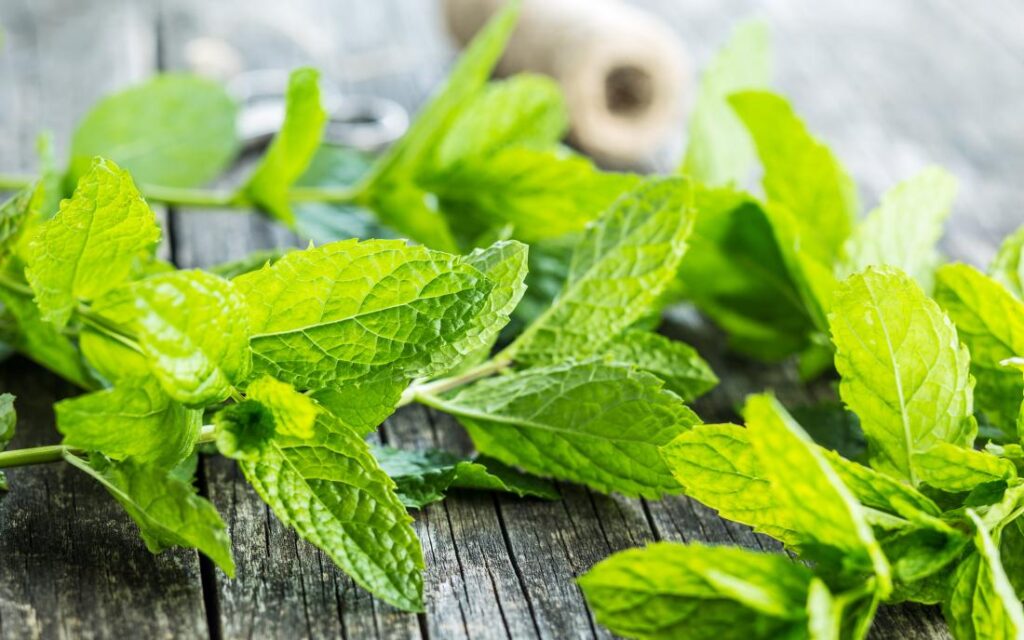
- Underlying notes of spice, menthol, and herbs.
Flavor
- Sweet, dank hash with a peppery and chemical finish.
- Subtle herbal undertones, creating a layered, complex taste experience.
Effects
As a true indica-dominant strain, StarBud is prized for its ability to calm both body and mind. Effects are described as follows:
- Euphoria: An initial wave of mild mental upliftment.
- Relaxation: Transition into a full-body high, characterized by a sense of calm and heaviness.
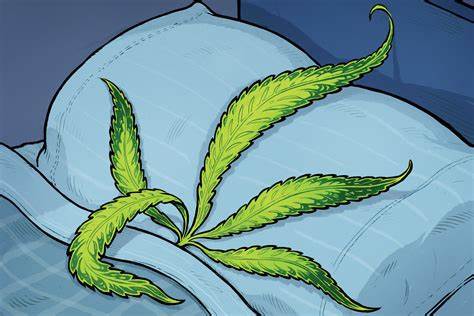
- Sedation: A tranquilizing effect that often leads to couch-lock or sleep.
Ideal Usage Times
- Ideal for usage at night or in the evening.
- Avoided during work hours or tasks requiring alertness.
Medical Benefits
The therapeutic potential of StarBud is vast, addressing multiple conditions. The strain’s interaction with the endocannabinoid system (ECS) underpins these benefits:

1. Sleep Disorders
- Indication: Insomnia and restless sleep.
- Mechanism: High THC and myrcene content induce sleep by reducing REM latency and promoting deep sleep cycles.
2. Chronic Pain
- Indication: Neuropathic pain, arthritis, fibromyalgia.
- Mechanism: THC and caryophyllene modulate the ECS, reducing inflammatory responses and dampening pain signaling.
3. Anxiety and Stress
- Indication: Generalized Anxiety Disorder (GAD), social anxiety, acute stress.
- Mechanism: Limonene and myrcene synergize to promote relaxation and counteract cortisol spikes.
4. Muscle Spasms and Tremors
- Indication: Multiple sclerosis (MS), Parkinson’s tremors.
- Mechanism: THC acts as a muscle relaxant, while terpenes like pinene stabilize neuromuscular activity.
5. Appetite Stimulation
- Indication: Loss of appetite due to chemotherapy or chronic illnesses.
- Mechanism: THC increases ghrelin secretion, enhancing hunger signals.
6. Migraines
- Indication: Acute and chronic migraines.
- Mechanism: Pinene and caryophyllene reduce inflammation and modulate pain pathways.
Recreational Uses
Recreational users gravitate toward StarBud for its powerful calming effects. Whether it’s unwinding after a hectic day or enhancing leisure activities, its applications are diverse:
- Relaxation: A go-to strain for decompressing after work or during a quiet evening.
- Social Settings: While calming, it can promote mild euphoria and ease social interactions in moderate doses.
- Sleep Aid: Used as a pre-sleep strain to ensure a restful night.
Potential Side Effects
While StarBud offers many benefits, it can also cause adverse effects, especially when consumed in high doses:
- Dry Mouth (Cottonmouth): A common THC-related side effect mitigated by staying hydrated.
- Dry Eyes: Often addressed with artificial tears.
- Dizziness: especially in first-time users or those with THC sensitivity.
- Paranoia or Anxiety: Rare but possible, especially with overconsumption.
Cultivation of StarBud Cannabis Strain
Cultivating StarBud, like any high-quality cannabis strain, requires attention to environmental parameters, plant biology, and horticultural techniques. Here’s a comprehensive guide with scientific detail regarding the methods and principles for cultivating StarBud successfully.
1. Basic Growing Characteristics
- Strain Type: Indica-dominant hybrid.
- Growing Difficulty: Moderate (suitable for intermediate growers).
- Growth Style: Bushy and compact, with a medium height.
- Yield: High, with optimal conditions producing up to 18 ounces per plant.
- Flowering Time:
- Indoors: 8–9 weeks.
- Outdoors: Harvest in mid to late October.
2. Environmental Conditions
Temperature
- Optimal Range:
- Vegetative Stage: 70–85°F (21–29°C).
- Flowering Stage: 65–80°F (18–26°C).
- Impact of Temperature Extremes:
- Temperatures below 60°F (15°C) slow metabolic processes.
- Temperatures above 85°F (29°C) risk heat stress, reducing yield.
Humidity
- Seedling Stage: 65–70% relative humidity (RH).
- Vegetative Stage: 50–70% RH.
- Flowering Stage: 40–50% RH to prevent mold and mildew on dense buds.
Lighting
- StarBud thrives under a range of lighting conditions depending on the growth stage:
- Seedling/Vegetative Stage: 18–24 hours of light daily (photoperiodic).
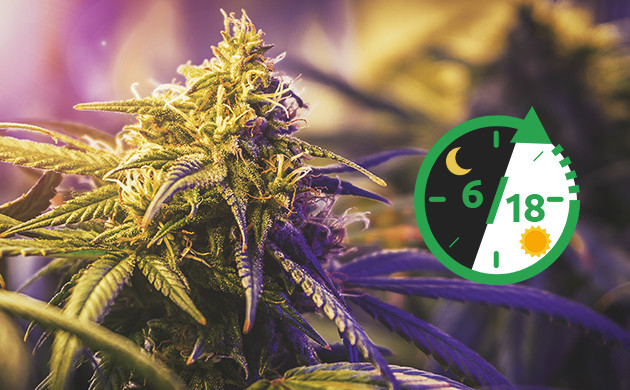
- Flowering Stage: Flowering is triggered by 12 hours of light and 12 hours of darkness.
- Recommended light sources include LEDs or HPS (High-Pressure Sodium) lamps, with a spectrum emphasizing red light during flowering.
3. Soil and Mediums
Soil Growing
- StarBud prefers nutrient-rich organic soil with good drainage and aeration. Use a mix enriched with:
- Nitrogen (N): For vigorous vegetative growth.
- Phosphorus (P): For root and flower development.
- Potassium (K): For overall plant health and resistance to stress.
- pH Range: Maintain between 6.0 and 7.0 for optimal nutrient uptake.
Soilless Mediums
- Coco Coir or Hydroponics: Promotes faster growth by delivering oxygen and nutrients directly to the roots.
- pH Range: 5.5–6.5, slightly more acidic than soil.
Nutrient Delivery
- Seedling Stage: Low nitrogen, moderate phosphorus.
- Vegetative Stage: High nitrogen, moderate potassium and phosphorus.
- Flowering Stage: Low nitrogen, high phosphorus and potassium for dense, resinous buds.
4. Watering Techniques
- Irrigation Frequency:
- Seedlings: Small, frequent waterings.
- Mature Plants: Water deeply but less often.
- Overwatering Risks: StarBud’s roots are susceptible to rot; ensure pots have proper drainage.
- Water pH: Maintain a pH of 6.0–6.5 for soil, or 5.5–6.0 for hydroponic systems.
5. Pruning and Training
Pruning
- Why It’s Important: Pruning improves airflow, reduces mold risk, and directs the plant’s energy toward primary bud sites.
- When to Prune:
- Early Vegetative Stage: Remove lower leaves or small branches.
- Avoid heavy pruning in the flowering stage, as it may stress the plant.
Training Techniques
- Low-Stress Training (LST):
- Bending and tying down branches to maximize light exposure and encourage an even canopy.
- Screen of Green (ScrOG):
- Use a mesh screen to spread StarBud’s bushy structure horizontally, increasing light penetration to lower buds.
- Topping:
- Cutting the main stem’s tip during early vegetative growth to promote bushiness and multiple colas.
6. Pest and Disease Management
Common Pests
- Spider Mites: Thrive in warm, dry conditions; controlled with neem oil or predatory insects (e.g., ladybugs).
- Aphids: Can weaken plants by sucking sap; use insecticidal soap or biological controls.
- Fungus Gnats: Common in overwatered soil; treat with sticky traps and dry the soil surface.
Common Diseases
- Powdery Mildew:
- Prevention: Maintain low humidity and proper airflow.
- Treatment: Use sulfur-based fungicides or organic solutions like diluted hydrogen peroxide.
- Bud Rot (Botrytis):
- A significant concern for dense strains like StarBud.
- Prevention: Keep humidity under 50% during flowering and inspect buds regularly.
- Root Rot:
- Avoid overwatering and ensure soil or medium has adequate drainage.
7. Flowering Stage and Trichome Development
Flowering Conditions
- Light Cycle: StarBud is photoperiodic, requiring a strict 12/12 light-dark schedule to flower.
- Nutritional Needs:
- Increase phosphorus and potassium during flowering to support bud development and trichome production.
- Avoid excess nitrogen, which can delay flowering and reduce terpene expression.
Trichome Maturation
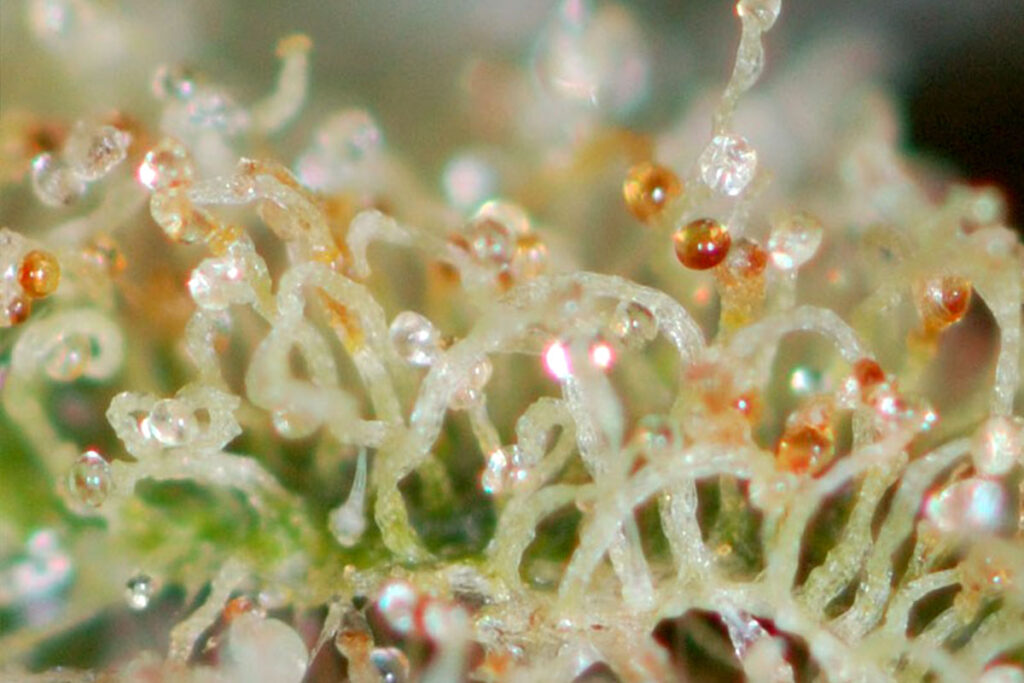
- Monitoring: Use a magnifying glass or digital microscope to examine trichomes.
- Clear Trichomes: Immature; wait before harvesting.
- Cloudy Trichomes: Peak THC levels; ideal for cerebral effects.
- Amber Trichomes: THC degradation to CBN; results in more sedative effects.
8. Harvesting and Post-Harvest Care
When to Harvest
- Flowering Time: Typically 8–9 weeks indoors or mid-October outdoors.
- Signs of Readiness:
- Pistils: 70–90% of pistils turn brown or orange.
- Trichomes: Milky white to amber coloration.
Harvesting Technique
- Use clean, sharp scissors to cut branches. Take caution when handling buds to prevent trichome damage.
Drying and Curing
- Drying:
- Hang trimmed branches upside down in a dark, well-ventilated room.
- Ideal Conditions: 50–60% humidity and 60–70°F temperature.
- Duration: 7–10 days.
- Curing:
- Dried buds should be kept in airtight glass jars.
- Open jars daily for 10–15 minutes during the first week to release excess moisture.
- Ideal Conditions: 60% humidity at room temperature.
- Duration: 2–6 weeks for full terpene and cannabinoid development.
9. Yield Optimization
Techniques to Maximize Yield
- Use high-quality seeds or clones to ensure genetic stability.
- Incorporate CO2 enrichment in indoor grows to enhance photosynthesis.
- Optimize the light spectrum for flowering by emphasizing red and far-red wavelengths.
- Maintain a consistent nutrient schedule and avoid nutrient lockout by monitoring pH levels.
Indoor vs. Outdoor Yields
- Indoor: 14–16 ounces per square meter with controlled conditions.
- Outdoor: Up to 18 ounces per plant in optimal climates with proper care.
10. Sustainability Considerations
- Organic Fertilizers: Reduce environmental impact by using natural fertilizers like compost, kelp, or fish emulsion.
- Integrated Pest Management (IPM): Minimize chemical pesticides by integrating biological controls and natural repellents.
- Water Conservation: Employ drip irrigation or water catchment systems to reduce waste.
Scientific Context: Cannabinoids and Terpenes
THC Interaction with the ECS
StarBud’s psychoactive effects stem from THC’s interaction with the CB1 receptors in the brain. This interaction modulates:
- Neurotransmitter release (e.g., dopamine and serotonin).
- Pain perception pathways.
- Mood and anxiety regulation.
Entourage Effect
The combination of THC, minor cannabinoids, and terpenes amplifies StarBud’s effects. This phenomenon, known as the entourage effect, highlights the synergistic relationship between these compounds.
Terpene-Specific Benefits
- Myrcene: Sedation and pain relief.
- Caryophyllene: Anti-inflammatory and anti-anxiety properties.
- Limonene: Stress reduction and mood elevation.
The StarBud strain offers a variety of methods for consumption, each with distinct effects in terms of onset, duration, and potency. Here’s a detailed breakdown of how the strain interacts with the body, dependent on ingestion methods, and its associated pharmacodynamics.
1. Methods of Ingestion
a. Smoking
- Description: The most common method for StarBud consumption involves smoking the flower in a joint, blunt, or pipe.
- Onset: Within 1-5 minutes.
- Duration: Lasts 2-3 hours.
- Advantages:
- Quick onset allows users to gauge effects easily.
- Suitable for managing acute symptoms like sudden pain or anxiety.
- Disadvantages:
- Can irritate the respiratory system due to combustion byproducts.
- Effects wear off faster compared to other methods.
b. Vaping
- Description: Vaporizers heat StarBud flower or concentrates to release cannabinoids and terpenes without combustion.
- Onset: Similar to smoking, effects begin within 1-5 minutes.
- Duration: Lasts 2-3 hours.
- Advantages:
- Cleaner experience with fewer toxins compared to smoking.
- Terpenes like myrcene and limonene are preserved at optimal temperatures (e.g., 330–400°F).
- Disadvantages:
- Requires specialized equipment.
- May not produce the same intensity of effects as smoking for some users.
c. Edibles
- Description: Infused foods, beverages, or capsules made using StarBud extracts.
- Onset: Takes 30 minutes to 2 hours due to digestion and liver metabolism.
- Duration: Lasts 4-8 hours or more.
- Advantages:
- Long-lasting relief, suitable for chronic conditions like pain and insomnia.
- No respiratory irritation.
- Disadvantages:
- Delayed onset can lead to overconsumption.
- Effects are harder to titrate due to metabolic variability among users.
d. Sublingual (Tinctures)
- Description: StarBud tinctures are consumed by placing drops under the tongue, allowing cannabinoids to be absorbed through the oral mucosa.
- Onset: Within 15-45 minutes.
- Duration: Lasts 3-5 hours.
- Advantages:
- Faster onset than edibles.
- Precise dosing via dropper.
- Disadvantages:
- Some people may find the taste unpleasant.
- Effects may be less potent than smoking or vaping.
e. Topicals
- Description: StarBud-infused creams, balms, or oils applied directly to the skin.
- Onset: Within 15-30 minutes.
- Duration: Localized effects lasting 2-4 hours.
- Advantages:
- Non-psychoactive; ideal for localized pain, inflammation, or skin conditions.
- Minimal systemic side effects.
- Disadvantages:
- Not effective for mental or systemic relief.
2. Onset, Duration, and Factors Affecting Effects
Onset and Duration
The pharmacokinetics of StarBud vary depending on ingestion method:
- Inhalation (Smoking/Vaping):
- Onset: Rapid, within minutes.
- Peak Effects: 30-60 minutes post-ingestion.
- Duration: 2-3 hours.
- Edibles:
- Onset: Delayed due to gastrointestinal absorption and first-pass metabolism in the liver.
- Peak Effects: 2-4 hours post-ingestion.
- Duration: Up to 8 hours or more.
- Sublingual:
- Onset: Slower than inhalation but faster than edibles.
- Duration: Intermediate, around 3-5 hours.
Factors Influencing Onset and Duration
- Metabolism:
- Faster metabolic rates shorten duration and increase onset speed.
- Tolerance:
- Regular users may experience delayed or diminished effects due to receptor downregulation.
- Body Fat:
- THC is lipophilic, so individuals with higher fat percentages may experience slower onset but prolonged effects.
- Dose and Concentration:
- High-THC doses accelerate psychoactive effects but can lead to oversaturation and adverse experiences.
3. Pharmacodynamics: Mechanism of Action
Cannabinoid Receptors (CB1 and CB2)
- StarBud’s high THC content activates the CB1 receptors in the central nervous system, producing:
- Euphoria: Via dopamine release in reward pathways.
- Sedation: By modulating the brain’s reticular activating system.
- Pain Relief: Through interference with nociceptive (pain-signaling) neurons.
- Minor interaction with CB2 receptors, mainly found in peripheral tissues, reduces inflammation and promotes muscle relaxation.
Terpene Contribution
- Myrcene: Enhances THC transport across the blood-brain barrier, amplifying its effects.
- Caryophyllene: Acts on CB2 receptors, producing anti-inflammatory and anxiolytic effects.
- Limonene: Elevates mood by influencing serotonin receptors.
- Pinene: May mitigate memory-impairing effects of THC, promoting cognitive clarity.
4. Effects and Symptom Relief
Physical Effects
- Deep Relaxation: Caused by myrcene and THC synergy.
- Pain Reduction: Through peripheral nerve modulation.
- Muscle Relaxation: Useful for cramps, spasms, and tremors.
- Sedation: Induces sleepiness for insomnia relief.
Mental Effects
- Euphoria: Dopaminergic activity induces a mild uplift in mood.
- Stress Relief: Reduces cortisol levels and lowers physiological markers of stress.
- Calmness: Particularly effective for individuals with generalized anxiety.
Cognitive and Emotional Effects
- Initial haziness and dreamy introspection.
- A “stoney” sensation, where mental alertness gives way to profound relaxation.
5. Endocannabinoid System (ECS) Interaction
A sophisticated cell-signaling mechanism that aids in preserving homeostasis is the ECS.. StarBud interacts with the ECS to produce its effects:
- CB1 Receptors: Central effects like mood elevation, sedation, and euphoria.
- CB2 Receptors: Peripheral effects like anti-inflammatory responses and reduced pain.
The entourage effect—the interaction between THC, terpenes, and other cannabinoids—enhances these outcomes.
6. Dosage Guidelines
General Recommendations
- Low Tolerance Users: Begin with 1-2 mg THC, especially with edibles or tinctures.
- Intermediate Users: Dosages of 5-10 mg THC for a balanced effect.
- High Tolerance Users: 15-20 mg THC or higher may be appropriate.
Inhalation Dosage
- Start with 1-2 small inhales; wait 15 minutes to gauge effects.
Edibles Dosage
- Begin with 2.5 mg THC and wait 2 hours before redosing.
Awards and Recognition
StarBud’s legacy in the cannabis world is bolstered by its accolades:
- 2009 High Times Cannabis Cup: 1st Place, Indica Category.
- 2011 High Times Cannabis Cup: 2nd Place, Indica Category.
Conclusion
StarBud represents a pinnacle of indica-dominant cannabis genetics, combining sedative power, therapeutic versatility, and cultivation ease. Its carefully balanced cannabinoid and terpene profiles make it an ideal choice for medical patients addressing chronic pain, insomnia, or anxiety, as well as recreational users seeking deep relaxation.
From its mysterious genetic roots to its award-winning status, StarBud continues to shine as a cornerstone of high-quality cannabis. Whether you’re a cultivator, medical patient, or enthusiast, StarBud offers a profound experience that resonates deeply across the cannabis spectrum.
For a complete directory of cultivars, visit our Cannabis Strain Reviews.
