Table of Contents
Star Berry is a hybrid cannabis strain renowned for its potent effects, therapeutic potential, and unique terpene profile. This strain is a cross between Sensi Star (indica-dominant) and Blueberry (hybrid with indica dominance), resulting in a strain that offers a blend of relaxing body effects and uplifting cerebral stimulation.
Origins and Genetic Profile of Star Berry
Star Berry is a well-balanced hybrid strain with approximately 60% indica and 40% sativa influence. It is the result of breeding two legendary cannabis strains:
- Sensi Star (Indica-dominant)
- Known for powerful sedative effects and pain relief.
- Offers a pungent, earthy aroma with citrus undertones.
- High THC levels (typically 20-26%).
- Blueberry (Hybrid, Indica-dominant)
- Famous for its sweet blueberry aroma and relaxing effects.
- Contains myrcene, a terpene associated with sedation and anti-inflammatory properties.
- Typically high in THC (16-24%) and moderate in CBD (up to 1%).
Effects of Hybridization
- Strong cerebral euphoria (from Sensi Star’s sativa genes).
- Body relaxation and pain relief (from Blueberry’s indica genetics).
- A well-rounded high that can be used both throughout the day and at night.
Cannabinoid Profile of Star Berry
| Cannabinoid | Typical Concentration (%) |
|---|---|
| THC | 18-24% |
| CBD | 0.5-1.5% |
| CBG | 0.5-2% |
| CBC | 0.2-1% |
| THCV | 0.2-0.8% |
THC (Tetrahydrocannabinol)
- Primary psychoactive compound responsible for euphoria.
- Binds to CB1 receptors, altering mood, perception, and cognition.
- Provides pain relief, anti-inflammatory effects, and appetite stimulation.
CBD (Cannabidiol)
- Non-psychoactive and anti-inflammatory.
- Helps counteract anxiety and paranoia sometimes caused by THC.
- Beneficial for pain management and neuroprotection.
CBG (Cannabigerol)
- Known as the “mother cannabinoid,” as it is a precursor to THC and CBD.
- Has potential neuroprotective and anti-inflammatory properties.
- Helps in reducing muscle spasms and chronic pain.
CBC (Cannabichromene)
- Works synergistically with THC and CBD for enhanced pain relief.
- Shows anti-depressant and anti-cancer potential.
THCV (Tetrahydrocannabivarin)
- Can modulate appetite (low doses suppress hunger, high doses stimulate it).
- May enhance focus and mental clarity.
- Shows promise in treating metabolic disorders.
The method of cannabis ingestion significantly impacts the onset, duration, bioavailability, and overall effects of Star Berry. This strain’s high THC content (18-24 percent) and rich terpene profile make it suitable for various administration methods, depending on medical or recreational needs.
Inhalation Methods (Smoking and Vaping)
Smoking (Joints, Pipes, Bongs)
How It Works:
- When Star Berry is smoked, THC and other cannabinoids are rapidly absorbed into the bloodstream through the alveoli in the lungs.
- Effects begin within minutes and peak within 30-60 minutes.
Bioavailability:
- Ranges from 10-35 percent, depending on inhalation technique and lung capacity.
Onset and Duration:
| Factor | Time Frame |
|---|---|
| Onset | 5-10 minutes |
| Peak Effects | 30-60 minutes |
| Total Duration | 2-4 hours |
Advantages:
- Fast-acting effects suitable for pain relief, nausea, and anxiety control.
- Easily adjustable dose control.
Disadvantages:
- Combustion releases harmful byproducts, including tar and carcinogens.
- Not ideal for individuals with respiratory conditions.
Vaporization (Dry Herb Vaporizers, Vape Pens)
How It Works:
- Through vaporization, the cannabis flower or concentrate is heated to a temperature that releases terpenes and cannabinoids without burning.
- THC is efficiently delivered without harmful byproducts of smoking.
Bioavailability:
- 40-60 percent, making it significantly more efficient than smoking.
Onset and Duration:
| Factor | Time Frame |
|---|---|
| Onset | 1-5 minutes |
| Peak Effects | 15-45 minutes |
| Total Duration | 2-4 hours |
Advantages:
- Higher bioavailability than smoking.
- Preserves terpenes for better flavor and therapeutic effects.
- Less lung irritation than smoking.
Disadvantages:
- Requires a vaporizer.
- Higher initial cost for a quality device.
Oral Ingestion Methods (Edibles and Capsules)
Edibles (Gummies, Brownies, Beverages)
How It Works:
- THC is processed by the liver and converted into 11-hydroxy-THC, a more potent and longer-lasting metabolite.
Bioavailability:
- 4-20 percent, lower than inhalation due to first-pass metabolism in the liver.
Onset and Duration:
| Factor | Time Frame |
|---|---|
| Onset | 30-90 minutes |
| Peak Effects | 2-4 hours |
| Total Duration | 6-8 hours |
Advantages:
- Long-lasting effects, ideal for chronic pain, insomnia, and anxiety disorders.
- Discreet and odorless.
Disadvantages:
- Delayed onset, making dosing challenging.
- Potential for overdose due to slow absorption.
Capsules and THC Pills
How It Works:
- Similar to edibles, but provides a precise dosage of THC and CBD.
- Effects are slower but longer-lasting.
Bioavailability:
- 6-20 percent, due to digestion and liver metabolism.
Onset and Duration:
| Factor | Time Frame |
|---|---|
| Onset | 30-60 minutes |
| Peak Effects | 2-4 hours |
| Total Duration | 6-10 hours |
Advantages:
- Accurate dosing for medical users.
- No inhalation required.
Disadvantages:
- Slower onset, requiring planning for symptom relief.
Sublingual Administration (Tinctures and Sprays)
Tinctures (Alcohol or Oil-Based)
How It Works:
- Cannabis tinctures are applied under the tongue, where THC and CBD bypass the digestive system and enter the bloodstream directly through mucous membranes.
Bioavailability:
- 12-35 percent, higher than edibles but lower than inhalation.
Onset and Duration:
| Factor | Time Frame |
|---|---|
| Onset | 15-45 minutes |
| Peak Effects | 1-2 hours |
| Total Duration | 4-6 hours |
Advantages:
- Faster onset than edibles.
- More accurate dosage compared to vaping or smoking.
Disadvantages:
- Some users dislike the taste of alcohol-based tinctures.
- Slower onset than inhalation methods.
Oral Sprays
- Similar to tinctures, but absorbed faster due to fine mist application.
- Used for fast-acting relief from pain, anxiety, and nausea.
Topical Administration (Creams, Balms, Transdermal Patches)
Topical Creams and Balms
How It Works:
- THC and CBD interact with CB2 receptors in the skin and muscles, reducing localized pain and inflammation.
Bioavailability:
- Varies based on formulation but does not reach the bloodstream in significant amounts.
Onset and Duration:
| Factor | Time Frame |
|---|---|
| Onset | 15-30 minutes |
| Total Duration | 2-6 hours |
Advantages:
- Non-psychoactive, making it suitable for localized pain relief.
- No systemic effects, meaning no intoxication.
Disadvantages:
- Limited to surface-level relief.
Transdermal Patches
How It Works:
- THC and CBD penetrate the skin and enter the bloodstream, allowing systemic effects.
Bioavailability:
- 10-40 percent, depending on formulation.
Onset and Duration:
| Factor | Time Frame |
|---|---|
| Onset | 30-90 minutes |
| Total Duration | 8-24 hours |
Advantages:
- Consistent and prolonged release of cannabinoids.
- Ideal for chronic pain and inflammation.
Disadvantages:
- Slower onset than inhalation or sublingual methods.
Rectal Administration (Suppositories)
How It Works:
- Cannabinoids are absorbed directly into the bloodstream, bypassing first-pass metabolism in the liver.
- Used for severe pain, gastrointestinal issues, or patients unable to ingest cannabis orally.
Bioavailability:
- 50-70 percent, making it one of the most efficient methods.
Onset and Duration:
| Factor | Time Frame |
|---|---|
| Onset | 10-30 minutes |
| Total Duration | 6-8 hours |
Advantages:
- Highly efficient absorption.
- No psychoactive effects if THC is metabolized differently.
Disadvantages:
- Less commonly used due to discomfort.
Choosing the Best Ingestion Method for Star Berry
| Condition | Recommended Method |
|---|---|
| Chronic pain | Edibles, tinctures, transdermal patches |
| Acute pain | Vaping, smoking, tinctures |
| Anxiety & PTSD | Sublingual tinctures, vaping |
| Insomnia | Edibles, smoking, myrcene-rich strains |
| Severe nausea | Inhalation (vaping/smoking), rectal suppositories |
Terpene Profile of Star Berry
Terpenes contribute to Star Berry’s flavor, aroma, and therapeutic properties. Below is a breakdown:
| Terpene | Aroma/Flavor | Potential Effects |
|---|---|---|
| Myrcene | Earthy, musky, herbal | Sedative, pain relief, anti-inflammatory |
| Limonene | Citrus, lemon, sweet | Mood elevation, stress relief, anti-anxiety |
| Caryophyllene | Pepper, spice, woody | Anti-inflammatory, analgesic, gut health |
| Pinene | Pine, fresh, herbal | Alertness, memory retention, bronchodilator |
| Linalool | Floral, lavender | Calming, anti-anxiety, muscle relaxant |
- Myrcene: Responsible for sedative effects and muscle relaxation.
- Limonene: Provides antidepressant and stress-relieving properties.
- Caryophyllene: Acts as a natural anti-inflammatory by binding to CB2 receptors.
- Pinene: Helps with focus and lung function.
- Linalool: Has anti-anxiety and calming effects.
Recreational Effects of Star Berry
Onset & Duration
- Onset: 5-10 minutes (inhalation), 30-60 minutes (edibles).
- Peak Effects: 1-2 hours after consumption.
- Duration: 3-6 hours depending on the method of intake.
Cognitive & Physical Effects
- Euphoria: An immediate uplifting sensation.
- Creativity Boost: Enhanced creative and introspective thinking.
- Mild Body Relaxation: A relaxing, but non-sedative physical high.
- Sensory Enhancement: Increased sensitivity to music, visuals, and taste.
Potential Side Effects
- Dry mouth and dry eyes.
- Dizziness or mild paranoia at high doses.
- Potential anxiety in THC-sensitive users.
Medical Applications of Star Berry
Pharmacological Mechanisms of Star Berry’s Medical Benefits
The medical properties of Star Berry come from its cannabinoids, terpenes, and flavonoids, which interact with the endocannabinoid system (ECS).
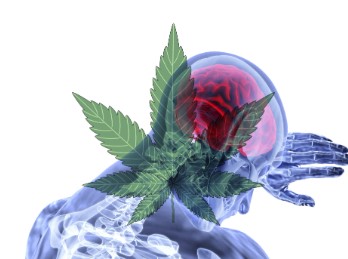
Interaction with the Endocannabinoid System (ECS)
The ECS regulates pain, mood, inflammation, immune response, and neurological function.
- CB1 Receptors (mainly found in the brain and central nervous system)
- Interact with THC to reduce pain perception, nausea, and anxiety.
- Affect mood regulation and appetite stimulation.
- CB2 Receptors (mainly found in the immune system and peripheral organs)
- Modulated by CBD and β-caryophyllene to reduce inflammation.
- Support immune balance and anti-inflammatory response.
- Enzymes (FAAH and MAGL)
- CBD inhibits FAAH, increasing anandamide (“bliss molecule”) levels, which helps reduce pain and anxiety.
Medical Applications of Star Berry
Pain Management and Anti-Inflammatory Effects
Mechanism of Action:
- THC binds to CB1 receptors, blocking pain signals in the nervous system.
- CBD and β-caryophyllene interact with CB2 receptors, reducing inflammation.
- Myrcene and linalool act as natural muscle relaxants.
Clinical Research:
- A 2020 study in The Journal of Pain found THC-rich cannabis strains reduced chronic pain by 50 percent.
- β-caryophyllene demonstrated analgesic effects similar to opioids without addiction risks (British Journal of Pharmacology, 2017).
Conditions Treated:
- Neuropathic pain (nerve damage, fibromyalgia, multiple sclerosis)
- Arthritis and osteoarthritis
- Post-surgical pain
- Migraine and cluster headaches
- Inflammatory pain (IBD, Crohn’s disease)
Neurological and Neuroprotective Benefits
Mechanism of Action:
- THC and CBD act as neuroprotectants, reducing oxidative stress and inflammation in the brain.
- Pinene improves cognitive function by inhibiting acetylcholinesterase, a key enzyme linked to Alzheimer’s disease.
- Limonene and CBG stimulate dopamine receptors, enhancing mental clarity.
Clinical Research:
- A 2021 study in Neurotherapeutics found that cannabinoids slowed neurodegenerative diseases like Alzheimer’s, Parkinson’s, and multiple sclerosis.
- CBG has shown promise in regenerating brain cells (Acta Neuropathologica, 2019).
Mental Health and Mood Disorders
Mechanism of Action:
- Limonene and THC increase serotonin and dopamine levels, reducing depression and stress.
- CBD and myrcene regulate cortisol, lowering anxiety and PTSD symptoms.
- Caryophyllene activates CB2 receptors, reducing stress-related inflammation.
Clinical Research:
- A 2018 study in Frontiers in Pharmacology found cannabinoids improved PTSD symptoms in 70 percent of patients.
- THC and CBD have shown antidepressant-like effects in preclinical models (Journal of Affective Disorders, 2020).
Conditions Treated:
- Depression (boosts serotonin and dopamine levels)
- Anxiety disorders, including panic disorder, social anxiety disorder, and generalized anxiety condition
- PTSD (reduces flashbacks, stress responses, and insomnia)
- ADHD (may enhance focus by modulating dopamine levels)
Gastrointestinal Disorders and Appetite Regulation
Mechanism of Action:
- THC stimulates CB1 receptors, increasing appetite and reducing nausea.
- CBD reduces gut inflammation, benefiting patients with IBD and Crohn’s disease.
- Caryophyllene and limonene protect the gut lining.
Clinical Research:
- A 2019 study in the Journal of Clinical Gastroenterology found medical cannabis reduced symptoms in 65 percent of IBD patients.
- CBG has shown anti-inflammatory effects on the gut microbiome (Gut Microbes, 2021).
Sleep Disorders and Insomnia
Mechanism of Action:
- Myrcene and linalool induce deep sleep by enhancing GABAergic activity.
- CBD regulates the sleep-wake cycle.
- THC reduces REM sleep disturbances, helping PTSD-related nightmares.
Clinical Research:
- A 2021 study in Sleep Medicine Reviews found cannabis improved sleep latency and duration in insomnia patients.
- THC has been shown to shorten sleep onset time by up to 30 percent.
Conditions Treated:
- Chronic insomnia
- Sleep apnea
- Restless Leg Syndrome (RLS)
Anti-Cancer Properties
Mechanism of Action:
- THC and CBD trigger apoptosis (cancer cell death).
- CBG inhibits tumor growth in preclinical models.
- Limonene and β-caryophyllene exhibit anti-cancer properties.
Clinical Research:
- A 2022 study in Oncotarget found THC inhibited glioblastoma (brain cancer) growth.
- CBD has shown potential in breast and lung cancer treatment (Cancer Research, 2020).
Dosage Guidelines for Medical Use
Inhalation (Smoking or Vaping)
- Onset: 5-10 minutes
- Duration: 2-4 hours
- Ideal for: Immediate pain relief, anxiety, nausea control
Edibles
- Onset: 30-90 minutes
- Duration: 6-8 hours
- Ideal for: Long-lasting pain management, insomnia
Tinctures and Oils
- Onset: 15-45 minutes
- Duration: 4-6 hours
- Ideal for: Neurological conditions, chronic inflammation
Cultivation of Star Berry
Cultivating Star Berry requires a scientific approach to optimize plant health, yield, and potency. This guide provides detailed insights into genetic characteristics, environmental factors, soil and hydroponic systems, nutrient schedules, pest management, and post-harvest processing.
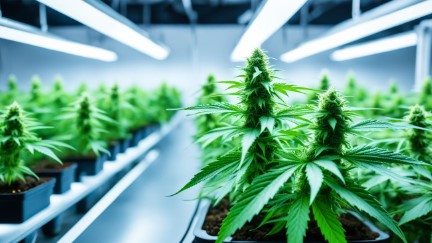
Genetic Characteristics of Star Berry
Star Berry is a hybrid cannabis strain with indica-dominant traits, meaning it has:
- Compact growth structure with strong lateral branching.
- Dense, resin-coated buds with deep purple and blue hues.
- Flowering time of approximately 8-10 weeks.
- Moderate resistance to mold and pests.
Understanding these characteristics allows growers to choose the best cultivation method.
Environmental Conditions for Optimal Growth
The microclimate plays a crucial role in maximizing cannabinoid and terpene production.
Temperature and Humidity
| Growth Stage | Temperature (°C) | Relative Humidity (RH%) |
|---|---|---|
| Seedling | 22-26°C | 65-70% |
| Vegetative | 24-28°C | 55-65% |
| Early Flowering | 22-26°C | 45-55% |
| Late Flowering | 18-22°C | 30-40% |
- Cooler night temperatures in late flowering enhance anthocyanin production, increasing the deep purple and blue hues in Star Berry buds.
- Gradual humidity reduction prevents bud rot and powdery mildew.
Light Requirements
- Vegetative Stage: 18-20 hours of light per day.
- Flowering Stage: Twelve light and twelve dark hours.
Recommended Light Spectrum:
- Vegetative: 400-500 nm (blue light) for strong foliage growth.
- Flowering: 600-700 nm (red light) for enhanced bud formation.
CO₂ Supplementation
- Maintaining CO₂ levels between 1000-1500 ppm in a sealed grow room boosts photosynthesis, increasing yield by up to 30%.
Cultivation Methods
Different growing techniques can be used based on space, budget, and desired potency.
Soil-Based Cultivation (Organic & Synthetic)
A) Organic Soil Cultivation (Living Soil)
- Best for terpene production and flavor preservation.
- Uses compost, worm castings, mycorrhizal fungi, and bat guano to create a microbe-rich soil.
- Soil pH: 6.0-6.5.
Advantages: Enhances terpene and cannabinoid expression.
Reduces the need for chemical fertilizers.
Improves plant immunity.
Disadvantages: Slower growth rates than hydroponic methods.
B) Synthetic Soil Cultivation (Controlled Nutrients)
- Uses pre-mixed nutrient solutions like FoxFarm, Pro-Mix, or Coco Coir.
- Requires precise pH and nutrient monitoring.
- Soil pH: 5.8-6.2.
Advantages: Faster growth rates than organic soil.
Easier nutrient control.
Disadvantages: Requires more frequent feeding and pH adjustments.
Hydroponic Systems for Star Berry
A) Deep Water Culture (DWC)
- Roots are suspended in oxygenated water, absorbing nutrients directly.
- Faster vegetative growth compared to soil.
Pros: Rapid growth, high THC levels.
Cons: Requires constant monitoring.
B) Nutrient Film Technique (NFT)
- Thin nutrient film flows over the roots.
- Requires precise pH (5.5-6.0) and oxygenation.
Pros: High efficiency, reduced water usage.
Cons: Sensitive to power outages.
C) Aeroponics
- Nutrient mist enhances the uptake of oxygen by the roots.
- Best for high-tech commercial cultivation.
Pros: Fastest growth rate, highest cannabinoid content.
Cons: Expensive and requires expertise.
Nutrient Requirements for Star Berry
Macronutrient Schedule
| Growth Stage | Nitrogen (N) | Phosphorus (P) | Potassium (K) |
|---|---|---|---|
| Seedling | Medium | Low | Low |
| Vegetative | High | Medium | Medium |
| Flowering | Low | High | High |
- Calcium (Ca) and Magnesium (Mg) prevent nutrient deficiencies.
- Silica (Si) strengthens plant cell walls against pests and fungi.
Organic vs. Synthetic Nutrients
- Organic: Compost tea, kelp, fish emulsion, molasses.
- Synthetic: General Hydroponics, Advanced Nutrients.
Training Techniques to Maximize Yield
Low-Stress Training (LST)
- Bending and tying branches increases bud site exposure. Increases yield without stress-related growth delays.
High-Stress Training (HST)
- Topping & Super Cropping encourage multiple colas. Improves light penetration and overall bud production.
Screen of Green (ScrOG)
- Uses a horizontal net to train plants into a flat canopy. Enhances light distribution and airflow.
Pest and Disease Management
Star Berry is moderately resistant to pests, but preventive measures are necessary.
Common Pests
| Pest | Prevention & Treatment |
|---|---|
| Spider Mites | Neem oil, predatory mites |
| Aphids | Insecticidal soap, ladybugs |
| Fungus Gnats | Sticky traps, proper drainage |
Disease Prevention
| Disease | Solution |
|---|---|
| Powdery Mildew | Maintain airflow, use potassium bicarbonate sprays |
| Root Rot (Pythium) | Oxygenate hydroponic solutions, avoid overwatering |
Harvesting and Post-Harvest Processing
Signs of Maturity
- Trichomes: Harvest when trichomes turn cloudy with some amber.
- Pistil Color: 70-80% of pistils turn brown/reddish.
Drying & Curing
| Process | Temperature | Humidity | Duration |
|---|---|---|---|
| Drying | 16-20°C | 50-60% | 10-14 days |
| Curing | 18-21°C | 60-65% | 4-8 weeks |
- Slow curing enhances terpene retention and improves smoothness.
Conclusion
Star Berry is an exceptional hybrid strain that provides both recreational enjoyment and medicinal benefits. It is known for its euphoric yet relaxing effects, pain relief, anti-inflammatory properties, and mood-enhancing capabilities. Cultivators appreciate its resilience and high yield, while consumers enjoy its flavorful berry-citrus aroma and balanced high. Whether used for pain relief, stress management, or creativity enhancement, Star Berry is a strain is adaptable and provides a balanced cannabis experience.
For a complete directory of cultivars, visit our Cannabis Strain Reviews.
