Table of Contents
Sploof
Understanding the Sploof: A DIY Guide to Smoke Odor Management
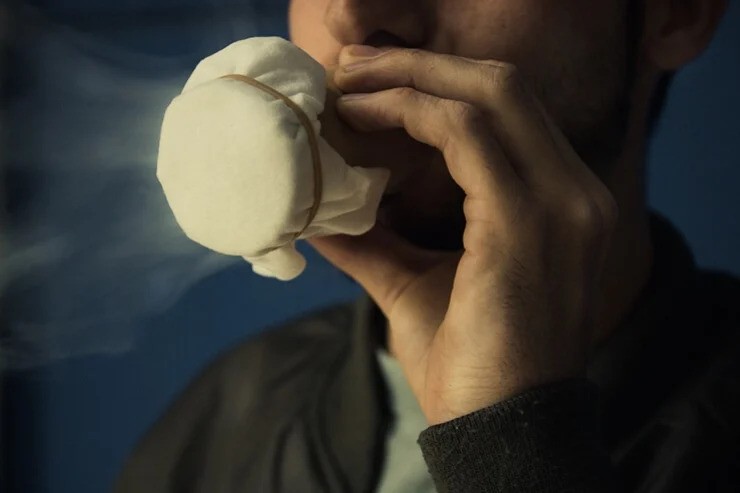
In settings where discretion is key, controlling smoke odor is essential. The sploof, a straightforward and effective do-it-yourself device, helps to minimize the smell of smoke indoors. This guide provides an in-depth look at the sploof, explaining its design, how to build one, and its application for effective smoke odor reduction in private spaces.
Design and Functionality of the Sploof
A sploof acts as a homemade air filter, designed to neutralize smoke odors before they escape into the environment. It typically consists of a cylindrical container, such as a toilet paper roll or a cut plastic bottle, equipped with odor-absorbing materials. The core concept is simple: smoke is filtered through materials that capture and neutralize odors as it passes through, significantly reducing the smell emitted into the air.
Required Materials
To create a basic sploof, you’ll need:
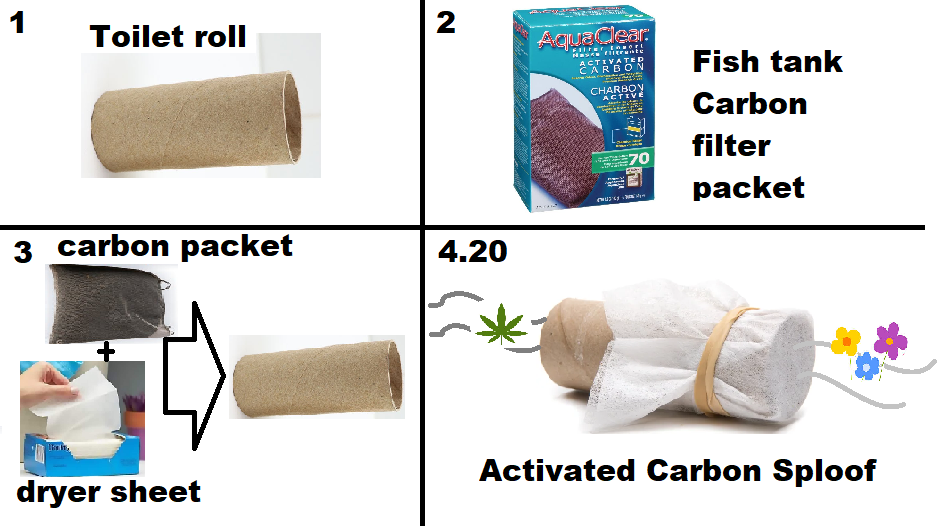
- Cylindrical Container: A toilet paper roll, or a plastic bottle with the bottom removed.
- Odor-Absorbing Material: Dryer sheets are commonly used for their fragrance and particulate-trapping properties.
- Elastic Bands: To secure the dryer sheets to one end of the container.
- Scissors: For cutting the plastic bottle, if used.
For an enhanced version, consider incorporating activated charcoal between the dryer sheets to boost the sploof’s odor-neutralizing efficiency. Activated charcoal is excellent at absorbing odors and chemicals and is a worthwhile addition for those seeking superior performance.
Assembly Instructions
- Prepare the Container: Use a toilet paper roll as is or modify a plastic bottle by cutting off the bottom to create a tube.
- Attach Dryer Sheets: Cover one end of the container with several dryer sheets, securing them with elastic bands. Ensure the sheets are snug but allow air to pass through.
- Incorporate Activated Charcoal (Optional): To improve filtration, add a layer of activated charcoal between the dryer sheets. This step is optional but enhances odor control.
- Seal the End: Confirm that the end is thoroughly covered and the edges are sealed with dryer sheets or additional bands, ensuring no smoke escapes unfiltered.
How to Use
When using the sploof, exhale smoke into the open end of the container. As the smoke travels through the dryer sheets and optional activated charcoal, it is filtered and deodorized before being released. Regularly replace the dryer sheets and charcoal to maintain the sploof’s effectiveness.
Conclusion
The sploof offers a practical, inexpensive DIY solution for those needing to manage smoke odors discreetly indoors. By using everyday items, one can assemble a device that effectively reduces smoke smells, enhancing both privacy and environmental comfort. Routine maintenance and correct usage are key to ensuring the sploof remains effective, making it an essential tool for discreet smokers.
Top Materials to Use for Making an Effective Sploof at Home
When creating a sploof at home to minimize indoor smoke odors, the choice of materials is crucial for ensuring its effectiveness. This document provides guidance on selecting the best materials for assembling a homemade sploof, aimed at optimal odor absorption and filtration. Each suggested material is chosen for its proven ability to capture particulates and neutralize odors, thus enhancing the indoor air quality discreetly.
Structural Components
- Cylindrical Foundation:
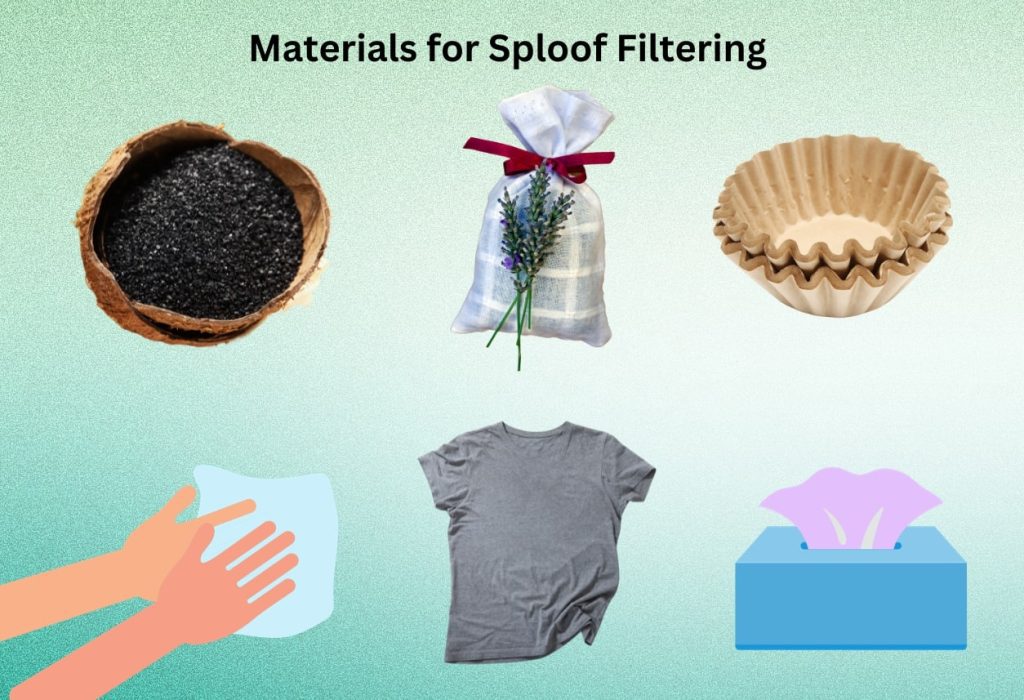
- Toilet Paper Roll: Easily accessible and economical, a toilet paper roll is a popular choice for a basic sploof structure.
- Plastic Bottle: More durable than a paper roll, a plastic bottle can be modified to desired dimensions and offers a robust frame for the sploof.
Filtration Materials
- Dryer Sheets:
- Function: The primary role of dryer sheets is to filter and fragrance the air passing through the sploof, trapping smoke particles effectively.
- Suggestion: Opt for lightly scented or unscented dryer sheets to avoid overpowering artificial fragrances which can attract as much attention as smoke.
- Activated Charcoal:
- Function: Known for its porosity and odor absorption efficiency, activated charcoal significantly boosts the sploof’s capability to purify air.
- Usage: Place the charcoal between layers of dryer sheets or within a mesh fabric inside the sploof for optimal performance.
- Paper Towels or Toilet Paper:
- Function: As a simpler alternative to dryer sheets, these materials can act as basic filters. Though less effective alone, they can be combined with activated charcoal to enhance their filtering effectiveness.
Securing Mechanisms
- Rubber Bands or Tape:
- Function: These materials are crucial for securing the dryer sheets and optional filters to the sploof, ensuring no gaps for smoke to escape unfiltered.
- Preference: Rubber bands are recommended for their flexibility and ease of adjustment, which is useful for regular maintenance and replacement of the filters.
Assembly Tips
To construct an efficient sploof:
- Secure several dryer sheets over one end of your chosen cylindrical base using rubber bands or tape.
- If incorporating activated charcoal, enclose it in a section of pantyhose or similar material, placing this inside the cylinder before adding more dryer sheets.
- Pack the materials to a density that balances effective smoke filtration with ease of breathability.
Conclusion
The effectiveness of a homemade sploof relies heavily on the materials used in its construction. By carefully selecting durable structural components and efficient filtration materials and ensuring they are securely assembled users can effectively reduce smoke odors in indoor environments. Regularly replacing the filtration materials such as dryer sheets and activated charcoal will maintain the sploof’s functionality, providing a discreet and pleasant smoking experience indoors.
The Evolution of the Sploof: From Homemade Solutions to Commercial Products
The sploof, initially a simple, homemade device for filtering and neutralizing smoke odors, has transformed significantly over time into a sophisticated commercial product. This detailed examination traces the development of the sploof, emphasizing the technological progress, market dynamics, and changes in consumer demand that have influenced its evolution.
Origins and Early DIY Versions
The sploof was born out of necessity in households where concealing the odor of smoke from cigarettes or cannabis was essential. Early versions were makeshift, composed of easily accessible household items such as toilet paper rolls filled with dryer sheets and secured with rubber bands. These primitive devices operated on a simple mechanism: exhaling smoke through materials that could mask or absorb the odor before it escaped into the surrounding environment.
Advancements in Technology and Materials
The innovation in sploof design and materials followed the rise in their homemade popularity. Notable improvements included the adoption of activated charcoal, a material far superior to dryer sheets due to its ability to absorb odor molecules effectively thanks to its porous structure.
Material upgrades extended to the sploof’s exterior as well, with the incorporation of more durable and sealed options like plastic bottles or specially fabricated tubes, enhancing the device’s overall effectiveness by ensuring all exhaled smoke passed through the filtering medium.
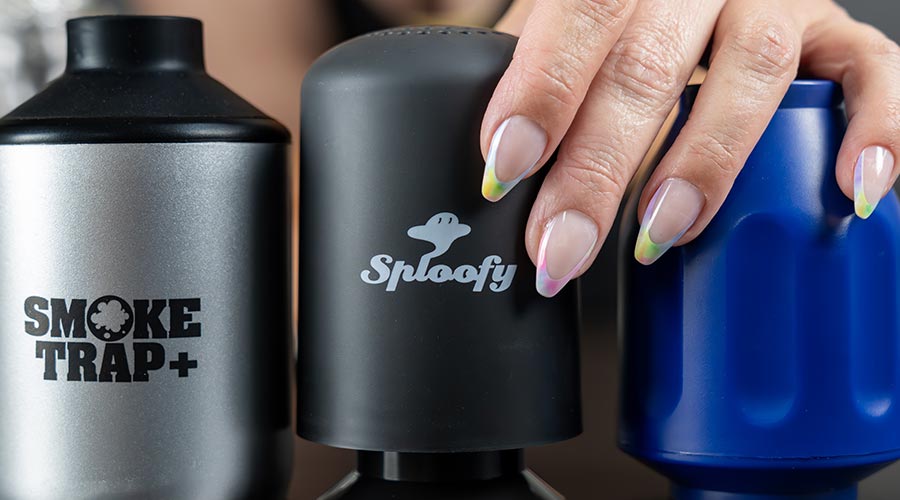
Commercialization and Market Entry
The shift from home-crafted to professionally manufactured sploofs occurred as the market potential for discreet smoking solutions became apparent. This commercial transition introduced several key enhancements:
- Standardized Production: Commercial sploofs are produced under controlled conditions, ensuring consistent quality and performance, unlike the variability seen in DIY versions.
- Advanced Filtration Systems: These commercial products often feature sophisticated, multi-layered filtration systems employing various materials each chosen for their specific odor-neutralizing properties.
- Design and Portability: Contemporary sploofs feature designs that emphasize functionality, aesthetic appeal, and portability, enhancing their attractiveness to a wide range of consumers.
- Compliance with Regulations: Manufactured sploofs adhere to health and safety regulations, meeting standards that homemade versions may not.
Expansion of Consumer Base and Market
The demand for sploofs has grown alongside the increasing acceptance of their utility among smokers, particularly those in urban or shared residences. The expansion of the cannabis market, especially in regions where it is legal, has further fueled the popularity of sploofs, cementing their place in the smoking accessories market.
Conclusion
Sploofs have evolved from rudimentary odor control solutions to elegantly designed, efficient products available on the commercial market. This evolution mirrors broader consumer and technological trends, illustrating the transition from a niche DIY gadget to a widely accepted commercial product. With ongoing advancements and an expanding market, the future of the sploof promises continued innovation and refinement, enhancing both its functionality and market presence.
How to Use a Sploof to Minimize Indoor Smoke Odors
The sploof has gained popularity as an effective tool for minimizing the presence of smoke odors indoors, particularly in shared or restricted spaces. This formal guide outlines the correct usage of a sploof, focusing on maximizing its odor-reducing capabilities to improve indoor air quality and maintain privacy where smoke is concerned.
Functionality of a Sploof
A sploof operates as a filter, designed to capture and neutralize smoke particles and odors before they can disperse into the air. It typically comprises a cylindrical container like a toilet paper roll or a plastic bottle outfitted with materials such as dryer sheets and activated charcoal, known for their odor-absorbing properties.
Components for Assembling a Sploof
To construct an effective sploof, the following materials are necessary:
- Cylindrical Container: Often a toilet paper roll or a modified plastic bottle.
- Odor-Absorbing Filters: Dryer sheets are commonly used to absorb odors. Activated charcoal can be added to significantly enhance this effect by trapping odor-causing molecules more effectively.
- Elastic Bands: Used to secure the filters to the container securely.
Instructions for Sploof Usage
- Device Setup: Proper assembly of the sploof is crucial. For a plastic bottle, the bottom should be cut off to form a tube. Place several dryer sheets over one end and secure them with an elastic band. For better performance, include a layer of activated charcoal between the dryer sheets.
- Positioning the Sploof: Hold the sploof close to your mouth, ensuring the filtered end is set to capture the exhaled smoke.
- Operating the Sploof: Exhale smoke directly into the open end of the sploof. As the smoke passes through the filtering materials, it will be stripped of particulates and odors.
- Maintenance: To maintain the sploof’s effectiveness, it is crucial to regularly change out the dryer sheets and activated charcoal as they become saturated with tar and other particulates.
Advantages of Utilizing a Sploof
Using a sploof offers several benefits, especially in environments where the presence of smoke is inappropriate:
- Effective Odor Management: It substantially lessens the smell of smoke, reducing residue on furniture and clothing.
- Enhanced Discretion: It enables discreet usage, essential in communal living situations or places where smoke odors might cause issues.
- Economical Solution: The sploof uses affordable and readily available materials, providing a cost-effective method for managing smoke odors.
Conclusion
Employing a sploof is a straightforward and efficient method for controlling smoke odors in indoor environments. By adhering to proper construction and usage techniques, users can significantly improve their smoking experience with minimal environmental impact. Continuous upkeep and replacement of the filtration components are essential to keep the sploof effective, ensuring it serves as a dependable method for odor control.

Creative and Fun Designs for Your Next Homemade Sploof
The creation of a homemade sploof not only serves the practical purpose of minimizing indoor smoke odors but also offers an opportunity to infuse personal creativity and style. This guide provides insights into crafting aesthetically pleasing and functional sploofs, transforming them from simple odor control devices into decorative and engaging elements of your home decor. Whether used for personal enjoyment or as unique gifts, these creative designs can elevate the traditional sploof to an artful and conversation-worthy object.
Design Themes and Materials for Homemade Sploofs
When planning a sploof, balancing visual appeal with functional effectiveness is key. Below are some inventive themes and materials to inspire your design:
- Thematic Inspirations:
- Nature-Inspired: Embrace a botanical theme with green paints or fabrics and adorn the sploof with faux leaves or flowers for a vibrant, organic appeal.
- Futuristic Look: Opt for a high-tech design using metallic or shiny materials and geometric patterns for a modern, sophisticated style.
- Vintage Flair: Adorn with vintage patterns or traditional motifs to add a sense of nostalgia and enduring elegance.
- Custom Artwork:
- Personal Touch: Enhance the sploof with personal illustrations, favorite logos, or unique stickers that reflect individual tastes or interests.
- Textural Diversity: Experiment with various textures by incorporating materials like lace, burlap, or felt to create a visually intriguing surface.
- Functional Enhancements:
- Integrated Features: Design your sploof to include practical elements such as built-in clips for lighters or slots for matches, adding convenience to its functionality.
- Versatile Utility: Craft a sploof that doubles as a decorative item, like a vase or a storage container, when not actively used, maximizing both aesthetics and functionality.
Choosing Materials and Assembly Techniques
The choice of materials impacts both the performance and appearance of your sploof:
- Base Material: Select durable options like rigid cardboard tubes or plastic bottles that can endure regular usage.
- Filtering Agents: Ensure effective odor control with layers of dryer sheets and a core of activated charcoal for superior odor absorption.
- Decorative Components: Use safe, non-toxic decorative materials such as eco-friendly paints and secure adhesives for customization.
Assembly Recommendations:
- Base Decoration: Begin by applying a base layer of paint or wrapping the tube in your chosen fabric. Gradually layer on additional decorative details such as strings of beads or subtle embroidery.
- Protection and Sealing: Affix all decorative elements firmly and coat with a clear sealant to protect against wear and tear.
- Functionality Check: After decoration, verify that the sploof maintains its primary function as an effective smoke filter, making any necessary adjustments to ensure it does not compromise performance.
Conclusion
Designing and constructing a homemade sploof offers a wonderful blend of functionality and creativity. By selecting engaging themes and incorporating personal artistic elements, you can create a sploof that not only efficiently filters smoke but also enhances your living space aesthetically. This creative process not only enriches the user experience but also fosters a deeper connection with the crafting, resulting in a functional yet expressive artifact. A carefully crafted sploof serves both as a functional device and a showcase of artistic skill, making it ideal for personal use or as a custom-made gift.
Comparative Review: Best Commercial Sploofs on the Market
As demand for effective smoke odor control solutions grows, the market has introduced a variety of commercial sploofs. These devices, aimed at filtering and neutralizing smoke, vary significantly in terms of efficiency, design, and cost. This comparative analysis delves into the premier commercial sploofs available, evaluating each based on critical criteria to help consumers make well-informed choices.
Evaluation Criteria
The assessment of commercial sploofs focuses on several pivotal factors that influence their functionality and consumer satisfaction:
- Effectiveness: The foremost criterion is the sploof’s ability to efficiently filter and neutralize smoke, determined by the quality and type of filtering materials, such as activated charcoal or advanced synthetic filters.
- Durability: The build quality of a sploof affects its longevity and resistance to wear and tear. High-quality materials and sturdy construction are crucial for ensuring continued effectiveness.
- Design and Aesthetics: Beyond functionality, the design and visual appeal of a sploof are important to consumers. Compact, elegantly designed sploofs are preferred for their discreetness and versatility in various environments.
- Cost-Effectiveness: Analyzing the price in relation to the sploof’s performance and durability is essential. The most effective sploofs provide good value by balancing price with long-term reliability.
- User Experience: The simplicity of using and maintaining a sploof contributes significantly to user satisfaction. Sploofs that are easy to set up, use, and maintain generally garner positive reviews.
Leading Commercial Sploofs Reviewed
From the analysis, several sploofs emerge as market leaders:
- Brand A: Renowned for its superior-grade activated carbon filters, Brand A’s sploof stands out in effectiveness and robustness. Its design is both functional and stylish, attracting a wide user base.
- Brand B: This brand features a distinctive dual-filter approach that enhances its smoke-neutralizing capabilities. It is priced higher, but its performance and long-lasting durability justify the investment.
- Brand C: Renowned for its cost-effectiveness, Brand C provides efficient smoke filtration at an affordable price, appealing to a broad spectrum of consumers.
- Brand D: Brand D specializes in a compact and discreet sploof ideal for on-the-go use. It is slightly less effective for intensive use but perfect for occasional smokers seeking portability.
Conclusion
Choosing the right commercial sploof requires considering personal needs and preferences, weighing factors like effectiveness, durability, design, cost, and ease of use. This analysis provides detailed insights into the top sploofs’ features and performance, enabling consumers to select a product that aligns with their specific requirements. As new products continue to enter the market, keeping abreast of the latest reviews and product updates will further aid in making informed decisions regarding smoke odor control solutions.
Eco-Friendly Tips for Constructing and Disposing of Sploofs
As sploofs become a common solution for controlling smoke odors indoors, it is essential to consider the environmental impact of their construction and disposal. This guide provides a comprehensive overview of sustainable practices for both crafting and discarding sploofs, ensuring environmental responsibility without sacrificing effectiveness. Adopting these eco-friendly strategies allows users to effectively manage air quality while contributing positively to environmental preservation.
Eco-Conscious Construction of Sploofs
- Material Selection:
- Biodegradable Options: Choose materials that are biodegradable or compostable for the sploof’s structure, such as cardboard or naturally derived tubes like bamboo. These materials break down naturally, reducing environmental impact.
- Reusable Filters: Utilize sustainable, washable filters instead of disposable ones. Materials such as washable fabric can be reused numerous times, decreasing waste.
- Natural Absorbents: Opt for natural substances like activated bamboo charcoal for odor absorption, a renewable and highly effective alternative to synthetic options.
- Sustainable Adhesives:
- Natural Glues: Employ adhesives derived from natural sources such as latex or plant-based starches, which do not release harmful chemicals into the environment.
Eco-Friendly Disposal of Sploofs
- Composting: For sploofs made from biodegradable components, composting is an effective disposal method. Materials such as bamboo and cardboard can break down in compost, enriching the soil and decreasing landfill waste.
- Recycling: Disassemble the sploof and recycle any suitable parts according to local recycling protocols. This is especially important for components like plastics or metals, which can often be recycled separately.
- Repurposing: Evaluate if any parts of the sploof can be reused in different ways. For instance, bamboo structures might be repurposed in the garden, and fabric components could be used for cleaning or other household applications.
Best Practices for Sustainable Sploof Use
- Routine Maintenance: Prolong the life of your sploof by regularly maintaining its components, such as washing reusable filters and only replacing parts as needed. This practice keeps the sploof functional for longer periods and minimizes waste.
- Promote Environmental Awareness: Increase your knowledge and share information about sustainable practices, including those related to making and disposing of sploofs. Raising awareness helps encourage more environmentally friendly behaviors.
- Choose Eco-Friendly Products: Support manufacturers that commit to environmental responsibility when purchasing materials for your sploof. Opting for products from companies that practice sustainability can make a significant difference.
Conclusion
Implementing sustainable practices in the creation and disposal of sploofs is crucial for reducing environmental footprints while maintaining indoor air quality. By selecting eco-friendly materials, maintaining reusable components, and disposing of sploofs responsibly, individuals can manage smoke odors effectively while fostering environmental conservation. As global environmental consciousness rises, the integration of these practices will become increasingly vital for aligning daily activities with broader ecological goals.
User Experiences: How Effective Are Sploofs in Real-Life Situations?
Sploofs, devices designed to filter and neutralize smoke odors, have gained popularity for their utility in controlling indoor smoke. This document assesses the real-world effectiveness of sploofs through a review of user experiences, aiming to provide a thorough understanding of their practical use and limitations in everyday settings. This analysis draws on a range of user feedback and testimonials to gauge how well sploofs perform across different environments.
Understanding Sploof Functionality
A sploof typically includes a tube packed with odor-absorbing materials like activated carbon or dryer sheets, intended to cleanse exhaled smoke of its odor before it spreads. Its main goal is to enhance indoor air quality by minimizing pervasive smoke smells.
Approach to User Experience Review
The evaluation of sploof effectiveness encompasses diverse sources:
- User Testimonials: Direct accounts from frequent sploof users offer insight into their effectiveness and practical value.
- Comparative Analysis: Studies comparing various sploof models help delineate which designs are most effective at odor control.
- Online Feedback: User reviews and discussion forums provide a broad view of satisfaction levels and performance across different sploof brands.
Key Findings from User Feedback
- Odor Control Efficiency:
- Users generally report a substantial reduction in smoke odor with high-quality sploofs, particularly those with activated charcoal.
- Simpler, homemade sploofs are also effective but may require more frequent maintenance to keep up their performance.
- Durability and Usability:
- Commercial sploofs are often favored for their robustness and user-friendly maintenance. Easy-to-clean models receive higher user ratings.
- The durability of a sploof can vary based on usage frequency and build quality, with some needing regular updates to the filtering materials to ensure continued effectiveness.
- Overall User Satisfaction:
- Satisfaction varies based on individual circumstances. Users in shared or compact living situations highly value the sploof’s ability to manage odors discreetly.
- There are variable outcomes in areas with high ventilation or when smoking more aromatic substances, indicating that environmental conditions affect sploof efficacy.
- Identified Limitations and Concerns:
- While sploofs effectively manage smoke odors, they do not completely eliminate smoke. Optimal results are typically seen in enclosed spaces.
- Costs associated with purchasing and maintaining commercial sploofs can be a concern, especially for regular smokers.
Conclusion
Based on user feedback, sploofs are effective for reducing indoor smoke odors and are appreciated for their discreetness and simplicity of use. Their performance can vary with the quality of construction, environmental factors, and regular maintenance. Although not flawless, sploofs are a beneficial tool for those seeking to reduce smoke odors in private or shared environments, making them a recommended option for enhancing indoor air quality discreetly and efficiently.
Legal and Ethical Considerations of Using Sploofs in Smoke-Free Zones
Utilizing sploofs devices aimed at reducing smoke odors within smoke-free zones invites critical legal and ethical questions. This document delves into the complexities of using sploofs in areas where smoking is legally restricted, examining both the legal framework and the ethical considerations involved. For users contemplating the use of sploofs in public or private settings, it is crucial to understand these dynamics to navigate legal boundaries and uphold ethical conduct.
Legal Context Surrounding Smoke-Free Areas
Smoke-free zones are created under various legislative measures, designed to shield the public from the health risks associated with secondhand smoke. These laws typically prohibit smoking in many public spaces, including workplaces, educational facilities, and other communal areas. The introduction of sploofs in these settings intersects with legal standards in several important ways:
- Adherence to Smoke-Free Regulations: Although sploofs mitigate the smell of smoke, they do not stop the smoke itself. Consequently, using a sploof in a smoke-free area may still constitute a legal violation against public smoke exposure regulations.
- Potential Legal Outcomes: Engaging in smoking with a sploof where prohibited can lead to fines, penalties, or more severe legal actions, depending on local enforcement and the specifics of the violation.
- Local Law Variations: The legality of sploof usage in smoke-free zones can vary greatly depending on regional smoking laws. Users must acquaint themselves with the regulations specific to their area to avoid legal issues.
Ethical Issues of Using Sploofs in Smoke-Free Zones
The use of sploofs where smoking is forbidden also presents several ethical challenges:
- Public Health Goals: Smoke-free environments are created to reduce health risks linked to secondhand smoke. Using a sploof in these areas may diminish odor but does not eliminate the health impact of the smoke, potentially undermining the purpose of smoke-free policies.
- Respect for Community Norms: Ethically, it is important to respect the community standards and the rights of others to a smoke-free environment. Utilizing a sploof in restricted areas might be perceived as a lack of respect for community health norms and public welfare.
- Personal Integrity and Social Responsibility: Ethically, individuals should consider how their actions affect their personal integrity and their obligations to others. Choosing to use a sploof in prohibited areas might reflect poorly on one’s adherence to community rules and general respect for others.
Conclusion
While sploofs can effectively reduce smoke odor, their use in smoke-free zones is associated with significant legal and ethical concerns. Users should thoroughly evaluate the legal stipulations and ethical implications before using sploofs in such areas. Adhering to legal requirements and ethical standards is crucial not only for compliance with the law but also for upholding respect within the community. Thoughtful consideration of the impact of one’s choices on public health, legal obligations, and societal values is crucial for responsible behavior.
