Table of Contents
Spliff
Understanding Spliffs: Definition and Cultural Significance
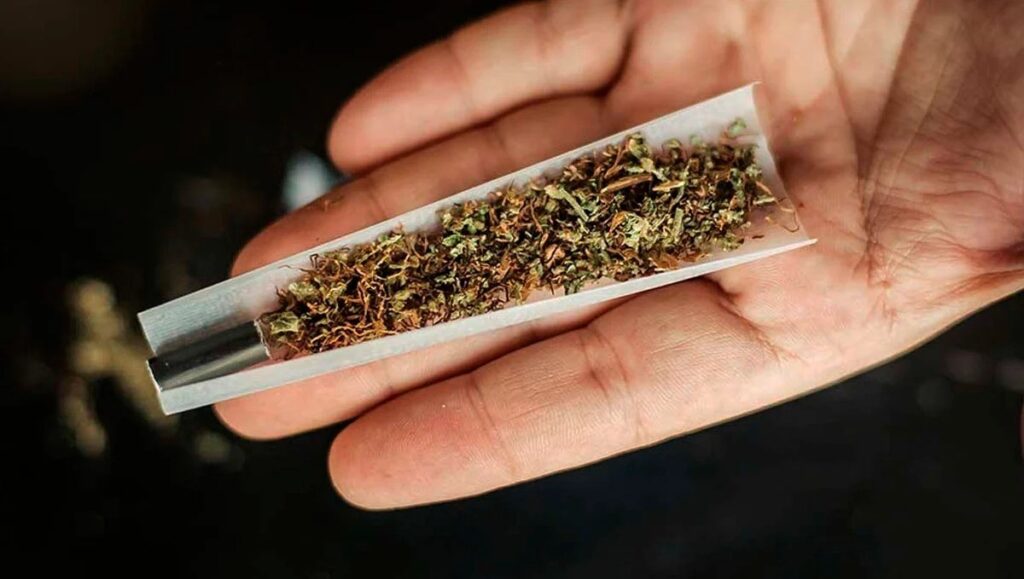
The term “spliff” is notably significant within the cannabis cultures of the Caribbean and Europe. This document delves into what a spliff is and its cultural significance, tracing its historical roots and the roles it plays across different societies.
Definition of a Spliff
Spliffs are hand-rolled cigarettes that combine tobacco and cannabis in varying ratios. This mixture sets spliffs apart from other cannabis consumption methods like joints, which contain only cannabis, and blunts, which are rolled with cigar paper.
Historical Context and Origin
The origin of the spliff is closely tied to economic and practical reasons. Initially, the practice of mixing cannabis with tobacco emerged from the need to make scarce and expensive cannabis last longer by blending it with cheaper and more readily available tobacco. This not only stretched the cannabis supply but also improved the smoking experience by leveraging the combustion properties of tobacco.
Cultural Significance
Spliffs are not just a way to consume cannabis; they are cultural symbols that reflect the socio-economic histories and collective identities of their users.
- In the Caribbean: The spliff symbolizes community and resilience, representing a shared spirit often enjoyed in social settings. It reflects camaraderie and a collective response to socio-economic hardships.
- In Europe: In European urban cultures, spliffs have evolved beyond their practical use to symbolize social connection and an alternative lifestyle. They are common at social events, enhancing the communal atmosphere and facilitating social integration.
Contemporary Relevance and Issues
Today, the use of spliffs is at the center of several debates concerning legality, health, and social practices. The combination of tobacco and cannabis in spliffs complicates health discussions, particularly in regions where cannabis has been decriminalized or legalized. Moreover, the cultural acceptance of spliffs often conflicts with public health initiatives aimed at reducing tobacco use.
Conclusion
Spliffs continue to be a profound cultural phenomenon, ingrained in the social fabric of many communities. Exploring their cultural implications sheds light on how substances can shape communal practices and identities. As societal attitudes towards cannabis and tobacco evolve, the significance of spliffs may also change, mirroring broader social and health trends.
The Anatomy of a Spliff: Components and Construction
The spliff, a smoking apparatus prevalent in both the cultural and social realms of various societies, warrants a detailed examination of its constituent materials and structural assembly. This analysis not only provides insight into its physical composition but also enhances understanding of its functional characteristics and cultural significance.
Introduction
A spliff is uniquely crafted from a blend of tobacco and cannabis, distinguishing it from other forms of smoking devices such as joints or blunts. This document delineates the specific components and the methodology involved in the construction of a spliff, illustrating the intricate balance required to achieve the desired smoking experience.
Components of a Spliff
- Cannabis: The primary psychoactive component, cannabis is selected based on strain and desired potency. It acts as the fundamental ingredient providing the intended effects of euphoria and relaxation.
- Tobacco: Often derived from cigarettes or loose-leaf tobacco, it is used to modulate the burn rate and enhance the spliff’s overall smoothness during inhalation. Tobacco also contributes a stimulative effect, which complements the sedative properties of cannabis.
- Rolling Paper: Typically thinner than those used for cigarettes, rolling papers for spliffs are chosen based on their combustibility and capacity to bind the contents effectively without altering the flavor significantly.
- Filter or Crutch: A small piece of card or thin cardboard, often fashioned into a cylinder, serves as the spliff’s mouthpiece. It stabilizes the structure and prevents particulate matter from entering the mouth during inhalation.
Construction of a Spliff
The process of constructing a spliff involves several meticulous steps to ensure optimal functionality:
- Preparation of Ingredients: Both tobacco and cannabis are finely ground to ensure a uniform texture that facilitates even burning.
- Mixing: The ground tobacco and cannabis are blended in varying ratios depending on user preference, typically ranging from a 30:70 to a 70:30 tobacco-to-cannabis ratio.
- Arranging the Blend: The homogeneous mixture is evenly distributed along the length of the rolling paper, taking care not to overfill, which can impede airflow and burning.
- Rolling: With the filter placed at one end, the paper is rolled around the cannabis-tobacco mixture, using fingers to shape and compact the spliff into a cylindrical form.
- Sealing: The adhesive strip of the rolling paper is moistened and sealed to secure the contents, ensuring the spliff remains intact during use.
Conclusion
The anatomy of a spliff is characterized by its components and the precision required in its construction. Understanding these elements is essential for appreciating the craftsmanship involved in creating a spliff and recognizing its role within various cultural contexts. The careful balance of cannabis and tobacco, coupled with the skilled art of rolling, defines the unique experience offered by each spliff, marking its significance in the ritualistic aspects of smoking culture.
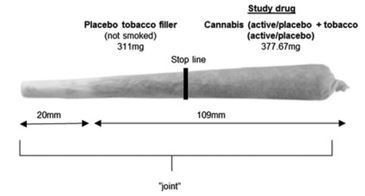
Tobacco and Marijuana: The Effects of Mixing
The practice of combining tobacco and marijuana into spliffs is deeply embedded in cultural traditions but carries significant health risks. This paper explores the physiological, psychological, and sociocultural effects of this mixture, emphasizing the scientific findings and potential health dangers associated with the simultaneous consumption of these substances.
Introduction
The co-use of tobacco and marijuana, particularly in the form of spliffs, is widespread across different cultures worldwide. Reasons for this blend include improved burn characteristics, altered psychoactive effects, and economic factors. Nevertheless, the health implications of mixing these substances are complex and warrant detailed exploration.
Physiological Effects
- Increased Cardiopulmonary Risk: Tobacco is notorious for its adverse effects on the heart and blood vessels, including the promotion of heart disease. Combined with marijuana, which raises heart rate and can stress the cardiovascular system, the mixture might amplify health risks, increasing the potential for cardiovascular issues.
- Respiratory Health Concerns: Both substances emit carcinogens and other harmful compounds that can irritate the respiratory system and lead to long-term damage, such as chronic bronchitis, emphysema, and lung cancer. Mixing tobacco and marijuana may worsen these conditions.
Psychological Effects
- Enhanced Addiction and Dependence: The addictive nature of nicotine and the potential dependence caused by marijuana can interact to strengthen addictive behaviors, making it more challenging to quit using either substance.
- Compromised Cognitive and Motor Functions: Marijuana can impair cognitive functions and motor coordination. When used with tobacco, these impairments might intensify, affecting everyday mental health and functionality.
Sociocultural Effects
- Cultural Practices: In many societies, smoking spliffs is a culturally significant practice that fosters social cohesion and identity. However, this tradition can also perpetuate the use of harmful substances, sometimes overshadowing the associated health risks.
- Economic Impact: While mixing tobacco with marijuana may be economically driven, it poses broader public health challenges, including higher healthcare costs due to increased morbidity.
Conclusion
Mixing tobacco and marijuana in spliffs is a practice that balances increased pleasure against significant health risks. Users and healthcare providers need to be fully aware of these issues. Despite the cultural and social acceptance, the health risks demand careful consideration and restraint. Health policies and educational initiatives should address these risks to mitigate the health consequences of combined tobacco and marijuana use.
How to Roll the Perfect Spliff: A Step-by-Step Guide
This guide meticulously outlines the steps required to craft the perfect spliff, combining tobacco and cannabis in precise proportions. It aims to deliver a thorough instruction on the rolling technique to optimize the smoking experience for both novice and experienced smokers.
Introduction
A spliff, which mixes tobacco with cannabis, offers a distinctive smoking experience that can be refined through skilled rolling. This guide is designed to equip smokers with the knowledge to consistently produce well-rolled spliffs, enhancing their enjoyment and smoking proficiency.
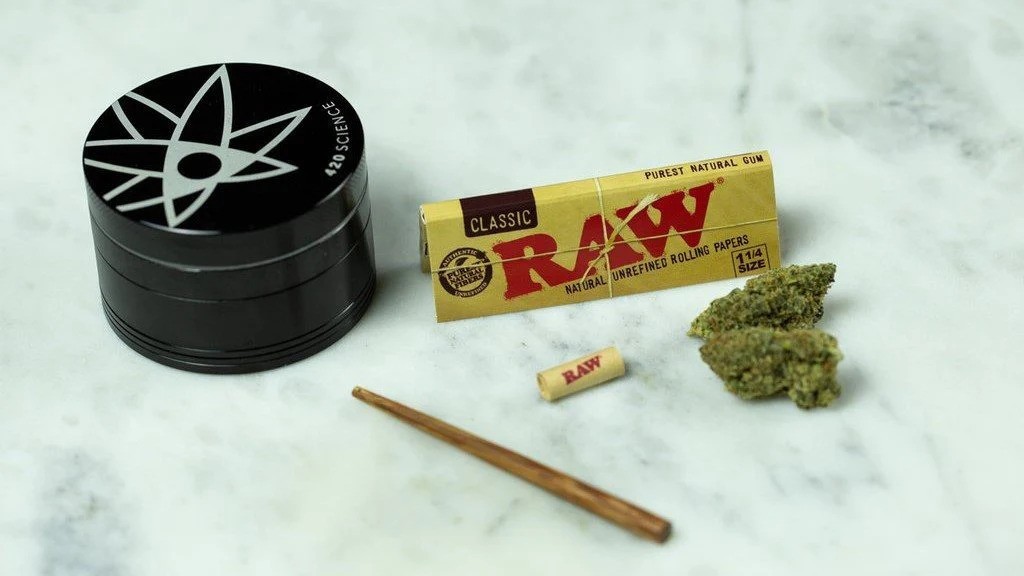
Required Materials
- Cannabis: Select a cannabis strain that suits the desired effects, such as relaxation or stimulation.
- Tobacco: Choose a complementary tobacco type for flavor and burning properties.
- Rolling Paper: Use thin, durable rolling paper with a natural gum line.
- Filter or Crutch: Prepare a piece of sturdy paper or use a pre-made filter.
- Grinder: Employ a grinder to achieve an even and appropriate consistency in the cannabis.
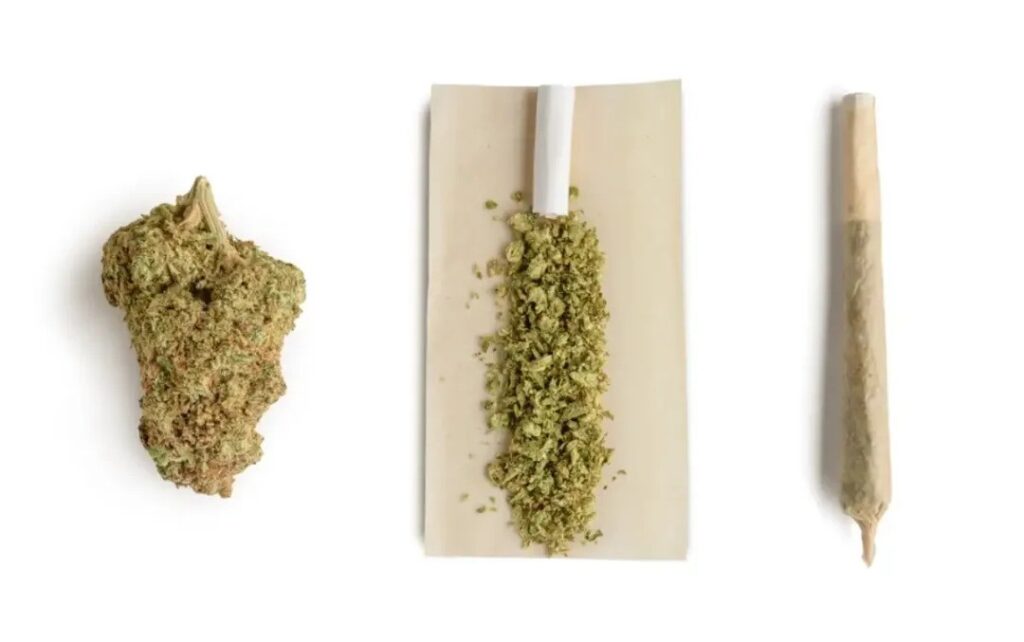
Step-by-Step Guide
- Grind the Cannabis: Insert the dry cannabis buds into the grinder and turn until they are evenly ground but not too fine, to ensure an even burn.
- Prepare the Tobacco: If using loose tobacco, ensure it is smooth and free of stems.
If you’re using tobacco from a cigarette, take it out and loosen it by rubbing it between your fingers. - Combine Ingredients: Mix the ground cannabis and tobacco on a flat surface or in your hand. The typical mixing ratio varies from 30:70 to 70:30 tobacco to cannabis, based on personal preference. Stir well to achieve a uniform blend.
- Construct the Filter: Form the crutch into a cylinder that matches the diameter of the rolling paper. This helps maintain the spliff’s structure and prevents inhaling any loose particles.
- Load the Rolling Paper: Spread the rolling paper out with the gummed edge at the top facing you. Distribute the mixture evenly across the paper, placing the filter at one end.
- Roll the Spliff: Hold the paper between your fingertips and roll it gently to form the mixture into a cylindrical shape. Fold the edge of the paper closest to you over the mixture, then keep rolling until just the sticky edge is visible.
- Seal the Spliff: Moisten the gummed edge lightly with your tongue and roll it closed to seal the spliff securely, ensuring it stays intact.
- Compact the Contents: Tap the end containing the filter on a firm surface to pack the mixture tightly towards the filter, which helps eliminate air gaps and ensures a smooth burn.
- Allow to Dry: Let the spliff sit for several minutes to ensure the gummed edge adheres well and the paper does not tear when lit.
Conclusion
Mastering the art of rolling a spliff involves careful attention to detail and practice. Following this guide will enable smokers to craft exceptional spliffs that enhance the pleasure of each smoking session, appreciating the nuanced combination of tobacco and cannabis. This skill not only improves the quality of the smoke but also enriches the smoker’s experience.
Choosing the Right Materials for Rolling Spliffs
The choice of materials for constructing spliffs, which blend tobacco and cannabis, is crucial for ensuring the quality and satisfaction of the smoking experience. This guide delves into the key components necessary for rolling spliffs: cannabis, tobacco, rolling papers, and filters, providing insights to help users make informed decisions that enhance the balance of flavor, burn rate, and smoothness in their spliffs.
Introduction
The craft of rolling a spliff not only requires dexterity but also a meticulous selection of materials. Each element, from the cannabis strain to the type of tobacco, rolling paper, and filter used, significantly influences the final product’s quality and enjoyment. An understanding of the properties and suitability of each material is essential for both beginners and seasoned rollers.
1. Cannabis Selection
Choosing the right cannabis strain is critical for achieving the desired effects and flavor profile in a spliff. Whether users prefer the relaxing qualities of indica, the energizing aspects of sativa, or the balanced characteristics of hybrids, the strain choice should align with the intended smoking experience. The cannabis should be fresh, aromatic, and free of contaminants to ensure purity and optimal effect.
2. Tobacco Choice
Tobacco adjusts the burning characteristics of the spliff and enhances its flavor complexity. It should complement the cannabis in terms of strength and aroma. Users can opt for either loose-leaf tobacco for greater control over the mixture or conveniently extracted tobacco from cigarettes. High-quality, fresh tobacco is essential to prevent it from overshadowing the natural flavors of the cannabis.
3. Rolling Papers
The selection of rolling paper is pivotal as it affects the spliff’s burn rate and overall taste. Papers made from hemp, rice, or flax are available, each offering distinct burning speeds and minimal taste alteration. Thinner papers are preferred for their slow burn and minimal flavor impact. Papers should also have a natural gum line for effective adhesion without excessive moisture.
4. Filters and Crutches
Filters, or crutches, play a dual role in providing structural integrity to the spliff and preventing inhalation of plant material. They also help regulate the smoke’s draw. Materials for filters can vary from thick paper to cardboard or specialized pre-formed tips. The filter’s material choice influences both the filtration efficiency and the ease of smoking.
Conclusion
Selecting the right materials when rolling spliffs is crucial for crafting a pleasurable and high-quality smoking session. This guide offers detailed guidance on the effects of different cannabis strains, types of tobacco, rolling papers, and filters, enabling users to customize their spliffs to their preferences and desired outcomes. By making informed material choices, smokers can enhance both the enjoyment and the quality of their spliffs.
Health Considerations: Comparing Spliffs with Other Smoking Methods
This document provides a comprehensive examination of the health impacts of smoking spliffs, compared to other prevalent smoking methods such as joints, blunts, and traditional cigarettes. It seeks to outline the distinct health risks linked to different smoking practices, focusing on a comparative analysis of their impacts on human health.
Introduction
Spliffs, which are composed of both tobacco and cannabis, are a common smoking method across different cultures, chosen often for the combined effects of the two substances. This analysis seeks to explore the health implications of smoking spliffs relative to other methods like joints (pure cannabis), blunts (cannabis in a tobacco leaf wrap), and tobacco cigarettes, which are widely recognized for their health risks.
Health Risks Associated with Different Smoking Methods
- Spliffs
- Health Risks: The use of spliffs introduces the combined health risks of tobacco and cannabis. Tobacco is a major contributor to cardiovascular and respiratory diseases and various cancers, while cannabis is associated with respiratory issues and potential long-term cognitive impacts.
- Chemical Exposure: Spliffs result in exposure to a wide array of harmful chemicals including nicotine, tar, and carcinogens, which may enhance health risks beyond those associated with smoking cannabis alone.
- Joints
- Health Risks: Joints avoid the tobacco-related risks but still expose users to the harmful effects of inhaling combusted cannabis, which can lead to respiratory irritation and has been linked to conditions like chronic bronchitis.
- Chemical Exposure: Smoking joints involves inhaling carcinogens and other hazardous substances that are released during the burning of cannabis.
- Blunts
- Health Risks: Blunts combine the adverse effects of cannabis smoke and the nicotine from the tobacco leaf wrap, potentially increasing addiction risks and health complications.
- Chemical Exposure: The combination of tobacco leaf wrappers and cannabis in blunts results in a higher concentration of toxic substances compared to joints, due to the mixture of tobacco and cannabis.
- Tobacco Cigarettes
- Health Risks: Tobacco cigarettes are extensively documented to severely impact health, elevating the risk of lung cancer, heart conditions, and strokes, among other serious health issues.
- Chemical Exposure: Cigarettes are laden with nicotine, tar, and numerous other toxins and carcinogens, recognized for their detrimental effects on health.
Discussion
The health outcomes from different smoking methods vary based on the chemicals they deliver to the user. Spliffs, in particular, merge the harmful components of both tobacco and cannabis smoke, thus potentially intensifying health risks compared to smoking solely cannabis or tobacco. While public health initiatives frequently address tobacco smoking dangers, the risks linked with spliffs and other methods involving cannabis may not be as prominently featured.
Conclusion
It is vital for health-conscious individuals and professionals to understand the specific health implications of various smoking methods, including spliffs. Given that spliffs include tobacco, they present additional risks not found in pure cannabis smoking methods like joints. Health educators and policymakers need to incorporate these distinctions in their health advisories and interventions to effectively address and mitigate smoking-related health issues. Ongoing updates and education based on emerging research into cannabis effects are essential for maintaining informed public health strategies.
Spliff Etiquette: Dos and Don’ts
This document outlines the essential etiquette associated with smoking spliffs in a social setting. It highlights the behavioral norms and practices that are commonly accepted to ensure a respectful and enjoyable experience for all participants involved in this communal activity.
Introduction
Smoking spliffs is often a shared experience and, like many social interactions, it follows a set of unspoken rules or etiquette. These guidelines help maintain order, respect, and enjoyment among those partaking. Adherence to these practices is crucial for both experienced smokers and newcomers to ensure smooth and pleasant interactions.
Essential Guidelines for Spliff Etiquette
1. Dos
- Prepare Appropriately: Ensure there is a sufficient supply of cannabis and tobacco for all involved, showing forethought and respect for the group.
- Contribute Fairly: Participate in sharing the costs or supplies of cannabis or tobacco, unless it is agreed otherwise within the group.
- Follow the Passing Order: Pass the spliff clockwise or follow the group’s established order to maintain consistency and avoid confusion.
- Consider Others’ Preferences: Pay attention to how others are smoking, including how deeply they inhale and their comfort with the pace of smoking. Adjust accordingly to accommodate everyone.
- Maintain Cleanliness: Keep the area clean and dispose of waste such as ashes and remnants responsibly after the session.
2. Don’ts
- Avoid Overindulgence: Stick to taking a couple of puffs (often two) before passing the spliff along—this practice is sometimes referred to as “puff, puff, pass.”
- Prevent Moisture: Avoid salivating on the spliff when smoking. Keeping the tip dry helps make the experience more pleasant for everyone.
- Respect Individual Choices: Do not coerce anyone into consuming more than they feel comfortable with; respect each person’s smoking limits.
- Withhold Critiques: Refrain from negatively commenting on the quality of cannabis, tobacco, or the skills of the person who rolled the spliff. Offer helpful suggestions only if solicited.
- Minimize Distractions: Try to avoid engaging in activities like texting or taking calls during the session, as it can detract from the communal experience and engagement.
Conclusion
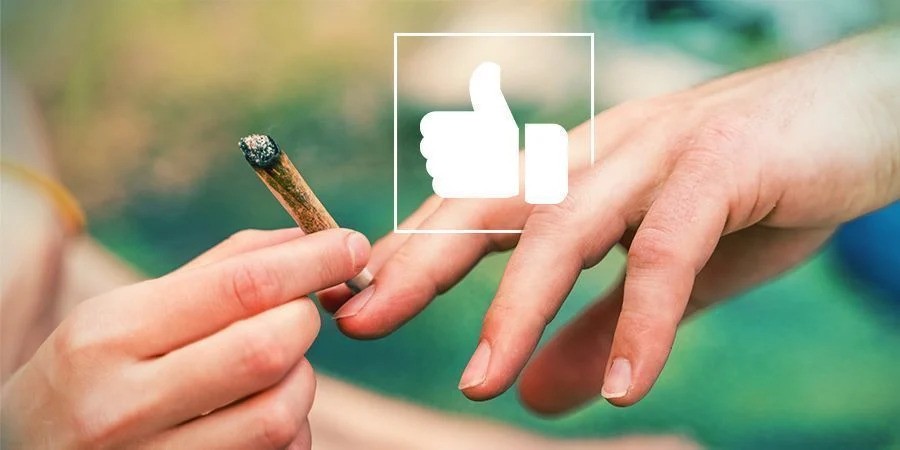
Adhering to the established etiquette of spliff smoking plays a pivotal role in ensuring that the activity is enjoyable and respectful for all participants. These dos and don’ts not only enhance the overall experience but also uphold the social and cultural standards associated with this communal practice. By observing these guidelines, individuals contribute positively to a harmonious and inclusive smoking environment.
Legal Implications of Smoking Spliffs in Different Regions
This comprehensive analysis explores the intricate legal landscape surrounding the smoking of spliffs, which typically consist of both tobacco and cannabis. Given the distinct legal frameworks governing the usage of these substances globally, this paper delineates the varied legal implications and enforcement practices associated with spliffs in different geographical contexts.
Introduction
Spliffs blend tobacco with cannabis, placing them at the intersection of varied legal regimes that govern each substance separately. The legal status of cannabis varies extensively worldwide, from complete prohibition to regulated medicinal use, and even full legalization in some areas. This examination provides insight into the legal complexities and implications for individuals and communities across different regions.
Regional Legal Variations
- North America
- United States: The legality of spliffs depends on individual state laws concerning cannabis, which range from outright prohibition to legalization for medical and recreational uses. Even where cannabis is legal, combining it with tobacco can introduce legal challenges related to where it can be consumed due to smoking laws.
- Canada: Since the nationwide legalization of cannabis in 2018, smoking spliffs is legally permissible. However, provincial laws on public smoking that include tobacco may limit consumption locations.
- Europe
- Netherlands: While the Netherlands tolerates the sale of cannabis in coffee shops, the smoking of tobacco in public venues is restricted, complicating the status of spliffs.
- United Kingdom: Cannabis for recreational use is illegal, though medicinal use is permitted. Tobacco is legal, but smoking spliffs is primarily governed by cannabis laws, making them illegal for recreational use.
- Oceania
- Australia: Cannabis laws vary by state, with some permitting medicinal use. Though tobacco is legal, regulations on public smoking mean that spliffs can only be consumed in certain designated areas.
- South America
- Uruguay: As the pioneer in fully legalizing cannabis, Uruguay also allows tobacco use. Thus, spliffs can be legally consumed, although restrictions on public smoking are still enforced.
- Asia
- India: Cannabis use is traditionally accepted in certain cultural contexts, such as the consumption of bhang during festivals, but recreational use remains illegal. Tobacco is legal, yet using it in spliffs outside specific cultural contexts is prohibited.
Discussion
Navigating the legal environment for spliffs involves understanding the interplay between tobacco and cannabis regulations. In jurisdictions where both substances are legal, additional public health and smoking area regulations may affect the legality of spliff consumption. In contrast, regions with stringent cannabis laws may pose significant legal risks for spliff smokers, potentially resulting in harsh penalties.
Conclusion
Grasping the complex legal frameworks that govern spliff smoking is crucial for users and legal professionals alike. Variations in cannabis and tobacco laws necessitate a detailed understanding of regional regulations to mitigate legal risks effectively. Policymakers and public health officials must also consider these legal intricacies when developing policies that pertain to the use of mixed substances such as spliffs.
Future Trends: The Evolving Culture of Spliffs
This analysis explores the evolving trends in the cultural and societal engagement with spliffs, cigarettes that blend tobacco with cannabis. It examines the forces shaping these trends such as legal reform, shifts in public opinion, and advances in health research and projects potential future changes in the usage and cultural relevance of spliffs.
Introduction
Spliffs are traditionally embedded in various cultural settings, especially in regions where both tobacco and cannabis are part of social rituals. However, the dynamics around spliff usage are changing, influenced by progressive legalization, changing societal views on smoking, and new health insights. Understanding these evolving factors is essential for anticipating how the culture and consumption of spliffs might develop.
Influencing Factors
- Legalization and Regulation
- As cannabis legalization expands globally, particularly in regions like North America and parts of Europe, it reshapes the legal and social landscape, affecting spliff consumption patterns. Legalization not only normalizes cannabis usage but also introduces regulations that may affect traditional spliff smoking habits.
- Health and Safety Research
- Ongoing research into the health effects of tobacco and cannabis is increasingly shaping public health policies and individual choices. As evidence mounts on the risks of combining these substances, future trends in spliff usage could shift towards healthier alternatives, potentially reducing the prevalence of traditional spliff smoking.
- Cultural Shifts and Social Perceptions
- Cultural and social perceptions around spliff smoking are changing, driven by global cultural exchanges and the pervasive influence of digital communication. Moreover, the growing stigma associated with smoking is prompting a reconsideration of traditional practices.
Anticipated Trends
- Market Segmentation and Specialization
- With diversifying consumer preferences, there is likely to be an increase in specialized spliff products. These could include spliffs with varied tobacco-cannabis ratios, spliffs made from organic or specially sourced materials, and those with customized flavors to cater to niche markets.
- Technological Integration
- Advances in technology could lead to innovative methods for consuming the traditional ingredients of spliffs. For example, devices that precisely mix tobacco and cannabis for vaporization might gain popularity, offering a healthier alternative to smoking.
- Movement Towards Health-Conscious Choices
- As awareness of health-related risks increases, there could be a significant movement towards alternatives to smoking. Consumers might gravitate towards less harmful options like edibles, tinctures, or non-combustible cannabis products, which do not involve the health risks associated with smoking.
Conclusion
The culture surrounding spliffs is in a state of transition, influenced by legislative changes, advancements in health science, and evolving social norms. These elements are likely to significantly impact the future cultural standing and consumption methods of spliffs. It is crucial for cultural researchers, policymakers, and industry influencers to stay abreast of these trends to effectively navigate and shape the future landscape of spliff culture.
