Species of Medical Cannabis: An In-Depth Exploration
Introduction
Medical cannabis has gained widespread recognition for its therapeutic potential, offering relief from various ailments and enhancing the quality of life for many patients. Unlike recreational cannabis, which is used primarily for its psychoactive effects, medical cannabis is valued for its medicinal properties. This comprehensive exploration delves into the species of medical cannabis, highlighting their unique characteristics, therapeutic benefits, and applications in modern medicine.
Overview of Cannabis Species
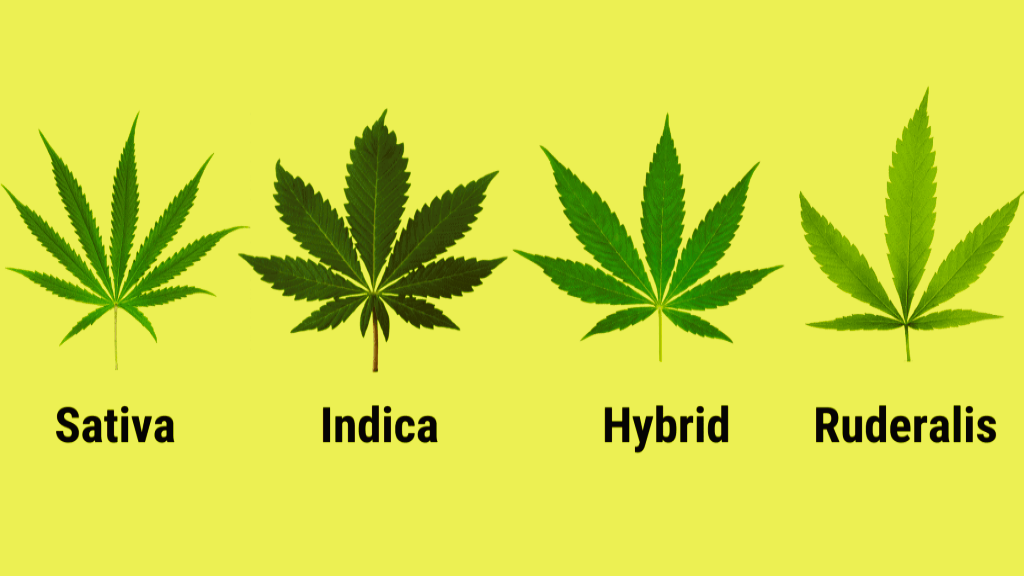
Cannabis is a genus that includes several species, each with distinct properties. The three primary species are:
- Cannabis sativa
- Cannabis indica
- Cannabis ruderalis
Each species has unique chemical compositions, growth patterns, and therapeutic profiles, making them suitable for different medical applications.
Cannabis sativa: An In-Depth Exploration of Its Medical Benefits
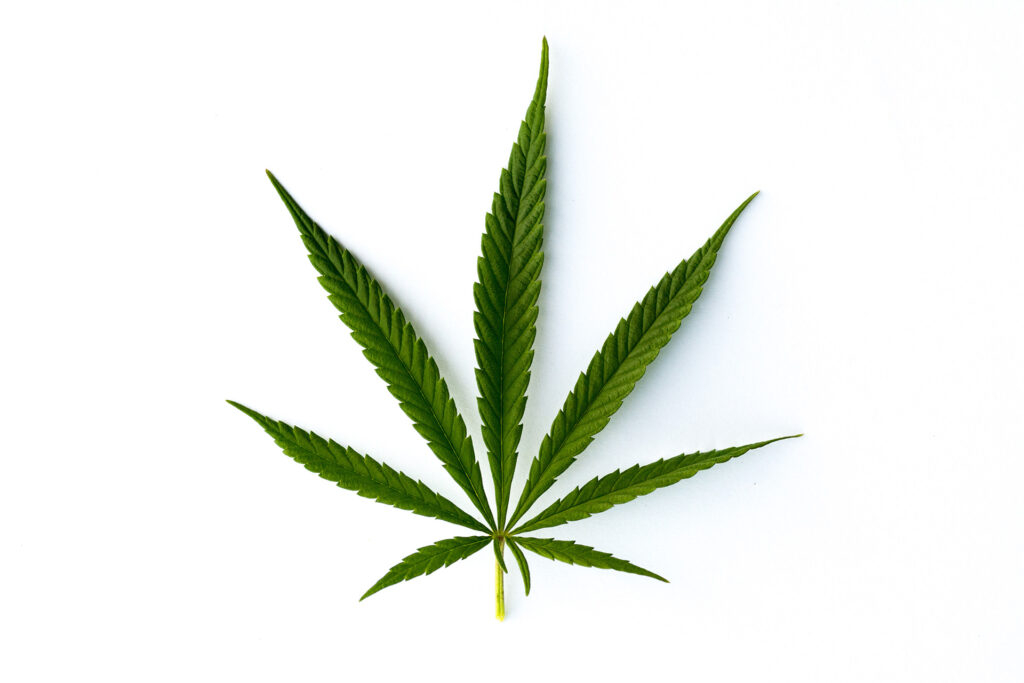
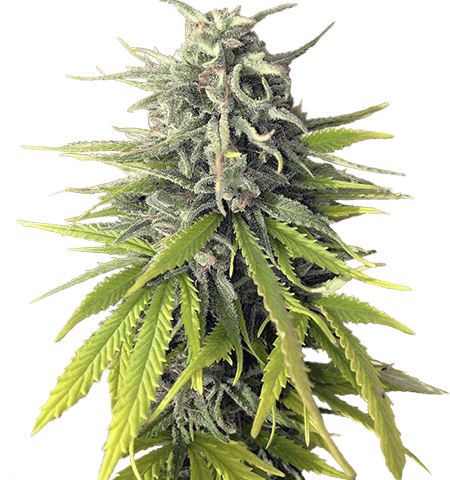
For ages, people have used the medical qualities of Cannabis sativa, one of the main species of the cannabis plant. Known for its tall, slender structure and narrow leaves, Cannabis sativa thrives in warmer climates and is renowned for its unique chemical composition and therapeutic potential. This comprehensive exploration delves into the characteristics, chemical makeup, and medical applications of Cannabis sativa, highlighting its role in modern medicine.
Characteristics of Cannabis sativa
Physical Appearance
Cannabis sativa plants are characterized by their tall, fibrous stalks and narrow, serrated leaves. They can grow up to 20 feet in height under optimal conditions. The plant has a longer flowering cycle compared to other cannabis species, often requiring 10-16 weeks to mature. Sativa plants are generally better suited to outdoor cultivation due to their height and need for ample sunlight.
Growth Conditions
Cannabis sativa thrives in warm, tropical, and equatorial climates. It prefers long growing seasons with plenty of sunlight, which is essential for its extended flowering period. These plants require well-drained soil and consistent watering, although they are relatively drought-resistant once established.
Chemical Composition
The unique therapeutic properties of Cannabis sativa are derived from its rich chemical composition, which includes a variety of cannabinoids, terpenes, and flavonoids.
Cannabinoids
- THC (Tetrahydrocannabinol): Cannabis sativa strains are known for their high THC content. The main psychoactive ingredient in cannabis, THC, gives users the “high” that comes with using it. However, it also has significant medicinal properties, including pain relief, anti-inflammatory effects, and appetite stimulation.
- CBD (Cannabidiol): While generally lower in sativa strains compared to indica, CBD is a non-psychoactive cannabinoid that offers a wide range of therapeutic benefits, including anti-anxiety, anti-inflammatory, and neuroprotective effects.
- CBG (Cannabigerol): Present in smaller quantities, CBG has shown promise in studies for its antibacterial, anti-inflammatory, and neuroprotective properties.
- CBC (Cannabichromene): Another minor cannabinoid, CBC, contributes to the overall anti-inflammatory and analgesic effects of the plant.
Terpenes
Terpenes are aromatic compounds that contribute to the scent and therapeutic effects of Cannabis sativa. Common terpenes in sativa strains include:
- Limonene: Known for its citrusy aroma, limonene has mood-enhancing and anti-anxiety properties.
- Pinene: With a pine-like scent, pinene is believed to improve focus and respiratory function.
- Terpinolene: Exhibiting a floral, herbal aroma, terpinolene is known for its antioxidant and sedative effects.
Flavonoids
Flavonoids are phytonutrients found in cannabis that offer various health benefits. They have antioxidant, anti-inflammatory, and neuroprotective properties, contributing to the overall therapeutic profile of Cannabis sativa.
Therapeutic Benefits
Cannabis sativa has a wide range of medical applications, owing to its diverse chemical composition. It works especially well for conditions that call for pain alleviation, energy boosts, and mood enhancement.
Pain Management
The analgesic properties of THC and CBD make Cannabis sativa effective in managing chronic pain conditions such as:
- Arthritis: Reduces inflammation and pain in joints.
- Migraines: Alleviates headache pain and associated symptoms.
- Neuropathy: Helps in reducing nerve pain.
Mental Health
Because of their stimulating and uplifting qualities, cannabis sativa strains are well-suited to treat mental health issues like:
- Depression: Improves mood and provides an energy boost, helping to alleviate symptoms of depression.
- Anxiety: Some sativa strains can reduce anxiety and stress, although care must be taken as high THC levels can exacerbate anxiety in some individuals.
- ADHD: Enhances focus and concentration, aiding in the management of ADHD symptoms.
Neurological Disorders
The neuroprotective properties of cannabinoids in Cannabis sativa make it a potential treatment for various neurological disorders:
- Multiple Sclerosis: Reduces muscle spasms and pain associated with MS.
- Parkinson’s Disease: Helps in managing tremors and improving motor function.
- Epilepsy: While more commonly treated with high-CBD strains, some sativa strains may help in reducing seizure frequency and severity.
Appetite Stimulation
Cannabis sativa is effective in stimulating appetite, which is beneficial for patients with:
- Cancer: Helps in managing chemotherapy-induced nausea and loss of appetite.
- HIV/AIDS: Alleviates symptoms such as weight loss and lack of appetite.
Popular Medical Strains of Cannabis sativa
Several Cannabis sativa strains have gained popularity for their medical benefits. Here are some notable examples:
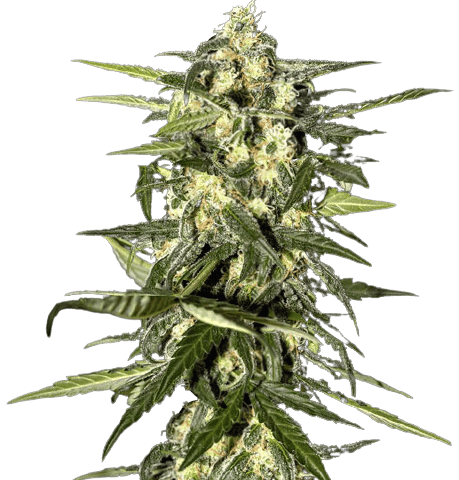
Jack Herer
- Effects: Known for its clear-headed, uplifting effects.
- Medical Uses: Effective in treating stress, anxiety, and chronic pain.
- Terpene Profile: Rich in terpinolene, myrcene, and caryophyllene.
-
 Jack Herer Cannabis SeedsFrom: $24.99
Sour Diesel
- Effects: Fast-acting, energizing effects that promote creativity and focus.
- Medical Uses: Suitable for managing depression, fatigue, and chronic pain.
- Terpene Profile: Contains limonene, caryophyllene, and myrcene.
-
 Sour Diesel Cannabis SeedsFrom: $24.99
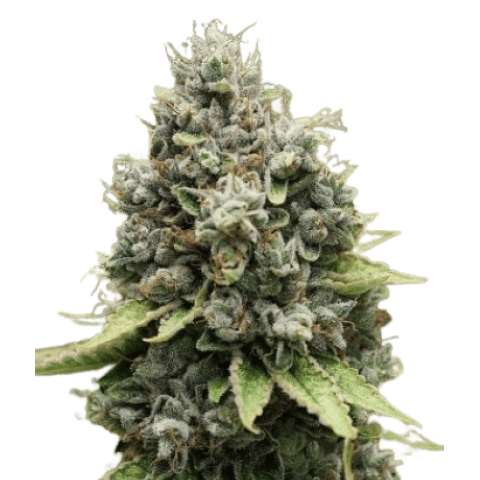
Green Crack
- Effects: Provides a sharp mental focus and energy boost.
- Medical Uses: Ideal for combating fatigue and improving concentration.
- Terpene Profile: High in myrcene, pinene, and caryophyllene.
Durban Poison
- Effects: Euphoric and stimulating effects that enhance mood and creativity.
- Medical Uses: Used to treat depression, stress, and ADD/ADHD.
- Terpene Profile: Dominated by terpinolene, with hints of myrcene and ocimene.
-
 Durban Poison Cannabis SeedsFrom: $24.99
Cultivation and Harvesting
Cultivating Cannabis sativa requires attention to several key factors to ensure optimal growth and potency.
Climate and Soil
- Climate: Prefers warm, sunny climates with long growing seasons.
- Soil: Grows best on loamy, well-drained soil that is high in organic matter.
Light and Watering
- Light: Requires ample sunlight, preferably 12-14 hours of direct light per day.
- Watering: Needs consistent watering, but the soil should not be waterlogged. Established plants are relatively drought-resistant.
Nutrients
- Nutrients: Requires a balanced supply of macronutrients (nitrogen, phosphorus, potassium) and micronutrients (calcium, magnesium, iron) for healthy growth.
- pH Levels: Optimal soil pH is between 6.0 and 6.5.
Harvesting
- Flowering Time: Typically takes 10-16 weeks to flower.
- Harvest Indicators: Harvest when the majority of trichomes (resin glands) are milky white with some turning amber. Pistils (hair-like structures on the flowers) should be mostly brown and curled in.
Cannabis indica: An In-Depth Exploration of Its Medical Benefits
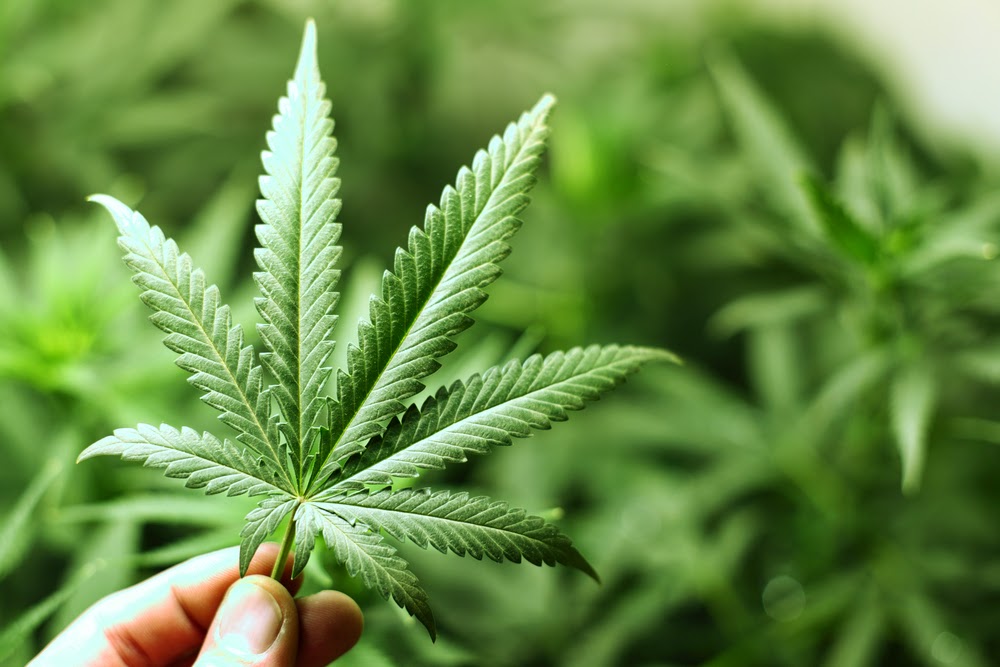
One of the main species of the cannabis plant, Cannabis indica, is prized for its therapeutic qualities. Known for its short, bushy stature and broad leaves, Cannabis indica is particularly effective in providing relief from various ailments, primarily due to its sedative and relaxing effects. This comprehensive exploration delves into the characteristics, chemical composition, and medical applications of Cannabis indica, highlighting its significant role in modern medicine.
Characteristics of Cannabis indica
Physical Appearance
Cannabis indica plants are typically short and stout, growing between 3 to 6 feet in height. They have thick, broad leaves and dense, resinous buds. Indica plants have a shorter flowering cycle compared to sativa, usually taking 8 to 12 weeks to mature. Their compact structure makes them well-suited for indoor cultivation.
Growth Conditions
Cannabis indica thrives in cooler climates with shorter growing seasons. It is well-adapted to mountainous regions and can withstand varying environmental conditions. The plant prefers well-drained soil and benefits from regular pruning to promote airflow and light penetration to the lower branches.
Chemical Composition
The therapeutic properties of Cannabis indica are derived from its rich chemical composition, including a variety of cannabinoids, terpenes, and flavonoids.
Cannabinoids
- THC (Tetrahydrocannabinol): Indica strains often have high THC levels, which contribute to their potent psychoactive effects. The analgesic, anti-inflammatory, and muscle-relaxing effects of THC are well recognized.
- CBD (Cannabidiol): Indica strains generally contain significant levels of CBD, a non-psychoactive cannabinoid known for its anti-anxiety, anti-inflammatory, and neuroprotective effects.
- CBN (Cannabinol): CBN is a mildly psychoactive cannabinoid found in higher concentrations in aged cannabis. It can help alleviate insomnia because of its well-known sedative qualities.
- THCV (Tetrahydrocannabivarin): Present in smaller quantities, THCV has been studied for its potential to reduce anxiety and act as an appetite suppressant.
Terpenes
Terpenes are aromatic compounds that contribute to the scent and therapeutic effects of Cannabis indica. Typical terpenes found in indica strains are:
- Myrcene: Myrcene, which has a musky, earthy scent, is both a sedative and a muscle relaxant.
- Linalool: Exhibiting a floral scent, linalool is known for its calming and anti-anxiety effects.
- Caryophyllene: With a spicy, peppery aroma, caryophyllene has anti-inflammatory and analgesic properties.
Flavonoids
Flavonoids are phytonutrients found in cannabis that offer various health benefits. They have antioxidant, anti-inflammatory, and neuroprotective properties, contributing to the overall therapeutic profile of Cannabis indica.
Therapeutic Benefits
Cannabis indica has a wide range of medical applications, primarily due to its sedative and relaxing effects. It is particularly effective in treating conditions that require pain relief, muscle relaxation, and stress reduction.
Pain Management
The analgesic properties of THC and CBD make Cannabis indica effective in managing chronic pain conditions such as:
- Fibromyalgia: Reduces widespread musculoskeletal pain and improves sleep quality.
- Multiple Sclerosis: Alleviates muscle spasms, pain, and stiffness.
- Rheumatoid Arthritis: Reduces joint inflammation and pain.
Sleep Disorders
Cannabis indica strains are highly effective in promoting sleep and treating insomnia due to their sedative properties:
- Insomnia: Induces sleep by relaxing the body and mind.
- Sleep Apnea: May help reduce symptoms by promoting deeper, uninterrupted sleep.
- Restless Leg Syndrome: Relieves symptoms by relaxing muscles and reducing discomfort.
Mental Health
Indica strains offer calming and relaxing effects, making them suitable for treating mental health conditions such as:
- Anxiety: Reduces anxiety and stress, providing a sense of calm and relaxation.
- Post-Traumatic Stress Disorder (PTSD): Helps in managing symptoms by reducing anxiety, improving sleep, and alleviating flashbacks.
- Bipolar Disorder: Can aid in mood stabilization and the reduction of manic and depressive symptoms.
Muscle Spasms and Tremors
The muscle-relaxing properties of indica strains make them effective in managing conditions like:
- Parkinson’s Disease: Reduces tremors and muscle stiffness.
- Multiple Sclerosis: Alleviates muscle spasms and improves mobility.
- Cerebral Palsy: Helps in managing muscle stiffness and spasms.
Appetite Stimulation
Cannabis indica is effective in stimulating appetite, which is beneficial for patients with:
- Cancer: Helps manage chemotherapy-induced nausea and loss of appetite.
- HIV/AIDS: Alleviates symptoms such as weight loss and lack of appetite.
Popular Medical Strains of Cannabis indica
Several Cannabis indica strains have gained popularity for their medical benefits. Here are some notable examples:
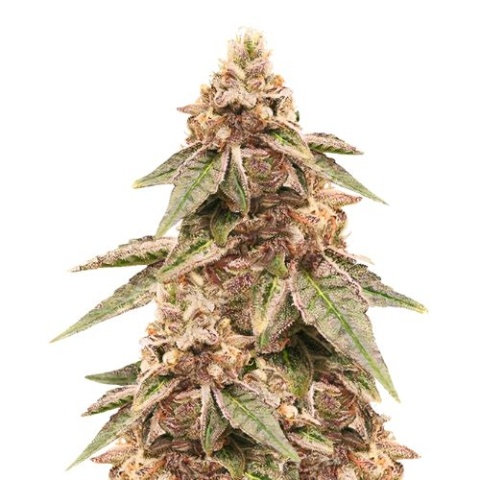
Granddaddy Purple
- Effects: Known for its powerful relaxing and sedative effects.
- Medical Uses: Effective in treating pain, insomnia, and anxiety.
- Terpene Profile: Rich in myrcene, caryophyllene, and pinene.
-
Granddaddy Purple Cannabis SeedsFrom: $24.99
Northern Lights
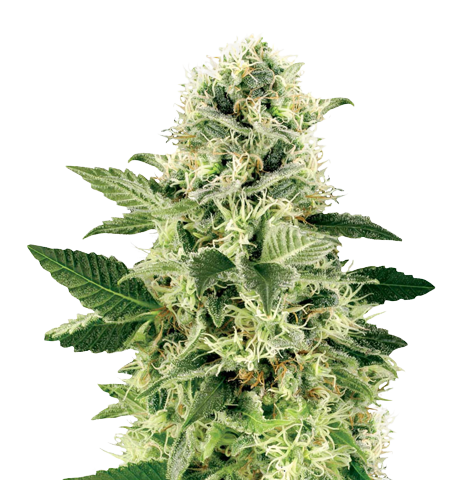
- Effects: Provides a strong body high, promoting relaxation and sleep.
- Medical Uses: Suitable for managing pain, insomnia, and stress.
- Terpene Profile: Contains myrcene, caryophyllene, and humulene.
-
 Northern Lights Cannabis SeedsFrom: $24.99
Blueberry
- Effects: Offers soothing effects that help with pain relief and stress management.
- Medical Uses: Used to treat pain, insomnia, and anxiety.
- Terpene Profile: High in myrcene, pinene, and caryophyllene.
-
Blueberry Cannabis SeedsFrom: $24.99
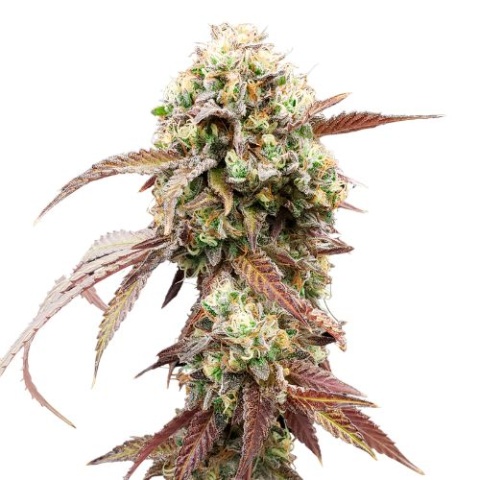
Bubba Kush
- Effects: Known for its heavy sedative effects, promoting deep relaxation.
- Medical Uses: Effective in managing pain, insomnia, and stress.
- Terpene Profile: Contains myrcene, limonene, and caryophyllene.
-
Bubba Kush Cannabis SeedsFrom: $24.99
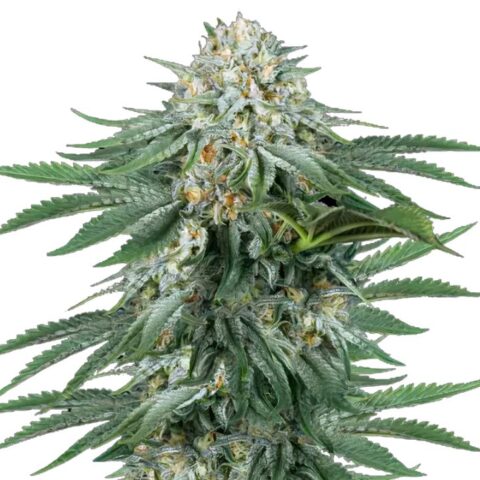
Cultivation and Harvesting
Cultivating Cannabis indica requires attention to several key factors to ensure optimal growth and potency.
Climate and Soil
- Climate: Prefers cooler climates with shorter growing seasons.
- Soil: Thrives in well-drained, loamy soil rich in organic matter.
Light and Watering
- Light: Requires adequate light, but can tolerate shorter photoperiods.
- Watering: Needs consistent watering, with care to avoid overwatering.
Nutrients
- Nutrients: Requires a balanced supply of macronutrients (nitrogen, phosphorus, potassium) and micronutrients (calcium, magnesium, iron) for healthy growth.
- pH Levels: Optimal soil pH is between 6.0 and 7.0.
Harvesting
- Flowering Time: Typically takes 8-12 weeks to flower.
- Harvest Indicators: Harvest when the majority of trichomes are milky white with some turning amber. Pistils should be mostly brown and curled in.
Cannabis ruderalis: An In-Depth Exploration of Its Medical Benefits
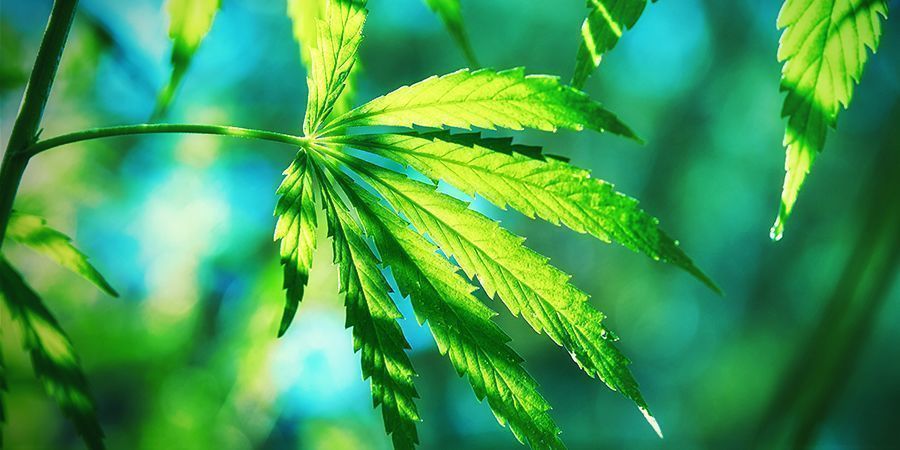
Cannabis ruderalis, one of the lesser-known species of the cannabis plant, is highly valued for its unique properties, particularly its high CBD content and its auto-flowering trait. While it is not as widely used as Cannabis sativa or Cannabis indica, Cannabis ruderalis has significant medicinal potential. This comprehensive exploration delves into the characteristics, chemical composition, and medical applications of Cannabis ruderalis, highlighting its role in modern medicine.
Characteristics of Cannabis ruderalis
Physical Appearance
Cannabis ruderalis is a small, hardy plant that typically grows between 1 to 3 feet in height. It has thick, fibrous stems and broad leaves, similar to those of Cannabis indica but smaller in size. Ruderalis plants are well-adapted to harsh climates and can thrive in environments where other cannabis species might struggle.
Growth Conditions
Hard-climate areas, such sections of Asia and Central and Eastern Europe, are home to Cannabis ruderalis. It is renowned for its adaptability and capacity to flourish in a range of circumstances, such as poor soil and severe weather. The auto-flowering characteristic of Cannabis ruderalis, which causes it to go from the vegetative to the blooming stage depending on age rather than variations in light cycles, is one of its most distinguishing qualities.
Chemical Composition
The therapeutic properties of Cannabis ruderalis are derived from its rich chemical composition, including a variety of cannabinoids, terpenes, and flavonoids.
Cannabinoids
- CBD (Cannabidiol): Cannabis ruderalis is particularly known for its high CBD content. CBD is a non-psychoactive cannabinoid that offers a wide range of therapeutic benefits, including anti-anxiety, anti-inflammatory, and neuroprotective effects.
- THC (Tetrahydrocannabinol): Ruderalis strains typically have low THC levels, making them less psychoactive and more suitable for patients who want to avoid the “high” associated with THC.
- CBG (Cannabigerol): Present in smaller quantities, CBG has shown promise in studies for its antibacterial, anti-inflammatory, and neuroprotective properties.
- CBC (Cannabichromene): Another minor cannabinoid, CBC, contributes to the overall anti-inflammatory and analgesic effects of the plant.
Terpenes
Terpenes are aromatic compounds that contribute to the scent and therapeutic effects of Cannabis ruderalis. Common terpenes in ruderalis strains include:
- Caryophyllene: With a spicy, peppery aroma, caryophyllene has anti-inflammatory and analgesic properties.
- Humulene: Known for its earthy, woody scent, humulene is believed to have anti-inflammatory and appetite-suppressing effects.
- Myrcene: Exhibiting a musky, earthy aroma, myrcene has sedative and muscle relaxant properties.
Flavonoids
Flavonoids are phytonutrients found in cannabis that offer various health benefits. They have antioxidant, anti-inflammatory, and neuroprotective properties, contributing to the overall therapeutic profile of Cannabis ruderalis.
Therapeutic Benefits
Cannabis ruderalis has a wide range of medical applications, primarily due to its high CBD content and low THC levels. It is particularly effective in treating conditions that require anti-inflammatory, anti-anxiety, and neuroprotective effects.
Epilepsy and Seizures
The high CBD content in Cannabis ruderalis makes it effective in reducing the frequency and severity of seizures. It has been particularly beneficial for patients with treatment-resistant forms of epilepsy, such as Dravet syndrome and Lennox-Gastaut syndrome.
- CBD Auto Compassion Lime: Known for its high CBD content and anti-inflammatory effects, this strain is effective in managing seizures and reducing anxiety.
- Royal CBDV Automatic: With a high CBDV (cannabidivarin) content, this strain is effective in managing seizures, anxiety, and chronic pain.
Anxiety and Depression
The calming effects of CBD can help alleviate symptoms of anxiety and depression without the psychoactive effects of THC. Cannabis ruderalis strains are often used to provide relief from:
- Generalized Anxiety Disorder (GAD): Reduces symptoms of chronic anxiety and promotes relaxation.
- Post-Traumatic Stress Disorder (PTSD): Helps manage symptoms by reducing anxiety and improving sleep.
- Depression: Improves mood and provides a sense of well-being.
Inflammation and Pain Management
Cannabis ruderalis strains have significant anti-inflammatory properties, making them useful for treating conditions such as:
- Arthritis: Reduces joint inflammation and pain.
- Inflammatory Bowel Disease (IBD): Alleviates symptoms such as abdominal pain and cramping.
- Chronic Pain: Provides relief from conditions such as fibromyalgia and neuropathy.
Neurological Disorders
The neuroprotective properties of cannabinoids in Cannabis ruderalis make it a potential treatment for various neurological disorders:
- Multiple Sclerosis (MS): Reduces muscle spasms, pain, and stiffness.
- Parkinson’s Disease: Helps in managing tremors and improving motor function.
- Alzheimer’s Disease: Potentially slows the progression of cognitive decline.
Popular Medical Strains of Cannabis ruderalis
Several Cannabis ruderalis strains have gained popularity for their medical benefits. Here are some notable examples:
CBD Auto Compassion Lime
- Effects: Known for its calming and anti-inflammatory effects.
- Medical Uses: Effective in treating seizures, anxiety, and inflammation.
- Terpene Profile: Rich in caryophyllene, myrcene, and limonene.
Royal CBDV Automatic
- Effects: Provides relief from seizures, anxiety, and chronic pain.
- Medical Uses: Suitable for managing epilepsy, anxiety, and pain.
- Terpene Profile: Contains humulene, caryophyllene, and myrcene.
Stress Killer Automatic
- Effects: Offers a balanced CBD-THC ratio, reducing stress and anxiety without significant psychoactive effects.
- Medical Uses: Used to reduce stress, anxiety, and pain.
- Terpene Profile: High in myrcene, caryophyllene, and limonene.
Cultivation and Harvesting
Cultivating Cannabis ruderalis requires attention to several key factors to ensure optimal growth and potency.
Climate and Soil
- Climate: Well-adapted to harsh climates, Cannabis ruderalis can thrive in a variety of environments.
- Soil: Prefers well-drained, loamy soil rich in organic matter.
Light and Watering
- Light: Cannabis ruderalis is auto-flowering, meaning it transitions from vegetative to flowering stage based on age rather than light cycles. This makes it less dependent on specific light conditions.
- Watering: Needs consistent watering, but the soil should not be waterlogged. It is relatively drought-resistant once established.
Nutrients
- Nutrients: Requires a balanced supply of macronutrients (nitrogen, phosphorus, potassium) and micronutrients (calcium, magnesium, iron) for healthy growth.
- pH Levels: Optimal soil pH is between 6.0 and 6.5.
Harvesting
- Flowering Time: Typically takes 8-10 weeks to flower.
- Harvest Indicators: Harvest when the majority of trichomes are milky white with some turning amber. Pistils should be mostly brown and curled in.
Hybrid Strains
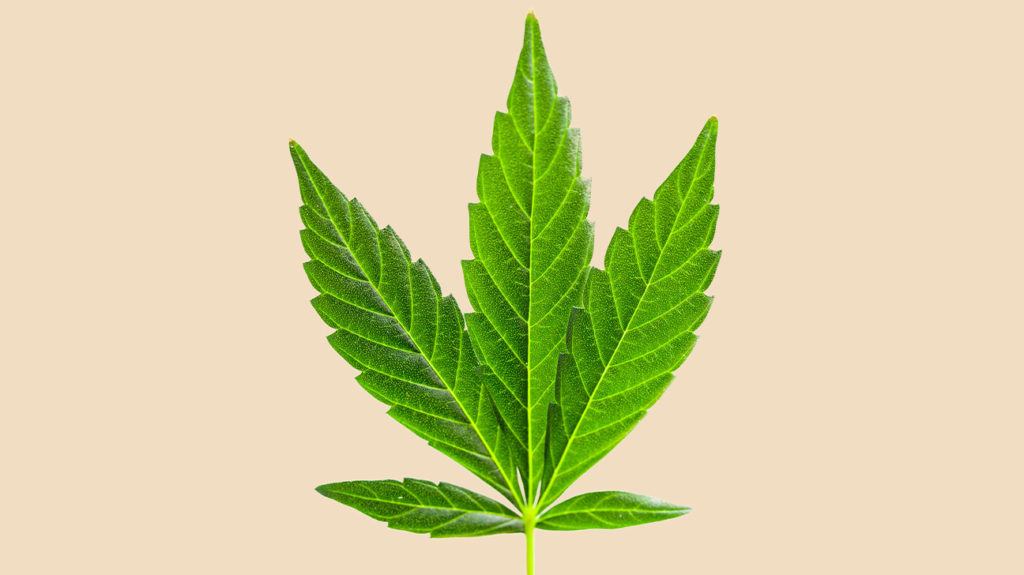
In addition to the primary species, hybrid strains combine the characteristics of sativa, indica, and sometimes ruderalis. These hybrids are bred to achieve specific therapeutic effects and are tailored to meet the needs of individual patients.
Characteristics
Hybrids can vary widely in appearance, growth patterns, and chemical composition, depending on the parent strains. They can be sativa-dominant, indica-dominant, or balanced, offering a range of effects from energizing to relaxing.
Therapeutic Benefits
Hybrid strains are used to address a broad spectrum of medical conditions, offering the combined benefits of sativa, indica, and ruderalis. They are often tailored to provide specific therapeutic effects, such as:
- Balanced Pain Relief: Hybrids can offer both the analgesic effects of indica and the anti-inflammatory properties of sativa, making them suitable for comprehensive pain management.
- Mood Stabilization: Hybrids with a balanced cannabinoid profile can help stabilize mood and reduce symptoms of both anxiety and depression.
- Customized Treatment: Hybrids can be bred to target specific conditions, such as epilepsy, PTSD, or cancer-related symptoms, providing tailored relief for patients.
Popular Medical Hybrid Strains
- Charlotte’s Web: A high-CBD variety with a reputation for successfully treating epilepsy, especially in young patients with Dravet syndrome.
- ACDC: This strain has a high CBD-to-THC ratio, making it ideal for treating pain, anxiety, and inflammation without significant psychoactive effects.
- Harlequin: With a balanced CBD-THC ratio, Harlequin is used to manage pain, anxiety, and inflammation while providing mild psychoactive effects.
-
CBD ACDC Cannabis SeedsFrom: $24.99
-
Harlequin CBD Cannabis SeedsFrom: $24.99
Legal and Regulatory Framework
The legal status of medical cannabis varies widely across different countries and states, reflecting diverse regulatory approaches. Generally, medical cannabis is subject to stringent controls to ensure patient safety and efficacy. Key regulatory aspects include:
- Prescription Guidelines: Medical cannabis is typically prescribed only when conventional treatments have failed, categorizing it as a last-resort option.
- Patient Eligibility: Patients must often meet specific criteria to qualify for medical cannabis, such as having a diagnosed condition that is recognized for cannabis treatment.
- Monitoring and Compliance: Strict monitoring protocols are in place to oversee the use of medical cannabis, including tracking patient outcomes and adverse effects.
Restrictions on Using Cannabis as a Last Resort
Medical Necessity
Medical cannabis is often considered a treatment of last resort, meaning it is prescribed only after other conventional treatments have proven ineffective. This approach ensures that cannabis is used judiciously and only when necessary. Specific conditions where cannabis might be used as a last resort include:
- Chronic Pain: For patients who do not respond to opioids or other pain management strategies.
- Epilepsy: Particularly in cases of treatment-resistant epilepsy where traditional anti-seizure medications are ineffective.
- Cancer-related Symptoms: When standard therapies fail to alleviate pain, nausea, or loss of appetite.
Evidence-Based Criteria
Physicians must adhere to evidence-based criteria when prescribing medical cannabis as a last resort. This involves a thorough review of the patient’s medical history, previous treatments, and the potential benefits and risks of cannabis therapy. Key considerations include:
- Documentation of Failed Treatments: Detailed records of all previous treatments and their outcomes must be maintained.
- Assessment of Risks and Benefits: A careful evaluation of the potential benefits of cannabis compared to its risks, particularly concerning THC’s psychoactive effects.
Informed Consent
Obtaining informed consent from patients is a critical component of prescribing medical cannabis. Patients need to be completely aware of the advantages, disadvantages, and other available cannabis treatment options. This includes:
- Discussion of Psychoactive Effects: Clear communication about the psychoactive effects of THC and how they may impact daily activities.
- Potential Side Effects: Information on possible side effects, such as dizziness, fatigue, and cognitive impairment.
- Legal Implications: Understanding the legal status of medical cannabis in their jurisdiction and any associated restrictions.
Monitoring THC Levels in Medications
Regulatory Standards
Monitoring THC levels in cannabis-based medications is essential to ensure patient safety and therapeutic efficacy. Regulatory standards for THC levels vary by country and region but generally include the following components:
- THC Limits: Setting maximum allowable THC concentrations in medical cannabis products to minimize psychoactive effects while providing therapeutic benefits.
- Lab Testing: Mandatory testing of cannabis products by certified laboratories to verify THC content and ensure consistency and quality.
- Labeling Requirements: Clear labeling of THC content on all medical cannabis products, including detailed dosage instructions.
Dosage Control
Effective dosage control is crucial for minimizing the risk of adverse effects and maximizing therapeutic outcomes. Physicians must carefully calculate and prescribe appropriate dosages based on individual patient needs and the specific medical condition being treated. Key practices include:
- Starting Low and Going Slow: Initiating treatment with a low dose of THC and gradually increasing it to find the optimal therapeutic dose.
- Regular Monitoring: Frequent follow-up appointments to monitor patient responses, adjust dosages as needed, and check for any side effects.
- Patient Education: Educating patients on how to use medical cannabis products correctly, including dosing schedules and potential interactions with other medications.
Adverse Effect Management
Managing adverse effects associated with THC is a critical aspect of medical cannabis treatment. This involves:
- Identifying Symptoms: Recognizing the typical negative effects of THC, which include elevated heart rate, anxiety, and paranoia.
- Mitigation Strategies: Implementing strategies to mitigate adverse effects, such as adjusting dosages, switching to high-CBD/low-THC strains, or using alternative administration methods (e.g., vaporization instead of smoking).
- Emergency Protocols: Establishing protocols for handling severe reactions, including when to seek emergency medical attention.
Conclusion
The exploration of Cannabis sativa, Cannabis indica, and Cannabis ruderalis reveals a complex and multifaceted picture of medical cannabis, highlighting its significant therapeutic potential and the intricate regulatory landscape governing its use. Each species offers unique benefits, tailored to address a wide range of medical conditions, from chronic pain and mental health disorders to neurological diseases and inflammatory conditions.
Cannabis sativa
Cannabis sativa is renowned for its uplifting and energizing effects, making it suitable for treating conditions such as chronic pain, depression, fatigue, and appetite stimulation. Its high THC content and unique terpene profiles contribute to its effectiveness in improving mood and enhancing energy levels. Popular strains like Jack Herer, Sour Diesel, and Green Crack exemplify the therapeutic versatility of sativa.
Cannabis indica
Cannabis indica stands out for its sedative and relaxing properties, making it ideal for managing conditions that require pain relief, muscle relaxation, and stress reduction. Indica strains are particularly effective in treating insomnia, chronic pain, anxiety, and muscle spasms. Strains like Granddaddy Purple, Northern Lights, and Bubba Kush are celebrated for their ability to promote deep relaxation and sleep.
Cannabis ruderalis
Cannabis ruderalis, while lesser-known, offers significant medical benefits due to its high CBD content and auto-flowering trait. It is particularly effective in treating epilepsy, anxiety, inflammation, and chronic pain without the psychoactive effects associated with high THC levels. Strains such as CBD Auto Compassion Lime, Royal CBDV Automatic, and Stress Killer Automatic demonstrate the therapeutic potential of ruderalis.
Regulatory Considerations
The use of medical cannabis is subject to stringent regulations to ensure patient safety and therapeutic efficacy. As a treatment of last resort, medical cannabis is prescribed only after conventional treatments have failed. Physicians must adhere to evidence-based criteria, obtain informed consent, and document the ineffectiveness of previous treatments before considering cannabis as a therapeutic option. Monitoring THC levels in medications is crucial to control psychoactive effects and ensure consistent quality, with strict protocols in place for dosage control, patient monitoring, and adverse effect management.
