Table of Contents
Special Reserve Black Lime is a rare and highly sought-after hybrid cannabis strain known for its potent effects, unique flavor profile, and therapeutic potential. This strain is a balanced hybrid, featuring genetics from some of the most respected cannabis lineages, including Black Lime Special Reserve, Northern Lights, and Afghani landraces.
Special Reserve Black Lime is famous for its complex aroma, blending citrus, pine, black pepper, and earthy spice. With high THC levels and a unique terpene composition, this strain provides strong cerebral stimulation while delivering deep physical relaxation, making it popular among both recreational and medical users.
Origins and Genetic Lineage
Special Reserve Black Lime is a descendant of multiple heirloom and classic strains, creating a rich genetic history.
Parent Strains
- Black Lime Special Reserve
- A rare indica-dominant hybrid with roots in Northern California’s Emerald Triangle.
- Known for its sedative effects, citrus-lime aroma, and pain relief properties.
- Northern Lights
- A classic indica-dominant strain known for its euphoric, sedative effects.
- Provides stress relief, muscle relaxation, and deep sleep enhancement.
- Afghani Landrace
- One of the oldest pure indica strains, originating from the Hindu Kush mountain range.
- Known for its resin production, high THC content, and potent physical relaxation.
The combination of these genetics gives Special Reserve Black Lime a unique balance between uplifting euphoria and full-body relaxation.
Cannabinoid and Terpene Profile
The potency and medical efficacy of Special Reserve Black Lime depend on its cannabinoid and terpene composition.
Cannabinoid Content
| Cannabinoid | Average Concentration (%) |
|---|---|
| THC | 20-28% |
| CBD | 0.1-2% |
| CBG | 0.5-1.5% |
| CBC | 0.2-1% |
| THCV | 0.2-1% |
- High levels of THC are a contributing factor to potent psychoactive effects.
- CBD and CBG provide anti-inflammatory and neuroprotective benefits.
- THCV (Tetrahydrocannabivarin) acts as an appetite suppressant and energy booster.
Terpene Profile
Terpenes in Special Reserve Black Lime influence the strain’s aroma, flavor, and medical benefits.
| Terpene | Aroma & Flavor | Potential Effects |
|---|---|---|
| Limonene | Citrus, lime | Antidepressant, anti-anxiety, digestion support |
| Caryophyllene | Spicy, peppery | Anti-inflammatory, pain relief, stress reduction |
| Pinene | Pine, herbal | Bronchodilator, memory enhancement, alertness |
| Myrcene | Earthy, musky | Sedation, muscle relaxation, pain relief |
| Terpinolene | Floral, citrus | Uplifting, antioxidant, mild sedative |
- Limonene and caryophyllene create a mood-boosting effect.
- Pinene improves mental clarity and respiratory function.
- Myrcene and terpinolene promote relaxation and sleep.
Recreational Effects and Psychoactive Properties
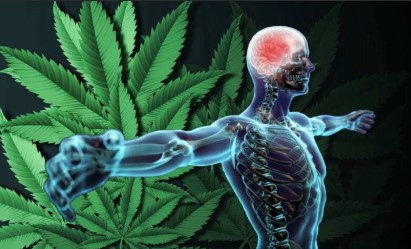
Special Reserve Black Lime provides a balanced high that evolves in phases.
Onset and Duration
- Onset: 5-15 minutes after inhalation, 30-60 minutes after oral ingestion.
- Peak Effects: 1-2 hours after consumption.
- Total Duration: 3-6 hours, depending on dosage and metabolism.
Cognitive Effects
- Euphoria and Happiness: Strong uplifting effect due to THC and limonene.
- Enhanced Focus and Creativity: Pinene and THCV contribute to mental stimulation.
- Mild Psychedelic Sensations: In high doses, users may experience visual and auditory enhancements.
Physical Effects
- Deep Body Relaxation: Myrcene and caryophyllene in Special Reserve Black Lime provide pain relief and muscle relaxation.
- Tingling Sensation: Mild body buzz due to high THC levels.
- Balance Between Energy and Calmness: Suitable for daytime and evening use.
Potential Side Effects
- Dry mouth and dry eyes.
- Dizziness or paranoia at high doses.
- Increased appetite (mild munchies effect).
The method of ingesting Special Reserve Black Lime significantly affects the onset, intensity, duration, and therapeutic effects of its cannabinoids and terpenes. This guide explores various administration methods, their bioavailability, pharmacokinetics, benefits, and risks to help medical and recreational users maximize efficacy.
Overview of Ingestion Methods and Bioavailability
Bioavailability of Special Reserve Black Lime refers to the percentage of cannabinoids absorbed into the bloodstream after ingestion. The method of administration affects absorption, onset time, duration, and potency.
| Ingestion Method | Bioavailability (%) | Onset Time | Peak Effects | Duration |
|---|---|---|---|---|
| Inhalation (Smoking/Vaping) | 30-50% | 2-10 min | 30-60 min | 2-4 hrs |
| Sublingual (Tinctures/Sprays) | 15-35% | 15-45 min | 1-2 hrs | 4-6 hrs |
| Oral (Edibles/Capsules) | 4-20% | 30-120 min | 2-3 hrs | 6-12 hrs |
| Topical (Creams/Lotions) | <10% (localized) | 15-60 min | N/A | 2-6 hrs |
| Transdermal Patches | 30-50% | 30-60 min | 3-4 hrs | 8-12 hrs |
| Rectal Suppositories | 50-70% | 15-30 min | 1-2 hrs | 6-8 hrs |
Inhalation Methods (Smoking & Vaping)
Smoking (Combustion)
Smoking Special Reserve Black Lime remains one of the most common methods for consuming Special Reserve Black Lime, offering fast onset and high bioavailability.
Mechanism:
- Combustion (~600-900°F) converts THCA into THC, making it psychoactive.
- Cannabinoids enter the lungs, where they diffuse directly into the bloodstream through the alveolar membrane.
- Effects begin within minutes and peak within 30-60 minutes.
Scientific Pros:
- Rapid onset for immediate symptom relief (pain, anxiety, nausea).
- High bioavailability (30-50%).
- Entourage effect preserved, as terpenes remain intact.
Scientific Cons:
- Combusting Special Reserve Black Lime produces harmful byproducts (benzene, carbon monoxide).
- Lung irritation in patients with asthma or COPD.
Best for:
- Quick pain relief
- PTSD, anxiety, panic attacks
- Chemotherapy-induced nausea (CINV)
Vaporization (Vaping)
Vaping heats Special Reserve Black Lime at lower temperatures (320-430°F), avoiding combustion while releasing cannabinoids and terpenes.
Mechanism:
- Vaporization converts THCA to THC without creating toxic byproducts.
- Cannabinoid absorption occurs rapidly in the lungs.
Scientific Pros:
- Fewer carcinogens compared to smoking.
- Preserves terpenes better, enhancing therapeutic effects.
- Higher bioavailability (~50%) than smoking.
Scientific Cons:
- Requires high-quality, tested vape products (low-grade vapes may contain harmful additives like vitamin E acetate).
- Less effective for long-term relief (shorter duration than edibles).
Best for:
- Asthma patients needing quick relief (less harsh than smoking).
- Neuropathic pain, headaches, stress relief.
Oral Ingestion (Edibles & Capsules)
Edibles of Special Reserve Black Lime provide long-lasting effects but have a delayed onset due to digestion and liver metabolism.
Edibles (Gummies, Baked Goods, Drinks)
Mechanism:
- THC is converted into 11-hydroxy-THC (11-OH-THC) in the liver, which is more potent and longer-lasting.
- Absorption occurs through the small intestine, with peak effects at 2-3 hours.
Scientific Pros:
- Long duration (6-12 hours).
- No lung irritation (suitable for patients with respiratory conditions).
- Ideal for chronic pain and insomnia.
Scientific Cons:
- Delayed onset (30-120 minutes).
- Overconsumption risk due to late peak effects.
- Low bioavailability (4-20%) due to digestive breakdown.
Best for:
- Long-lasting pain relief (arthritis, fibromyalgia).
- Sleep disorders, anxiety, PTSD.
- Cancer-related nausea and appetite stimulation.
Capsules & Pills
Mechanism:
- Same metabolic pathway as edibles, leading to liver conversion into 11-OH-THC.
- Encapsulation allows for controlled dosing.
Scientific Pros:
- Precise dosage for medical use.
- Long duration (similar to edibles).
- No taste, easy administration.
Scientific Cons:
- Delayed onset.
- Lower bioavailability than inhalation.
Best for:
- Chronic conditions needing sustained relief (cancer, autoimmune disorders).
- Patients who need non-smoking alternatives.
Sublingual Administration (Tinctures & Sprays)
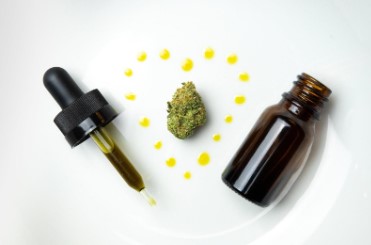
Tinctures and sprays of Special Reserve Black Lime offer faster absorption than edibles without smoking.
Tinctures (Oil-Based Extracts)
Mechanism:
- Placed under the tongue, where cannabinoids absorb directly into the bloodstream through the sublingual mucosa.
- Has a quicker onset because it avoids the digestive system.
Scientific Pros:
- Fast absorption (15-45 min).
- More accurate dosage compared to vaping or smoking.
- No lung irritation.
Scientific Cons:
- Taste may be unpleasant.
- Shorter duration than edibles.
Best for:
- Quick but sustained pain relief.
- Epilepsy and seizure control (CBD formulations).
- General anxiety management.
Topical & Transdermal Applications
Topical Creams & Lotions
Topicals of Special Reserve Black Lime deliver localized relief without entering the bloodstream.
Mechanism:
- Cannabinoids interact with CB2 receptors in the skin, reducing inflammation and pain.
Scientific Pros:
- No psychoactive effects (does not enter bloodstream).
- Targets localized pain (joints, muscles).
- Anti-inflammatory and antimicrobial benefits.
Scientific Cons:
- Limited penetration (does not treat internal conditions).
- Effects wear off faster (2-6 hours).
Best for:
- Arthritis, muscle pain, skin conditions (eczema, psoriasis).
- Post-exercise recovery.
Transdermal Patches
Transdermal patches of Special Reserve Black Lime provide sustained, systemic delivery of cannabinoids.
Mechanism:
- Cannabinoids slowly diffuse through the skin into the bloodstream over 8-12 hours.
Scientific Pros:
- Continuous pain relief.
- Bypasses liver metabolism (higher bioavailability).
- Non-psychoactive options available (CBD-only patches).
Scientific Cons:
- Slower onset (30-60 min).
- Limited cannabinoid absorption compared to inhalation.
Best for:
- Chronic pain (back pain, cancer pain).
- Neuropathic conditions (MS, sciatica).
- Long-lasting anxiety and PTSD relief.
Rectal Suppositories (High Bioavailability)
Mechanism:
- Cannabinoids bypass first-pass metabolism, entering the bloodstream through rectal absorption.
- THC bioavailability reaches up to 70%.
Scientific Pros:
- Strong and long-lasting effects (6-8 hours).
- Rapid absorption (15-30 min onset).
- Suitable for patients who cannot swallow or inhale cannabis.
Scientific Cons:
- Less common and less socially accepted.
- Limited availability.
Medical Applications and Scientific Research
Special Reserve Black Lime is a hybrid cannabis strain known for its high THC content (20-28%), rich terpene profile, and balanced effects that combine mental stimulation and deep physical relaxation. These properties make it an effective medical cannabis strain for managing chronic pain, neurological disorders, mood disorders, and inflammatory conditions.
Pharmacological Mechanisms of Action
The medical effects of Special Reserve Black Lime stem from its cannabinoids, terpenes, and flavonoids, the endocannabinoid system (ECS) is affected by these.
Interaction with the Endocannabinoid System (ECS)
CB1 and CB2 receptors, endocannabinoids in Special Reserve Black Lime (anandamide and 2-AG), and enzymes (FAAH and MAGL) make up the ECS.
- THC (Tetrahydrocannabinol) acts as a partial agonist of CB1 receptors in the brain and central nervous system (CNS), reducing pain, inflammation, and nausea.
- CBD (Cannabidiol) modulates CB1/CB2 activity and has anti-inflammatory, anxiolytic, and neuroprotective effects.
- CBG (Cannabigerol) interacts with CB2 receptors to reduce neuroinflammation and support brain health.
- THCV (Tetrahydrocannabivarin) acts as a CB1 antagonist in low doses, which helps control appetite and improve metabolic health.
Terpenes and Their Medical Benefits
Terpenes in Special Reserve Black Lime work synergistically with cannabinoids in an effect known as the “entourage effect”, enhancing the strain’s medicinal properties.
| Terpene | Medical Benefits | Mechanism of Action |
|---|---|---|
| Limonene | Antidepressant, anti-anxiety, digestive support | Boosts serotonin & dopamine, reduces gastric reflux |
| Caryophyllene | Anti-inflammatory, analgesic, gut health | Activates CB2 receptors, reduces pain & inflammation |
| Pinene | Neuroprotective, memory enhancement, bronchodilator | Inhibits acetylcholinesterase, improving cognition |
| Myrcene | Sedation, muscle relaxation, pain relief | GABAergic modulation, enhances opioid receptor activation |
| Terpinolene | Antioxidant, anxiolytic, antimicrobial | Modulates oxidative stress, reduces anxiety |
Medical Applications of Special Reserve Black Lime
Chronic Pain and Inflammatory Disorders
Mechanisms of Pain Relief
- THC binds to CB1 receptors, reducing pain perception in the CNS.
- Caryophyllene activates CB2 receptors, modulating inflammation.
- Myrcene and CBG have opioid-like analgesic effects, enhancing pain management.
Conditions Treated
- Fibromyalgia
- Multiple sclerosis (MS)
- Rheumatoid arthritis (RA)
- Neuropathic pain (diabetes, nerve injury)
- Migraines and tension headaches
Neurological Disorders and Neuroprotection
Mechanisms of Action
- THC, CBD, and CBG modulate neurotransmitter release, reducing neuroinflammation.
- Pinene improves memory retention and cognitive function.
- THCV promotes neurogenesis (new brain cell formation).
Conditions Treated
- Alzheimer’s disease (prevents cognitive decline)
- Parkinson’s disease (reduces tremors and stiffness)
- Multiple sclerosis (reduces muscle spasms and inflammation)
- Epilepsy (reduces seizure frequency, especially in Lennox-Gastaut syndrome)
Mental Health Disorders
Anxiety and PTSD
- Limonene and terpinolene reduce cortisol levels, lowering stress and anxiety.
- Low-dose THC enhances serotonin production, while CBD counteracts paranoia.
- Caryophyllene modulates the amygdala, reducing fear-related responses in PTSD.
Conditions Treated
- Generalized Anxiety Disorder (GAD)
- Post-Traumatic Stress Disorder (PTSD)
- Panic Disorder
- Obsessive-Compulsive Disorder (OCD)
Depression and Mood Disorders
- Limonene and THC stimulate dopamine release, improving mood and motivation.
- CBG enhances anandamide (the “bliss molecule”), reducing depressive symptoms.
- Pinene supports cognitive function, preventing brain fog in depression.
Research Evidence:
- A 2019 study in Cannabis and Cannabinoid Research reported a 50% reduction in depression symptoms in THC-dominant strain users.
Conditions Treated:
- Major Depressive Disorder (MDD)
- Bipolar Disorder
- Seasonal Affective Disorder (SAD)
Gastrointestinal and Metabolic Health
Digestive Disorders
- Caryophyllene and limonene reduce gut inflammation, beneficial for IBS and Crohn’s Disease.
- THC suppresses nausea and vomiting (anti-emetic effect).
Clinical Research:
- A 2020 study in the Journal of Clinical Gastroenterology found that cannabis helped 75% of Crohn’s Disease patients achieve symptom relief.
Conditions Treated:
- Irritable Bowel Syndrome (IBS)
- Crohn’s Disease & Ulcerative Colitis
- Chemotherapy-induced nausea (CINV)
- Loss of appetite in cancer patients
Cancer Therapy Support
Anti-Tumor Properties
- THC and CBG induce apoptosis (cell death) in cancer cells.
- Caryophyllene suppresses tumor growth by activating CB2 receptors.
Research Evidence:
- A 2022 study in Oncotarget found that THC and CBD slowed glioblastoma (brain cancer) cell growth.
- Cannabis use improved appetite, mood, and nausea in chemotherapy patients.
Conditions Treated:
- Pain and inflammation control in cancer patients
- Appetite stimulation (cachexia)
- Tumor suppression potential (preclinical evidence in breast, prostate, and brain cancers)
Sleep Disorders and Insomnia
Mechanisms of Sleep Regulation
- Myrcene and THC increase deep sleep duration (slow-wave sleep).
- Caryophyllene reduces cortisol, improving sleep onset.
Research Findings:
- A 2021 study in Sleep Medicine Reviews found that cannabis improved sleep onset, duration, and quality in insomnia patients.
Conditions Treated:
- Chronic insomnia
- Shift work disorder
- REM sleep disturbances
- Restless leg syndrome
Cultivation Techniques and Optimal Growing Conditions
Cultivating Special Reserve Black Lime requires scientific precision in environmental control, nutrient management, and advanced growing techniques. This guide provides detailed insights into the strain’s optimal growing conditions, propagation methods, training techniques, and post-harvest processing.
Understanding Special Reserve Black Lime’s Growth Characteristics
Before discussing cultivation techniques, it’s crucial to understand the plant’s biological traits:
Growth Profile
- Genotype: Hybrid (Indica-leaning)
- Plant Height: Medium to Tall (Indoor: 3-5 ft | Outdoor: 6-8 ft)
- Structure: Dense foliage with strong lateral branching
- Leaf Shape: Broad, dark green with serrated edges
- Bud Structure: Compact, resinous, with purple and lime-green hues
- Trichome Production: High, making it ideal for hash and concentrates
Life Cycle
| Growth Stage | Duration | Key Characteristics |
|---|---|---|
| Seedling | 1-2 weeks | First leaves emerge, sensitive to light & humidity |
| Vegetative | 4-6 weeks | Rapid growth, strong root development |
| Pre-Flowering | 1-2 weeks | Stretching phase, early pistil formation |
| Flowering | 9-10 weeks | Bud development, high resin production |
| Harvest & Cure | 2-6 weeks | Drying and curing to enhance potency and terpene retention |
Propagation Methods
Germination (Seed-Based Propagation)
- Ideal Germination Method:
- Soak Special Reserve Black Lime’s seeds in pH-balanced water (6.0-6.5) for 12-24 hours.
- Transfer to a damp paper towel in a warm, dark place (21-26°C / 70-78°F).
- After 1-3 days, transplant into a light, aerated seedling mix.
- Best Soil for Seedlings:
- 60% coco coir (for water retention)
- 20% perlite (for aeration)
- 20% worm castings (for organic nutrients)
Cloning (Vegetative Propagation)
- Cut 4-6 inch branches from a healthy mother plant.
- Dip the cut end into a rooting hormone (IBA-based gel).
- Place in a humidity dome at 70-75% RH and 22-26°C (72-79°F).
- Root development occurs within 7-14 days.
Tissue Culture (Advanced Propagation)
- Micropropagation allows for disease-free and genetically stable plants.
- Requires sterile lab conditions with MS (Murashige and Skoog) medium.
- Produces high-yield, identical plants with improved cannabinoid consistency.
Optimal Growing Conditions
Indoor Cultivation
- Light Requirements:
- Vegetative: 18-20 hours/day (400-600 µmol/m²/s)
- Flowering: 12 hours/day (600-1000 µmol/m²/s)
- Preferred Lighting: Full-spectrum LED (Samsung LM301H) or HPS (600-1000W)
- Temperature & Humidity Control: Growth StageTemperature (Day/Night)Humidity (%)Seedling22-26°C / 70-78°F65-70%Vegetative21-28°C / 69-82°F55-65%Flowering20-26°C / 68-79°F40-50%Late Flowering18-24°C / 64-75°F30-40%
- CO₂ Supplementation:
- Raising CO₂ levels to 1000-1500 ppm enhances photosynthesis and yield.
- Requires ventilation to prevent CO₂ toxicity.
Outdoor Cultivation
- Best Climate: Mediterranean (Warm, dry, and sunny)
- Optimal Growing Season: Germinate in April-May, harvest in late September-October.
- Sunlight Requirement: 8+ hours of direct sun daily.
- Soil Composition:
- Loamy soil (50%)
- Perlite (20%) for aeration
- Compost (20%) for nutrients
- Clay (10%) for water retention
Nutrient Management
Macronutrient Requirements (N-P-K)
| Growth Stage | Nitrogen (N) | Phosphorus (P) | Potassium (K) |
|---|---|---|---|
| Seedling | Medium | Low | Low |
| Vegetative | High | Medium | Medium |
| Flowering | Low | High | High |
| Late Flowering | Very Low | Very High | Very High |
- Calcium (Ca) & Magnesium (Mg): Essential for trichome development.
- Silica (Si): Strengthens cell walls, improving disease resistance.
Advanced Training Techniques
Low-Stress Training (LST)
- Bend branches and secure with soft plant ties.
- Increases bud sites and light penetration.
- Best for: Maximizing indoor yields.
High-Stress Training (HST)
- Topping: Cutting the main stem encourages lateral growth.
- Super Cropping: Lightly breaking branches to enhance resin production.
Screen of Green (ScrOG)
- A horizontal net is placed to spread the canopy evenly.
- Ensures maximum light exposure and airflow.
Pest & Disease Management
Common Pests
| Pest | Symptoms | Control Methods |
|---|---|---|
| Spider Mites | Yellow spots, webbing | Neem oil, predatory mites |
| Aphids | Sticky residue, curled leaves | Ladybugs, insecticidal soap |
| Fungus Gnats | Root damage, drooping leaves | Dry topsoil, yellow sticky traps |
Common Diseases
| Disease | Symptoms | Prevention |
|---|---|---|
| Powdery Mildew | White powder on leaves | Lower humidity, increase airflow |
| Root Rot | Brown roots, wilting | Proper drainage, avoid overwatering |
Harvesting & Post-Harvest Processing
Optimal Harvest Time
- Trichome Check:
- Milky white = Peak potency.
- Amber = More sedative effects.
Drying & Curing
- Drying Room Conditions:
- Temperature: 16-20°C (60-68°F)
- Humidity: 50-60%
- Duration: 10-14 days
- Curing Process:
- Store buds in glass jars at 60-65% RH for 4-8 weeks.
- Burp jars daily for first 2 weeks to remove moisture.
Conclusion
Special Reserve Black Lime is a highly potent and therapeutic hybrid with wide-ranging medical applications. It offers a balance of euphoria and relaxation, making it suitable for both recreational users and medical patients. Proper cultivation enhances its THC, terpenes, and overall potency, ensuring maximum benefits for pain relief, neurological disorders, and mental health conditions.
For a complete directory of cultivars, visit our Cannabis Strain Reviews.
