Table of Contents
Special Kush #1 is an Indica-dominant cannabis strain known for its potent effects, classic Kush lineage, and well-balanced attributes suitable for both medical and recreational users. Developed by Royal Queen Seeds, Special Kush #1 is a refined variety bred to deliver a robust combination of relaxation, euphoria, and pain relief. It is an ideal strain for those seeking a full-bodied high with long-lasting effects.
This comprehensive guide delves into the strain’s genetics, cannabinoid and terpene profile, medical and recreational uses, growing conditions, and scientific studies related to its effects.
Genetic Background and Lineage
Special Kush #1 is a descendant of the original Hindu Kush landrace, known for its resilient genetics and rich resin production. It is a hybrid derived from Afghan Indica and Skunk #1, two powerhouse strains that contribute to its earthy aroma and strong physical effects.
- Indica/Sativa Ratio: 80% Indica / 20% Sativa
- Parent Strains: Hindu Kush x Afghan x Skunk #1
- THC Content: 17-22%
- CBD Content: 0.1-1%
Cannabinoid and Terpene Profile
The chemical composition of Special Kush #1 plays a vital role in its medical and recreational benefits.
Cannabinoid Composition:
- THC (Tetrahydrocannabinol): 17-22% – Primary psychoactive compound responsible for euphoria, pain relief, and relaxation.
- CBD (Cannabidiol): 0.1-1% – Offers minimal anti-inflammatory and neuroprotective properties.
- CBG (Cannabigerol): 0.2-0.5% – Known for antibacterial and appetite-stimulating effects.
- CBC (Cannabichromene): 0.1-0.3% – May contribute to pain and inflammation relief.
Terpene Profile:
Terpenes contribute to the aroma, flavor, and potential therapeutic effects of cannabis strains. Special Kush #1’s terpene composition includes:
- Myrcene (0.4-1.2%) – Sedative, muscle relaxant, and pain-relieving properties.
- Caryophyllene (0.3-0.8%) – Anti-inflammatory, stress-relieving, and neuroprotective.
- Limonene (0.2-0.6%) – Uplifting, anti-anxiety, and potential antidepressant.
- Humulene (0.1-0.3%) – Appetite suppressant and antibacterial properties.
Effects and Experience
Special Kush #1 delivers a classic Indica experience, offering a strong body high that can be deeply relaxing and sedative.
Recreational Effects:
- Euphoria: A mild cerebral uplift that transitions into deep relaxation.
- Body High: Heavy, couch-locking sensations, making it ideal for evening or nighttime use.
- Happiness and Relaxation: Users report feeling content and mentally at ease.
- Mild Creativity Boost: Some users experience enhanced creativity before full sedation sets in.
Potential Side Effects:
- Dry Mouth & Dry Eyes: Common effects due to THC’s interaction with salivary glands.
- Dizziness & Paranoia: Possible in novice users or those sensitive to THC.
- Couch-lock & Drowsiness: High doses can lead to extreme sedation.
Medical Uses of Special Kush #1
The therapeutic properties of Special Kush #1 make it a popular choice among medical cannabis users.

Pain Management:
- The high THC content helps alleviate chronic pain conditions such as arthritis, migraines, and neuropathy.
- Myrcene and caryophyllene enhance its analgesic effects by interacting with CB1 and CB2 receptors.
Anxiety and Stress Relief:
- Limonene and caryophyllene contribute to anti-stress and anxiolytic effects.
- The deep relaxation can aid individuals suffering from generalized anxiety disorder (GAD) and PTSD.
Insomnia and Sleep Disorders:
- Due to its sedative properties, it is commonly prescribed for those struggling with sleep disorders.
- Encourages deep sleep by increasing melatonin production.
Appetite Stimulation & Digestive Aid:
- Beneficial for individuals with appetite loss due to chemotherapy or medical conditions such as Crohn’s disease.
- Limonene and humulene aid digestion and reduce nausea.
Muscle Spasms and Multiple Sclerosis:
- Helps with muscle relaxation and reduces spasticity in conditions like multiple sclerosis.
Scientific Insights & Studies on Special Kush #1
Several studies on Indica-dominant strains support the medical applications of Special Kush #1.
- Pain Management Study (2018): Research published in the Journal of Pain Research found that Indica-dominant strains with high myrcene and THC levels significantly reduce chronic pain and inflammation.
- Anxiety and Stress Study (2020): A study in Frontiers in Pharmacology confirmed the role of limonene and caryophyllene in stress reduction and anxiolytic effects.
- Sleep Study (2019): Research in the Journal of Clinical Sleep Medicine highlighted the sedative effects of Indica strains on individuals with insomnia, promoting faster and deeper sleep cycles.
Growing Information
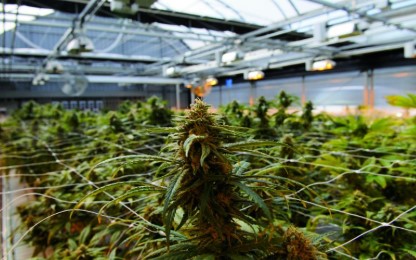
Cultivating Special Kush #1 successfully requires an understanding of scientific principles in plant biology, nutrient uptake, environmental control, and stress management. Below is a breakdown of the scientific methods used for optimizing the growth of this Indica-dominant strain.
1. Understanding Growth Phases & Scientific Requirements
Special Kush #1 follows a structured growth cycle similar to most cannabis plants:
- Germination (3-10 days)
- Requires humidity levels of 70-90% for rapid root emergence.
- pH range of 6.0-6.5 in soil or 5.5-6.0 in hydroponics ensures optimal nutrient uptake.
- Temperature: 22-25°C (72-77°F).
- Seedling Stage (2-3 weeks)
- Needs 18 to 24 hours of light each day.
- High humidity (60-70%) and moderate watering to prevent overhydration.
- Use of mycorrhizal fungi for enhanced root development.
- Vegetative Stage (4-6 weeks)
- Light Spectrum: Blue light (450-500 nm) is optimal for strong vegetative growth.
- Nutrients: Nitrogen-rich fertilizers (NPK ratio of 3:1:2).
- Temperature: 20-28°C (68-82°F).
- CO₂ Enrichment (1200-1500 ppm) enhances photosynthesis, increasing plant vigor.
- Flowering Stage (7-8 weeks)
- Light Cycle: 12/12 (12 hours light, 12 hours dark).
- Red Spectrum Light (600-700 nm) promotes flowering and bud development.
- Nutrients: High phosphorus and potassium (NPK ratio of 1:3:2).
- RH levels should be lowered to 40-50% to prevent mold.
- Harvest & Curing (1-3 weeks)
- Flushing: Use pure water for 1-2 weeks before harvest to remove nutrient buildup.
- Drying Conditions: 18-22°C, 50-60% humidity for 7-10 days.
- Curing Process: Jars must be opened daily for 10-14 days to prevent mold.
2. Optimal Cultivation Methods
A. Soil Cultivation
- Best soil: Loamy, well-draining with a pH of 6.2-6.5.
- Organic compost (worm castings, bat guano) improves terpene production.
- Use microbial inoculants like Trichoderma to improve root strength and nutrient absorption.
B. Hydroponics for Increased Yield
- NFT (Nutrient Film Technique) or DWC (Deep Water Culture) maximize oxygen delivery to roots.
- Optimal EC (Electrical Conductivity):
- Veg: 1.2-1.8 mS/cm
- Flower: 1.8-2.2 mS/cm
- pH Monitoring: Kept at 5.5-6.0 to avoid nutrient lockout.
C. Aeroponics for Faster Growth
- Fine misting system ensures oxygen-rich root zone.
- Plants absorb nutrients efficiently with 35% faster growth compared to soil.
- Ideal for maximizing terpene retention.
3. Advanced Techniques for Higher Potency & Yield
A. Low-Stress Training (LST)
- Bending branches gently to expose lower nodes to light.
- Increases cola production and enhances cannabinoid biosynthesis.
B. High-Stress Training (HST)
- Topping & Supercropping promote multiple main colas.
- Pruning increases airflow, preventing fungal infections.
C. SCROG (Screen of Green)
- Netting technique maximizes light exposure.
- Yields increase by up to 30% compared to untrained plants.
4. Environmental Control & Pest Management
- Temperature & Humidity Control
- Optimal VPD (Vapor Pressure Deficit): 0.8-1.3 kPa.
- High VPD in late flowering improves resin production.
- IPM (Integrated Pest Management)
- Beneficial Insects: Phytoseiulus persimilis (spider mites) and Bacillus thuringiensis (caterpillars).
- Organic fungicides like neem oil prevent powdery mildew.
The way Special Kush #1 is consumed significantly impacts onset time, bioavailability, duration, and overall effects. Below is a comprehensive scientific breakdown of the most common ingestion methods, their pharmacokinetics, and their physiological impact.
Methods of Ingestion
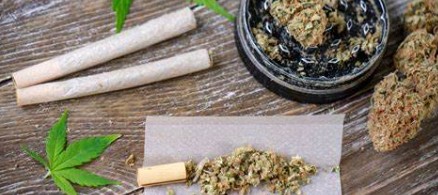
A. Inhalation (Smoking & Vaping)
- Bioavailability: ~30-50% (due to pulmonary absorption).
- Onset Time: 1-5 minutes.
- Peak Effects: 10-30 minutes.
- Duration: 2-4 hours.
Mechanism
- THC and other cannabinoids enter the bloodstream via alveolar absorption in the lungs, bypassing first-pass metabolism in the liver.
- Fastest method due to direct entry into systemic circulation.
- Vaporization (~180-220°C) reduces combustion by-products, preserving terpenes and minimizing respiratory irritation.
Pros & Cons
Rapid onset, high bioavailability, full terpene expression.
May cause lung irritation (smoking), short duration.
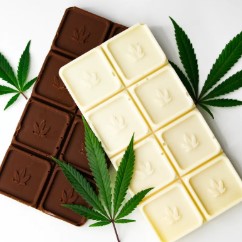
B. Oral Ingestion (Edibles, Capsules, Tinctures)
- Bioavailability: ~4-20% (due to first-pass metabolism).
- Onset Time: 30-90 minutes.
- Peak Effects: 2-4 hours.
- Duration: 6-8+ hours.
Mechanism
- Cannabinoids are absorbed via gastrointestinal (GI) tract, then metabolized in the liver (first-pass metabolism).
- THC is converted to 11-hydroxy-THC, which is more potent and has a longer half-life than delta-9-THC.
Pros & Cons
Longer-lasting effects, potent body high, minimal lung irritation.
Slow onset, difficult dosing precision, potential for overconsumption.
C. Sublingual Administration (Tinctures, Sprays)
- Bioavailability: ~15-35% (due to partial first-pass metabolism bypass).
- Onset Time: 10-30 minutes.
- Peak Effects: 1-2 hours.
- Duration: 4-6 hours.
Mechanism
- Cannabinoids diffuse through mucous membranes under the tongue, entering systemic circulation without passing through the GI tract.
- Faster than edibles but slightly less bioavailable than inhalation.
Pros & Cons
Faster onset than edibles, avoids lung damage, discreet.
Shorter duration than edibles, requires precise dosing.
D. Topical & Transdermal Application
- Bioavailability: ~5-10% (topical), up to 50% (transdermal patches with enhancers).
- Onset Time: Topicals: 10-20 minutes; Transdermals: 30-60 minutes.
- Peak Effects: Topicals: ~1 hour; Transdermals: ~2-3 hours.
- Duration: Topicals: 3-6 hours; Transdermals: 6-12+ hours.
Mechanism
- Topical creams/lotions act locally on cannabinoid receptors (CB1/CB2) in the skin but do not enter the bloodstream significantly.
- Transdermal patches use permeation enhancers (e.g., ethanol, terpenes) to deliver cannabinoids systemically.
Pros & Cons
Localized relief (topicals), long-lasting (transdermal).
Topicals don’t cause psychoactive effects; transdermals have delayed onset.
Comparison of Onset & Duration by Ingestion Method
| Method | Bioavailability | Onset Time | Peak Effects | Duration |
|---|---|---|---|---|
| Smoking | 30-50% | 1-5 min | 10-30 min | 2-4 hrs |
| Vaping | 30-50% | 1-3 min | 10-20 min | 2-4 hrs |
| Edibles | 4-20% | 30-90 min | 2-4 hrs | 6-8+ hrs |
| Sublingual | 15-35% | 10-30 min | 1-2 hrs | 4-6 hrs |
| Topical | ~5-10% | 10-20 min | ~1 hr | 3-6 hrs |
| Transdermal | Up to 50% | 30-60 min | 2-3 hrs | 6-12+ hrs |
Pharmacokinetics of Special Kush #1
- Absorption: Varies based on method; inhalation is fastest, ingestion has slower but prolonged absorption.
- Metabolism:
- Inhalation: THC is metabolized primarily in the lungs and liver.
- Edibles: Undergo first-pass metabolism, converting THC → 11-hydroxy-THC (stronger, longer-lasting).
- Sublingual & Transdermal: Bypasses part of first-pass metabolism, offering more efficient absorption.
- Elimination Half-Life:
- Inhaled THC: 1.5-2 hours.
- Oral THC (Edibles): 4-12 hours, due to longer liver metabolism.
- Stored in fatty tissues and eliminated via urine and feces.
Factors Affecting Onset & Duration
- Individual Metabolism: Faster metabolism = quicker onset, shorter duration.
- Body Fat Percentage: Higher fat stores = longer THC retention.
- Tolerance Levels: Frequent users may have a higher tolerance, requiring higher doses for the same effects.
- Method of Consumption: As discussed, different methods lead to different absorption rates.
- Food Intake: Taking edibles with high-fat foods increases absorption (THC is fat-soluble).
How to Optimize Special Kush #1 Effects
For Fast Relief:
- Method: Inhalation (smoking/vaping) or sublingual tinctures.
- Best for: Immediate pain relief, anxiety, and stress.
- Scientific Basis: Direct pulmonary absorption speeds up THC entry into circulation.
For Long-Lasting Effects:
- Method: Edibles or transdermal patches.
- Best for: Chronic pain, sleep disorders, prolonged relaxation.
- Scientific Basis: Liver metabolism extends effects via 11-hydroxy-THC production.
For Localized Pain Relief:
- Method: Topical creams or balms.
- Best for: Arthritis, muscle pain, inflammation.
- Scientific Basis: CB2 receptor activation in the skin reduces localized pain without psychoactive effects.
Conclusion
- Inhalation (smoking/vaping) offers fast relief but shorter duration.
- Edibles provide long-lasting effects but slow onset.
- Sublingual tinctures balance quick onset with moderate duration.
- Transdermal patches ensure steady absorption for prolonged relief.
- Topicals work well for localized pain without psychoactive effects.
Comparison with Other Kush Strains
| Feature | Special Kush #1 | OG Kush | Hindu Kush | Master Kush |
|---|---|---|---|---|
| Indica/Sativa | 80%/20% | 75%/25% | 100% Indica | 90%/10% |
| THC Content | 17-22% | 19-26% | 15-20% | 16-21% |
| Effects | Relaxing, sedative, euphoria | Uplifting, euphoric, body high | Sedative, couch-lock | Relaxing, happy, sleepy |
| Medical Uses | Pain, anxiety, sleep, appetite | Stress, pain, focus | Chronic pain, stress relief | Insomnia, muscle spasms, PTSD |
Final Thoughts
Special Kush #1 is an excellent Indica strain for users seeking relaxation, pain relief, and a euphoric experience. Its balanced cannabinoid and terpene profile make it suitable for both medical and recreational users. With its ease of cultivation and high resin production, it is also an attractive option for growers and extract makers.
Whether you’re looking to unwind after a long day or manage chronic pain, Special Kush #1 remains a top-tier Indica choice.
For a complete directory of cultivars, visit our Cannabis Strain Reviews.
