Table of Contents
Space Queen is a legendary hybrid cannabis strain celebrated for its uplifting effects, complex terpene profile, and medicinal applications. Created by the British Columbia Growers Association, this strain is a cross between the indica-dominant Romulan and the sativa-heavy Cinderella 99. With a nearly balanced genetic lineage, Space Queen offers a mix of invigorating cerebral stimulation and relaxing physical sensations. This makes it a versatile strain for both recreational and medical users.
Below is a detailed exploration of Space Queen, including its lineage, physical characteristics, chemical profile, effects, medical applications, and more.
Lineage and Genetics
Space Queen inherits the best traits from its parent strains:
- Romulan – A powerful indica known for its deeply relaxing and therapeutic effects. It contributes to Space Queen’s ability to ease physical discomfort and tension.
- Cinderella 99 – A sativa-dominant hybrid prized for its energizing and mood-lifting effects. This parent is responsible for Space Queen’s euphoric and creative cerebral effects.
This genetic pairing results in a hybrid with a slight sativa lean (approximately 60% sativa, 40% indica), balancing uplifting mental effects with mild physical sedation.
Appearance
Space Queen features dense, medium-sized buds shaped like elongated cones. Its buds are a vibrant lime green with streaks of darker forest green, often interspersed with orange or rust-colored pistils. A frosty coating of milky trichomes gives the buds a shimmering appearance, hinting at their potency.

Aroma and Flavor Profile
Space Queen is known for its striking aroma and taste. The strain’s terpene profile, dominated by terpinolene, myrcene, and caryophyllene, creates a unique sensory experience:
- Aroma: Sweet and fruity with hints of cherries, pineapple, and citrus. Undertones of vanilla and spice make it particularly inviting.
- Flavor: Sweet, with noticeable notes of tropical fruit and citrus on the inhale. A subtle spiciness lingers on the exhale, accompanied by a creamy, vanilla-like aftertaste.
These aromatic and flavor elements contribute to Space Queen’s popularity among cannabis connoisseurs.
Cannabinoid Profile
Space Queen’s chemical composition contributes to its wide range of effects. Typical cannabinoid content includes:
- THC: Ranges between 15% and 20%, offering a potent psychoactive experience suitable for intermediate and advanced users.
- CBD: Low, usually under 1%, making it less suitable for conditions requiring high CBD but still useful for general therapeutic effects.
- CBG and Other Cannabinoids: Trace amounts that contribute to the entourage effect.
Terpene Profile
Terpenes play a crucial role in the strain’s effects, aroma, and flavor:
- Terpinolene: Provides a sweet and herbal aroma with uplifting effects.
- Myrcene: Adds earthy undertones and contributes to relaxation and sedation.
- Caryophyllene: Offers spicy notes and potential anti-inflammatory properties.
The synergistic interaction between these terpenes and cannabinoids amplifies the strain’s therapeutic potential.
Effects
The effects of Space Queen are often described as balanced yet dynamic. It combines the cerebral high of a sativa with the body relaxation of an indica:
- Onset: Space Queen’s effects are felt almost immediately, starting with an uplifting cerebral rush.
- Cerebral Effects:
- Euphoria and happiness.
- Enhanced creativity and focus.
- A feeling of mental clarity, making it ideal for daytime use.
- Physical Effects:
- Gentle relaxation spreads through the body.
- Mild sedation that doesn’t typically lead to couch lock.
- Relief from tension and physical discomfort.
These effects make Space Queen suitable for activities requiring mental stimulation without excessive physical lethargy.
Recreational Uses
Space Queen is prized in recreational circles for its versatility:
- Social Settings: Its uplifting and euphoric effects make it ideal for gatherings and social interactions, encouraging conversation and laughter.
- Creative Activities: Artists, writers, and other creatives often use this strain for its ability to inspire new ideas and boost focus.
- Outdoor Activities: Many users find Space Queen enhances their appreciation of nature, making it a great choice for hiking or camping.
Medical Applications
Space Queen’s balanced effects also make it a valuable strain for medical cannabis patients. Below are some of the conditions it can help manage:
Mental Health
- Anxiety and Stress: The euphoric and mood-boosting effects can alleviate stress and mild anxiety, helping users feel more relaxed and centered.
- Depression: Its uplifting properties provide relief for individuals experiencing depressive symptoms.
- ADHD/ADD: Some patients report improved focus and mental clarity, making it a potential tool for managing symptoms.
Pain Management
The mild sedative and anti-inflammatory properties of Space Queen make it effective for:
- Chronic Pain: Such as fibromyalgia, arthritis, and migraines.
- Muscle Spasms: Its body-relaxing effects can ease tension and discomfort.
Sleep Disorders
Though not heavily sedating, higher doses of Space Queen can help users unwind and prepare for restful sleep, benefiting those with mild insomnia.
Other Uses
- Nausea: Its antiemetic properties can help reduce nausea, especially in chemotherapy patients.
- Appetite Stimulation: Space Queen may increase appetite, making it useful for individuals with eating disorders or appetite loss.
Potential Side Effects
While Space Queen is well-tolerated by most users, some potential side effects include:
- Dry Mouth and Eyes: Typical of a lot of cannabis strains.
- Dizziness: Particularly in new users or those sensitive to THC.
- Paranoia or Anxiety: In rare cases, especially at higher doses.
To mitigate side effects, users are advised to start with a low dose and increase gradually.
Cultivation of Space Queen
Cultivating Space Queen requires a strategic approach to optimize plant health, cannabinoid production, and yield. Although this strain does well in both indoor and outdoor settings, certain circumstances are necessary for fully express its genetic potential.
1. Optimal Growing Conditions
Climate
- Temperature: Space Queen prefers a temperate climate with daytime temperatures between 70–85°F (21–29°C) during its growth cycle.
- Humidity:
- Vegetative stage: Maintain a relative humidity (RH) of 50–70% to support vigorous growth.
- Flowering stage: Lower RH to 40–50% to prevent mold and mildew on dense buds.
- Light:
- Indoors: High-intensity LED or HPS lights with a light cycle of 18 hours on, 12 hours on, 12 hours off during flowering, and 6 hours off during the vegetative period.
- Outdoors: Requires ample sunlight and long daylight hours for robust growth.
2. Soil and Nutrient Requirements
Soil Medium
- pH Range: Maintain a soil pH of 6.0–6.8 for optimal nutrient absorption.
- Texture: Space Queen thrives in well-aerated, nutrient-rich soil with good drainage. Consider using a mix of:
- Loam soil for structure and water retention.
- To improve aeration, use coco coir or perlite.
- Compost for organic nutrients.
Nutrients
- Macronutrients:
- Nitrogen (N): Required in higher quantities during the vegetative stage to promote leaf and stem growth.
- Phosphorus (P): Vital for the formation of buds during the flowering period.
- Potassium (K): Improves overall plant vigor and supports metabolic functions.
- Micronutrients:
- Include calcium, magnesium, and iron to prevent nutrient deficiencies and support photosynthesis.
Feeding Schedule
- Vegetative Stage:
- Nitrogen-rich fertilizer with an NPK ratio of approximately 3-1-2.
- Flowering Stage:
- Transition to a phosphorus-heavy blend with an NPK ratio of 1-3-2 to encourage resin and terpene production.
3. Cultivation Techniques
Indoor Cultivation
- Hydroponics:
- Growing Space Queen in a hydroponic setup can accelerate growth and increase yields by delivering nutrients directly to the roots.
- Maintain a water pH of 5.5–6.5 and monitor electrical conductivity (EC) for optimal nutrient concentration.
- Sea of Green (SOG):
- This technique involves growing multiple small plants close together to maximize space and light efficiency.
- Space Queen’s bushy structure is ideal for this method.
- Screen of Green (SCROG):
- Use a screen to train plants horizontally, improving light penetration and bud production.
Outdoor Cultivation
- Warm days and mild nights are ideal for Mediterranean regions.
- Ensure plants are protected from strong winds and heavy rainfall, which can damage the buds.
- Use organic mulch to control temperature and hold onto soil moisture.
4. Growth Stages and Timelines
Germination (1–7 Days)
- To promote sprouting, soak seeds in water for 12 to 24 hours.
- Transfer seeds to a moist medium, such as soil or a paper towel, and maintain a temperature of 70–80°F (21–27°C).
Seedling Stage (2–3 Weeks)

- Ensure high humidity (60–70%) and moderate light intensity.
- Use a gentle nutrient solution with low nitrogen levels to avoid nutrient burn.
Vegetative Stage (4–6 Weeks)
- Encourage vertical and lateral growth by maintaining high nitrogen levels.
- Prune lower leaves to direct energy toward top growth.
- Monitor for pests like spider mites, aphids, and whiteflies.
Flowering Stage (8–9 Weeks)
- Space Queen typically flowers within 8–9 weeks when grown indoors.
- Reduce humidity to 40–50% and maintain consistent light-dark cycles.
- Watch for signs of maturity:
- Pistils turning orange or brown.
- Trichomes transitioning from clear to milky white and amber.
5. Pest and Disease Management
Common Pests
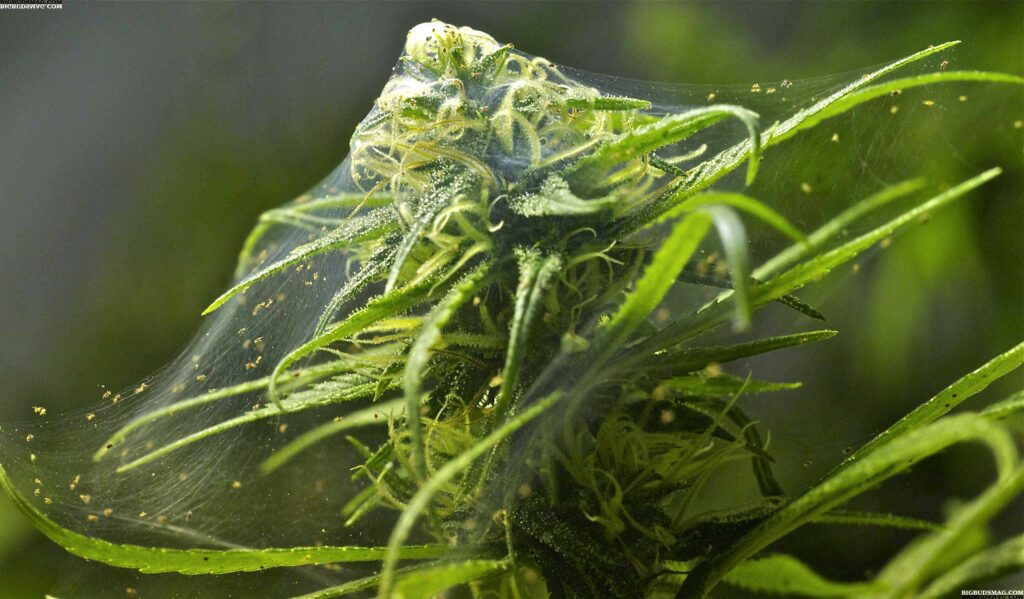
- Spider Mites:
- Control: Apply neem oil or introduce beneficial predators like ladybugs.
- Fungus Gnats:
- Control: Avoid overwatering and use sticky traps.
- Aphids:
- Control: Use insecticidal soap or predatory insects like lacewings.
Diseases
- Powdery Mildew:
- Prevention: Improve air circulation and keep humidity low.
- Control: Apply potassium bicarbonate or sulfur-based fungicides.
- Root Rot:
- Prevention: Avoid waterlogged soil by ensuring proper drainage.
6. Yield Expectations
Indoor Yields
- Space Queen produces an average yield of 10–16 ounces per square meter, depending on the grow setup and skill level.
Outdoor Yields
- Outdoor plants can yield up to 16–20 ounces per plant under optimal conditions.
7. Harvesting and Post-Harvest Handling
Harvest Timing
- When examining trichomes, use a magnifying glass:
- Clear trichomes: Premature.
- Milky trichomes: Peak potency.
- Amber trichomes: More sedative effects.
- When the majority of the trichomes are milky and some are becoming amber, harvest.
Drying
- Hang trimmed branches upside-down in a dark, well-ventilated room at 60°F (15°C) and 50–60% humidity for 7–10 days.
Curing
- Transfer dried buds to airtight containers, opening them daily for the first two weeks to release excess moisture.
- Cure for 2–4 weeks to enhance flavor, potency, and smoothness.
8. Genetic Stability and Breeding
Phenotypes
- Space Queen expresses several phenotypes, with some leaning toward its Romulan (indica) lineage and others favoring Cinderella 99 (sativa).
- Breeding programs should stabilize desired traits, such as high THC content or specific terpene profiles.
Cloning
Space Queen responds well to cloning, allowing growers to preserve high-yield or high-potency phenotypes.
Methods of Ingestion, Onset, Duration, and Effects of Space Queen
Understanding how Space Queen cannabis interacts with the body based on the method of ingestion, its onset, duration, and physiological effects, is essential for maximizing its benefits while minimizing potential adverse effects. Below is a scientific and comprehensive examination of these factors.
Methods of Ingestion
The method of ingestion significantly impacts the onset, intensity, duration, and effects of Space Queen. Common methods include:
1. Inhalation (Smoking or Vaping)
- Mechanism: Inhalation delivers cannabinoids, including THC and terpenes, directly to the lungs, where they are quickly carried to the brain after being absorbed into the bloodstream.
- Onset: Effects typically begin within 2–5 minutes.
- Duration: Effects last between 2–4 hours, with peak intensity occurring within the first hour.
- Advantages:
- Rapid onset allows users to titrate their dose easily.
- Preserves more of the strain’s terpene profile (especially when vaping).
- Disadvantages:
- Smoking may irritate the lungs.
- Not suitable for users with respiratory conditions.
2. Edibles

- Mechanism: When ingested, THC is metabolized by the liver into 11-hydroxy-THC, a more potent psychoactive compound.
- Onset: Slower onset, typically 30–90 minutes, depending on metabolism and stomach contents.
- Duration: Effects last longer, up to 6–8 hours or more.
- Advantages:
- Long-lasting effects are suitable for sustained relief from pain or insomnia.
- No lung irritation.
- Disadvantages:
- Difficult to titrate due to delayed onset.
- Effects can feel more intense due to the metabolic conversion of THC.
3. Tinctures
- Mechanism: Cannabinoids are absorbed sublingually (under the tongue) through mucous membranes, bypassing first-pass metabolism.
- Onset: Effects begin within 15–45 minutes.
- Duration: Effects last around 4–6 hours.
- Advantages:
- Precise dosing with droppers.
- Faster onset than edibles.
- Disadvantages:
- Slower onset compared to inhalation.
- May have an unpleasant taste.
4. Topicals
- Mechanism: Applied directly to the skin, cannabinoids interact with CB2 receptors in localized areas without entering the bloodstream.
- Onset: Effects begin within 15–30 minutes.
- Duration: Effects last for 2–4 hours, depending on the formulation.
- Advantages:
- Non-psychoactive; suitable for localized pain or inflammation.
- Minimal systemic side effects.
- Disadvantages:
- Limited to localized effects; not useful for systemic relief.
Onset and Duration
Factors Influencing Onset
- Ingestion Method: As outlined above, inhalation offers the fastest onset, while edibles take the longest.
- Metabolism: Faster metabolism accelerates the onset of effects, particularly with edibles.
- Tolerance: Experienced users may perceive a delayed onset due to desensitization of cannabinoid receptors.
Duration
- Short-acting methods (e.g., smoking/vaping): Effects peak quickly but subside within 2–4 hours.
- Long-acting methods (e.g., edibles): Effects are sustained for up to 8 hours, ideal for chronic conditions.
Effects of Space Queen: Mechanisms and Outcomes
Space Queen’s effects stem from its interaction with the endocannabinoid system (ECS), which regulates mood, pain, and other physiological processes. The ECS consists of CB1 and CB2 receptors, which cannabinoids like THC and CBD bind to, producing therapeutic and psychoactive effects.
Cerebral Effects
- Mechanism:
- THC activates CB1 receptors in the brain, particularly in areas controlling mood, memory, and perception.
- Terpenes like terpinolene and myrcene synergize with THC to enhance its effects (entourage effect).
- Outcomes:
- Euphoria: Increased dopamine release creates feelings of happiness and well-being.
- Creativity: Enhanced cerebral blood flow may stimulate creative thought processes.
- Focus: Mild stimulation of the prefrontal cortex supports attention and productivity.
Physical Effects
- Mechanism:
- CB2 receptor activation reduces inflammation and pain perception.
- Myrcene’s sedative properties amplify body relaxation.
- Outcomes:
- Relaxation: A gentle calming sensation spreads throughout the body.
- Tension Relief: Muscle relaxation helps alleviate spasms and discomfort.
- Appetite Stimulation: THC interacts with brain regions controlling hunger, making it effective for appetite loss.
Psychoactive Effects
- Mechanism:
- THC modulates neurotransmitter release, particularly serotonin and glutamate, contributing to its psychoactive properties.
- Outcomes:
- Heightened sensory perception (e.g., enhanced music appreciation).
- Altered time perception, often described as “slowing down time.”
- Introspective or contemplative thinking.
Duration of Effects
Space Queen’s balanced hybrid profile influences the intensity and longevity of its effects:
- Immediate Effects:
- Uplifting and euphoric feelings dominate the first 30–60 minutes.
- Mid-Session Effects:
- A transition to a calm, focused state occurs, lasting 1–2 hours.
- Tail-End Effects:
- Mild relaxation and residual body calmness persist for 1–3 hours after the peak effects subside.
Scientific Insights into Cannabinoid Action
- THC:
- The primary psychoactive compound, responsible for mood elevation and pain relief.
- Mechanism: Activates CB1 receptors in the brain, inducing euphoria and reducing nausea.
- CBD (Low Levels in Space Queen):
- Though present in low amounts, CBD may contribute to the strain’s ability to balance THC’s psychoactivity.
- Terpenes:
- Terpinolene: Enhances alertness and focus.
- Caryophyllene: Unique for its ability to bind with CB2 receptors, offering anti-inflammatory benefits.
Titrating Dose for Optimal Effects
The potency of Space Queen necessitates careful dosing:
- Beginner Users:
- Start with 1–2 mg THC via inhalation or 5 mg THC in edible form.
- Gradually increase the dose as tolerance and comfort increase.
- Experienced Users:
- Doses between 10–20 mg THC for inhalation or 20–30 mg THC in edibles may be appropriate.
- Tailor consumption to desired effects, such as relaxation or euphoria.
Scientific Research on Therapeutic Benefits
- Pain Management:
- A 2018 study in the Journal of Pain highlights THC’s role in desensitizing nociceptive pathways, reducing chronic pain.
- Anxiety and Depression:
- Low doses of THC are shown to increase serotonin levels transiently, helping alleviate mild depressive symptoms.
- Neuroprotection:
- Studies suggest THC’s antioxidant properties may protect neurons, potentially offering benefits for neurodegenerative diseases.
Scientific Insights
Space Queen’s effects and medical benefits can be attributed to its balanced mix of cannabinoids and terpenes. The following mechanisms may explain its therapeutic applications:
- Entourage Effect: The interaction of THC with terpenes like caryophyllene enhances its anti-inflammatory and analgesic properties.
- Neurological Effects: THC’s ability to activate CB1 receptors in the brain contributes to its mood-lifting and anxiety-reducing effects.
- Anti-inflammatory Action: Caryophyllene, a terpene present in Space Queen, is known to bind with CB2 receptors, reducing inflammation and pain.
Consumer Reviews
Users often praise Space Queen for its consistent effects and pleasant sensory experience. The following are typical themes in customer feedback:
- A quick onset of euphoria.
- Improved focus and creativity.
- Relief from mild aches and stress.
- A sweet, enjoyable flavor profile.
Conclusion
Space Queen is a versatile hybrid cannabis strain offering a balanced mix of uplifting mental stimulation and soothing physical relaxation. With its appealing aroma, rich terpene profile, and wide-ranging effects, it is suitable for both recreational and medical users. Whether seeking creative inspiration, social engagement, or relief from stress and pain, Space Queen delivers a satisfying and multi-dimensional experience.
For a complete directory of cultivars, visit our Cannabis Strain Reviews.
